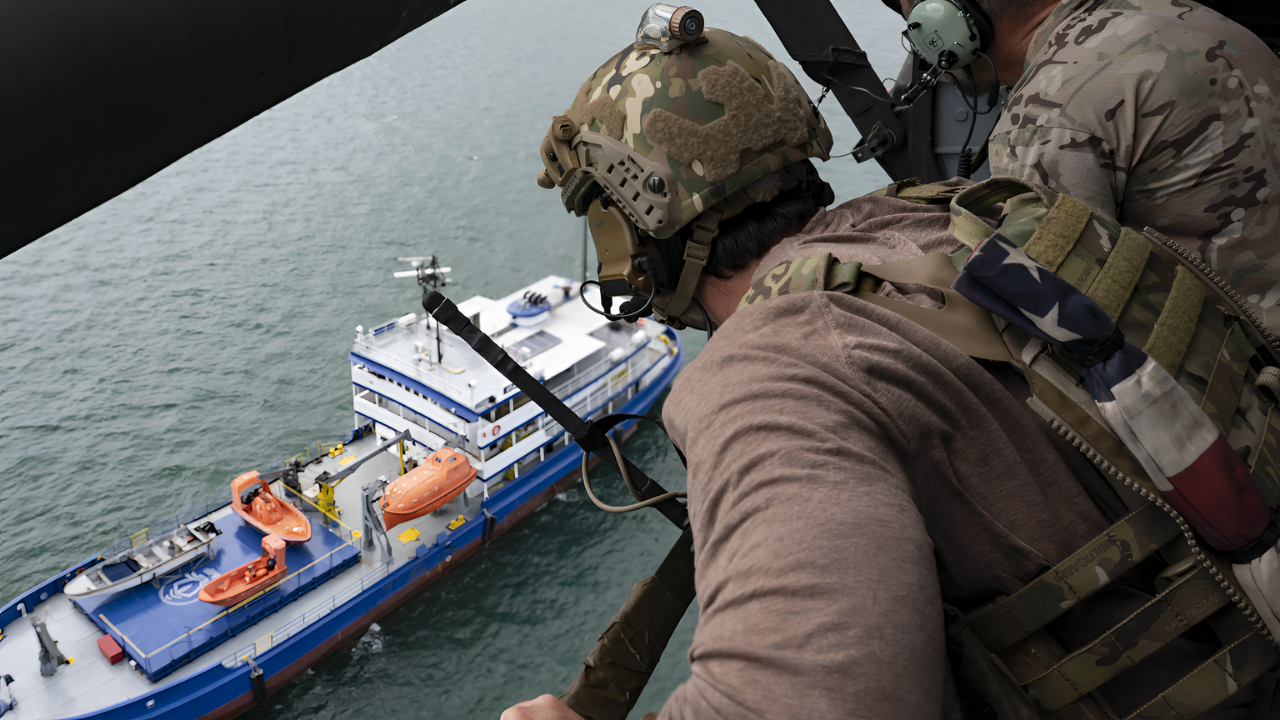
For months, the Trump administration has escalated pressure on Venezuelan President Nicolás Maduro through military operations in international waters, seizing suspected drug vessels and imposing oil sanctions.
The campaign intensified in December 2025 as intelligence briefings warned of expanding narcotics trafficking networks allegedly linked to organized crime groups operating from Venezuelan ports. Officials signaled a shift toward more aggressive action, though they publicly remained silent about specific plans.
The Pressure Mounts
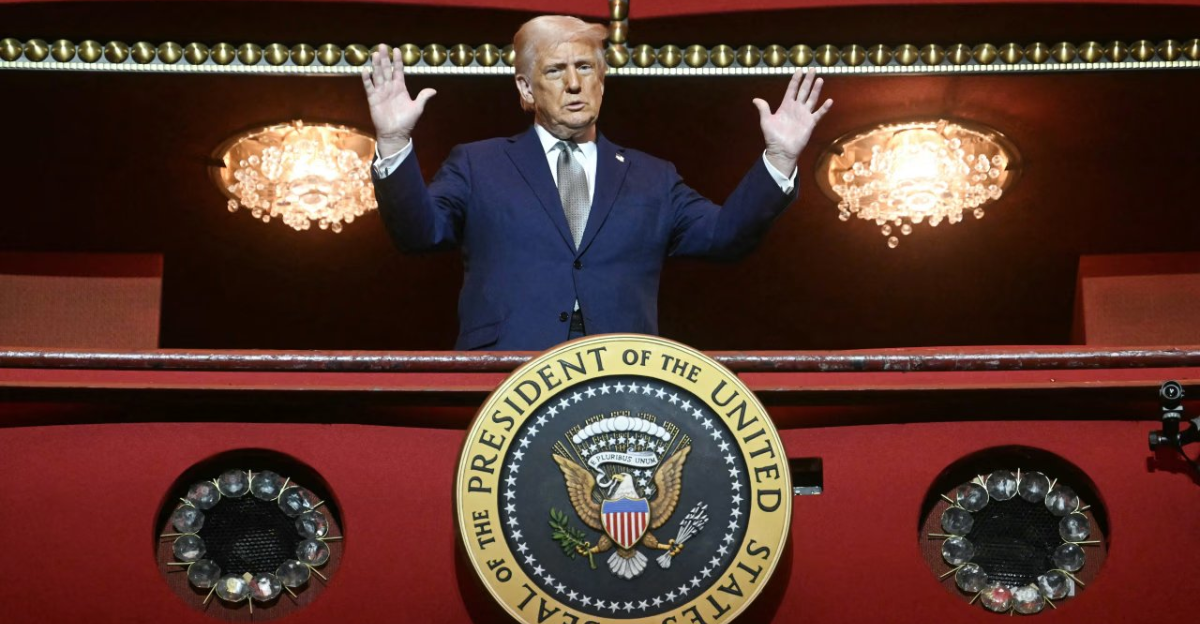
President Trump’s drug-war rhetoric escalated sharply in late December, with multiple public statements about Venezuelan drug operations and a $50 million bounty on Maduro’s capture.
Military assets, including MQ-9 Reaper drones armed with Hellfire missiles, were deployed to Puerto Rico bases for what officials described as an enhanced “pressure campaign.” Intelligence agencies prepared detailed target assessments on purported drug facilities throughout northern Venezuela and Colombia.
Historical Context
The United States has conducted military operations against suspected drug traffickers since September 2025, but all prior strikes targeted vessels in international waters, a legal gray zone, avoiding direct territorial violation.
Previous administrations avoided armed action on Venezuelan soil due to diplomatic risks and international law concerns. Trump’s rhetoric suggested a willingness to cross this threshold if given sufficient justification tied to national security and drug enforcement.
The Criminal Actor
Tren de Aragua, a Venezuelan gang born initially within the prison system, has evolved into a transnational criminal organization involved in drug smuggling, extortion, and human trafficking across South America and the Caribbean.
The Trump administration designated it as a “foreign terrorist organization” in January 2025, paving legal ground for military action. U.S. officials claimed the gang controlled port facilities and drug-loading operations along Venezuela’s coast.
The Strike Happens
On December 24, 2025, the CIA conducted the first documented U.S. military strike on Venezuelan soil. MQ-9 Reaper drones launched Hellfire missiles at a port facility in northwestern Venezuela, destroying dock structures and multiple boats used in narcotics operations.
President Trump confirmed the operation on December 26 during a radio interview, stating, “There was a major explosion in the dock area where they load the boats up with drugs.” No casualties were reported; the facility was unoccupied at the time of impact.
Physical Destruction Confirmed
Eyewitnesses from the indigenous Wayuu community near Alta Guajira reported hearing a massive explosion on or around December 18–24, 2025, consistent with the strike’s timing.
Photographs and satellite imagery later analyzed by independent researchers documented destroyed dock infrastructure, burned boats, and debris scattered across the facility. The facility, previously assessed by U.S. intelligence as a central staging hub for narcotics transfer to ocean vessels, was rendered non-operational.
Local Impact
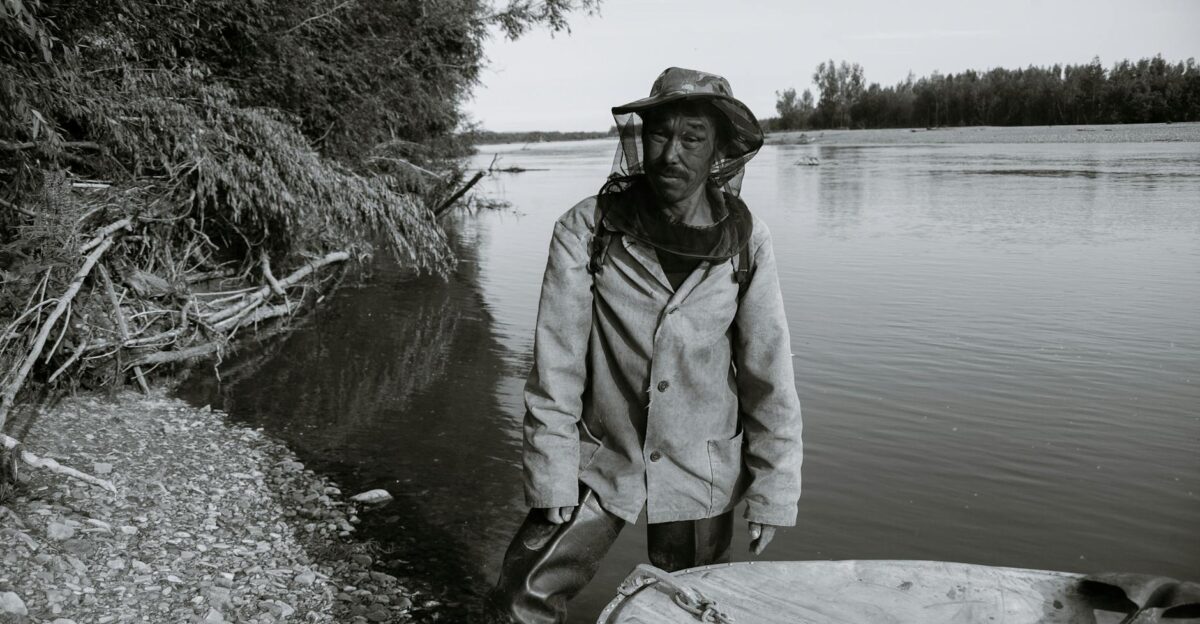
Residents of indigenous Wayuu fishing communities near the strike zone reported hearing loss, equipment damage, and contamination concerns from the blast. Several families reported that their fishing boats and nets, their primary source of income, had been destroyed.
Venezuela’s Interior Minister Diosdado Cabello condemned the strike as “months of imperial madness,” framing it as an unjustified act of aggression on sovereign territory. Local media outlets captured testimonies from affected residents, who expressed fear of a future escalation.
Intelligence Agency Dispute
A critical contradiction emerged: the Trump administration claimed Tren de Aragua operates under Maduro’s direct control and cooperation, but a declassified April 2025 National Intelligence Council report stated the Maduro regime “probably does not have a policy of cooperating with [Tren de Aragua].” FBI analysts and the Office of the Director of National Intelligence reached similar conclusions.
This intelligence discord suggests the strike’s stated rationale, eliminating Maduro-controlled drug operations, may lack consensus support within the U.S. intelligence community.
Regional Escalation Pattern
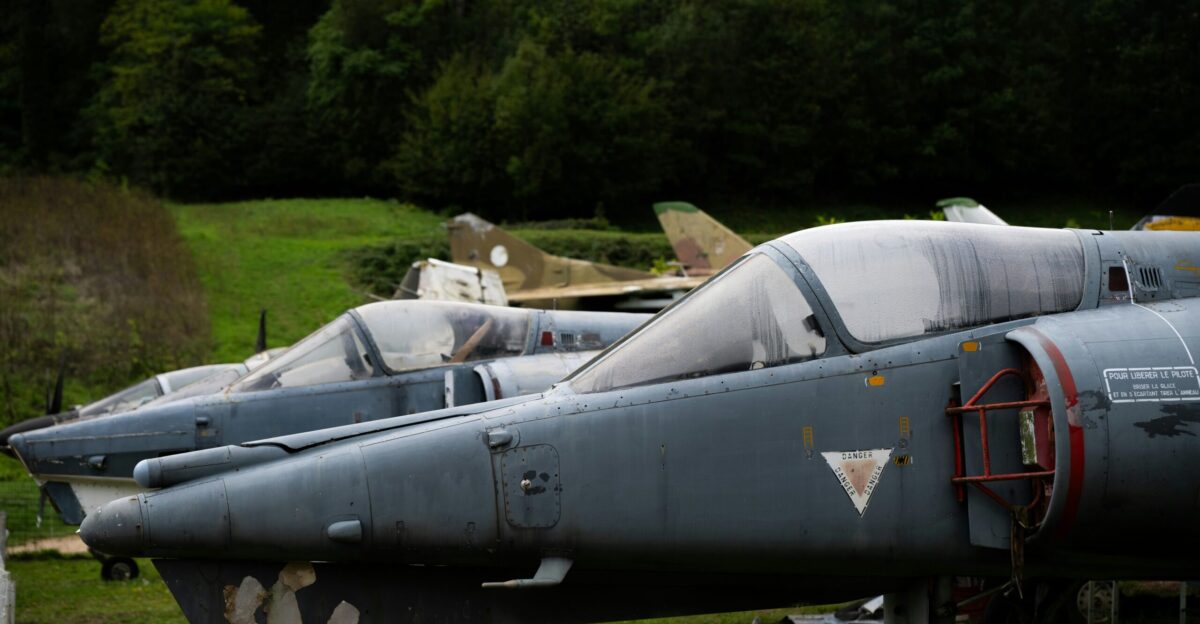
The strike represents a dramatic escalation of U.S. military involvement in the Western Hemisphere, echoing Cold War–era CIA covert operations in Latin America.
Similar drone campaigns occurred under prior administrations in Pakistan, Yemen, and Somalia, but this marks the first CIA land strike in Venezuela and the closest U.S. military action to U.S. borders in decades. Regional analysts warn of potential retaliatory actions against approximately 300,000 Americans living in Latin America.
The Maduro Capture Revelation
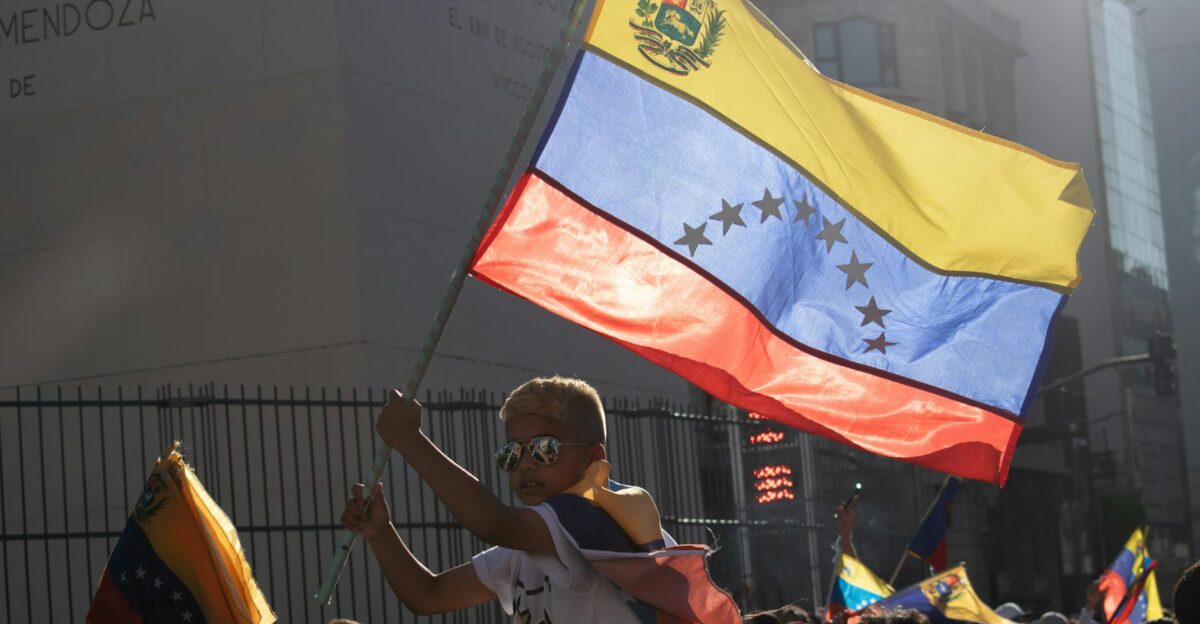
A larger operation unfolded in early January 2026: U.S. military forces, operating inside Venezuela, captured Nicolás Maduro in Caracas during “Operation Absolute Resolve.” This revelation indicates the December strike was part of a coordinated, multi-phase military campaign extending far beyond a single drug facility.
Trump’s framing of the December strike as a “drug war” operation obscured what intelligence assessments later suggested was preparation for direct regime change, a significant political and military escalation.
Congressional Authorization Gap
The CIA and military conducted the December strike and subsequent January capture without explicit congressional authorization or a formal declaration of war. Legal scholars noted the absence of emergency war powers invocation or classified briefing protocols, which are typically required for such operations.
Congressional oversight committees were informed after the fact, raising questions about the limits of executive authority and the precedent being set for future unilateral military action in sovereign nations.
Intelligence Agency Realignment
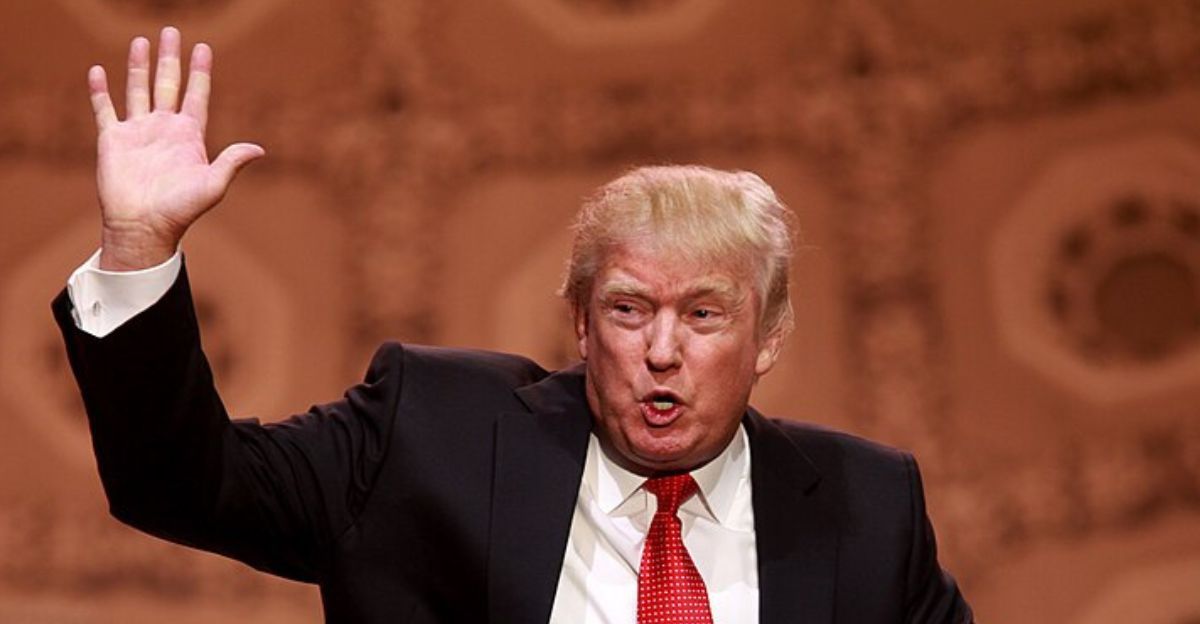
In May 2025, months before the strike, Trump fired senior intelligence officials who disputed his Tren de Aragua–Maduro connection claims. This personnel shift preceded the December operation, suggesting internal resistance to the administration’s framing was removed before kinetic action commenced.
The timeline raises questions about whether policy drove intelligence assessment or intelligence disagreement triggered personnel changes to enable predetermined policy.
Diplomatic Fallout
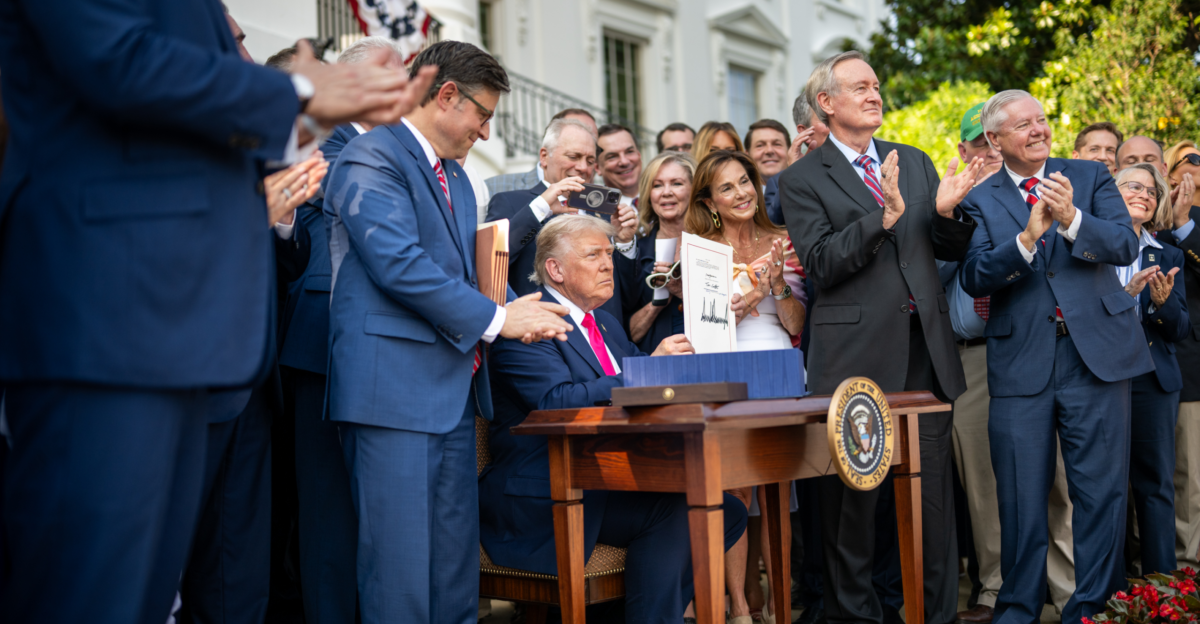
Venezuela’s government condemned the strikes as violations of international law and national sovereignty. The Organization of American States (OAS) issued statements expressing concern. International law experts debated whether the operation constituted an illegal act of war or fell within permissible counter-drug enforcement.
U.S. allies in Europe and Latin America issued cautious statements, neither endorsing nor openly condemning the action, reflecting deep divisions over precedent and legality.
Intelligence Community Skepticism
Senior analysts from the National Intelligence Council, FBI, and ODNI maintained their assessment that Maduro and Tren de Aragua operate independently, with conflicting interests.
Some intelligence officials privately expressed concern that the strike and subsequent capture were justified using faulty intelligence premises. Congressional briefing transcripts, later released (partially redacted), showed intelligence officials hedging their claims and emphasizing uncertainty about organizational links.
What Comes Next?
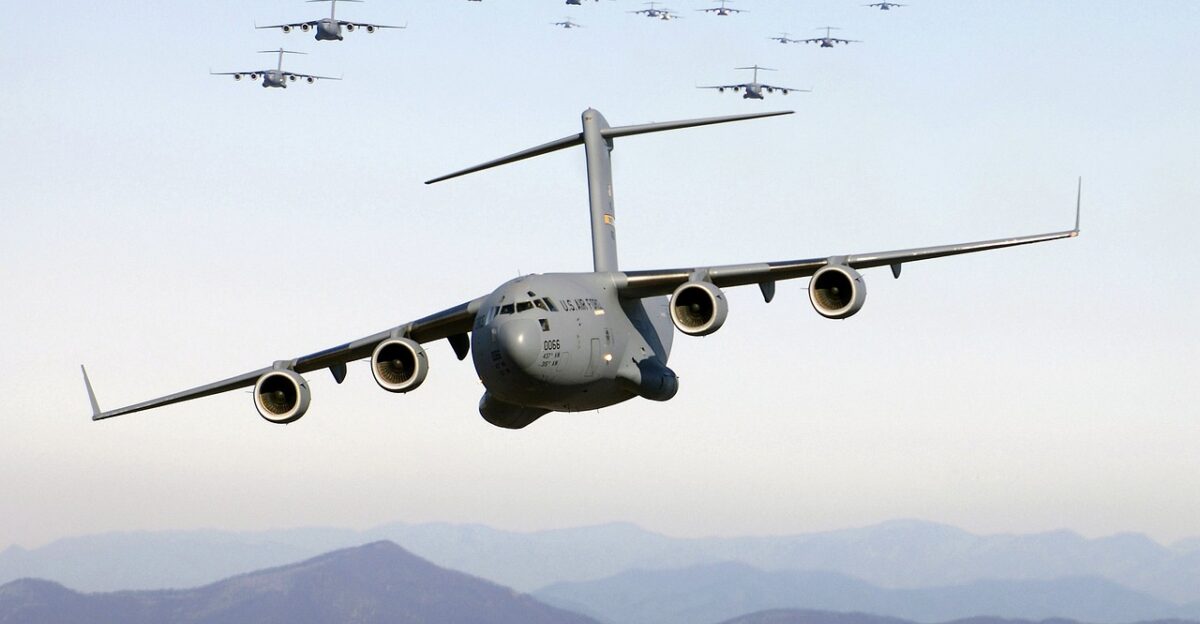
With Maduro captured and the strike completed, attention turns to Venezuela’s political transition, humanitarian needs, and whether U.S. military presence will expand or withdraw.
The precedent of direct CIA strikes and military operations on sovereign soil without congressional authorization may influence future interventions. International observers question whether stability or prolonged instability will follow, and whether the intelligence disputes underlying the campaign will receive post-action review.
Constitutional Questions
Legal scholars argue the operation raises fundamental constitutional issues: whether the President can unilaterally authorize military strikes on foreign soil without congressional declaration, and whether emergency powers doctrines justify the lack of prior authorization.
The War Powers Resolution of 1973 technically requires reporting within 48 hours and congressional approval within 60 days, but enforcement mechanisms remain contested. This case may trigger litigation or legislative review.
International Law Implications
The strike challenges established principles of sovereignty and non-intervention codified in the United Nations Charter and Organization of American States conventions.
Some legal scholars argue counter-drug operations fall outside traditional war-making and thus require lower thresholds; others counter that unilateral military action on foreign soil without that nation’s consent violates fundamental international norms. The case may inform future disputes over humanitarian intervention and counter-narcotics justifications.
Drug Policy Reversal
The Trump administration’s escalation from maritime interdiction to land-based strikes marks a dramatic shift in U.S. drug policy philosophy from enforcement-adjacent (“interrupting trafficking”) to military regime-change rhetoric.
Critics argue the framing as a “drug war” obscures geopolitical objectives; supporters contend decisive action was necessary given Venezuela’s instability and narcotics production. The strike illustrates how drug enforcement language can justify military operations historically reserved for declared adversaries.
Precedent for Future Interventions
U.S. policymakers and military strategists will likely cite the Venezuela operation as a template for future “counter-drug” or “counter-terrorism” interventions in the Western Hemisphere and beyond.
The relative lack of unified international opposition (compared to the 2003 Iraq invasion) may embolden proponents. However, the underlying intelligence disputes and constitutional gaps suggest the precedent is legally and ethically contested, potentially inviting challenge in future cases.
What This Really Says
The December 24 strike and subsequent Maduro capture reveal a U.S. administration willing to breach traditional sovereignty boundaries, override internal intelligence disagreement, and justify military action using contested premises about criminal-state linkages.
Whether framed as drug enforcement or regime change, the operation signals a return to Cold War–era interventionism in Latin America. The intelligence contradictions, lack of congressional authorization, and local civilian impacts suggest future scrutiny and potential legal or political reversal may follow.
Sources:
The New York Times: “C.I.A. Conducted Drone Strike on Port in Venezuela”
CNN: “Exclusive: CIA carried out drone strike on port facility in Venezuela”
PBS Newshour: “A timeline of U.S. military escalation against Venezuela leading to Maduro’s capture”
NBC News: “Eyewitnesses describe mysterious explosion in northwest Venezuela”
Al Jazeera: “Fact-checking Trump following US ‘capture’ of Venezuela’s Maduro”
The Atlantic Council: “What Trump’s Venezuela oil blockade means for Maduro and the world”