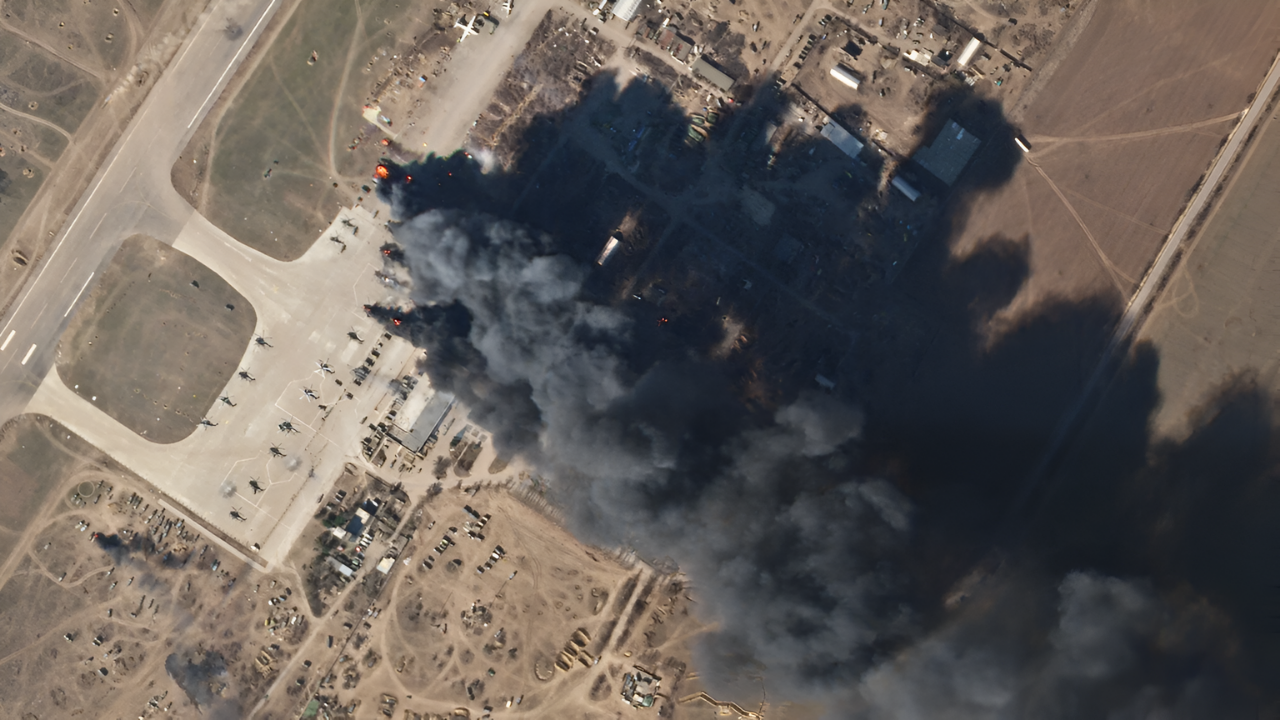
On 18 November 2025, Ukraine’s General Staff confirmed its first publicly acknowledged ATACMS strike under the Trump administration, targeting military sites roughly 180 kilometers inside Russia. “The use of long-range strike capabilities, including systems such as ATACMS, will continue,” the General Staff stated, signaling a major shift in Ukraine’s military operations.
This represents a milestone in Ukraine’s strategic doctrine. The attack also marks the Trump administration’s de facto approval for long-range strikes, ending months of restrictions. Let’s look deeper at what this strike involved, the parties behind it, and the implications of this new military threshold inside Russia’s territory.
Who Carried Out The Strike?

The Ukrainian General Staff confirmed the attack on 18 November. Their statement stressed the strike “underscores Ukraine’s unwavering commitment to its sovereignty,” while committing to continued long-range operations. The US Trump administration effectively permitted the strike, reversing prior restrictions on the use of ATACMS. Zelensky personally requested permission to deploy these missiles.
Russia confirmed the incident a day later, claiming all four ATACMS were intercepted and alleging minor casualties near Ukrainian launch sites. These conflicting narratives illustrate the fog of war. However, the Ukrainian statement hints at a new tactical approach that could redefine engagements deep inside Russian territory.
What Was Targeted?
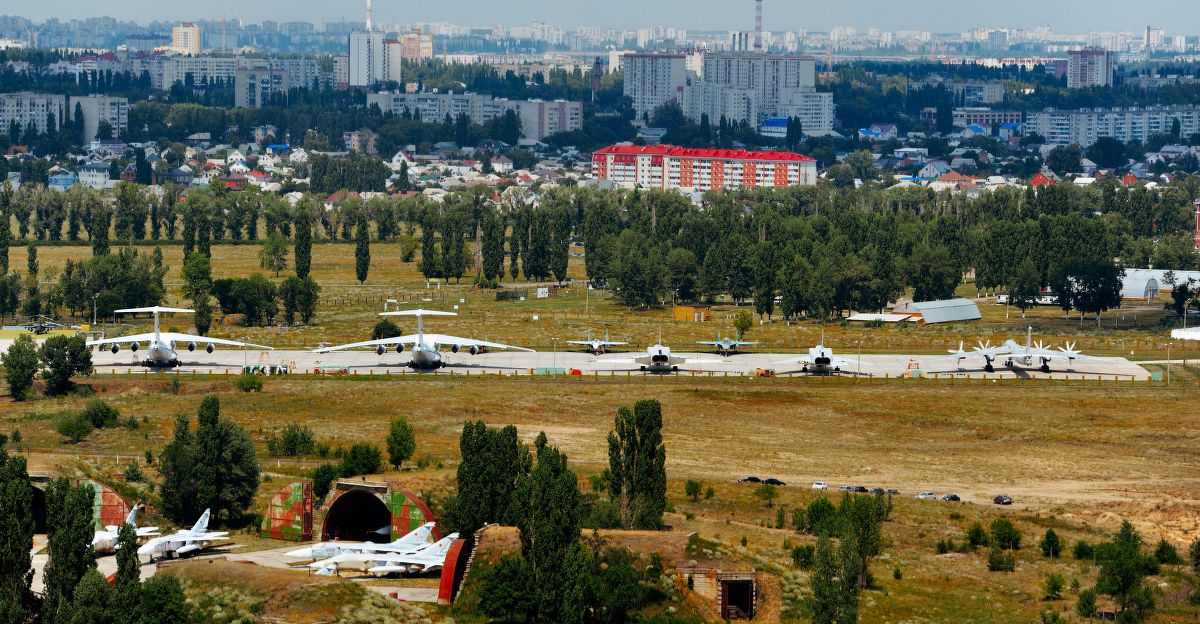
The strike reportedly aimed at Russian military installations 180 kilometers inside Russia. While headlines claim the Voronezh airbase was “flattened,” independent verification is lacking. Analysts suggest Ukrainian strikes may have targeted the Pogonovo training area, a high-value military zone, rather than fully destroying the airbase itself.
This distinction is crucial. The confirmed location, well within ATACMS’ 300-kilometer range, signals Ukraine’s ability to reach strategic targets far from the border. Yet, uncertainties about the actual damage leave questions about the operation’s immediate tactical success and its broader psychological effect on Russian forces.
How Powerful Is ATACMS?
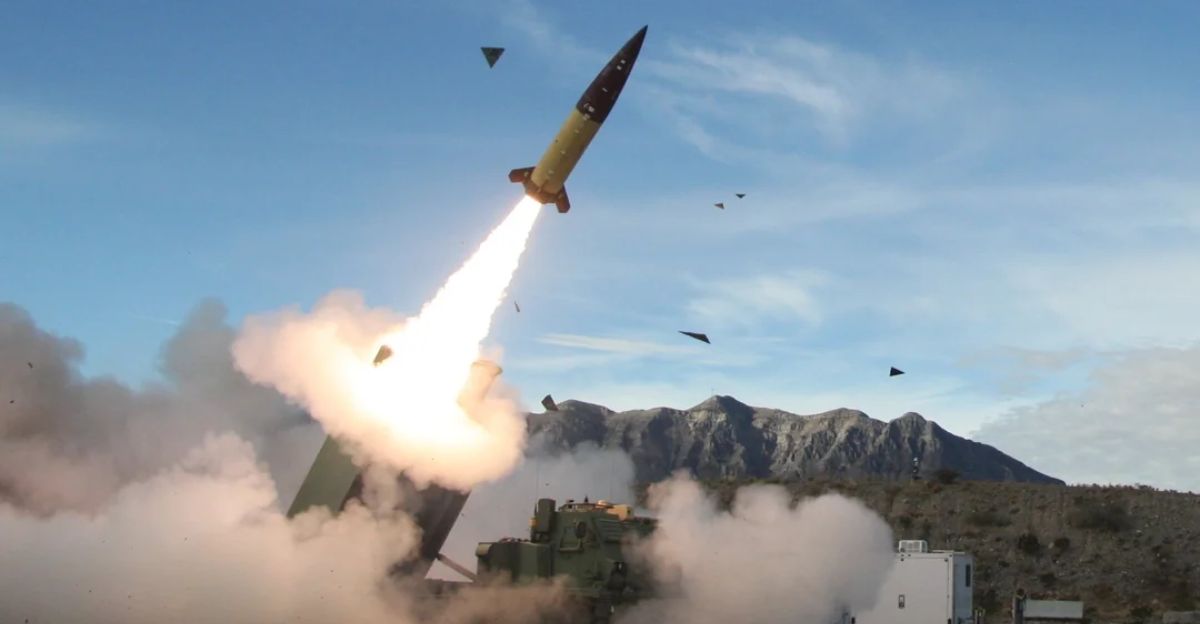
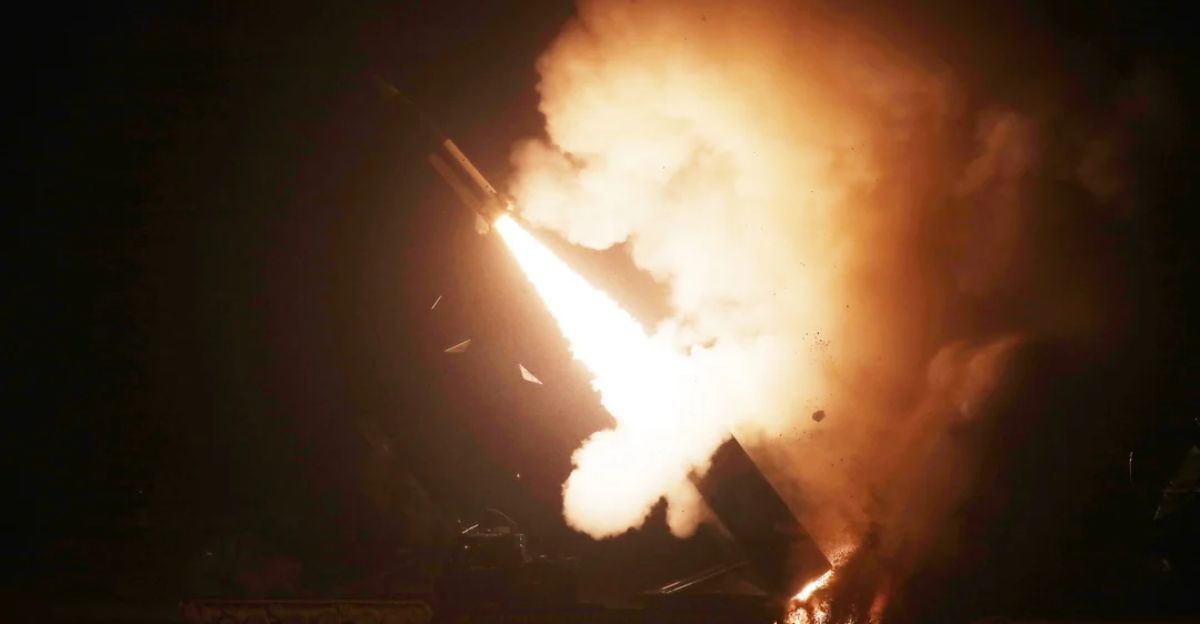
Army Tactical Missile Systems (ATACMS) cost $1–$1.5 million per missile and have a range of up to 300 kilometers. Ukraine has received roughly 50 rounds, split between M39A1 short-range and M57 long-range variants. The missiles are deployed on M142 HIMARS and M270 MLRS launchers, offering flexibility in rapid deployment and precision targeting.
This strike represents only a fraction of Ukraine’s missile inventory. The ATACMS’ range enables Ukraine to strike key airbases, logistics hubs, and command centers far behind front lines—targets domestic systems cannot reliably reach. However, will Ukraine be able to sustain operations with limited missile numbers?
When Did This All Happen?
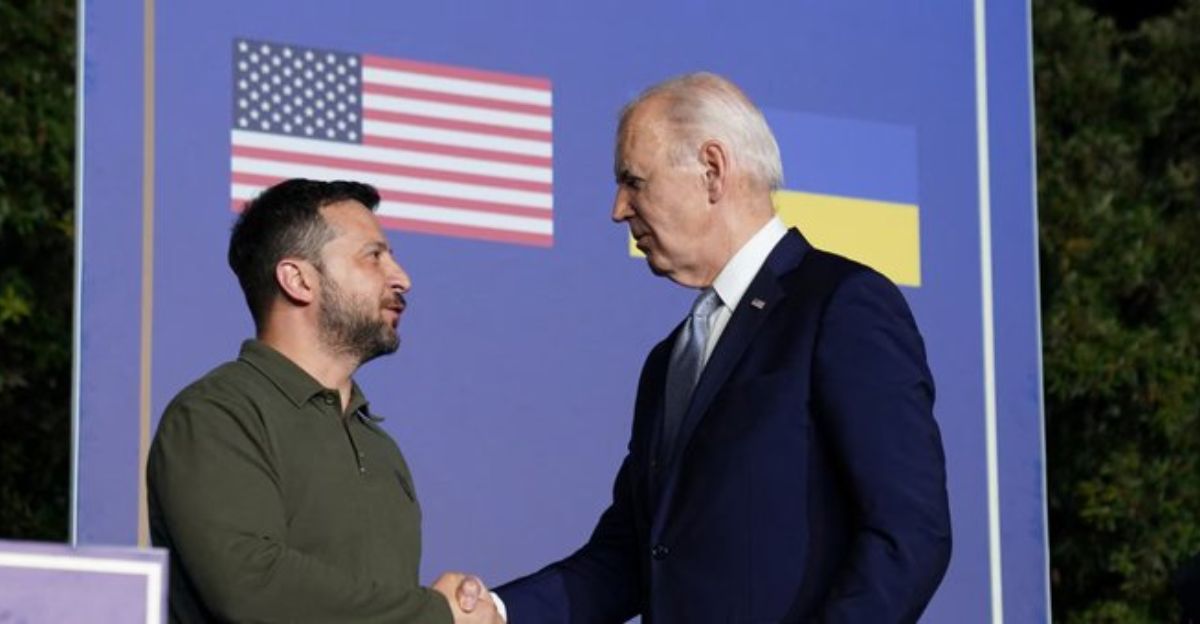
ATACMS first entered the Russia-Ukraine conflict under Biden’s authorization on 19 November 2024. The Trump administration then imposed restrictions upon taking office in January this year, halting new strikes. On 18 November 2025, the strike in Voronezh became the first acknowledged under the Trump-era policy, highlighting a roughly 12-month gap.
This year-long pause raises questions about inventory shortages, U.S. policy decisions, and military readiness. The timing of the strike suggests strategic calculations beyond the battlefield, connecting political signals with operational opportunities inside Russian territory.
Where Did The Strike Land?
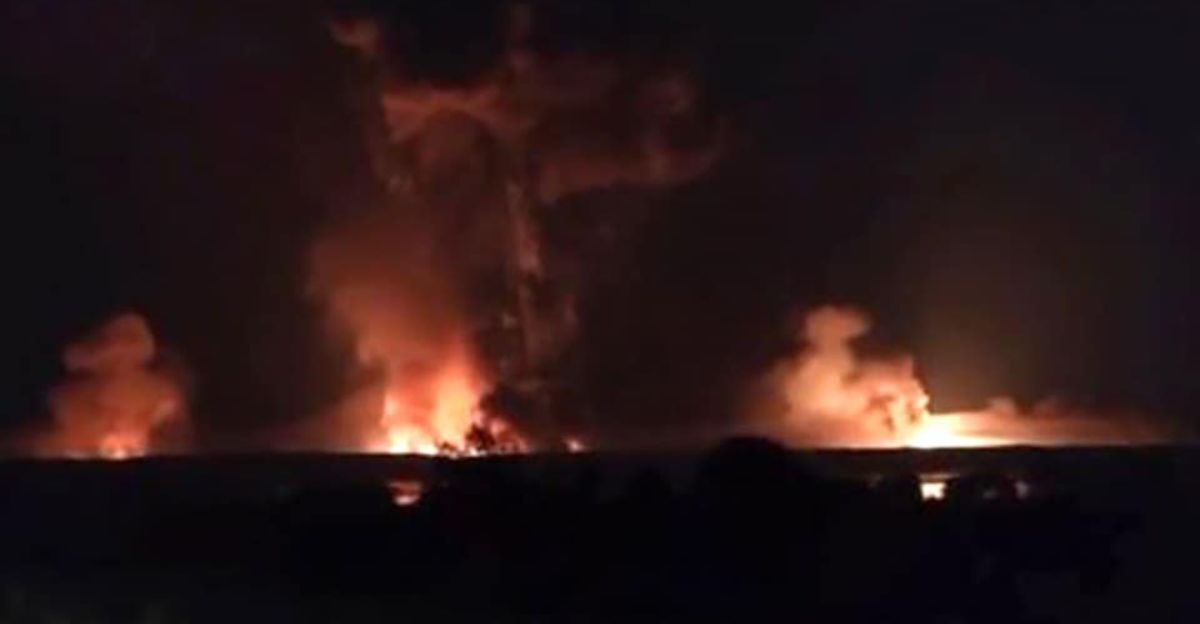
The strike occurred in Russia’s Voronezh region, approximately 180 kilometers from the Ukrainian border. Open-source analysis suggests the Voronezh airbase, home to the 47th Bomber Aviation Regiment and Su-34 fighters, or the Pogonovo training area, was targeted. Kharkiv region launch sites were reportedly affected in retaliatory Russian strikes.
The distance represents a new escalation threshold for Ukraine. Hitting targets this far inland signals Ukraine’s ability to project force into strategic Russian territory and potentially disrupt key military infrastructure beyond the reach of conventional artillery and domestic missile systems.
Why Ukraine Struck Deep
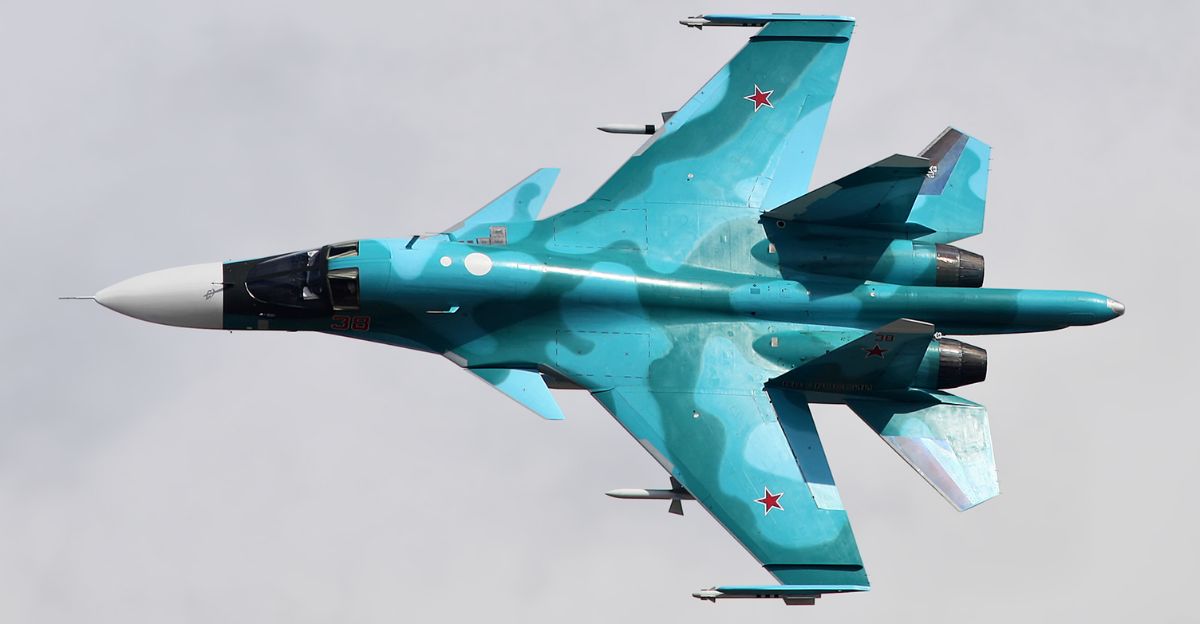
The strike aimed to degrade Russian airpower, specifically Su-34 fighter-bombers, which are central to air campaigns over Ukraine. Each loss reduces Russia’s precision bombing capability. Additionally, ATACMS provides Ukraine the ability to strike hardened military installations beyond the reach of domestic drones and cruise missiles.
Politically, the strike conveys a clear message: Ukraine can target strategic locations, signaling resolve to Russia and reassurance to Western allies. It also demonstrates the U.S.’s willingness to supply advanced weaponry, reinforcing NATO’s confidence in American support and influencing European military assistance planning.
Strategic Motives For The Trump Administration
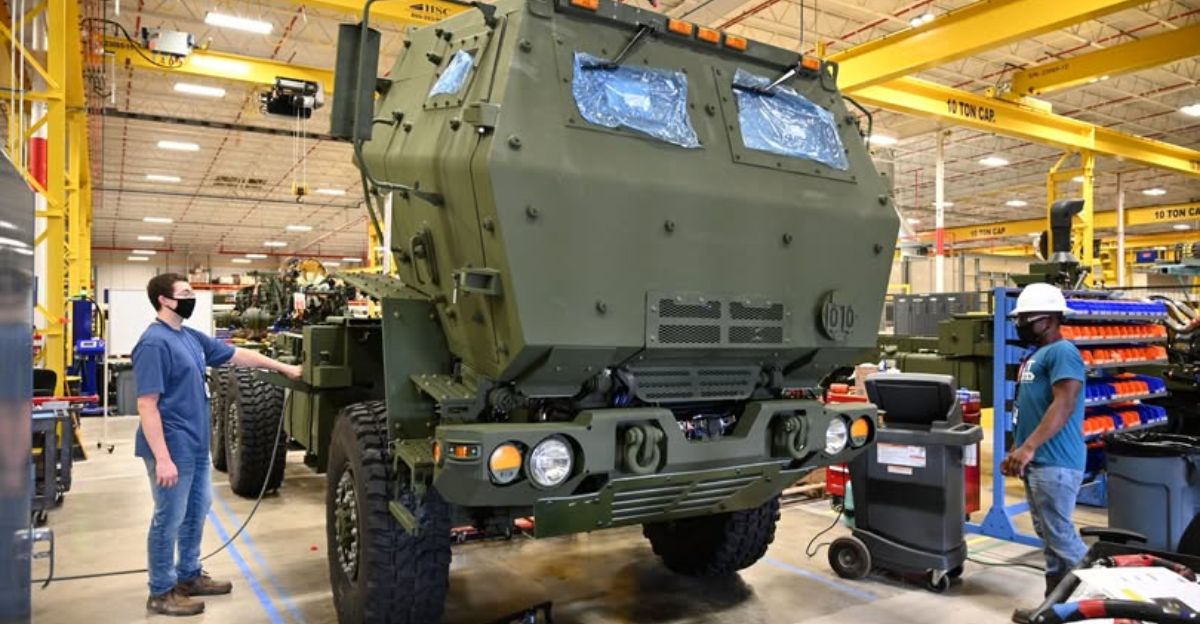
The strike put pressure on Russia without committing to deeper escalation. By approving the use of ATACMS, the administration maintains flexibility while signaling its support for Ukraine. Lockheed Martin’s production ramp-up, now 96 HIMARS per year, benefits from ongoing demand, sustaining U.S. defense jobs and supply chains.
NATO allies also gain confidence in the U.S. commitment. Supplying ATACMS indirectly justifies $500 million packages of equipment and munitions identified by Ukraine as operational priorities. This demonstrates that military support and political signaling are intertwined, shaping regional strategy beyond immediate battlefield outcomes.
How The Strike Was Executed
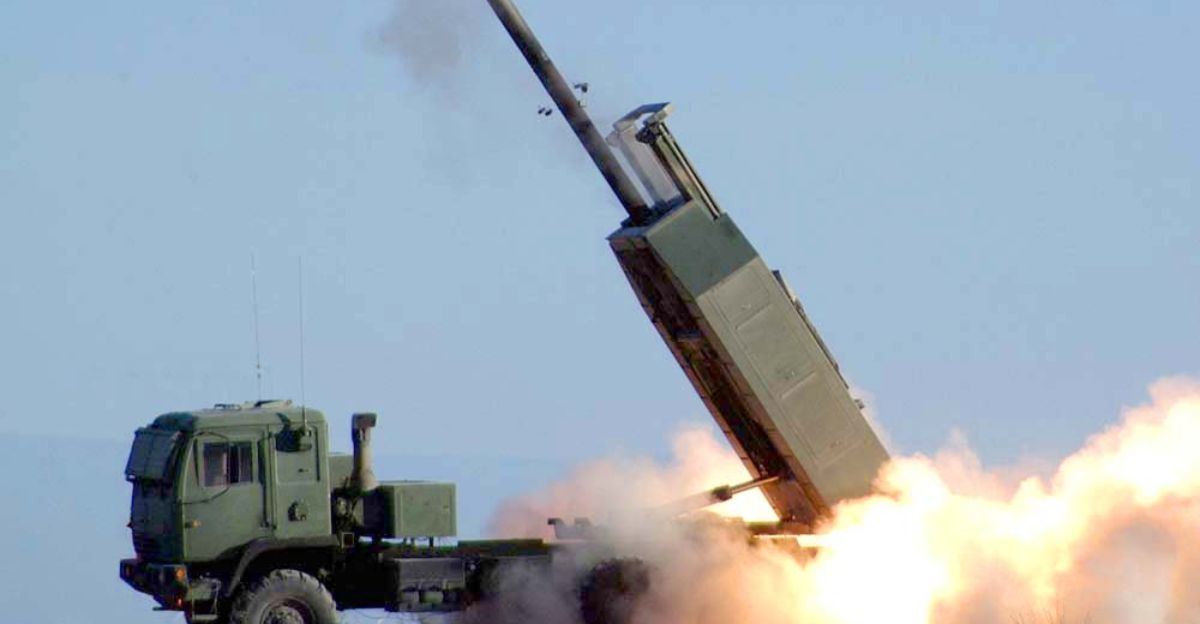
Missiles were launched from M142 HIMARS or M270 MLRS platforms in Ukraine’s Kharkiv region. U.S. intelligence provided targeting support, including satellite reconnaissance and guidance updates. Russia claimed all four missiles were intercepted, while experts highlighted contradictions in photos and videos circulated on social media.
The operation underscores the critical role of intelligence. Without U.S. coordination, Ukraine could not reliably strike targets 180 kilometers inside Russia. Yet, verification challenges persist, highlighting the ongoing ambiguity in assessing military effectiveness during ongoing conflicts.
Conflicting Narratives And Damage Assessment
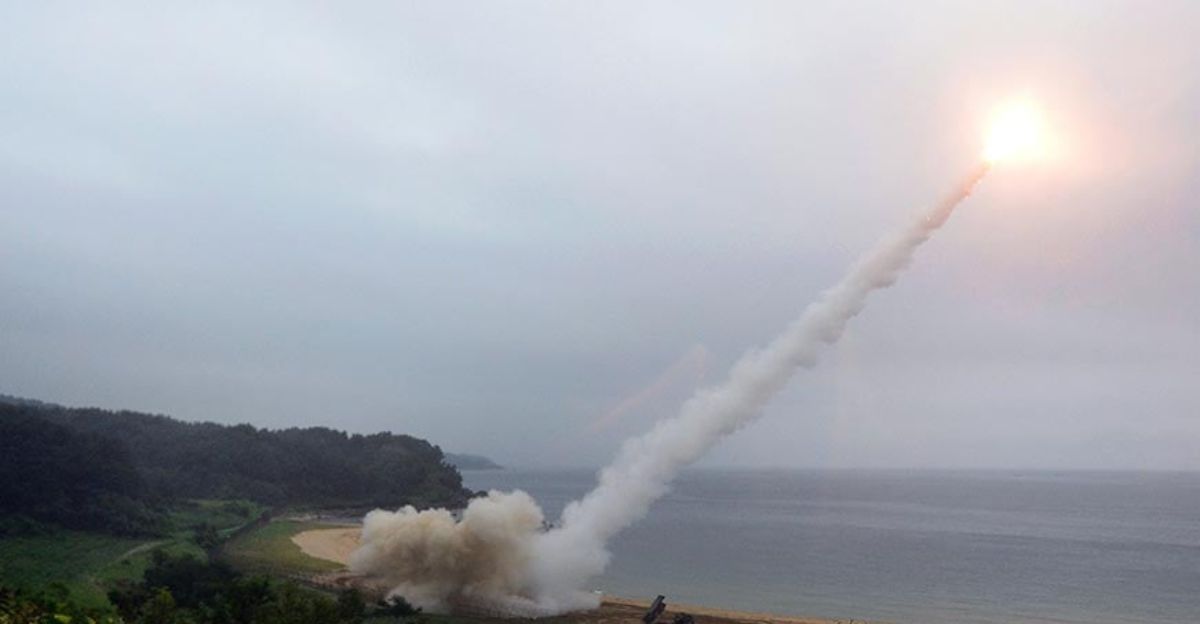
Ukraine confirmed “precision strikes on military targets” but withheld detailed imagery. Russia claimed all missiles were intercepted, reporting minor debris damage to civilian structures in Voronezh. Independent satellite verification remains absent, leaving both sides’ accounts unconfirmed and reflecting information warfare strategies in the modern battlefield.
This lack of clarity sparks debate about the true success of the strike. Analysts must navigate propaganda and limited evidence to determine whether the operation achieved its intended strategic goals or merely delivered a symbolic demonstration of capability.
Financial Implications Of The Strike
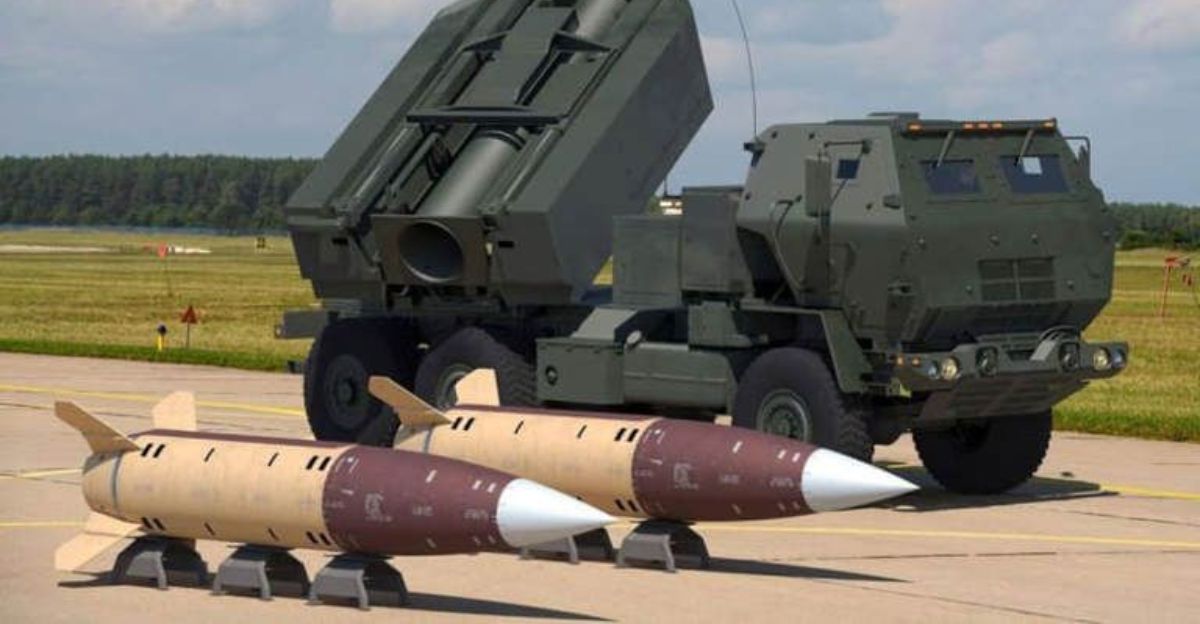
Four ATACMS missiles cost $4–$6.8 million in munitions. Targeting high-value Russian aircraft such as Su-34s, valued at $36–$50 million each, could offer Ukraine a favorable cost-exchange ratio, assuming confirmed damage. This financial perspective highlights the strategic investment inherent in long-range precision strikes.
This cost-benefit angle may influence future operational decisions. If the strike successfully disrupts Russian assets, Ukraine could justify continued expenditures, balancing limited missile inventory with high-value target outcomes. The next challenge is sustaining such operations amid finite resources.
The Role Of Defense Contractors
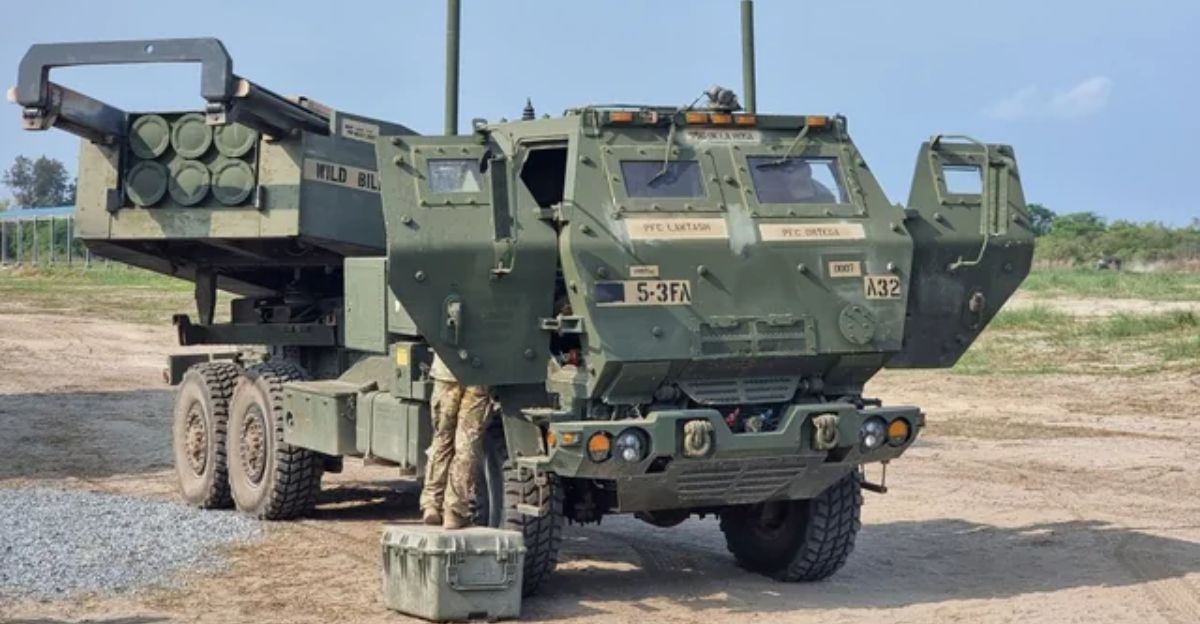
Lockheed Martin, RTX, and BAE Systems expanded production to meet Ukrainian demands. Annual HIMARS capacity rose from 48 to 96 units. U.S. Army contracts worth $2.8 billion supported this growth, sustaining direct and supply chain employment, and enabling sustained missile availability for ongoing strikes.
The industrial base underpins operational readiness. Production acceleration ensures Ukraine can maintain pressure with ATACMS, while signaling to adversaries that the U.S. industrial-military partnership remains capable of supporting long-term conflict needs, even as inventory diminishes with each strike.
Civilian Impact And Retaliation
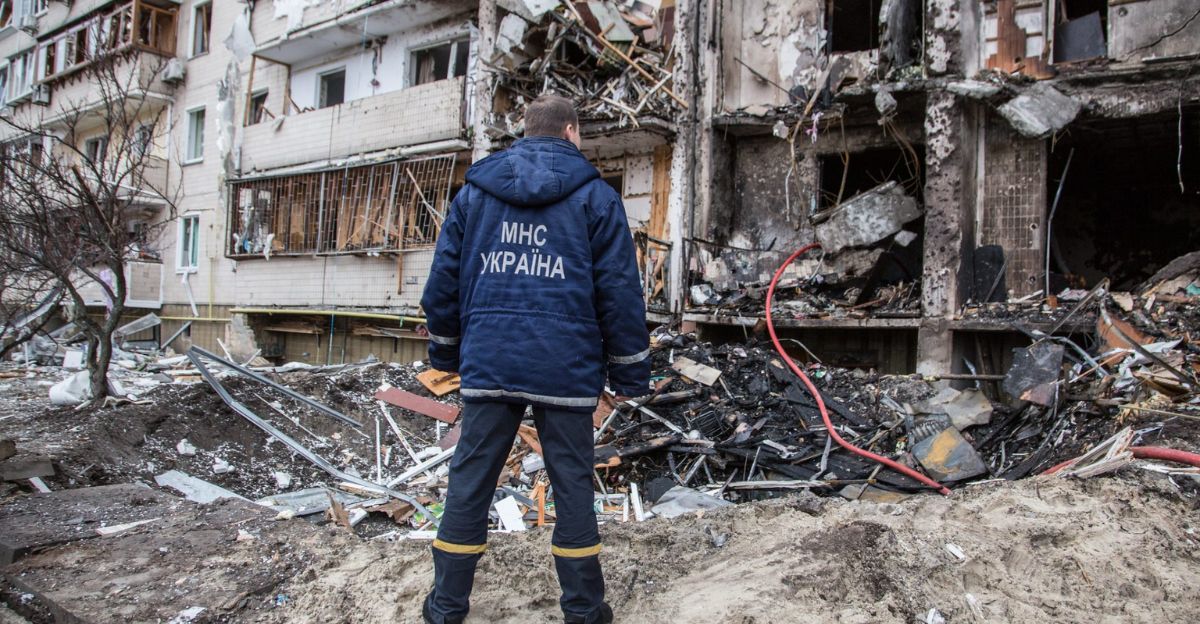
Russian forces reportedly targeted Kharkiv in retaliation. Between 18–23 November 2025, drone strikes killed five civilians and injured 22. Eight residential buildings, a school, and power lines were damaged. Voronezh civilians reportedly experienced debris damage with no confirmed injuries, highlighting the ongoing humanitarian cost of escalation.
The pattern of retaliatory attacks underscores the broader consequences of long-range strikes. Each military action triggers potential civilian harm, emphasizing the intertwined nature of operational decisions, strategic signaling, and human cost in modern warfare.
Political And Tactical Messaging
The strike serves dual purposes: degrading Russian capabilities and signaling U.S. and Ukrainian resolve. The Chosun Ilbo reported that ATACMS authorization may pressure Russia militarily while promoting negotiations. The Wall Street Journal noted that this demonstrates American seriousness in supporting Ukraine without fully escalating beyond controlled bounds.
This messaging highlights the delicate balance between demonstrating military power and maintaining diplomatic leverage. Observers now watch how these strikes influence both Russian decision-making and ongoing international support for Ukraine’s defense strategy.
Looking Ahead: The Future Of Strikes

Ukraine’s General Staff confirmed ongoing long-range strike operations, marking a new tactical era. Sustaining operations will depend on missile inventory, production, and continued U.S. support. Analysts predict future strikes could target additional strategic bases, logistics hubs, and command centers deeper within Russia.
The first publicly acknowledged ATACMS strike may represent just the start. How Ukraine manages limited missile stock, U.S. intelligence cooperation, and Russian countermeasures will define the next phase of this conflict, shaping the strategic balance in eastern Europe.