Gunfire erupted in seconds. In a hospital parking lot in East Portland, a U.S. immigration agent fired a single shot during a daytime traffic stop, wounding both the driver and passenger. Bleeding, the pair drove themselves nearly three miles before police applied a tourniquet.
The shooting—at 2:18 p.m. on a weekday—immediately ignited protests, political backlash, and unanswered questions. For Portland’s leaders, this wasn’t just another federal operation. It was a breaking point.
Sanctuary Showdown
Portland’s identity as a sanctuary city collided head-on with federal enforcement the moment shots were fired. Oregon has limited local cooperation with immigration authorities since 1987, and Portland strengthened those protections with a binding ordinance in 2025.
But as the Trump administration ramps up high-profile operations in liberal cities, that uneasy coexistence is fracturing. Thursday’s shooting didn’t just wound two people—it reopened a long-simmering fight over policing, accountability, and force on Portland’s streets.
Pattern of Force
The Portland shooting came just one day after a far deadlier encounter. In Minneapolis, an ICE Special Response Team officer fatally shot 37-year-old Renee Nicole Good, a U.S. citizen and mother of three, during an immigration operation.
Federal officials claimed she “weaponized” her vehicle, a version local leaders disputed after reviewing video. As protests spread nationwide, Portland officials viewed DHS’ account of their own shooting with deep skepticism and alarm.
Tension Mounts
Local authorities confirmed only the basics. A man and a woman were shot near Adventist Health Portland, roughly eight miles east of downtown. Police did not witness the shooting and emphasized what they did not know.
Officials said they could not identify the victims or verify what happened in the parking lot. As reporters pressed for answers, Police Chief Bob Day urged patience, warning emotions were already heightened nationwide.
Targeted Stop
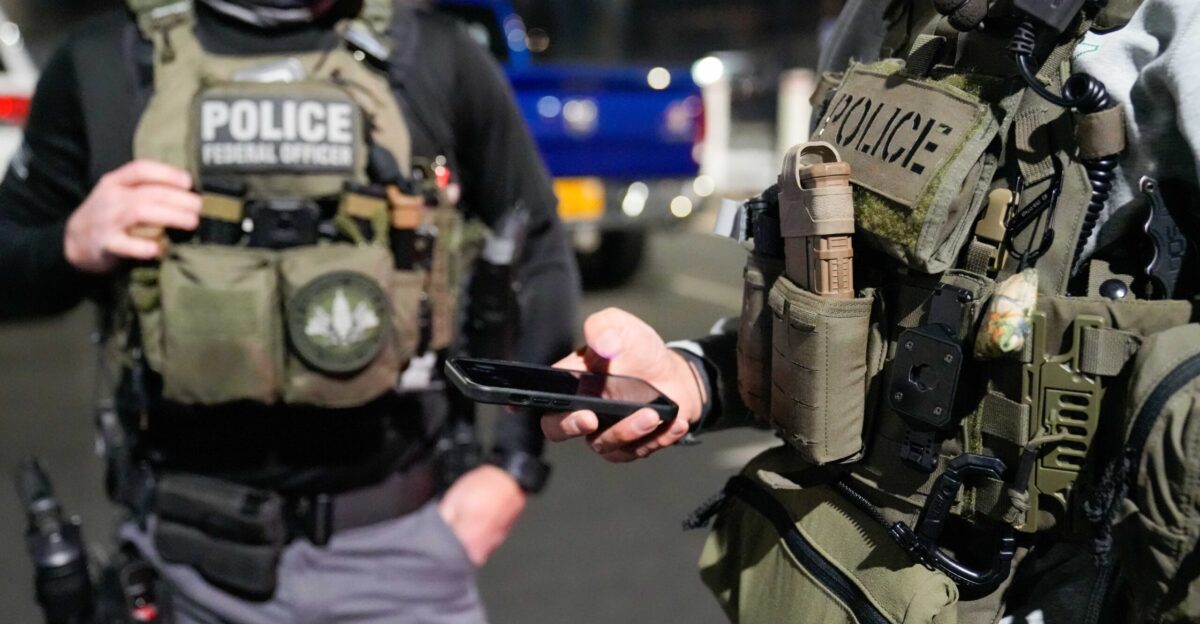
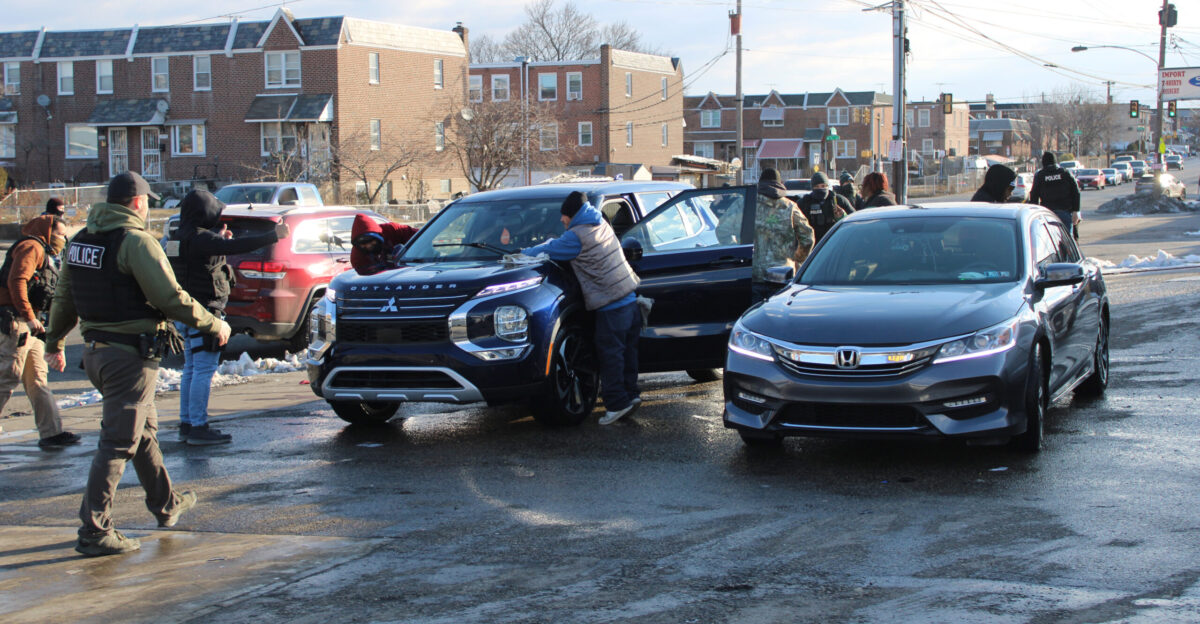
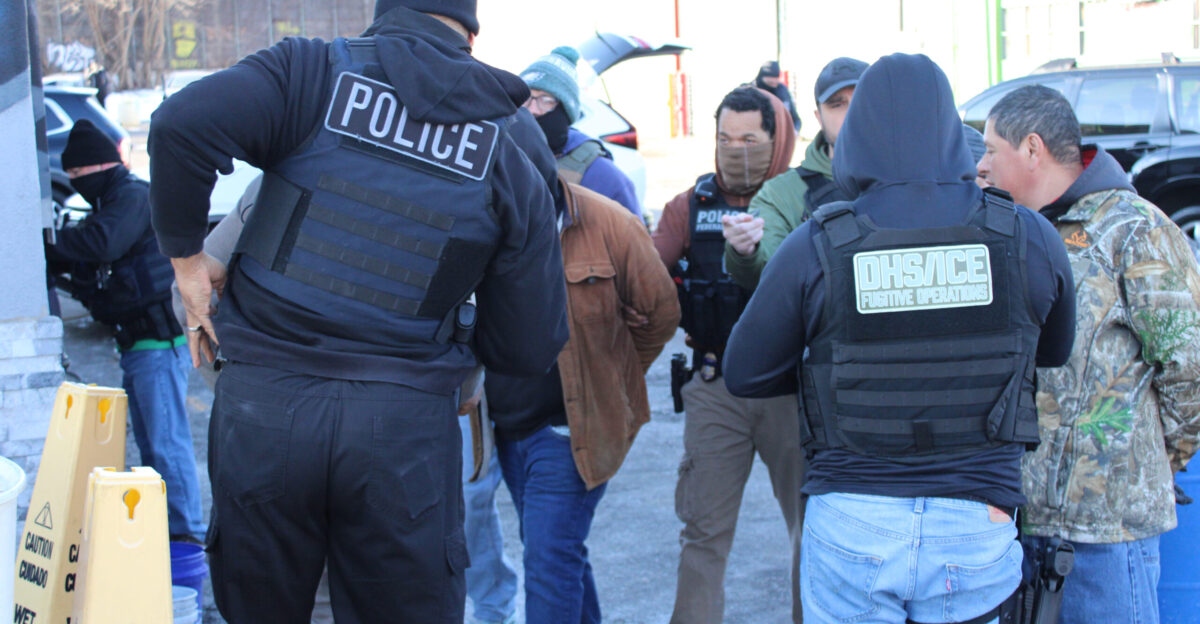
According to DHS, U.S. Customs and Border Protection agents were conducting a “targeted vehicle stop” aimed at a passenger described as an undocumented Venezuelan immigrant linked to Tren de Aragua and a recent Portland shooting.
Officials say the driver attempted to run agents over after they identified themselves, prompting a “defensive shot.” Portland police confirmed federal involvement but said they could not independently verify DHS’ account.
City on Edge

The shooting unfolded in Hazelwood, outside a busy medical campus where light rail trains continued to pass as investigators worked behind police tape. The scene drew immediate attention in a densely traveled corridor.
Officers later found the wounded pair three miles away, applied a tourniquet, and transported them to hospitals. Conditions were not released. Officials pleaded for calm as anger spread rapidly.
Voices in the Streets
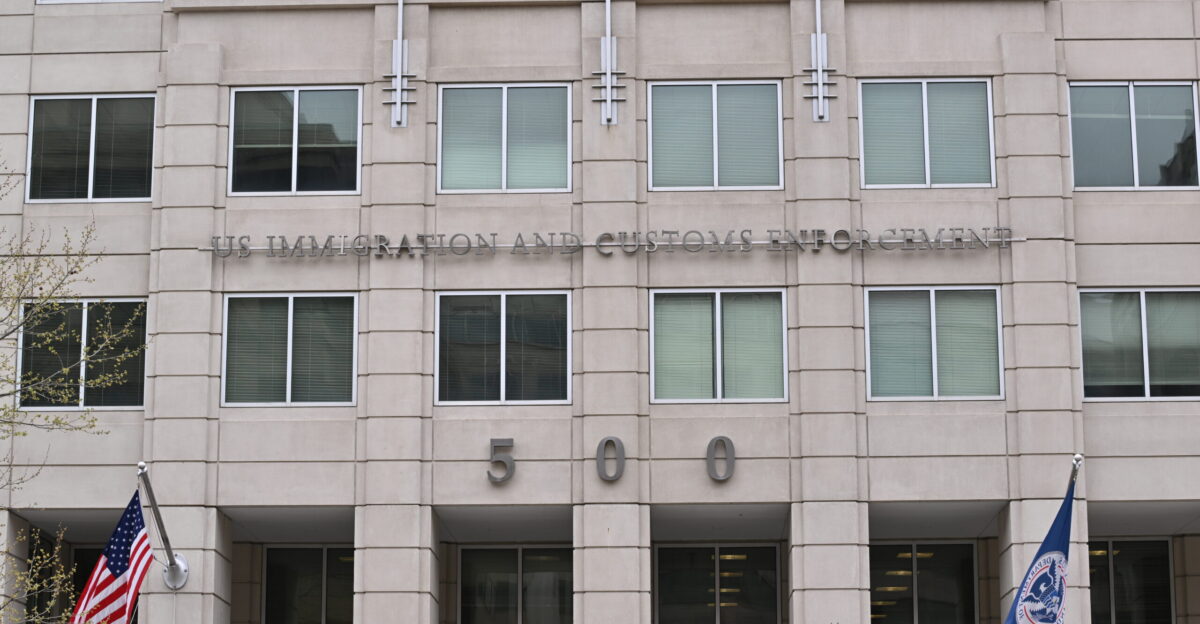
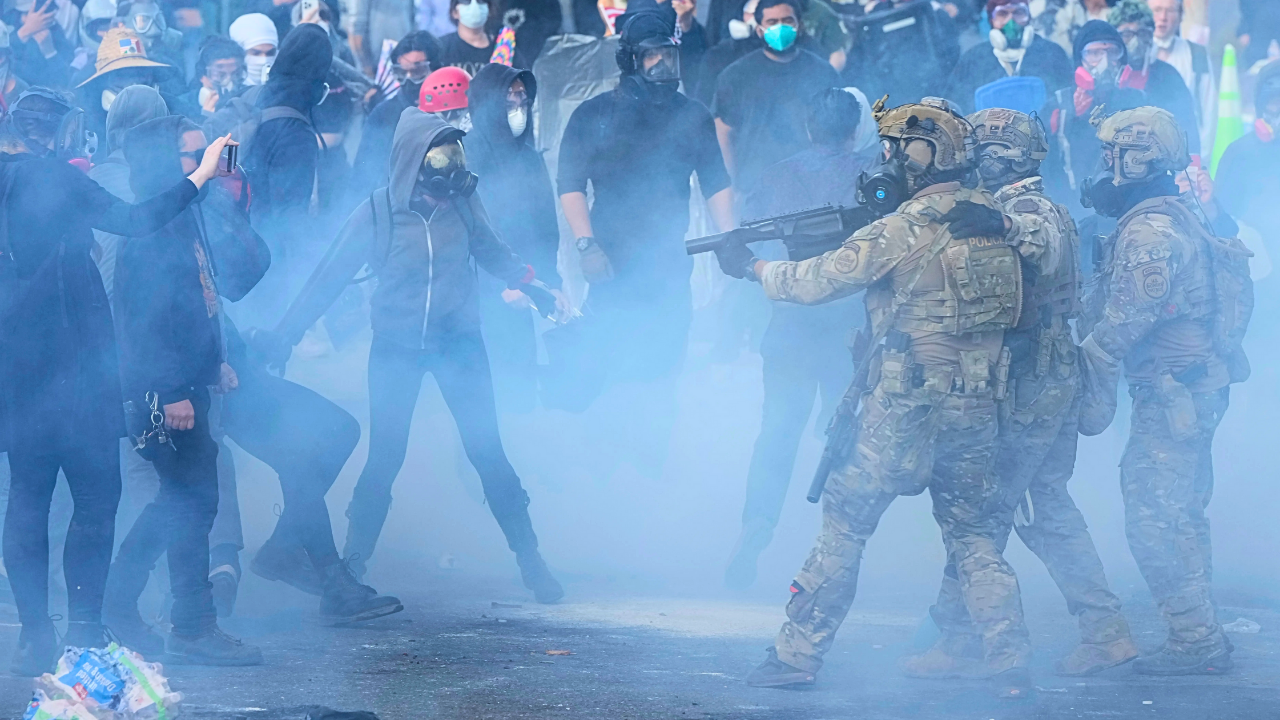
By nightfall, nearly 500 demonstrators gathered outside Portland’s ICE facility, chanting against immigration enforcement and what they described as a predictable escalation of federal force.
Some called the shooting horrific; others said it was inevitable. Police used loudspeakers to clear streets and made targeted arrests as protesters demanded accountability for both Portland and Minneapolis.
Gang Allegations

At the center of DHS’ justification is Tren de Aragua, a Venezuelan gang that originated inside Tocorón prison and expanded across South America and into the U.S. The group is accused of extortion, trafficking, and violence.
The State Department has designated it a terrorist organization and placed a $5 million bounty on its leader. DHS claims both Portland occupants were members—an assertion local officials say remains unverified.
Sanctuary Politics
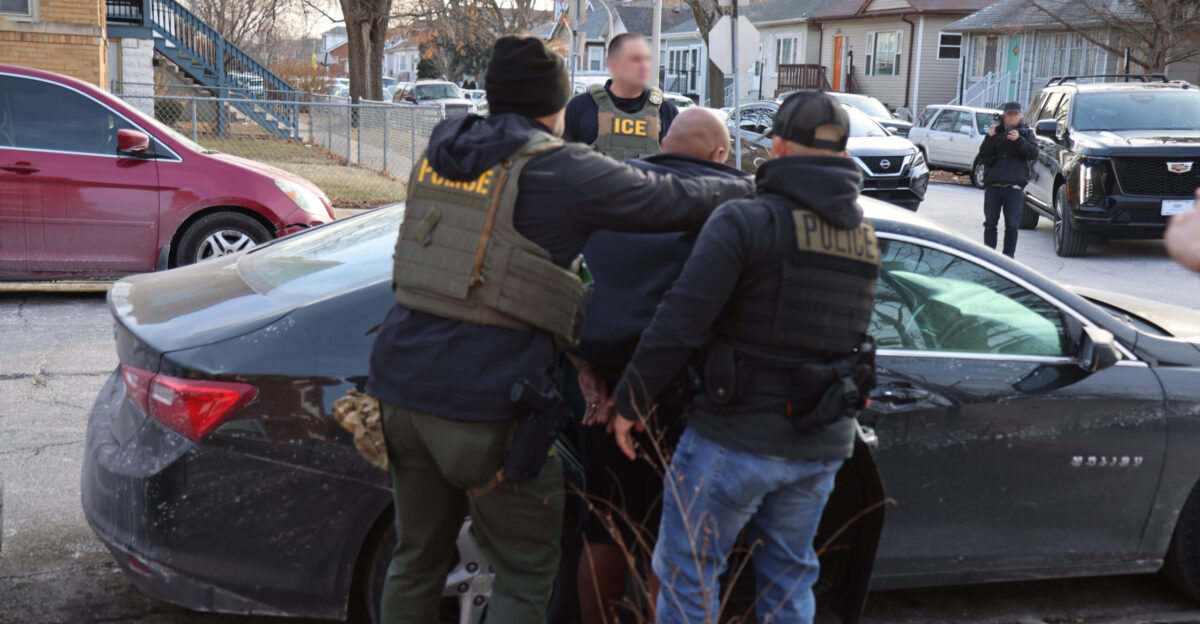
Oregon’s sanctuary law, the first in the nation, bars state and local police from enforcing federal immigration law. Portland reinforced that stance in 2025 with a unanimous ordinance limiting cooperation with ICE.
Federal agents retain jurisdiction to operate, but coordination is restricted. Thursday’s shooting sharpened a core question: when armed federal operations unfold locally, what power do city leaders have to challenge them?
Trust Erodes
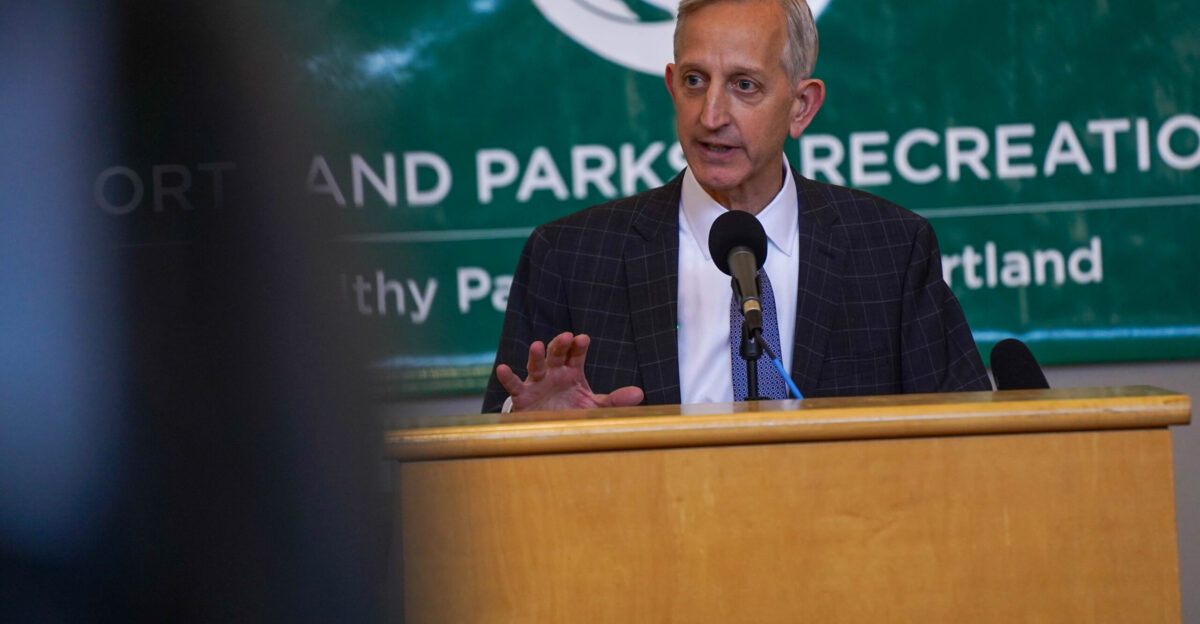
Portland’s mayor, governor, and district attorney framed the shooting as part of a broader collapse of trust in federal authority. Mayor Keith Wilson said local leaders can no longer simply accept federal explanations.
Governor Tina Kotek warned transparency must come before aggressive enforcement. Together, they linked Portland to Minneapolis, describing a troubling national pattern of force followed by disputed accounts.
Mayor’s Demand

Mayor Wilson went beyond rhetoric, calling on ICE to halt all operations in Portland until a full, independent investigation is completed. “Our community deserves answers,” he said.
The demand places Portland on a direct collision course with federal immigration authorities, testing how much leverage a sanctuary city truly holds when federal agents are involved in shootings.
Federal Pushback
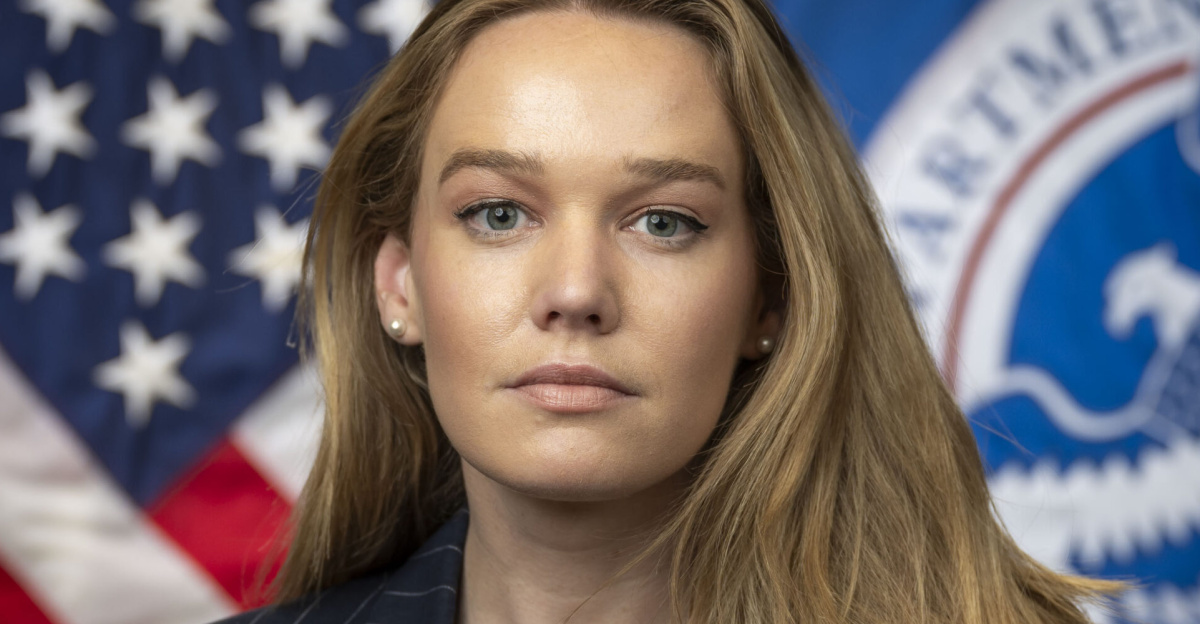
Federal officials rejected calls to stand down. DHS spokesperson Tricia McLaughlin emphasized agents feared for their lives and acted defensively during the encounter.
Some Oregon Republicans accused city leaders of rushing to judgment and shielding dangerous criminals, arguing gangs like Tren de Aragua require aggressive enforcement despite political backlash.
Overlapping Probes
Multiple investigations are underway. Oregon Attorney General Dan Rayfield opened a probe into whether federal officers exceeded lawful authority, including witness interviews and video review.
The FBI said it was investigating as a possible assault on a federal officer, then deleted its post announcing that role. Portland police are assisting but were not involved in the shooting.
Community Fallout
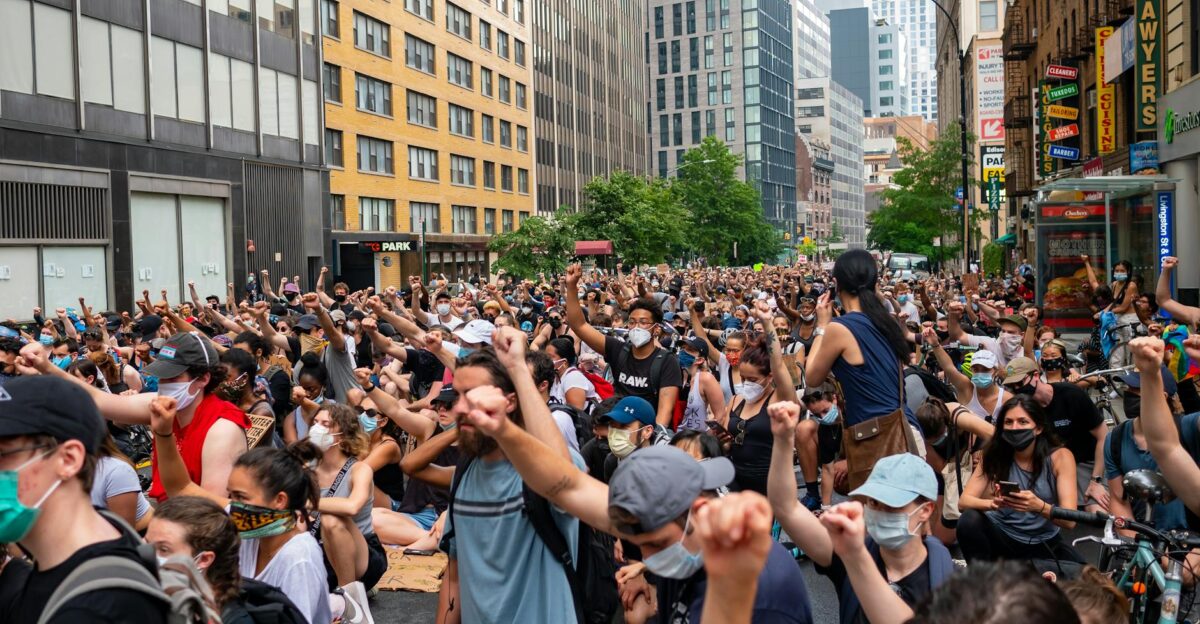
The impact extends beyond Portland. In Minneapolis, public schools canceled classes after Renee Good’s killing, citing safety concerns. Vigils and protests spread nationwide.
Portland officials pointed to those scenes as a warning, urging residents to remain peaceful. They argued further confrontations could deepen the cycle of force and mistrust gripping multiple cities.
Unanswered Questions
Critical facts remain unresolved: who the two people shot in Portland are, and what independent evidence supports or contradicts DHS’ account of events.
As investigations move forward, Portland’s demand that ICE halt operations poses a national test. When federal power and local trust collide, whose definition of public safety prevails?
Sources:
ABC News, “2 shot by federal agent after ‘targeted’ stop, Portland mayor demands ICE halt operations,” January 8, 2026
OPB, “Portland awaits answers after Border Patrol wounds two in shooting,” January 8, 2026
KATU, “Mayor calls for ICE to halt operations in Portland after 2 shot by federal agent,” January 8, 2026
Portland Mayor’s Office, “Portland Mayor Issues Statement Following Hazelwood Neighborhood Shooting,” January 8, 2026
ABC News, “Minneapolis ICE shooting live updates: Officer identified as Renee Nicole Good killed,” January 8, 2026
KATU, “Oregon’s attorney general to investigate shooting by U.S. Customs and Border Protection,” January 8, 2026