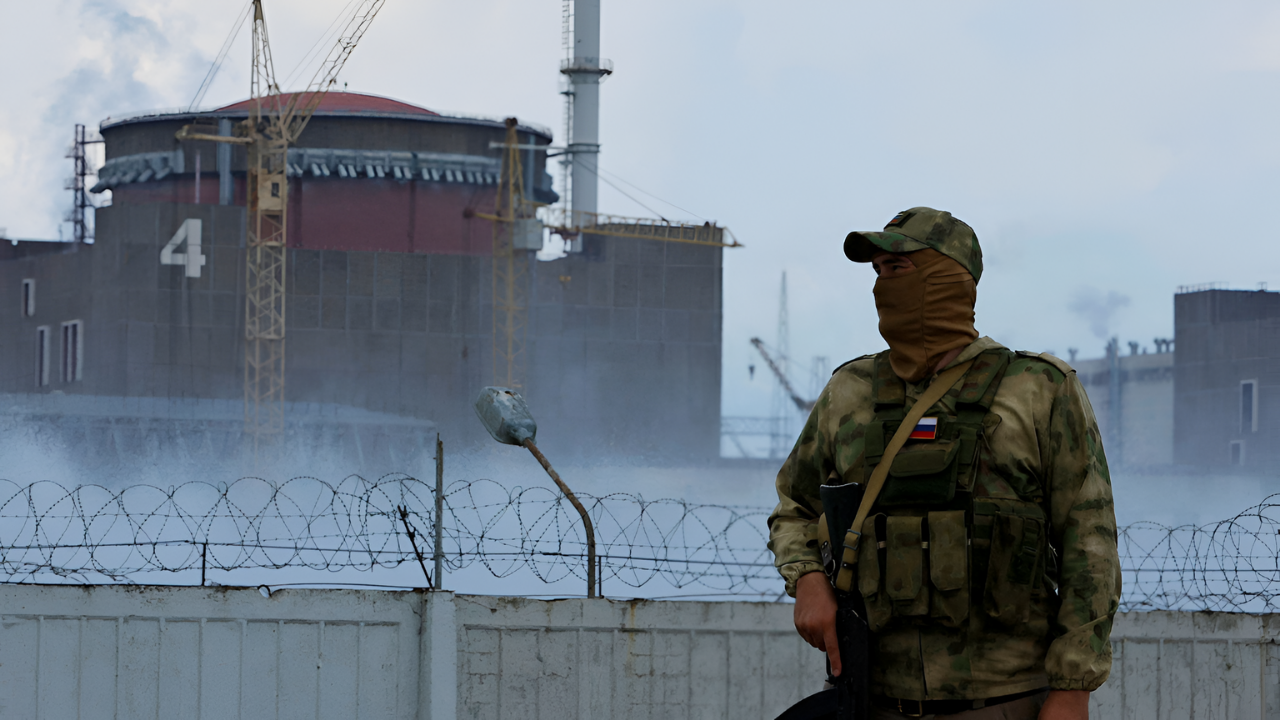
Russia stands poised to cut the high-voltage power lines supplying Europe’s largest nuclear power plant at Zaporizhzhia, with Ukrainian intelligence warning of an imminent action. A prolonged blackout could overheat fuel rods in its six reactors, risking a meltdown that contaminates vast swaths of the continent and leaves hundreds of kilometers uninhabitable.
Ukrainian intelligence on January 17 pinpointed ten high-voltage substations across nine regions as prime Russian targets. These strikes would not directly hit reactors but would sever the external power needed for cooling systems. A source informed Fox News that the operation could unfold within hours to days. A recent IAEA-brokered ceasefire for backup power repairs remains fragile, with work incomplete.
Russia’s Strategic Leverage
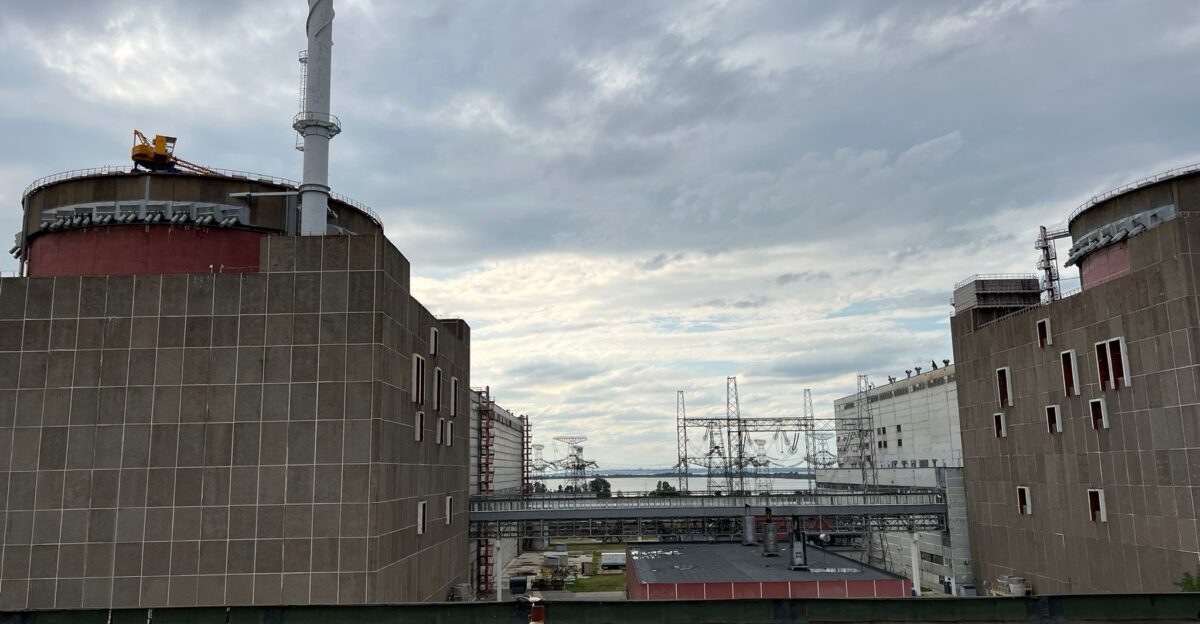
The tactic amounts to targeted infrastructure disruption amid Ukraine’s energy shortfall. The country requires 18 gigawatts in winter but produces only 11, leaving it vulnerable to blackouts. Disconnecting Zaporizhzhia would cascade failures nationwide, extending current five-hour daily outages into total darkness for families already rationing heat and light.
In Kyiv, nearly 300 high-rise buildings sit unheated at minus-15 Celsius. UNICEF describes Ukrainian children enduring the war’s harshest winter, thrust into constant survival mode by strikes amid lethal cold. Parents seal windows with toys for insulation, huddle under blankets, and forgo cooking or bathing. Brief power returns overload the grid, prompting swift failures.
What Reactors Need To Survive
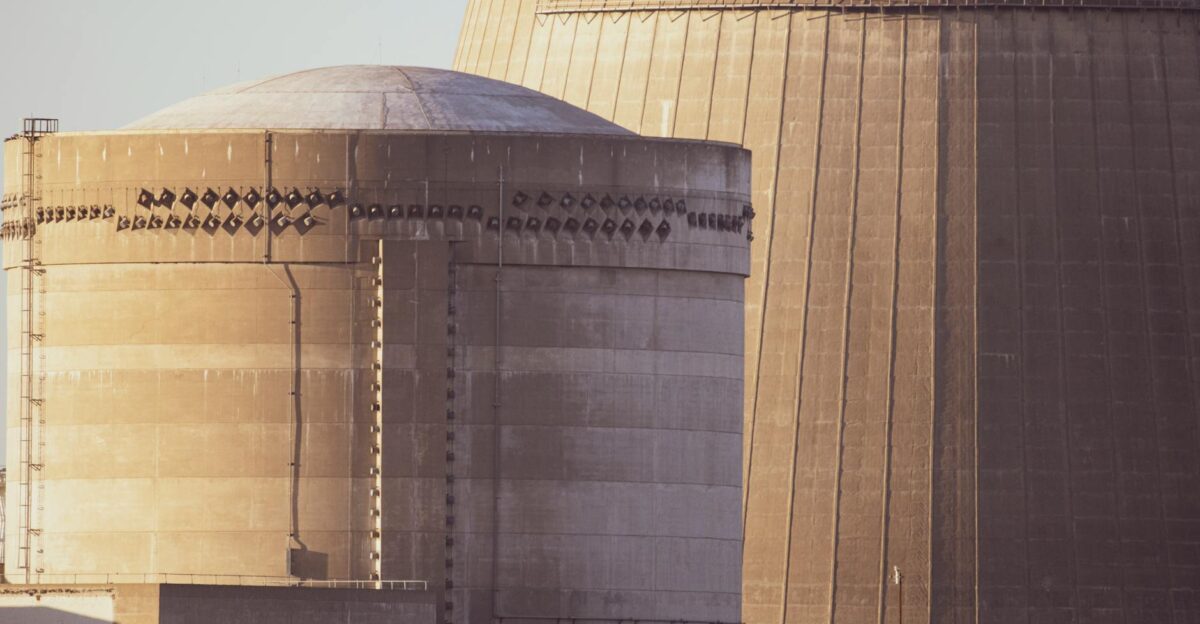
Zaporizhzhia’s six VVER-1000 reactors, now offline, rely on external power for cooling spent-fuel pools. Twenty backup diesel generators hold fuel for 10 to 20 days. The plant has weathered 12 blackouts since Russia’s invasion, activating reserves each time. Weeks without power, however, could overheat cores and cause radiation to spread across Europe.
Unlike Chernobyl’s RBMK design, VVER-1000 reactors feature meter-thick concrete containment to halt chain reactions and trap radiation. No graphite exists to burn and spread fallout, as occurred over ten days at Chernobyl. Engineers state physical differences preclude such meltdowns in VVER units.
A severe incident could surpass Fukushima. Greenpeace analysis warns that simultaneous destruction of containment and cooling might vent radioactivity from cores and pools into the air. Prevailing winds could render areas of Europe, including parts of Russia, uninhabitable for decades within hundreds of kilometers. Nearby contamination from the Dnipro River might flow into the Black Sea.
Russia’s Surgical Strategy
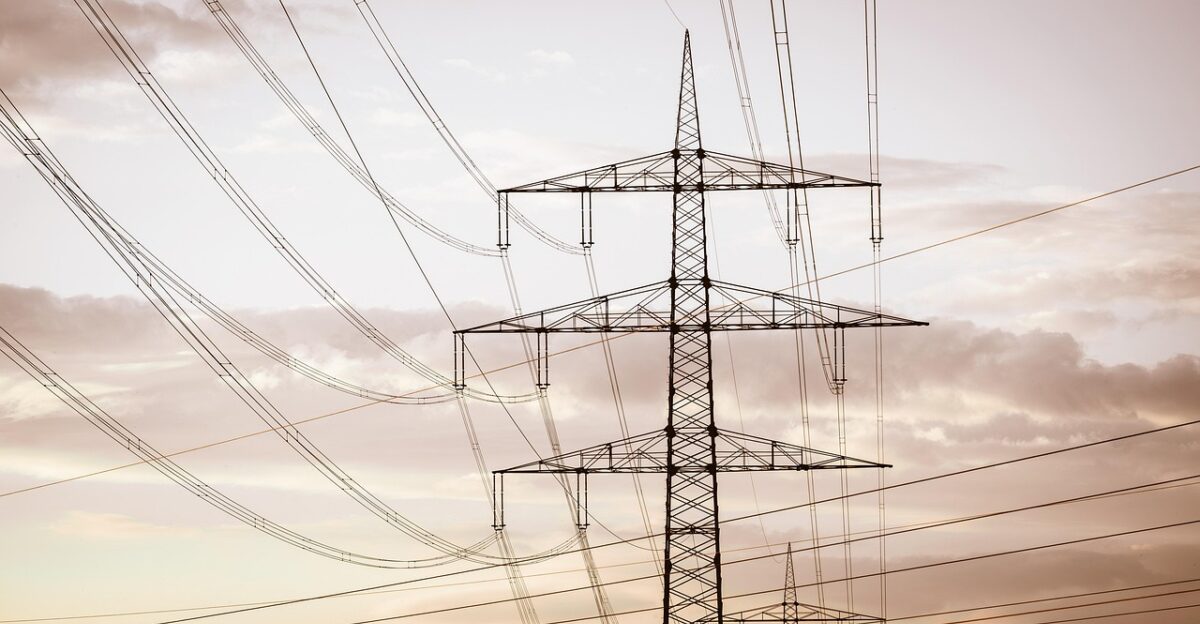
Intelligence reveals a precise sabotage plan to fragment Ukraine’s grid into isolated energy islands, worsening humanitarian woes without overt reactor attacks that invite global response. This approach heightens civilian hardship while preserving deniability against escalation.
IAEA Director General Rafael Grossi outlined five nuclear safety principles in conflict, yet Russia undermines the key pillars of them. Troops occupy the site, train drones nearby, and restrict full access. Military gear near reactors breaches laws safeguarding facilities. IAEA monitors have logged daily violations in 2022 without enforcement.
Moscow eyes permanent control after four years of occupation. State firm Rosatom plans operations tied to Russian grids, with 90 kilometers of new lines being built toward the occupied cities of Melitopol and Mariupol. A 2022 decree transferred the plant to Russia. Threats serve as leverage for Kyiv’s concessions.
Grid Collapse Cascades
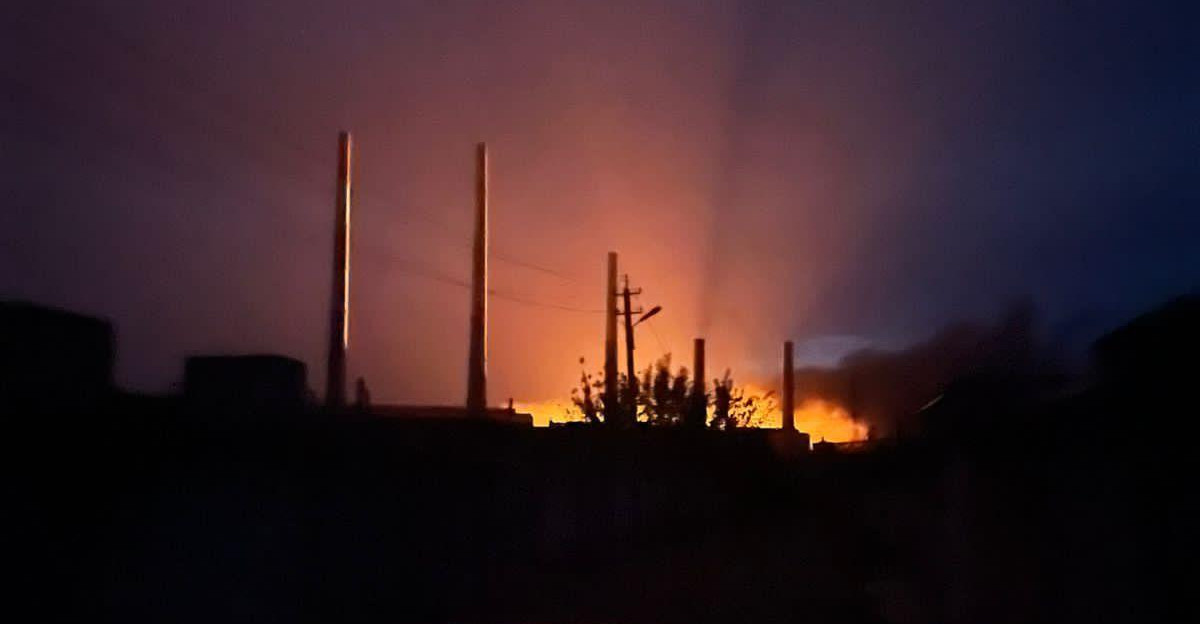
Strikes since October have hit 256 energy sites, including 11 hydro plants and 45 thermal stations, slashing capacity 39% below demand. Nuclear disconnection would erase vital megawatts, turning rolling blackouts into multi-day outages. Water treatment, hospitals, and transport would fail.
UNICEF highlights disrupted medical care and isolated vulnerable groups amid cuts. Children risk hypothermia, frostbite, and illness in frigid apartments. Schools and warming spots like shops close. Diesel generators falter at minus-19 Celsius, leaving the elderly and ill stranded.
The stakes at Zaporizhzhia, the sole nuclear plant held amid active war, blend energy crisis with nuclear peril. Absent IAEA enforcement or peacekeeping, blackouts and strikes risk tipping Ukraine’s winter hardship into broader catastrophe for Europe.
Sources:
Update 337 – IAEA Director General Statement on Situation in Ukraine – International Atomic Energy Agency (IAEA)
New analysis on severe nuclear hazards at Zaporizhzhia nuclear power plant in Ukraine during Russian military invasion – Greenpeace International
Russia plots major strike on Europe’s largest nuclear plant power lines – Fox News
Ukraine: Families in ‘survival mode’ amid Russian strikes and deadly cold – United Nations / UNICEF
Ukrainian crew begins ‘crucial’ repairs on Zaporizhzhia nuclear plant backup line under IAEA-brokered ceasefire – The Kyiv Independent