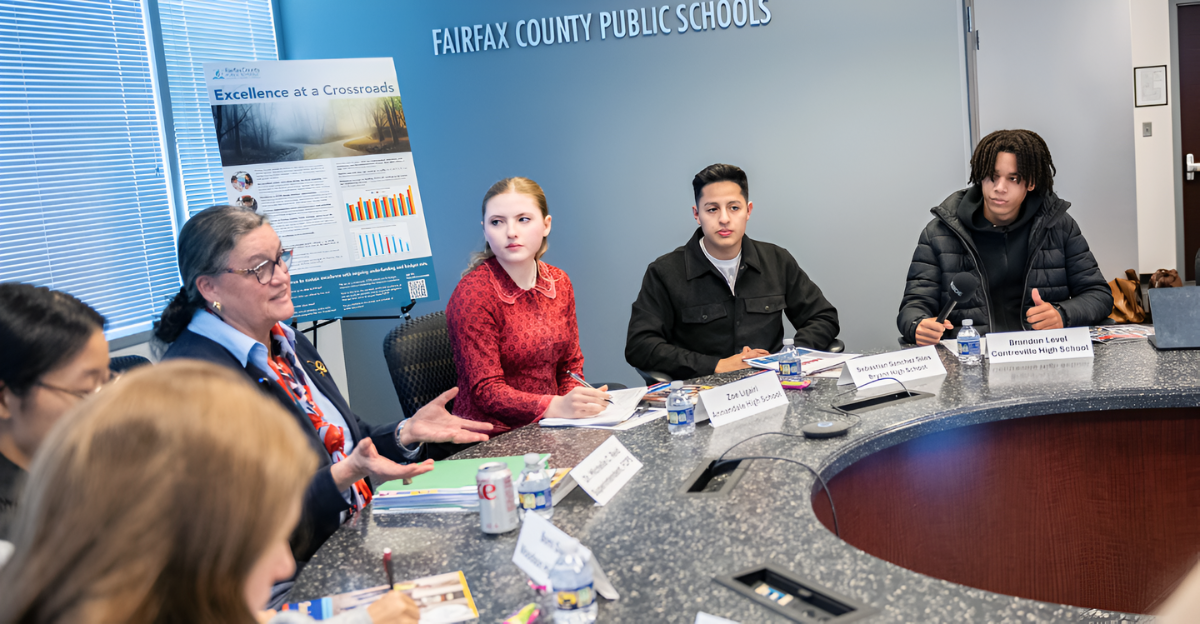
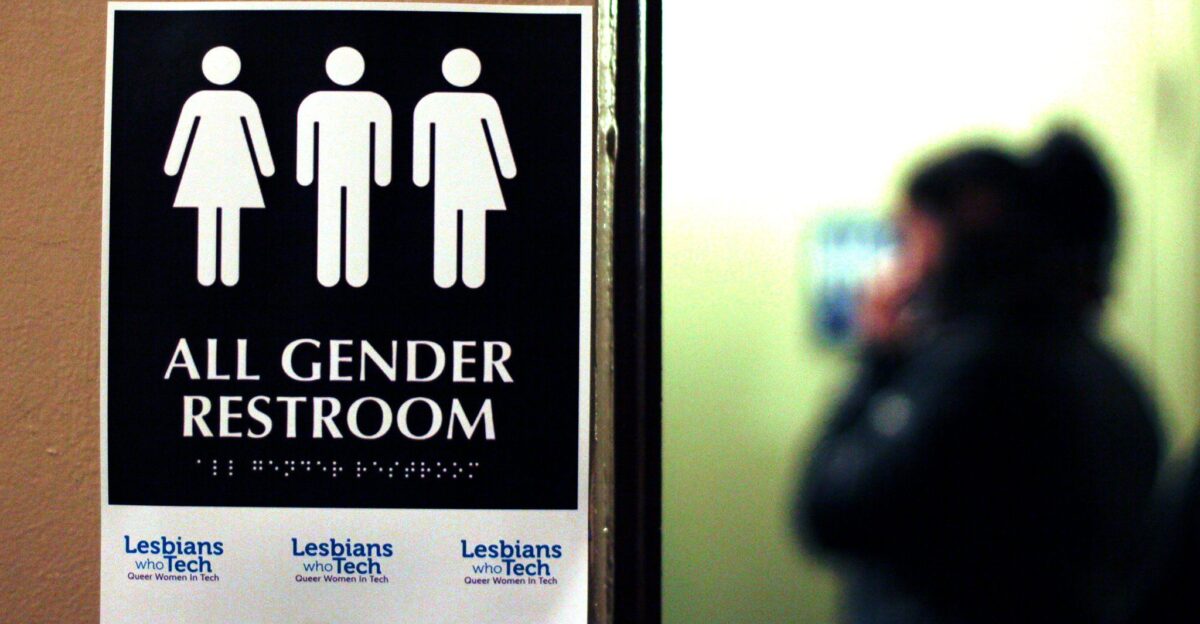
In late August 2025, Fairfax County and Arlington County Public Schools filed federal lawsuits challenging a massive funding freeze. The U.S. Department of Education had designated five Northern Virginia districts as “high-risk” after they refused to rescind transgender-inclusive bathroom policies.
Federal officials warned that the districts could lose roughly $190 million in annual grants for Title I and special services.
Fairfax and Arlington argue the freeze is unlawful, protecting policies required by state law and Fourth Circuit precedent.
Massive Stakes
The stakes could scarcely be higher. Fairfax County Public Schools says it risks up to $167 million in federal aid, and Arlington about $23 million. Those dollars fund critical programs – from free breakfasts and lunches for more than 8,000 low-income students to special education services and after-school help.
“These federal funds are not abstract numbers,” wrote one school official. “They represent vital support for our most vulnerable children”. As Supt. Francisco Durán of Arlington noted, cutting millions will “punish” students who rely on subsidized meals and counseling.
With over 400,000 students in the affected districts, tens of thousands could see schools lose essential services if the freeze stands.
Policy Evolution
The conflict has roots in Virginia’s own laws. In 2020, the Virginia Values Act extended nondiscrimination protections to LGBTQ people in public spaces, including schools.
That legislation (HB 145/SB 161) directed the state Department of Education to publish model policies on transgender students by Dec. 31, 2020, and required every district to adopt compliant policies by the 2021–22 school year.
The state’s model guidelines explicitly covered bathroom and locker-room access, privacy, and related issues.
Mounting Pressure
Pressure from Washington built up through 2025. In February, OCR opened formal investigations in the five districts after receiving complaints about their gender policies. By July 25, OCR announced it had concluded all five divisions’ policies violated Title IX (because they allow students to use facilities based on gender identity).
The department then delivered an ultimatum: each district was offered a proposed resolution agreement and roughly ten days to sign it or face enforcement actions, including possible DOJ referral.
Under the agreement, the schools would have to rescind their inclusive rules, affirm sex-based definitions of “male” and “female,” and issue new guidance to comply with Title IX.
The Ultimatum

The final deadline was serious. On July 25, officials delivered letters confirming that Alexandria, Arlington, Fairfax, Loudoun and Prince William violated Title IX by letting students use bathrooms consistent with their gender identity.
The DOE gave each district until August 15 to agree to the resolution or lose federal funding.
The schools had less than three weeks to roll back policies that state law and previous court rulings support, or see aid suspended. Facing this ultimatum, district attorneys began preparing legal challenges.
Regional Impact
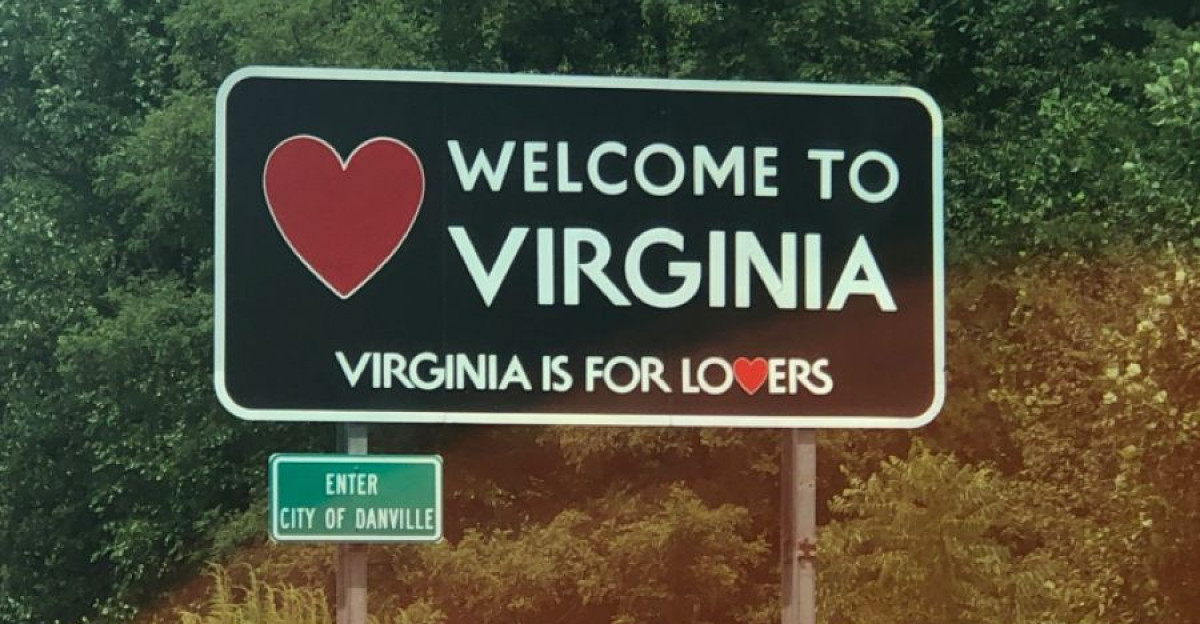
Across Northern Virginia, the response was unified: all five districts refused to change course. The DOE promptly placed them on “high-risk” status, meaning they now must pre-pay federal program costs and submit detailed documentation for reimbursement.
In practical terms, any Title I or special-ed expense will be subject to new scrutiny. This unprecedented move affects roughly 400,000 students in Virginia’s largest school systems.
As one observer put it, it is “totally atypical” – never before has the department waged such a broad funding standoff over civil-rights policies.
Human Stakes

For educators and families, the fight is personal. Fairfax Superintendent Michele Reid emphasized that cutting aid would hurt children: “these federal funds… represent vital support for our most vulnerable children,” she wrote, pointing out that they pay for meals, special services and more.
Arlington’s Francisco Durán warned that stripping $23 million “punishes” over 8,000 low-income students who get free breakfast and lunch, and thousands more in special-needs programs.
A special-needs teacher in Fairfax noted privately that losing this support would be “a nightmare” for families reliant on school services. Many working parents agree: one told reporters that the DOE’s action risks leaving hungry students with empty stomachs.
Legal Precedent
The districts’ lawsuits lean heavily on past court rulings. All five cite the Fourth Circuit’s 2020 Gavin Grimm case, in which an appeals court twice held that transgender students have a right to use the bathroom matching their gender identity. For example, Prince William officials note that Grimm is “binding law in Northern Virginia” and argue that federal officials are asking them to break that law.
A Fox5 report explains that, in Virginia, the 4th Circuit precedent requires schools to accommodate transgender students’ identities.
The districts contend that following Grimm (and state law) means their policies comply with Title IX – so any mandate to reverse them would force the schools to violate the law.
Federal Response
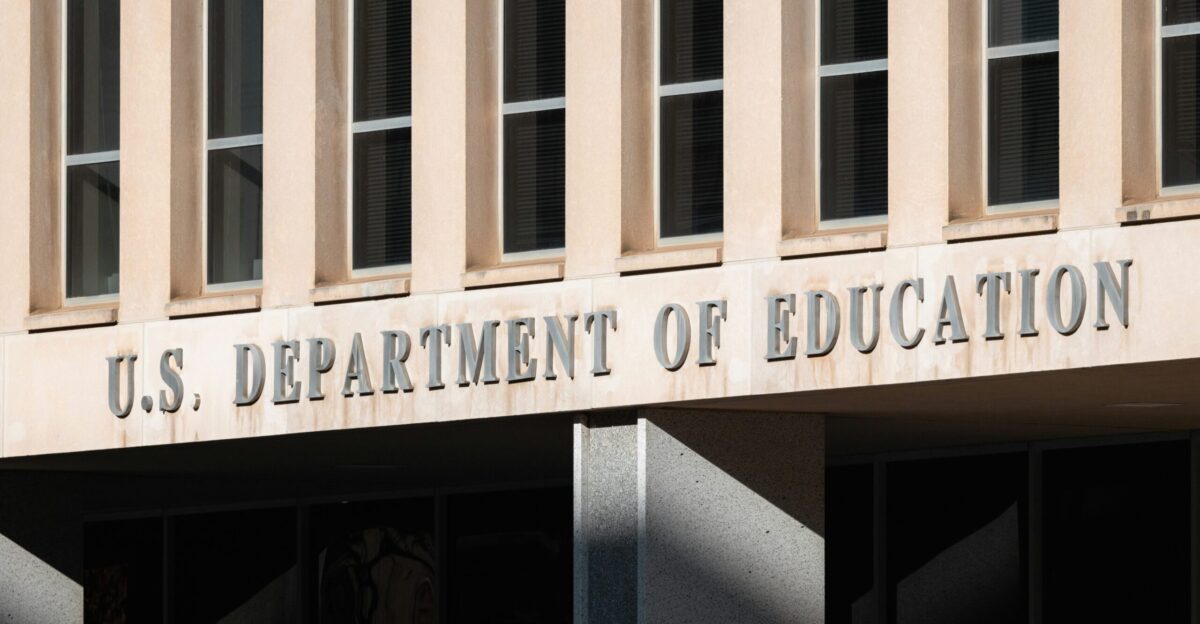
Washington’s stance is starkly different. The Education Department has characterized the dispute as a simple matter of enforcement. Secretary McMahon has repeatedly framed the districts as defying federal law and endangering student safety.
In a news release she said the Northern Virginia divisions choosing “woke gender ideology in place of federal law must now prove they are using every single federal dollar for a legal purpose”.
McMahon accused the districts of having “stubbornly refused to provide a safe environment for young women”.
Supreme Court Shadow
Meanwhile, related battles are playing out in the courts. On the same days, South Carolina’s governor asked the U.S. Supreme Court to let his state enforce a bathroom ban similar to Virginia’s.
Earlier in August, the Fourth Circuit had blocked that ban for a transgender student by citing Grimm. The national high court has already agreed to hear major transgender sports cases this term – so new precedents could be announced soon.
Legal experts say this all means Virginia’s case is shadowed by high court scrutiny: if the Supreme Court tightens rules on transgender rights, the Virginia litigation could suddenly pivot. As one parent summed it, “everything’s on hold until the courts decide.”
District Dilemma
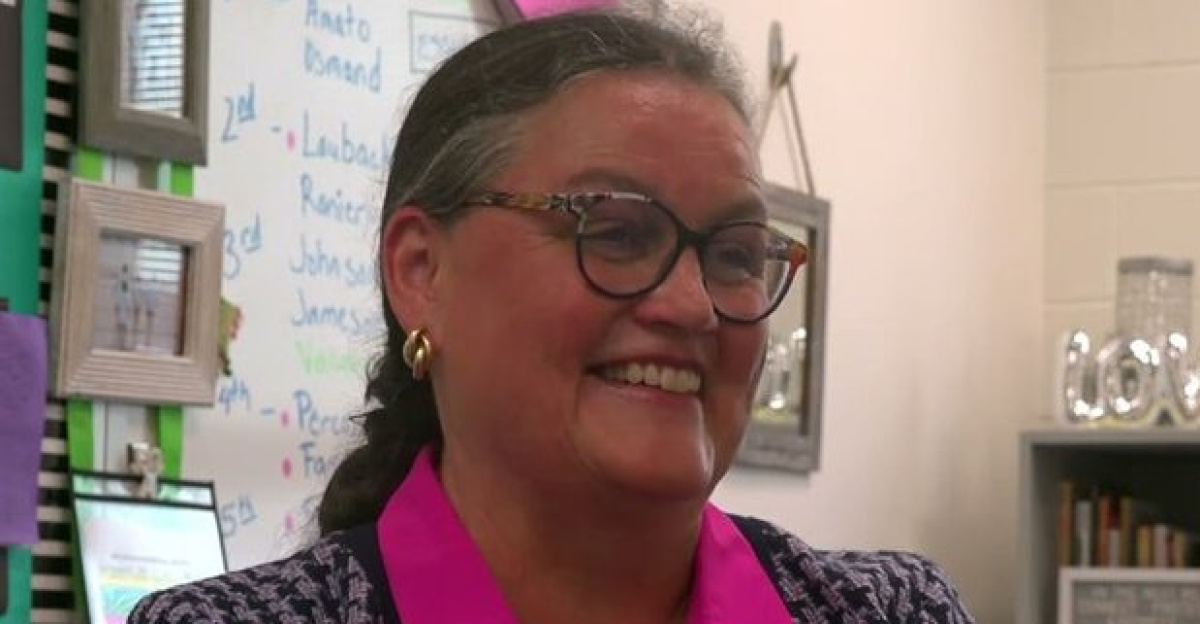
Local officials portray their situation as a no-win choice. Superintendent Reid told parents OCR had put Fairfax in an “impossible position” – forced to choose “whether to violate a federal court ruling about transgender students or risk funding vital programs”.
The Fairfax leadership says it repeatedly reached out to Education officials seeking a meeting or clarity, but “the DOE did not respond” to those requests.
In documents, the boards emphasize that their ultimate goal is to protect all students. As one Fairfax parent advocate put it, “We just want a safe, supportive school for every kid – why pit one group against another?”
State Division
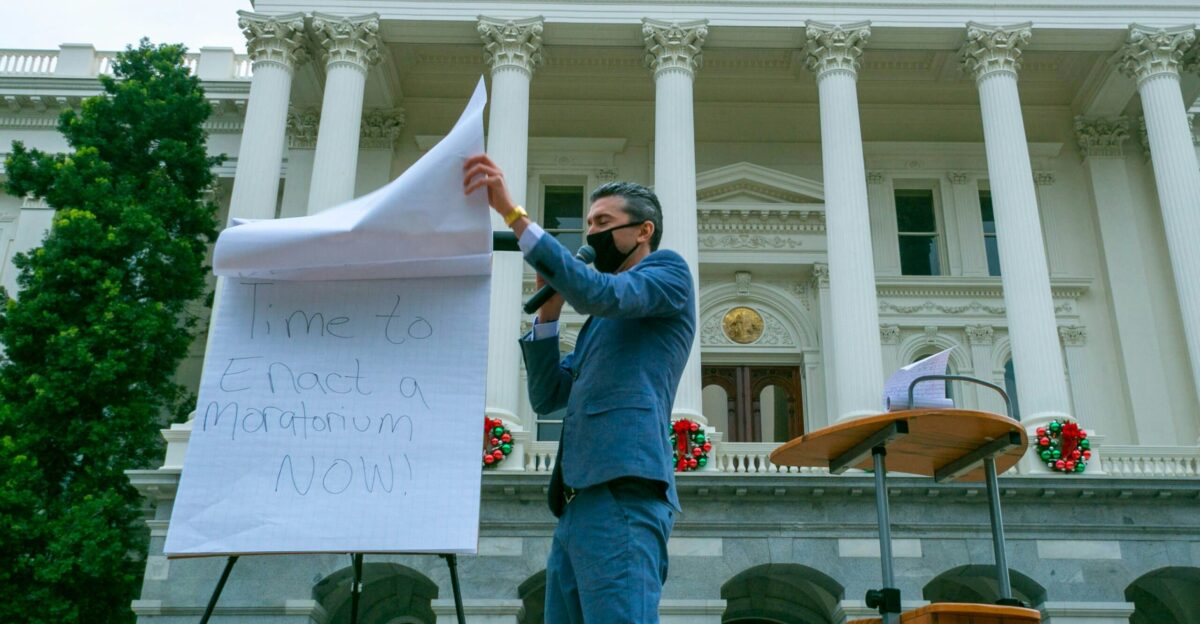
The controversy divides Virginia’s leaders. Republican Governor Glenn Youngkin and fellow GOP officials applaud the federal action. In his July announcement, Youngkin proclaimed that with this enforcement, “common sense is back – with biological boys and girls in their own locker rooms and bathrooms, and boys out of girls’ sports”.
Lt. Gov. Winsome Earle-Sears has echoed that tone at public events. Democrats, meanwhile, note that state law actually requires inclusive policies.
The districts point out that their stance is aligned with Virginia’s 2020 laws and with federal courts. As Arlington argued, its policies “are in compliance with current law”.
Legal Strategy
Fairfax and Arlington spelled out their arguments in court filings. Both complaints were filed Aug. 29 in federal court in Alexandria (FCPS’s case is No. 1:25-cv-01432). They ask a judge to vacate the “high-risk” designation and confirm that their policies comply with Title IX.
The filings argue that the DOE’s ultimatum exceeded its authority. They say conditioning aid on policy changes violates the Constitution’s Spending Clause and the Administrative Procedure Act.
They also stress that Fourth Circuit precedent (Grimm) compels their current rules. “Grimm is controlling law in the Fourth Circuit,” says Fairfax’s complaint, so their bathroom policy does not violate Title IX.
Expert Analysis

Observers see this as a clash between courts and bureaucracy. One key factor is the Supreme Court’s recent decisions. On June 18, the Court upheld Tennessee’s ban on some transgender medical care under a rational-basis test, with two justices explicitly hinting that states have broad authority over both sports and bathroom policies.
But crucially, no court has yet ruled that Title IX forces schools to exclude trans students from bathrooms. As Education Week notes, “no court…has ever said Title IX requires exclusion of trans students”.
In that uncertain legal landscape, the Virginia case could become a landmark. If the district judge (and possibly higher courts) find for the schools, it would reaffirm Grimm.
Uncertain Timeline

The path ahead is unclear. The schools have asked for preliminary relief to restore their funding; the DOJ will review that request. Judges will need to weigh the immediate harm to students (children missing meals or services) against the administration’s view of the law.
Some legal experts predict appeals up to the Fourth Circuit and even the Supreme Court.
The outcome could set a broad precedent: either confirming that districts can defy federal agencies on cultural issues, or empowering those agencies to re-interpret civil rights laws via funding conditions. With no easy fix, schools remain in limbo as the new term approaches.
National Implications
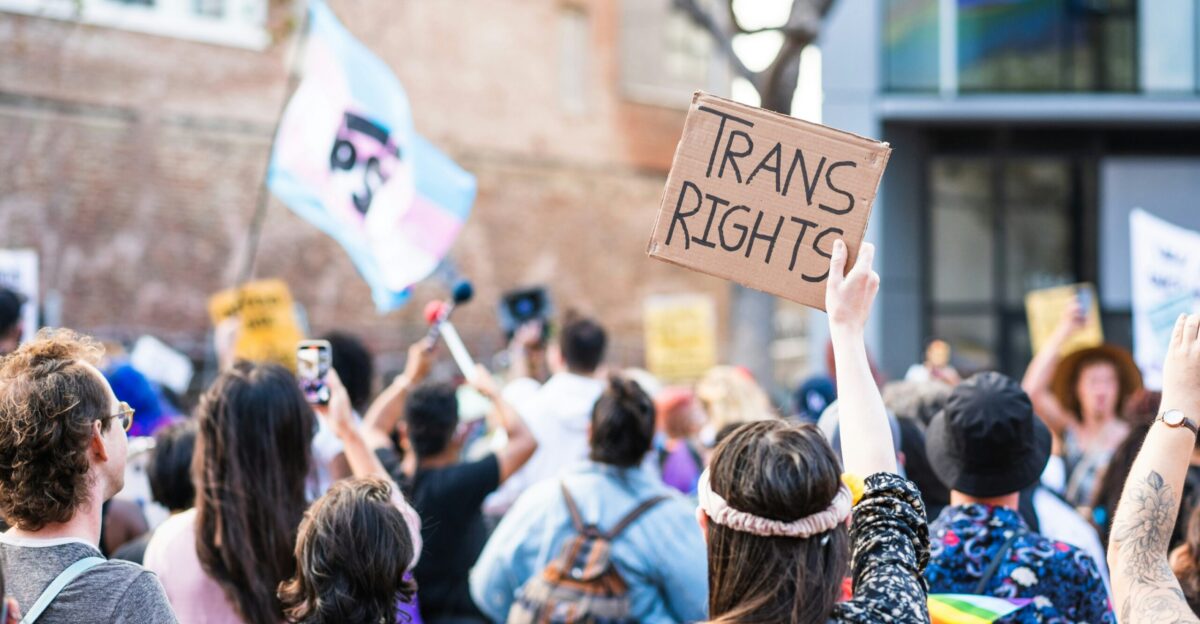
Virginia is already seen as a bellwether. The federal government has signaled that it intends to pursue similar cases elsewhere. Indeed, on August 28, the DOE announced that Denver Public Schools also had violated Title IX by converting a girls’ restroom to all-gender use and allowing trans students accordingly.
Denver was given the same 10-day ultimatum to reverse course. Acting OCR chief Craig Trainor explicitly linked the Denver and Virginia cases, warning that districts “are not free to accept federal taxpayer funds and harm [their] students in violation of Title IX”.
These moves suggest a nationwide strategy: targeting districts in Democratic-leaning states that have protected transgender students.
Political Battleground
The funding fight has become a hot political issue in Virginia. The state’s next governor will be chosen this fall, and both parties see opportunity. Democrat Abigail Spanberger, who is leading in polls, has largely avoided taking sides so far.
Republicans, by contrast, are mobilizing parents over the issue. Lt. Gov. Earle-Sears has embraced the controversy, warning at a school board meeting that by keeping current policies “you are failing our daughters and risking losing millions of dollars in funding”.
Analysts say she is employing the same parent-centered strategy that helped Youngkin win in 2021. Meanwhile, Republican operatives hope to use this fight as proof that their party is defending schoolchildren, while Democrats warn that the GOP is using trans issues to distract from classroom challenges.
Constitutional Questions

At heart, lawyers say this case raises fundamental questions about federal power. Can a cabinet department effectively rewrite civil-rights law by using funding as a cudgel? The districts argue this tactic violates the Spending Clause: Congress never expressly tied Title IX funds to bathroom definitions, and the DOE is exceeding its mandate.
The administration counters that Title IX itself bans sex discrimination and that these policies are a form of sex-based discrimination. The lawsuit’s opponents frame it as “federal overreach”, while supporters say it’s enforcement of duly enacted law.
Either way, the case will test how far agencies can go in attaching strings to grants and whether courts will defer to the agency’s interpretation.
Cultural Crossroads
This legal battle is also a flashpoint in a broader cultural conflict. Transgender student rights have become deeply polarizing. On one side are activists and many educators who emphasize inclusion and equal dignity. On the other side are parents and legislators who say the policies infringe privacy and parental rights.
Nationwide polls (by groups like the Movement Advancement Project) show the public split: most Democrats and urban parents support gender-inclusive rules, while many Republicans and conservative areas back restrictions.
In Virginia and elsewhere, communities have already clashed – school board meetings have erupted over proposed bathroom rules and transgender sports.
Defining Moment
Ultimately, advocates on each side see this as a watershed. As Columbia Law School experts observed after the Grimmcase, “transgender students have a right to equal educational opportunity,” including bathroom access consistent with their gender identity.
Now, the question is who will set the rules in Virginia schools – local communities or federal authorities. The outcomes here could reshape education policy for years. If the courts uphold the districts’ stance, it will strengthen local discretion and affirm existing transgender protections.
If the DOE prevails, it could signal a new era of federal enforcement on culturally sensitive issues. In either case, this battle will be remembered as a defining test of federalism, civil rights and school governance.