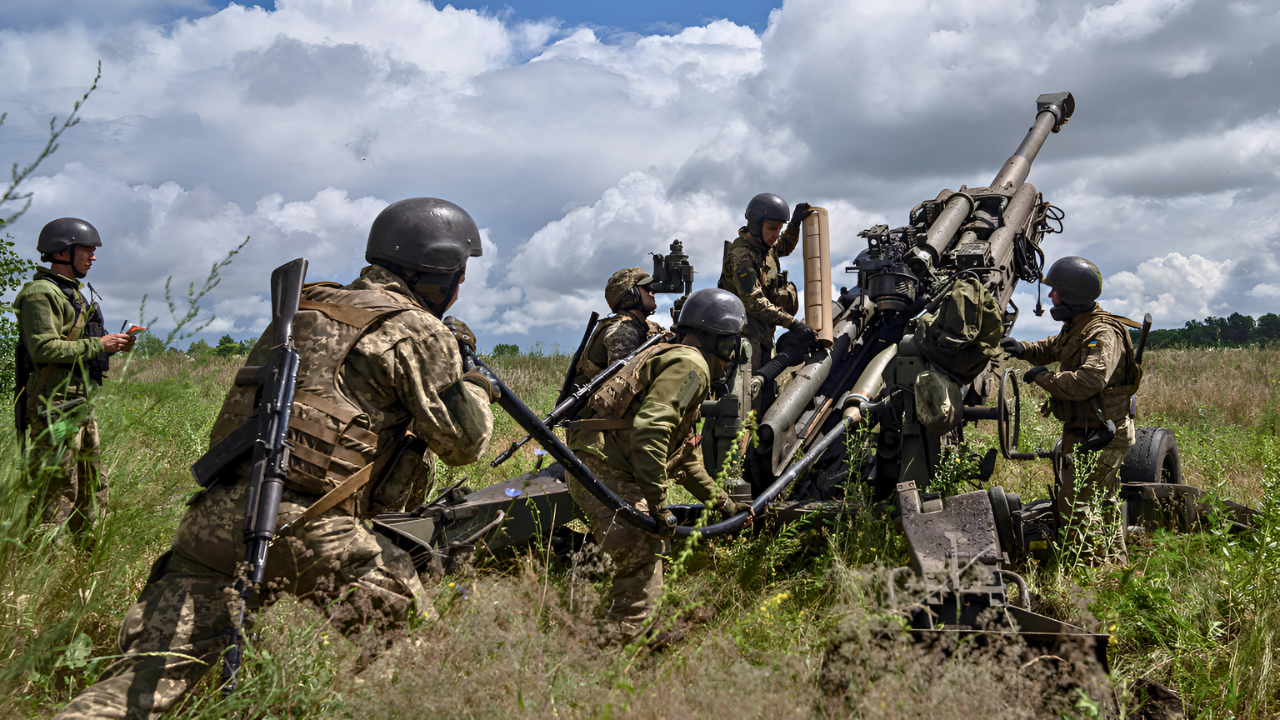
Smoke curled into the night sky as a sudden flash signaled the destruction of one of Russia’s most advanced air defense systems. On October 26, 2025, Ukraine’s “Chornyi Lis” (Black Forest) brigade struck and obliterated a Buk-M3 launcher—an event captured on video and quickly shared by Ukrainian forces. The $45 million Buk-M3, designed to track dozens of targets and intercept threats up to 70 kilometers away, was reduced to smoldering wreckage in seconds. This high-profile loss highlights a new phase in the war: Ukraine’s systematic campaign to dismantle Russia’s air defense network, using intelligence and precision strikes to challenge Moscow’s technological edge.
Systematic Dismantling of Defenses
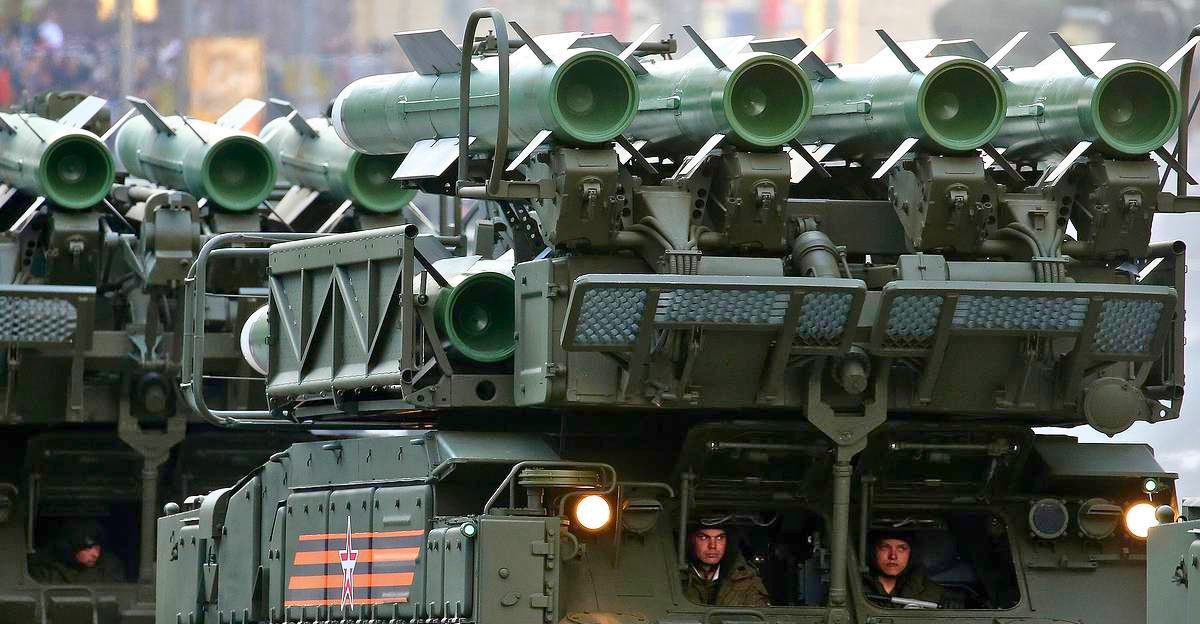
The Buk-M3’s destruction was not an isolated incident. Between October 23 and 27, Ukrainian forces targeted multiple high-value Russian air defense assets across several fronts, including Nebo-SVU radars and S-400 missile components. On October 23-24 alone, Ukraine’s Main Intelligence Directorate destroyed a Buk-M3 self-propelled launcher and two 1L119 “Nebo-SVU” surveillance radars. Days later, on October 25-26, the Prymary special unit struck the 96L6 radar of the S-400 system, the P-18 Terek early-warning radar, and the 55Zh6U Nebo-U radar in Crimea. These coordinated attacks are part of a deliberate strategy to degrade Russia’s integrated air defense system, which once provided overlapping coverage across occupied Crimea and southern Ukraine.
By knocking out key radar installations such as the Nebo-SVU and P-18, Ukraine has created significant gaps in Russia’s surveillance grid. Ukrainian military sources report that these losses have degraded Russian surveillance capabilities, enabling more frequent drone and missile strikes. The loss of these systems has forced Russian commanders to redeploy remaining assets, stretching their resources thinner and exposing previously protected sites.
Tactical and Strategic Consequences
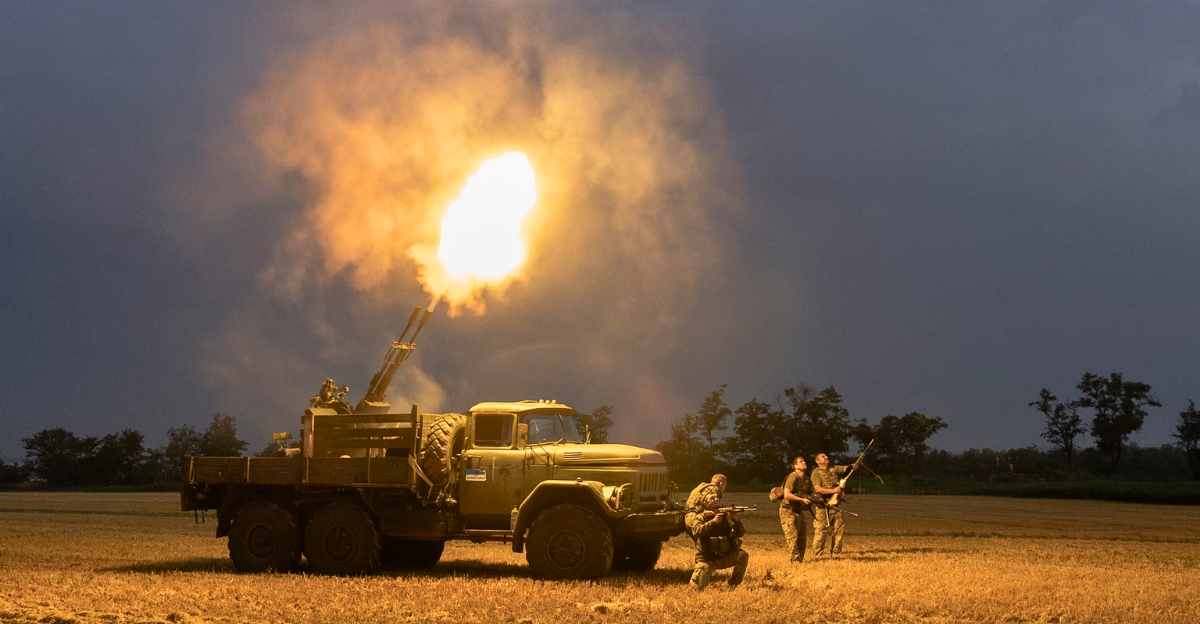
The impact of these strikes extends far beyond the immediate loss of hardware. Each destroyed radar or launcher weakens the broader air defense network, making it harder for Russian forces to detect and intercept incoming threats. Ukrainian officials report that the rapid loss of several systems in under a week has significantly degraded Russian surveillance capabilities, enabling deeper and more frequent drone and missile strikes.
This shift is evident in recent Ukrainian attacks on Russian logistics hubs, fuel depots, and ammunition sites. With early warning systems compromised, Russian convoys and bases have become more vulnerable. Ukrainian military analysts note that “every radar we take out is an opening for the next strike. It’s not about overwhelming them with numbers—it’s about precision and timing.”
Crimea’s Vulnerability and Russia’s Response
Crimea, once considered a fortress of Russian air defense, has become increasingly exposed. Following the Buk-M3 strike, Ukrainian forces destroyed a Pantsir-S2 system—another high-value target—on October 29. Analysts say these successive blows have left critical supply lines and infrastructure vulnerable. In response, Russian forces have intensified electronic warfare operations and redeployed mobile radar platforms, even forming additional defensive rings around Moscow itself.
However, these countermeasures come at a cost. Replacing advanced systems like the Buk-M3 is neither quick nor cheap. Russia’s Almaz-Antey defense contractor has accelerated the production of Buk-M3 systems, but each unit requires significant time to produce and millions of dollars in funding. Defense analysts note that “Russia faces a dilemma. They can’t protect everything at once. Every asset moved to Crimea leaves another region, including Moscow, more vulnerable.”
The Cost Equation and Global Context
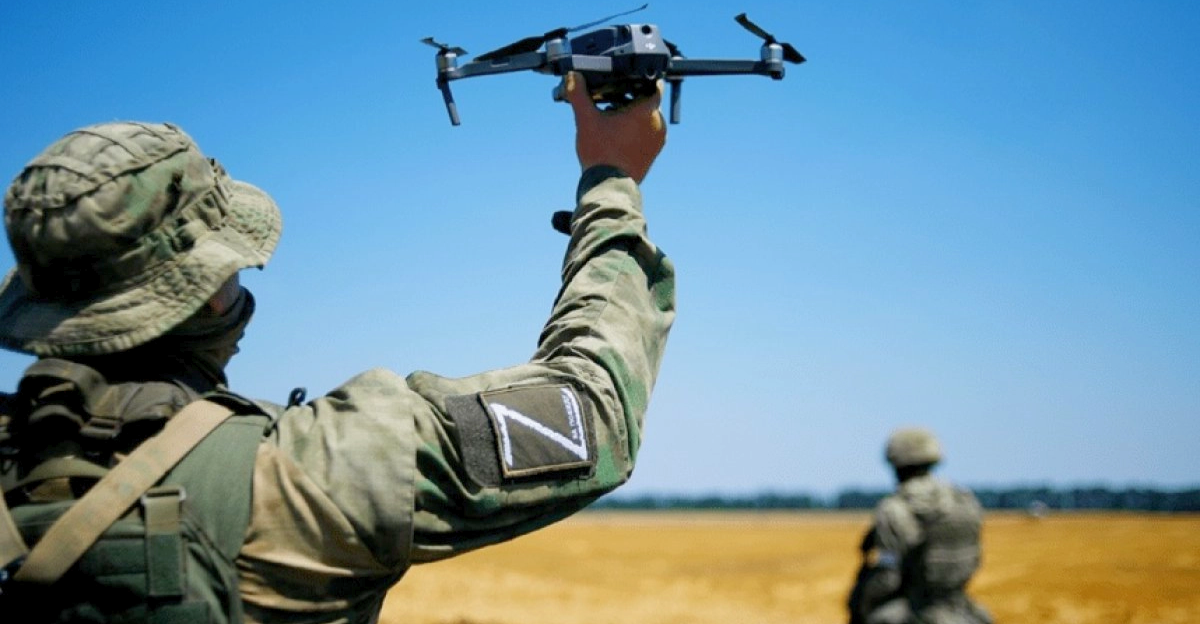
The financial toll of Ukraine’s campaign against Russian air defenses has been substantial. The cost-exchange ratio heavily favors Ukraine: drones costing tens of thousands of dollars are neutralizing equipment worth millions. This dynamic reflects a broader trend in modern warfare, where agility and intelligence can outmatch sheer firepower.
Globally, Ukraine’s approach is drawing comparisons to conflicts in the Middle East, where inexpensive drones have repeatedly outmaneuvered sophisticated air defenses. Defense experts studying the conflict observe that “we’re witnessing a revolution in military technology. The lessons from Ukraine are being studied everywhere—from Taiwan to Israel—because they show how quickly the balance can shift when one side adapts faster than the other.”
Adapting to a New Reality
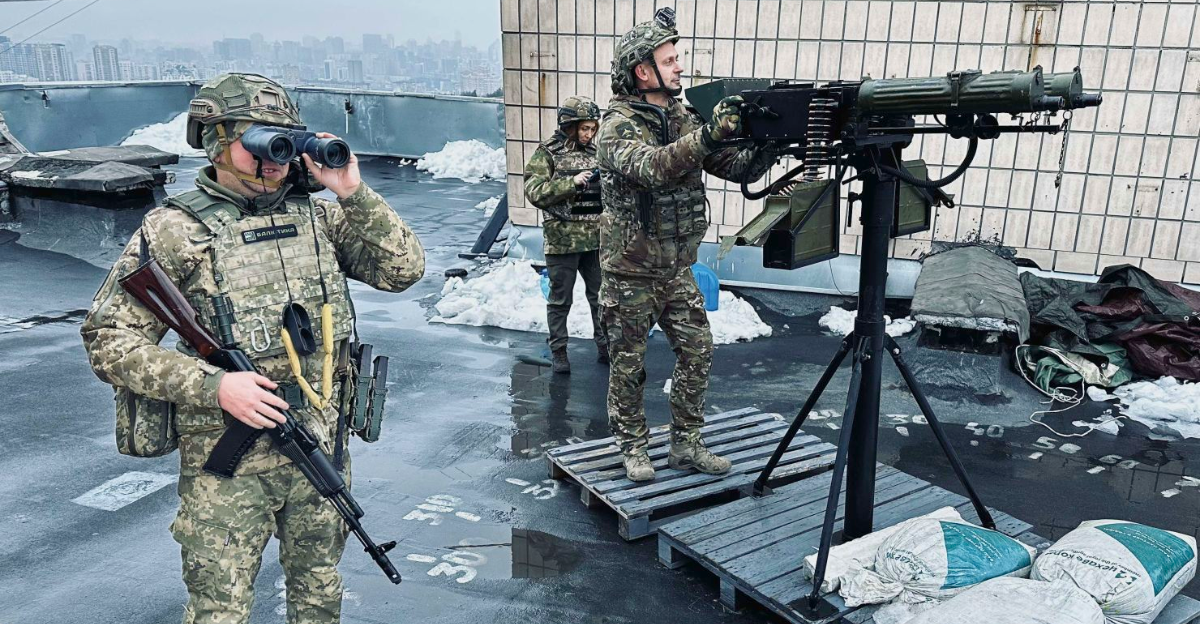
In the aftermath of these losses, Russian units have begun fortifying radar stations with decoys, camouflage, and mobile launchers. Yet Ukrainian drone operators are adapting just as quickly, using live intelligence and AI-assisted targeting to bypass new defenses. The technological contest is intensifying, with each side racing to outmaneuver the other.
For residents in southern Ukraine near active combat zones, the effects of this air defense campaign are tangible, with reports of reduced Russian military presence in some areas as forces redeploy to protect damaged defensive networks.
Looking Ahead
As October draws to a close, Ukraine’s campaign against Russian air defenses shows no sign of slowing. The destruction of the Buk-M3 and other high-value targets underscores Kyiv’s growing mastery of intelligence-driven warfare. With F-16s now operational and Russian radar coverage thinning, Ukraine is poised to exploit new offensive corridors before winter sets in.
The skies over Crimea and southern Ukraine remain fiercely contested. Each destroyed radar or launcher not only shifts the tactical balance but also signals a deeper transformation in how wars are fought—and who holds the advantage when technology, intelligence, and determination collide.