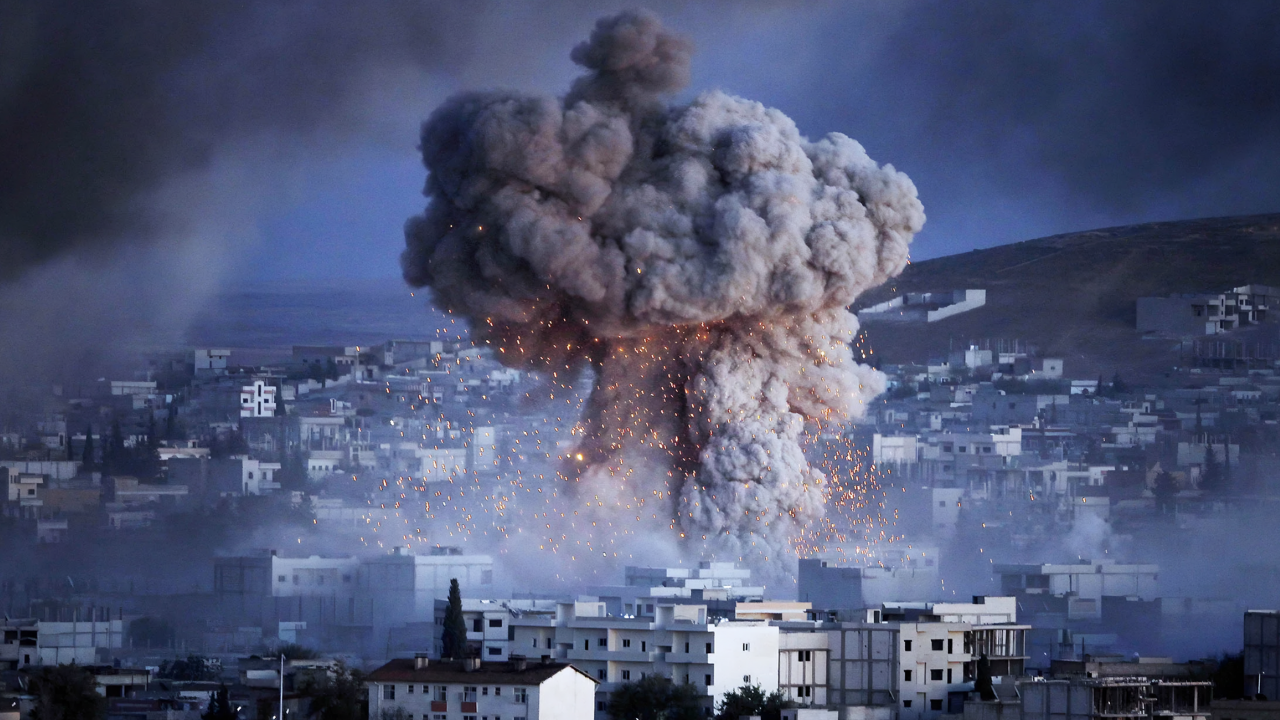
Christmas morning 2025 brought an unusual collision of symbolism: while Americans gathered for breakfast, U.S. warplanes launched precision strikes against two ISIS camps in Nigeria’s Sokoto State. President Trump authorized the operation on December 25, which was executed early on December 26 in coordination with Nigerian forces.
The timing and public announcement raised immediate questions about motivation, method, and strategic purpose.
AFRICOM Confirms Operation
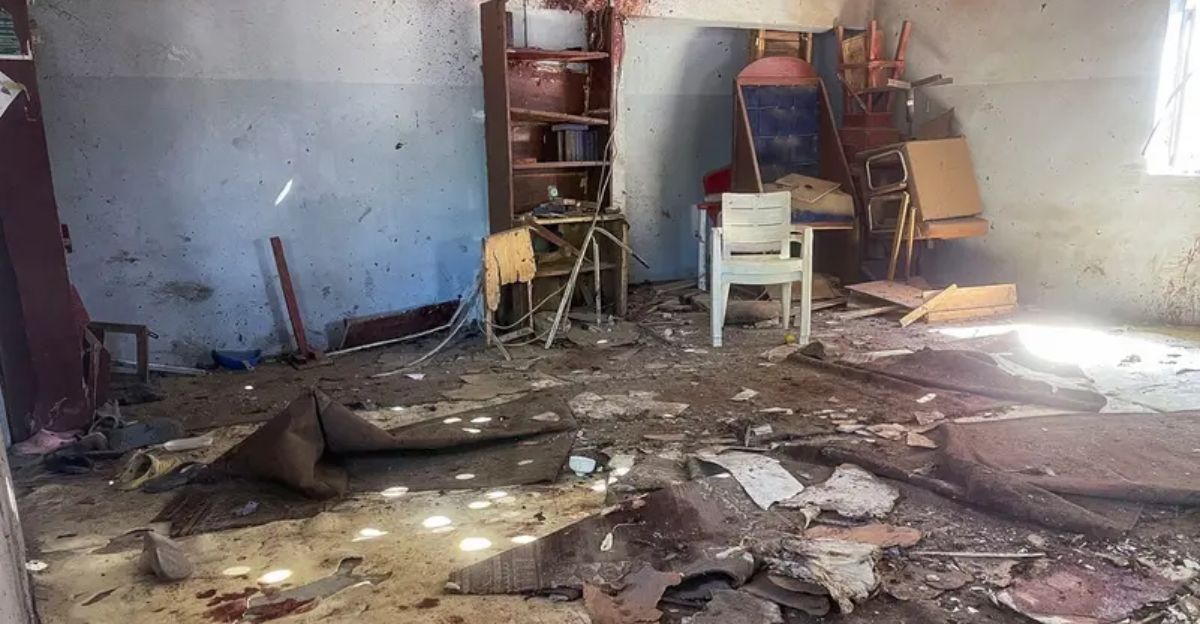
U.S. Africa Command confirmed strikes in Sokoto State, stating “multiple ISIS terrorists were killed” in camps. The command withheld casualty counts, weapons platforms, and damage assessments, citing operational security.
This restraint contrasted sharply with Trump’s public framing, creating an early point of tension between AFRICOM’s limited disclosure and the president’s more forceful messaging.
Trump Links Strike to Christian Killings
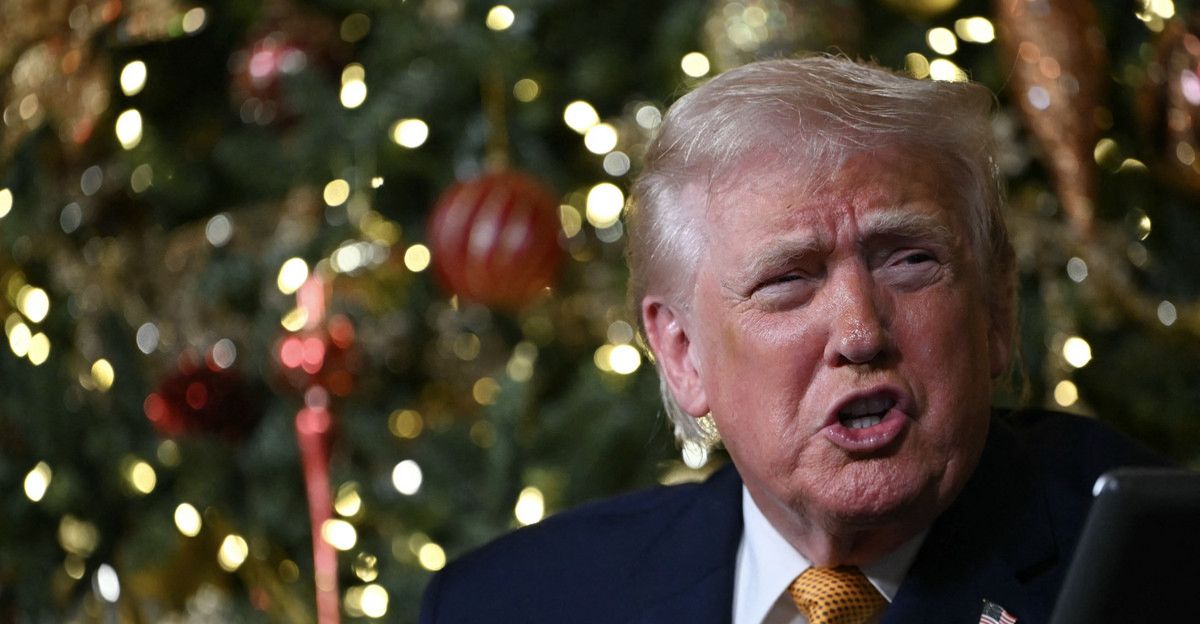
Trump announced the strike on Christmas Day, describing it as retaliation for terrorist killings of Christians in Nigeria. Using blunt language, he said he had warned terrorists “there would be hell to pay, and tonight, there was.”
The deliberate timing and religious framing raised a critical question: how much of Nigeria’s violence stems from religious persecution versus other, overlapping causes?
Nigeria’s Government Confirms Partnership
Nigeria’s Defence Headquarters confirmed its armed forces conducted joint strikes with the U.S., working from “credible intelligence and careful operational planning.” Nigeria’s Ministry of Information issued detailed statements confirming “explicit approval” from President Bola Ahmed Tinubu, with direct involvement of senior military and ministerial figures.
Abuja stressed Nigerian sovereignty and leadership in authorizing the operation.
Two Major ISIS Enclaves Targeted
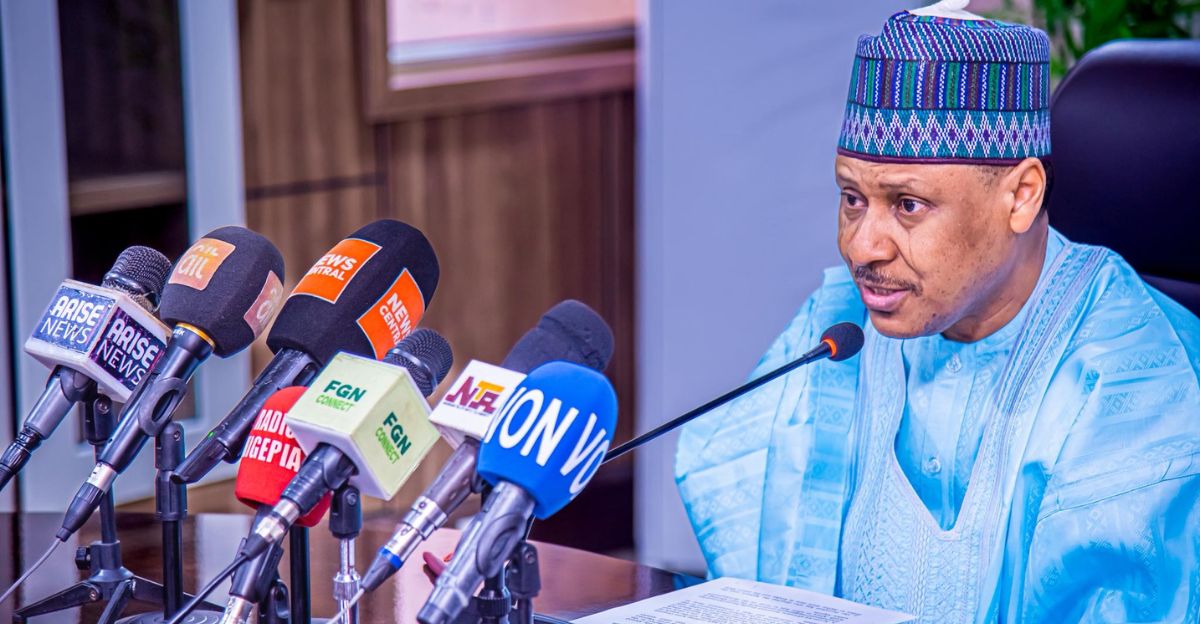
Nigeria’s Ministry of Information identified the targets as two major ISIS enclaves within the Bauni forest axis of Tambuwal Local Government Area, Sokoto State. Intelligence indicated these sites served as “assembly and staging grounds” for “foreign ISIS elements infiltrating Nigeria from the Sahel region,” working with local affiliates to plan attacks.
This framing shifted the narrative from a purely Nigerian problem to a regional issue with spillover effects.
Timeline Discrepancy Reflects Time Zones
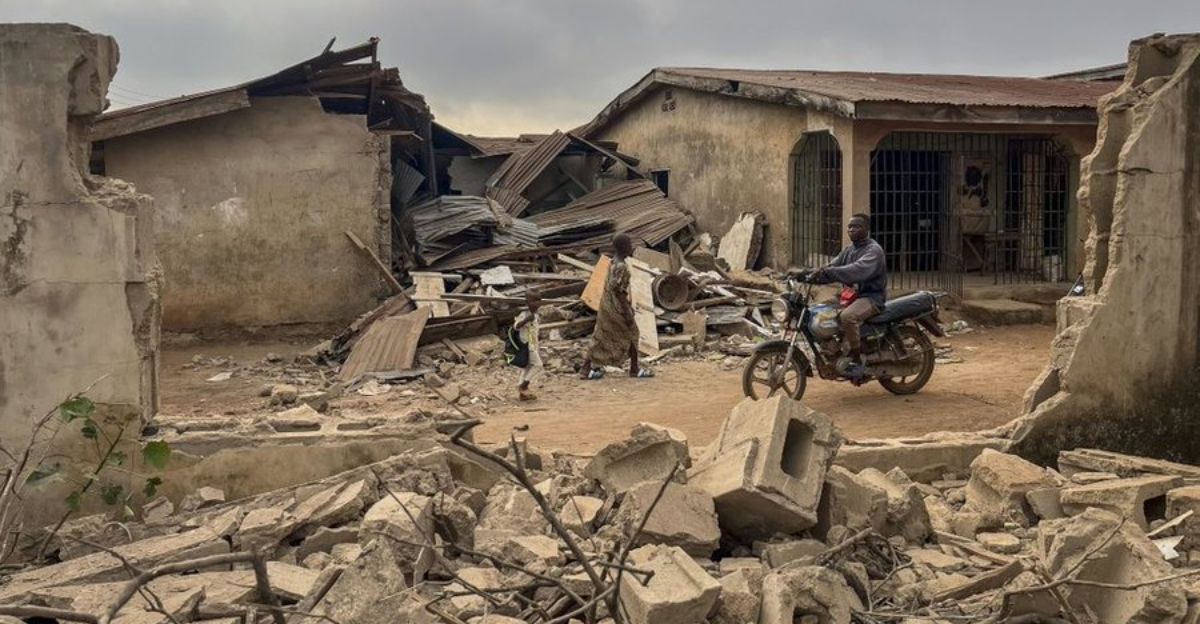
AFRICOM dated the strike to December 25, while Nigeria placed execution between 00:12 and 01:30 on Friday, December 26. The discrepancy reflects the difference in time zones and overnight operation labeling—AFRICOM uses Washington time, while Nigeria uses local time.
Both confirmed the Sokoto location and the decision made during the Christmas period. The gap highlighted how even coordinated operations can produce confusing public timelines.
Emerging ISIS Splinter Likely Target
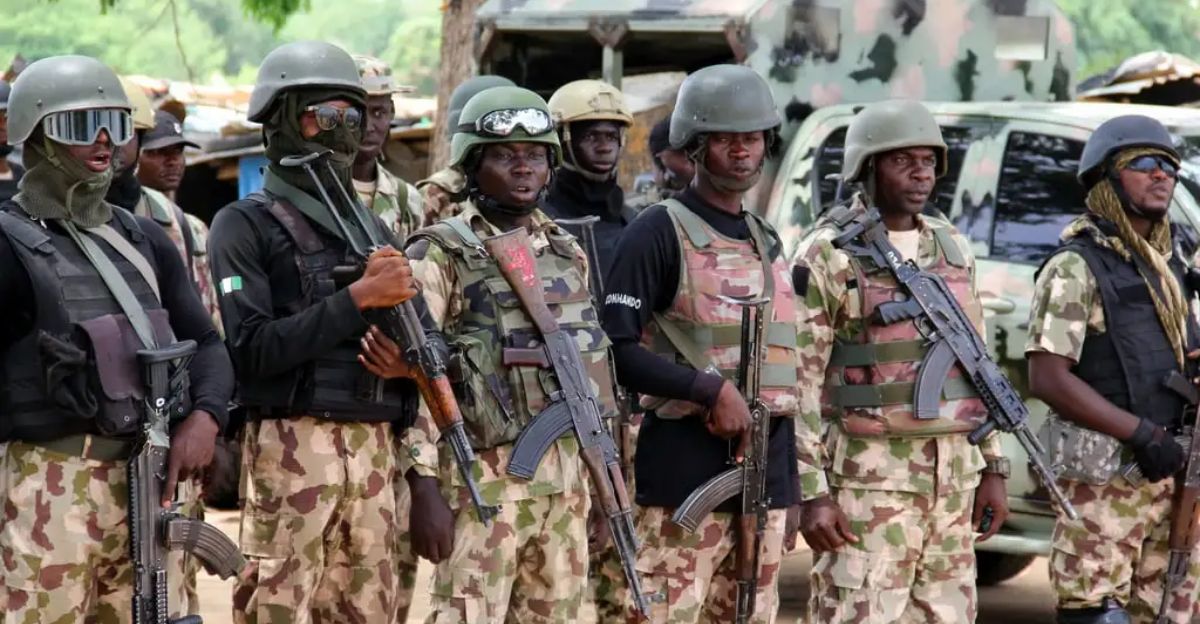
“ISIS in Nigeria” does not refer to a single group. Analysts noted Trump was “almost certainly referring” to the Islamic State-Sahel Province (ISSP) or Lakurawa, a newer formation with growing ISIS ties in northwest Nigeria. This distinction matters: ISWAP, the more familiar ISIS affiliate, operates primarily in the northeast.
The strike appears to have targeted a newer, faster-growing threat in different terrain than most international audiences associate with ISIS in Nigeria.
AFRICOM’s Expansive Counterterrorism Doctrine
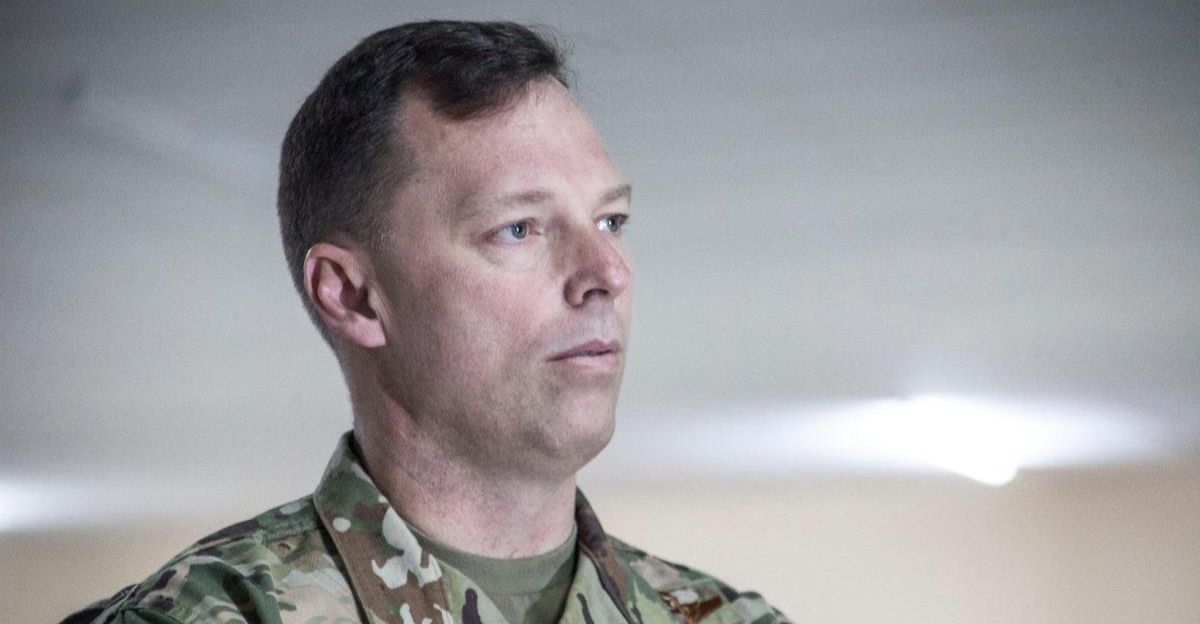
AFRICOM Commander General Dagvin Anderson framed the strikes not as a one-off response but as part of an open-ended doctrine: “Our goal is to protect Americans and to disrupt violent extremist organizations wherever they are.”
That phrase—“wherever they are”—echoed Cold War-era global language applied to modern terrorism. It signaled that AFRICOM sees African ISIS cells as direct threats to Americans, with few geographic limits on U.S. counterterrorism reach.
Nigeria Rejects Single-Religion Narrative
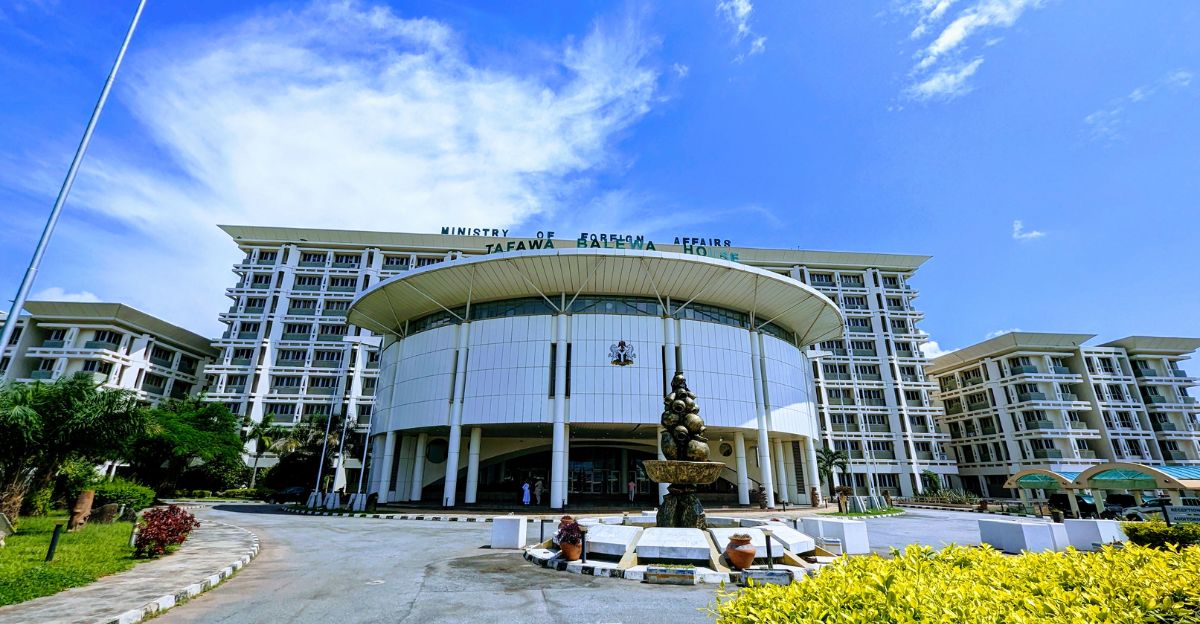
While Trump emphasized Christian victimization, Nigeria’s Ministry of Foreign Affairs offered more balanced language. Official statements stressed that “terrorist violence in any form, whether directed at Christians, Muslims, or other communities, remains an affront to Nigeria’s values.”
That careful framing signaled Abuja’s refusal to adopt a purely anti-Christian narrative. Nigeria accepted U.S. firepower and partnership, but publicly resisted narrowing the conflict to a single faith community.
Nigeria’s Wider Violence Crisis
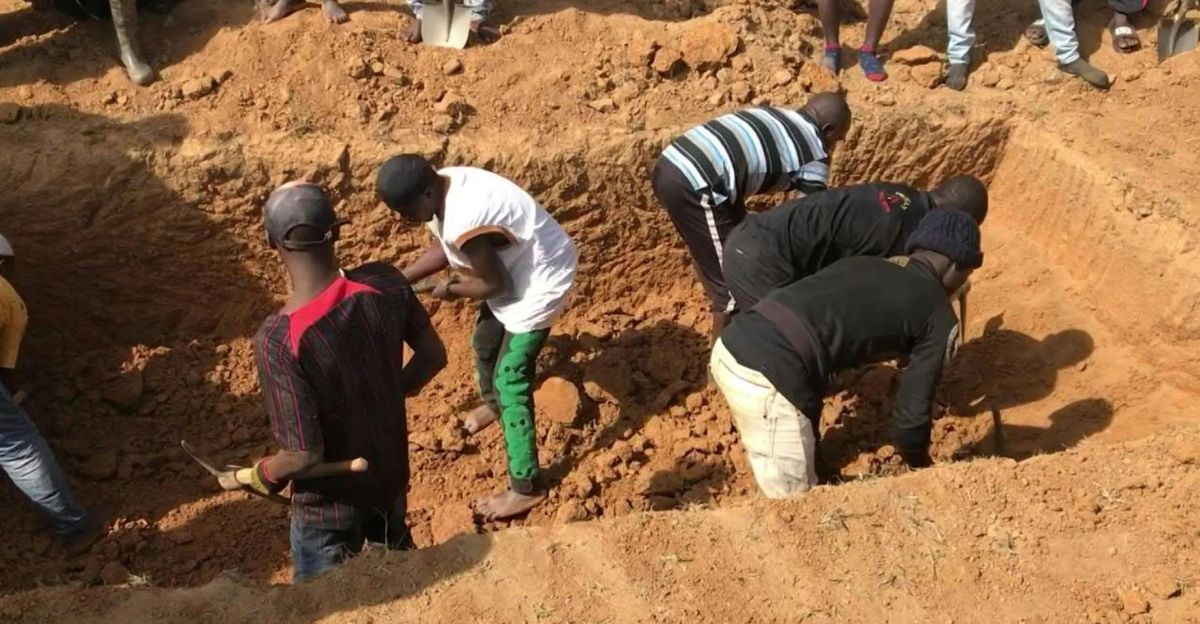
Context shows how large the crisis has become. The Observatory for Religious Freedom in Africa documented 55,910 people killed and 21,621 abducted in Nigeria from October 2019 to September 2023. Of those deaths, 30,880 were civilians, including 16,769 Christians and 6,235 Muslims; many victims’ religious affiliations were unrecorded.
These numbers reveal a nationwide emergency far beyond what any single operation—or series of airstrikes—can solve.
Northwest Theater ISWAP
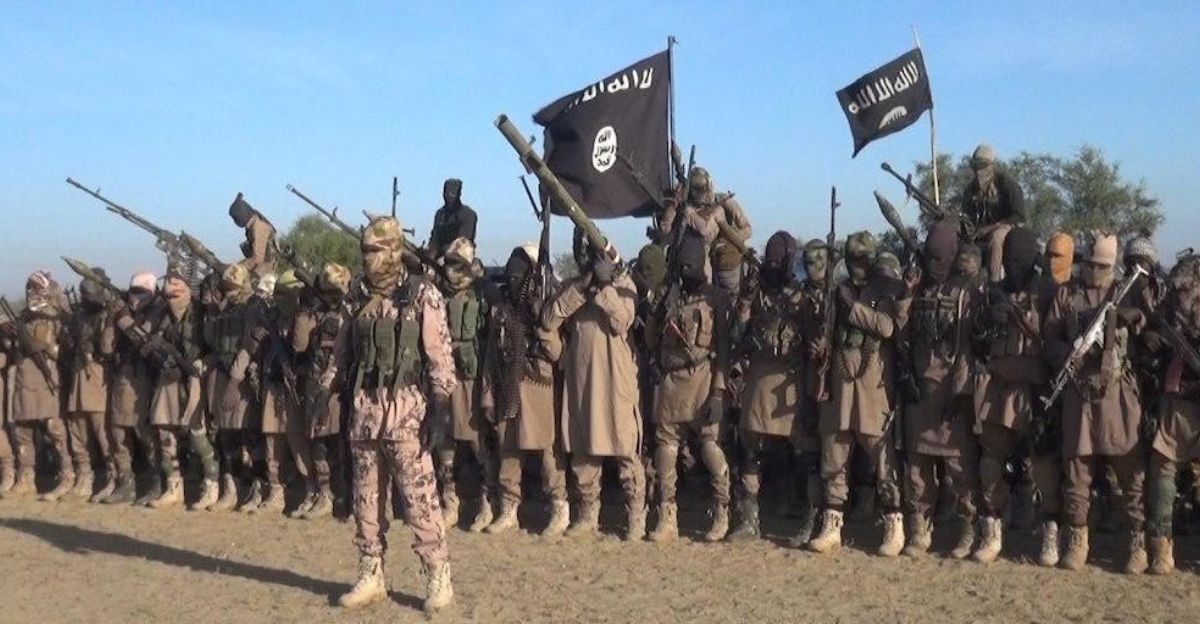
Sokoto is not Nigeria’s most recognized jihadist stronghold; that role belongs to the northeast, where ISWAP has operated for years. Analysts note that in northwest Nigeria, farmer-herder conflict and criminal banditry often outweigh jihadist activity in public perception.
Yet Nigeria’s description of “foreign ISIS elements infiltrating from the Sahel corridor” aligns with mounting concerns about militant mobility across West Africa.
Casualty Figures Withheld
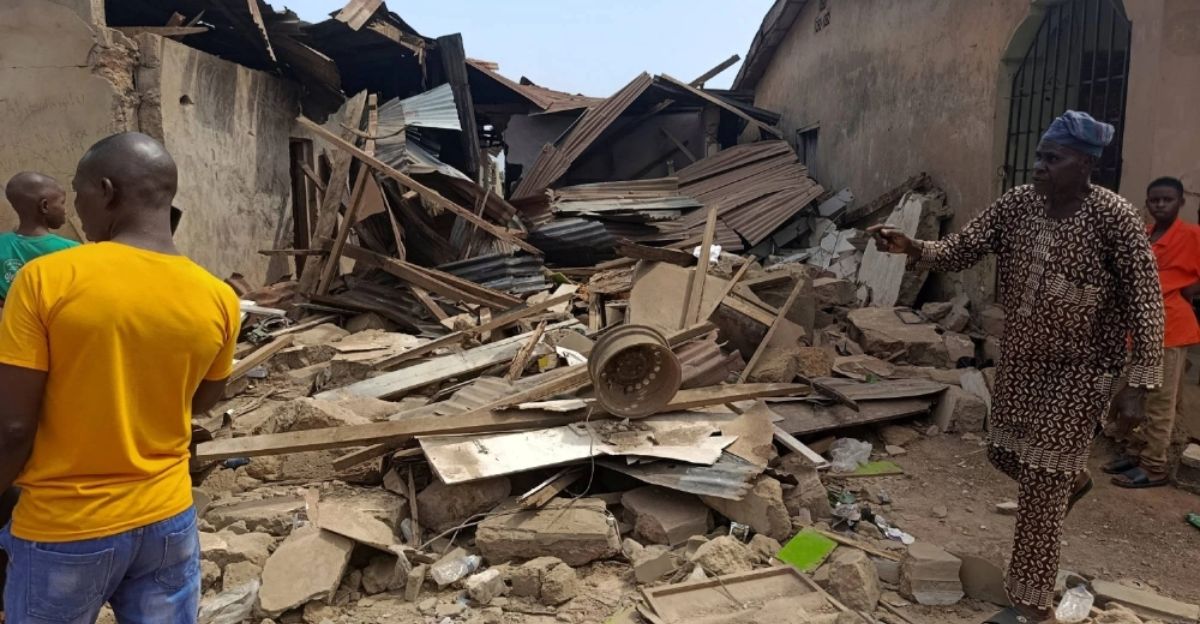
AFRICOM said that “multiple ISIS terrorists were killed,” a phrase vague enough to cover anything from a small cell to a larger contingent. Nigeria described targets as “neutralised” but gave no numbers.
With no independent verification, casualty reporting rests entirely on government assertions, making it hard for the public to judge whether the strike eliminated dozens of fighters or a handful of mid-level operatives.
U.S. Strike Mechanics
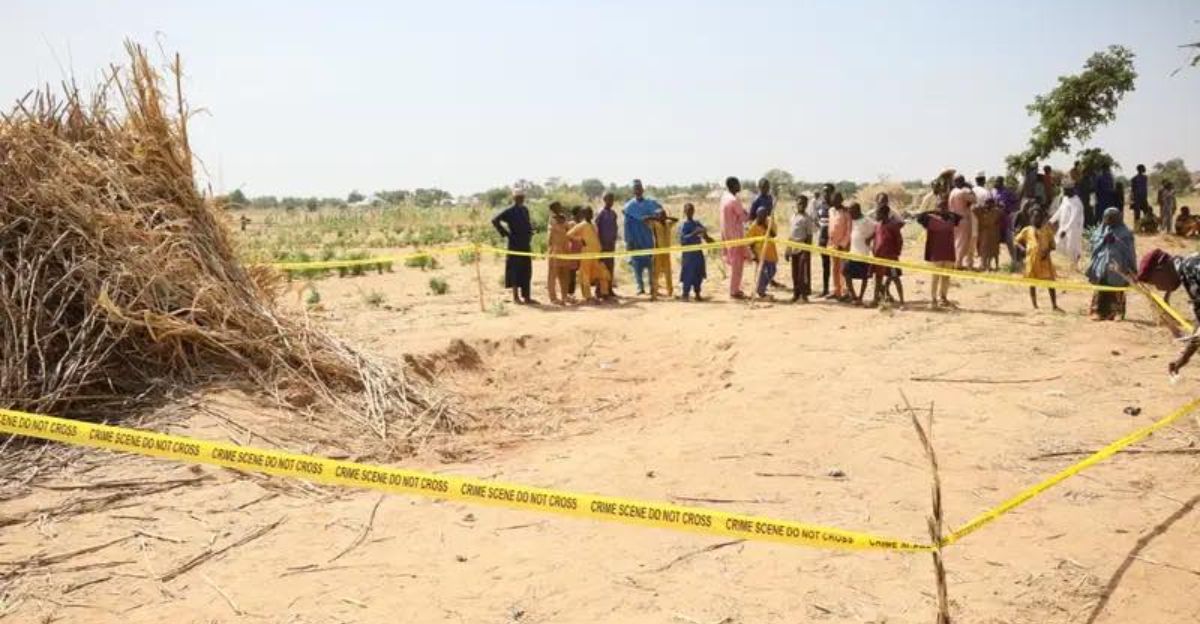
AFRICOM declined to identify platforms or munitions, citing operational security. Nigeria’s Ministry of Information, however, provided specifics: 16 GPS-guided precision munitions were delivered by “MQ-9 Reaper unmanned aerial platforms,” launched from “maritime platforms” in the Gulf of Guinea after an intelligence-gathering phase.
In doing so, Nigeria became the more transparent party, highlighting how host governments can sometimes offer more public detail than the intervening power.
No Civilian Casualties Reported
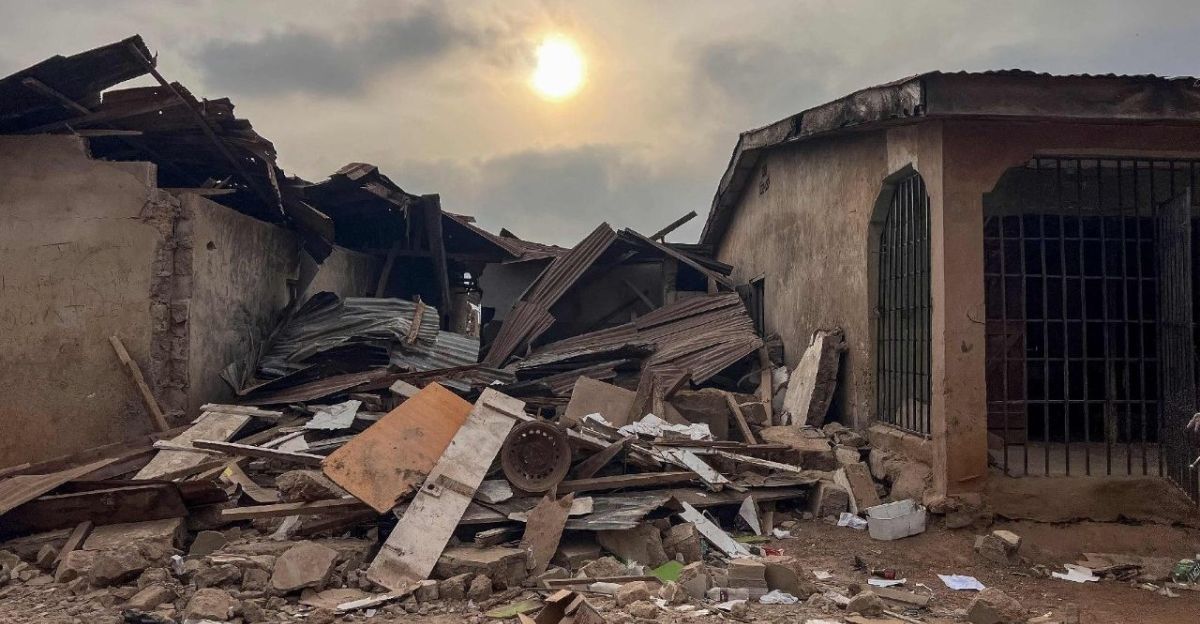
Nigeria reported that debris from “expended munitions” fell in nearby areas, including Jabo and Offa in Kwara State, near a hotel, with “no civilian casualties recorded.”
Without independent checks from human rights groups or reporters, the “no civilian deaths” claim rests solely on official statements, a gap that will weigh heavily on future judgments about the strike’s legitimacy.
Old “Secretary of War”
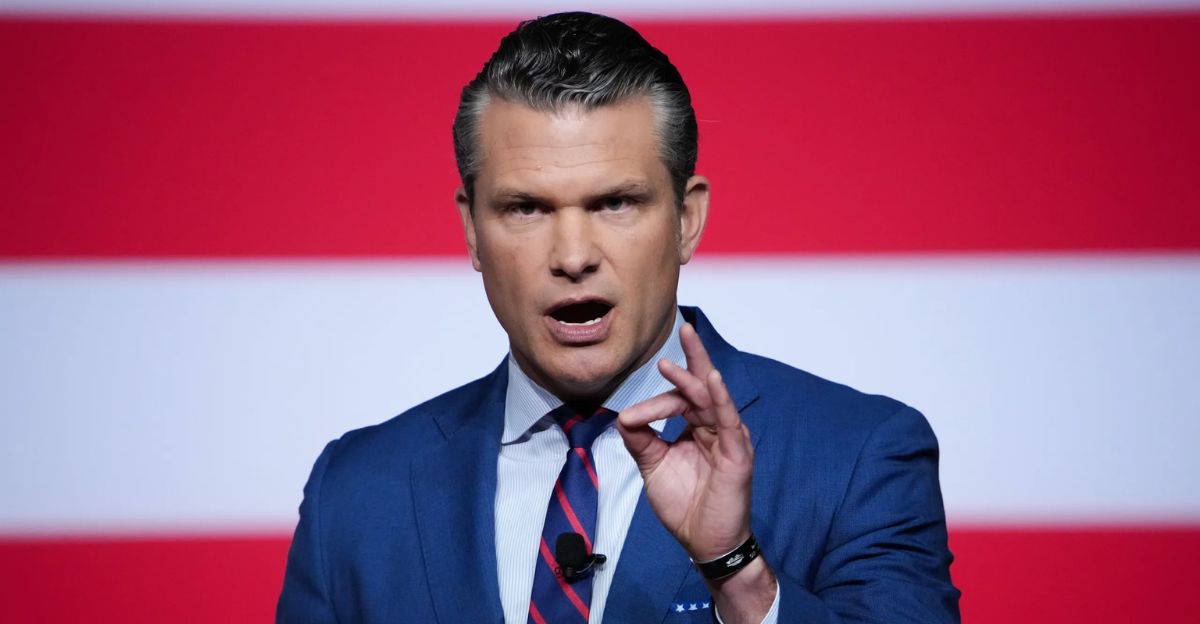
AFRICOM’s statement cited direction from “the Secretary of War,” a title the U.S. retired in 1947. Official histories note that Pete Hegseth was sworn in on January 25, 2025, “as the 29th secretary of defense before the department’s name was changed on September 5, 2025.”
Renaming a 78-year-old institution back to “Department of War” signaled a broader Trump-era shift in military culture and messaging, framed as returning to first principles.
Strategic Ambiguity

After the Nigeria strike, Secretary Hegseth wrote “More to come,” without providing further detail. That brief phrase sparked debate about whether it implied wider operations, expanded intelligence support, or simply a message of resolve.
The ambiguity matters: strategic vagueness can complicate militant planning, but it also leaves regional governments and civilians guessing about how far U.S. action might spread.
Part of a Broader Anti-ISIS Campaign
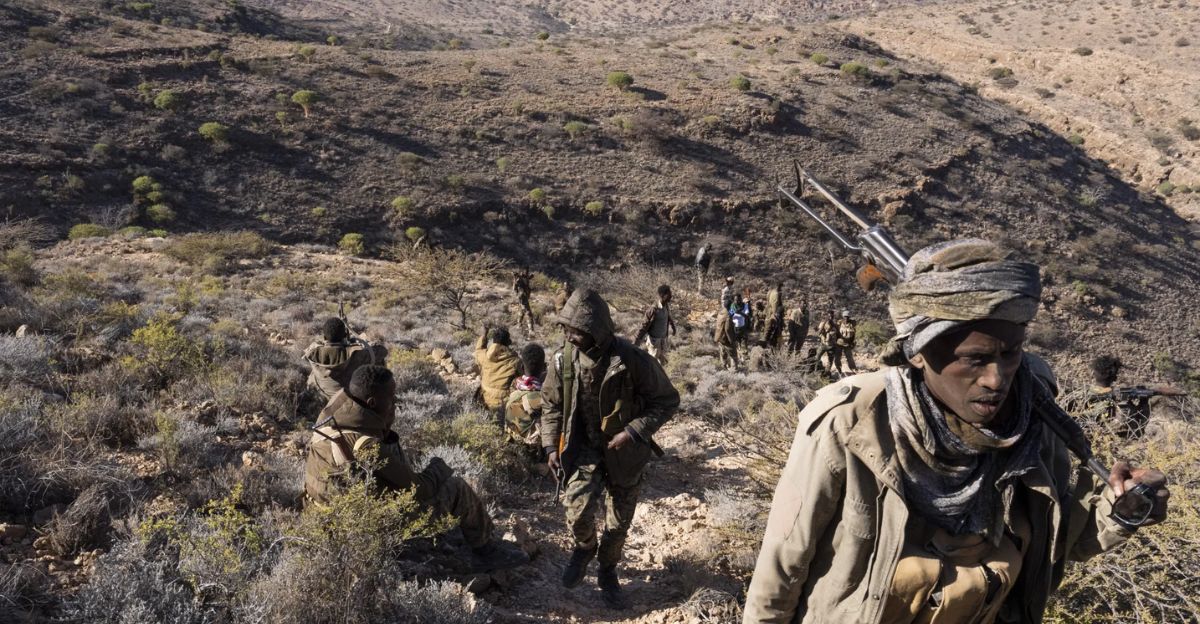
The Nigeria operation came amid a flurry of U.S. counter-ISIS activity in East Africa. AFRICOM reported ISIS‑Somalia airstrikes on December 22, 23, 24, and 25, 2025, each conducted in coordination with Somalia’s government. Separately, AFRICOM reported an airstrike against al-Shabaab on December 17.
Taken together—four ISIS‑Somalia strikes plus the Nigeria operation in eight days—the pattern suggested an accelerating tempo rather than an isolated Christmas gesture.
Sovereignty and Security Partnership
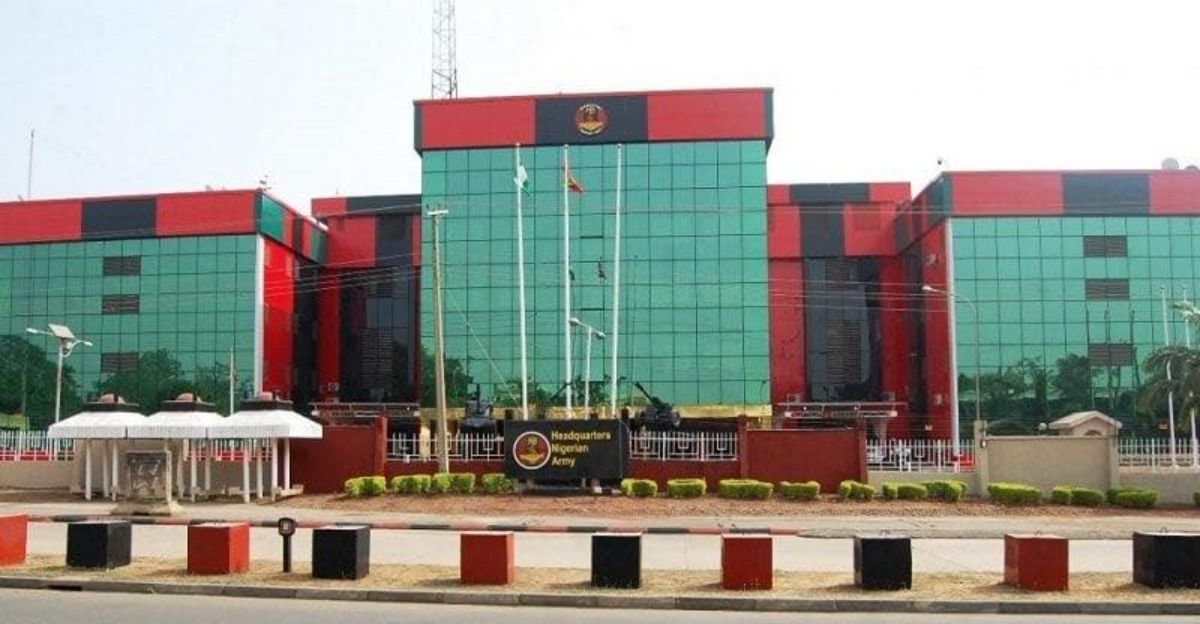
Nigeria framed the operation as sovereign and Nigeria-led, underscoring presidential approval and domestic chain of command. For a public wary of foreign intervention, Abuja’s message was that this was a Nigerian decision, not an American imposition.
In practice, the operation rested on a partnership: the U.S. supplied platforms, munitions, and intelligence, while Nigeria supplied authorization, airspace, and local knowledge.
Limited Strategic Impact
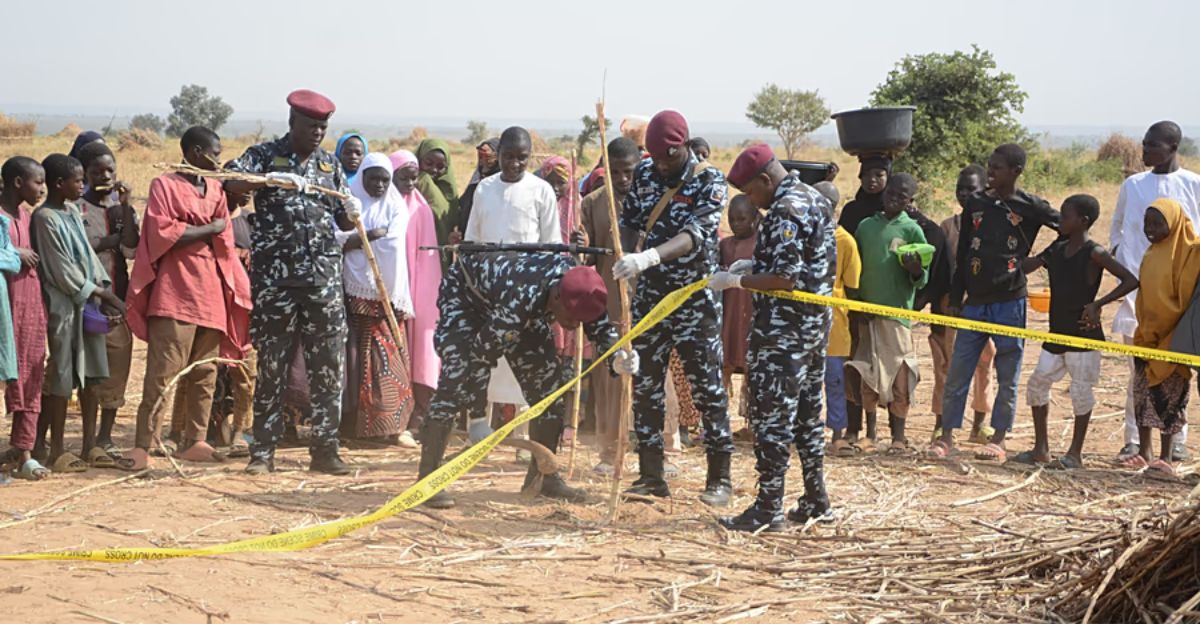
Analysts at CSIS argued that “isolated strikes like the ones carried out” are “unlikely to reduce the terrorist threat” in northwest Nigeria significantly. UN estimates suggest ISSP fields 2,000–3,000 fighters, while Lakurawa has about 200.
Even substantial losses would represent small fractions of overall capacity. In a region where armed groups disperse, adapt, and recruit, deterrence through punishment remains uncertain and often temporary.
Complex Causes Demand More Than Airstrikes
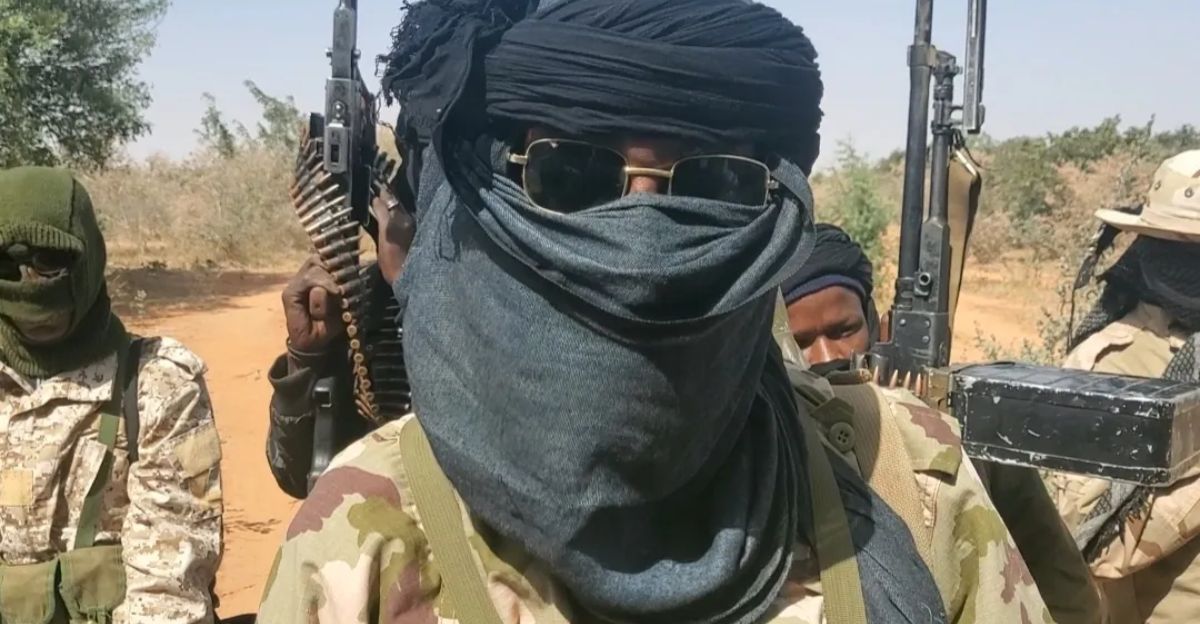
Officials in Washington and Abuja stress terrorism, but research shows Nigeria’s crisis is also rooted in banditry, communal conflict, weak state capacity, and economic distress. The U.S. State Department’s religious freedom reporting notes it is “difficult to categorize many incidents as solely based on religious identity,” given tight links among religion, ethnicity, land disputes, and criminality.
Airstrikes address one strand of violence; lasting progress will depend on governance reform, justice, local security, and economic support alongside military tools.
SOURCES:
U.S. Africa Command Press Release 36158: US Africa Command Conducts Strike against ISIS in Nigeria
Nigerian Ministry of Information: Successful Precision Strikes on Foreign ISIS Elements
Nigerian Ministry of Foreign Affairs: Press Statement on Joint US-Nigeria Operation
AFRICOM Commander Gen. Dagvin Anderson: Statement on counterterrorism operations
Department of War: Pete Hegseth biography and tenure dates
Catholic News Agency: Trump vows more strikes on Nigerian militants due to Christian persecution