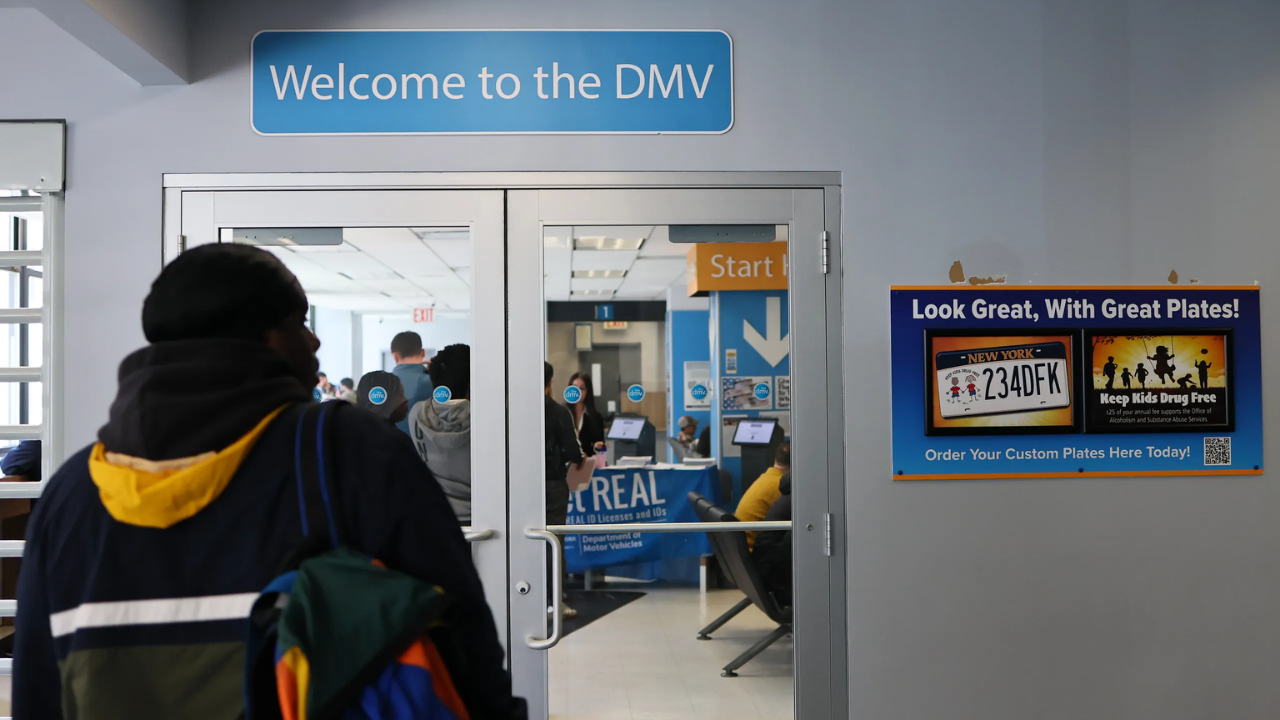
New York’s DMV stands on the brink of an unprecedented blackout, shutting down every office, website, and phone line for five days to replace decades-old technology with a single modern platform. This radical step affects 12.3 million licensed drivers across 129 locations, marking the longest planned statewide motor vehicle outage in recent U.S. history.
The Weight of Legacy Systems
State motor vehicle agencies nationwide grapple with outdated mainframes and software from the 1960s, causing delays, outages, and data risks. In New York, serving 20.1 million residents, hundreds of incompatible applications force staff to manually transfer data, slowing online services and building a 50-year backlog of technical issues. By early 2026, the strain demanded action beyond incremental fixes.
Engineering the Overhaul
In 2024, DMV leaders contracted FAST Enterprises, LLC, for a $200 million rebuild to consolidate fragmented systems into one unified platform. The project involved migrating 30 million driver records, vehicle registrations, and licenses, with staff receiving extensive training. Deployment was set for Presidents’ Day weekend—February 13 to 18, 2026—when demand dips, requiring a full shutdown since old and new systems could not run together.
The Shutdown Unfolds
At 2 p.m. on Friday, February 13, all operations halted: 129 DMV sites, including 27 state-run and 102 county offices, closed; online portals went dark; phone support ended. No alternatives existed for renewals, registrations, or IDs. In regions like Monroe County near Rochester, officials urged completing transactions by the deadline, warning hundreds of thousands of drivers of the cutoff.
Human and Operational Toll
Residents faced immediate hardships. Licenses expiring mid-blackout stayed invalid; new vehicle owners waited; fleet operators delayed registrations; college students and job seekers lacked IDs. DMV Commissioner Mark J.F. Schroeder noted, “We ask for patience as we adjust to the new system in the days immediately after it launches.” Upstate county staff expressed concerns over training gaps and potential glitches, though preparations spanned two years. Post-reopening surges threatened weeks of backlogs and extended waits.
Technical Stakes and Path Forward
FAST Enterprises tackled migrating vast data with precision, mapping histories, statuses, and flags while testing backups and contingencies. Unlike phased upgrades elsewhere, total isolation was essential due to architectural mismatches—safer than risky parallels. Past state efforts had faltered, fueling skepticism, yet success promised faster processing, expanded online access, real-time data, stronger security, and a streamlined interface.
This high-stakes pivot tests whether bold disruption yields efficiency or exposes deeper flaws. If the platform launches smoothly on February 18, New York could pioneer reliable service for millions; delays might prolong chaos, underscoring the costs of neglected infrastructure and the urgency for other states to modernize.
Sources:
Monroe County DMV Announcement, February 2026
DMV Commissioner Statement, January 2026