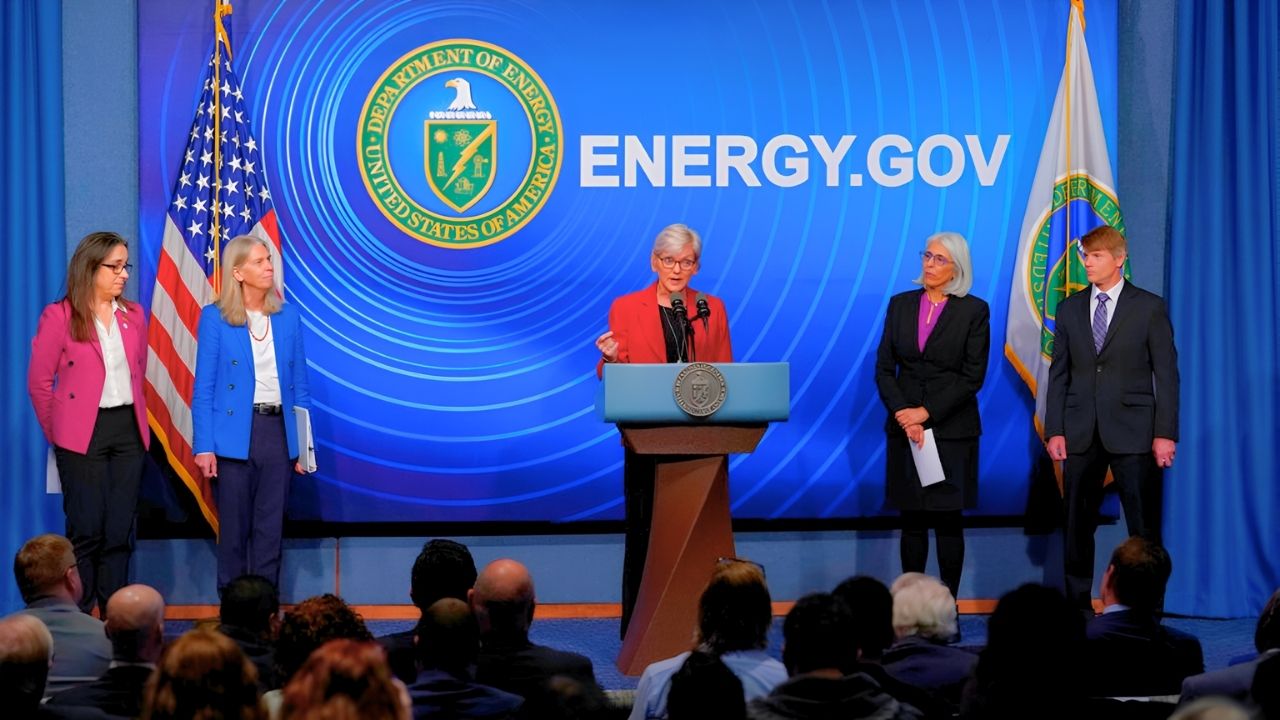
The Department of Energy issued a stark warning on 7 July 2025, citing imminent risks to U.S. grid reliability. Energy Secretary Chris Wright stated, “If we are going to keep the lights on, win the AI race, and keep electricity prices from skyrocketing, the United States must unleash American energy.”
The alert comes under President Trump’s Executive Order 14262, signed on 8 April 2025, mandating federal action on energy security. The DOE emphasizes urgent grid intervention to prevent outages and support AI data center growth. But how vulnerable is the current power infrastructure to these surging demands?
AI Is Driving Explosive Demand
Tech giants like Microsoft, Amazon, Google, Meta, and Apple are fueling unprecedented energy needs. Microsoft plans $80 billion in AI data centers, Amazon $86 billion, and total 2024 capital expenditures topped $200 billion. Data centers alone could consume 9% of U.S. electricity by 2030.
Each large AI cluster demands 500 megawatts—equivalent to powering a mid-sized city. NVIDIA’s Blackwell B200 GPUs consume up to 1,200 watts each, with racks reaching 240 kilowatts. The scale of AI growth creates massive stress on a system designed for slower expansion. Could this surge outpace supply?
Coal Retirements Worsen Risk
Despite rising demand, 104 GW of coal, gas, and nuclear capacity is scheduled to retire by 2030. Coal capacity dropped from 317.6 GW in 2011 to 164.6 GW by end of 2025—a 48% decline in just 13 years.
Utilities are reversing some retirements: Duke Energy and TVA are extending operations, and APS delayed Four Corners coal plant closure to 2038. Yet even these moves may be insufficient to match AI-driven demand, highlighting a critical gap in firm, dispatchable generation.
Intermittent Energy Challenges
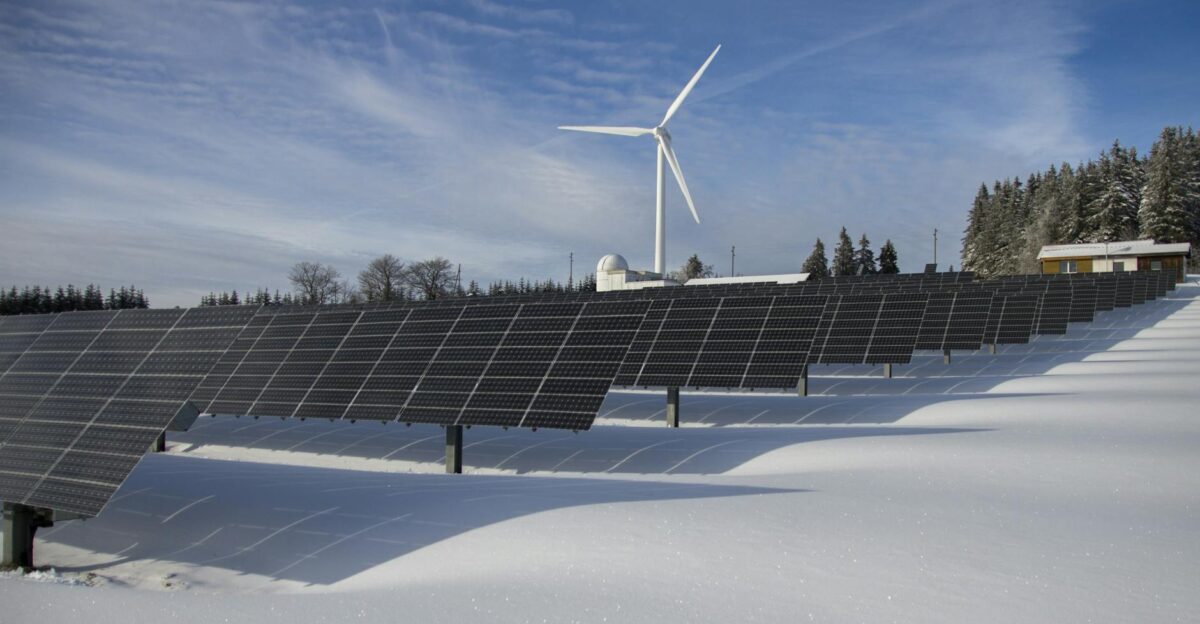
Of the 209 GW of new generation planned, only 22 GW is firm baseload. The remaining 187 GW comes from wind and solar, which cannot provide continuous 24/7 power. DOE warns, “These renewables are not capable of meeting the constant 24/7 electricity demands required for AI, data centers, and other advanced technologies.”
This creates an 8.5-to-1 ratio of intermittent to firm generation. Data centers require near-zero tolerance for outages, leaving the grid dangerously exposed during low sun or wind conditions. But where will these shortages hit hardest geographically?
Critical Regions at Risk
The DOE identifies five high-risk regions: PJM, ERCOT, MISO, SPP, and WECC. PJM alone faces 30 GW of new data center demand by 2030, and ERCOT has already issued emergency alerts. These areas are at the forefront of potential blackouts if grid interventions fail.
Capacity market prices in PJM reached their newly installed cap in summer 2025—the first signal of shortage conditions since the mechanism’s creation. Across the Midwest and South, utilities face emergency orders, highlighting the immediacy of the threat. Could these regional stresses foreshadow wider nationwide outages?
Historical Timeline of Events
Critical dates set the stage: 20 January 2025, National Energy Emergency declared; 8 April 2025, Executive Order 14262 signed; 7 July 2025, DOE report released. June and July 2025 saw MISO and PJM issue emergency alerts, highlighting immediate strain on the system.
Utilities responded by delaying coal plant retirements, including Four Corners and TVA operations. APS hit new peak demand records in summer 2025. The sequence shows that grid stress is already underway and may worsen if proactive measures are delayed.
Immediate Crisis Indicators
PJM requested emergency authorization in July 2025 to operate Wagner Unit 4 coal plant beyond limits, with only 80 run hours left for the year. ERCOT issued maximum generation alerts to meet anticipated 32 GW of new data center demand by 2030.
TVA forecasts 11 GW of growth, enough to power 6 million homes. Emergency measures illustrate how tight margins have become, raising the stakes for grid operators and utilities alike. How are consumers and businesses feeling the impact?
Consumer and Business Impacts
Electricity costs are rising sharply. Johannesburg proposed a 12.74% tariff increase, prepaid surcharges jumped 35%, and network fees nearly doubled. U.S. households face potential rolling blackouts up to 800 hours annually, disrupting refrigeration, medical devices, water systems, and communications.
Small businesses must either cut hours or shut down, while industrial manufacturers face 50% higher European energy prices compared to global competitors. The cascading effects threaten economic activity, highlighting that grid instability impacts far more than electricity bills.
Manufacturing and Supply Chain Stress
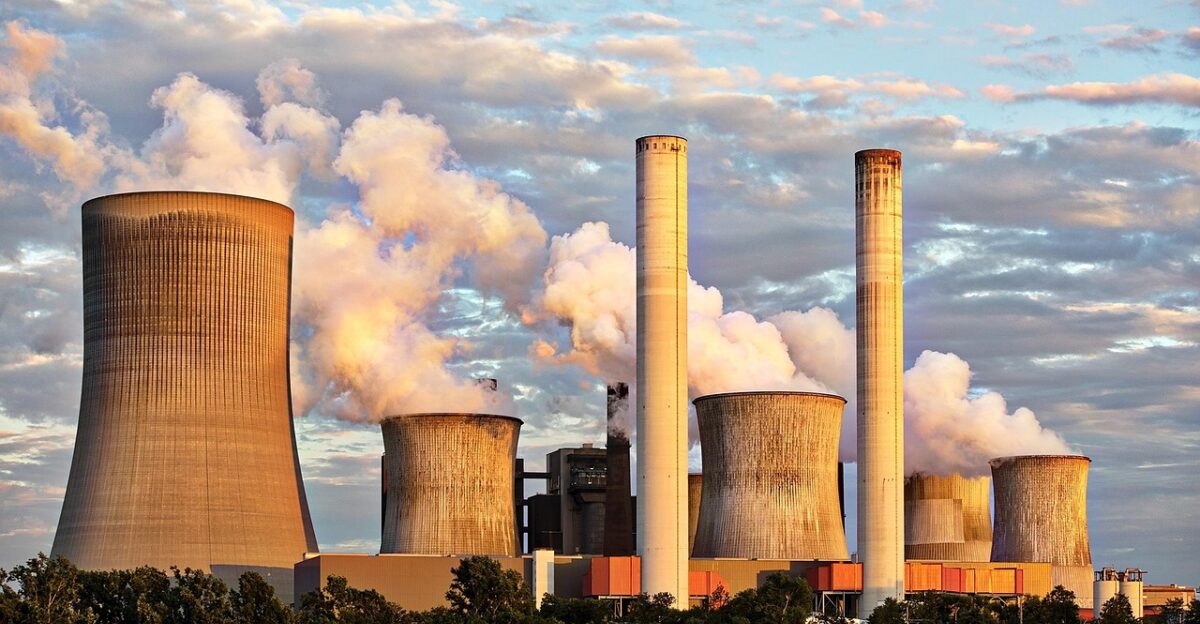
Transformer delivery times doubled to 2–3 years since 2022, with prices up 33%. Tariffs on energy equipment have inflated project costs 8.5%–13.7%, delaying generation and transmission expansion. Heavy industry, semiconductor fabrication, and renewable manufacturing all face potential relocation pressures.
Data center construction is directly constrained by equipment scarcity. Without rapid infrastructure deployment, AI investments may shift overseas, compounding U.S. competitiveness risks. Could national security also be at risk if critical infrastructure loses power?
National Security and Economic Threats
The DOE warns that grid instability threatens GDP growth, employment, and innovation. National defense relies on uninterrupted electricity for communications, weapons systems, and data operations. Blackouts or rolling outages could affect critical infrastructure nationwide.
Economic losses mirror South Africa’s R4 billion daily load-shedding cost. Without urgent action, America risks industrial deindustrialization, energy-driven inflation, and potential relocation of high-tech hubs abroad. What solutions are being proposed to prevent this scenario?
DOE Emergency Authority Activated
Section 202(c) of the Federal Power Act allows DOE to issue emergency orders for generation and transmission. The Executive Order directs DOE to “streamline, systematize, and expedite” these processes. PJM’s emergency request for Wagner Unit 4 in July 2025 set a precedent for rapid action.
Multiple regions are deploying Maximum Generation Emergency protocols. These measures aim to prevent cascading failures, but they are temporary fixes. Long-term solutions require capacity additions and investment. How are utilities and tech companies contributing?
Accelerating Firm Capacity Additions
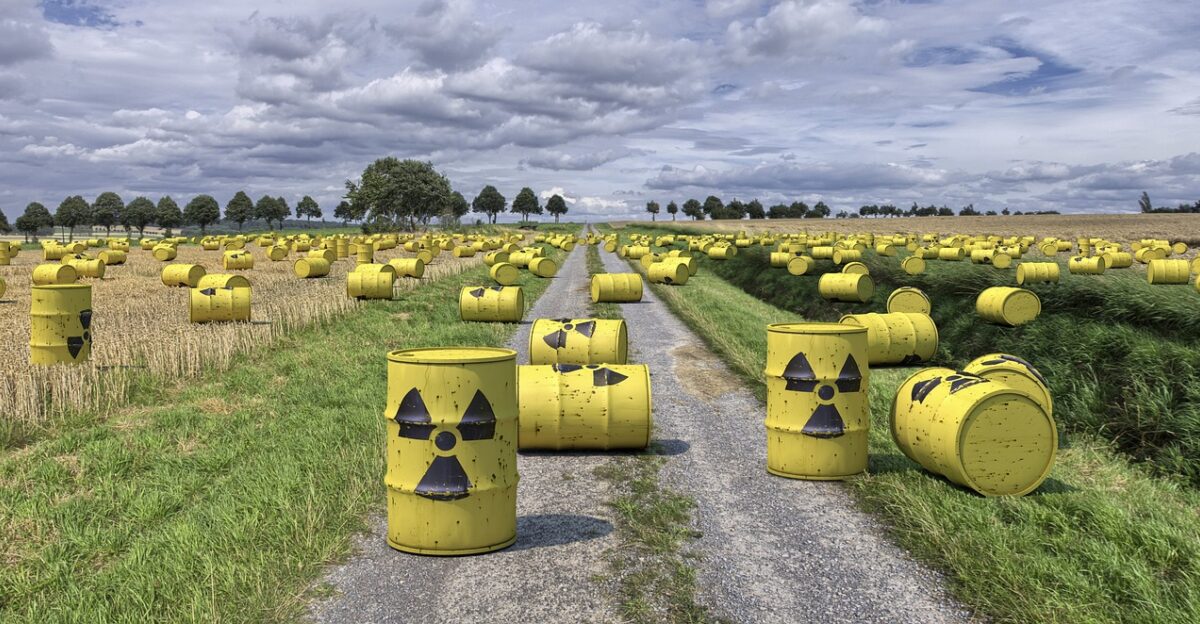
DOE urges extending coal plants, accelerating natural gas construction, and fast-tracking nuclear deployment, including small modular reactors. Microsoft and NextEra Energy partnered in 2025 to reactivate nuclear facilities in Iowa, and Deloitte estimates new nuclear could meet 10% of projected AI power demand.
Firm capacity growth is critical to match AI data center needs and prevent outages. Without these additions, intermittent sources alone will be insufficient, leaving the U.S. grid dangerously exposed. Can private capital fill the gap where public infrastructure lags?
Tech Companies as Energy Developers
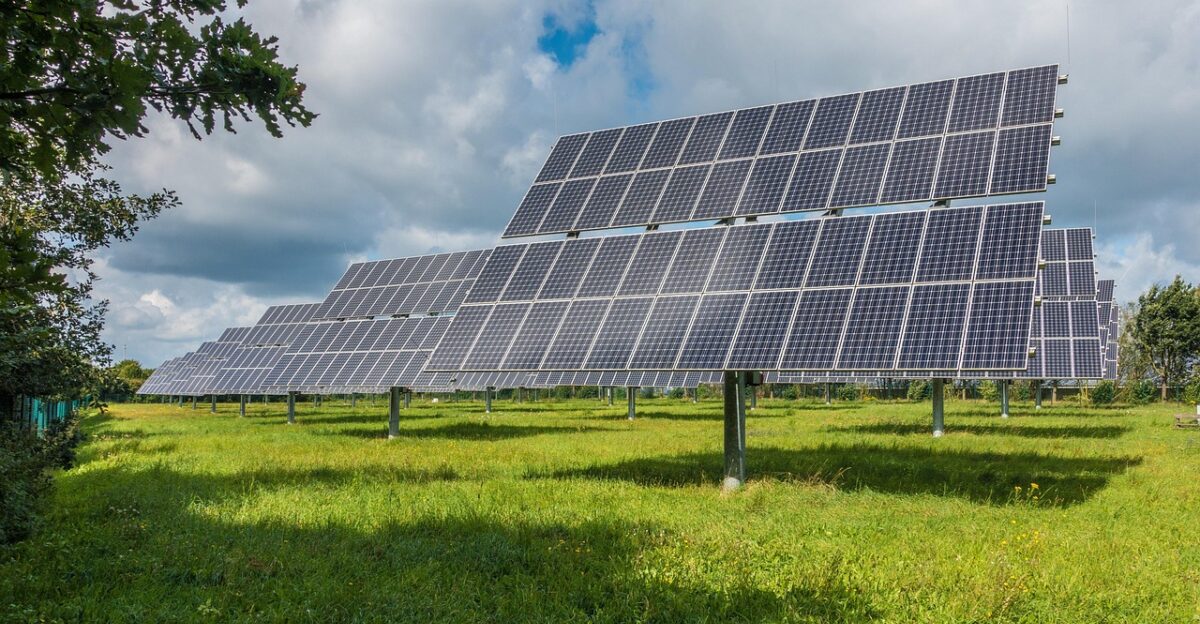
Microsoft, Amazon, and Google are investing directly in generation. Microsoft’s $100 billion Global AI Infrastructure Partnership funds data center power projects, while Amazon coordinates with utilities to ensure reliability. Google improved efficiency sixfold in five years.
Tech giants are acting as self-reliant energy developers to meet surging demand. Their involvement reflects how AI expansion is reshaping traditional energy supply chains. Could this model influence future energy policy and investment priorities?
Transmission Modernization and Bottlenecks
SPP finalized a $7 billion regional transmission plan; CAISO approved $6 billion in upgrades. FERC and DOE expedite permitting for 35 GW interregional capacity by 2033. Yet permitting delays and complex engineering still slow progress, threatening the pace of AI-related infrastructure deployment.
High-capacity transmission expansion is crucial to prevent bottlenecks. Without it, localized outages could cascade into broader failures. The DOE warns that meeting AI demand requires doubling regional transmission capacity by 2050. What does this mean for long-term energy strategy?
The Stakes Are Rising
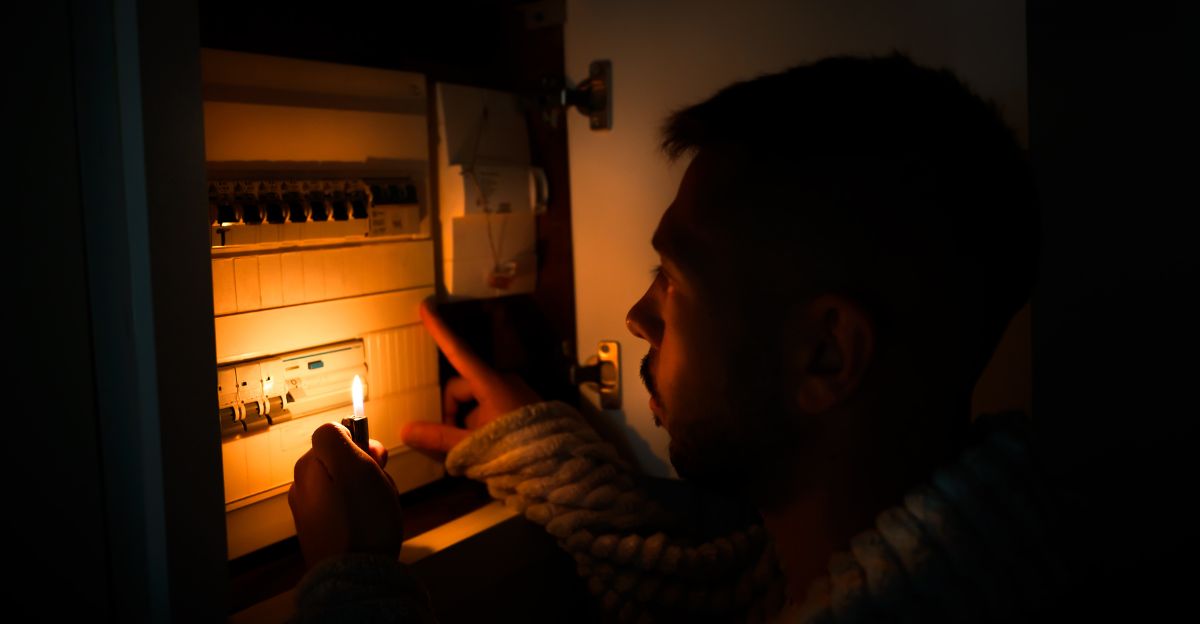
DOE projections show blackout risk could increase 100-fold by 2030. Annual outage hours may reach 800, impacting households, businesses, and critical industries. Without immediate action, rolling blackouts could become routine, and permanent relocation of AI data centers may follow.
Energy Secretary Chris Wright’s directive to “unleash American energy” emphasizes urgency. The race to power AI innovation now collides with the infrastructure needed to sustain it, leaving the U.S. grid at a tipping point. Immediate investments and emergency measures will determine if disaster can be averted.