
In February 2024, the U.S. Department of Health and Human Services released a comprehensive analysis claiming that refugees and asylees contributed $123.8 billion more in taxes than they cost over 15 years. The study covered 2005–2019, examining both federal and state-level fiscal impacts.
Its release came amid an intensifying national debate over immigration policy and border security. But the conclusions would soon face withering criticism from experts and conservatives alike, opening a rift within the Democratic establishment.
Biden Administration Amplifies Findings

HHS Secretary Xavier Becerra, a Biden appointee, personally championed the study as a “historic federal study ” that is important, data-driven evidence that refugees strengthen the economy. The administration used the research to justify expanded refugee admissions to 125,000 per fiscal year, the highest cap since the modern resettlement program began.
Congressional Democrats cited the study in budget testimonies and policy discussions. Yet, public sentiment on immigration had already started to sour, with border crossings reaching record levels in late 2023.
The 2017 Precedent: Trump Administration Rejects Similar Research
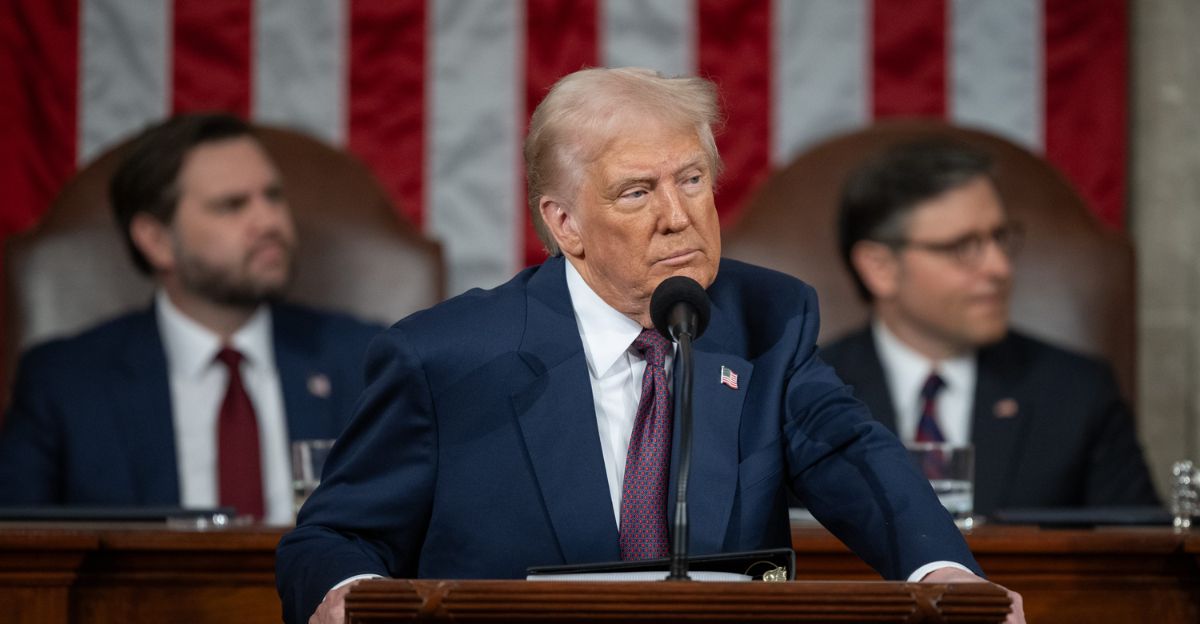
Seven years earlier, the Trump White House had buried a nearly identical HHS study showing that refugees generated $63 billion in net benefits over the period from 2005 to 2014. The New York Times reported in September 2017 that White House advisor Stephen Miller personally intervened to suppress the positive findings, fearing they contradicted the administration’s restrictionist messaging.
The final report released only cost figures, omitting revenue data entirely. This suppressed study set a precedent for how politically sensitive refugee fiscal analysis had become.
Border Crisis Peaks; Immigration Becomes Defining Issue
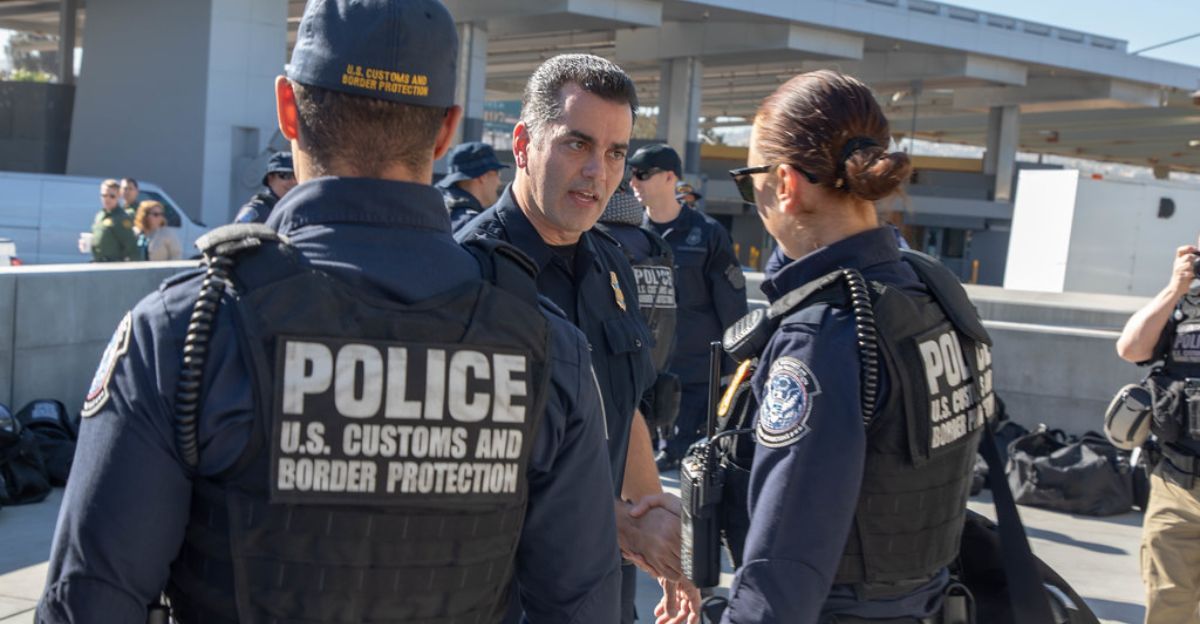
Throughout 2023, U.S. Customs and Border Protection reported record-breaking monthly encounters: December 2023 saw 302,000 apprehensions at the southern border, the highest single month in U.S. history. Public concern about immigration surged alongside these numbers.
Polling showed that immigration ranked as voters’ second-highest concern, after inflation and the economy. Democratic leadership scrambled to project strength on border security, with Biden signing executive orders restricting asylum claims in June 2024. The political ground was already shifting before the HHS study reached public debate.
Center for Immigration Studies Exposes Methodological Flaws
On December 29, 2025, the exact date the article you analyzed was published, the Center for Immigration Studies released a detailed critique titled “False Refugee Study Used by Dems to Justify Open Borders.” Don Barnett, a CIS senior research fellow, argued the HHS study artificially inflated refugee fiscal contributions by treating Social Security payments to American retirees as welfare expenditures.
This methodology, Barnett contended, made working-age refugees receiving food stamps appear as net contributors while labeling 40-year workers drawing earned Social Security as “fiscal drains.” The critique immediately went viral among conservative media and policy circles.
The Math Dispute: What the Study Actually Counted
The HHS study documented $457.2 billion in total government expenditures on refugees and asylees from 2005 to 2019 (15 years). In contrast, it generated $581 billion in tax revenue from this population. The net benefit of $123.8 billion was divided: $31.5 billion was a federal gain, and $92.3 billion was a state and local gain.
Critics like Barnett seized on how the study categorized welfare spending, arguing that including Social Security (an earned benefit, not means-tested welfare) fundamentally skewed the comparison. The methodological debate divided researchers and think tanks across ideological lines.
Somali Community Data Fuels the Backlash

Concurrent with the CIS critique, data on welfare usage among Minnesota’s Somali refugee population intensified the controversy. The Center for Immigration Studies cited Census Bureau American Community Survey figures showing 73% of Somali-headed households had at least one member enrolled in Medicaid, and 89% of Somali families with children participated in at least one welfare program.
These percentages far exceeded the national average, lending credence to conservative arguments that refugee populations, particularly Somali arrivals, concentrated welfare dependency. The numbers became centerpieces in Republican messaging.
Larger Welfare Usage Among Refugee Populations

Beyond Somali communities, broader refugee welfare data supported critics’ concerns. According to Department of Health and Human Services data, 21.4% of refugee households used SNAP (food stamps) versus 15.5% of the general U.S. population.
Medicaid/CHIP usage stood at 23.6% among refugees, compared to 17.2% nationally. Supplemental Security Income (SSI), a form of cash assistance for the elderly and disabled, was used by 7.3% of refugees, roughly three times the 2.6% rate for native-born Americans. These higher utilization rates existed regardless of the HHS study’s broader fiscal conclusions, providing empirical fuel for policy debates.
Competing Research Complicates the Narrative
Not all researchers agreed with CIS’s critique. The Cato Institute, a libertarian think tank, published a separate analysis in February 2025, finding that immigrants, including refugees, used less welfare than native-born Americans when accounting for education levels and age composition.
The American Immigration Council released a report in February 2024 supporting the HHS study’s core conclusion. This scholarly disagreement reflected deeper ideological divides: conservative organizations emphasized welfare concentration, while pro-immigration groups stressed long-term tax contributions and economic dynamism. No consensus emerged.
Minnesota Somali Welfare Fraud Explodes Into Public View
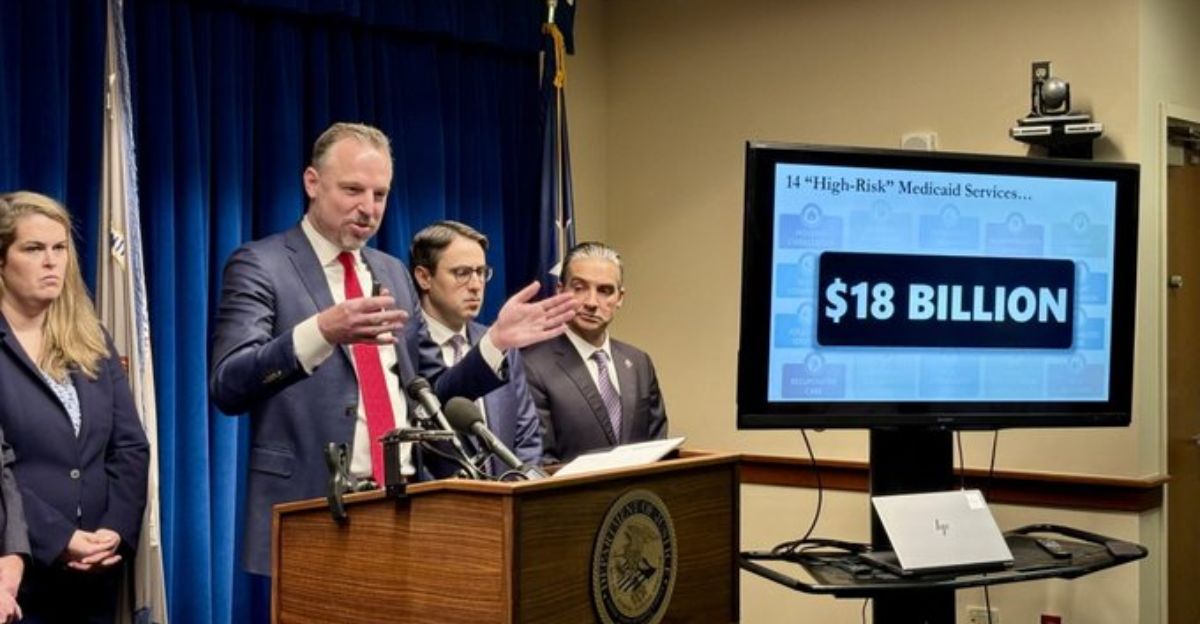
In December 2025, the U.S. Attorney’s Office for Minnesota announced a massive welfare fraud investigation: over $1 billion in confirmed theft, with potential exposure reaching $9 billion across 14 Medicaid programs since 2018.
Court records showed that roughly 90% of defendants charged in the most significant fraud cases were of Somali descent, predominantly targeting disability and long-term care benefits. This scandal, emerging just as the refugee study faced methodological scrutiny, created a devastating narrative alignment: refugees on welfare, then refugees stealing welfare. The fraud became inextricably linked to broader immigration debates.
Democratic Reckoning: Senators Admit “Political Malpractice”
In late November 2024, weeks after the general election, Democratic senators gave unusually candid interviews about their party’s immigration failures. One unnamed Democratic senator told The Hill: “We destroyed ourselves on the immigration issue in ways that were entirely predictable and entirely manageable.
That’s political malpractice.” Another said the party had “utterly mismanaged” the issue. These admissions came as Republicans captured Senate control and Photo by TerhiMajasalmi on X won the presidency, with immigration cited as a decisive factor in both outcomes. The study that Democrats had promoted now became a liability.
Electoral Consequences: Republicans Gain Decisively on Immigration Message
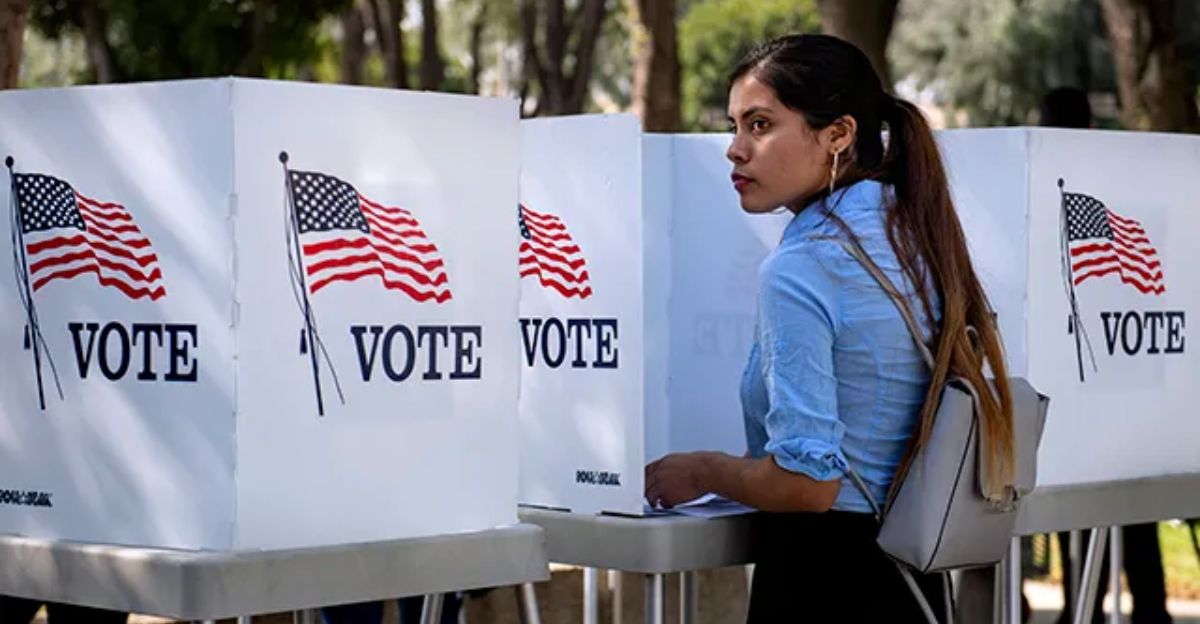
In the November 5, 2024, general election, Republicans made substantial gains among Hispanic and Latino voters, a demographic traditionally considered a Democratic stronghold. Trump won 46% of the Latino vote, the highest share for a Republican in modern electoral history. Harris won only 51% of Latino voters, a significant underperformance compared to Biden’s 2020 performance among this demographic.
Exit polling and post-election analysis revealed that immigration and border security ranked among the top three issues influencing voter behavior. Democrats lost Senate seats in competitive races where Republicans effectively deployed immigration messaging, while Trump’s focus on border enforcement resonated across demographics.
The Refugee Admissions Policy Becomes Political Liability
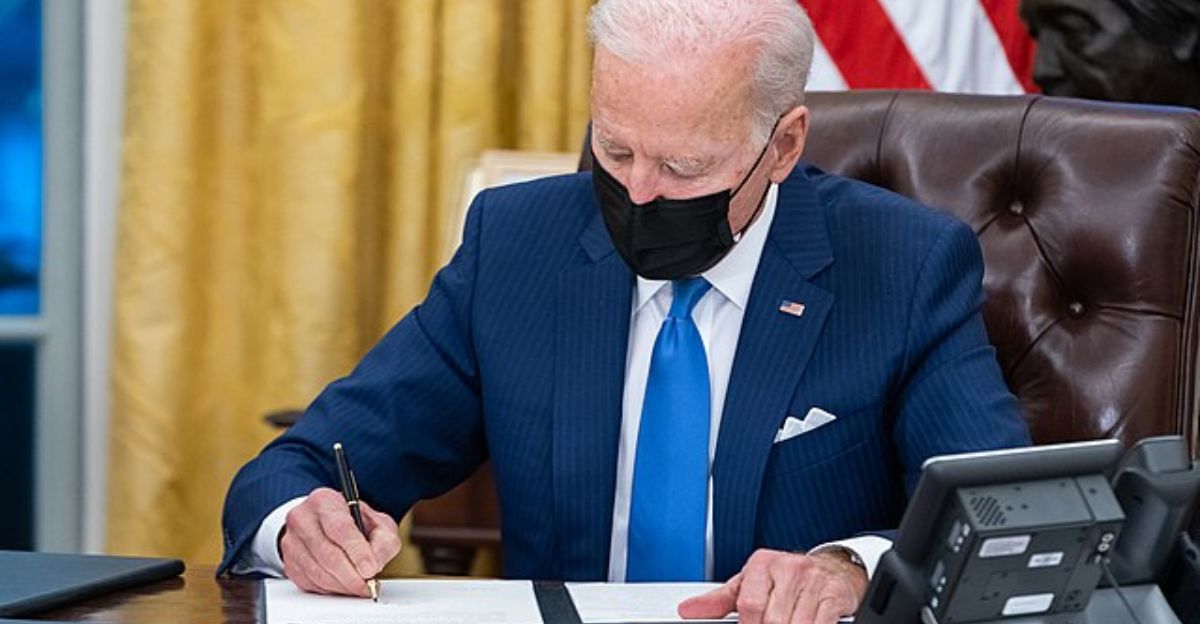
Biden’s expansion of refugee admissions to 125,000, justified by the HHS study, became a focal point for Republican criticism during the campaign. Advertisements in swing states highlighted the refugee admissions surge alongside border crossing data, creating a conflated narrative of “open borders.”
Democrats struggled to distinguish between refugees (overseas-screened and admitted through a formal process) and asylum-seekers (arriving at the border). The HHS study, meant to bolster the administration’s case, instead became evidence Republicans cited to argue Democrats were indifferent to immigration enforcement and welfare sustainability.
Expert Skepticism Deepens After Election

Following the electoral defeat, more centrist researchers acknowledged that the HHS study’s framing had failed to capture political reality. One former Clinton-era immigration official told journalists that the study’s focus on long-term net fiscal contributions was unable to address voters’ immediate concerns: congested social services, strain on housing markets, and high-profile fraud schemes.
The scholarly debate over welfare methodology suddenly seemed abstract compared to voters’ lived experience. This gap between academic analysis and public perception haunted Democratic immigration policy messaging as 2025 approached.
Forward-Looking Question: Can Immigration Policy Be Rehabilitated?
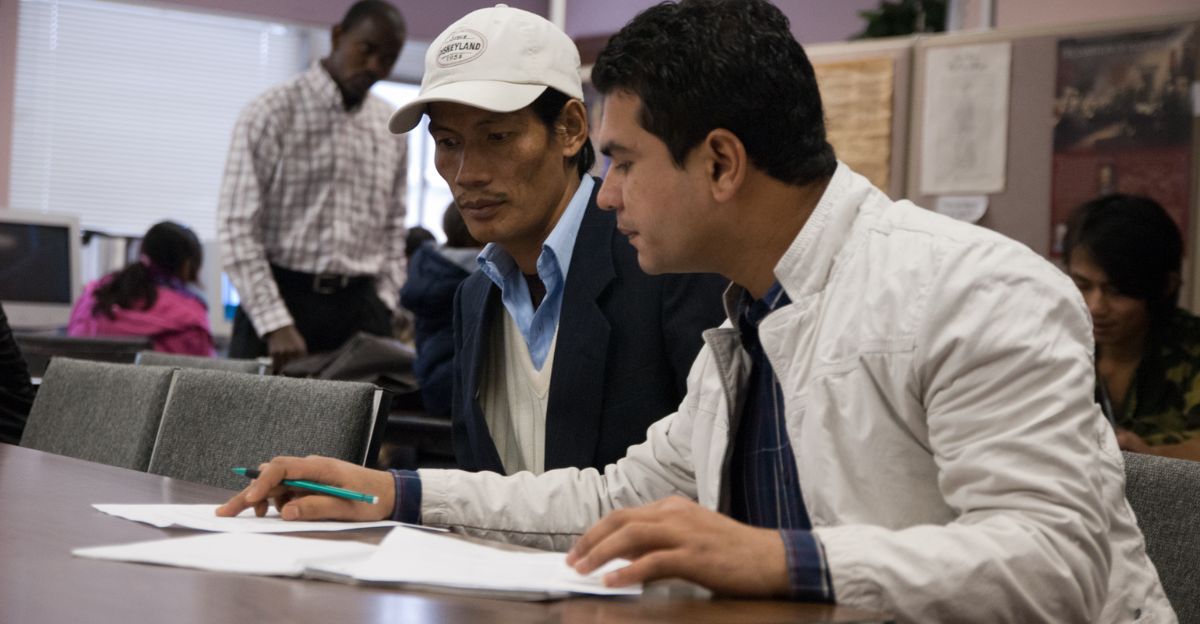
As 2025 began, Democrats faced a strategic question: Could they rebuild credibility on immigration after the 2024 reckoning? Trump’s aggressive deportation operations and immigration enforcement policies began reshaping the political landscape.
Early 2025 polling showed Latino voters’ sentiment shifting: majorities disapproved of Trump’s deportation-focused approach, particularly family separations. Yet the damage to Democratic credibility on border management persisted. The HHS refugee study, once a policy asset, had become a historical artifact of pre-election confidence, now replaced by acknowledgment of governance failure.
Political Implications: The Study as Election Postmortem
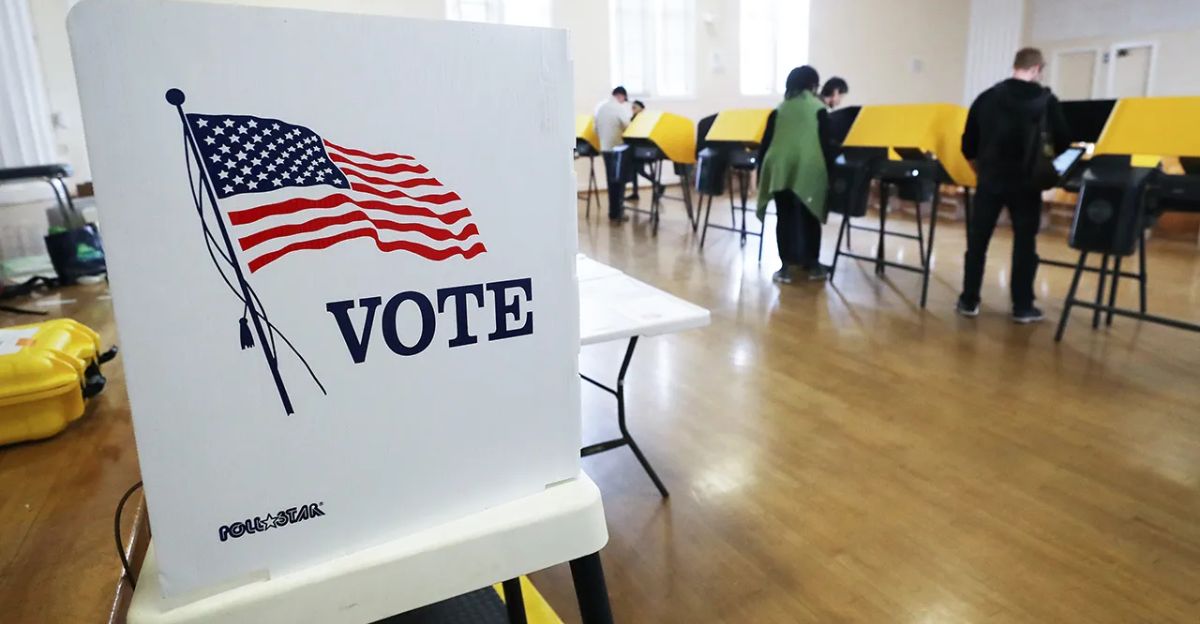
In retrospect, the HHS refugee study illustrated a broader Democratic miscalculation: relying on data-driven arguments in an environment where voters prioritized narrative and perceived competence. The study’s release in February 2024 coincided with Biden’s attempt to project strength on asylum, yet by election day, the messaging had inverted; Republicans weaponized refugee admissions policy as evidence of Democratic naiveté.
Policy analysts now view the study as a case study in how technical research can backfire when divorced from political context and public anxiety about rapid demographic change and social service capacity.
International Ripple: Global Refugee Politics Shift

The 2024 American election outcome had international reverberations. Conservative governments in Europe, Canada, and Australia cited the U.S. result as validation for hardline refugee and immigration policies. Poland, Hungary, and other EU members accelerated border restrictions.
Canada, facing domestic backlash over immigration levels, announced reductions in refugee and asylum admissions in November 2024, explicitly referencing American electoral precedent. The U.S. study’s methodological critique thus became a global talking point for restrictionist policymakers seeking academic cover for enforcement-focused immigration agendas.
Legal and Fiscal Angle: State Budgets and Welfare Fraud Litigation

The Minnesota fraud revelations triggered a broader legal review of refugee resettlement funding mechanisms. States began auditing their own refugee welfare expenditures, questioning whether federal reimbursement rates covered actual costs. Litigation emerged in Minnesota targeting resettlement contractors for inadequate background checks and failure to prevent fraud.
The HHS study’s claim that refugees generated state-level fiscal benefits ($92.3 billion over 15 years) is now facing scrutiny as state attorneys general investigate whether this claimed benefit has been offset by undetected fraud. The study’s net-positive conclusion appeared increasingly contingent on assumptions about fraud that the data hadn’t accounted for.
Cultural and Generational Shift: Immigrant vs. Refugee Sentiment Diverges
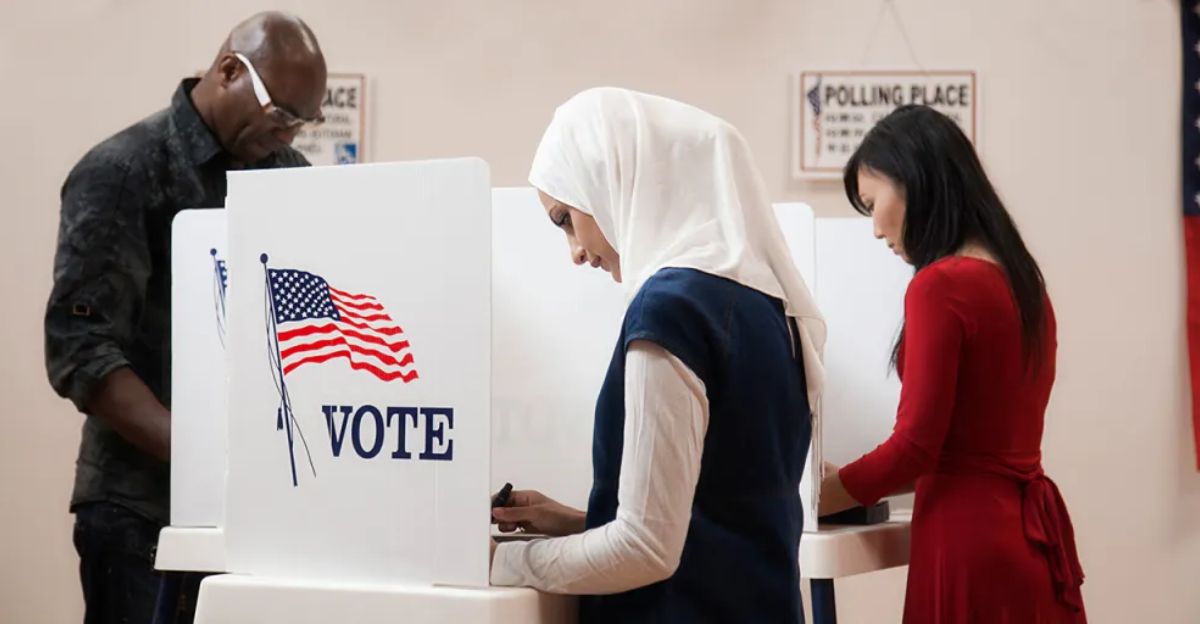
Polling data and focus groups conducted in late 2024 and early 2025 revealed a subtle but significant cultural shift: Americans, including Hispanic and immigrant-origin voters, increasingly distinguished between established immigrant communities and recent refugee/asylum arrivals.
Pew Research found that 58% of Latinos expressed concern about the pace of recent arrivals, even as majorities opposed mass deportations. This represented a generational and cultural fracture, with longer-established immigrant communities expressing resentment toward newer arrivals, who were seen as straining services and competing for jobs. The HHS refugee study, framed in terms of aggregate fiscal contribution, had missed this micro-level social tension.
Broader Reflection: What This Reveals About Data and Democracy
The refugee study controversy and subsequent election outcome illuminate a deeper tension in modern governance: technical expertise versus democratic sentiment. The HHS research was methodologically defensible (if debatable); its fiscal conclusions were grounded in available data. Yet it failed to persuade because it addressed a policy question voters weren’t asking.
Voters sought assurance that the government could manage borders effectively, prevent fraud, and protect social service capacity. The study offered long-term tax accounting instead. As Democrats and researchers reassess immigration policy heading into 2026 and 2028, the lesson appears clear: data alone cannot substitute for demonstrated competence, and aggregate benefits mask local disruptions that shape voter behavior.