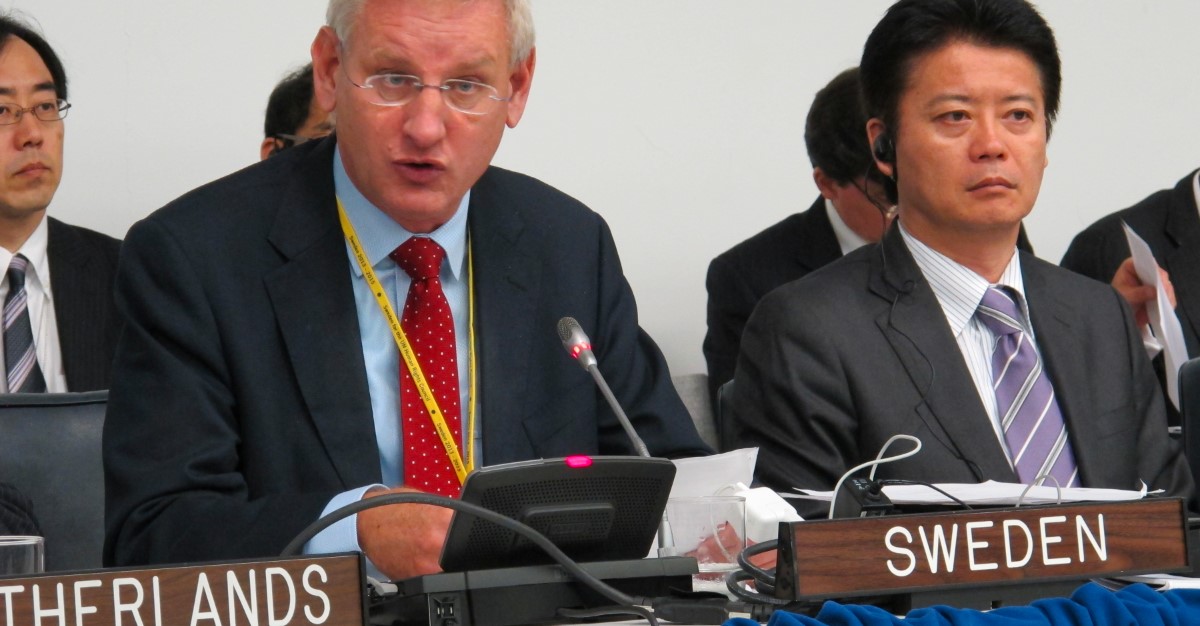
The silence inside Sweden’s parliament was broken by a single, provocative statement. “Everything should be on the table,” declared Jimmie Åkesson, leader of the Sweden Democrats, as cameras flashed. For a country that once prided itself on nuclear disarmament, the suggestion that Sweden might consider developing nuclear weapons was a seismic shift—one that has ignited a national debate and unsettled Europe’s security landscape.
A Taboo Broken: Sweden’s Nuclear Debate Reignites
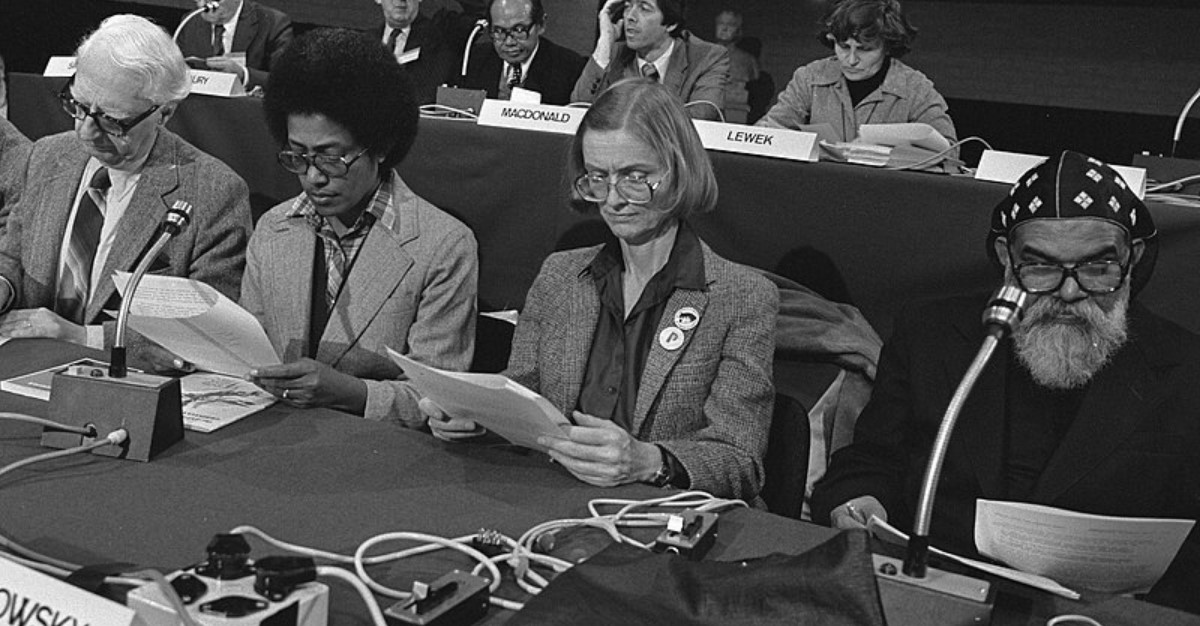
Åkesson’s remarks did not occur in isolation. They echoed through the corridors of power, forcing even the most established politicians and defense officials to respond. Robert Dalsjö, a senior strategist at the Swedish Defence Research Agency, lent weight to the discussion: “Now we must discuss independent nuclear weapons with a Swedish component.” This was not political theater, but a sign that serious voices within Sweden’s security establishment are rethinking the nation’s deterrence strategy in light of new threats.
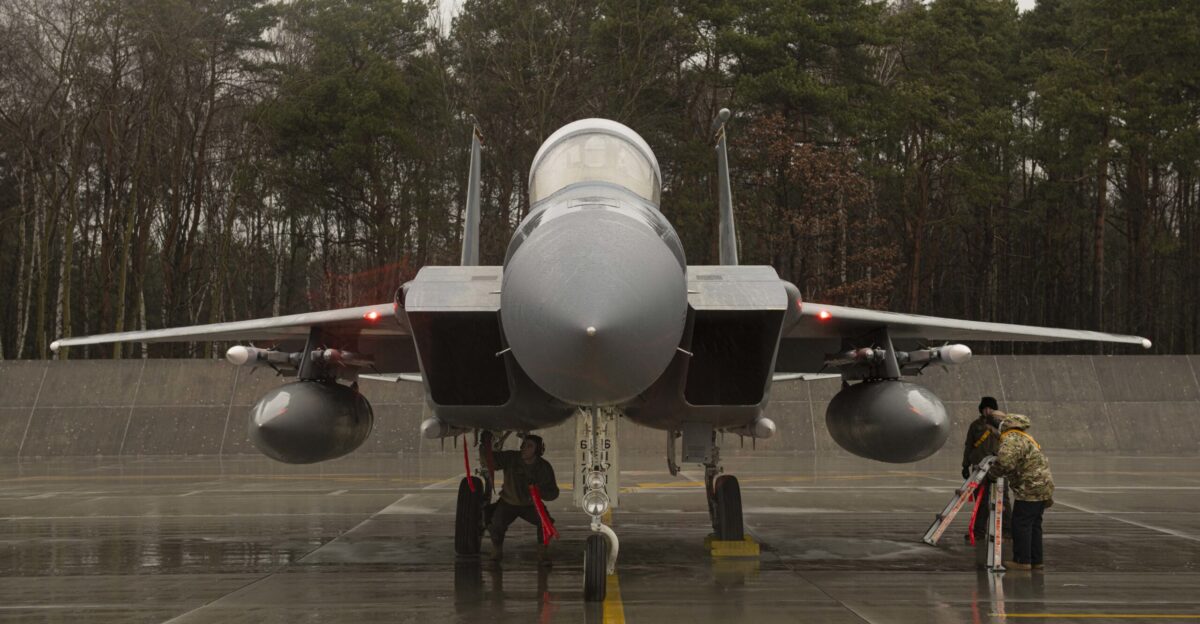
Recent months have seen a surge in drone incursions across European airspace, with Denmark temporarily closing Copenhagen Airport and Poland reporting multiple violations. NATO jets have been scrambled in response, underscoring the sense that Russian or proxy forces are probing Western defenses. For Sweden, which joined NATO only recently, these incidents have heightened anxieties about its vulnerability and the reliability of collective defense.
A Legacy of Nuclear Ambition
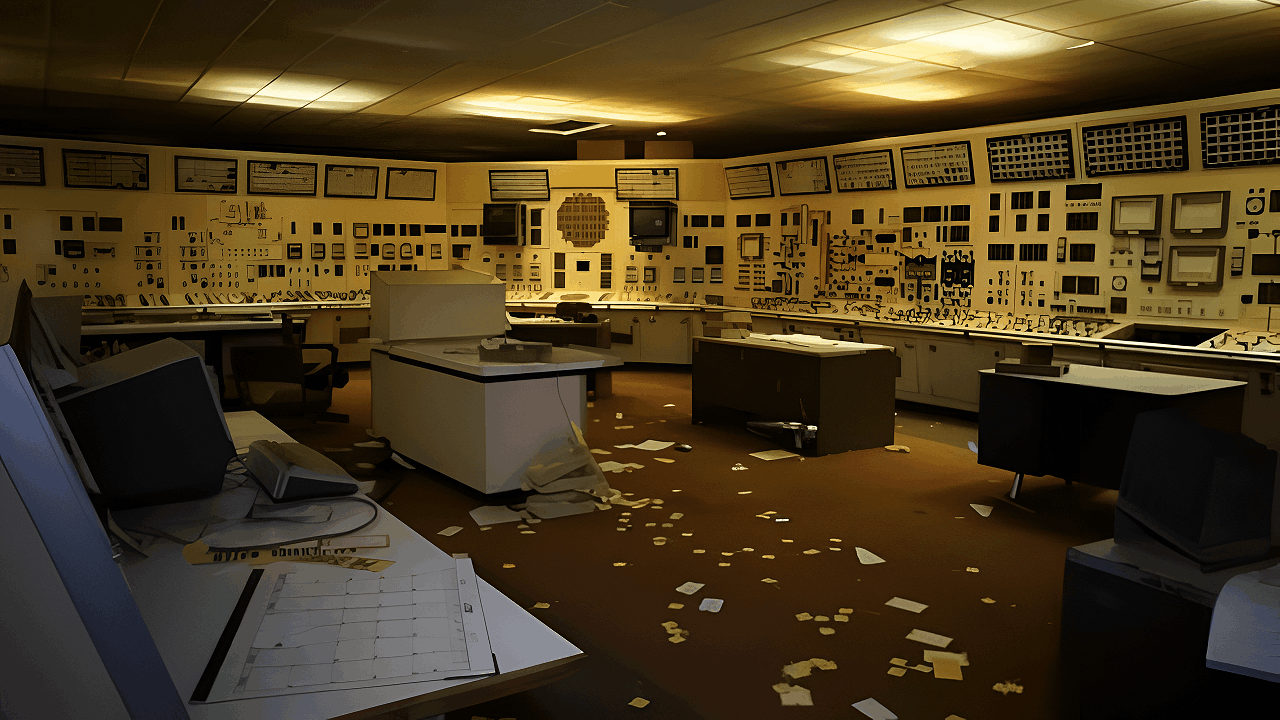
Sweden’s nuclear debate is not new. Declassified documents reveal that in the 1960s, Sweden was just six months away from building a functional nuclear weapon. The country’s scientists had developed advanced reactor technology and were on the verge of assembling a bomb when political leaders abruptly halted the program, choosing to sign the Non-Proliferation Treaty (NPT) in 1968. By 2012, Sweden had shipped its last plutonium to the United States, symbolically closing the door on its nuclear ambitions.
Yet, the technical expertise and national pride associated with that era remain. Former nuclear industry workers have noted that Sweden retains the knowledge base from its Cold War nuclear program, though reviving weapons capability would require substantial time, investment, and political consensus.
Energy Policy and Security: Lines Blur
The nuclear conversation resurfaced after Sweden’s parliament lifted restrictions on new reactors in November 2023, ending a policy that had been in place since a 1980 referendum. The move was driven by concerns over energy security and the growing threat from Russia. The government now plans to build two new reactors by 2035 and as many as ten by 2045, backed by $23 billion in state loans.
This expansion is intended to stabilize electricity prices and reduce dependence on foreign energy. However, the same expertise and infrastructure that support civilian nuclear power could, in theory, be redirected toward weapons development. “The boundary between civilian and military nuclear technology is thinner than many realize,” warned Dr. Martin Goliath, a nuclear policy expert at FOI. “Rearming would be a massive industrial project, likely taking 10 to 15 years and tens of billions of dollars.”
Sweden’s shift from a “100% renewable” to a “100% fossil-free” energy target has further blurred the lines between environmental policy and national security. The change reflects a pragmatic approach, prioritizing resilience and self-sufficiency in an increasingly uncertain world.
Public Opinion and Political Identity
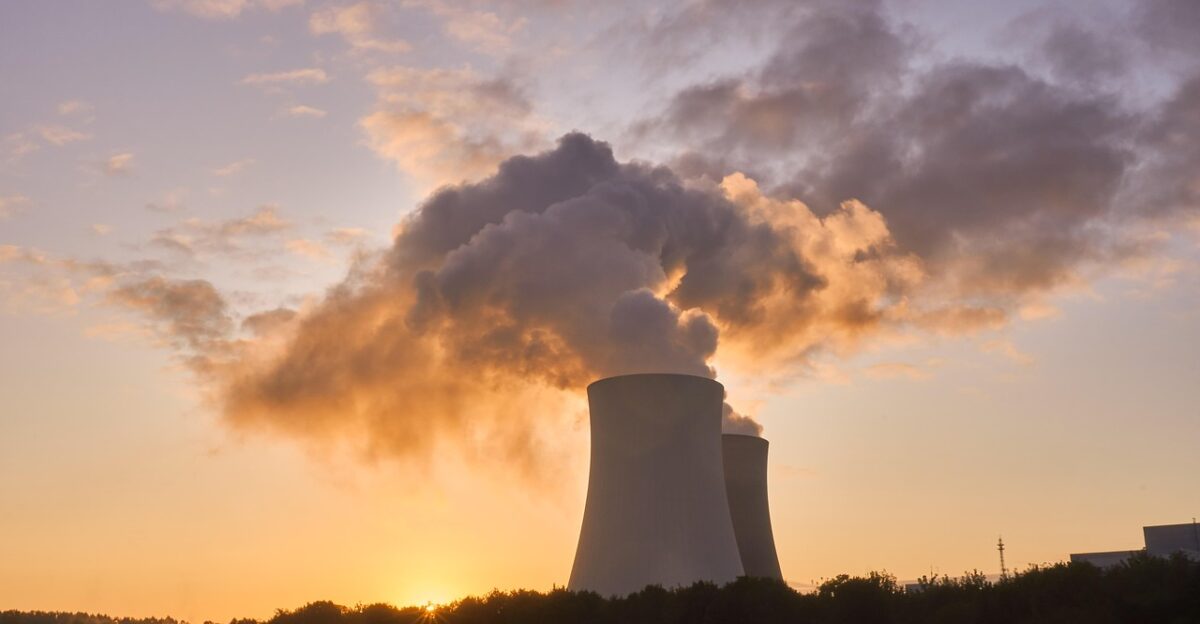
For many Swedes, the renewed nuclear debate is less about aggression and more about survival. Public opinion surveys and political commentary reflect growing concerns that NATO’s collective defense may not always be sufficient protection. The discussion has exposed a generational divide, with younger politicians framing nuclear capability as a form of insurance, while older Swedes, shaped by decades of disarmament culture, see it as a betrayal of national values. The debate is no longer just about policy—it is about the kind of nation Sweden wants to be.
A European and Global Ripple Effect
Sweden’s reconsideration of nuclear weapons is being closely watched across Europe. For decades, most European countries have relied on the U.S., U.K., and France for nuclear deterrence. If Sweden, long a symbol of humanitarian diplomacy, is rethinking its stance, others may follow. Experts warn this could trigger a psychological shift in Europe’s security architecture, challenging the global non-proliferation regime at a time when nearly 12,200 nuclear warheads remain worldwide, 90% of them held by Russia and the United States.
Looking Ahead: Power, Paradox, and the Stakes
Sweden now stands at a crossroads. The decision to even debate nuclear weapons marks a profound change in its national identity and has implications far beyond its borders. As the country invests in new nuclear infrastructure and reexamines its defense posture, the line between energy policy and military strategy grows ever thinner. Whether Sweden ultimately pursues nuclear arms or not, the conversation itself signals a new era—one in which ideals of peace and neutrality are tested by the realities of a more dangerous world.