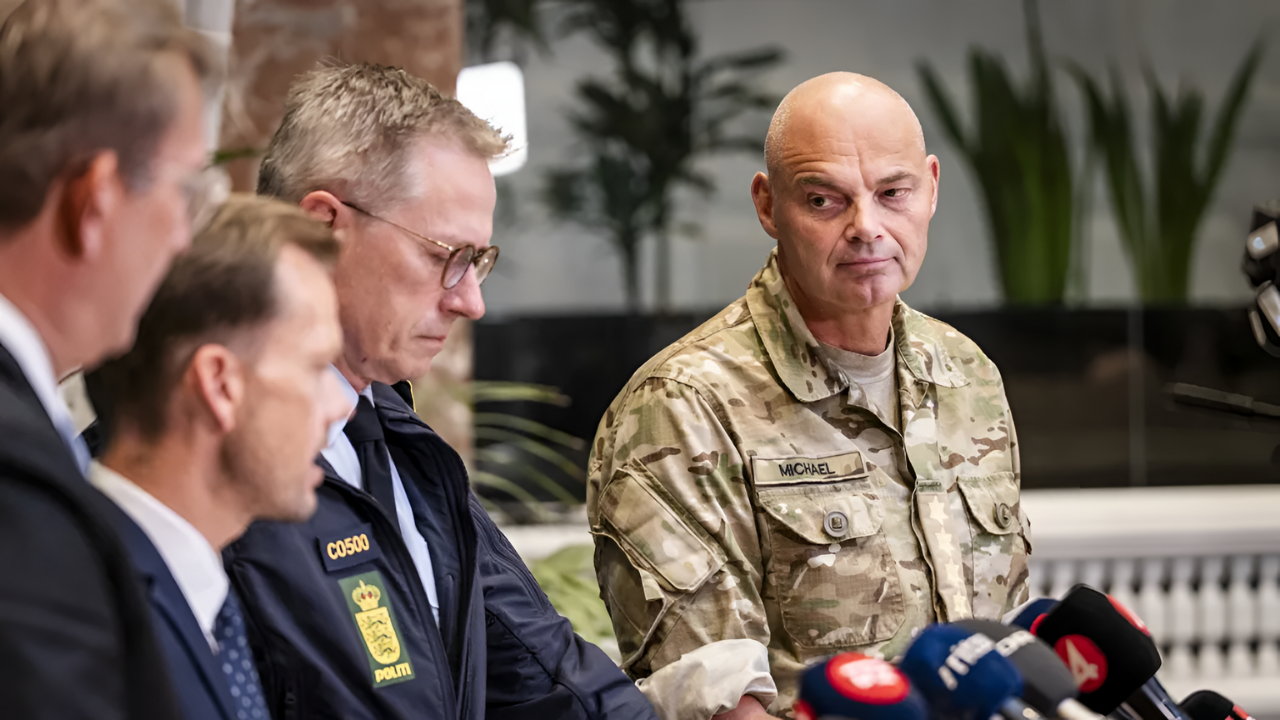
A viral video circulating online alleges that CIA sleeper cells, working alongside U.S. cyber capabilities, are secretly striking targets inside Russia, including refineries and so‑called “shadow fleets” that move oil under sanctions. These dramatic allegations sit on top of a real, well‑documented backdrop of U.S.–Russia cyber confrontation and espionage, but the precise claims about CIA‑directed sleeper cells remain unverified.
Major outlets such as The Washington Post and The New York Times have described offensive U.S. cyber operations against Russian targets, including troll farms and parts of the power grid, but none has produced public evidence confirming CIA-controlled sabotage teams inside Russia. In this environment, bold online claims often travel faster than the evidence that could confirm or debunk them.
Cyber Strikes Surge
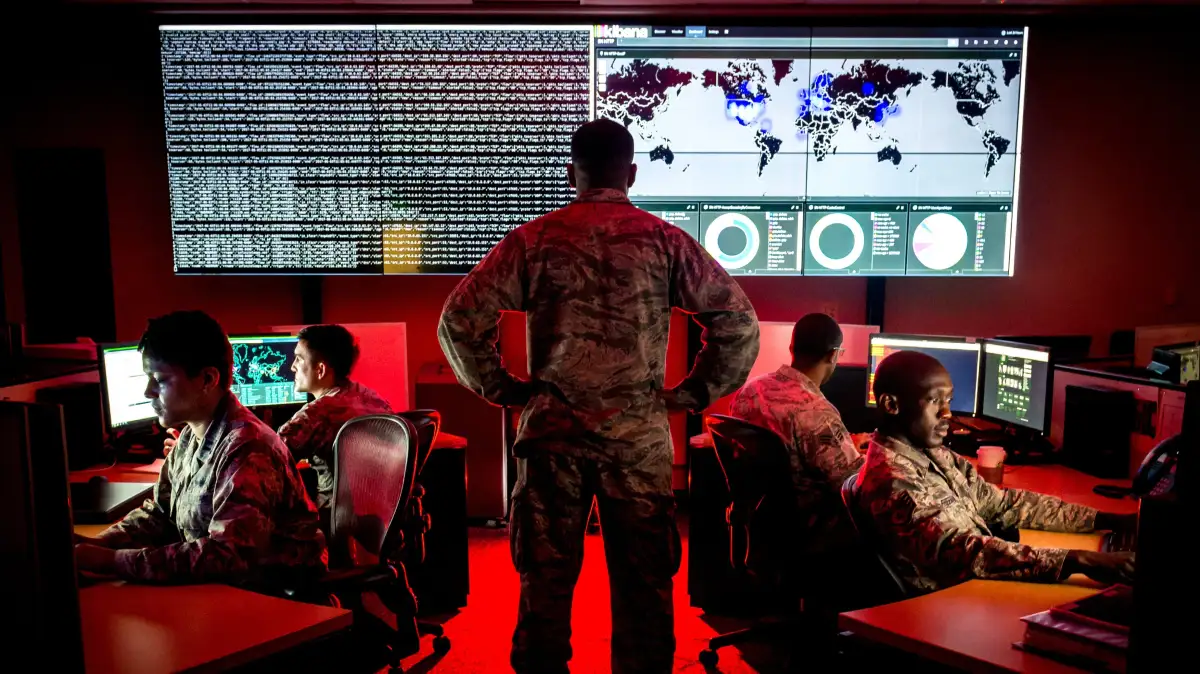
In 2018, U.S. Cyber Command carried out an operation that disrupted internet access at Russia’s Internet Research Agency on the day of the U.S. midterm elections, aiming to blunt its disinformation campaigns. The Washington Post reported that this offensive marked a shift toward a doctrine of “persistent engagement,” where U.S. cyber forces seek to stay inside adversary networks to deter and pre‑empt attacks.
Public reporting suggests that some U.S. cyber operations have already reached deep inside Russian networks, including parts of the power grid, even if the details remain classified and deniable. Officials have since confirmed that U.S. Cyber Command has authority to conduct such forward operations under updated Pentagon rules. This posture has been criticized by some experts who worry about escalation, but others argue it is necessary to counter Russia’s own aggressive cyber behavior.
Espionage History and Spy Expulsions
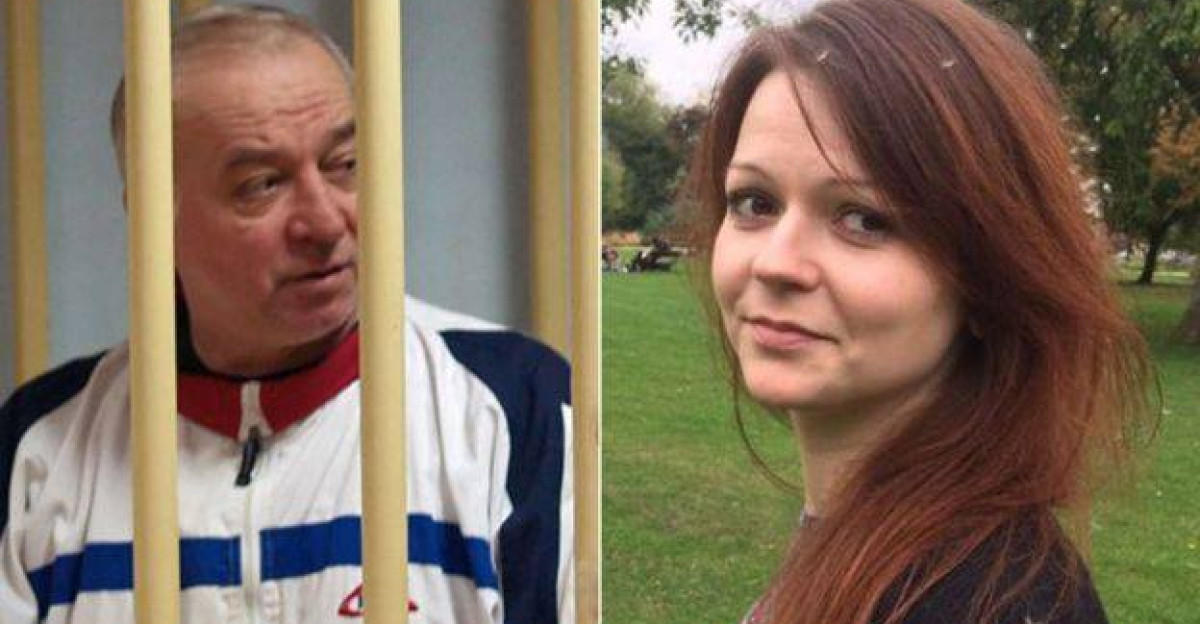
The poisoning of former Russian spy Sergei Skripal and his daughter in the United Kingdom in March 2018 triggered one of the largest rounds of diplomatic expulsions since the Cold War. The United States expelled 60 Russian diplomats it said were intelligence officers; Russia responded by expelling 60 U.S. diplomats in a mirror move.
BBC News and other outlets documented how more than 20 Western countries joined the coordinated response, signaling broad concern over Russian intelligence activities. These expulsions exposed only a portion of the covert networks run by both sides. Intelligence scholars note that, given the history of U.S.–Russia spying, it is likely that undiscovered networks remain active, though their size and scope are unknown.
Intelligence veterans also note that long‑term “sleeper” or support networks are a normal feature of great‑power espionage, even if specific CIA‑run teams inside Russia have not been documented in public sources.
Gray Zone Battles
Security analysts widely describe U.S.–Russia competition as taking place in a “gray zone” or hybrid warfare environment, where states use cyber attacks, disinformation, economic pressure, and deniable proxies below the threshold of declared war. After Russia’s 2014 annexation of Crimea, think‑tanks such as the Center for Strategic and International Studies (CSIS) and the Hudson Institute documented how Moscow blended military, intelligence, and information operations to advance its goals.
These tactics include election interference, hacking campaigns, and covert influence efforts in Europe and the United States. Western governments have struggled to respond, with a CSIS report noting that the United States has “the capability to be a formidable and effective gray zone actor but does not yet have a plan to employ or integrate its capabilities.”
Malware Revelations in the Grid
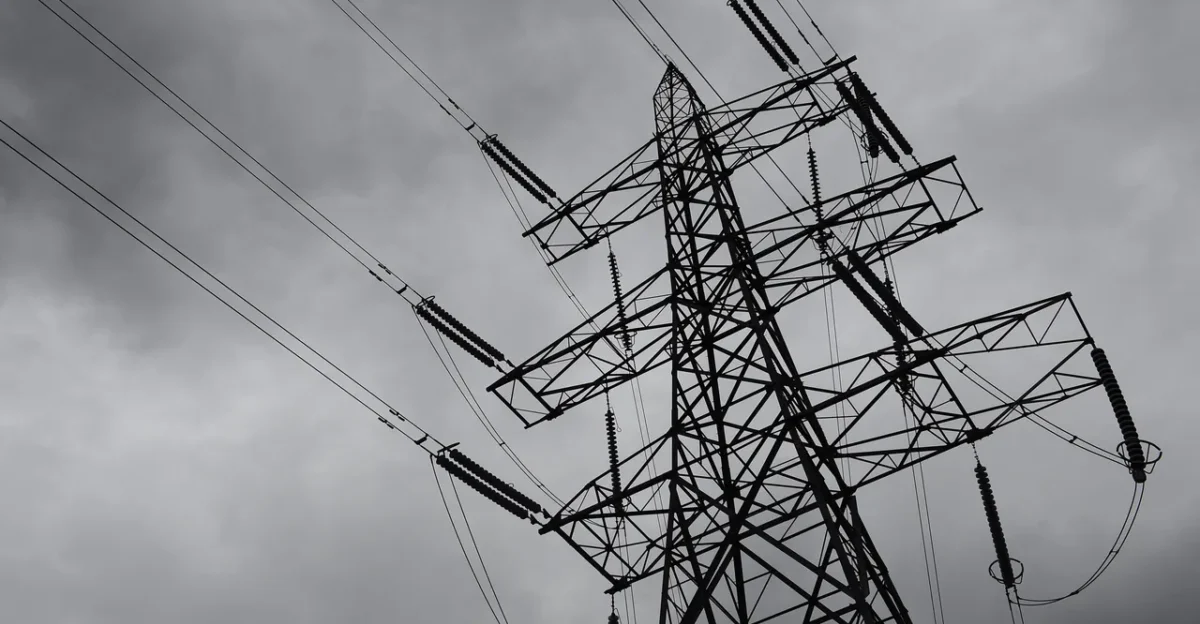
In June 2019, The New York Times reported that U.S. officials had placed “potentially crippling malware” inside parts of Russia’s electrical grid, citing unnamed current and former government sources. The article suggested this was part of a broader effort to signal capabilities and deter future Russian cyber attacks on U.S. infrastructure. The White House later criticized aspects of the reporting, and the operational details remain classified.
Cybersecurity experts note that U.S. offensive tools capable of targeting foreign power grids do exist, as do Russian tools aimed at Western infrastructure. Analysts interpreted the alleged U.S. activity as a possible warning to the Kremlin, but this interpretation has not been officially confirmed.
Energy Disruptions and Refinery Fallout
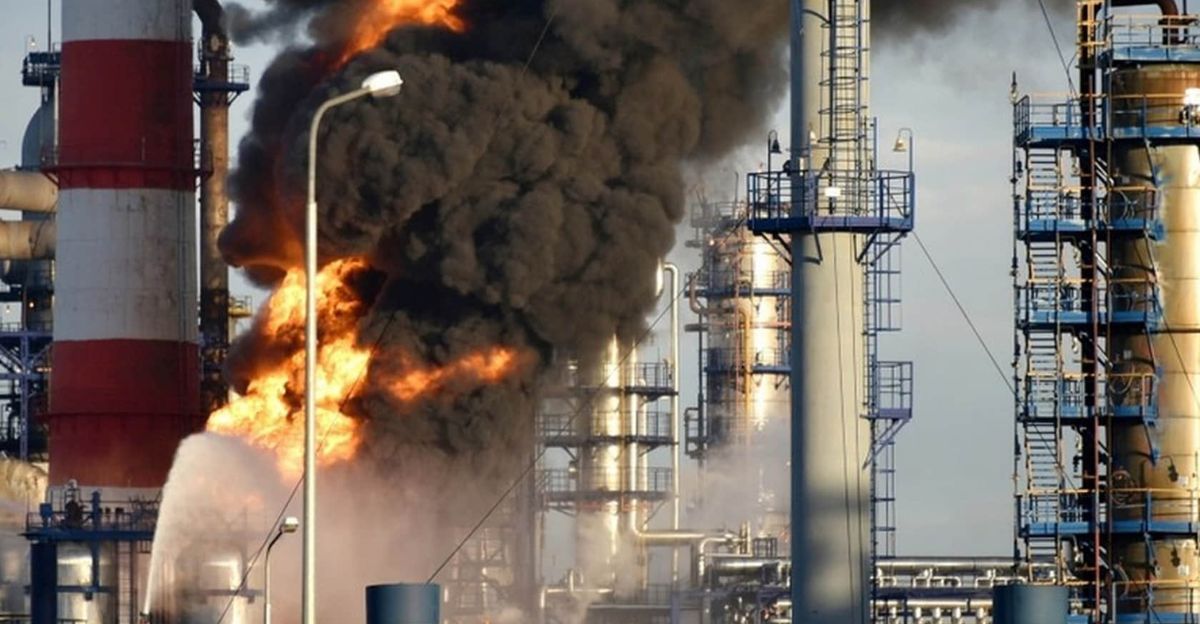
Since Russia’s full‑scale invasion of Ukraine in 2022, Russian oil refineries and fuel depots have repeatedly been hit by explosions and fires, some of them linked to Ukrainian drone attacks. Analysis by outlets such as Reuters, Global Witness, and the Oxford Institute for Energy Studies shows that these strikes, together with sanctions, have temporarily shut significant refining capacity and lowered Russia’s overall output.
In other cases, incidents at Russian refineries have been reported without clear attribution, prompting speculation about possible sabotage or cyber involvement. Energy experts caution that while some analysts have speculated about cyber or insider causes in selected incidents, public evidence remains limited and often inconclusive.
Agent Arrests and the Human Cost
Russian authorities regularly announce the arrest of individuals accused of spying for Western governments or of preparing sabotage under foreign direction. Cases have included journalists, dual citizens, and local residents, some of whom are later tried on espionage or treason charges, often behind closed doors.
Some of those arrested may be genuine agents or facilitators working for foreign services; others, rights groups warn, appear to be journalists, critics, or ordinary citizens caught up in broad security dragnets. Human Rights Watch and other organizations have warned that espionage laws in Russia are being applied broadly, sometimes sweeping up critics and independent reporters. Families of the accused face stigma, financial strain, and uncertainty, while diplomatic efforts to secure releases can drag on for years. The pattern echoes Cold War–style spy politics but with the added complexity of social media and digital surveillance.
Rival Responses and Russian Recruitment Tactics

As Western states tighten oversight of Russian diplomats and alleged intelligence officers, Moscow has increasingly turned to less formal channels for influence and sabotage abroad. Investigations by the Organized Crime and Corruption Reporting Project (OCCRP) and statements by European security services describe how suspected Russian handlers have used Telegram and other online platforms to recruit low‑level operatives for tasks such as surveillance, vandalism, or attempted arson in several NATO countries.
In Estonia, Latvia, Poland, and Germany, recent cases have involved defendants who said they were contacted online and paid small sums to photograph infrastructure or plan attacks, with prosecutors alleging links to Russian military intelligence (GRU).
Cyber Escalation and Persistent Engagement
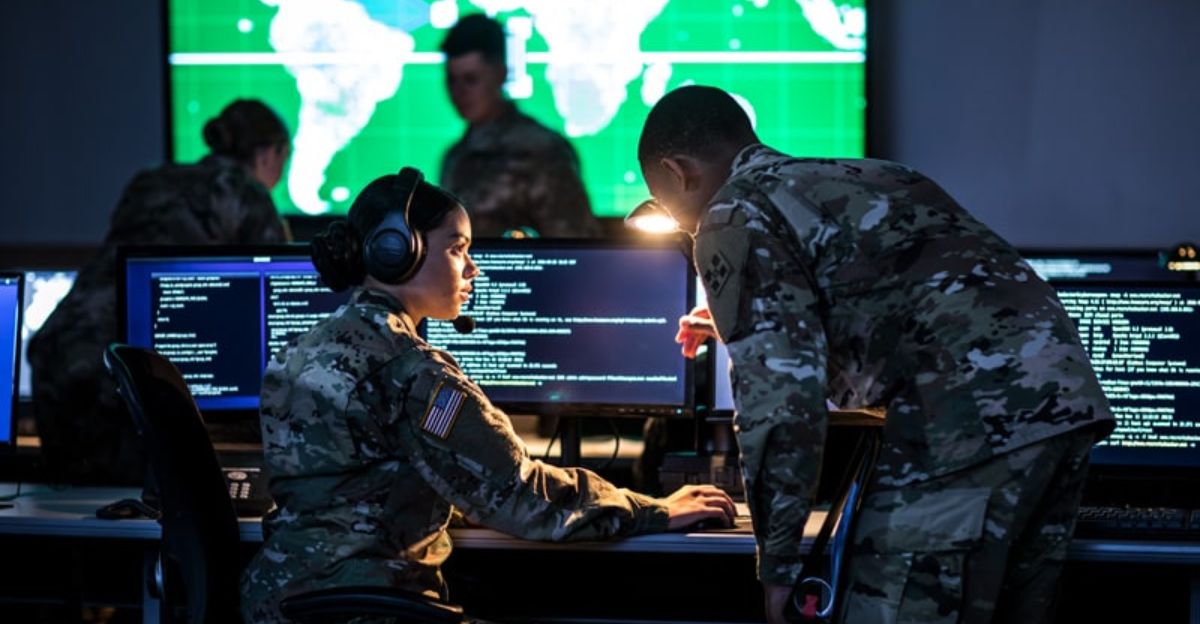
U.S. cyber strategy has evolved toward a more proactive stance sometimes summarized as “defend forward” or “persistent engagement.” Public reporting and official statements indicate that U.S. Cyber Command has conducted operations against Russian troll farms, election interference campaigns, and foreign infrastructure deemed threatening to U.S. interests.
General Paul Nakasone, who has led both the NSA and U.S. Cyber Command, has said this approach is meant to “act, not just react,” by operating in adversary networks before attacks reach U.S. systems. NATO allies have publicly acknowledged the growing role of cyber operations in collective defense, with the alliance declaring in 2019 that a serious cyber attack could trigger its mutual defense clause.
No Proof of CIA Sleeper Cells
Despite online claims and speculative commentary, there is no publicly available, independently verifiable evidence confirming that CIA‑run sleeper cells are behind refinery explosions or shipping sabotage inside Russia. Open‑source reporting on espionage in Russia focuses instead on traditional intelligence activities, such as surveillance, recruitment, and information gathering, rather than on confirmed covert strike teams controlled by U.S. agencies.
Given the secrecy surrounding covert operations, it is possible that some activities remain hidden from public view, but open‑source reporting to date has not produced concrete proof. Analysts at mainstream think‑tanks and former Western officials quoted in major outlets have expressed skepticism about viral sleeper‑cell narratives, noting the absence of corroborating documents, court cases, or official confirmations. No major Western intelligence service has publicly validated these allegations, and no open‑source investigation has produced verifiable proof.
Mutual Frustrations and Spy Hunts
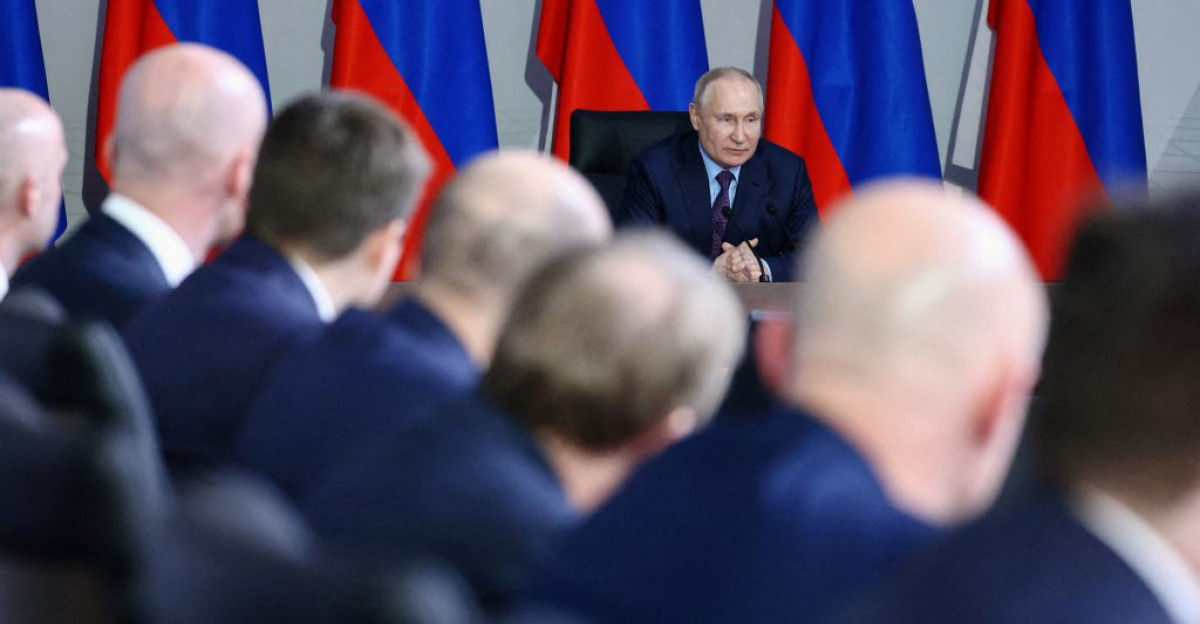
Russian officials frequently accuse Western governments of maintaining covert networks aimed at destabilizing the country, and they cite arrests and trials as evidence. Western governments, in turn, deny orchestrating internal unrest and accuse Moscow of using espionage accusations to justify repression and distract from domestic problems.
Diplomatic expulsions and closures of consulates have strained already fragile channels of communication, making quiet resolution of disputes more difficult. In public statements, Russia’s Federal Security Service (FSB) has described its work as defending the country from a “hybrid war” led by the West, language that echoes broader Kremlin narratives about external threats.
Leadership Shifts and Evolving Cyber Commands
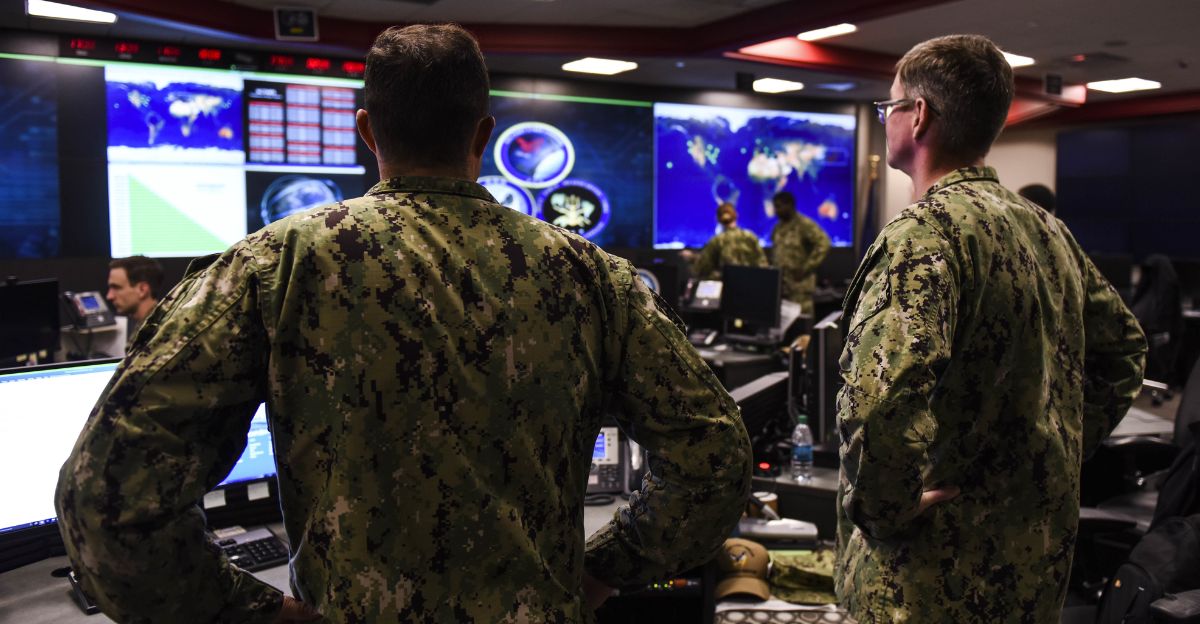
The elevation of U.S. Cyber Command to a unified combatant command in 2018 signaled that Washington treats cyberspace as a full‑fledged domain of military operations, alongside land, sea, air, and space. This change gave cyber commanders greater authority and resources to plan and conduct operations, including those aimed at deterring foreign interference.
In parallel, Russia has reorganized elements of its military intelligence service, the GRU, and other security agencies to better integrate cyber, information, and special operations, according to Western intelligence assessments and think‑tank reports. These structural shifts reflect a shared recognition that digital tools are now central to national security.
Containment Efforts and Sanctions on Shadow Fleets

Western governments have imposed extensive sanctions on Russia’s oil exports, targeting not only producers but also shipping companies and so‑called “shadow fleets” that help move sanctioned crude using older tankers and opaque ownership structures. Reports by groups such as Global Witness and investigations by major media have documented how these fleets seek to evade price caps and embargoes through ship‑to‑ship transfers and complex corporate arrangements.
Some tankers have been detained or denied insurance, but there is no public evidence of a systematic U.S. campaign physically seizing ships in the way online rumors sometimes suggest. Instead, the primary tools have been financial restrictions, insurance bans, and tighter monitoring of maritime traffic.
Expert Doubts and Verification Gaps

Many cyber operations and diplomatic actions mentioned in this narrative are well documented by outlets such as The Washington Post, The New York Times, BBC, and CNN, but other elements remain less firmly supported in public sources. Experts distinguish between confirmed incidents, like the 2018 disruption of the Internet Research Agency’s operations, documented Ukrainian drone attacks on Russian refineries, and mass diplomat expulsions.
Scholars of information warfare argue that ambiguity is often weaponized: when hard facts are scarce, rumors and unverified narratives can shape public perception.
Future Shadows and Escalation Risks
The underlying reality, as of early 2026, is that U.S.–Russia confrontation in cyber, intelligence, and economic arenas continues in a “shadow war” framework, even as the most dramatic online claims remain unproven. Confirmed operations, such as offensive cyber campaigns, sanctions on energy exports, and documented acts of sabotage or recruitment in Europe, show how broad the toolkit has become.
For now, the “CIA sleeper cells” narrative remains more rumor than documented reality, but it grows out of a genuine shadow war in which U.S. cyber tools, clandestine networks, and Russian counter‑measures are all operating largely out of public view. At the same time, the absence of public proof for alleged CIA sleeper cells in Russia illustrates how speculation can outpace documented fact. Policy experts warn that misinterpreting or overreacting to ambiguous incidents in cyberspace could raise the risk of escalation between nuclear‑armed states warn that misinterpreting or overreacting to ambiguous incidents in cyberspace could raise the risk of escalation between nuclear‑armed states.
Sources:
The Washington Post, “The U.S. military is quietly launching efforts to deter Russian meddling,” February 6, 2019
The Washington Post, “U.S. Cyber Command operation disrupted Internet access of Russian troll factory on day of 2018 midterms,” February 26, 2019
The New York Times, “U.S. Escalates Online Attacks on Russia’s Power Grid,” June 15, 2019
BBC News, “Spy poisoning: Russia expels 60 US diplomats in tit-for-tat move,” March 29, 2018