On the morning of January 21, 2026, the Chinese People’s Liberation Army expelled a Philippine government aircraft from airspace over Scarborough Shoal, intensifying an already volatile territorial dispute in the South China Sea. The incident follows China’s January 22 summons of the Philippine ambassador over inflammatory social media posts.
With $5.3 trillion in annual trade crossing these waters, the clash tests alliances, shipping, and international law, and the first details show why it escalated so fast.
What The PLA Says Happened
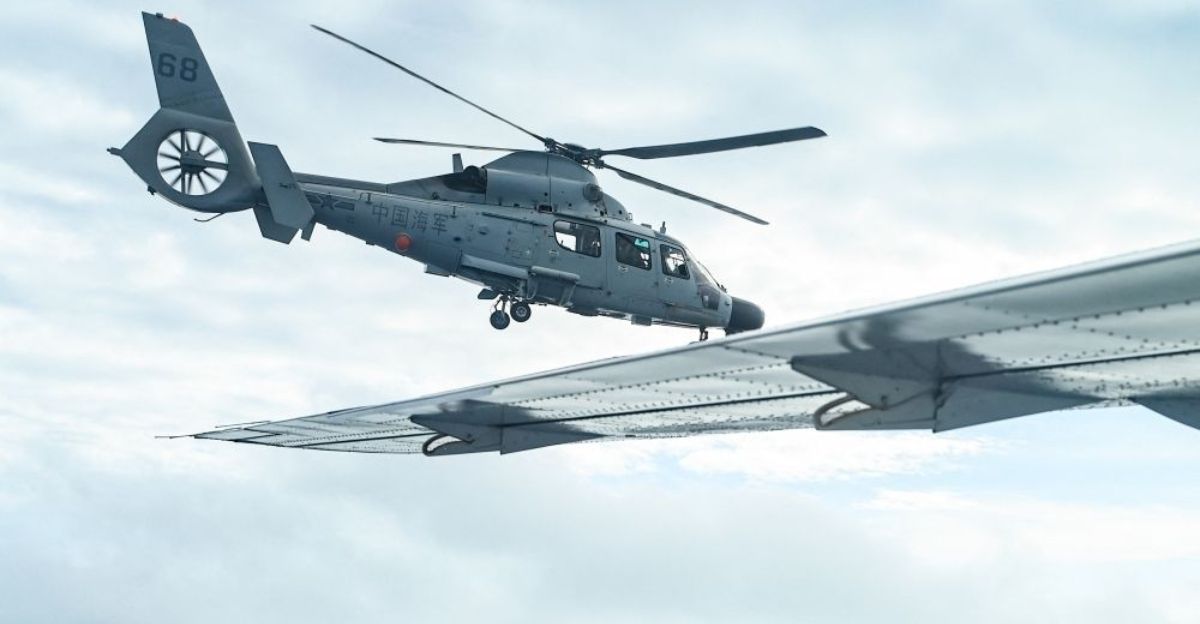
China’s military expelled a Philippine reconnaissance aircraft conducting routine patrol operations over Scarborough Shoal on Tuesday morning. The PLA Southern Theater Command’s naval and air forces warned and forcibly removed the aircraft from what Beijing claims as its territorial airspace. The Philippines says the shoal sits 120 nautical miles or 220 kilometers west of Luzon, inside its 200-nautical-mile exclusive economic zone. However, a closer timeline shows why tempers were already flaring.
Diplomatic Fury Spills Into The Open
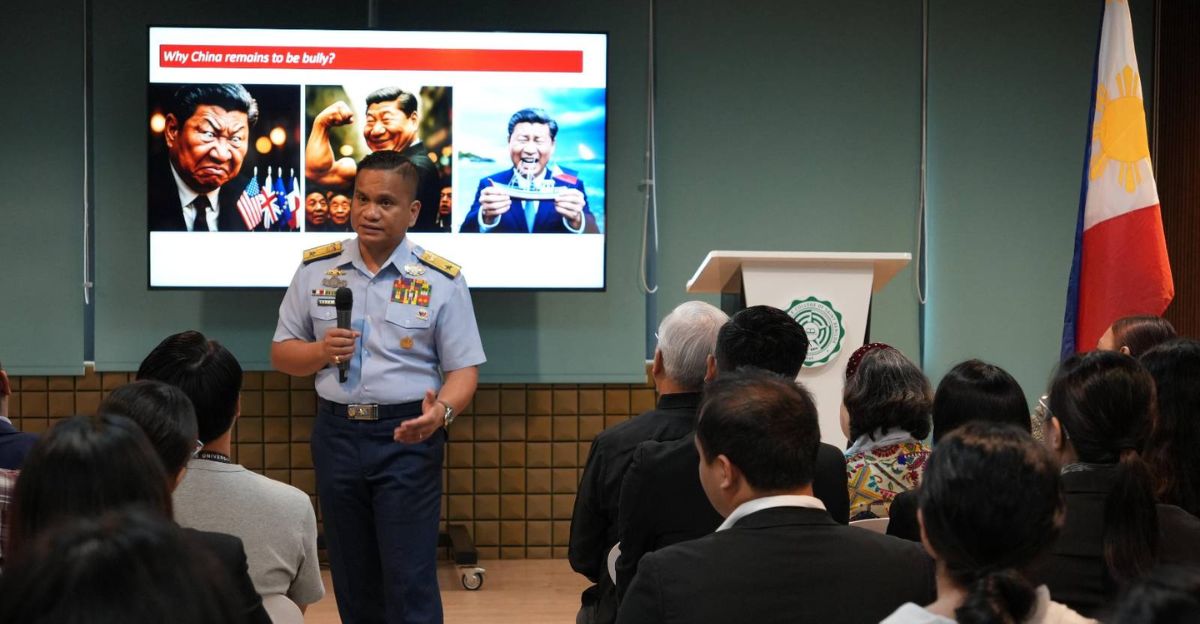
Days before the aircraft expulsion, Chinese officials summoned the Philippine ambassador to Beijing demanding Manila “undo the negative impact” of Coast Guard spokesperson Commodore Jay Tarriela’s social media posts. On January 16, Tarriela posted images pairing Xi Jinping with “Why does China continue to be a bully?” Guo Jiakun called it a “serious affront” and demanded action. Tarriela refused, saying he documented facts with evidence. What earlier clash made both sides so jumpy?
August Collision That Shook The Region
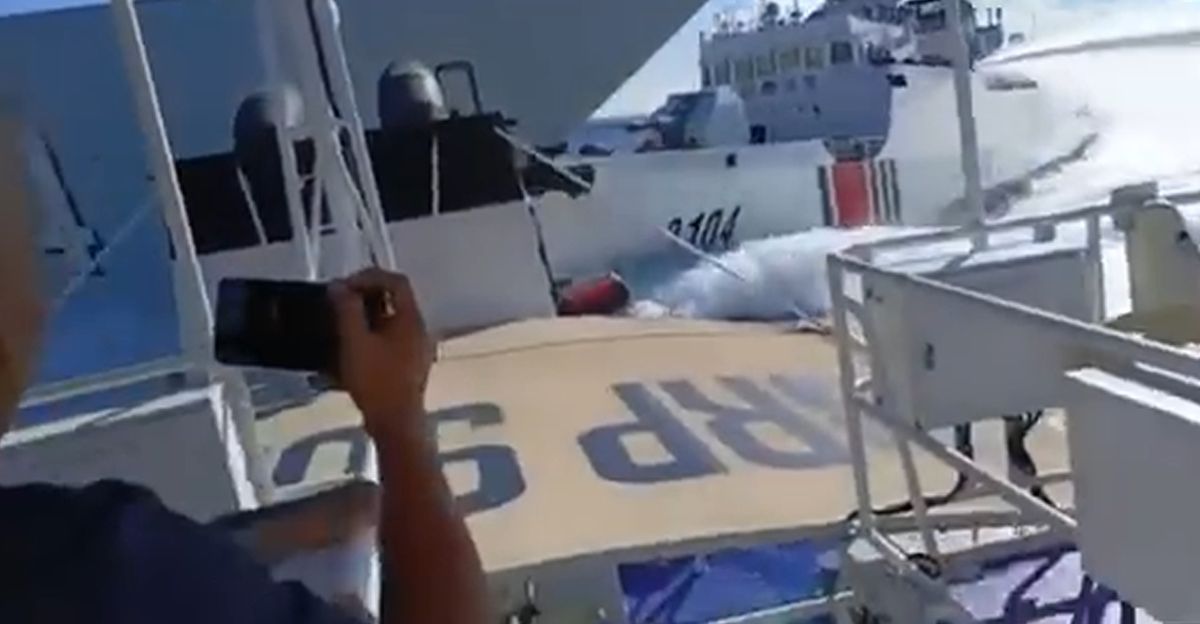
On August 11, 2025, a China Coast Guard vessel collided with a People’s Liberation Army Navy warship while both chased a Philippine Coast Guard patrol boat, BRP Suluan, near Scarborough Shoal. Video shows cutter 3104 pursued at high speed and crashed into the PLA Type 052D destroyer Guilin, badly damaging the coast guard vessel’s forecastle and leaving it unseaworthy. Philippine forces offered search-and-rescue help, which China refused. The fallout quickly pulled in another power.
How Washington Entered The Equation
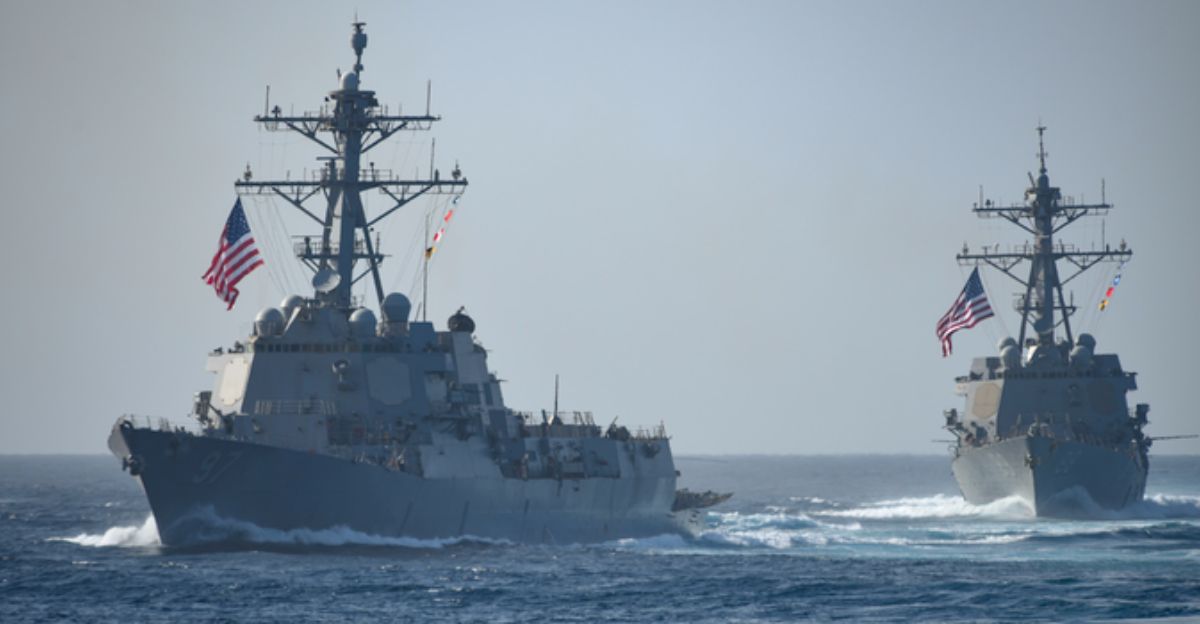
Within 48 hours of the August collision, 2 U.S. Navy warships deployed near Scarborough Shoal to demonstrate freedom of navigation and support the Philippines. The United States cites its 1951 Mutual Defense Treaty with Manila, covering Philippine armed forces, vessels, and aircraft against armed attack in the Pacific. Any deadly Chinese action against Philippine personnel could trigger U.S. involvement, changing Beijing’s calculus. Which side gains the most from that presence?
The Nature Reserve That Looked Like Control
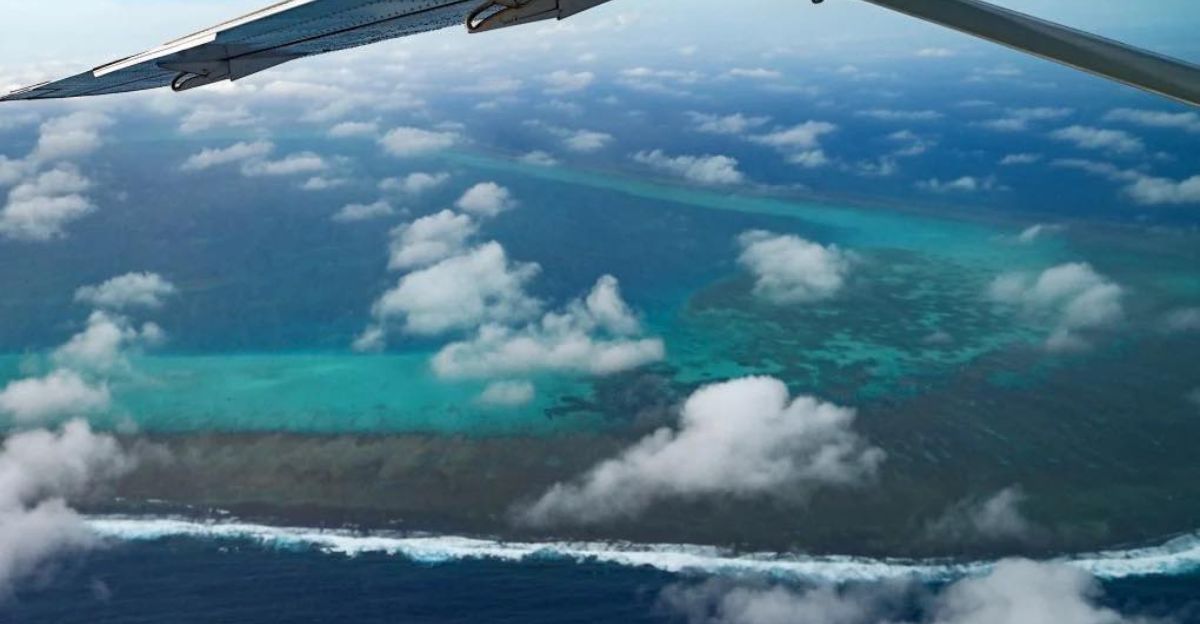
On September 10, 2025, China announced a national nature reserve covering 3,524 hectares at Scarborough Shoal, splitting it into a strictly off-limits core zone and an experimental zone requiring Chinese permission. Chinese scholars said the move could “consolidate China’s administrative control” and justify reclamation later. Critics pointed to the 2016 arbitration ruling that treats the shoal as a rock with no EEZ. The legal fight only got sharper from there.
The Ruling Beijing Still Rejects
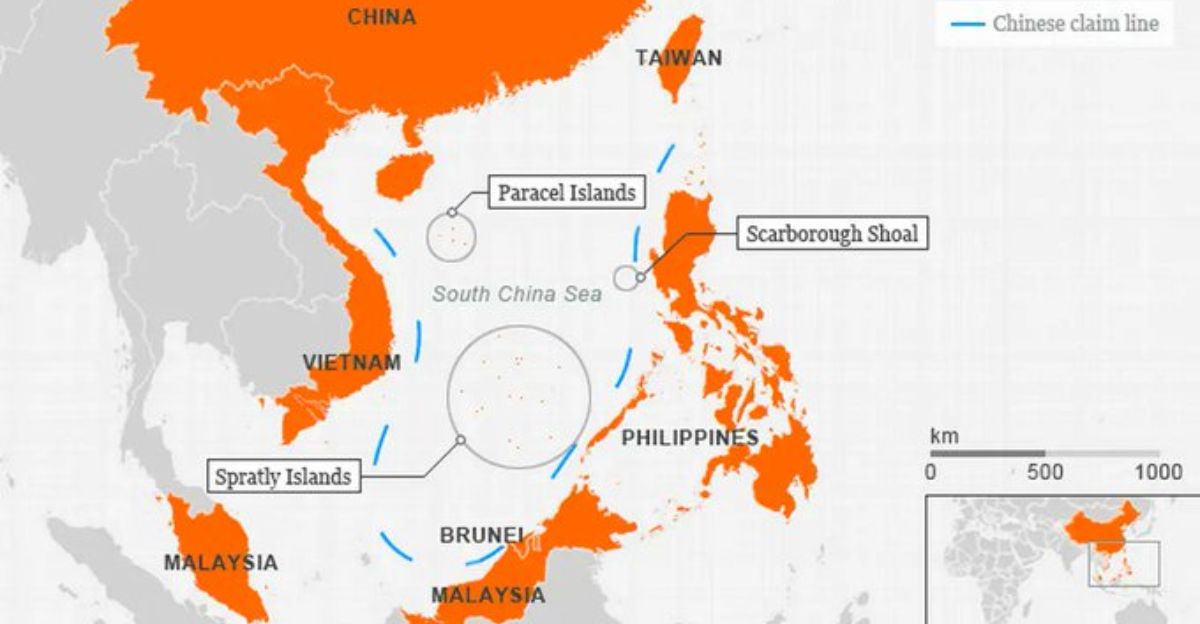
On July 12, 2016, the Permanent Court of Arbitration ruled China’s nine-dash line claims had no legal basis under international law and classified Scarborough Shoal as a rock that generates no exclusive economic zone or continental shelf. It affirmed Philippine sovereign rights in its EEZ and traditional fishing rights. China rejected it as “null and void” and “ill-founded.” The ruling states, “China’s claims based on its nine-dash line are inconsistent with the Convention and therefore invalid.”[31] But power realities complicate enforcement.
A Military Gap That Shapes Every Move
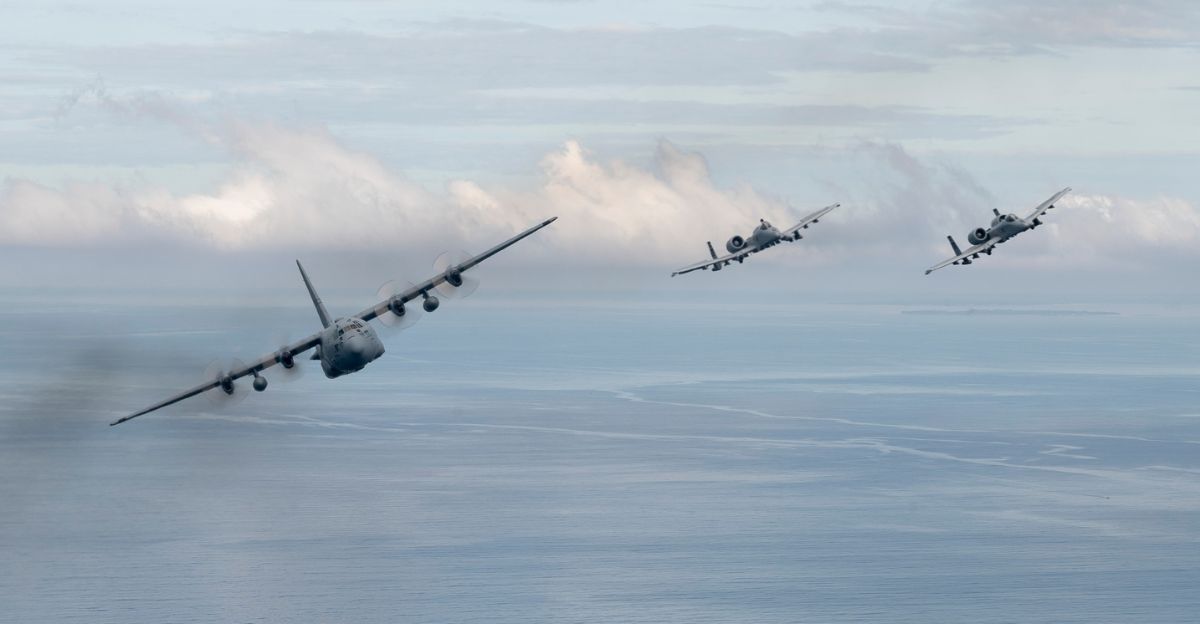
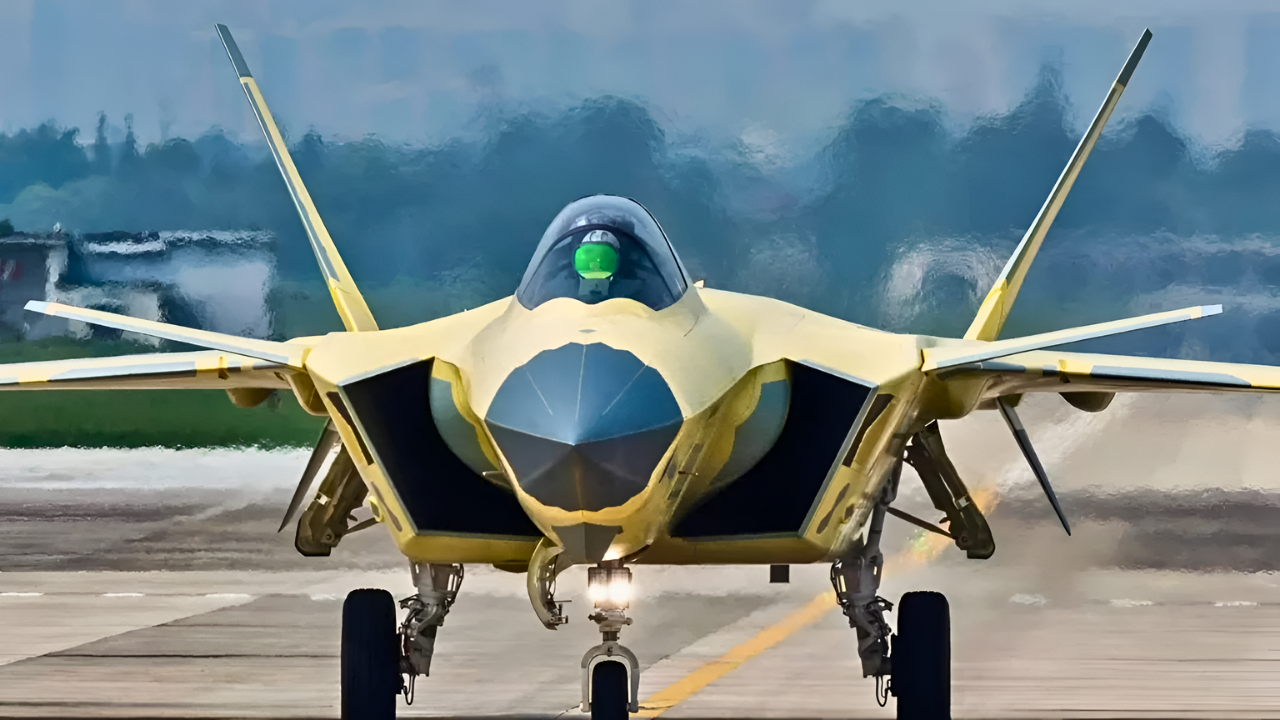
The Philippines operates about 173 military aircraft, with roughly 50% readiness. China fields around 3,300 combat aircraft, including J-20 stealth fighters and modern air defenses, plus tankers and airborne early warning systems exceeding Manila’s total fleet capability. By 2030, projections suggest up to 1,000 J-20s. This imbalance helps explain Manila’s reliance on U.S. partnerships and Beijing’s willingness to pressure. Still, aircraft counts are not the only pressure point.
Trillions Of Dollars On The Line
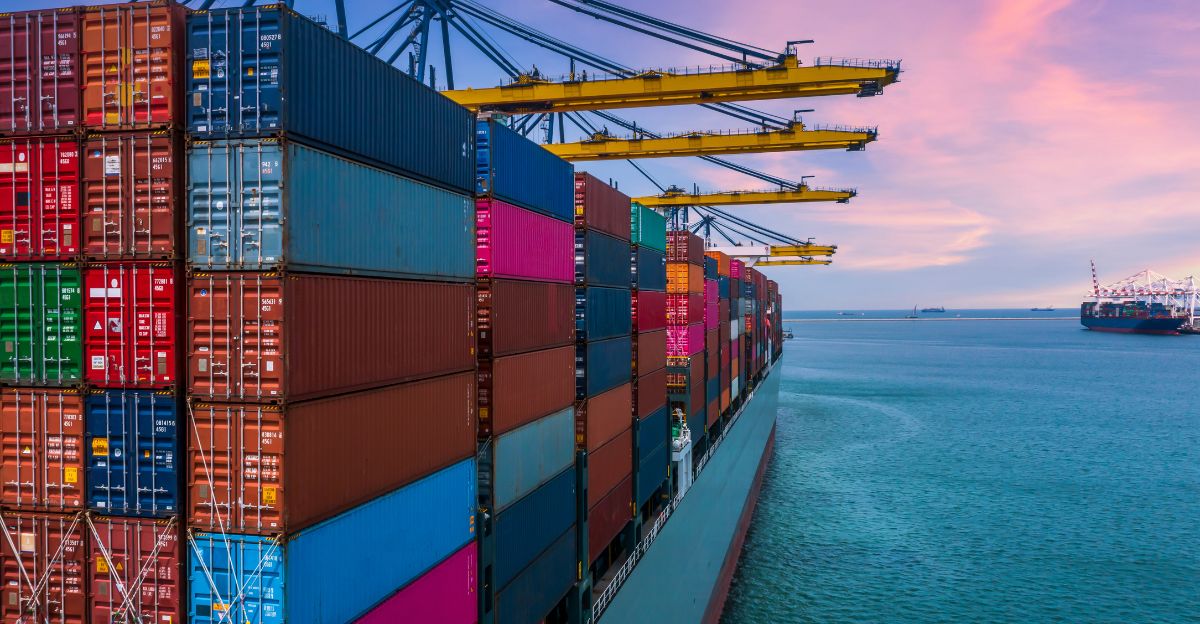
About $5.3 trillion in commercial goods move through the South China Sea each year, around 24% of global maritime trade. The region accounts for 45% of crude oil shipments, 42% of propane shipments, and 26% of automotive trade. Spiking tensions push shipping firms to reroute, adding millions per voyage that filter into consumer prices. Red Sea disruptions in 2024 added 0.7% to global inflation. Could China afford similar chaos around its own trade arteries?
The Spokesperson Beijing Targets By Name
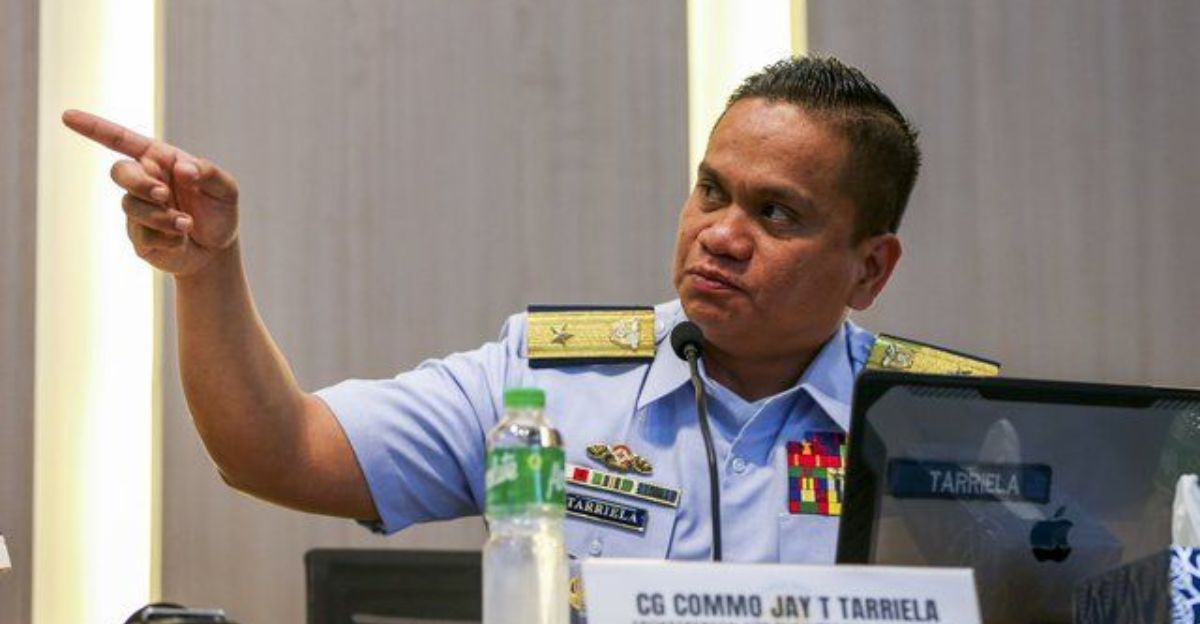
Commodore Jay Tarriela has become a central target for Chinese criticism. Since January 1, 2026, the Chinese Embassy in Manila issued nearly 2 dozen statements attacking Tarriela and several Philippine politicians over maritime positions. On January 13, Leila De Lima called the embassy’s rhetoric “Orwellian doublespeak.” On January 17, Isko Diokno accused it of violating the Vienna Convention by meddling in internal affairs. Beijing calls the Philippine criticism provocation. Tarriela’s stance set up an unexpected diplomatic debate.
A Peace Park Idea That Went Nowhere
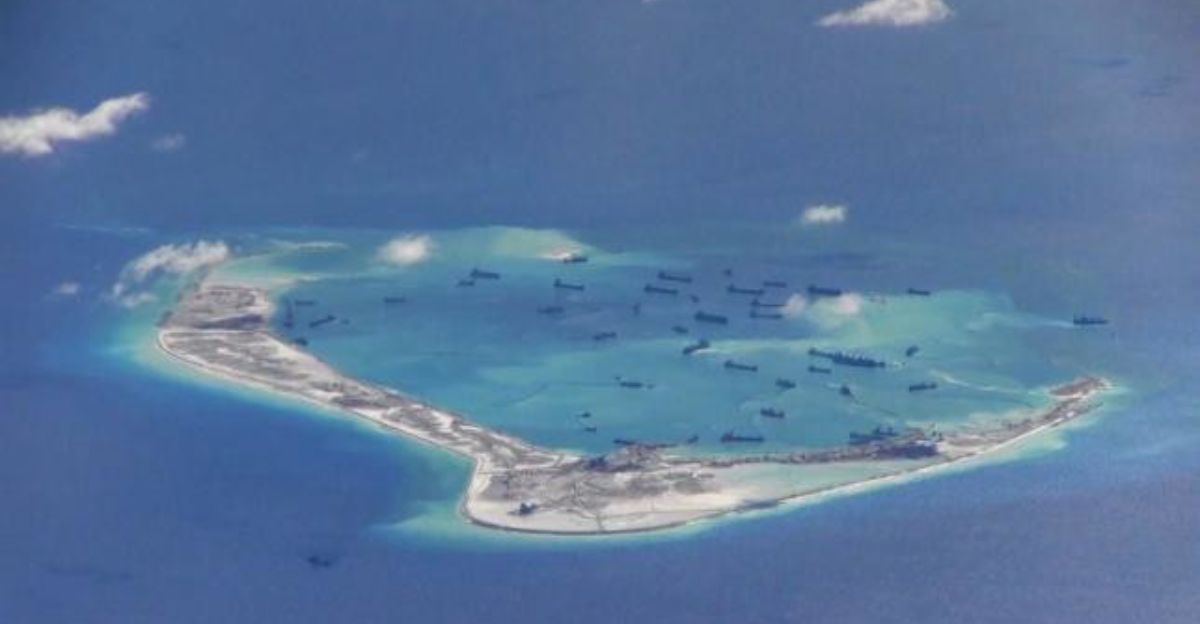
As tensions rose, some analysts floated a “Scarborough Peace Park,” a jointly managed conservation zone that would defer sovereignty questions while protecting the environment. The concept limited restrictions to 12 nautical miles, preserved legal positions, and relied on joint research before any management system. Similar protected-area models exist globally. China rejected shared governance, insisting on unilateral control, while the Philippines doubted Beijing would honor terms. What if cooperation had replaced confrontation before positions hardened?
Taiwan Shapes The Subtext
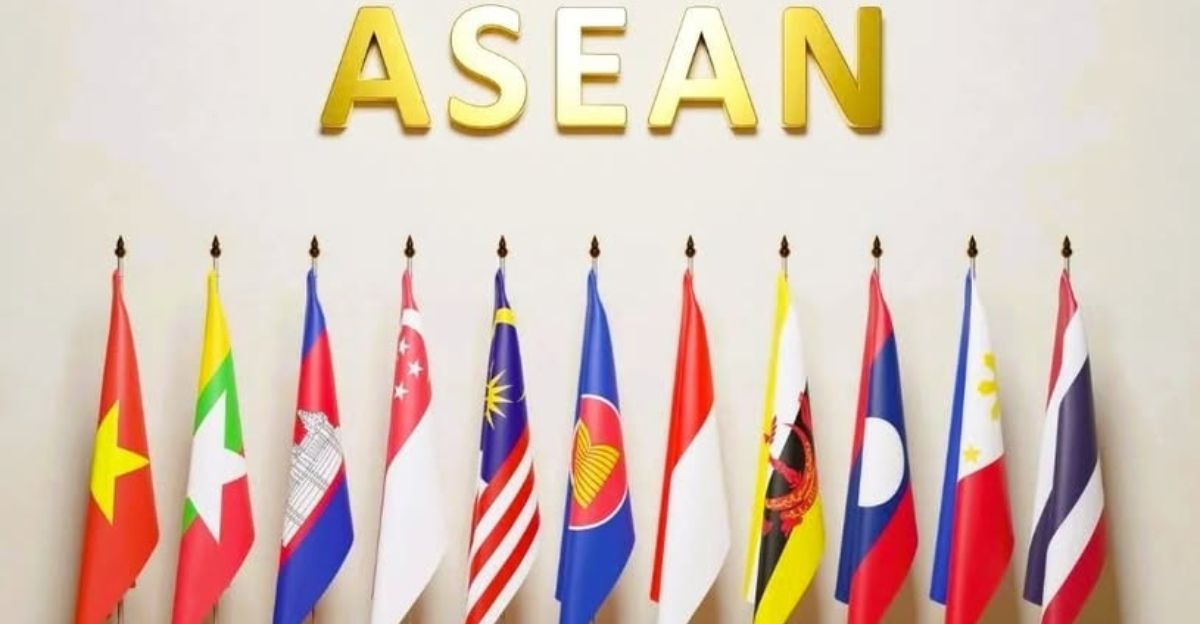
As ASEAN chair in 2026, the Philippines sits at the center of regional talks, but Beijing views Manila’s defense cooperation with Japan, Australia, and the United States through the lens of Taiwan. Xi Jinping has ordered the PLA to prepare for the forced seizure of Taiwan by 2027, concentrating major assets in the Eastern and Southern Theater Commands. Scarborough Shoal falls under the Southern Theater, linking Philippine resistance to broader Taiwan planning. Manila’s firmness can reinforce deterrence, prompting Beijing to resist it. The strategy behind the tactics soon becomes clearer.
The Southern Theater Command Under Pressure
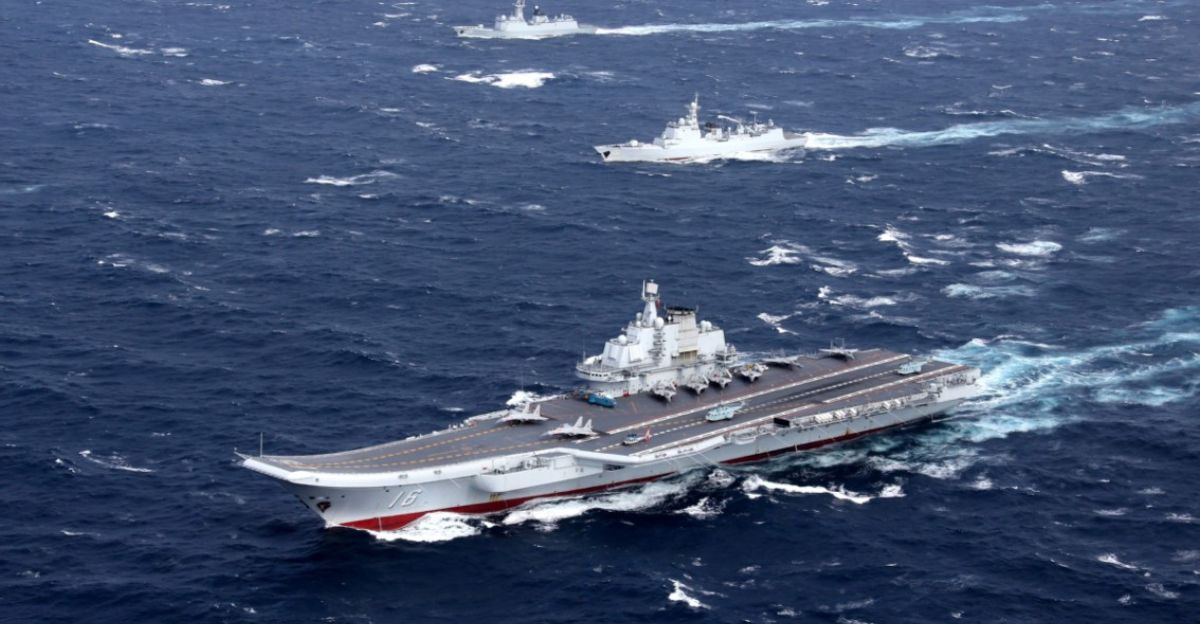
The PLA Southern Theater Command faces heavy demands: South China Sea patrols, air defense, live-fire drills, and monitoring multiple neighbors while coping with other tasks. In July 2025, it deployed 700 PLA personnel for Hunan Province flood relief, illustrating a broader load beyond maritime missions. Analysts say the command may be near full operational capacity, which can encourage high-visibility actions that prove resolve fast. That strain raises the risk of tactical decisions spiraling unintentionally, especially once advanced aircraft appear nearby.
F-35s Send A Loud Signal
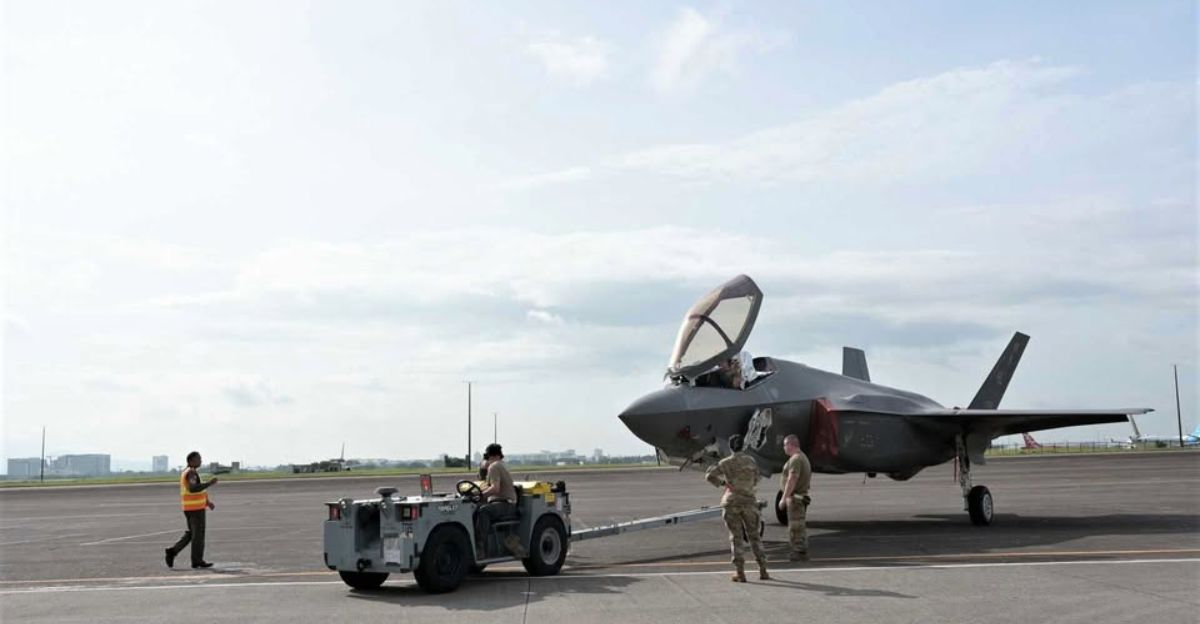
In December 2025, the United States deployed F-35 Lighting II fighters to the Philippines for the first time during Cope Thunder, involving over 2,500 personnel, including 2,300 from the Philippine Air Force and 225 from U.S. Pacific Air Forces. The F-35 is a major leap in capability, and its presence signaled deeper integration. Lt Colonel Bryan Mussler said, “A free and open Indo-Pacific is something that we enjoy but should not take for granted in the future years if we want to continue to deter any form of aggression.”[14] Beijing answered with its own shows of force.
ASEAN Leadership Meets Domestic Weakness
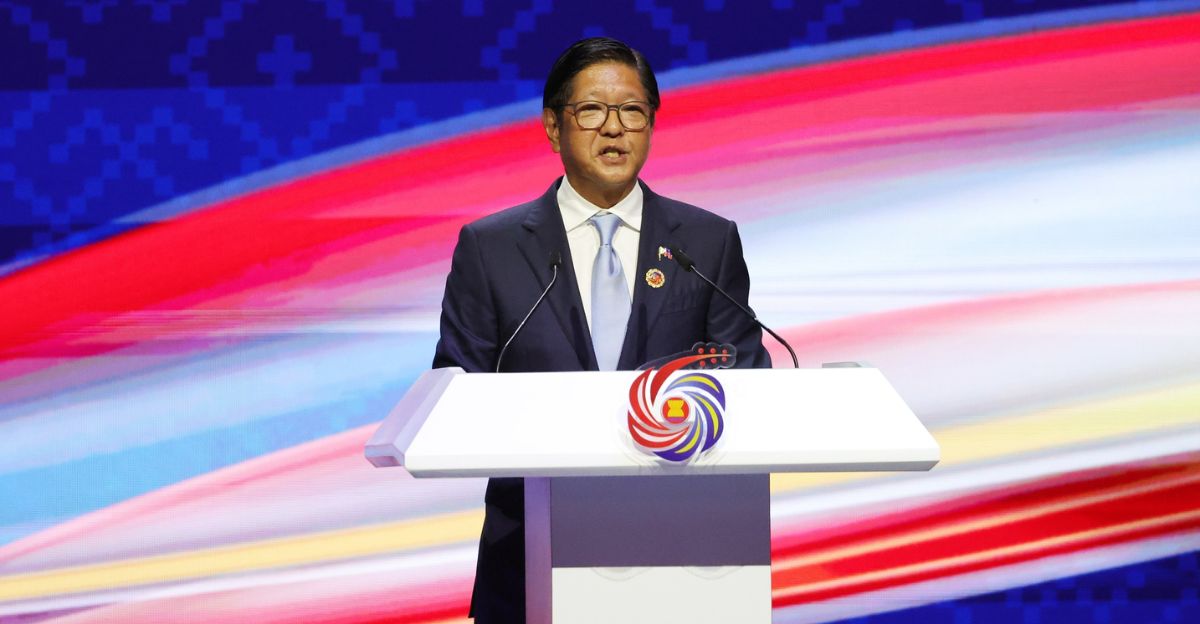
President Ferdinand “Bongbong” Marcos Jr. takes ASEAN leadership while facing economic strain and governance problems at home. Third-quarter 2025 GDP growth slowed to 4%, a 4-year low, prompting cuts to growth targets through 2028. A scandal alleged $2B in flood management funds vanished through misallocation and ghost projects. Approval ratings fell as probes examined contractor ties and poor materials. Typhoon Kalmaegi killed over 200 and caused $60M in agricultural losses. Would Beijing test resolve when a leader looks politically squeezed?
The Vienna Convention Claim Raises The Stakes
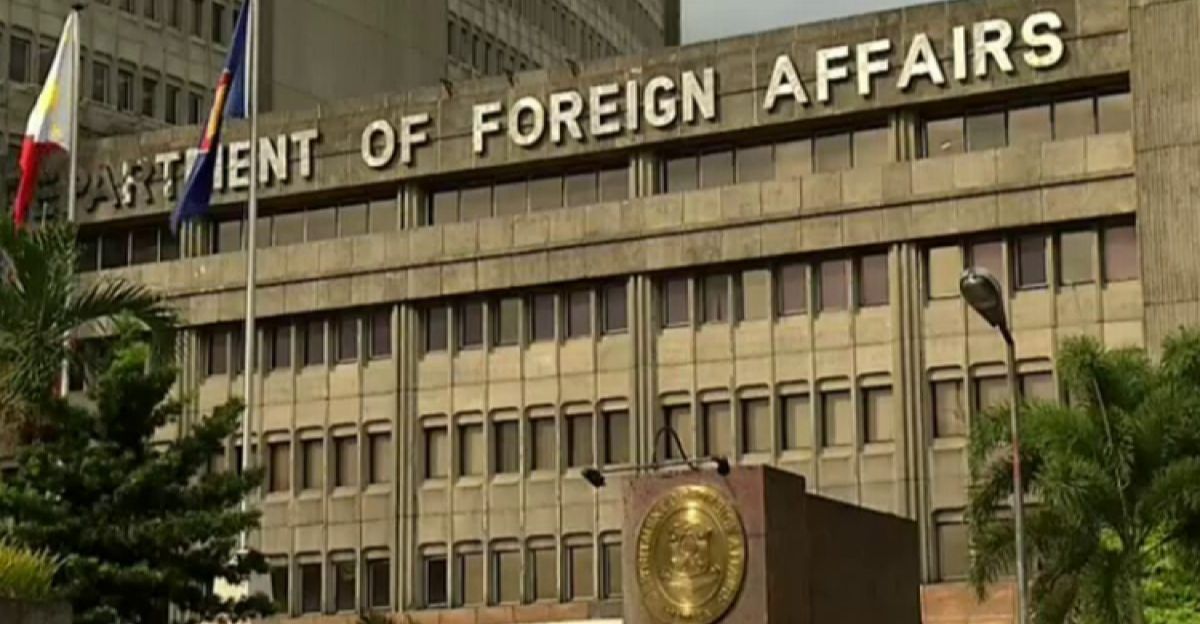
Diokno’s January 17 claim that the Chinese Embassy violated the Vienna Convention on Diplomatic Relations resonated with legal observers. The convention bars diplomats from interfering in a host nation’s internal affairs, and Beijing’s public demand to “hold accountable” Tarriela and others was seen by critics as crossing that line. The Philippine Department of Foreign Affairs backed officials “carrying out their lawful duties in defense of Philippine sovereignty.” China countered that Philippine criticism came first, justifying responses. When both sides argue norms were broken first, compromise gets harder.
A Rescue That Briefly Changed The Mood
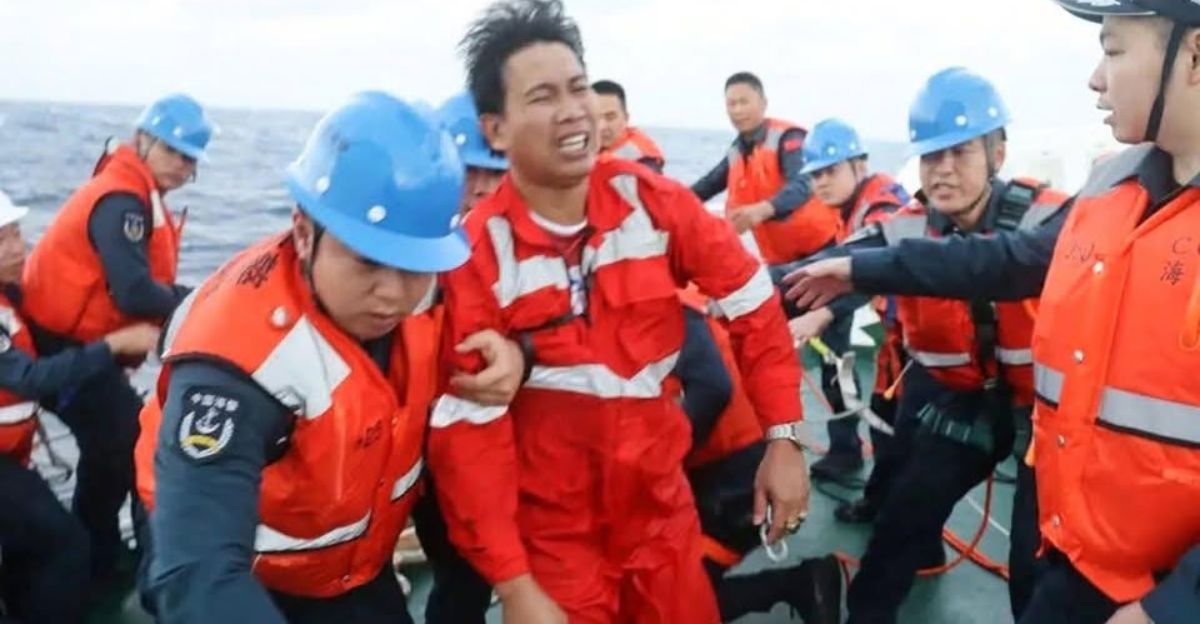
On January 23, 2026, a Singaporean-flagged cargo vessel capsized near Scarborough Shoal with 21 Philippine crew members aboard. Chinese and Philippine coast guard assets rushed to help. China rescued 13, while the Philippines coordinated recovery with partners. The cooperation underscored how humanitarian needs can override sovereignty disputes, at least temporarily. China Coast Guard said it “dispatched two vessels to rescue 21 Philippine crew members in a foreign cargo ship that capsized in waters near the Scarborough Shoal.”[2] Yet that unity did not last long once politics returned.
Why The 2016 Award Still Matters
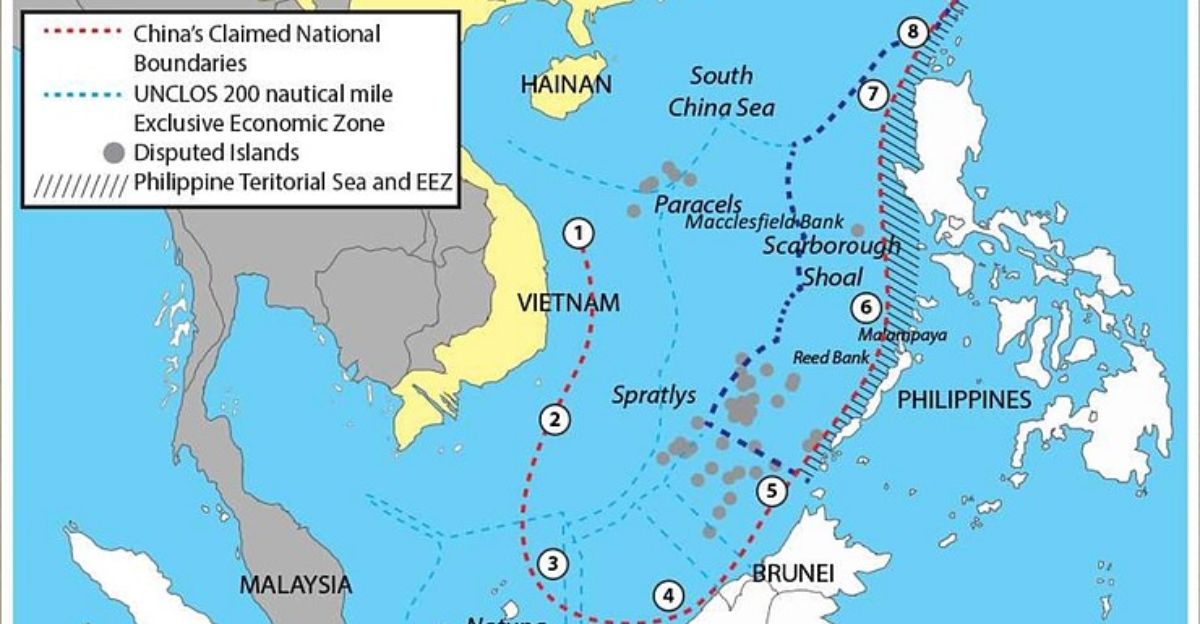
Despite Beijing’s rejection, the 2016 arbitration award remains the most accepted framework for addressing the dispute. It found China’s historic rights claims have “no lawful effect” beyond UNCLOS entitlements, and Scarborough Shoal’s rock status blocks any EEZ claim. It also affirmed traditional fishing rights for multiple nationalities. The Philippines embedded the ruling into domestic law in November 2024, and Washington reaffirmed defense commitments extend to covered features. The award anchors Manila’s position, but enforcement depends on power and choices, not paper.
The Path Forward Looks Risky
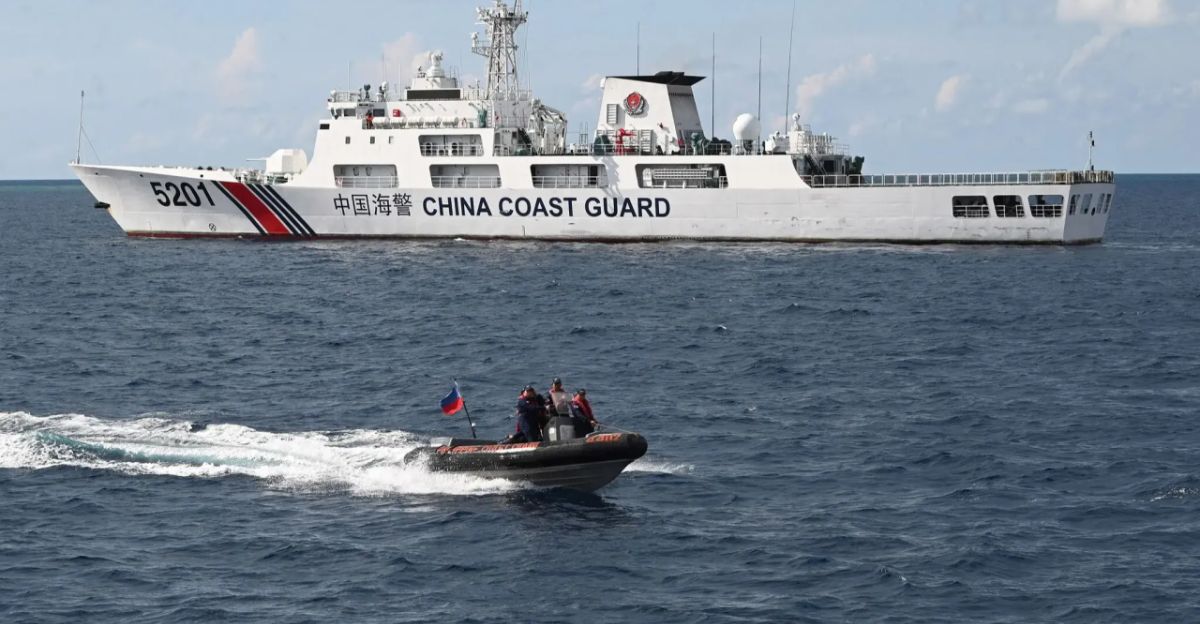
China continues calibrated pressure through aircraft expulsions, exercises, administrative moves like the reserve, and diplomatic attacks. The Philippines answers with sovereignty assertions, U.S. military cooperation, and public documentation of incidents. The United States maintains presence while trying to avoid direct conflict. The escalation-response cycle can continue, but one miscalculation could trigger armed clashes and raise Mutual Defense Treaty questions. Planners know the risk, yet incentives reward toughness over compromise. Could diplomatic creativity still prevent conflict, or have positions calcified beyond repair already?
Sources:
PLA expels intruding Philippine aircraft over Huangyan Dao. China Daily Asia, January 21, 2026
China, Philippines launch rescue missions for distressed cargo ship. Reuters, January 23, 2026
Chinese military expels Philippine aircraft intruding into China’s territorial airspace over Huangyan Dao. Ministry of National Defense China, January 20, 2026
South China Sea Arbitration The Republic of Philippines v. The People’s Republic of China. Permanent Court of Arbitration, July 12, 2016
Mutual Defense Treaty Between the United States and the Republic of the Philippines. U.S. Department of State Yale Avalon Project, August 30, 1951