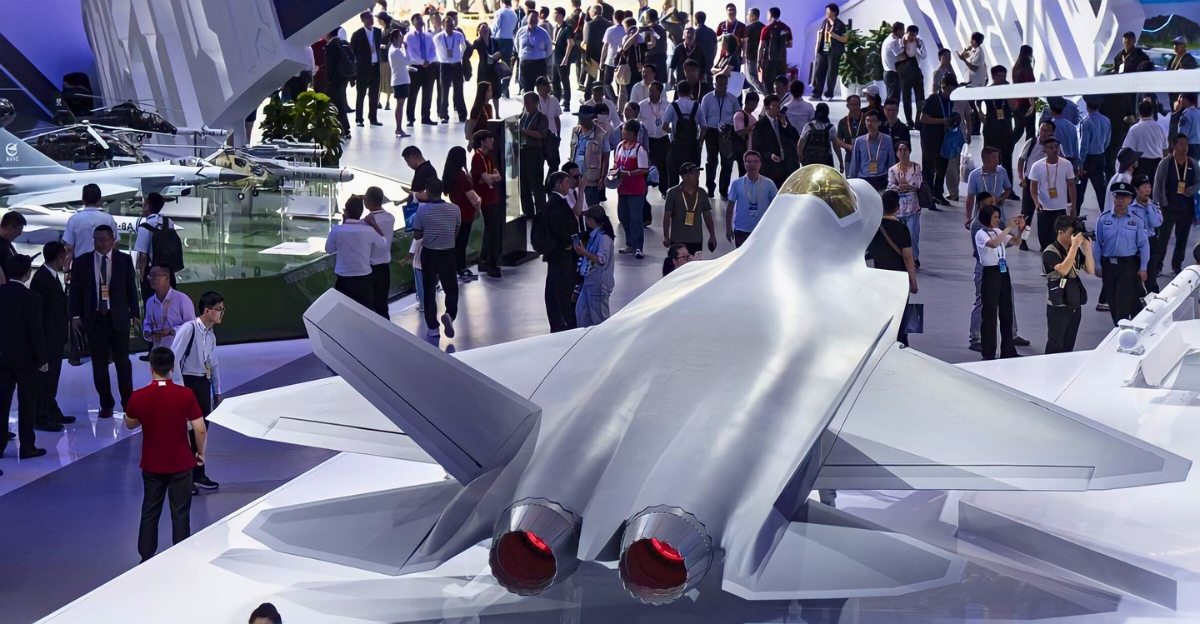
At the 2024 Zhuhai Airshow, China unveiled the J-35A and the rumored J-36, dazzling spectators with a display of speed, sharp lines, and near-silent engines. Crowds cheered, and state media lauded the leap in technology, yet China’s military showed caution behind the spectacle. According to Reuters, analysts note that the aircraft’s performance, reliability, and operational readiness remain largely unverified.
Pilots and engineers watch closely, balancing excitement with skepticism. This is not just a story of jets in the sky; it’s a story of ambition, human judgment, and the tension between innovation and practical reality.
J-35A – China’s Fifth-Generation Workhorse
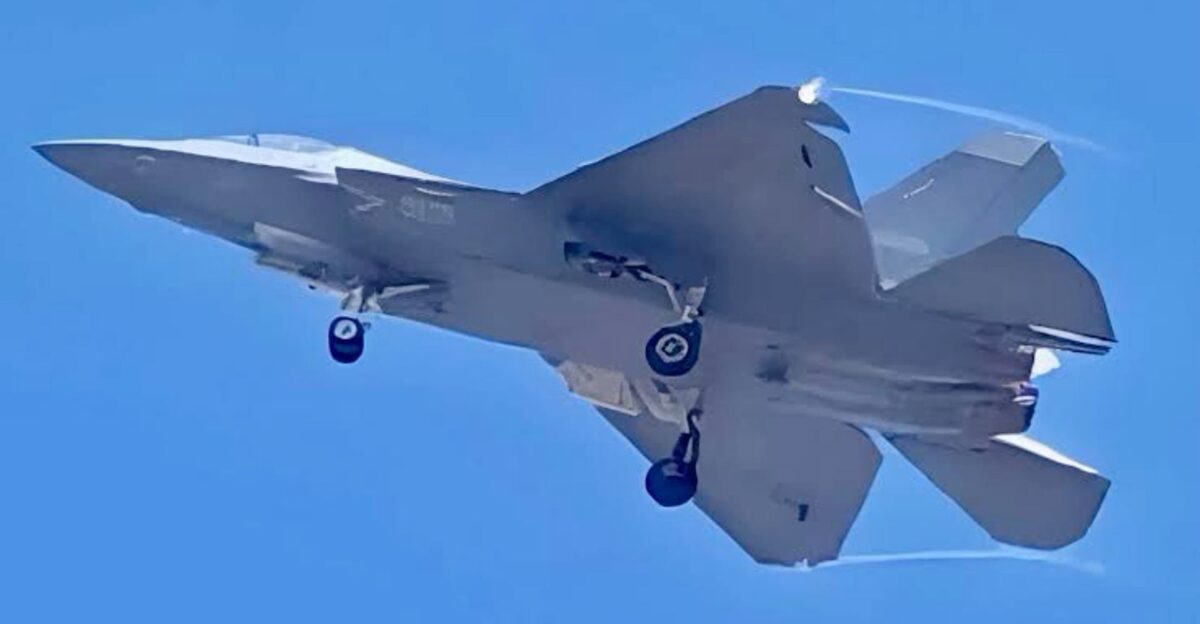
The J-35A is designed to compete with the U.S. F-35, boasting stealth coatings, twin engines, and advanced avionics. Defense News reports its radar signature, electronic warfare systems, and combat endurance remain mostly undisclosed, leaving analysts cautious. Pilots speak of potential unmatched in Chinese service, tempered by practical worries: high-tech systems may be vulnerable in harsh conditions, carrier operations are grueling, and maintenance could strain logistics.
Engineers also question whether the aircraft integrates smoothly into current doctrines. The J-35A embodies both innovation and uncertainty, a high-tech dream whose operational reality must still prove itself in the hands of human crews.
J-36 – Ambition Wrapped in Mystery
Reports circulating in Chinese media refer to an experimental variant sometimes labeled the J-36, though foreign observers stress this remains speculative. Rumors suggest it could operate as a command-and-control node for drones while piloted, a potential sixth-generation leap. Defense News notes details are unconfirmed, leaving analysts wary of overhyping its impact.
The J-36 represents a mix of imagination, ambition, and uncertainty, hinting at what the future could hold for Chinese airpower. But for commanders and pilots, excitement is tempered with caution; integrating unproven systems is as much about training, doctrine, and logistics as raw capability.
Zhuhai Airshow – Glitz, Drama, and Questions
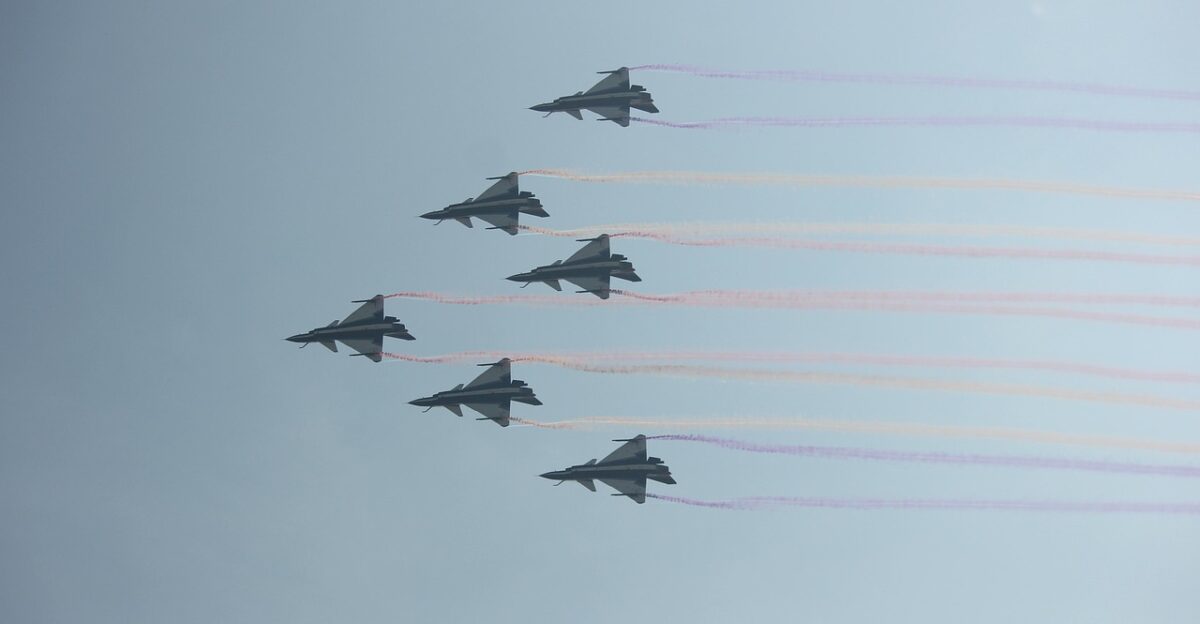
The 2024 Zhuhai Airshow was cinematic: jets slicing through haze, VIPs snapping photos, and state media framing the J-35A as a milestone in domestic manufacturing. Reuters reports the spectacle emphasized automation, precision, and cutting-edge materials. Yet behind the cameras, military insiders weigh questions: Will these jets perform reliably on carriers or in high-tempo operations? Can maintenance networks handle the sophistication?
Airshow visuals are powerful, but analysts caution that real operational capability is a slower, more careful process. For China’s military, the show is just the beginning—proof will come from months, even years, of testing and adaptation.
Inside the Military – Excitement Meets Prudence
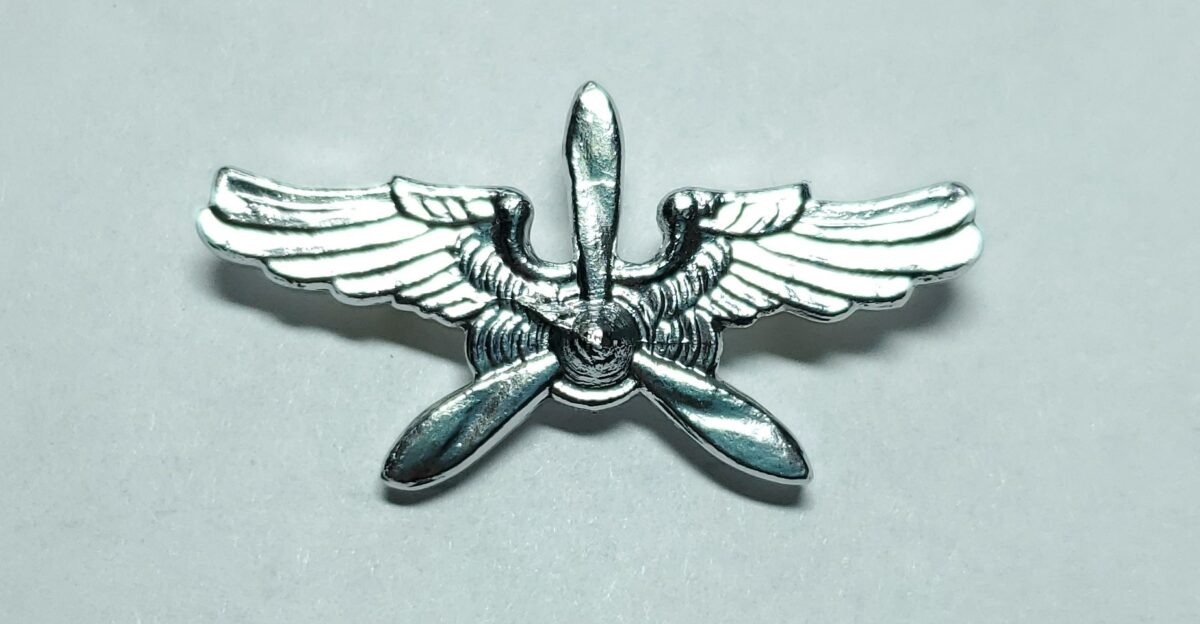
Within China’s air force, opinions on the new jets vary widely. Some officers celebrate the technological leap; others urge patience, citing lessons from the J-20’s slow operational adoption. According to a RAND Corporation study, integrating new technologies requires careful evaluation of readiness, logistics, and human factors.
Pilots discuss flight tempo and survivability, engineers highlight maintenance challenges, and commanders balance ambition with risk. The jets may appear revolutionary, but they remain tools requiring skill, discipline, and adaptation. Here, the tension is human: ambition pushes forward, caution pulls back, and every decision carries implications for safety, strategy, and credibility.
Global Hesitation – Buyers Wait for Proof

Despite the fanfare, foreign interest in the J-35A has been cautious. Pakistan, a longtime Chinese partner, has yet to place confirmed orders, and analysts note that other potential buyers are wary. According to RAND, concerns include engine reliability, sensor performance, and integration into existing fleets. Military planners emphasize that operational history matters more than appearances.
High-tech jets are exciting but must prove themselves daily under harsh conditions. International skepticism mirrors internal doubts: advanced capabilities alone don’t guarantee trust or adoption, and buyers are increasingly cautious about jumping too quickly into untested systems.
Technological Leap, Human Cost
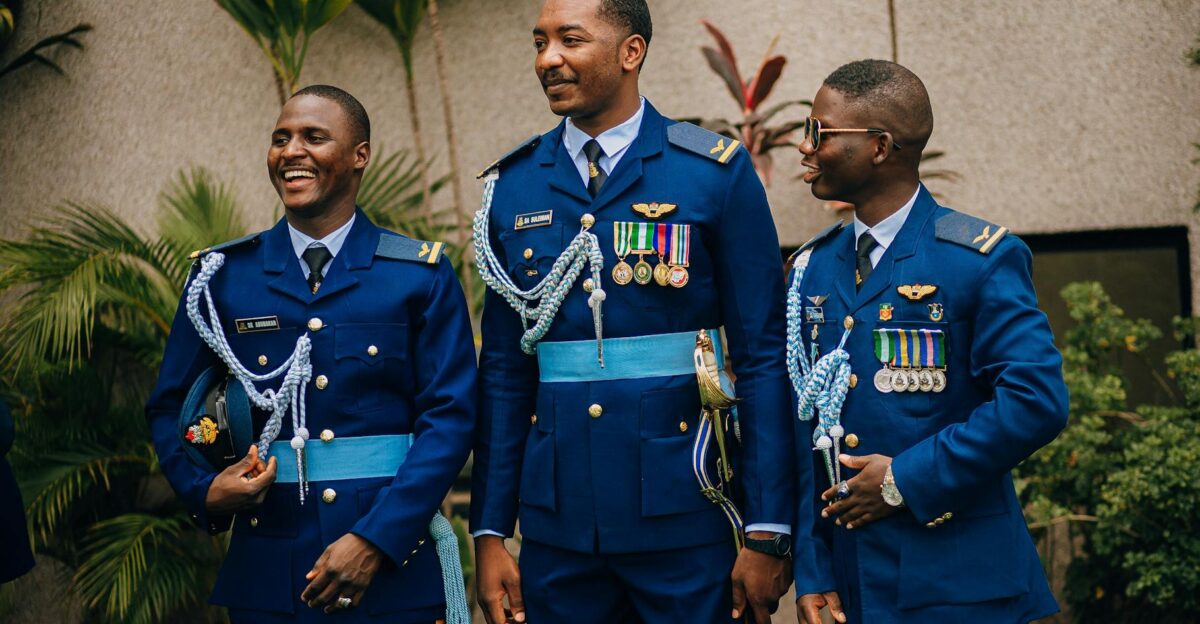
China’s rapid innovation aims to push the People’s Liberation Army Air Force (PLAAF) to the forefront. But each leap carries human consequences: maintenance crews must learn new systems, pilots adjust to unfamiliar avionics, and commanders rethink tactics. Defense News reports that early test units highlight software glitches and sensor integration issues.
Upgrades offer raw power, but complexity increases human error risk. The challenge is not just flying the jets—it’s ensuring the people supporting them have the training, tools, and confidence to make them work under pressure. Technology is impressive, but humans remain the deciding factor in operational success.
Carrier Dreams and Challenges
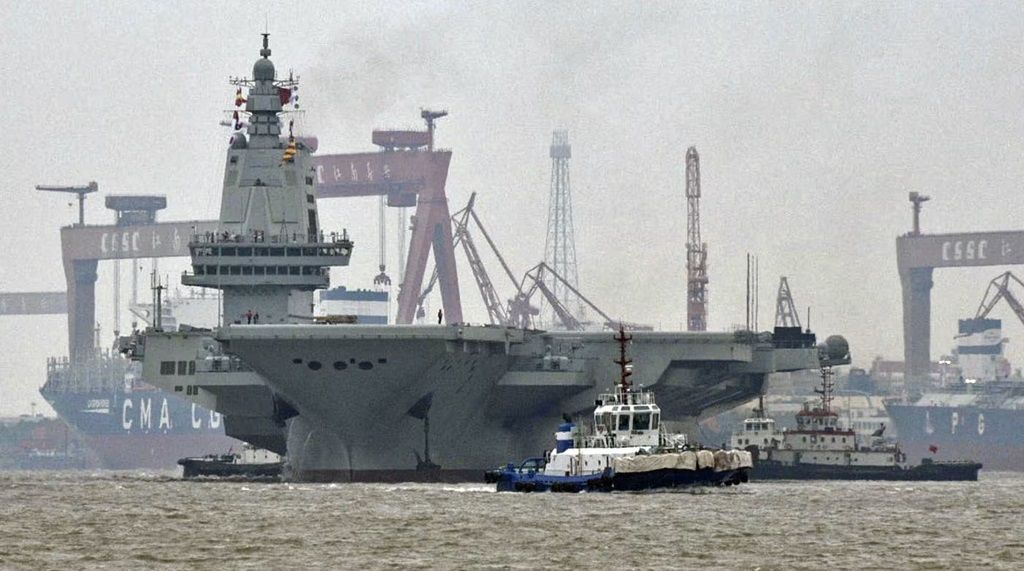
The J-35A is designed to operate from China’s Fujian-class carriers, promising a stealthy presence at sea. Yet naval pilots caution that carrier life is punishing: salt, wind, and rapid launch cycles test even proven jets. Reuters reports that integration into carrier operations is ongoing, and older aircraft may remain the backbone until the J-35A proves durable.
While impressive in demonstrations, real-world deployment at sea is another matter. The tension between innovation and operational reality is clear: the carrier deck is unforgiving, and a jet’s elegance matters little if it can’t survive day-to-day missions at sea.
Voices from the Cockpit
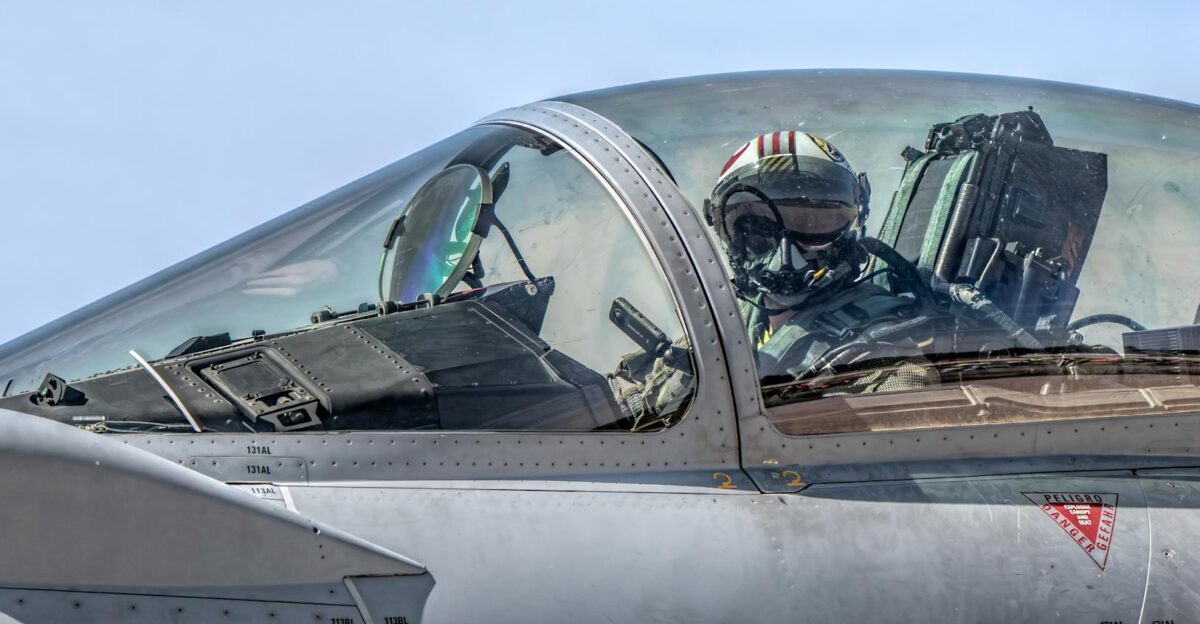
Pilots report both awe and apprehension. One anonymous instructor told Defense News that while the J-35A’s avionics are sophisticated, simulators and training programs are not yet fully aligned with the aircraft’s capabilities. Doctrines need adjustment, and units must navigate a steep learning curve. Engineers emphasize maintenance demands and system reliability, while squadron leaders weigh operational tempo.
The excitement of a technological leap meets the reality of human adaptation: flying, maintaining, and commanding the jets is as much about people as machines. Optimism is tempered by realism, a reminder that ambition alone cannot substitute for experience.
Electronics – Power and Fragility
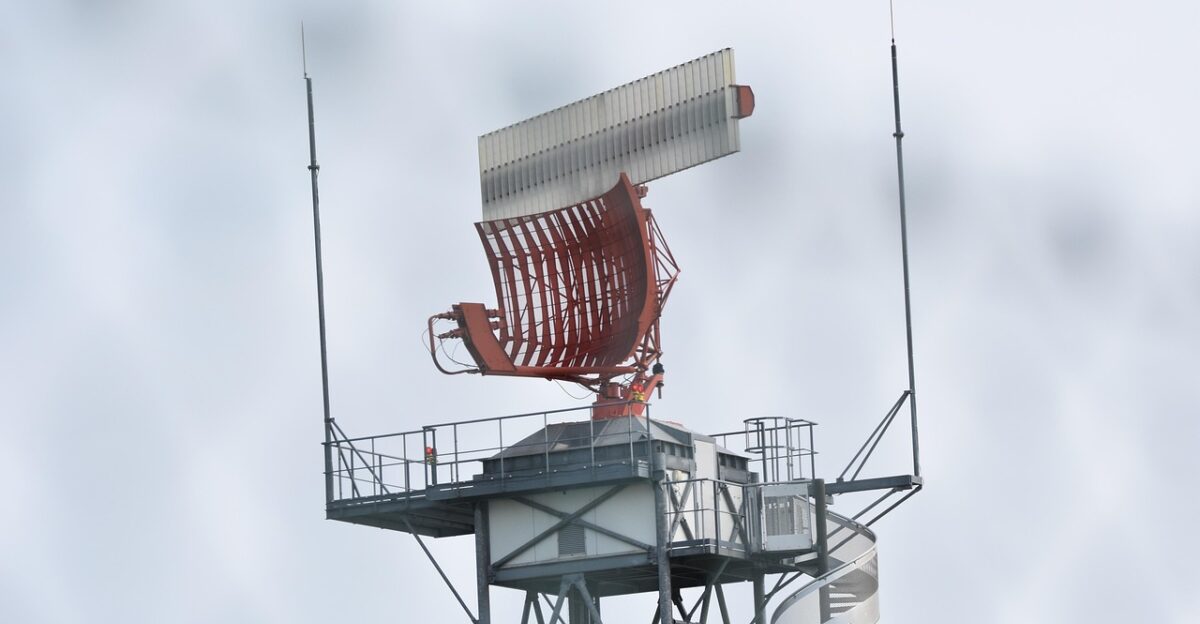
J-35A and speculative J-36 jets feature AESA radars and electronic countermeasures—dream tech for any air force. Yet analysts highlight persistent challenges like software bugs, sensor fusion hiccups, and reliability under operational stress. According to RAND, cutting-edge electronics amplify human error if crews are insufficiently trained.
The jets’ brains are as complex as their bodies, and mastery takes time. In operational terms, progress is cautious: engineers patch glitches, pilots adapt tactics, and commanders evaluate deployment readiness. A single misstep could negate stealth advantages. Here, high-tech promise meets human responsibility, a delicate balance defining China’s next-generation aviation ambitions.
Training – The Hidden Challenge
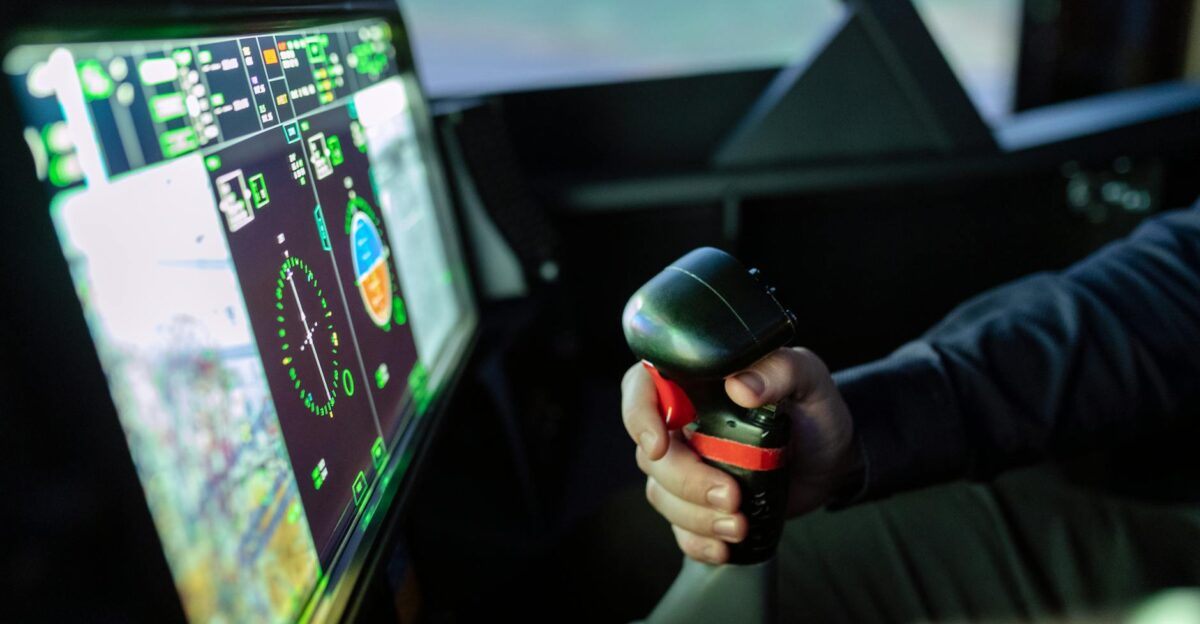
Advanced jets demand advanced training. Flight instructors report that simulators lag behind the sophistication of J-35A systems. Operational units juggle new tactics alongside old habits, balancing ambition with caution. Reuters notes that conversion courses are intensive but limited in scale. The challenge is deep: Every pilot, navigator, and technician must internalize new procedures while maintaining readiness.
Progress is measured in small victories with hours logged in the cockpit, drills perfected, and maintenance cycles mastered. The human learning curve is as critical as technological capability—without it, stealth advantages may remain theoretical, not operational.
Command and Control – J-36’s Vision
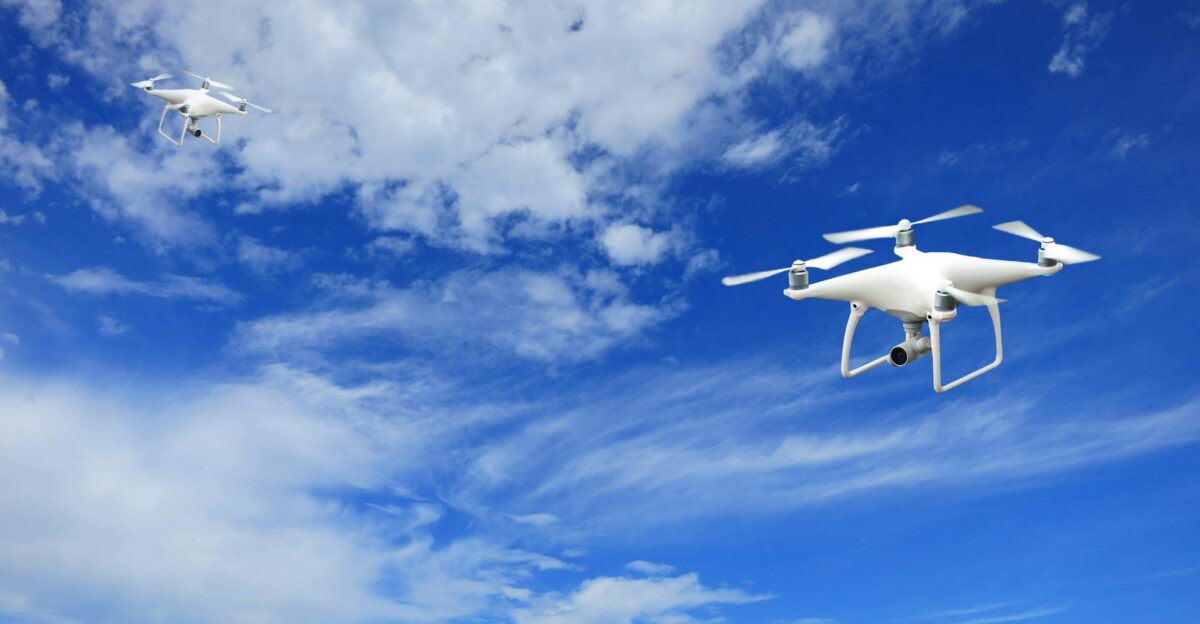
The rumored J-36 is envisioned as a command-and-control node in the sky, potentially coordinating drones and manned fighters simultaneously. Defense News emphasizes that the concept is speculative; no official confirmation exists. Translating this ambition into usable doctrine is a massive undertaking: officers must rethink strategy, train crews, and integrate new systems.
Success depends as much on human judgment as technology. If achieved, the J-36 could redefine air operations, but timelines remain uncertain. Until field trials confirm capabilities, the J-36 symbolizes potential, a bold illustration of China’s future-focused ambitions in aerial warfare.
From Test Flights to Frontline Service
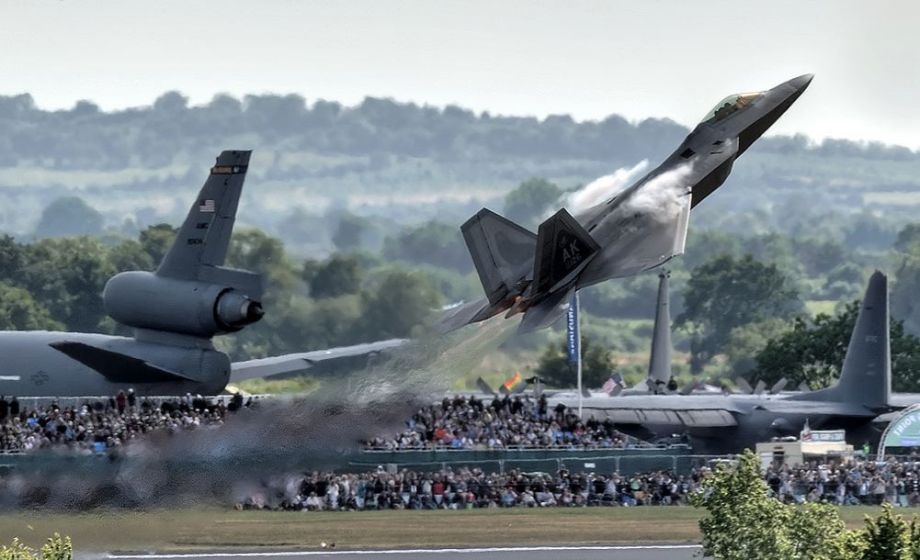
Most J-35As remain in demonstration or limited training units. Frontline deployment is minimal, and J-36 development is still experimental. Chinese social media and defense leaks hint at progress but reveal frustration with slow adoption. Reuters notes that most operational wings continue to rely on older jets. Establishing trust in new aircraft requires rigorous, repeated testing.
Each takeoff, landing, and maintenance cycle contributes to confidence in readiness. The human element—pilots, engineers, and commanders—is central, and technology alone cannot achieve operational success. This transition is incremental, requiring patience, discipline, and continuous adaptation.
International Watch – Eyes on China

China’s stealth development has drawn attention from Tokyo, Delhi, and Washington. Analysts note that operational impact is cautious while the J-35A and J-36 signal technological ambition. RAND emphasizes that modern airpower relies on integrated doctrine, not headline-worthy airshows. Observers recognize progress but remain skeptical about readiness and reliability.
Strategic planners monitor deployments and evaluate potential countermeasures to measure the international response. China’s stealth jets prompt defensive planning worldwide, but until proven operationally, they are as much a statement of intent as a battlefield reality.
Learning from Past Programs
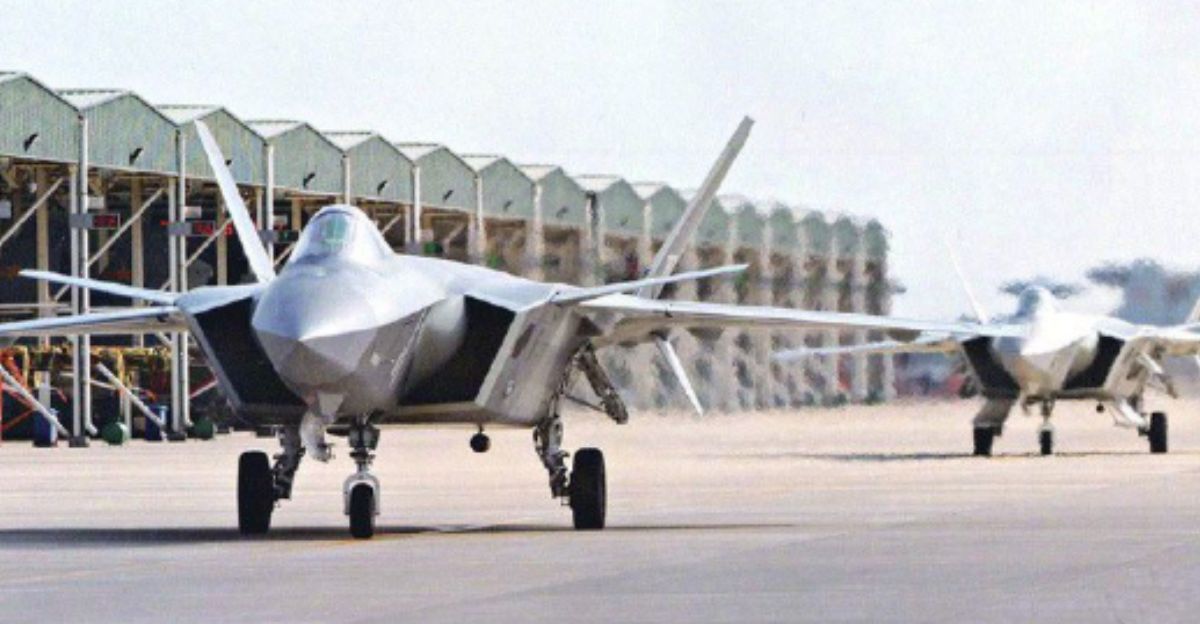
China’s previous programs, like the J-20, faced early skepticism and slow adoption. Operational deployment lagged behind public displays, teaching lessons about scaling, maintenance, and training. According to Defense News, the PLAAF treats the J-35A similarly, ambitious but cautious. Integrating new jets requires methodical testing, adjustments, and human adaptation.
Technology cannot outpace doctrine. Commanders balance hope with pragmatism, recognizing that mistakes in stealth operations can be costly. The strategy is gradual integration, mirroring past modernization programs’ patterns. Success is measured over years, not airshow applause.
Reluctance Explained
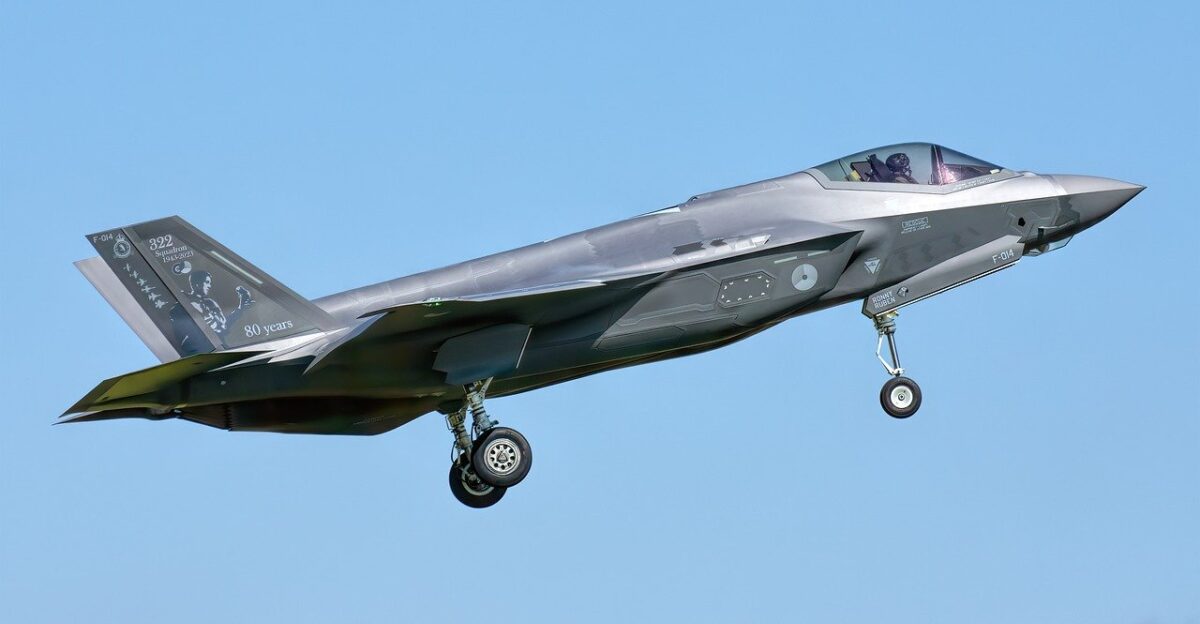
Stealth jets are eye-catching, but operational adoption depends on logistics, maintenance, training, and integration into broader strategy. RAND notes that new aircraft require supporting infrastructure and well-practiced doctrine. The J-35A and J-36 cannot operate effectively as isolated platforms. Hesitant voices prevail inside the PLAAF, emphasizing survivability, interoperability, and long-term sustainability.
Ambition must be balanced with evidence, experience, and careful testing. Until systems prove reliable under real-world conditions, foot-dragging is deliberate prudence, not failure. Every maintenance cycle, simulation, and test flight provides a foundation for future effectiveness and safety.
Incremental Integration
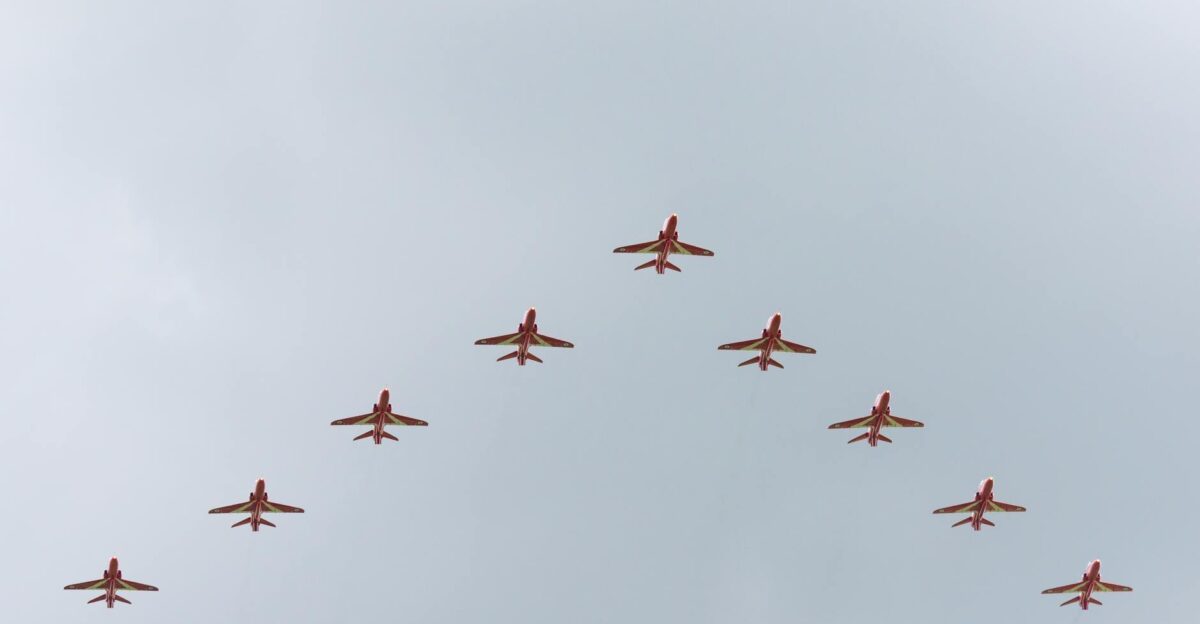
Experts forecast a gradual deployment, starting with limited units and testing before broader adoption. Defense News notes that the J-36 requires doctrine and infrastructure updates before operational use. Training, maintenance, and tactical adaptation will define the timeline. Incremental integration allows feedback from real missions to refine systems, reduce risks, and improve confidence.
China’s strategy reflects a careful blend of ambition and caution, prioritizing reliable performance over headline-grabbing appearances. The coming years will determine whether these jets transform PLAAF strategy or remain niche, high-tech platforms with limited operational impact.
Ripple Effects Across the Region
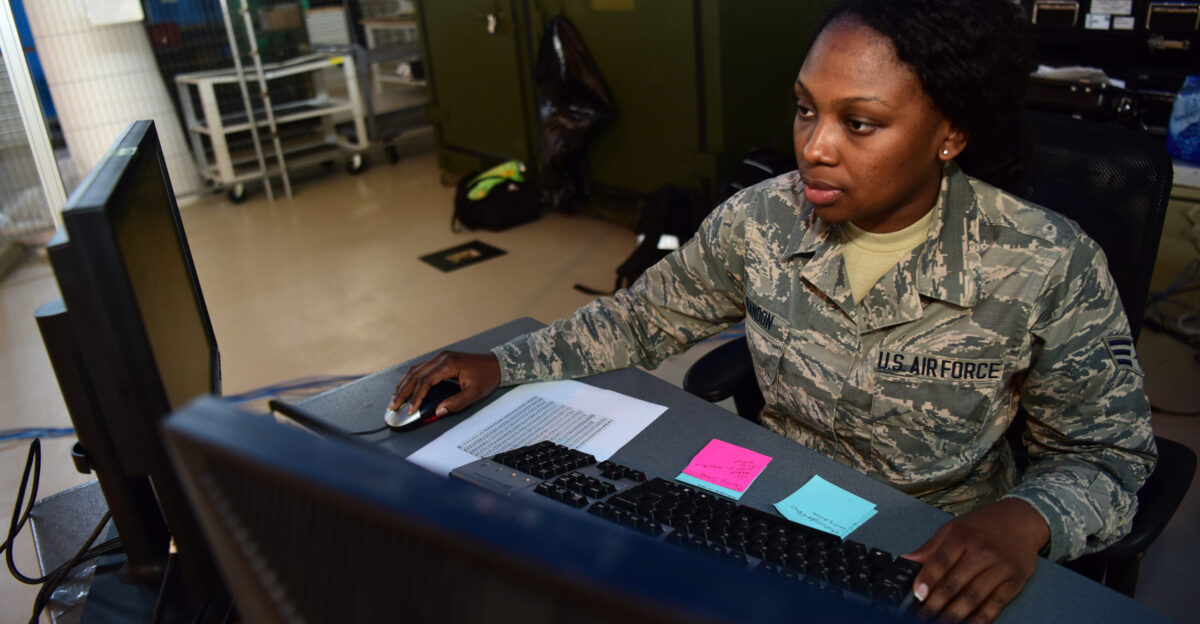
Every advance in China’s stealth program triggers strategic planning elsewhere. Washington, Tokyo, and Delhi are investing in countermeasures and next-generation aircraft. Analysts highlight that the arms race is as much about pace as capability. RAND emphasizes that measured steps shape regional calculations like China’s incremental testing. Rivals must respond to potential threats, even if operational readiness is uncertain.
The J-35A and J-36 demonstrate that modern airpower advances in layers—testing, adaptation, and integration—before achieving full effect. Technology may spark headlines, but influence is earned in years of disciplined deployment.
Balancing Ambition and Reality
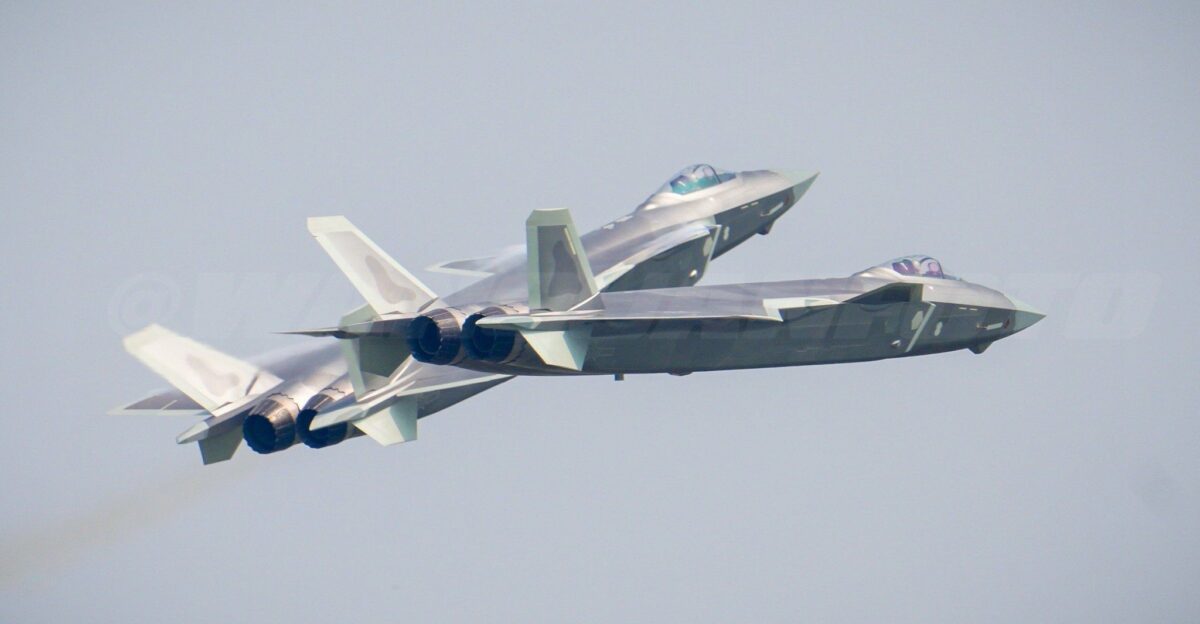
China’s stealth fighters reflect ambition, innovation, and technical prowess. Yet the pace of adoption illustrates a deliberate balance between aspiration and operational realism. According to Defense News, jets must prove themselves in training, logistics, and real-world operations before reshaping strategy. Each flight, maintenance check, and exercise informs confidence levels.
Human judgment remains central, and pilots, engineers, and commanders ultimately determine effectiveness. The stories of the J-35A and J-36 are as much about people as machines, highlighting that technological leaps require patience, discipline, and a willingness to learn from both success and failure.
Eyes on the Skies – The Human Factor
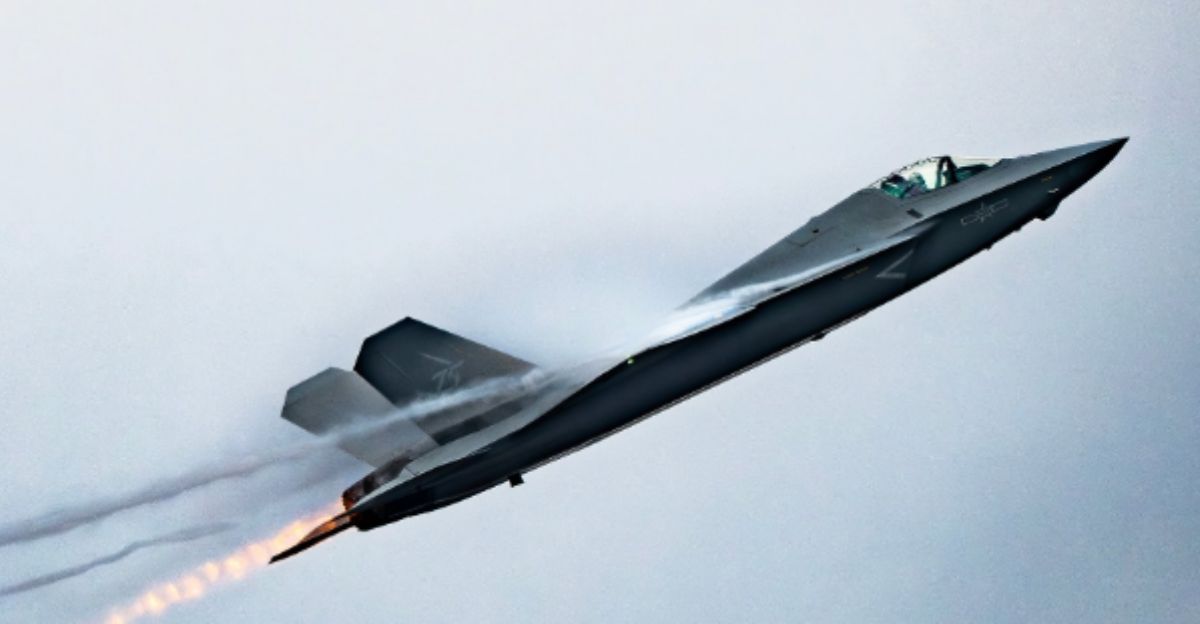
China’s stealth programs are ambitious, yet their slow uptake demonstrates thoughtful caution rather than failure. The jets symbolize innovation, but operational success depends on training, logistics, and human adaptation. According to Reuters, the future of Chinese airpower is intertwined with the people entrusted to operate, maintain, and command these systems.
Whether these fighters will redefine strategy or remain specialized assets is uncertain, but one lesson is clear: technology alone does not make airpower. The ultimate arbiter is human skill, judgment, and perseverance, turning promise into reality, one test flight at a time.