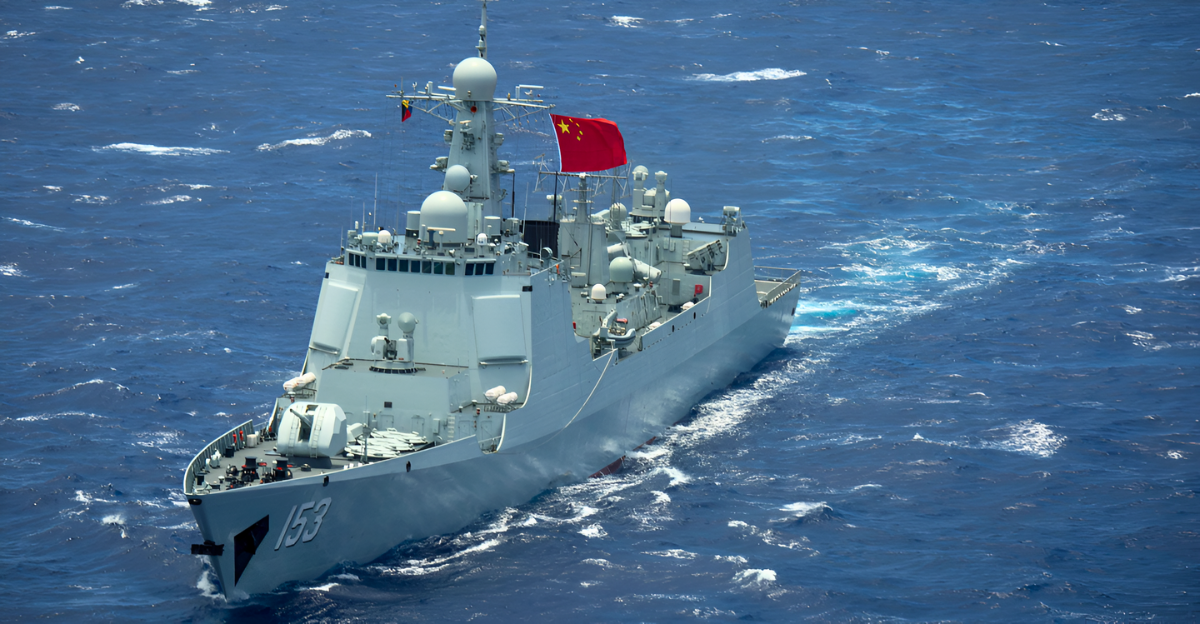
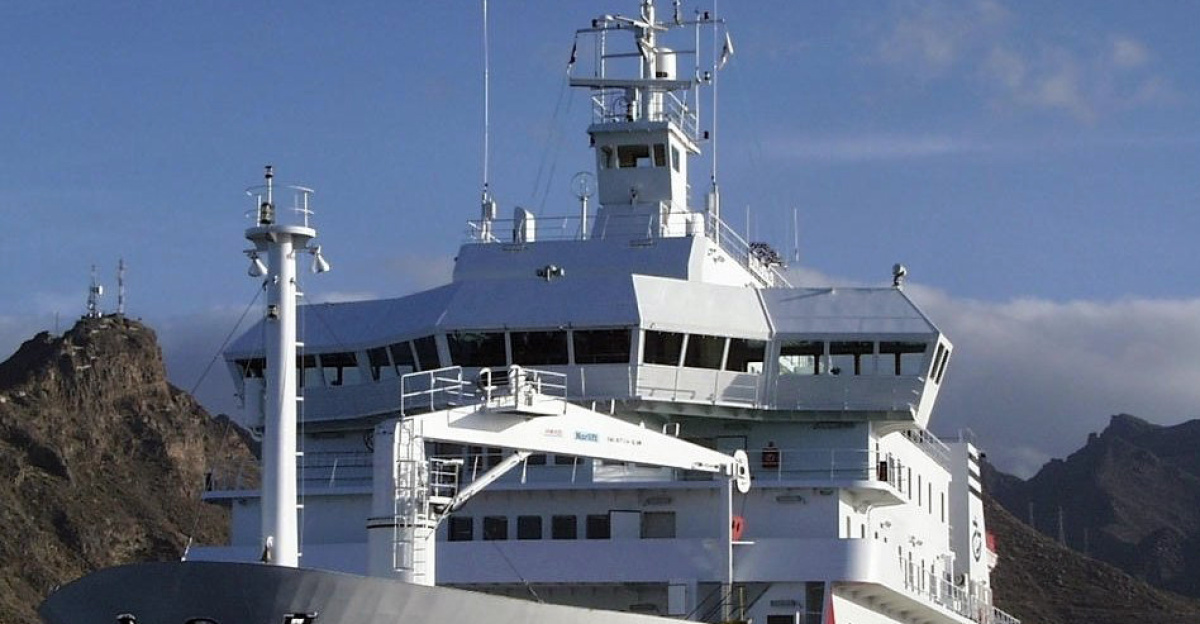
China’s hospital ship, Silk Road Ark, has started a 220-day mission to Latin America, marking a significant increase in Beijing’s naval presence in a region traditionally dominated by the U.S.
This move highlights shifting global power dynamics amid rising regional tensions.
Official Departure
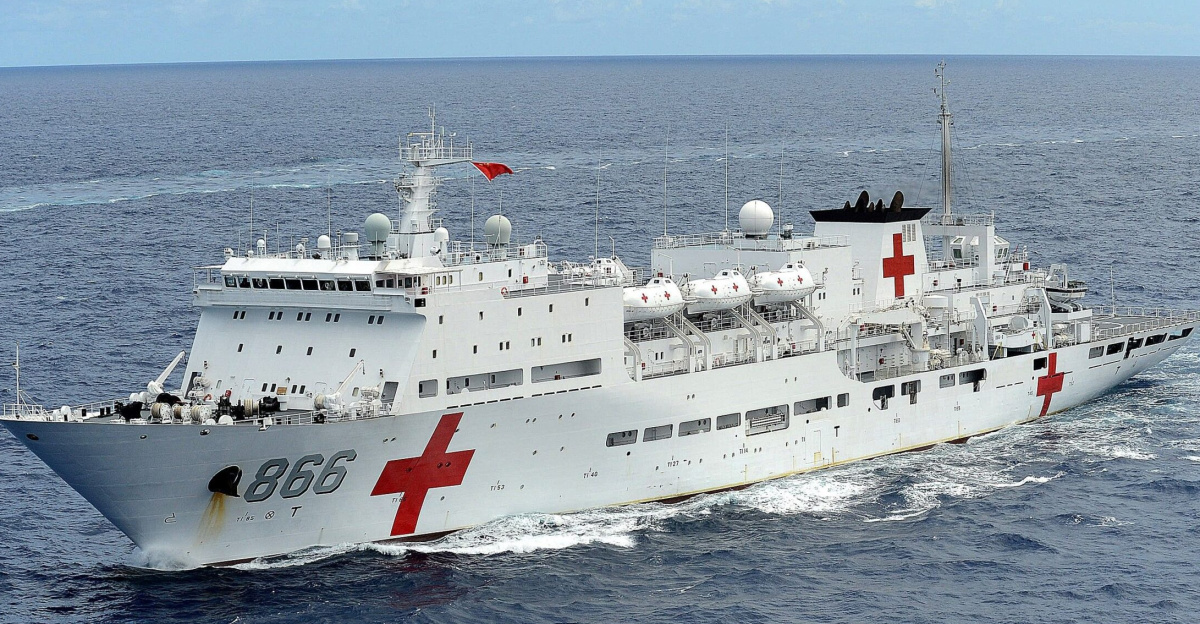
On September 5, the People’s Liberation Army Navy announced that the Silk Road Ark departed Quanzhou for Mission Harmony 2025, marking China’s longest humanitarian mission.
The vessel will visit Mexico, Jamaica, Brazil, Peru, Chile, and several Pacific nations.
Advanced Capabilities
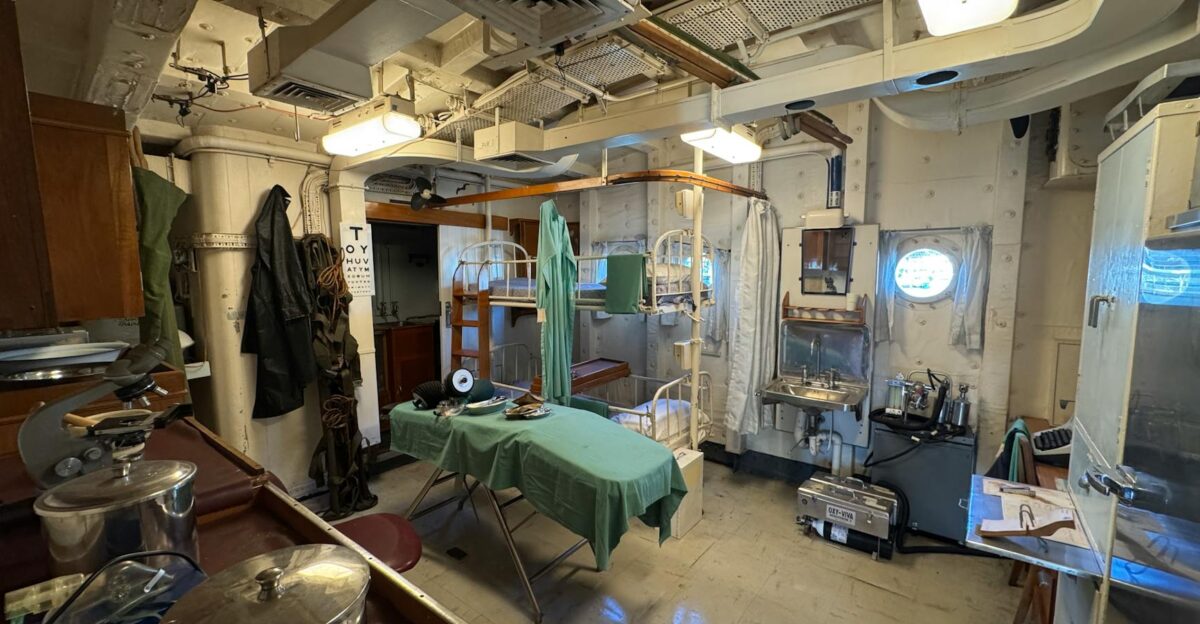
Commissioned in August 2024, the new 10,000-ton hospital ship improves on the Peace Ark’s medical capabilities.
It features 14 clinical departments and seven diagnostic units, allowing it to treat 300 patients simultaneously and perform over 60 surgical procedures.
Rising Stakes
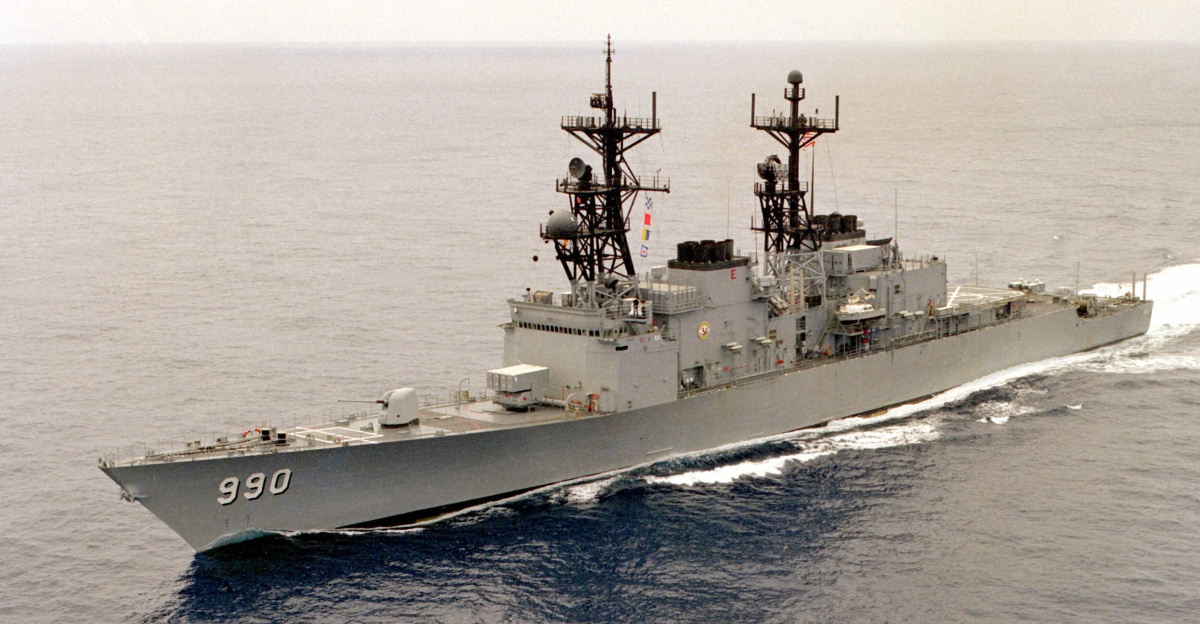
The recent deployment arises from heightened U.S.-Venezuela tensions after a September 2 military strike by the U.S. that killed 11 people on a suspected drug vessel.
Both nations are now positioning substantial naval forces in the contested Caribbean waters.
Venezuelan Response

President Maduro has mobilized 25,000 troops along Venezuela’s Caribbean coast, effectively doubling the number of soldiers deployed in the region.
He declared, “No traitor or empire will be able to touch and desecrate the sacred soil bequeathed to us by the liberators.”
U.S. Military Buildup
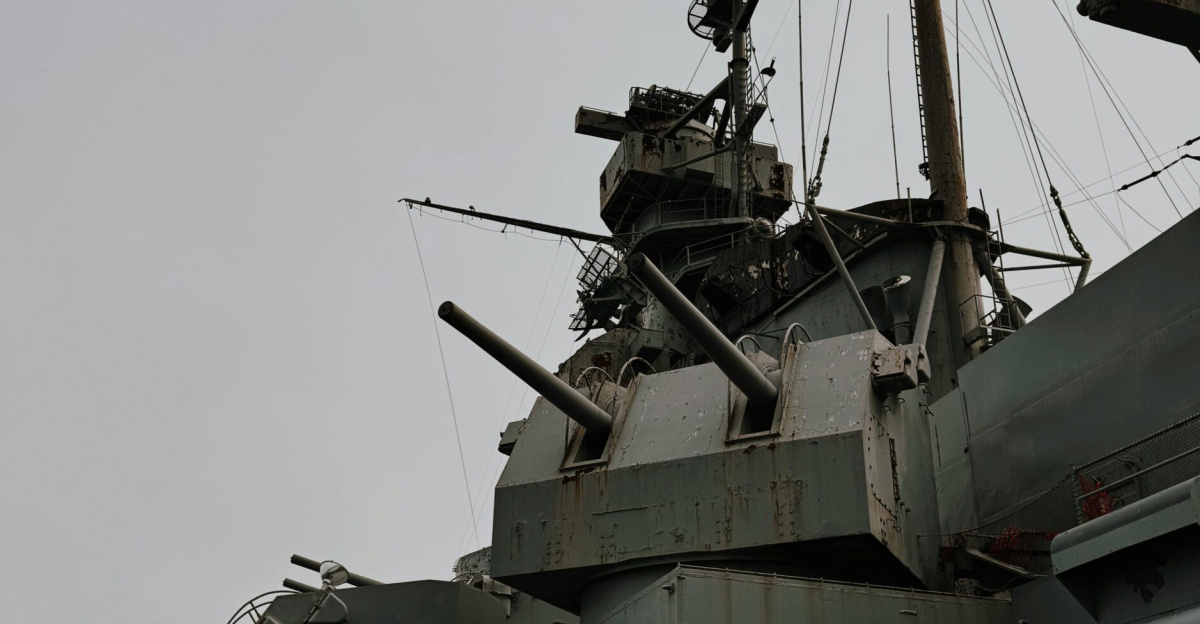
The Trump administration has deployed seven warships, 4,500 personnel, a nuclear submarine, and F-35 stealth fighters to the Caribbean.
Defense Secretary Hegseth stated that this action aims to counter narco-terrorist organizations, rather than being a training exercise.
Symbolic Diplomacy
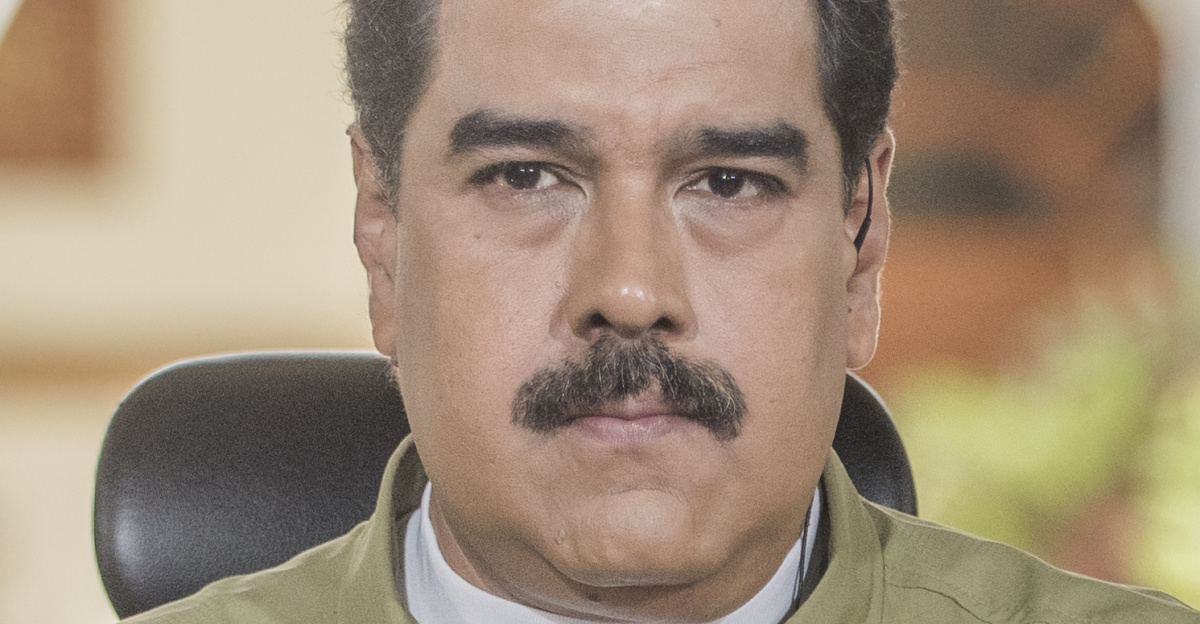
Venezuelan President Nicolás Maduro recently presented a Huawei Mate X6 phone he received as a gift from Chinese President Xi Jinping.
During the presentation, Maduro remarked, “I find out everything through this, the phone that Xi Jinping gave me,” while claiming it’s “unhackable” by American intelligence agencies.
Mission Profile
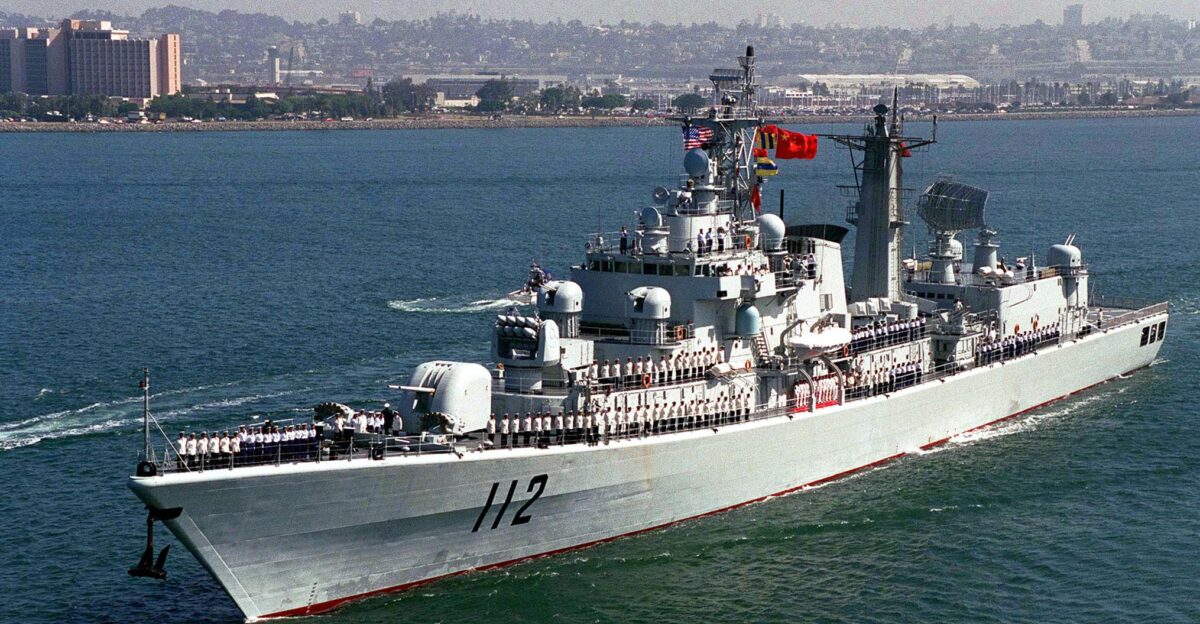
Mission Harmony 2025 is the 12th iteration since 2010, focusing on strengthening cooperation and fostering a shared future for humanity.
Previous missions have treated hundreds of thousands of patients in various countries worldwide.
Parallel Operations
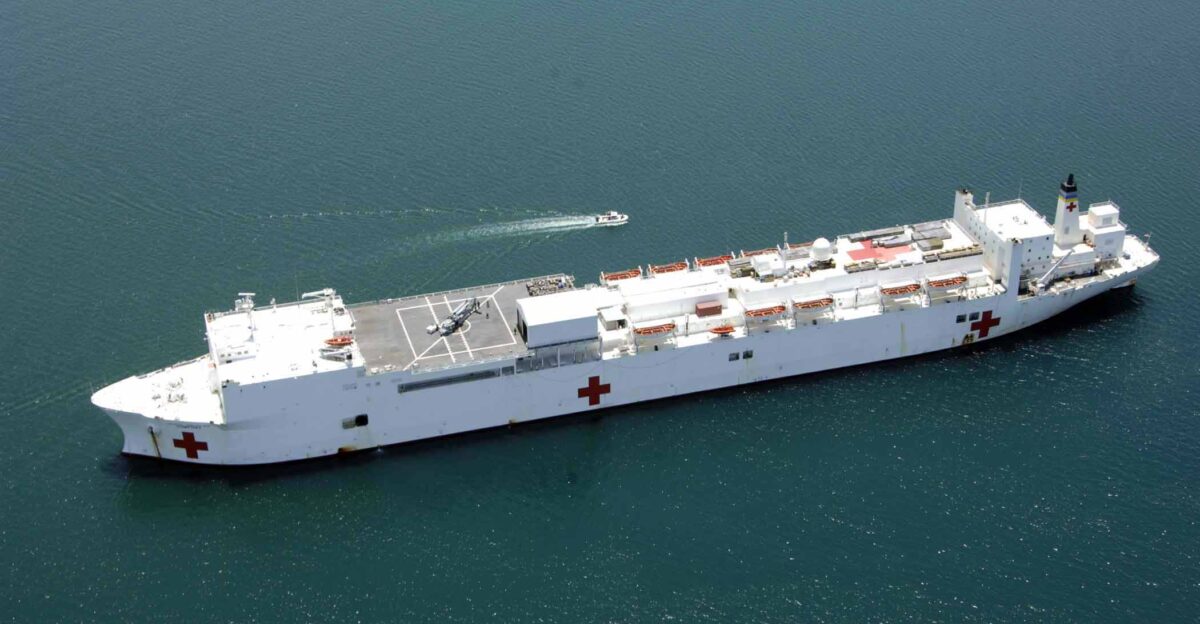
The U.S. hospital ship USNS Comfort finished Operation Continuing Promise 2025 in August, having provided medical care to 12,616 patients across six Caribbean nations.
This operation highlights the use of medical diplomacy as a form of soft power projection, showcasing both humanitarian efforts and naval capabilities by the United States.
International Law
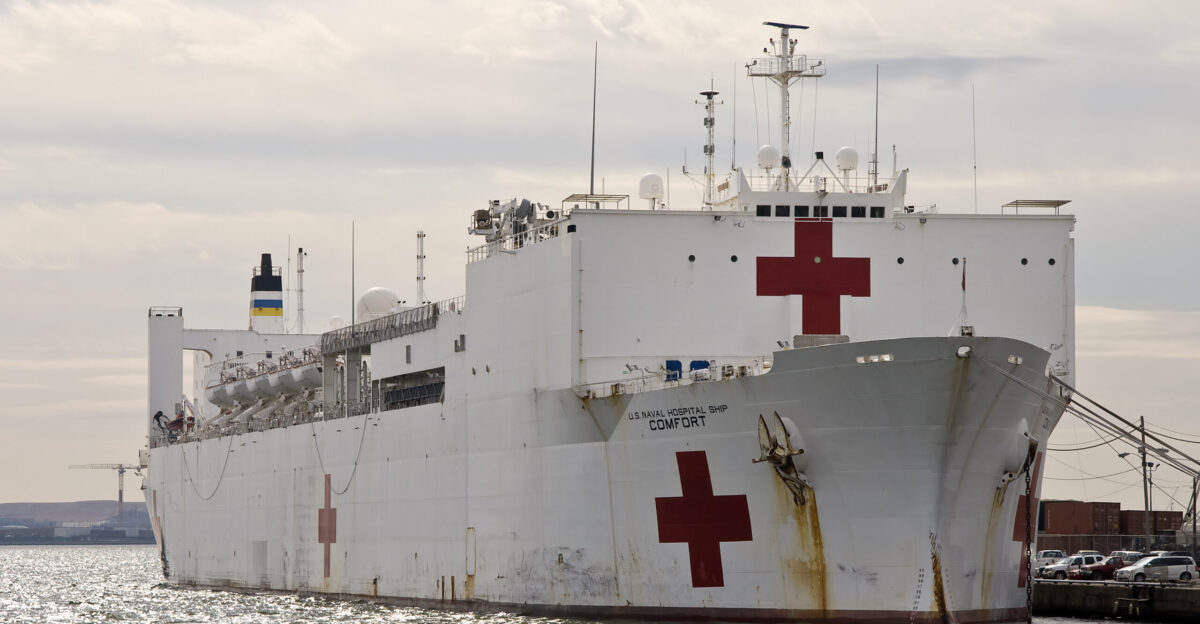
Hospital ships are protected under the Geneva Convention, which mandates respect for their humanitarian missions, irrespective of the nationality of the personnel on board.
These ships display a distinctive red cross emblem, which confers a special status to safeguard medical activities. However, the presence of hospital ships may also have strategic implications in conflict zones.
Regional Impact
Latin American governments balance China’s medical outreach benefits against concerns over shifting strategic alliances.
The deployment tests regional responses to Chinese naval normalization in traditionally U.S.-dominated waters.
Economic Ties
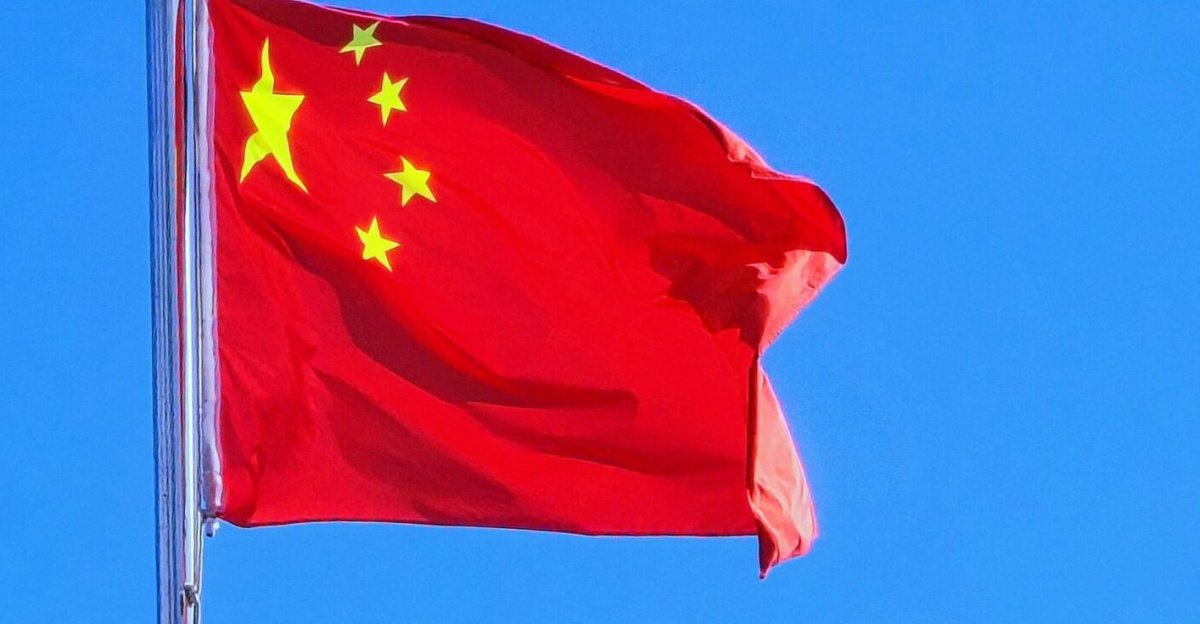
China has become Venezuela’s largest trading partner and creditor, primarily through oil-for-loans arrangements.
Venezuela maintains significant energy exports to China despite economic sanctions, creating strategic dependencies amid geopolitical tensions.
Historical Context
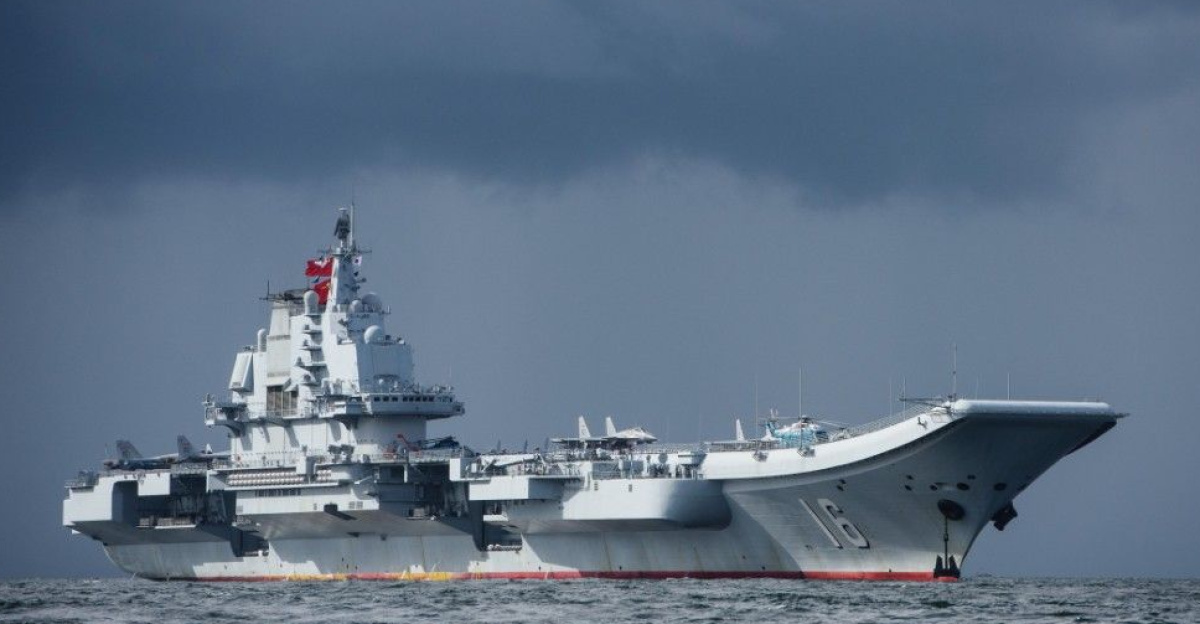
Latin America remained within America’s undisputed sphere of influence under the Monroe Doctrine for decades.
China’s naval presence represents a fundamental challenge to established regional power structures and diplomatic norms.
Expert Analysis

Cybersecurity experts challenge Maduro’s assertion that Chinese technology is “unhackable.”
They highlight that Huawei’s customized hardware and HarmonyOS may introduce more vulnerabilities than well-established platforms such as iOS and Android.
Broader Strategy
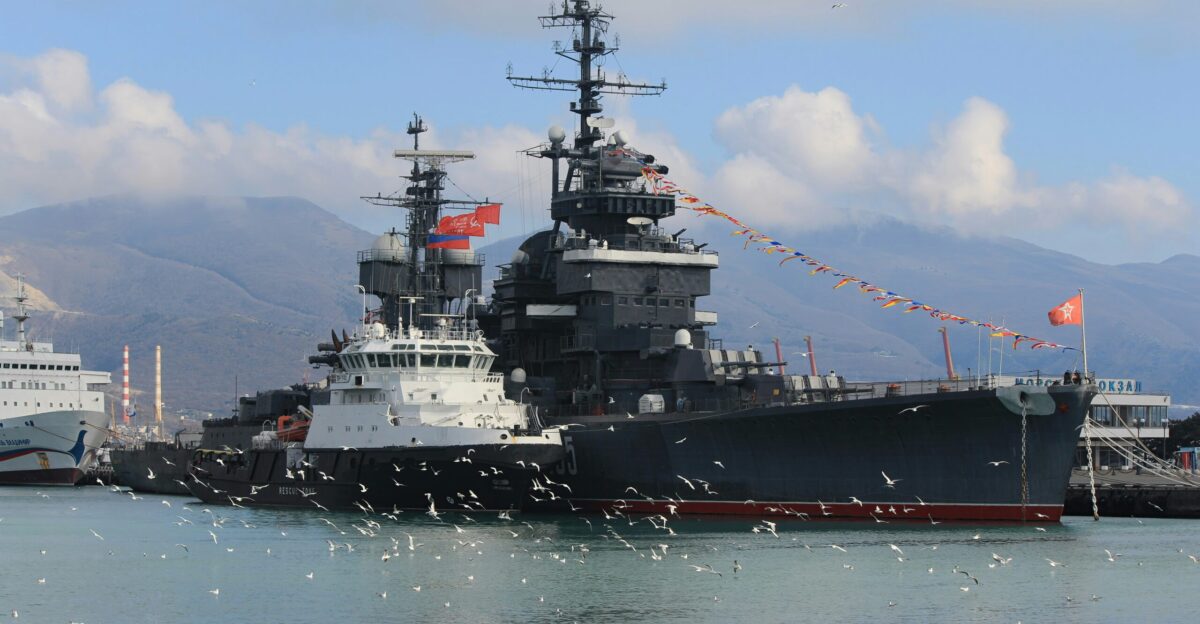
The deployment advances China’s Belt and Road Initiative through medical diplomacy, building relationships while normalizing PLA Navy presence globally.
Beijing frames humanitarian missions as vehicles for “community with a shared future” development.
Venezuela’s Isolation
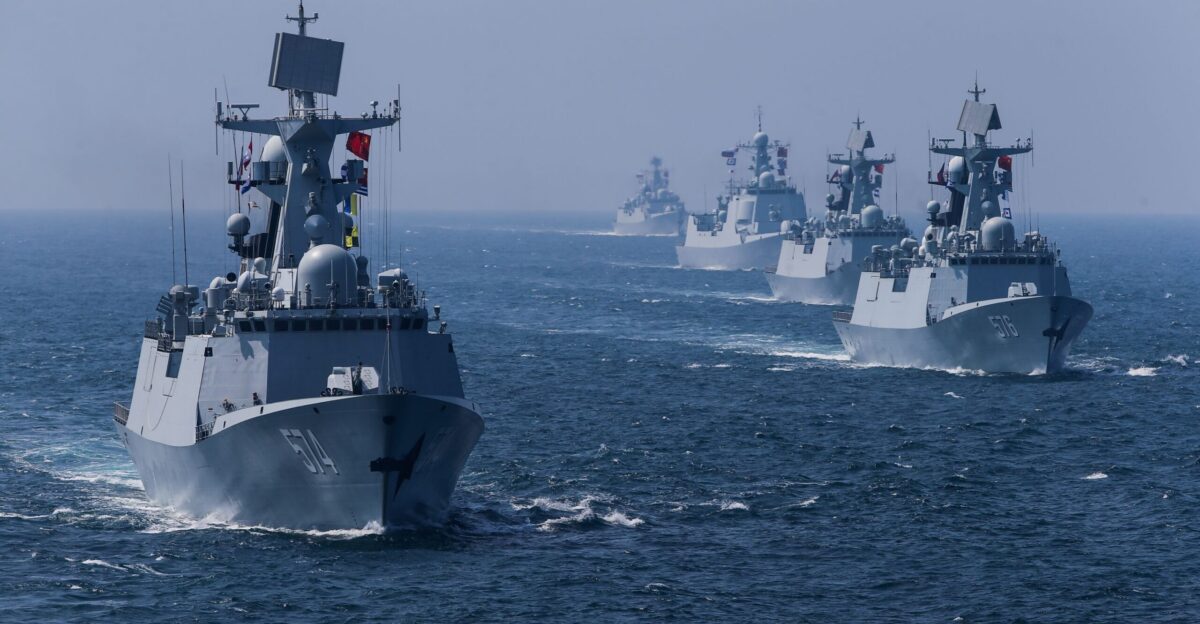
Facing U.S. bounties and intensifying sanctions, Maduro increasingly relies on Chinese support.
The relationship provides Venezuela economic lifelines while offering China strategic positioning against American regional dominance.
Operational Challenges
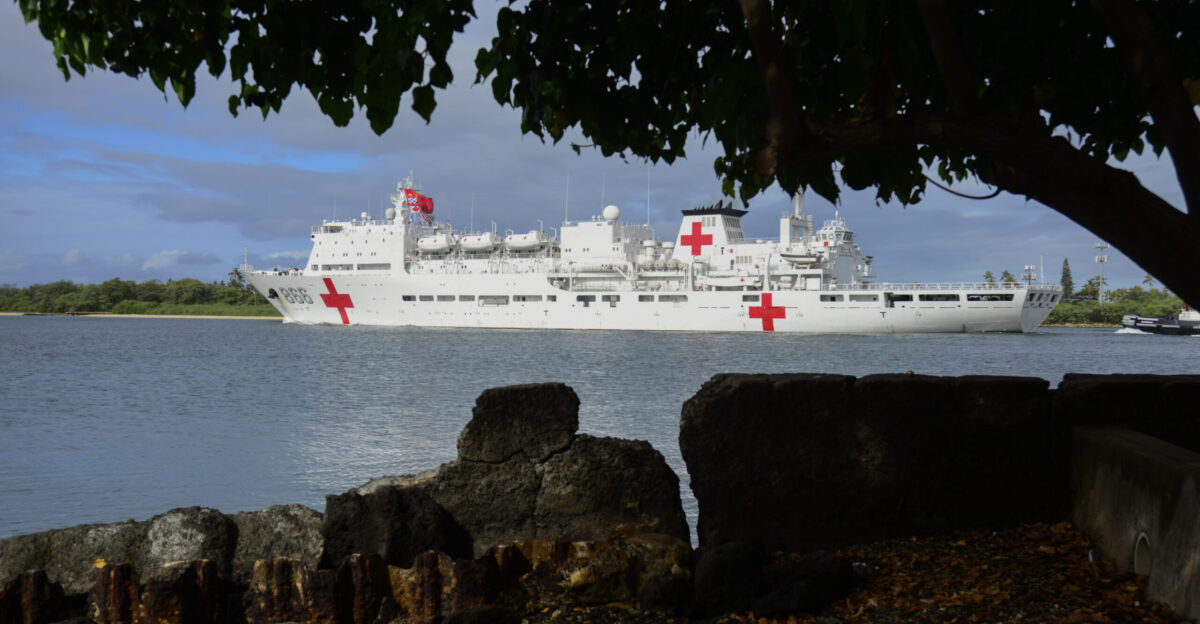
Defense analysts note that even humanitarian deployments carry strategic risks in contested regions.
The Silk Road Ark must navigate complex international waters while U.S. and Venezuelan forces maintain heightened alert status.
Technology Competition
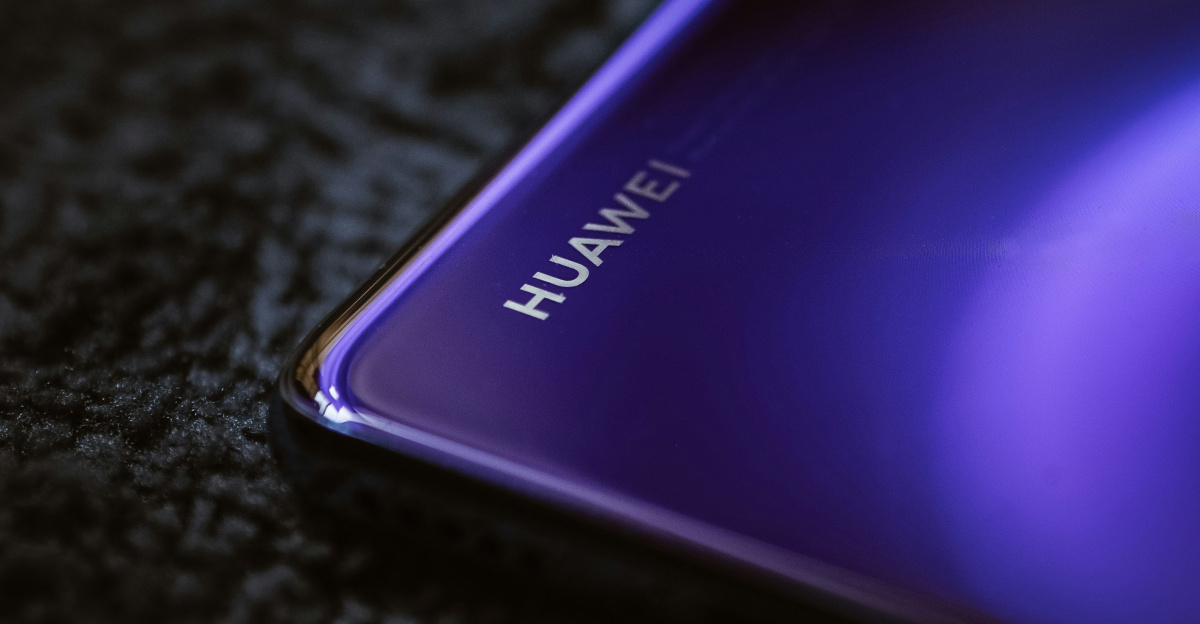
The Huawei phone incident reflects broader U.S.-China technology decoupling, with devices becoming symbols of strategic alignment.
Chinese alternatives to Western platforms gain prominence amid sanctions and security concerns.
Future Implications
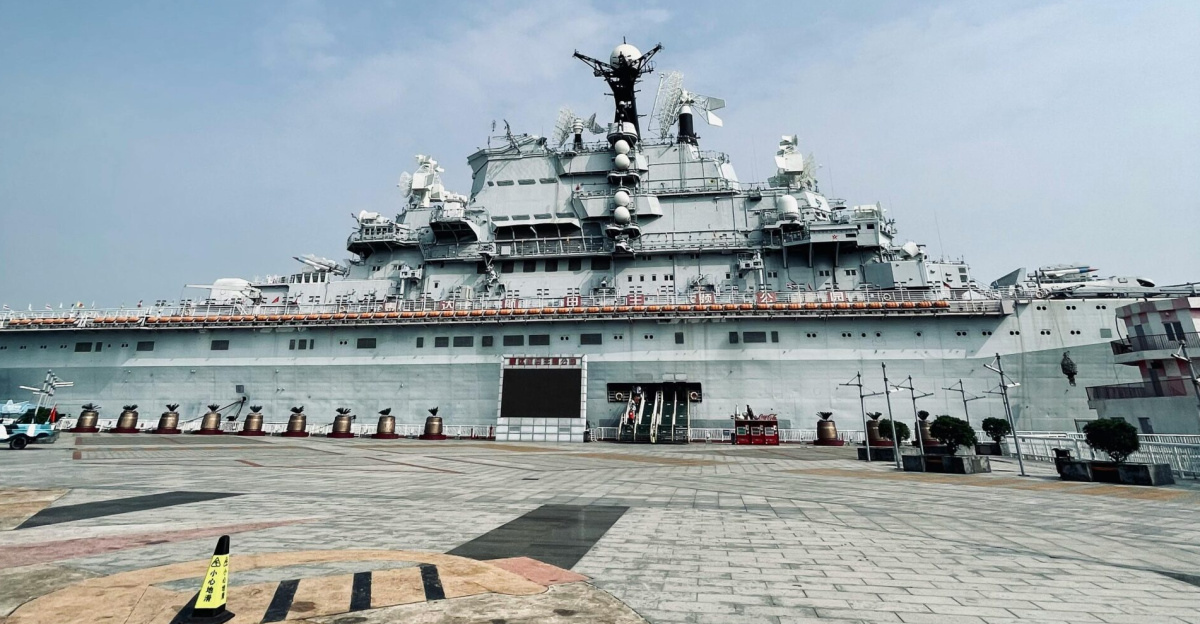
The 220-day mission will test regional acceptance of Chinese naval presence and influence future diplomatic relationships.
Success could normalize PLA Navy operations in the Western Hemisphere permanently.
New Era
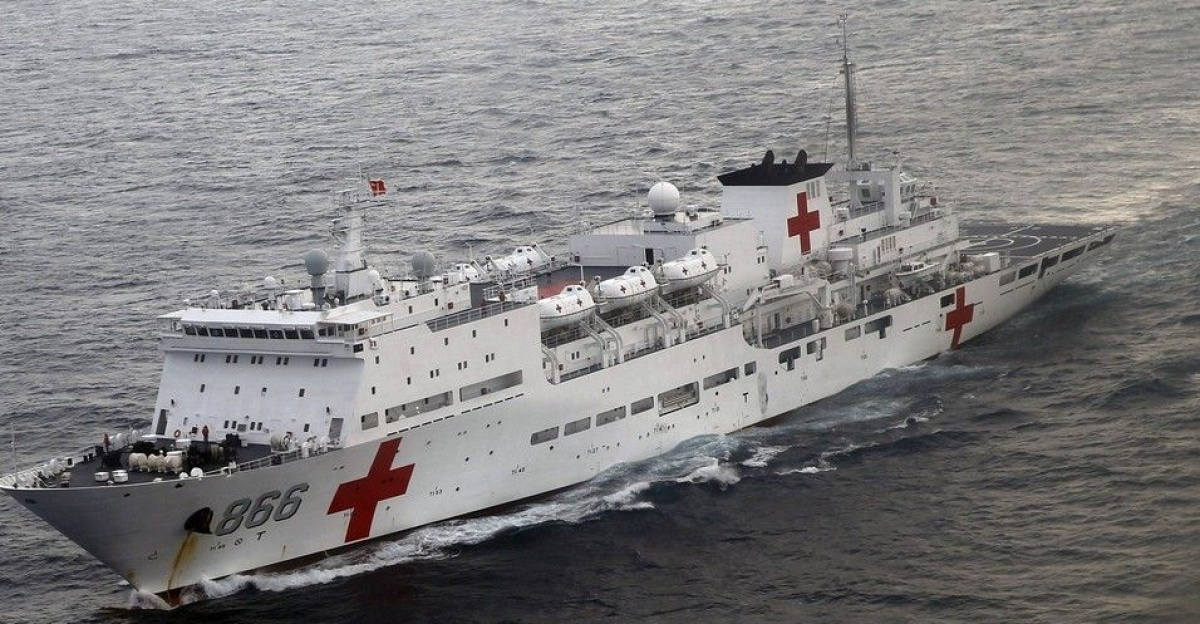
As it progresses southward, the Silk Road Ark embodies not just humanitarian assistance but also indicates the rise of significant great power competition within America’s traditional sphere of influence.
This shift is poised to alter the dynamics of the hemisphere for future generations.