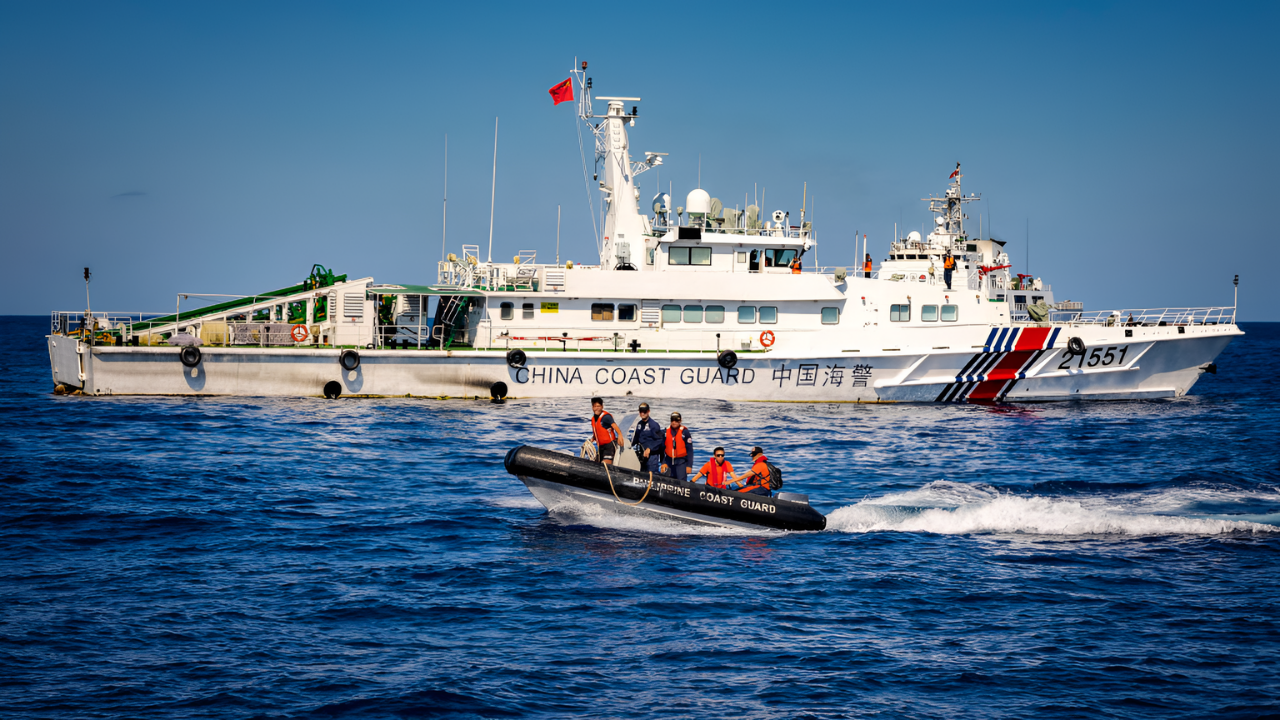
In October 2024, Chinese Coast Guard vessels ventured into the Arctic Ocean for the first time, patrolling 440 miles southwest of Alaska alongside Russian ships within Russia’s Exclusive Economic Zone. This marked the northernmost sighting of Chinese maritime law enforcement by U.S. authorities, signaling Beijing’s expanding reach into high-latitude waters amid melting ice and new shipping opportunities.
Rear Admiral Megan Dean described the move as evidence of “increased interest in the Arctic by our strategic competitors.”
Pacific Flashpoints Emerg

Chinese nationals have leased vast tracts of land near planned U.S. military sites in Palau, prompting surveillance worries among defense officials. On Angaur Island, investors acquired about 660,000 square meters—roughly eight percent of the island—overlooking an airstrip set for U.S. radar installations. These holdings could serve as vantage points for intelligence gathering in this key Pacific outpost.
Beijing has also turned economic pressure on Palau since 2017, when the nation kept its ties to Taiwan. President Surangel Whipps Jr. disclosed that China’s ambassador promised a million tourists yearly to Chinese-developed hotels if Palau switched recognition to Beijing. Such tactics illustrate “elite capture,” where financial incentives sway leaders toward Chinese priorities.
In Greenland, Chinese firm Shenghe Resources gained majority control of the Kvanefjeld mine’s rare earth and uranium deposits in 2016. A 2021 uranium mining ban halted the venture, while Denmark rejected Chinese bids for naval bases and airport expansions on security grounds.
Military Modernization Accelerates
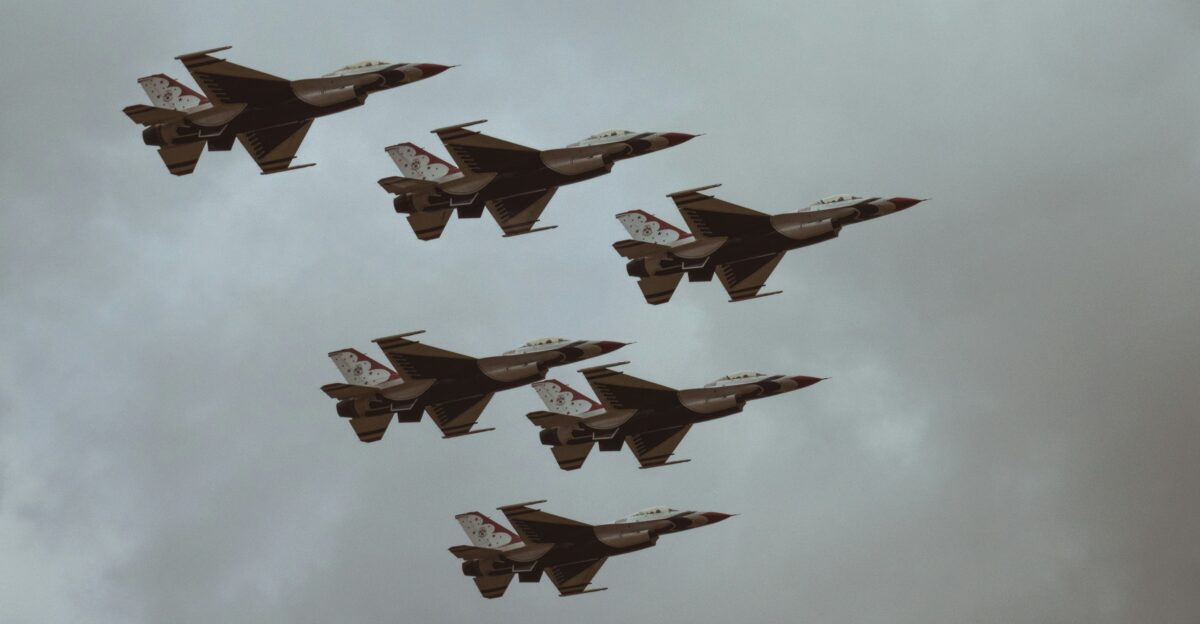
The Pentagon’s December 2025 report warns that China aims to “fight and win a war on Taiwan by the end of 2027,” aligning with Xi Jinping’s military goals. The People’s Liberation Army has honed amphibious assaults, precision strikes, and blockades to force Taiwan’s submission.
China’s nuclear stockpile jumped from around 200 warheads in 2020 to the low 600s by late 2024, on pace for over 1,000 by 2030. The DF-27 missile, with land-attack and anti-ship options, now threatens U.S. mainland and naval targets.
In December 2024, the “Justice Mission 2025” drills sent 274 sorties into Taiwan’s air defense zone, practicing encirclement and countering U.S. intervention. Space assets have also surged: over 359 surveillance satellites by January 2024, more than triple the 2018 count, paired with anti-satellite weapons that endanger U.S. operations.
Gray Zone Tactics Intensify

China ramps up gray zone actions—provocations short of war—using civilian ships for spying, maritime militia for harassment, and disputed waters to create faits accomplis with deniability. These complicate responses for the U.S. and allies.
Cyber attacks on U.S. infrastructure rose 150 percent in 2024, hitting power grids, water, communications, and transport. The Volt Typhoon operation embeds disruptors for crises, beyond mere spying. The Justice Department notes China’s vast online efforts to harass residents and silence critics.
The 2022 China-Solomon Islands pact opens doors to Chinese forces in the Second Island Chain. Since 2019, Solomon Islands, Kiribati, and Nauru ditched Taiwan for Beijing, leaving Taipei with three Pacific allies and eroding U.S. regional sway.
U.S. Response and Strategic Recalibration
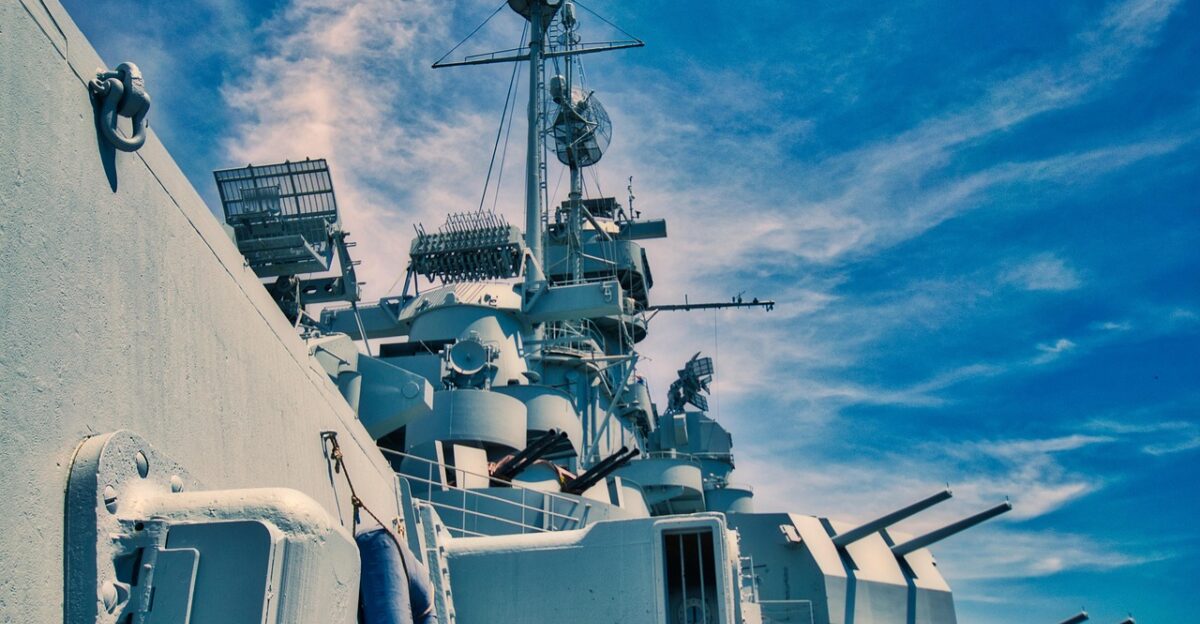
America bolsters the Second Island Chain with runways, ports, defenses, and Marine prepositioning on Guam, Palau, and Tinian. Palau’s over-the-horizon radar, due in 2026, now slips toward 2030 due to delays.
No Chinese invasion of U.S. soil looms; competition unfolds via economic maneuvers, gray zone pressure, and Taiwan-focused buildup. Terms like “economic statecraft” and “salami-slicing” capture these sub-threshold advances.
Precise countermeasures—diplomatic, economic, legal, and cyber defenses—outweigh alarmist reactions. Blurring lines into “invasion” talk risks escalation over steady management of rivalry, with stakes high for Indo-Pacific stability and global order.
Sources:
Pentagon Annual Report to Congress: Military and Security Developments Involving the People’s Republic of China (December 2025)
CNN: China’s Coast Guard claims to have entered the Arctic Ocean for first time (October 2024)
Reuters: Inside the U.S. battle with China over an island paradise deep in Pacific (April 2025)
War on the Rocks: Latest Pentagon Report: China’s Military Advancing Amid Churn (January 2026)
Center for Strategic and International Studies: China’s Power Play Across the Pacific; Signals in the Swarm: The Data Behind China’s Maritime Gray Zone Campaign
New York Post: China preparing to ‘win a war on Taiwan’ by 2027, new Pentagon report warns (December 2025)