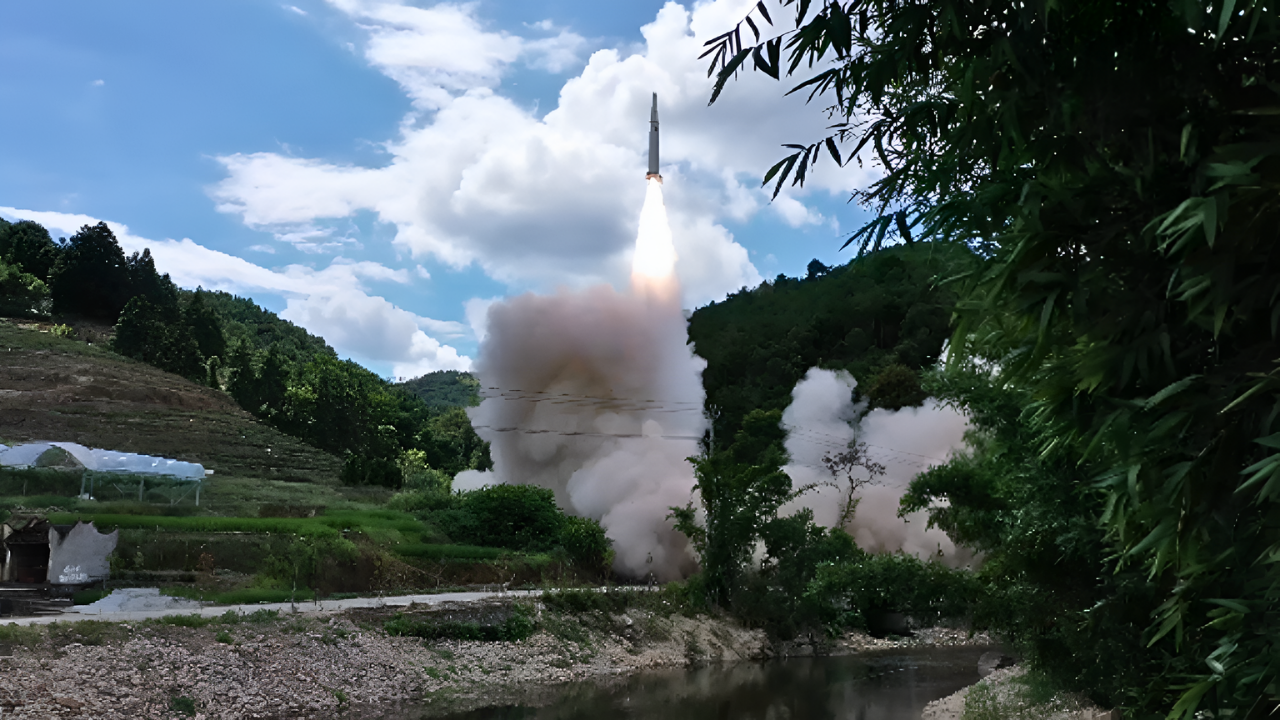
China launched its 2026 training cycle on January 4, 2026, pairing advanced systems like hypersonic missiles, stealth aircraft, and autonomous platforms with joint operations across land, sea, and air. The drills stretch from coastal naval bases near Qingdao to distant maritime zones and high plateau terrain, emphasizing multi-service coordination, nighttime operations, and drone integration. The timing matters, especially after the late 2025 signals around Taiwan.
A Year That Started On Day 1
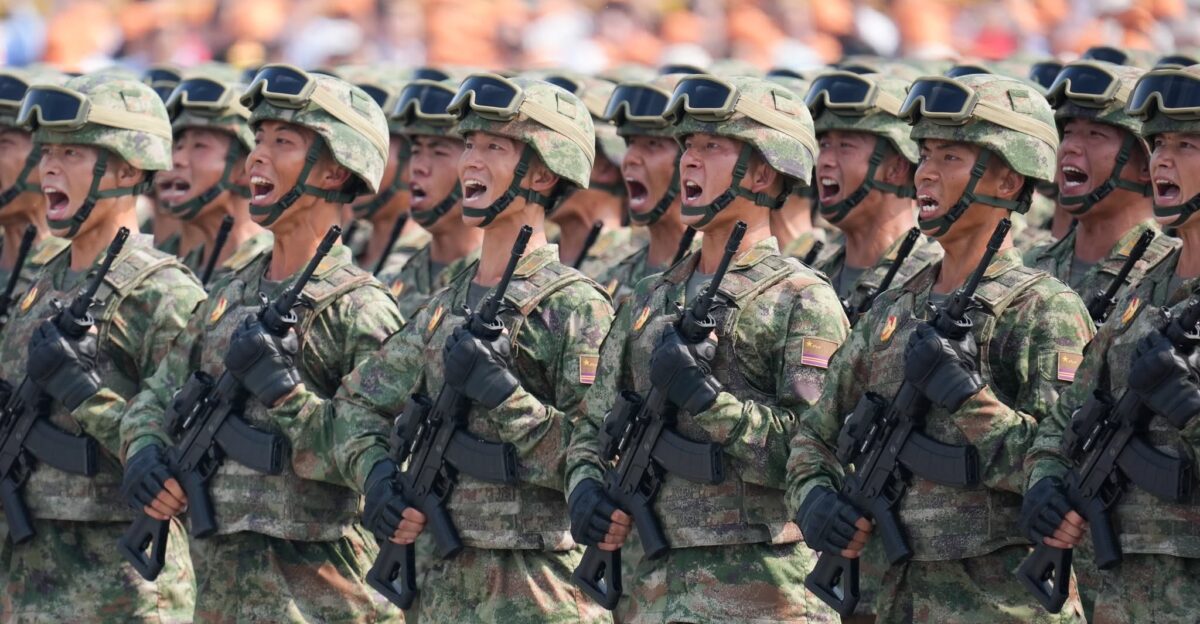
The PLA began on January 4, 2026, the first business day of the year, signaling urgency and momentum. State-linked reporting described complex scenarios spanning air combat, naval gunnery, and ground assaults in varied terrain. The message was readiness through repetition, not one-off demonstrations. Yet the most striking detail was how familiar the Taiwan backdrop felt from just days earlier.
The December Drill Still Loomed Large
Just before the 2026 cycle, China conducted “Justice Mission 2025” from December 29 to 30, 2025, simulating a blockade of Taiwan. It was widely assessed as among the largest Taiwan-focused drills since “Joint Sword” began in April 2023. Air, naval, and rocket components worked in tandem under the Eastern Theater Command, setting a template that 2026 training could build upon.
Sorties That Pushed Past Old Boundaries
Taiwan tracked about 60 sorties in the 24-hour period ending 6:00 AM on December 30, 2025, including fighters, bombers, drones, and support aircraft. Of those, 44 crossed the Taiwan Strait median line. The next day showed 71 sorties, with 35 crossing. Such numbers matter less than the pattern they reveal about operational comfort in contested airspace.
A Blockade Looked Like Ships, Too
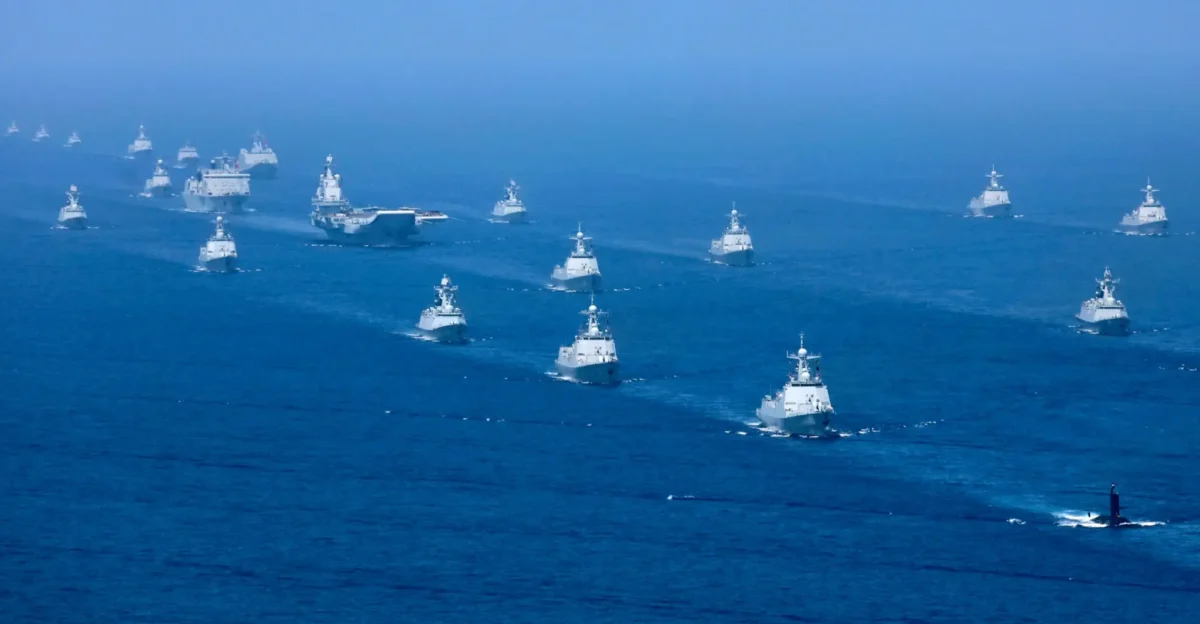
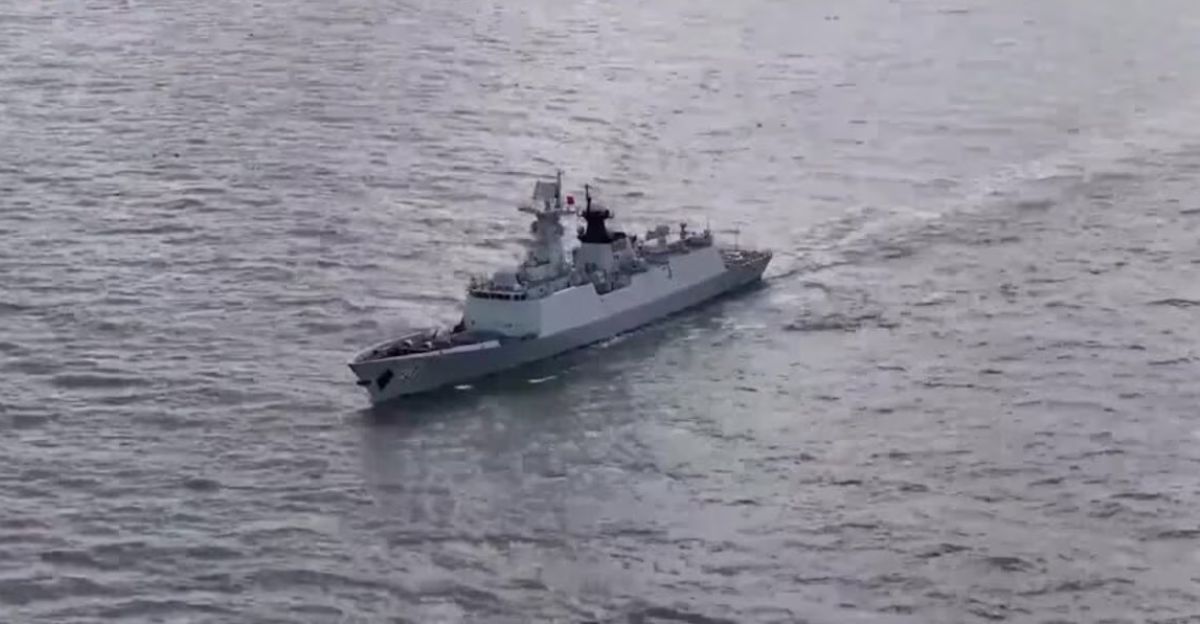
The naval picture was equally pointed. On December 29, approximately 14 PLA Navy ships operated near Taiwan, with 11 entering the 24 nautical mile contiguous zone, which is approximately 44.4 kilometers or 27.5 miles. On December 30, 13 navy vessels and 15 China Coast Guard ships appeared, with 11 navy and 8 coast guard entering that zone. The choreography hinted at endurance.
Rockets Aimed Near Key Ports
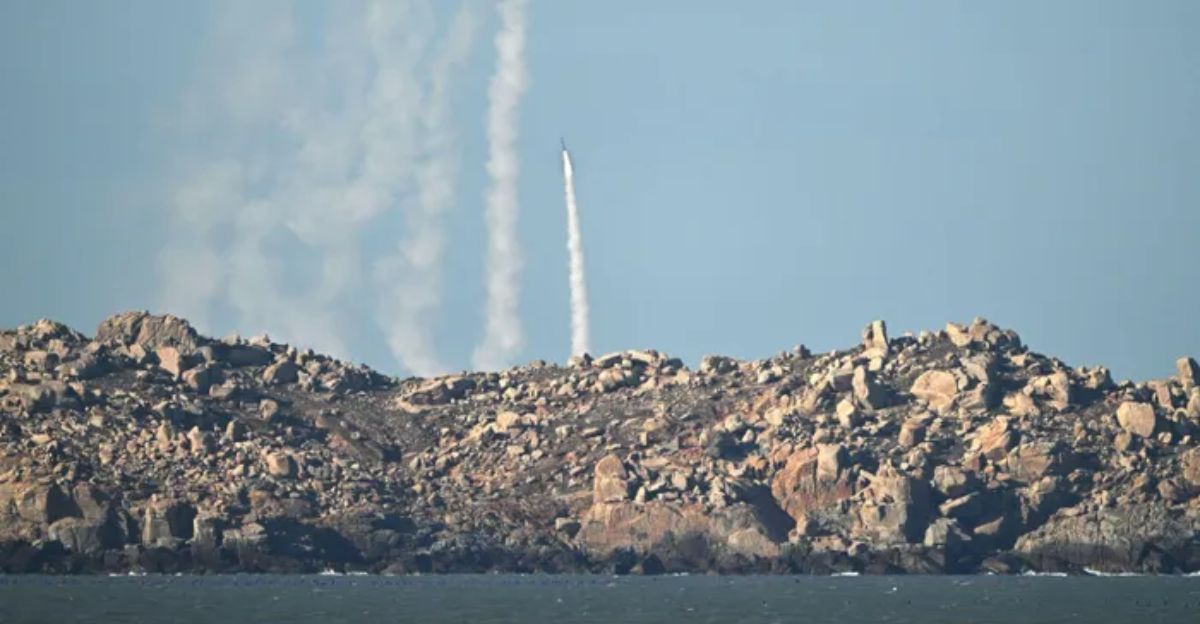
Live-fire rocket artillery added weight. On December 30, 2025, PLA units fired 17 rockets into an exercise zone north of Taiwan near Keelung, then 10 rockets into a zone west and southwest near Kaohsiung. Impacts occurred between 0900 and 1300 local time. The intent looked less like symbolism and more like rehearsing pressure points that shape shipping decisions.
Civil Aviation Felt The Shockwaves

Taiwan reported the declared exercise areas cut across major civil aviation corridors, disrupting daily life beyond military circles. On December 30, 2025, alone, 941 commercial passenger flights were canceled or disrupted, according to Taiwan’s government. That disruption underscored how a blockade simulation can impose costs without a single landing. However, the naval platforms used suggested another layer of escalation.
The Destroyers Built For Multi-Mission War
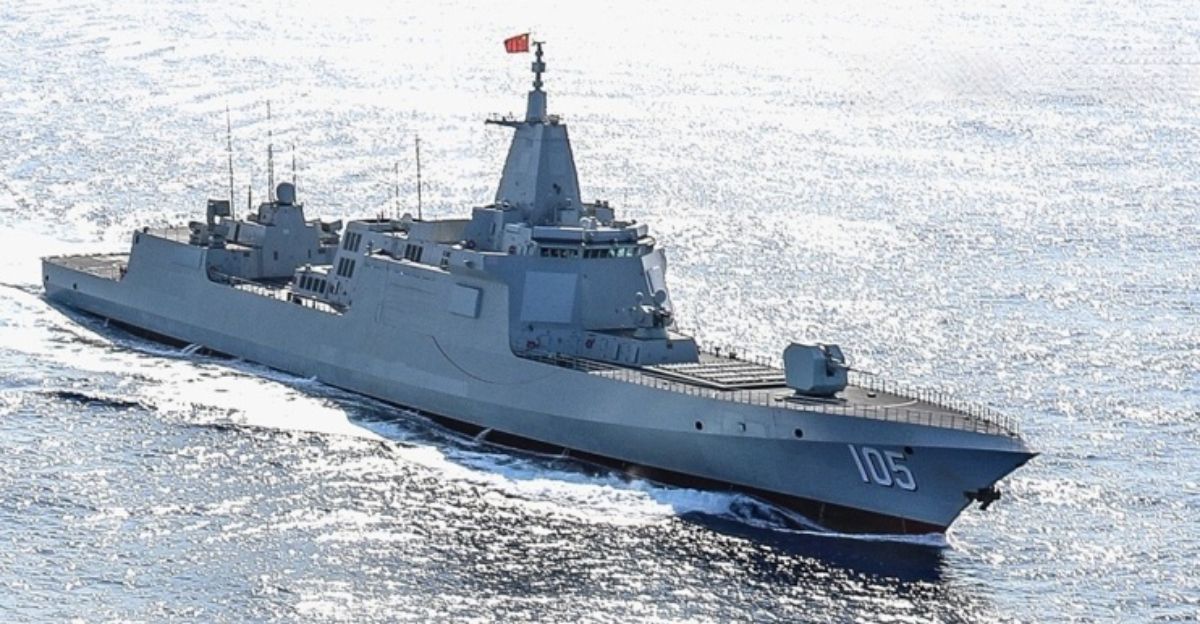
Reporting highlighted advanced ships, including Type 055 Renhai-class and Type 052D Luyang III-class destroyers. Type 055 displaces about 12,000 to 13,000 tons at full load, measures roughly 180 meters, and carries 112 vertical launch system cells for air defense, anti-ship, land-attack, and anti-submarine weapons. Its role in drills raised a question: what would follow after surface dominance was shown?
Amphibious Moves Were Hard To Miss
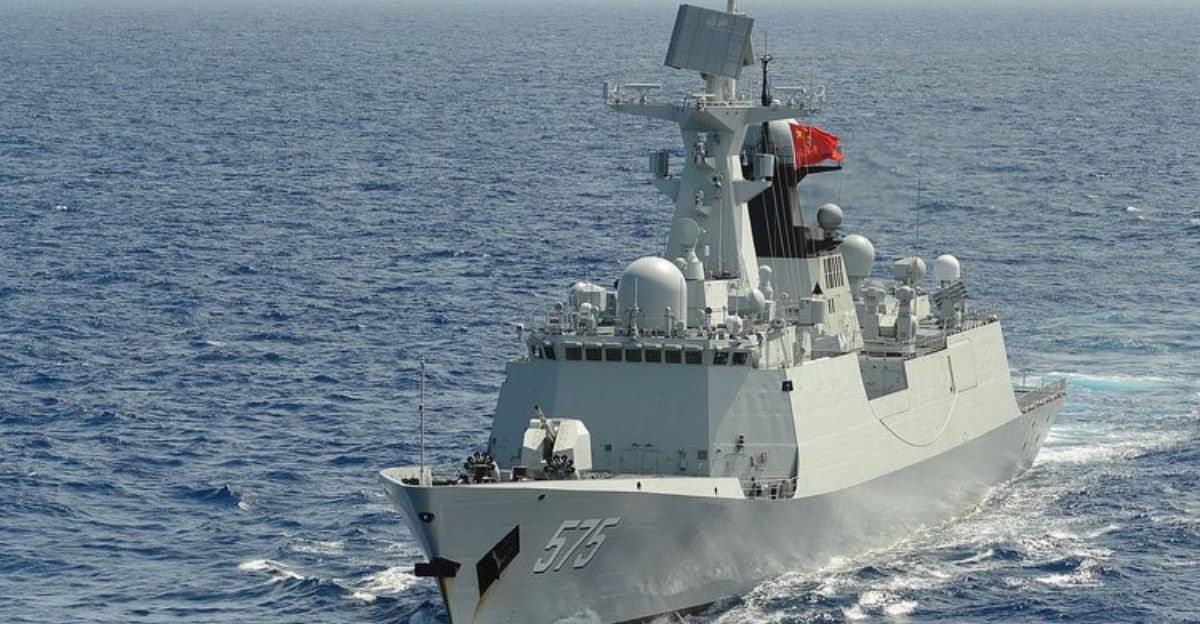
Amphibious ships operated east and southeast of Taiwan during the December 29 to 30 window. Drills involved personnel boarding and helicopter transport, a practical skill set for rapid insertion or assault support. PLA-released footage showed what appeared to be marine or specialized amphibious personnel training for boarding procedures. Those visuals mattered because blockade narratives can quickly shift toward landing options under the same air and sea umbrella.
Beijing Tied Drills To Politics And Arms
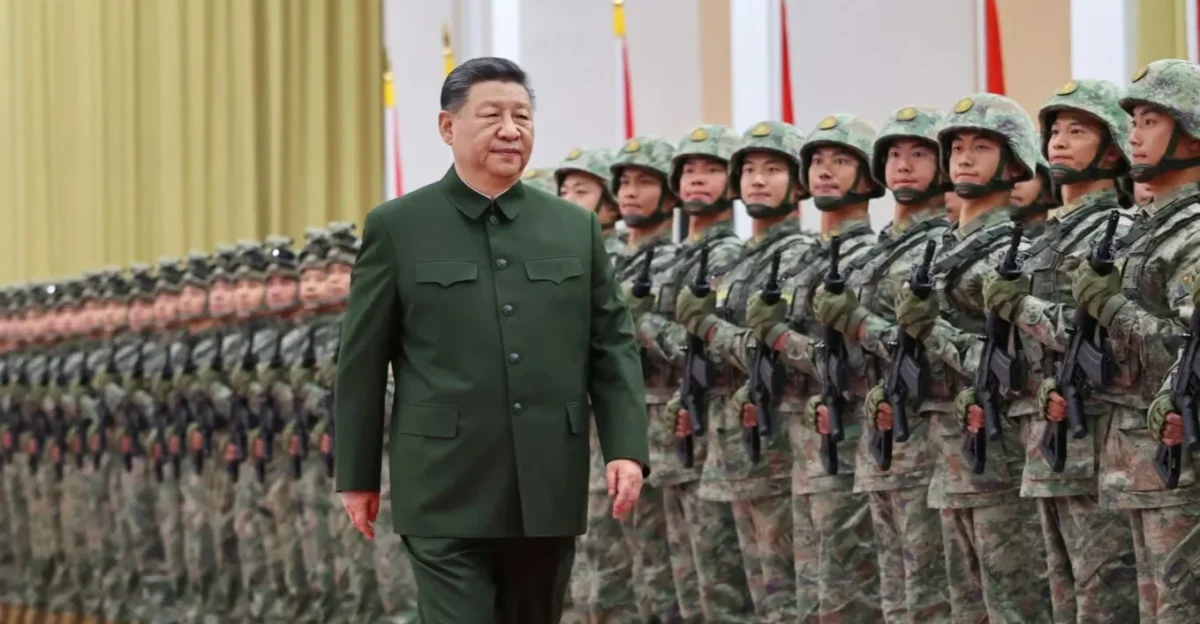
China framed “Justice Mission 2025” as a response to Taiwan President Lai Ching-te’s administration and linked it to a mid-December 2025 $11.1 billion U.S. arms package announcement and delivery expectations. At a Foreign Ministry press conference on December 29, spokesperson Lin Jian connected the exercises to sovereignty and separatism. That context set the stage for 2026 training to look like a continuation, not a reset.
From Demonstration To Daily Training
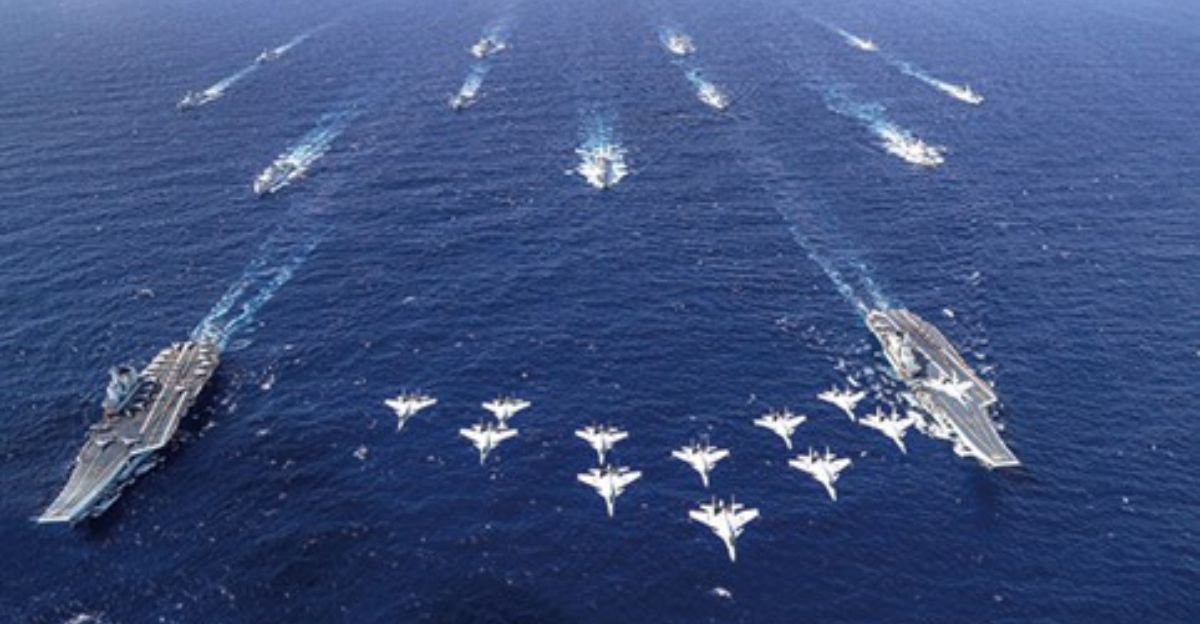
January 2026 shifted from big signals to sustained proficiency. The PLA emphasized joint operations across land, sea, air, and space, focusing on synchronizing services into unified formations. Units such as the 79th Group Army ran live-force small-unit drills on seizing hostile positions across plateaus and elevated regions. These were not cinematic set pieces; they were repetitions designed to make integration routine, especially as new systems entered the cycle.
The J-20 Took Center Stage Again
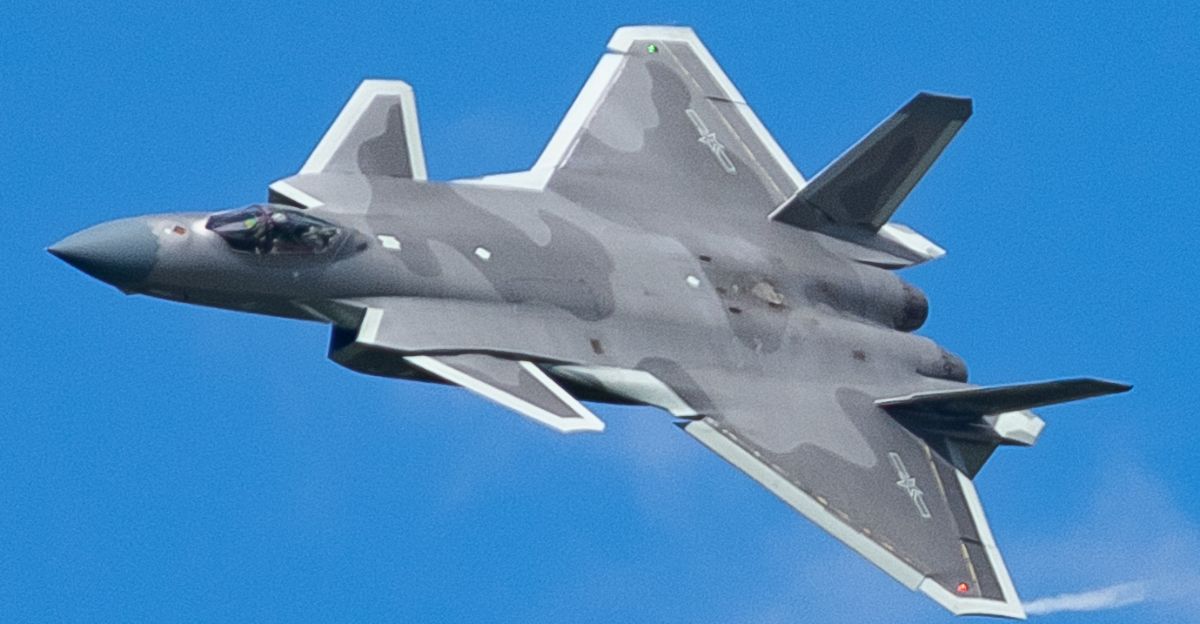
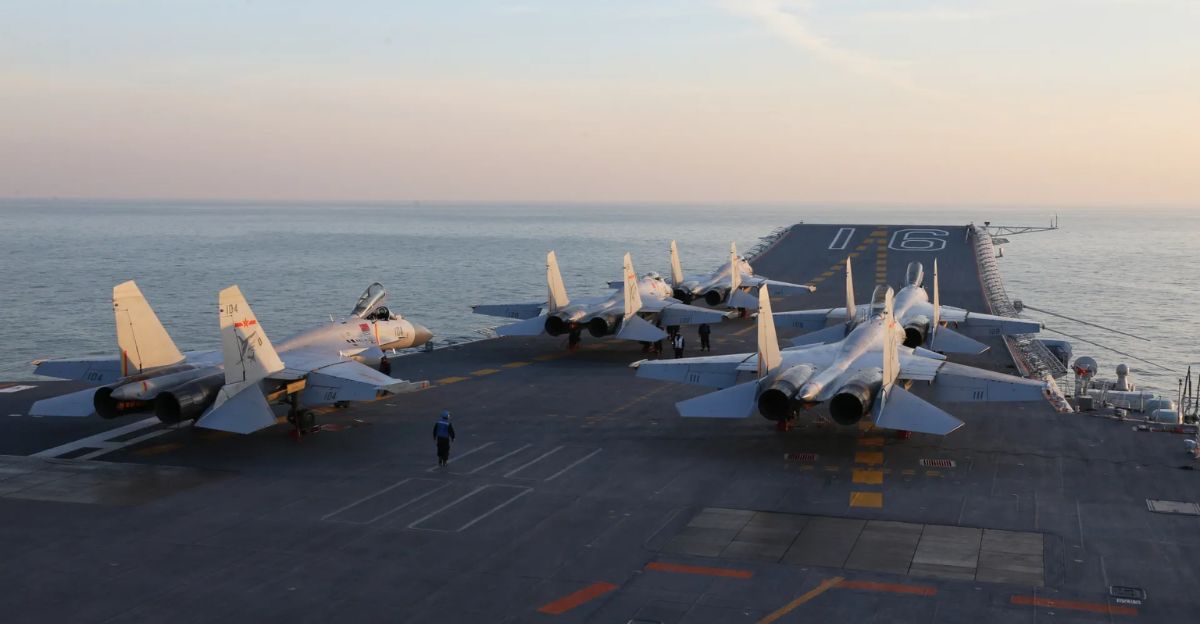
The Chengdu J-20 stealth fighter, in service since about 2017, featured prominently in the 2026 cycle. Designed as a counter to the U.S. F-22 and F-35, it blends low-observable shaping with AESA radar and electro-optical targeting systems for long-range detection and engagement. Its training value is not just combat, but coordinating with other domains, which becomes crucial once missile timelines shrink.
What Makes The J-20 So Maneuverable?
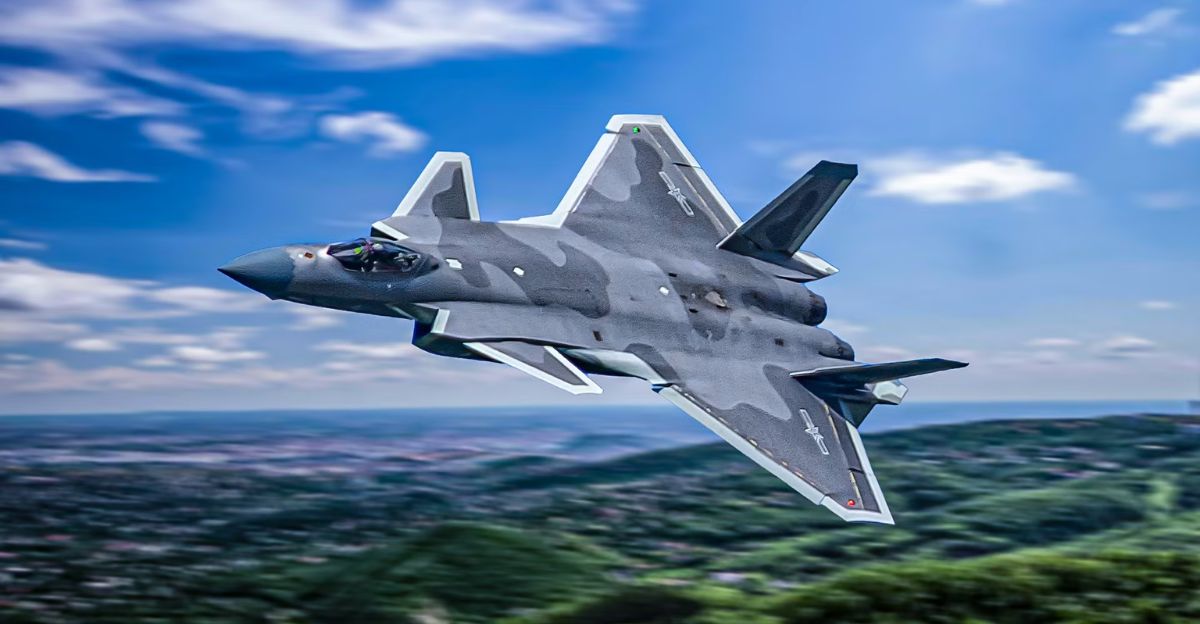
The J-20’s design emphasizes high instability controlled by advanced flight systems. Canards forward of the main wings give pitch authority at high angles of attack, expanding the flight envelope for close engagements. Its weapons include long-range PL-15 or PL-21 missiles, plus short-range missiles in lateral bays that help preserve stealth. In November 2024, AVIC announced a twin-seat J-20S variant, hinting at manned-unmanned teaming ambitions.
Robots Entered The Tactical Picture

Autonomous systems became a signature element. Quadruped robots appeared in training narratives, building on May 2024 state media footage from China-Cambodia exercises. In that footage, personnel said robots were capable of “serving as a new member in our urban combat operations, replacing humans in reconnaissance and target strikes”. This is not just gadgetry; it suggests doctrinal experimentation about who takes first contact, and who stays back.
Military-Civil Fusion In Real Purchases
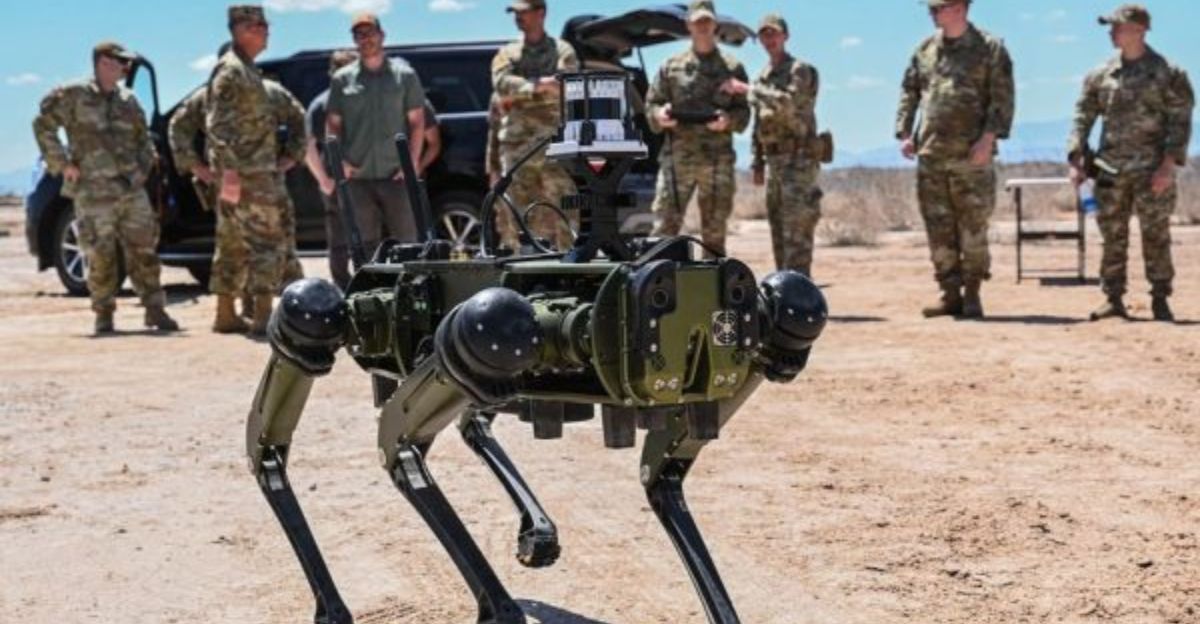
The robotics storyline connects to “military-civil fusion,” linking civilian innovation to defense goals. Despite Unitree’s pledges not to weaponize its products, reporting cited sales to universities with military contract histories and partnerships with firms subject to U.S. export restrictions. In March 2026, Tongji University purchased approximately $1.15 million in Unitree robots, including 10 humanoids, for research and training purposes. Analysts warn that such channels can obscure end use, raising a natural question: how do drones fit into this same ecosystem?
Three Drone Types, One Tactical Plan

The 2026 cycle highlighted 3 drone categories working together. Drones capable of dropping bombs carry ordnance for strikes and can relay targeting information. Smoke-laying drones dispense obscurants to conceal movements and complicate observation. Suicide FPV drones fly explosive payloads into targets for precision impacts. This mix demonstrates training that extends beyond mere drone presence to combined-arms unmanned tactics. The next step is to observe how pilots and sailors train when these systems compress decision-making time.
Training For Fights Beyond Visual Range

Air training included beyond-visual-range engagements where pilots rely on radar and infrared sensors rather than sight. It also included nighttime aerial refueling, which requires precision formation flying in darkness using infrared and other aids, as well as extended-duration flight missions that test endurance and maintenance. These modules matter because they enable sustained operations over Indo-Pacific distances. Yet the maritime side was equally revealing in what it practiced and what it assumed might get hit.
Naval Gunnery And Narrow Waterways
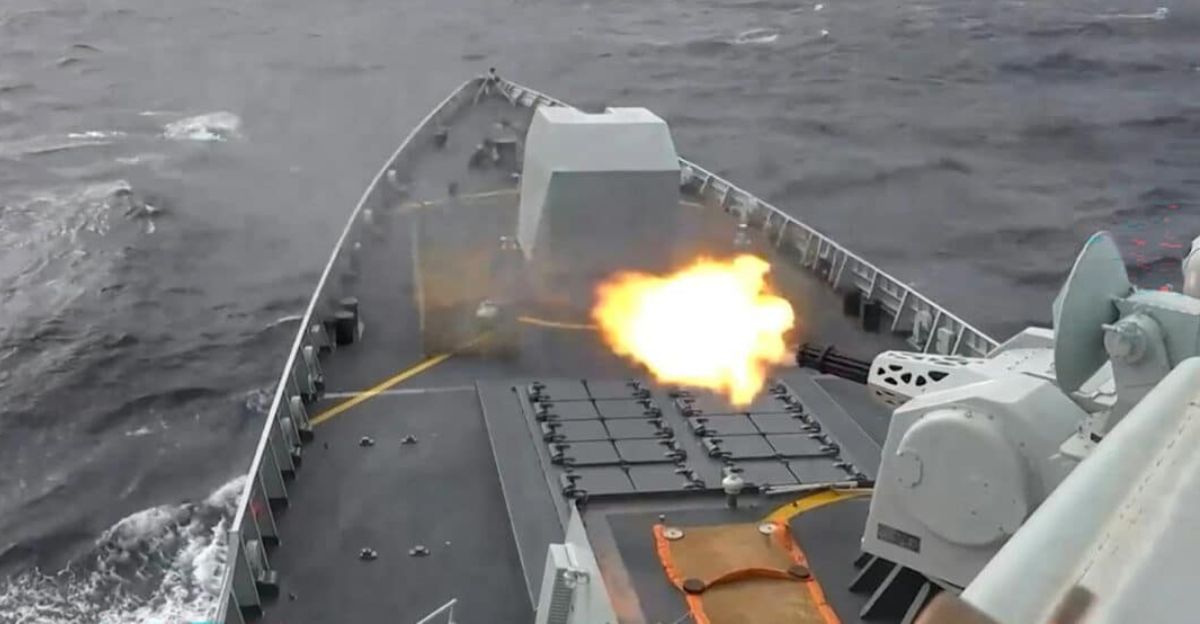
Naval drills emphasized gunfire against surface and coastal targets, a capability relevant to coastal operations and sustained bombardment. Crews also practiced narrow channel navigation, echoing the Taiwan Strait’s constraints of about 130 kilometers at its widest and 70 kilometers at its narrowest. Additional scenarios included power failures and water leakage incidents to rehearse damage control under pressure. That focus on survivability suggests planners anticipate contested waters, not permissive cruising.
Countering Divers And Special Forces

Training also included anti-frogman ordnance operations aimed at detecting and engaging underwater infiltrators. This reflects concern about sabotage or special operations threats near ports, ships, and installations. The emphasis ties back to how quickly external forces can appear during crises, a lesson reinforced by the regional reactions around August 2022 drills after Nancy Pelosi’s Taiwan visit. However, the capability drawing the most global focus was not underwater at all, but above it.
The DF-17 Became A Routine Tool
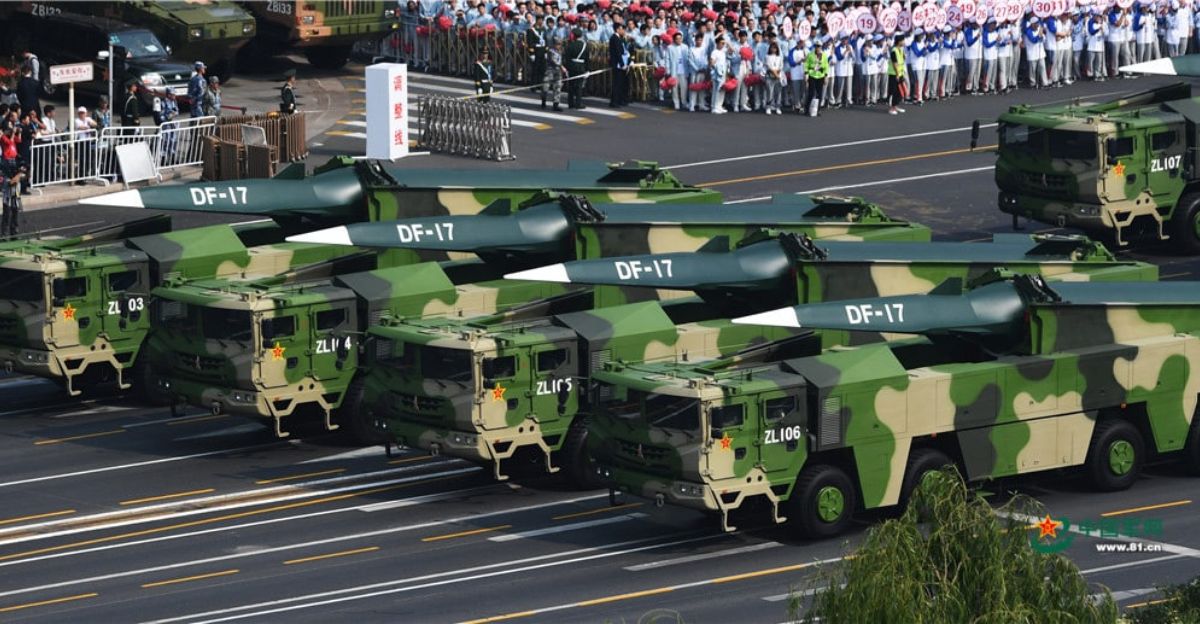
DF-17 hypersonic systems were displayed at the September 3, 2025 Victory Day parade, but their reported integration into 2026 training signaled operational normalization. Instead of a rare strategic showcase, hypersonics were integrated alongside fighters, destroyers, drones, and robots in a comprehensive architecture. In a conflict model, DF-17 strikes could suppress air defenses or target maritime assets while drones scout and aircraft exploit openings. That integration points back to the long development arc behind DF-17.
A Decade Of Testing Led Here
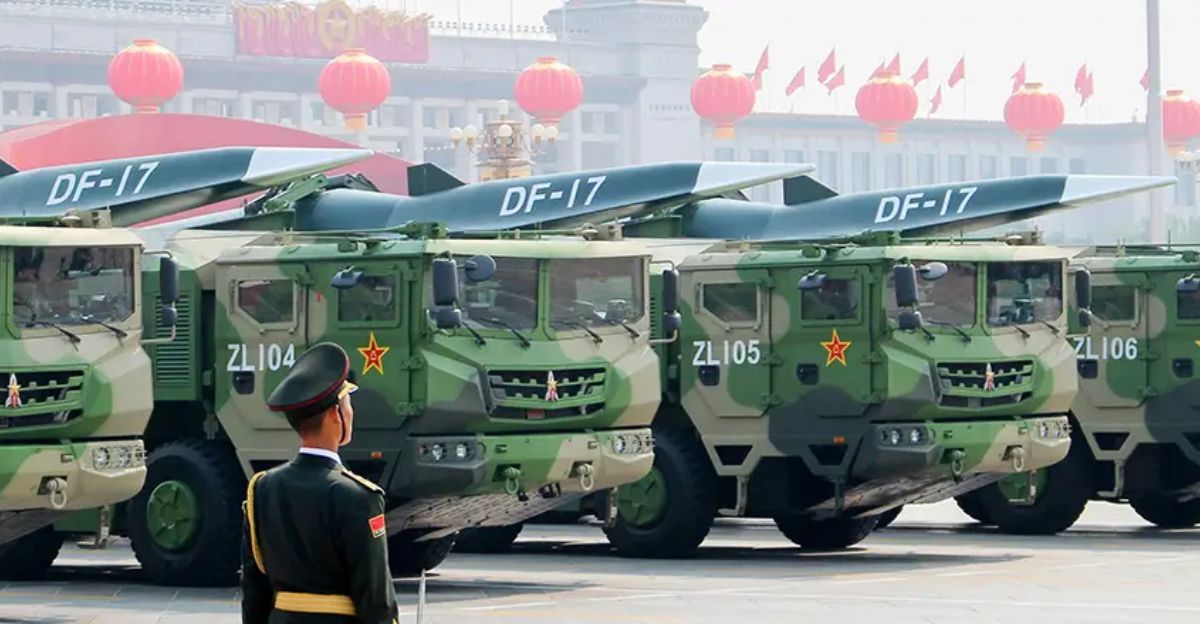
The DF-17 story began with DF-ZF testing first confirmed in January 2014, initially known as Wu-14. Between January 2014 and November 2017, China conducted at least 9 flight tests at Taiyuan in Shanxi. On August 7, 2014, the missile failed when it broke apart, but later tests reportedly showed “extreme maneuvers” and “evasive actions.” A November 23, 2015, test crossed Mach 5, signaling hypersonic maturity.
Sources
Pentagon Assessment of Chinese Military Developments. U.S. Department of Defense Report to Congress, 18 December 2024
PLA Justice Mission 2025 Exercise Details. Institute for the Study of War, 31 December 2025
Strategic Support Force Reorganization. People’s Liberation Army Official Website, 19 April 2024
Military Drill Analysis. Defense News, 08 January 2026
Chinese Military Training Operations. Global Times, 04 January 2026