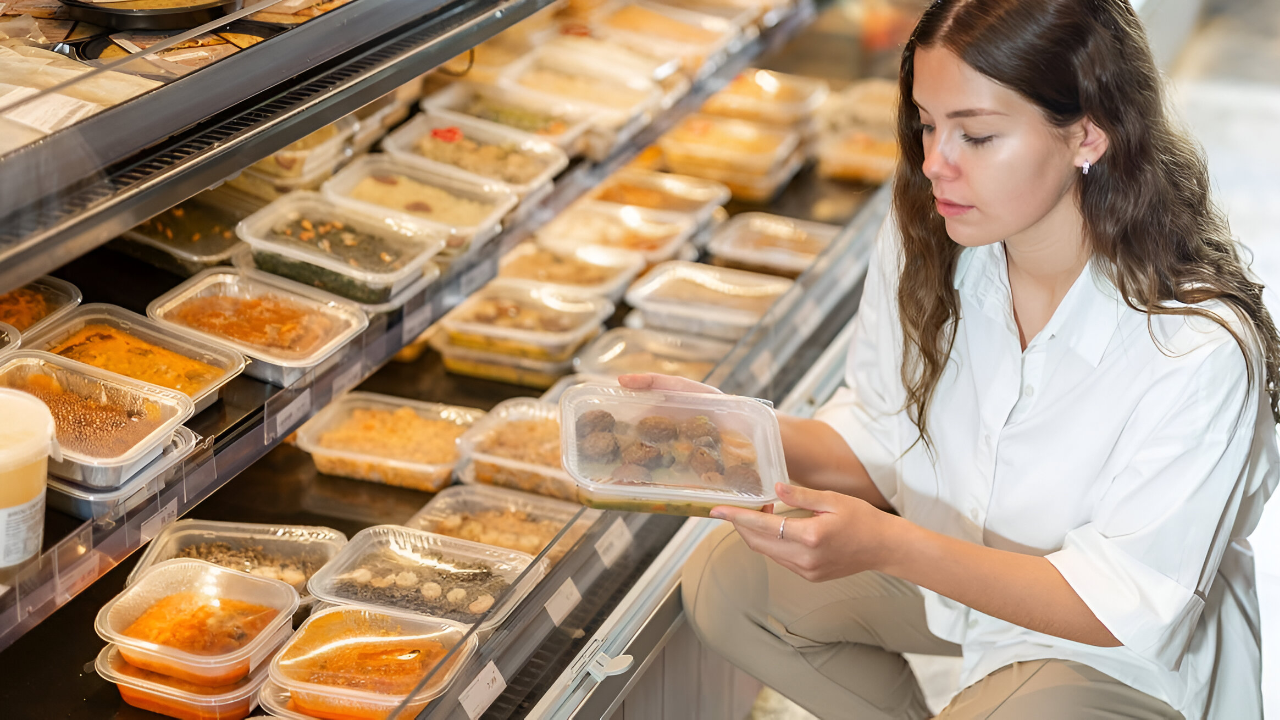
An emergency recall is sweeping grocery stores as the CDC urgently removes prepared pasta meals from shelves after a deadly listeria outbreak was tracked to these products.
Since late September, retailers in 15 states have scrambled to pull affected meals while consumers anxiously seek updates. According to the CDC’s ongoing investigation updates, health officials are working around the clock to contain the outbreak.
Major Grocery Chains Act Swiftly to Contain Crisis
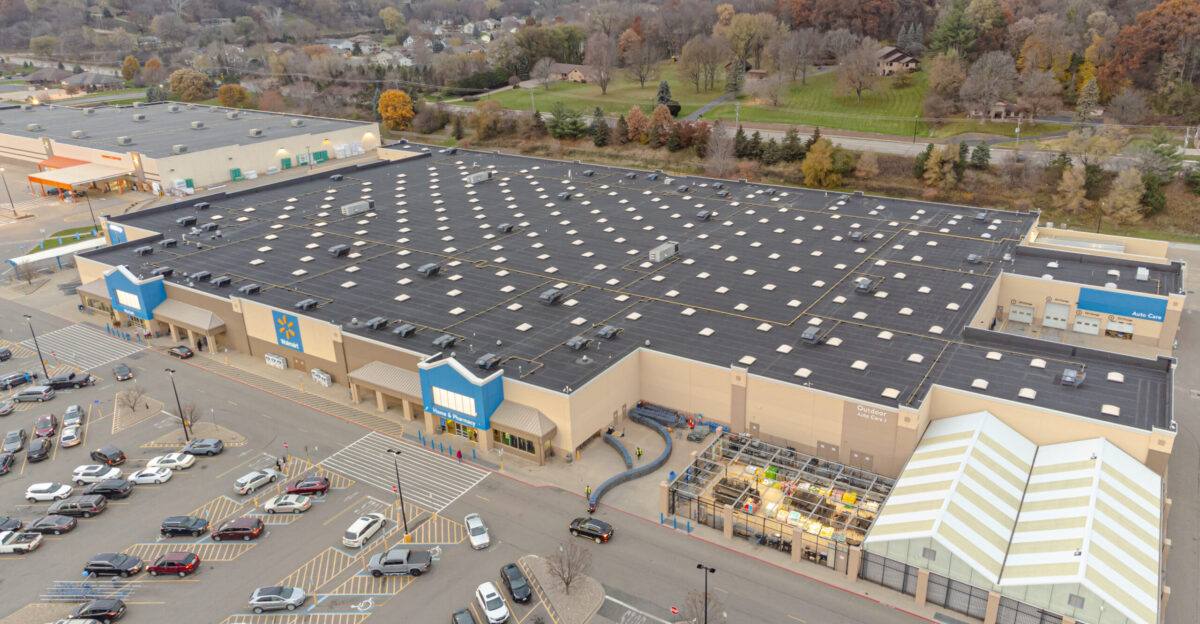
Walmart, Trader Joe’s, Kroger, and Albertsons have become central players in the unfolding recall. Managers and staff have been urgently identifying and discarding potentially contaminated meals, highlighting the swift ripple effect a food safety emergency can have on day-to-day life.
Retail spokespeople confirmed their full cooperation with federal agencies to protect public health.
Real-Time Public Health Crisis Unfolds
This recall goes beyond routine removals; it reflects a serious ongoing health threat. More than 20 individuals have fallen ill so far, and health officials are preparing for additional cases as the incubation period for listeria symptoms can extend for weeks.
According to federal health warnings, families are advised to check their refrigerated meals carefully,
Rising Human Toll Heightens Concerns

The outbreak has tragically resulted in four deaths, including a fetal loss. This grim development has elevated concern among medical experts, especially for pregnant women, seniors, and immunocompromised individuals, who face the greatest danger from listeria infection.
Experts stress that vigilance is crucial as the investigation continues to unfold.
Outbreak Timeline Expands Over Several Months

This public health emergency traces back to June, when investigators first noted a cluster of listeria infections linked to pasta meals. However, case numbers surged dramatically in late September, resulting in an expanded recall and intensified public warnings.
Officials update the public regularly as new cases and states emerge on the list.
Range of Recalled Pasta Meals Detailed
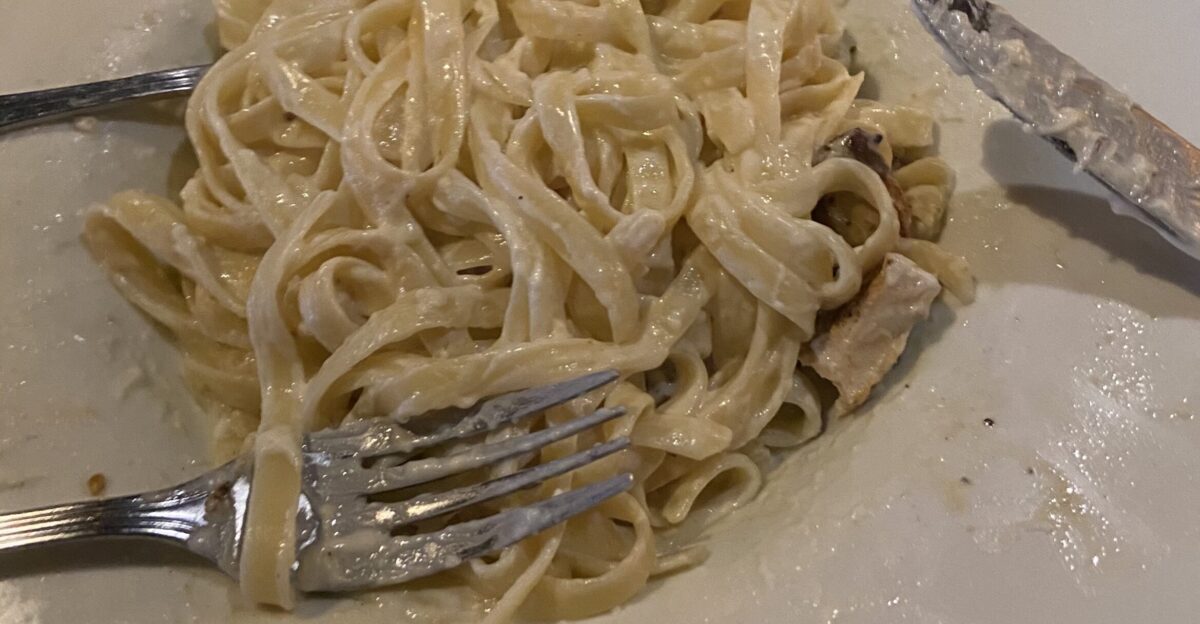
Recalled products include popular ready-to-eat items such as chicken fettuccine alfredo and meatball linguine, sold primarily under the Marketside and Trader Joe’s brands.
These refrigerated meals, packaged in clear plastic containers, carry “best by” dates from September through October and are widely used by consumers seeking convenience.
Federal Agencies Urge Swift Consumer Action

According to the joint advisory from the CDC, FDA, and USDA, consumers should immediately discard all recalled pasta products bearing specific lot or batch numbers to ensure safety. The recalled batches include those with establishment numbers “EST. 18949” and “EST. 81377” printed inside the USDA inspection mark and “best by” dates ranging from September 1 through October 14, 2025.
These details were highlighted in multiple official statements, reinforcing the importance of discarding all products matching these identifiers and thoroughly sanitizing any surfaces or utensils that may have contacted the recalled foods, due to listeria’s known resilience in refrigerated environments.
Broad Geographic Reach of Outbreak

This outbreak has public health departments on high alert and is now affecting 15 states nationwide, including California, Arizona, Texas, Michigan, Florida, Illinois, Indiana, Louisiana, Minnesota, Missouri, Nevada, North Carolina, Ohio, South Carolina, Utah, and Virginia.
Health officials caution that the situation may be even more widespread, as listeriosis symptoms can be delayed and many cases go unreported. According to the CDC, state and federal health departments are coordinating ongoing investigations and daily updates to identify and track additional new cases as they emerge.
Confusion Around Product Identification Persists

Despite detailed recall notices from retail chains and government agencies, consumers face challenges in distinguishing between affected and unaffected products.
Overlapping “best by” dates and USDA inspection numbers require careful label checking. Public health officials encourage consumers to err on the side of caution and discard suspect pasta meals even if unopened.
Retailers Ramp Up Recall Efforts and Sanitation
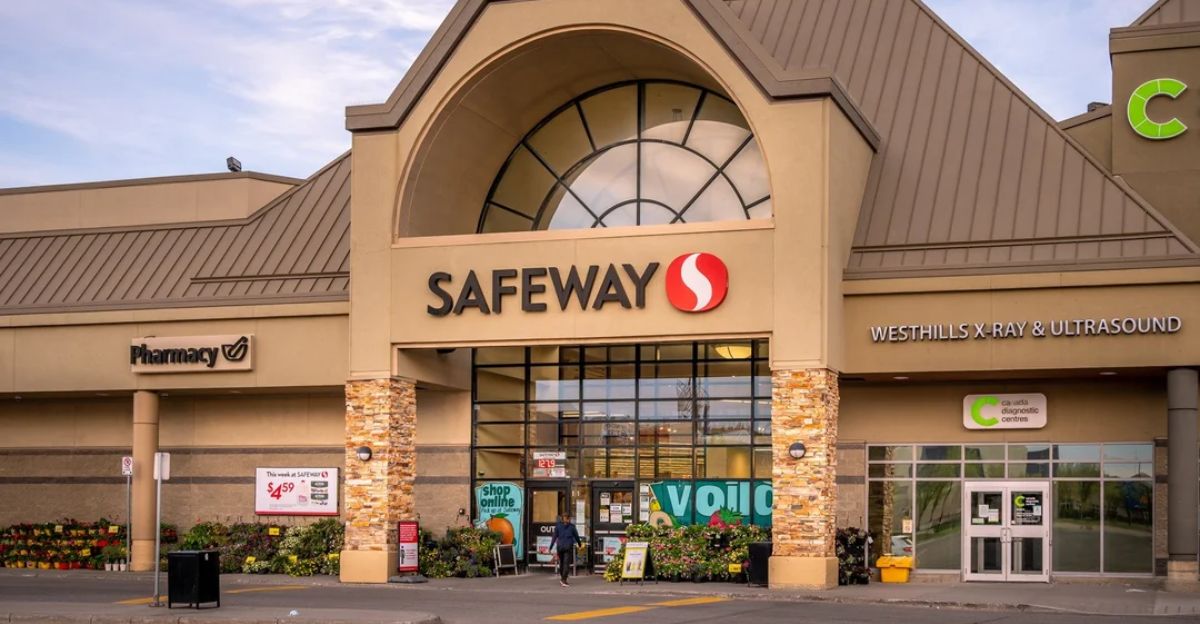
Leading grocery chains such as Albertsons, Safeway, and Vons swiftly expanded their recalls to include certain pasta salads shared by common suppliers. Employees have coordinated efforts to extensively clean deli areas.
Retailers have enhanced communication channels to educate and assist customers impacted by the recall.
Link to Listeria in Pasta Confirmed with Genetic Testing
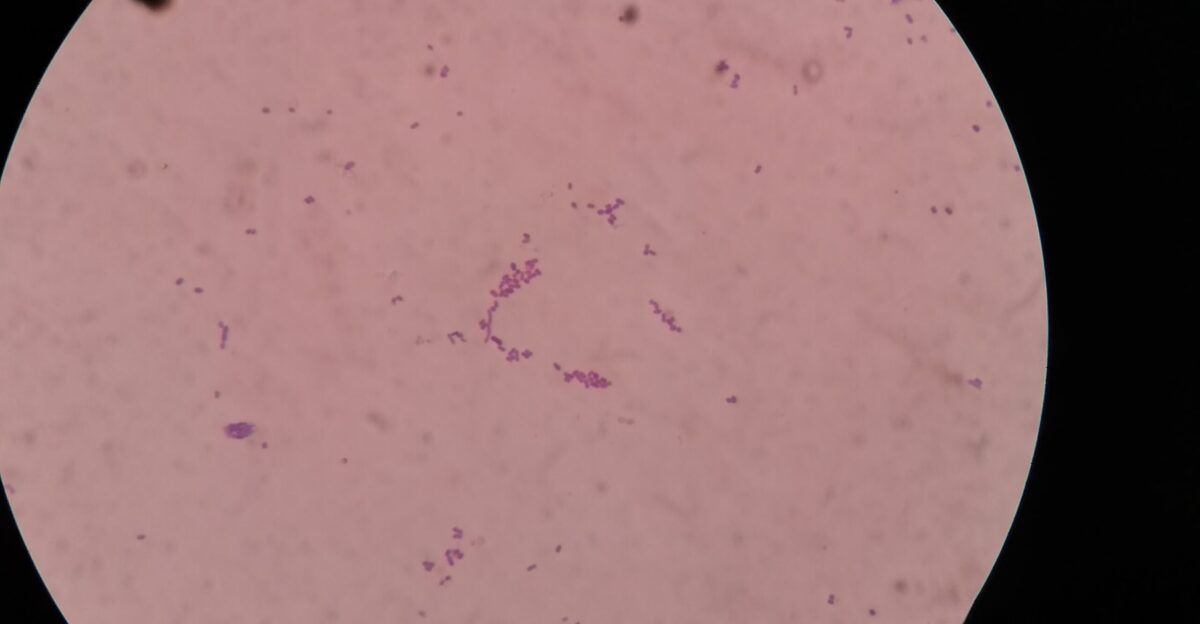
Investigators identified Listeria monocytogenes, a remarkably resilient bacterium, as the culprit contaminating recalled pasta meals.
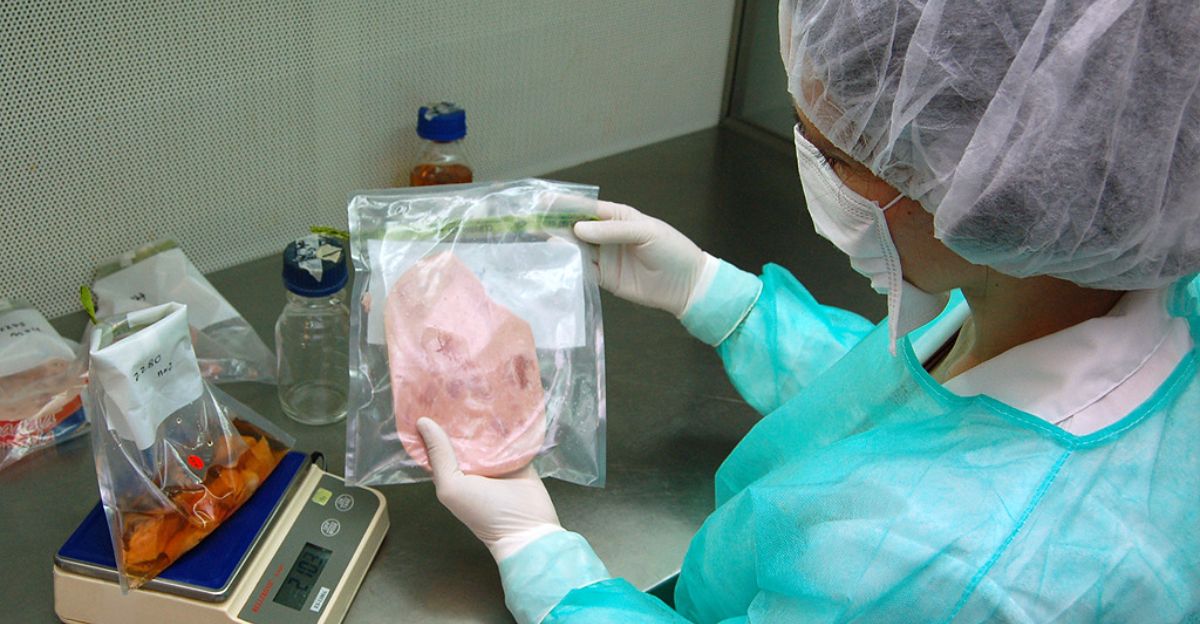
Advanced genetic fingerprinting techniques connected the bacteria found in pasta batch samples with those isolated from infected patients, confirming the source and informing the scope of the recall.
Listeria’s Resistance to Cold Environments Heightens Risk
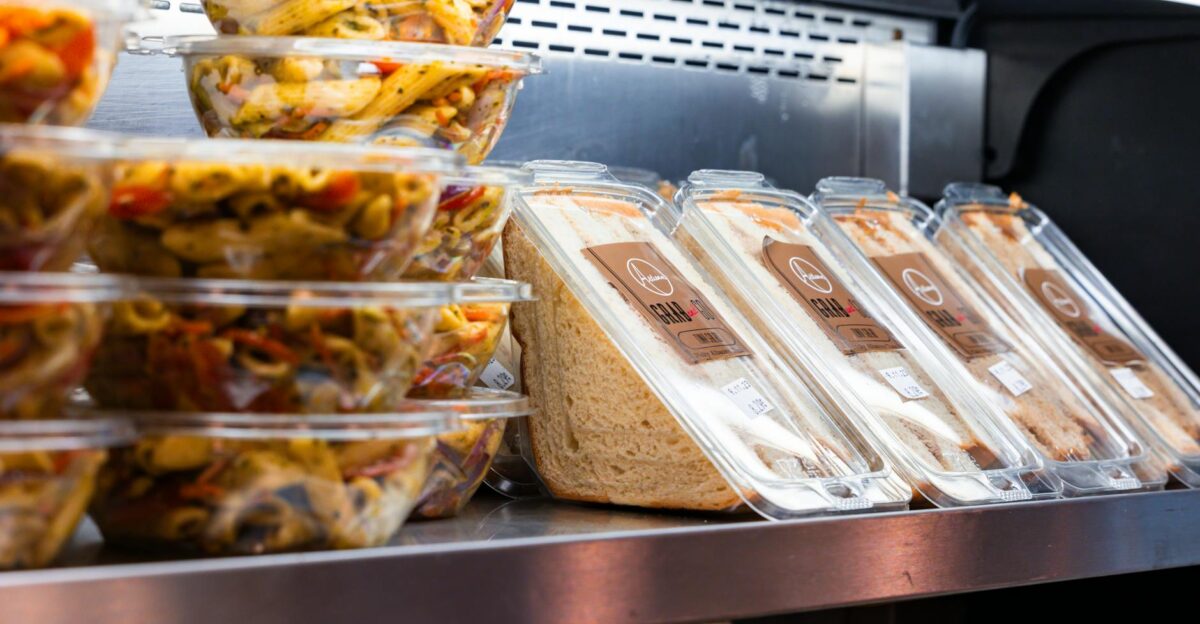
Unlike many pathogens, listeria thrives even in refrigerated conditions, putting ready-to-eat deli products at special risk.
Federal guidance stresses that thorough cleaning is as essential as disposal of contaminated products. Officials warn that even unopened containers could pose hazards unless proper precautions are maintained.
Listeria’s Annual Impact in the U.S. underlines Severity
According to CDC disease burden estimates, listeriosis causes roughly 1,250 illnesses and about 170 deaths yearly in the United States, reflecting a smaller but more severe share of foodborne disease overall.
CDC outbreak investigations show that refrigerated ready-to-eat foods are frequent vehicles, which helps explain why this outbreak mirrors prior patterns in severity and outcomes.
Health Agencies Expand Scope of Investigation

The CDC cautions that the recall may extend beyond pasta meals. Investigations are intensified to include other refrigerated deli items and pre-packed foods processed at implicated facilities.
Officials urge consumers and retailers to act with caution until further notice as testing continues.
Suppliers Cooperate as Recall Widens
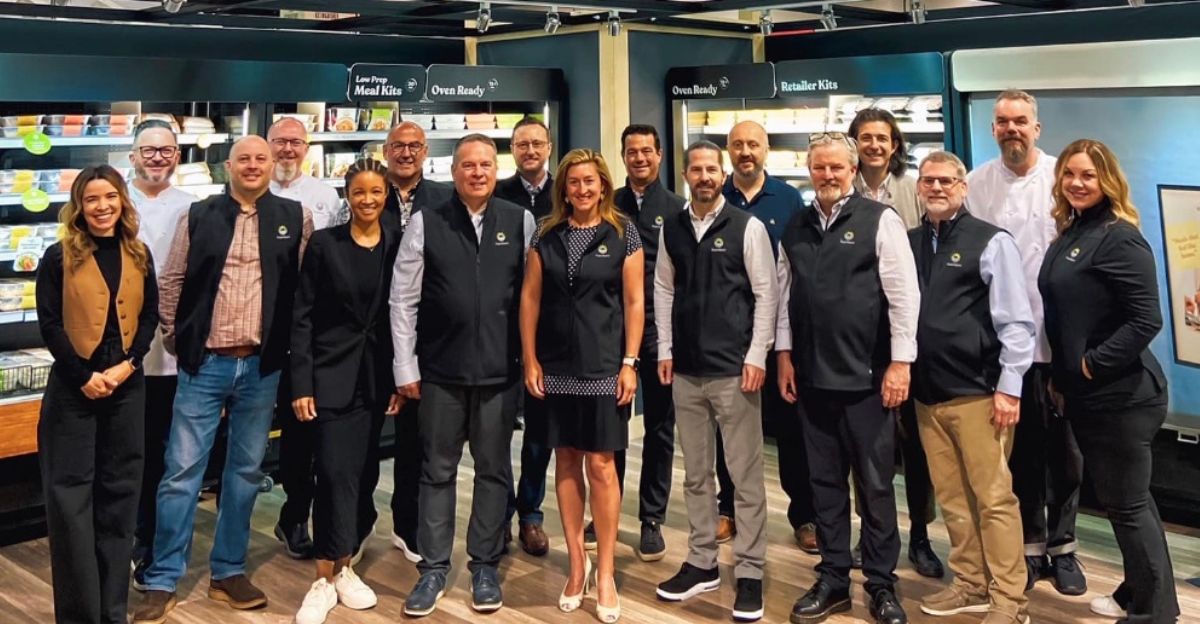
Companies like Nate’s Fine Foods and FreshRealm have voluntarily recalled products and increased sanitation and testing measures in their production lines.
Corporate spokespeople reaffirm their commitment to resolving the crisis in cooperation with federal authorities to protect consumer safety.
Genomic Surveillance Speeds Outbreak Response

State and federal epidemiologists used genomic sequencing to conclusively link patient infections with specific contaminated pasta batches, enabling a fast and targeted recall.
Experts credit these modern techniques with improving outbreak responses significantly, allowing officials to limit distribution and exposure.
Consumer Routines Disrupted Nationwide

The recall has forced millions to rethink their shopping and meal-prep habits. Shoppers scrutinize purchase labels, parents discard ready meals, and retailers handle increased customer inquiries.
The crisis illustrates how an invisible contaminant can profoundly disrupt widespread consumer confidence and behavior.
Heightened Sanitation Practices Now Essential

CDC officials emphasize cleaning work stations, refrigerator shelves, containers, and grocery bags to prevent further spread. Listeria’s ability to survive on cold and damp surfaces requires more than routine cleaning, prompting households and stores alike to adopt more rigorous hygiene protocols amid ongoing public health efforts.
Online Tools Provide Consumer Guidance

The FDA and CDC maintain searchable recall databases, enabling consumers to cross-reference product UPC codes and best-before dates.
Rising traffic to these tools highlights growing public concern and proactive engagement, as families seek to avoid exposure to this dangerous bacterial outbreak.
Prompt Medical Attention Can Save Lives

Health authorities stress that anyone who has consumed recalled pasta meals and develops fever, muscle aches, or digestive symptoms should seek immediate medical care, particularly pregnant women, the elderly, and immunocompromised individuals.
According to health providers on the front lines, early antibiotic treatment is vital to reduce listeriosis complications.
Vigilance and Transparency Shape Ongoing Response
This outbreak is a stark reminder that listeriosis remains one of the most severe, yet preventable, foodborne illnesses in the United States. The current crisis highlights the urgent need for ongoing vigilance, rapid reporting, and rigorous safety standards throughout the food supply chain.
Only by prioritizing science-driven prevention, transparent communication, and focused consumer education can such tragedies be minimized and public confidence in food safety be restored after an event that has shaken communities across the country.