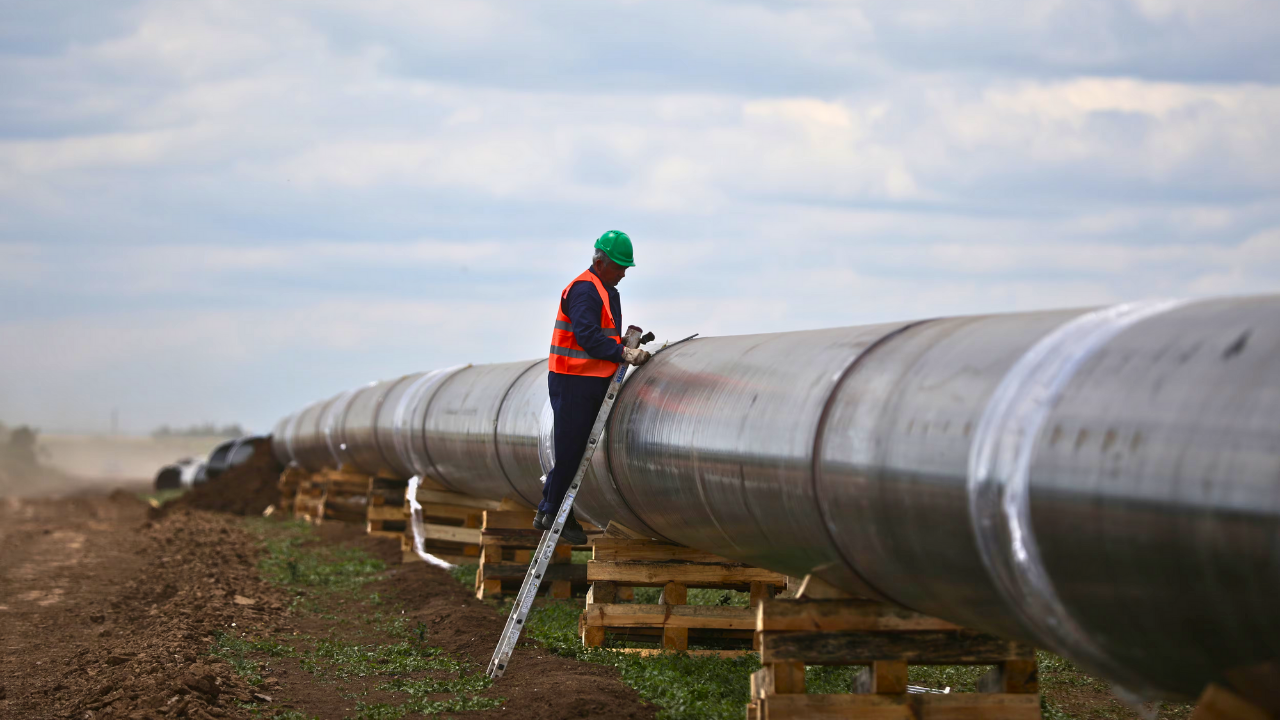
Late into the night, the Burgas refinery—Bulgaria’s sole oil-processing plant—became the center of a dramatic government intervention. The facility, owned by Russia’s Lukoil and responsible for supplying two-thirds of Bulgaria’s fuel, was seized by the state in response to new U.S. and U.K. sanctions targeting Russian energy giants. This marks the first time a NATO-aligned country has directly taken control of a major Russian energy asset since the war in Ukraine began.
Emergency Legislation and Political Tensions
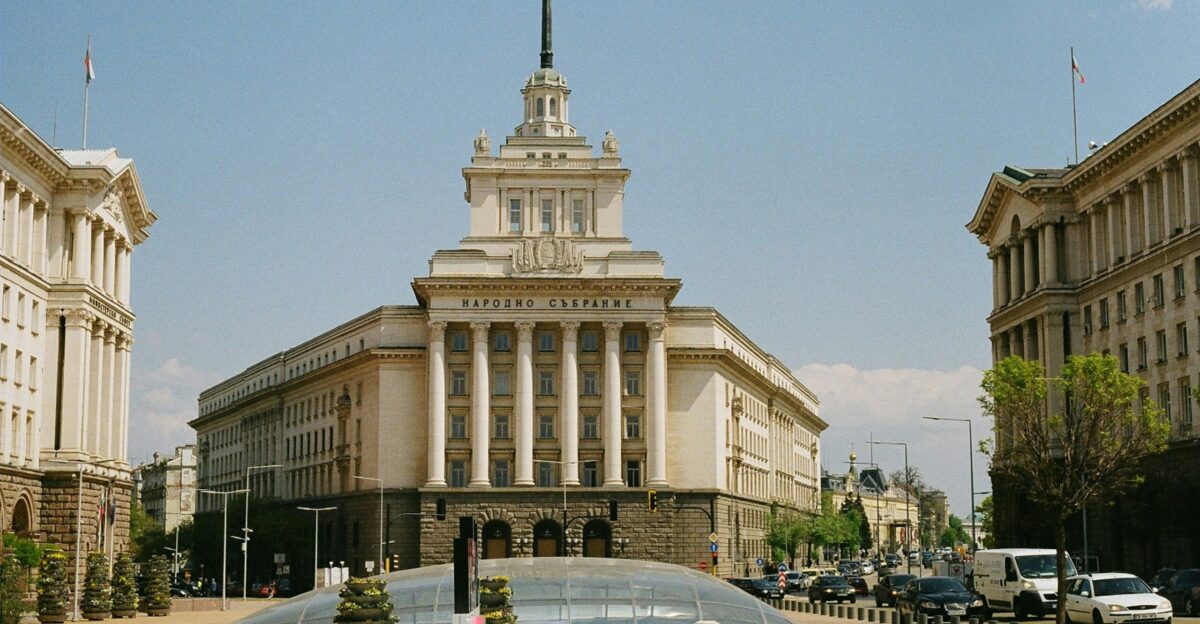
In Sofia, lawmakers moved swiftly to pass emergency legislation enabling the temporary takeover of the refinery. The new law allows the government to appoint a special administrator, effectively stripping Lukoil of its voting rights and ability to appeal. Former Prime Minister Boyko Borissov, whose GERB party led the charge, stated, “There’s logic in this move,” emphasizing the urgency of the situation.
Parliamentary debate was heated. On November 6, legislators voted 125 to 74 to override President Rumen Radev’s veto, enacting the takeover. Government ministers defended the decision as vital for “shielding national energy security.” The move places Bulgaria at the crossroads of Western alliances and its longstanding reliance on Russian infrastructure.
Sanctions and Strategic Shifts
The United States and United Kingdom imposed sweeping sanctions in October against Russia’s top oil producers, Rosneft and Lukoil, aiming to cut off funding for Moscow’s war in Ukraine. These measures froze assets and restricted energy transactions, forcing Bulgaria to act quickly to secure its fuel supply while remaining in step with NATO and EU policies.
The Burgas refinery, valued at approximately $2 billion, is Bulgaria’s largest industrial enterprise. It employs over 1,300 workers and has operated independently since 2000. Oil arrives via the Burgas Rosenetz port and is piped directly to the plant, which produces most of the country’s fuel—a critical link as Bulgaria recalibrates its energy strategy away from Russian sources.
Lukoil’s Influence and European Precedent
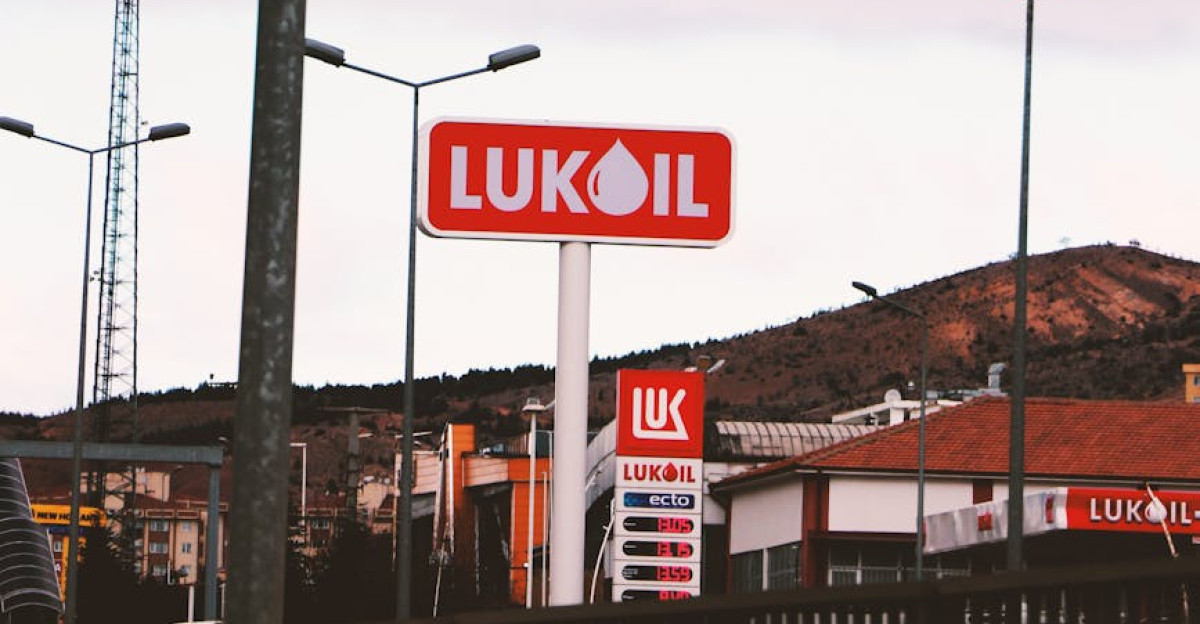
Lukoil acquired the Burgas refinery in 1999 and expanded its reach with more than 200 fuel stations nationwide. According to Radostina Primova, Senior Analyst at the Center for the Study of Democracy in Sofia, “Lukoil supplies two-thirds of Bulgaria’s end-user fuel.” Although Bulgaria halted Russian crude imports in March 2024, Lukoil’s legacy remains deeply embedded in the nation’s energy landscape.
This takeover sets a European precedent. Energy analysts note that Bulgaria is the first NATO-aligned country to seize a Russian energy asset since the Ukraine conflict began. The legal foundation for the move dates to 2023, when Bulgaria introduced provisions for temporary state control of strategic facilities. Officials say these measures now underpin the current nationalization effort amid rising geopolitical and economic tensions.
Global Bidding and Regional Security
Interest in the Burgas refinery is intense. Regional media report that Kazakhstan’s KazMunayGas has bid $1 billion, while Hungary’s MOL Group and Turkey’s Cengiz Holding have also expressed interest. Azerbaijan’s SOCAR is considered a leading contender. Lukoil values its remaining Bulgarian assets at $2 billion, but Swiss trader Gunvor withdrew its bid, citing uncertainty over sanctions.
Across Eastern Europe, countries are coordinating to strengthen fuel networks as sanctions reshape trade routes. Poland, for example, is negotiating to import additional U.S. liquefied natural gas for Ukraine and Slovakia, potentially totaling 4 to 5 billion cubic meters annually. Bulgaria’s refinery move is part of this broader effort to secure non-Russian energy lifelines.
Escalating Sanctions and Energy Warfare
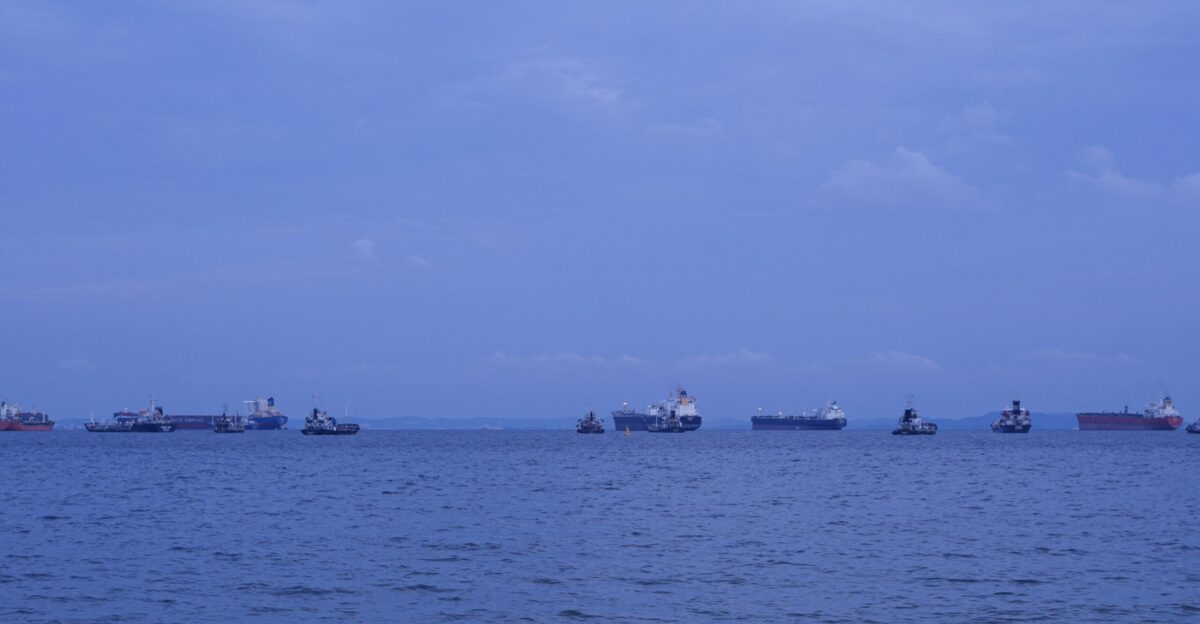
The European Union’s 19th sanctions package, adopted on October 23, further restricts Russia’s oil and gas sectors. Ukrainian officials estimate the package could cost Moscow “tens of billions of euros” each year. The measures ban long-term imports of Russian liquefied natural gas starting in 2027 and blacklist 117 additional tankers used to evade sanctions, including Lukoil’s UAE-based subsidiary.
Meanwhile, Ukraine continues to target Russian refineries with drone strikes. On November 6, Kyiv hit Lukoil’s Volgograd refinery, halting one-fifth of its daily output. Governor Andrey Bocharov confirmed one civilian death and damage to multiple homes, underscoring the vulnerability of energy infrastructure on both sides of the conflict.
In response, Russian President Vladimir Putin mobilized two million reservists to guard oil facilities from drone attacks. Vice Admiral Vladimir Tsimlyansky described the formation of “mobile fire teams” dedicated to refinery protection. Putin assured citizens these reservists would remain within Russia, highlighting the growing domestic focus on energy security.
Looking Ahead: Europe’s Energy Landscape in Flux
Bulgaria’s decision to seize the Burgas refinery signals a turning point for Europe’s energy future. As Western sanctions intensify and war disrupts supply chains, nations across the region are rapidly reconfiguring their energy strategies. According to regional analysts, this move is more than a local political drama—it marks a permanent shift as Europe moves from dependency on Russian oil to reclaiming control over its energy destiny.
The stakes are high. As Bulgaria and its neighbors adapt to new realities, the continent’s energy map is being redrawn, with long-term implications for security, economic stability, and geopolitical alignment.