Belarus is entering a perilous new phase in 2025, as sanctions, war exposure, and a deepened reliance on Moscow strain the economy and erode state capacity. RBC-Ukraine reports that GDP growth has fallen far short of government plans, while inflation accelerated midyear, according to economic analysts. The crisis represents more than just numbers—it’s restructuring regional security directly next to NATO’s borders, with consequences that extend far beyond Minsk’s government buildings.
How Putin’s War Gamble Transformed Belarus Into Russia’s Dependent State
The transformation began after the disputed 2020 election but solidified on February 24, 2022, when Russia launched its attack on Ukraine from Belarusian territory. The Council on Foreign Relations notes that Minsk’s role in facilitating the invasion triggered immediate EU and UK sanctions, severing key transit routes and forcing a complete rewiring of export channels toward Russia. Carnegie Endowment research indicates that the economic and political balance Lukashenko had carefully managed for decades collapsed into total dependency virtually overnight.
Rising Prices Hit Belarusian Families as Basic Necessities Become Luxuries
Consumers are feeling the squeeze as prices climb across essential goods following mid-2025 economic shocks. RBC-Ukraine analysis indicates that inflation is expected to approach 7-8% during the summer months, with mounting pressures on energy and food as agriculture contracts significantly. Kyiv Insider reports that households are seeing real incomes squeezed, prompting families to make complex substitutions and delay major purchases as they struggle to maintain their standard of living.
Businesses Scramble to Survive as Supply Chains Face Unprecedented Disruption
Companies are facing severe supply volatility and financing constraints as trade routes shift entirely toward Russia amid growing concerns about defaults. RBC-Ukraine findings reveal that export-dependent firms have slashed investment plans while widening sourcing agreements through Russian intermediaries. The Council on Foreign Relations documents how businesses now accept longer, more expensive logistics routes via Russian ports to bypass EU transit restrictions that once provided cheaper, faster access to global markets.
Agricultural Crisis Forces Global Markets to Find New Sources for Essential Fertilizers

As Belarusian exports crumble, international buyers are rapidly diversifying supply chains to maintain agricultural productivity. The Council on Foreign Relations reports that potash purchasers have pivoted toward Canadian and Russian suppliers after Belarus experienced a historic collapse in potash volumes during 2022. The Clingendael Institute notes that this rerouting has created significant price dynamics throughout fertilizer markets, ultimately affecting farm input costs from Europe to Asia and reshaping global agricultural economics.
Trade Routes Redrawn as Lithuania Cuts Off Key Export Corridor to Europe
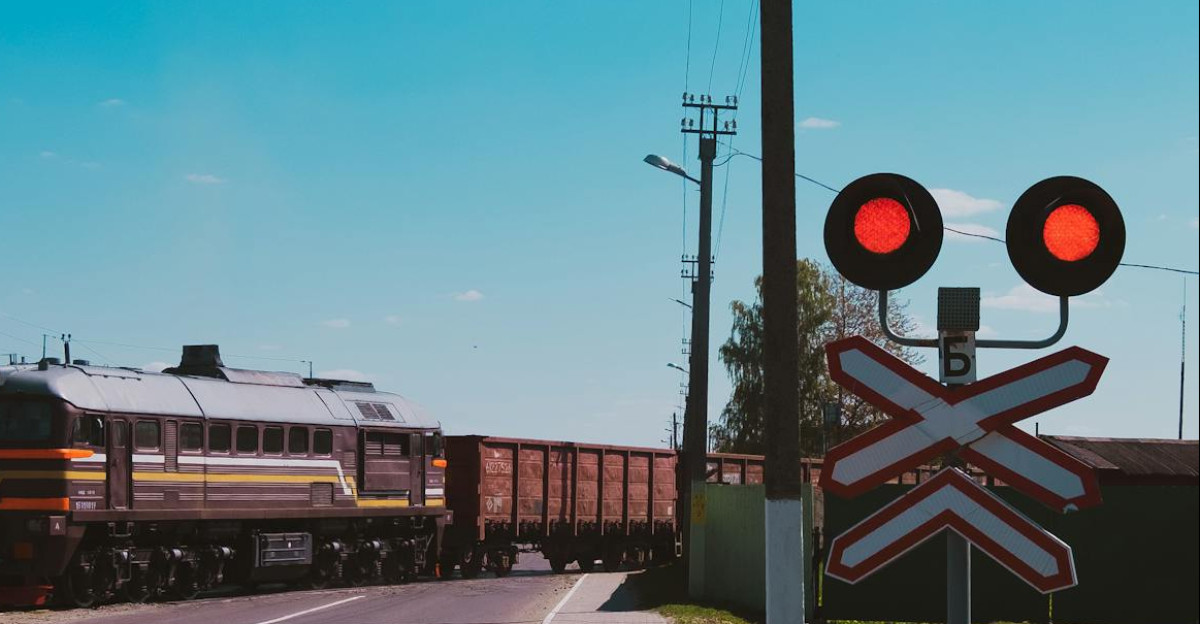
With Lithuania halting crucial transit operations in 2022, Belarus has been forced to completely reroute exports through Russian ports and rail systems, deepening Union State control over export logistics. The Council on Foreign Relations analysis shows this shift has dramatically increased transportation costs while extending delivery times for Belarusian goods. Clingendael Institute research demonstrates how this change has entrenched Belarus’s strategic reliance on Russian infrastructure capacity and political goodwill, leaving the nation with few alternatives.
Political Prisoners Remain Behind Bars Despite International Pressure for Reform
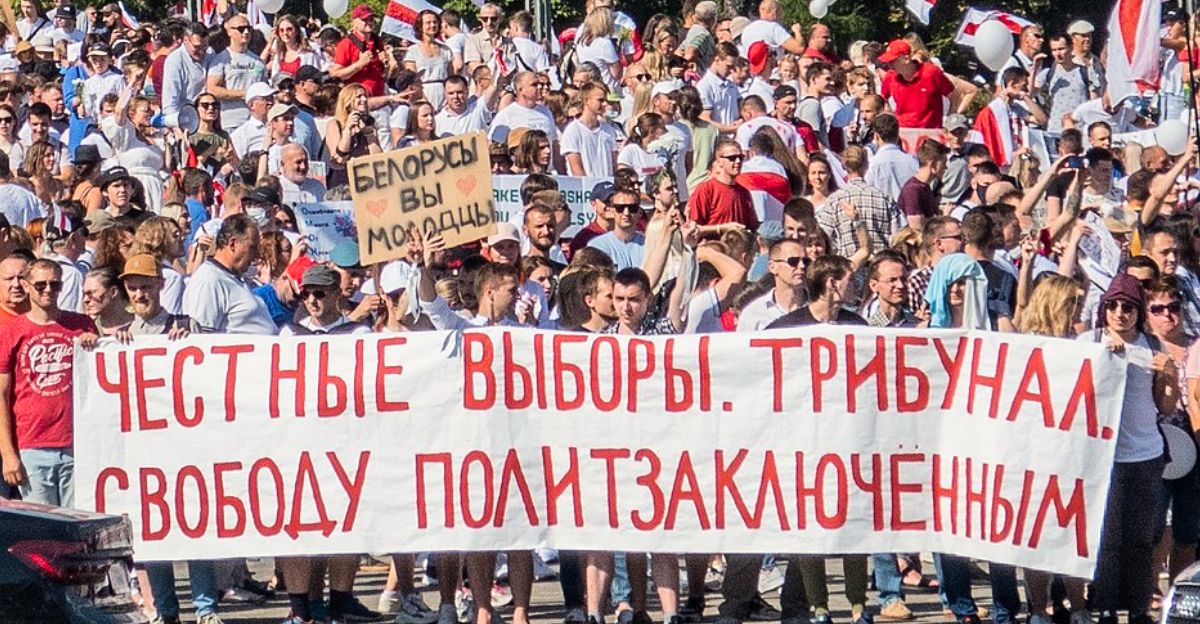
Rights organizations have documented that hundreds of political prisoners remain in custody despite selective releases throughout 2025, creating ongoing humanitarian concerns. People in Need reports that families continue facing restricted visitation rights and limited legal recourse for detained relatives. Human Rights Watch states that journalists and activists continue to face prosecution. At the same time, the BBC notes that these conditions keep civil society organizations under sustained pressure with little prospect for meaningful reform.
Government Tightens Control as Policy Options Disappear Under Russian Shadow
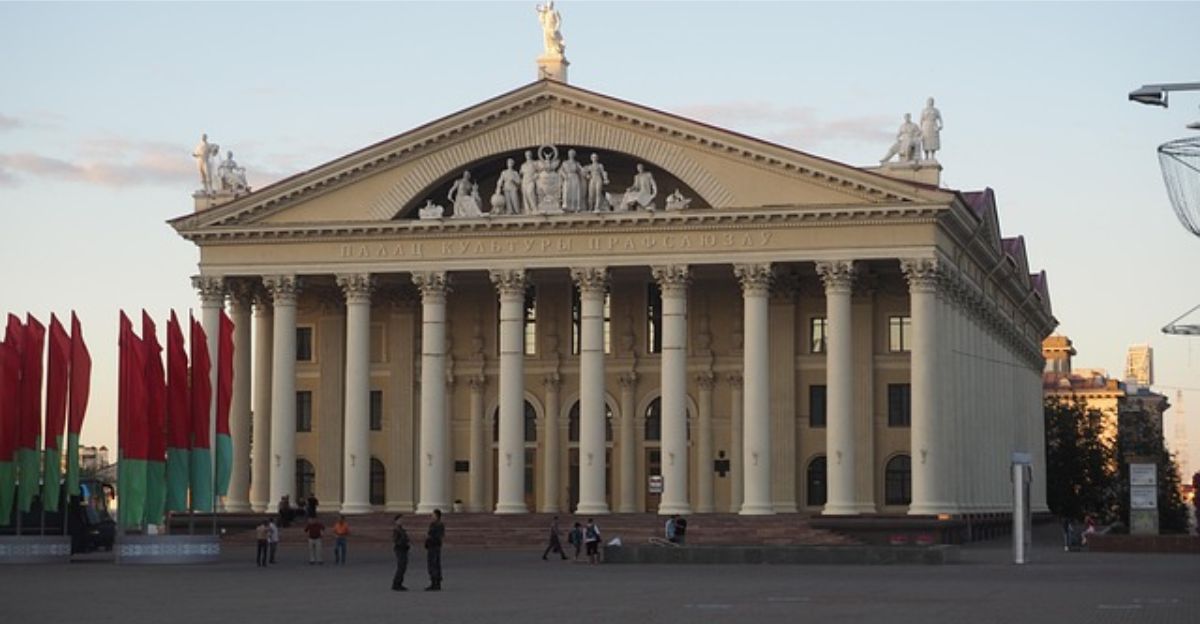
Belarus’s policy response has centered on increased state control and selective liberalization designed to attract investment from friendly nations. The Council on Foreign Relations indicates that with Western diplomatic channels severely constrained, Minsk has leaned heavily on Russian credit deferrals and joint military structures. Carnegie Endowment analysis suggests this approach has dramatically narrowed domestic policy space, leaving government officials with fewer tools to address mounting economic and social pressures.
Inflation Surge Signals Deeper Economic Problems as Growth Targets Fall Short
Macroeconomic indicators are flashing warning signs as the economy struggles under multiple pressures simultaneously. RBC-Ukraine data indicate that growth has significantly lagged behind official targets, while agriculture has reportedly contracted and trade balances have deteriorated during mid-year assessments. Kyiv Insider analysis warns of potential default risk scenarios as the government faces rising deficits with severely limited access to non-Russian financing options that could provide economic stability.
Retailers Adapt to New Reality as Supply Shocks Hit Store Shelves
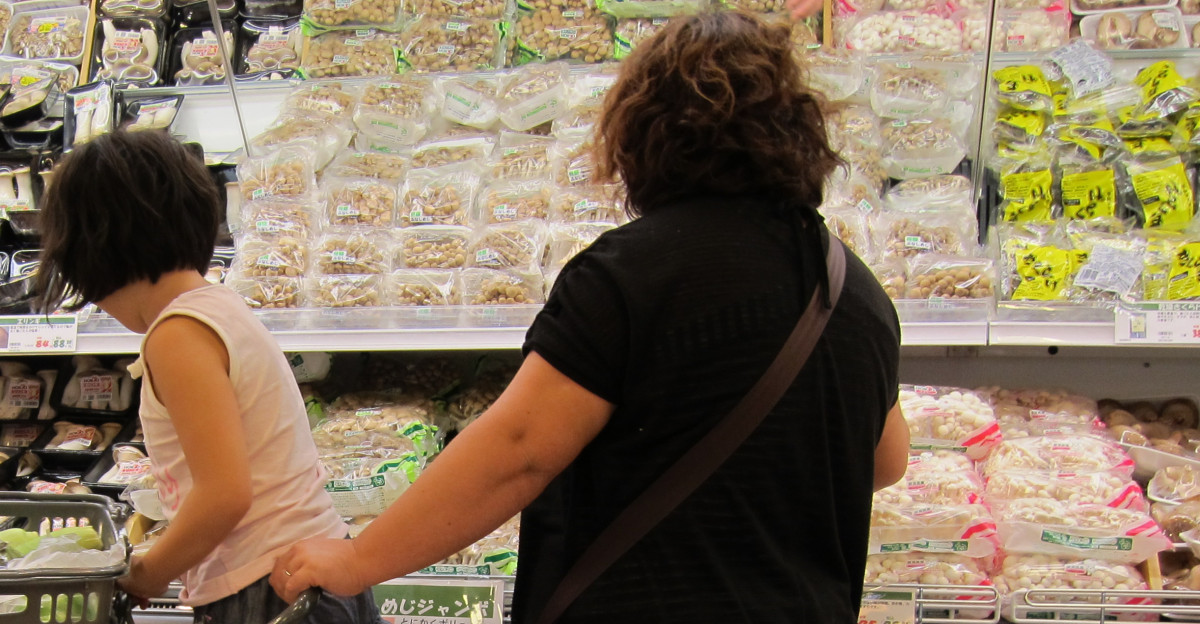
Retail businesses have shifted promotional strategies toward cheaper staple goods and domestically sourced products as supply disruptions and currency pressures affect inventory availability. Kyiv Insider reports that retailers are consolidating product lines while focusing discounting efforts on private label merchandise. RBC-Ukraine notes this approach helps protect sales volumes without completely eroding profit margins during a period of unprecedented economic uncertainty and consumer belt-tightening.
Restaurants and Hotels Cut Costs as Tourism and Dining Industries Suffer

Food service operators are facing significantly higher input costs alongside uncertain consumer demand patterns. Kyiv Insider reports that restaurants have simplified their menus while prioritizing relationships with local suppliers to manage costs. RBC-Ukraine reports that hotels and restaurants have adopted dynamic pricing strategies to manage fuel-driven logistics surges and agricultural shortfalls, working desperately to preserve thin profit margins during an increasingly challenging operating environment.
Energy and Transport Sectors Feel Ripple Effects From Sanctions and Rerouted Trade

Industries connected to fertilizer production, logistics operations, and energy distribution are absorbing major shocks from potash disruptions, fuel price spikes, and completely rerouted trade patterns. The Council on Foreign Relations documents how transport companies have adapted to Russian corridor requirements while farm input suppliers navigate tighter supplies. RBC-Ukraine analysis reveals that these sectors are adapting to changing buyer portfolios across Europe and Asia as traditional business relationships dissolve under the pressure of sanctions.
Global Consumers Face Higher Food Prices as Agricultural Supply Chains Adjust
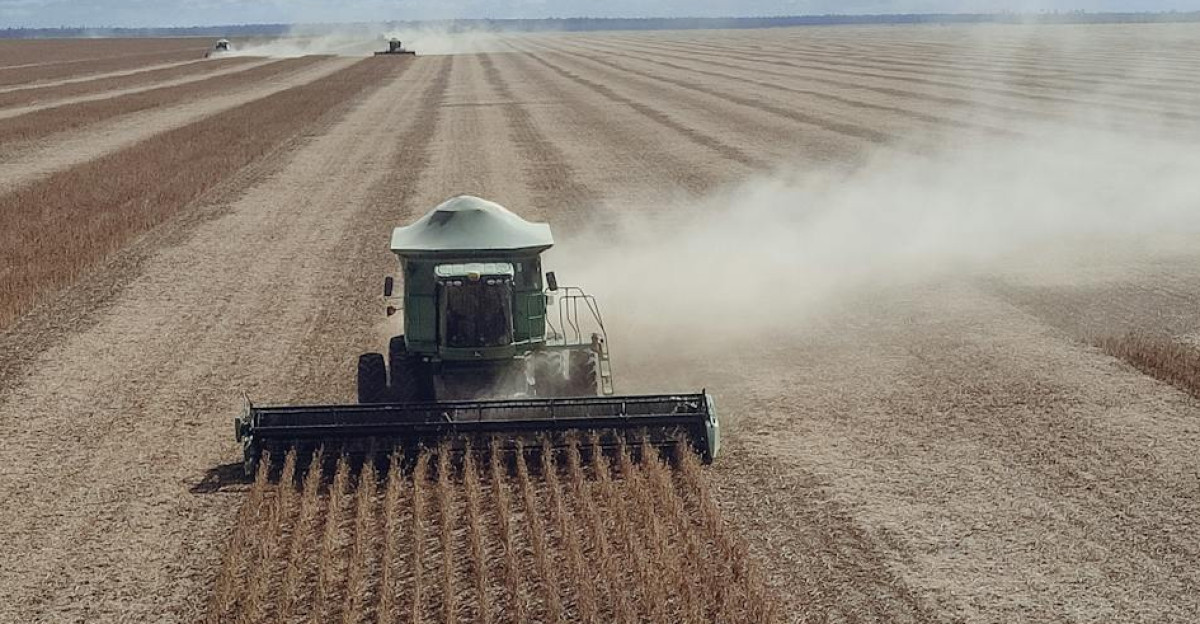
International consumers are experiencing secondary effects through fertilizer price increases and grain cost volatility that ripple through global food systems. The Council on Foreign Relations research shows that potash supply rebalancing has influenced planting economics from European farms to Latin American agricultural operations. The Clingendael Institute notes that procurement managers worldwide are implementing risk management strategies through multi-sourcing agreements and longer-term contracts to buffer against continued supply uncertainty.
Families Make Difficult Choices as Living Standards Drop Across Belarus

Households are responding to economic pressures by trading down to less expensive food options while cutting discretionary spending on healthcare and wellness services. Kyiv Insider reports that families are delaying major purchases as they prioritize essential expenses over long-term investments. RBC-Ukraine analysis indicates that in urban areas, residents are changing transportation choices as fuel price spikes and service cost increases significantly alter daily commuting patterns and family budgets.
Cultural Institutions and Media Face Tighter Restrictions as Civic Space Shrinks
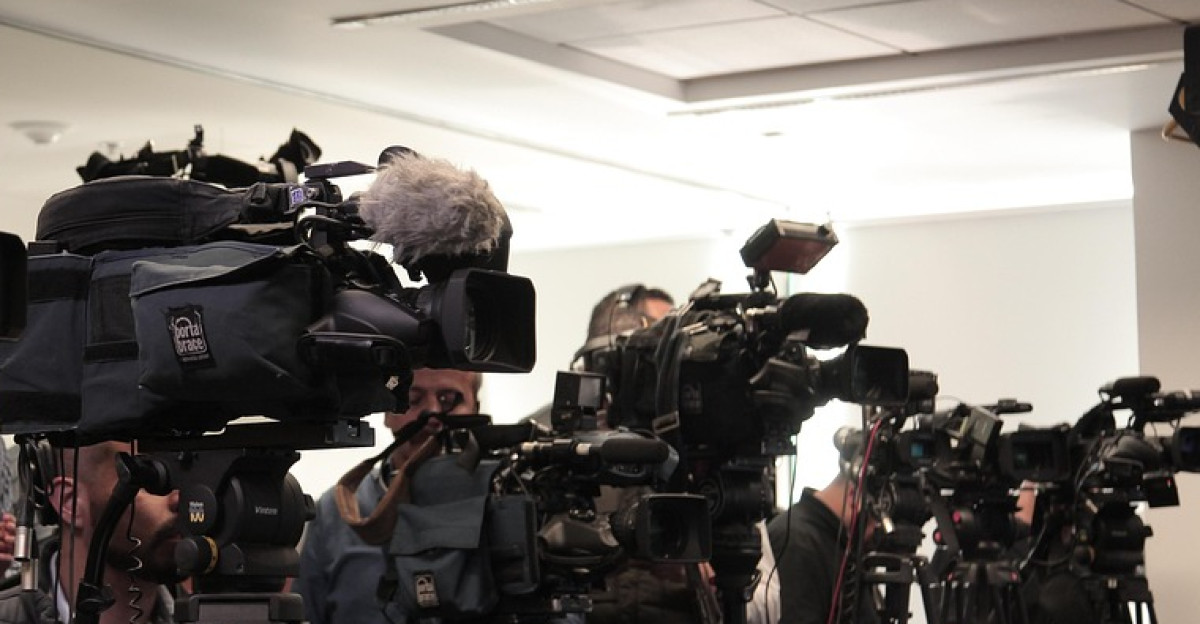
Independent cultural organizations and media outlets are operating under increasingly restrictive conditions that limit public discourse and artistic expression. The BBC reports that while some prisoner releases have occurred, they have not significantly improved the overall human rights situation. People in Need warns that civic participation remains dangerously constrained. At the same time, Human Rights Watch emphasizes that advocacy groups continue to highlight how selective releases leave the core structure of political repression largely intact.
Winners and Losers Emerge as Economic Crisis Reshapes Regional Power
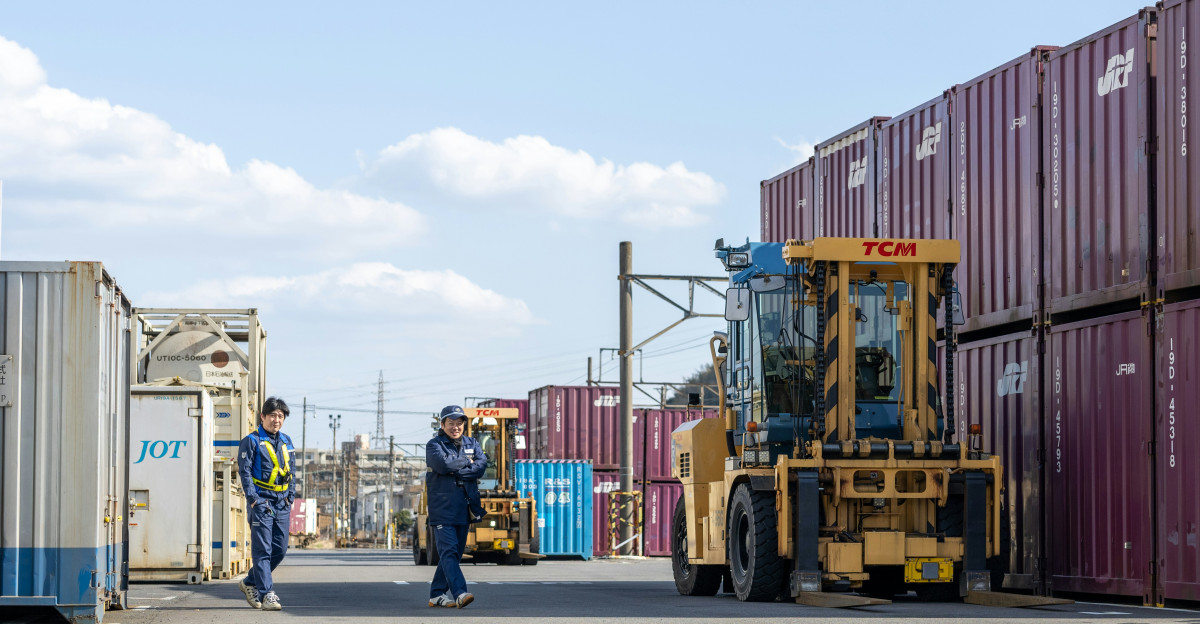
Russian ports and logistics companies have emerged as clear beneficiaries, capturing substantial volumes of rerouted Belarusian trade flows previously handled by European facilities. The Council on Foreign Relations notes that this shift has strengthened Moscow’s economic leverage over Minsk significantly. However, the BBC reports that families of political detainees continue enduring prolonged uncertainty. At the same time, People in Need emphasizes that selective prisoner releases have failed to meaningfully change the broader human rights landscape for most affected families.
Regional Security Concerns Drive Up Investment Costs as Military Tensions Rise
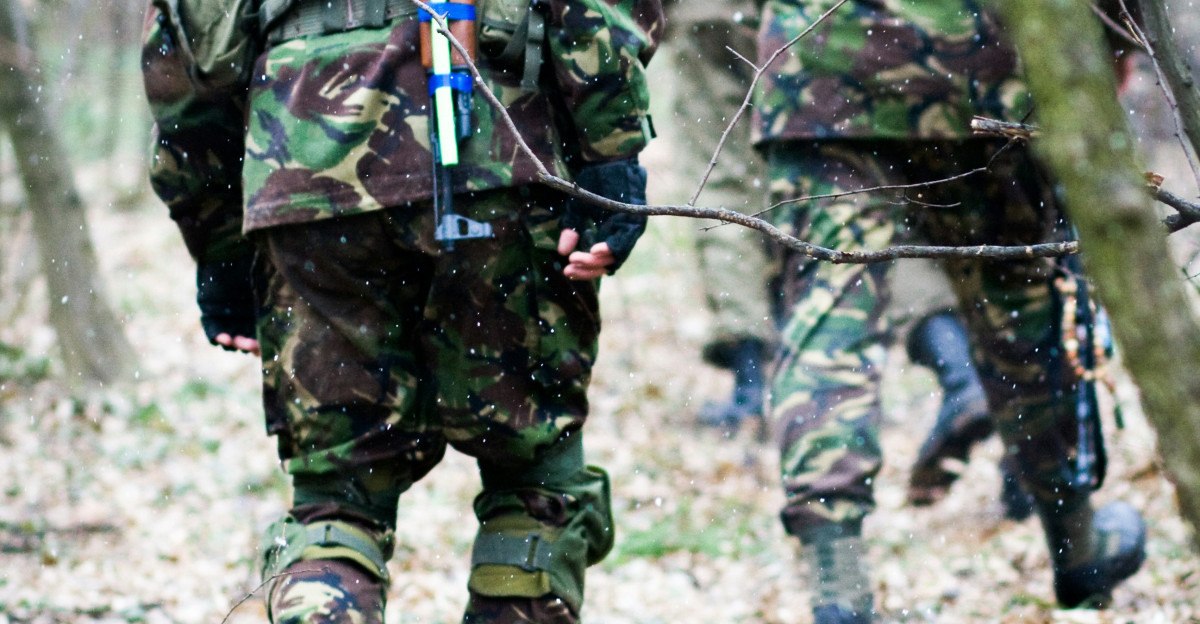
Eastern European risk premiums have increased as Russia and Belarus conducted Zapad-2025 military exercises, which included signaling capabilities involving nuclear weapons. DGAP analysis highlights escalating NATO-border tensions, which are increasing insurance costs for cross-border business operations. ABC News reports that these developments are complicating investment strategies throughout the region, while RUSI research indicates that financial markets are pricing in higher geopolitical risks that could persist for years.
Smart Financial Moves for Uncertain Times as Economic Storm Continues

Budget carefully for elevated food and transportation costs that show no signs of decreasing in the near term. RBC-Ukraine recommends favoring fixed-price utility and telecommunications plans, where available, to provide predictable monthly expenses. Kyiv Insider recommends building a three-month emergency fund while avoiding high-interest debt that could become unmanageable. When sending money to Belarus, compare foreign exchange rates and transfer fees carefully, as these costs can significantly impact the final amount received by family members.
Military Integration Deepens as Nuclear Weapons Change Regional Balance Forever
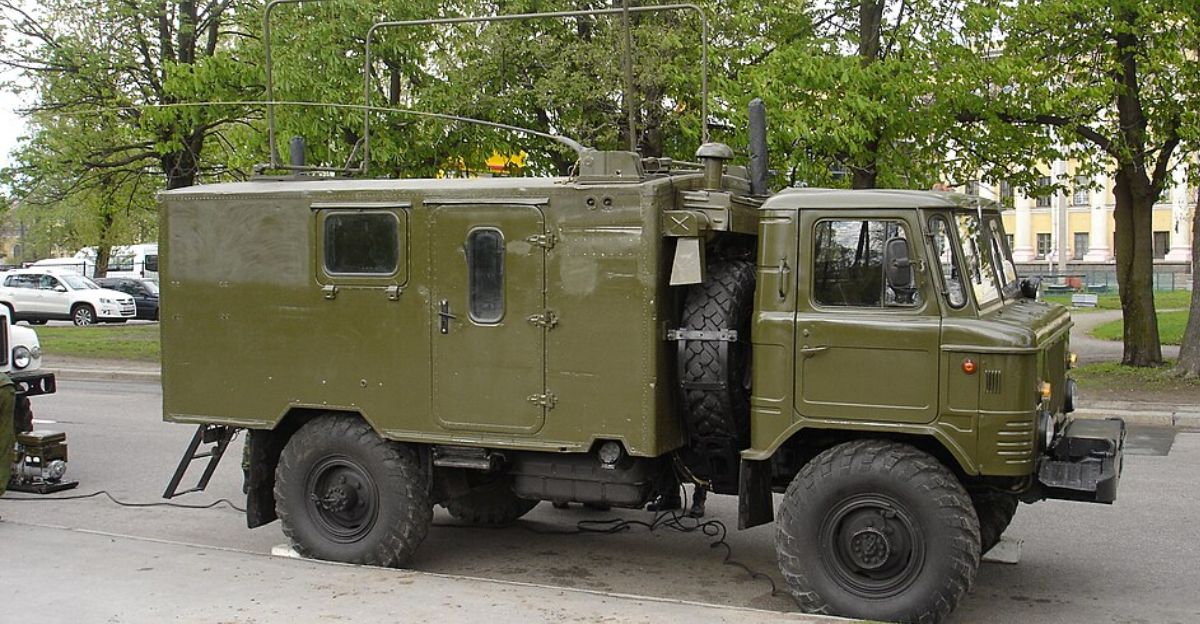
Russian tactical nuclear weapons have been stationed in Belarus since 2023, with joint military exercises in 2025 demonstrating unprecedented levels of military integration between the two nations. The Council on Foreign Relations indicates that observers should watch for longer-term basing agreements and expanded training rotations that could further constrain Minsk’s autonomy. ABC News reports that DGAP analysis suggests additional institutional union steps that would make Belarus’s military subordination to Moscow essentially permanent, fundamentally altering regional security dynamics.
The Dangerous Spiral That Threatens Belarus and Its Neighbors
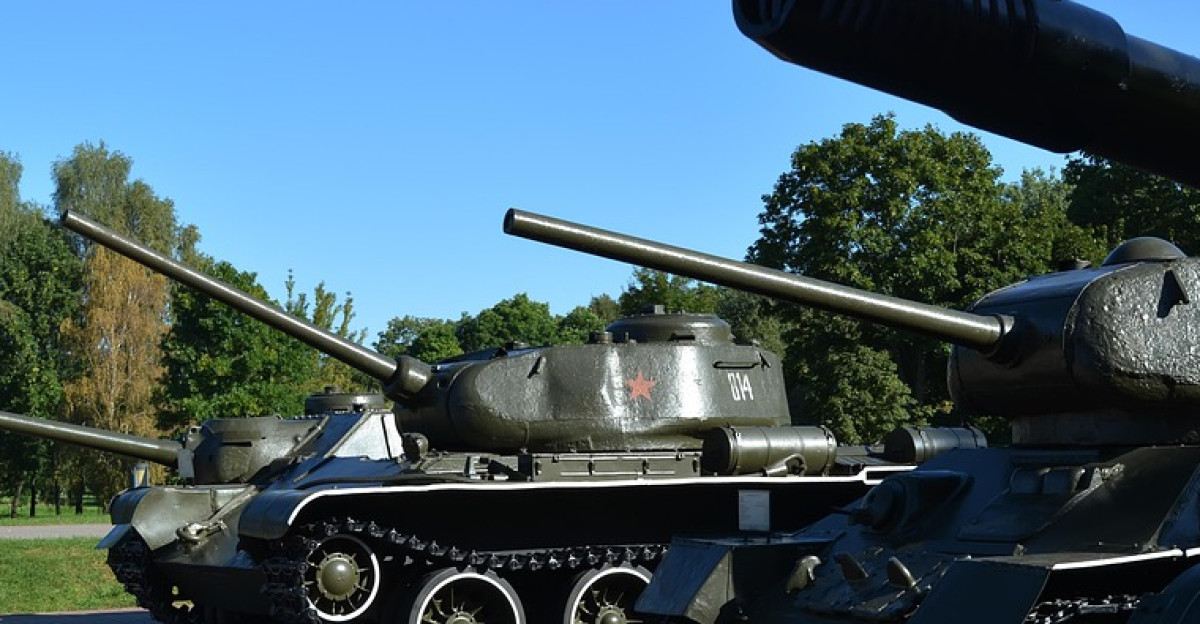
War involvement, international sanctions, and domestic repression have created a self-reinforcing cycle that grows more dangerous with each turn. Economic strain pushes Minsk deeper into Moscow’s sphere of influence, while militarization heightens regional risks, and the space for civil society continues to contract. Carnegie Endowment research warns that this creates a more fragile state led by someone with increasingly fewer diplomatic options available, raising serious concerns for both Belarusians and neighboring countries who must navigate this volatile new reality.