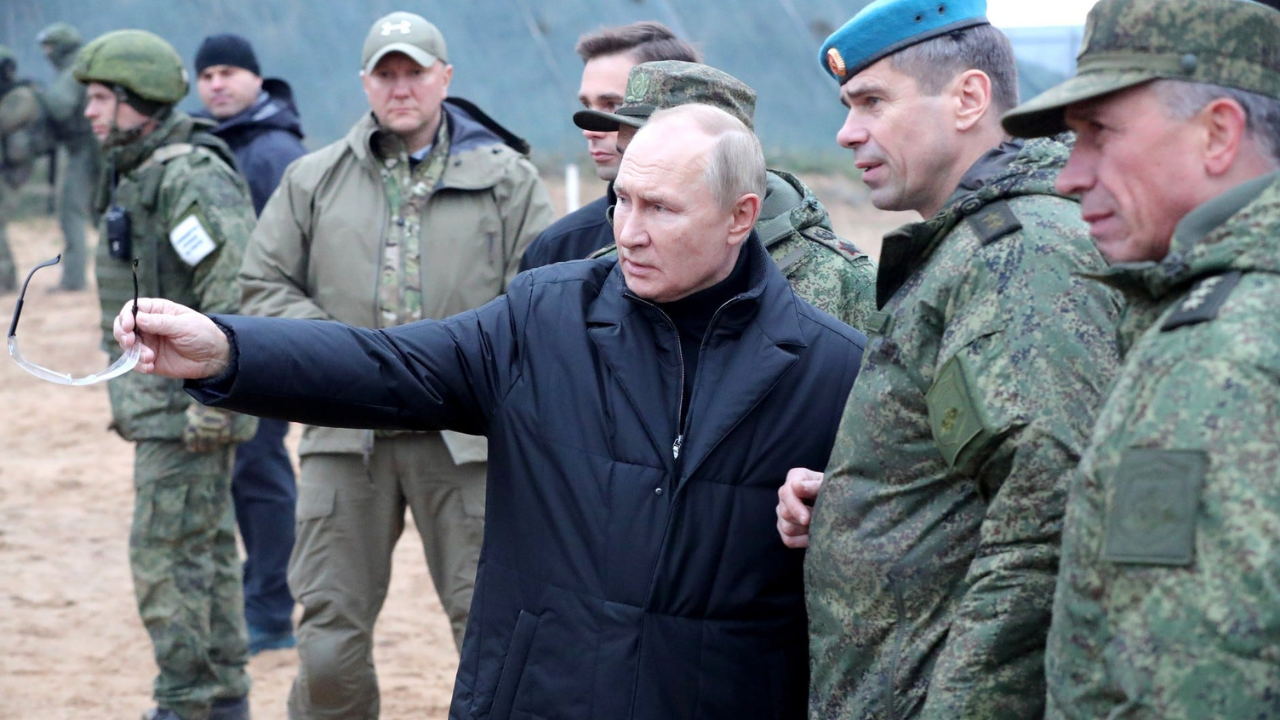
Lt. Gen. Fanil Sarvarov, 56, a senior figure within Russia’s General Staff, was killed early Monday, December 22, 2025, when an explosive device detonated beneath his vehicle in a residential district of south Moscow.
The blast marked the third assassination of a high-ranking Russian general inside the country in roughly 18 months, underscoring a widening internal security crisis as Russia’s war against Ukraine approaches its third year.
Who Was Fanil Sarvarov and Why His Death Matters
Sarvarov led the General Staff’s army operational training directorate, a key body responsible for preparing Russian forces for combat readiness. He previously served in Chechnya and took part in Russia’s military campaign in Syria.
His position placed him at the center of planning and training during the Ukraine war, making his killing a significant operational and symbolic blow to Russia’s military leadership.
Bomb Detonates in Ordinary Moscow Neighborhood
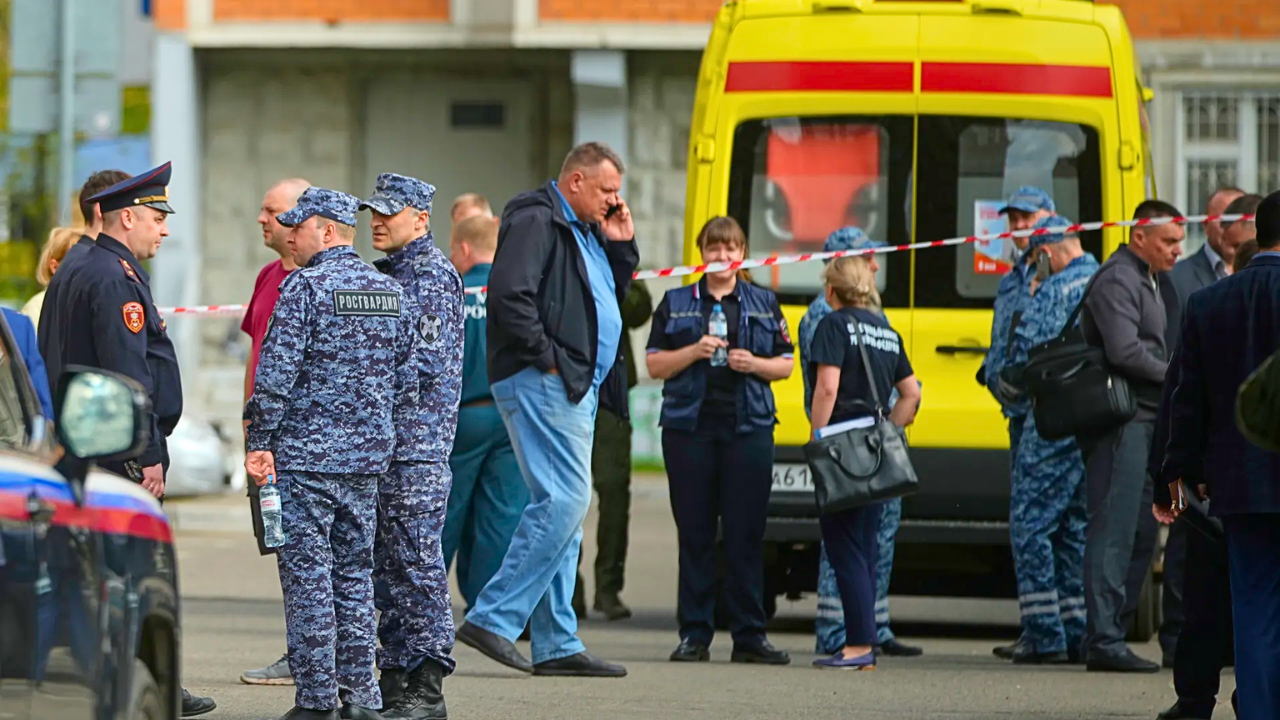
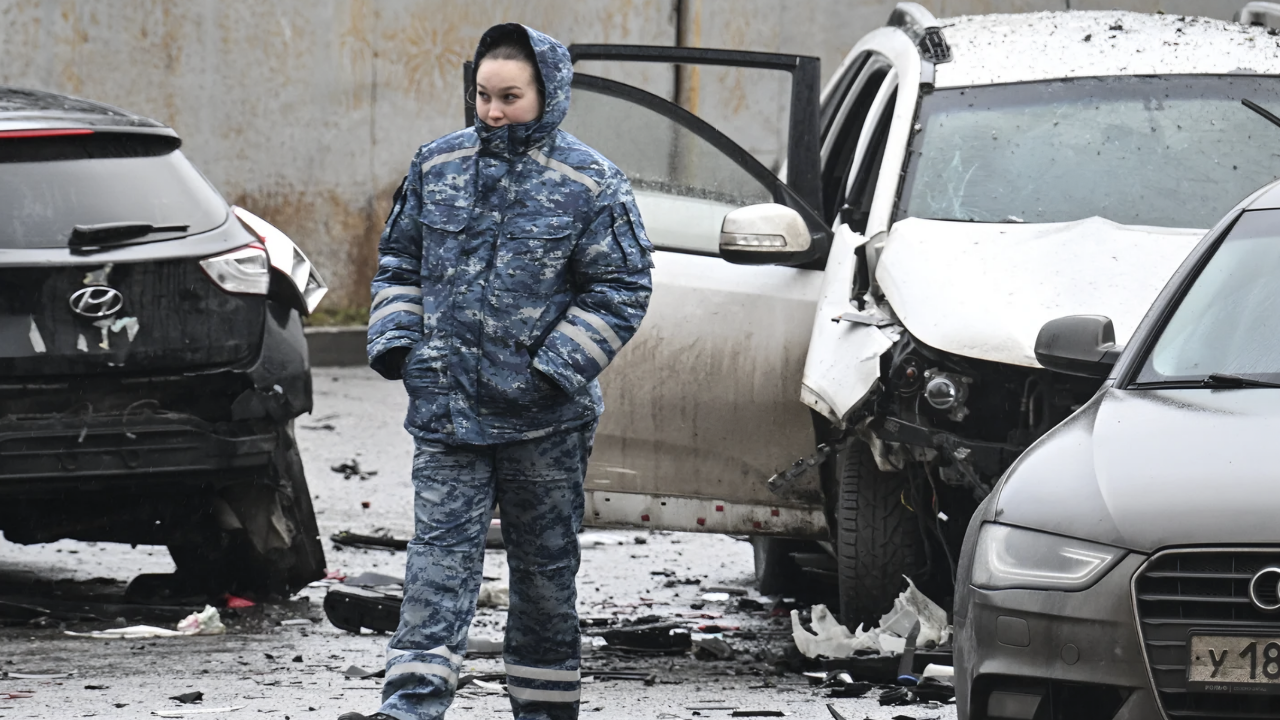
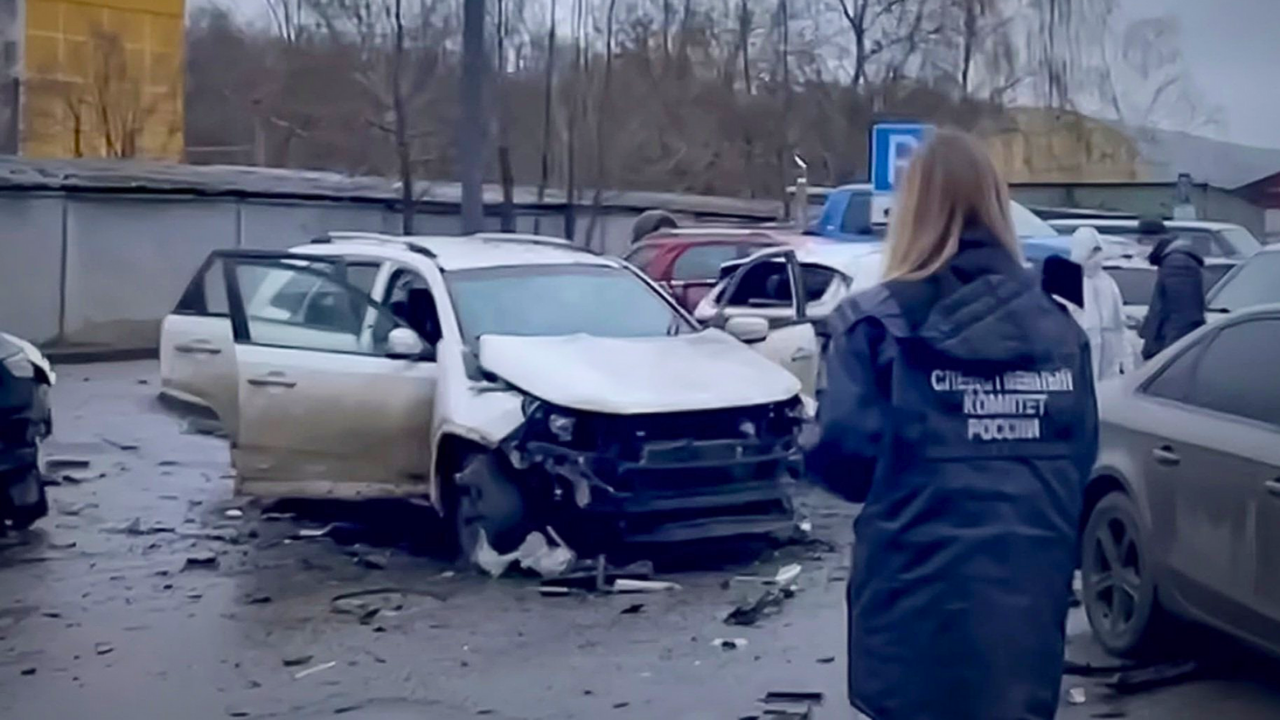
The explosion occurred in the early morning hours on a quiet street in a middle-class residential area of south Moscow.
Residents reported being jolted awake by a loud blast, initially fearing a drone strike. Several nearby vehicles were damaged, and the force of the explosion shattered windows, turning an everyday neighborhood into a sudden crime scene and heightening anxiety among civilians far from the front lines.
Third General Assassinated Inside Russia Since 2024
Sarvarov’s killing follows two earlier assassinations of senior Russian officers. In December 2024, Gen. Igor Kirillov, head of Russia’s nuclear and chemical weapons protection forces, was killed by an explosive device concealed in a scooter.
In April 2025, Lt. Gen. Yaroslav Moskalik died in a car bombing. Together, the cases reveal a consistent pattern of targeted attacks deep inside Russia.
Kremlin Security Failures Exposed
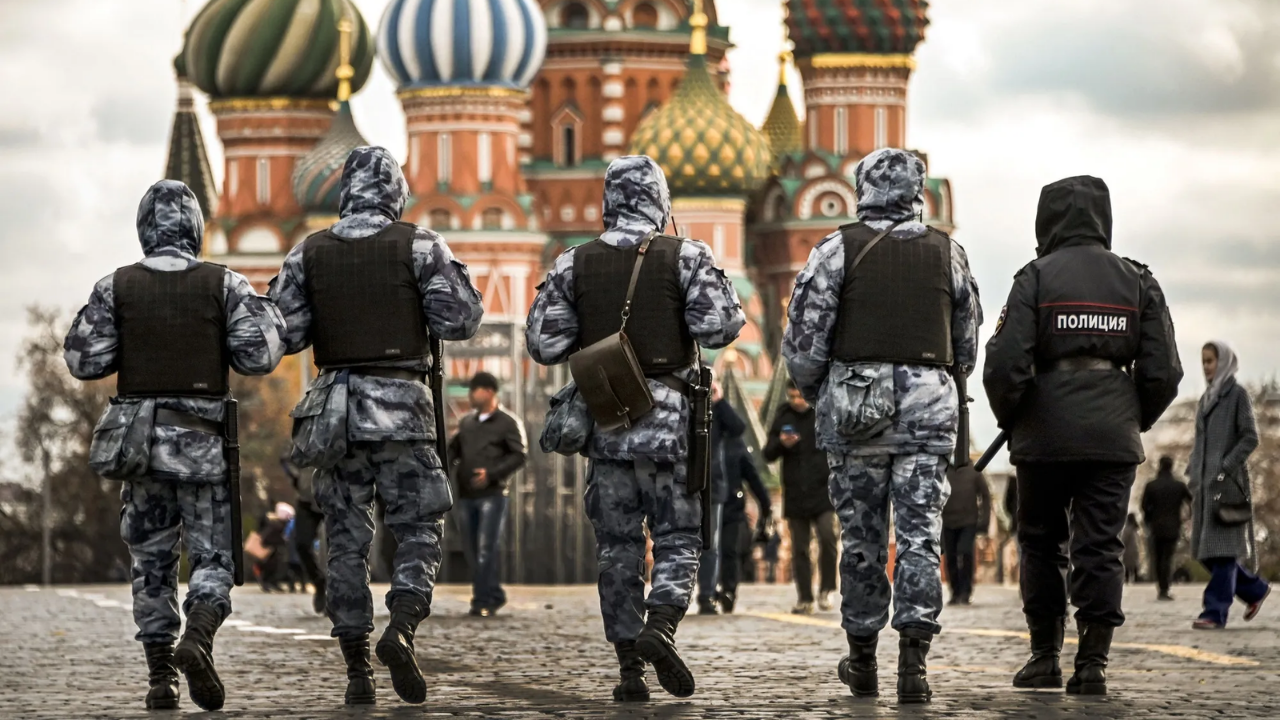
Despite Russia’s extensive domestic security apparatus, repeated assassinations of senior officers suggest serious vulnerabilities. Protecting top military leaders within the capital is a fundamental expectation of state security services.
Each successful attack raises uncomfortable questions for the Kremlin about intelligence leaks, surveillance gaps, and the effectiveness of counterintelligence measures meant to shield Russia’s highest-ranking military figures from harm.
Investigators Point to Ukrainian Intelligence
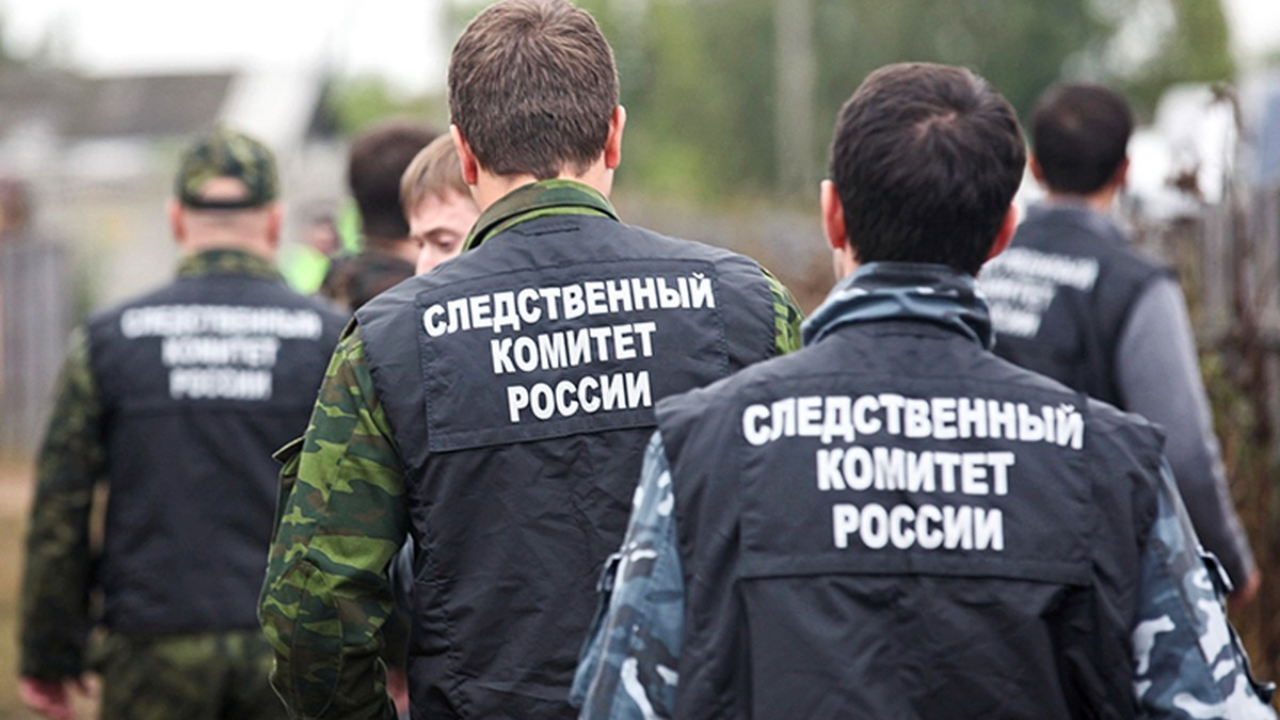
Russia’s Investigative Committee opened a criminal case immediately after the blast, citing suspected involvement by Ukrainian intelligence services.
Officials said they are examining the source of the explosives, reviewing surveillance footage, and questioning witnesses. Ukrainian authorities offered no immediate public comment, leaving responsibility officially unconfirmed while the investigation continues amid heightened political and military tensions.
Putin Briefed as Pattern Deepens
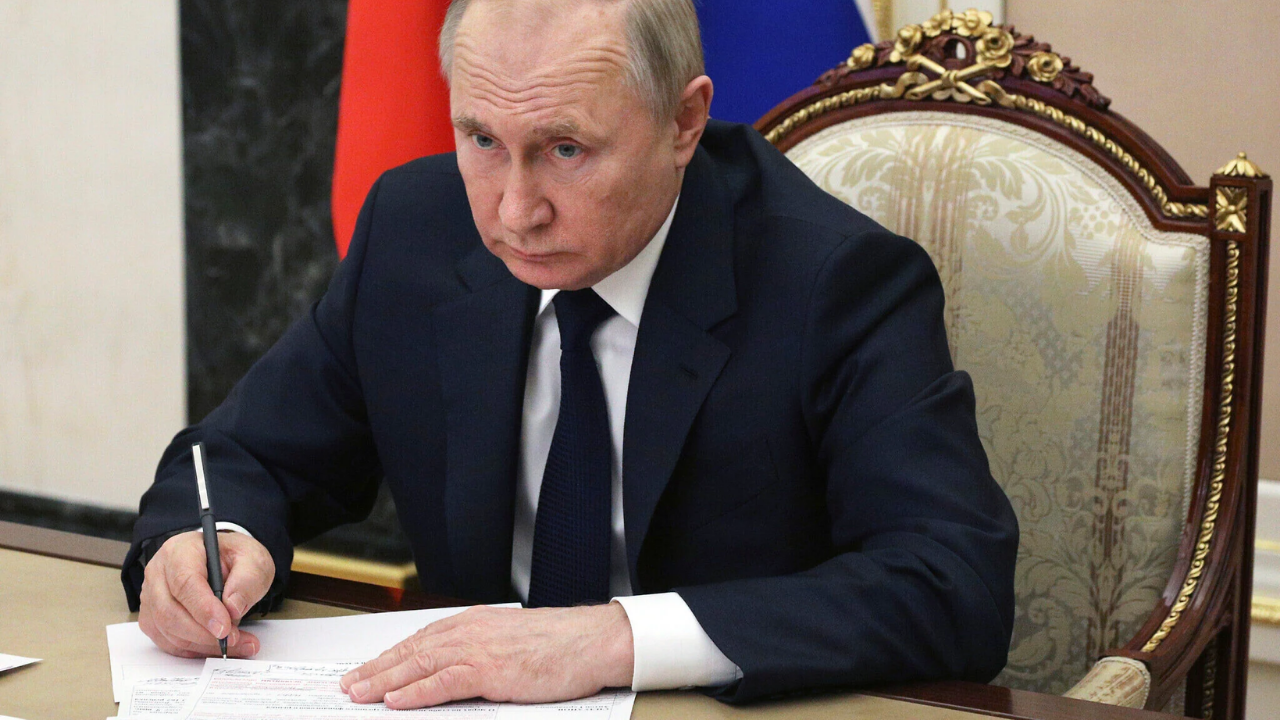
President Vladimir Putin was briefed shortly after Sarvarov’s death, according to Russian officials. Following the 2024 killing of Gen.
Kirillov, Putin described that assassination as a “severe blunder,” an acknowledgment that internal defenses had failed. Sarvarov’s death, despite that warning, reinforces perceptions that Russia’s leadership remains unable to stop a campaign targeting its senior military command.
Psychological Impact on Russia’s Military Elite
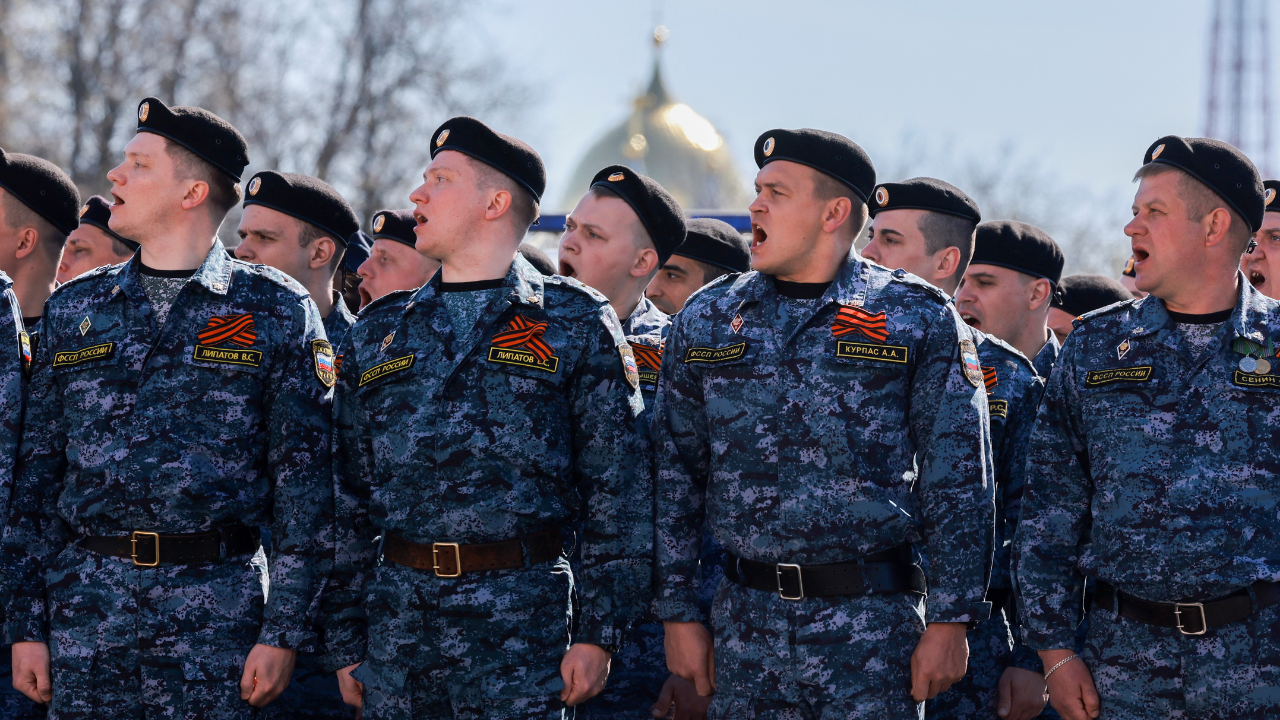
The assassinations have generated unease among Russia’s senior officers, particularly those based in Moscow. High-ranking figures are increasingly cautious about daily routines, movements, and public exposure.
The realization that attacks can occur outside private homes or in residential streets has intensified fear within the military hierarchy, altering how senior commanders live and operate inside their own capital.
Shadow War Far From the Battlefield
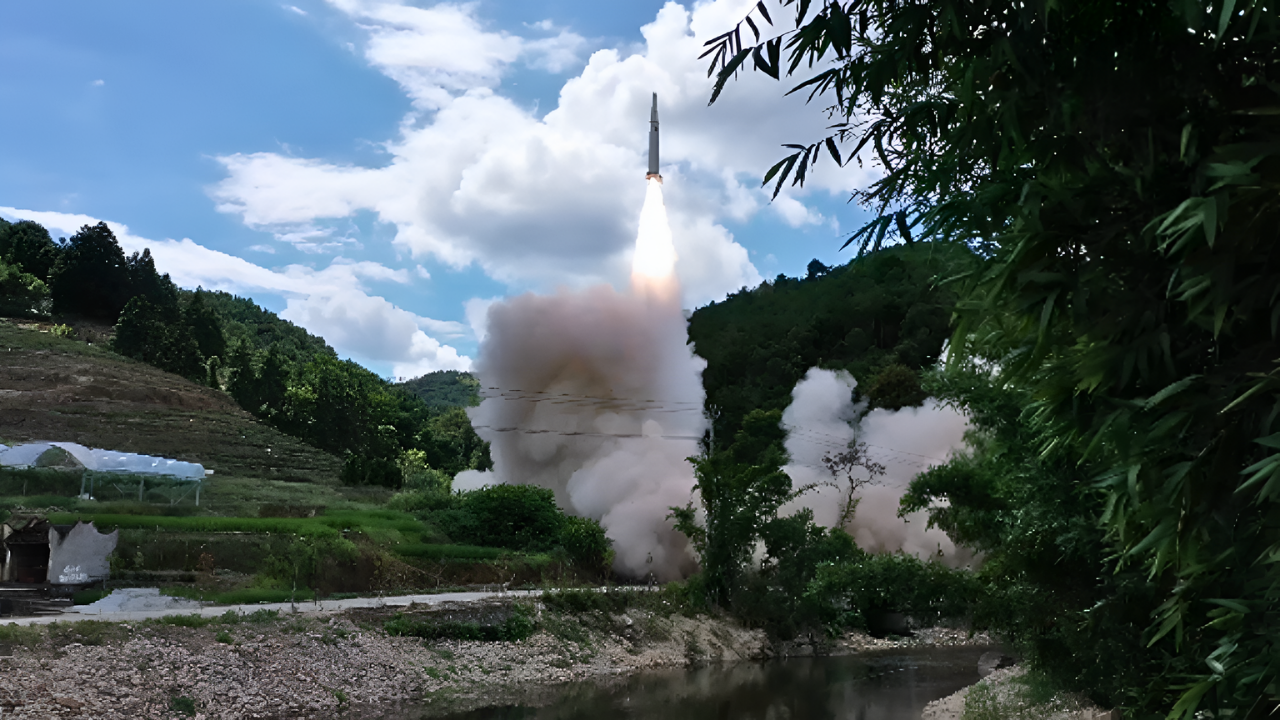
Unlike battlefield casualties earlier in the conflict, these killings represent a shift toward covert operations conducted far from active combat zones.
Targeted assassinations inside Russia itself suggest an effort to undermine command structures and morale while signaling that senior decision-makers are not beyond reach, even in the most heavily guarded city in the country.
Assassination Amid Active Peace Talks
Sarvarov’s killing coincided with ongoing diplomatic efforts to explore an end to the conflict. Over the same weekend, Russian and Ukrainian officials met in the United States with envoys linked to former President Donald Trump.
The timing highlighted a stark contrast between public negotiations and the continuation of covert actions, illustrating how diplomacy and clandestine warfare are unfolding simultaneously.
Broader Military Pressure on Russia
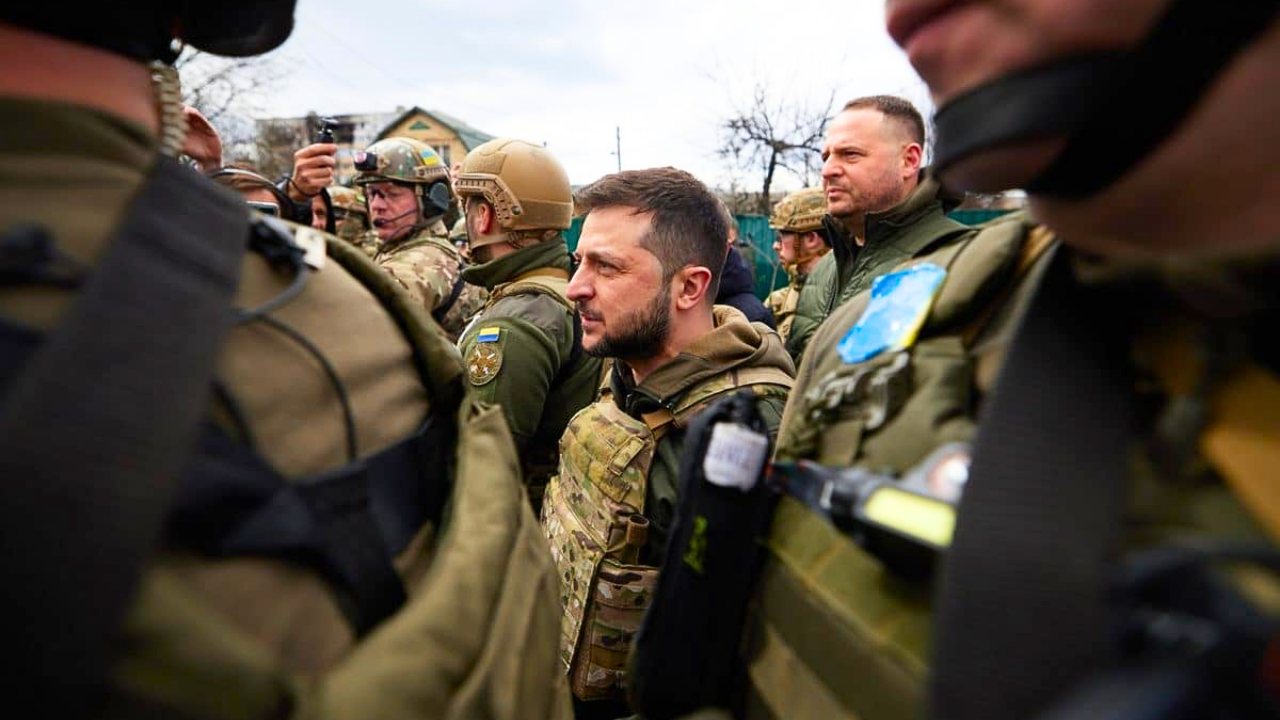
The assassination came alongside other reported Ukrainian operations beyond the front lines. Ukrainian defense intelligence claimed responsibility for destroying two Russian fighter jets at the Lipetsk airfield over the same weekend.
Together, these actions reflect a strategy aimed at applying pressure on Russia’s military leadership, infrastructure, and sense of internal security far from the battlefield.
Moscow’s Image of Invulnerability Shaken

For decades, Moscow has been portrayed as one of the most secure capitals in the world. Repeated high-profile assassinations within the city challenge that image, both domestically and internationally.
The perception that even senior generals are vulnerable at home weakens Russia’s aura of control and raises doubts about the state’s ability to protect its most valuable personnel.
Civilian Anxiety Grows in the Capital
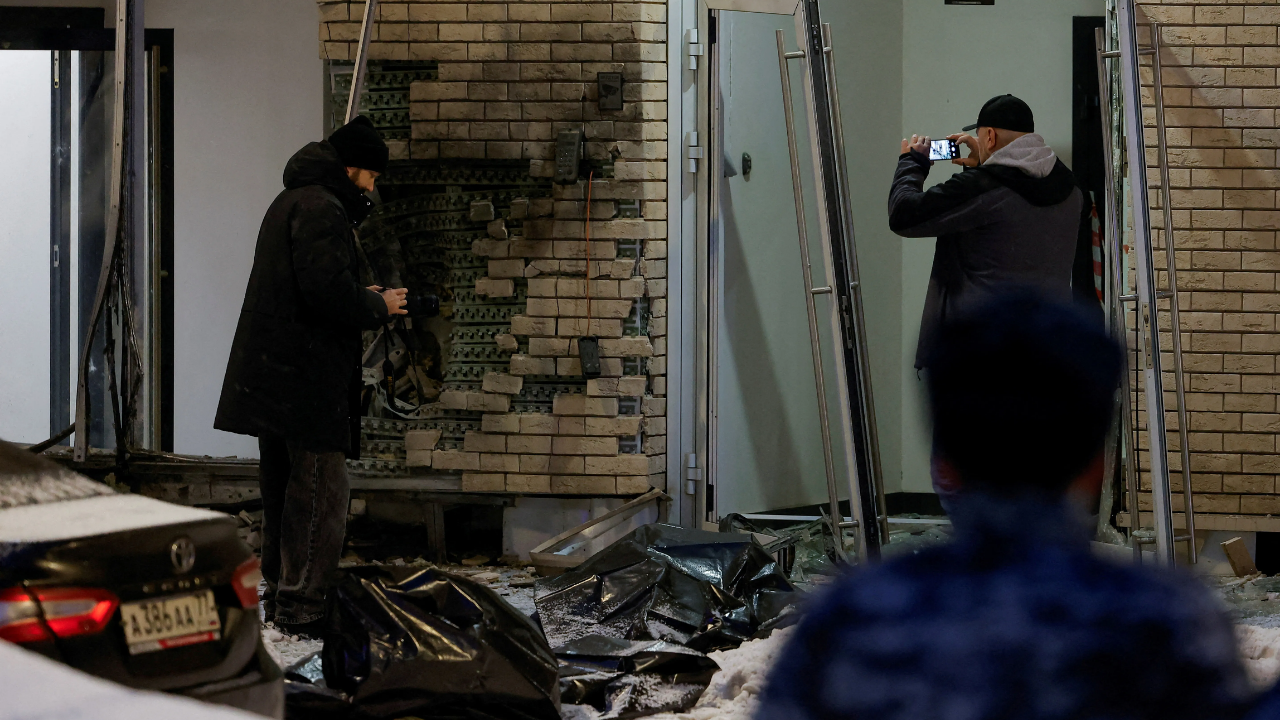
Beyond the military and political implications, the attacks have unsettled ordinary Muscovites. Explosions in residential neighborhoods blur the line between war zones and civilian life, fueling concern that further violence could spill into everyday spaces.
Each incident reinforces fears that the conflict is no longer distant but increasingly present within Russia’s largest city.
Pattern Suggests Sustained Campaign
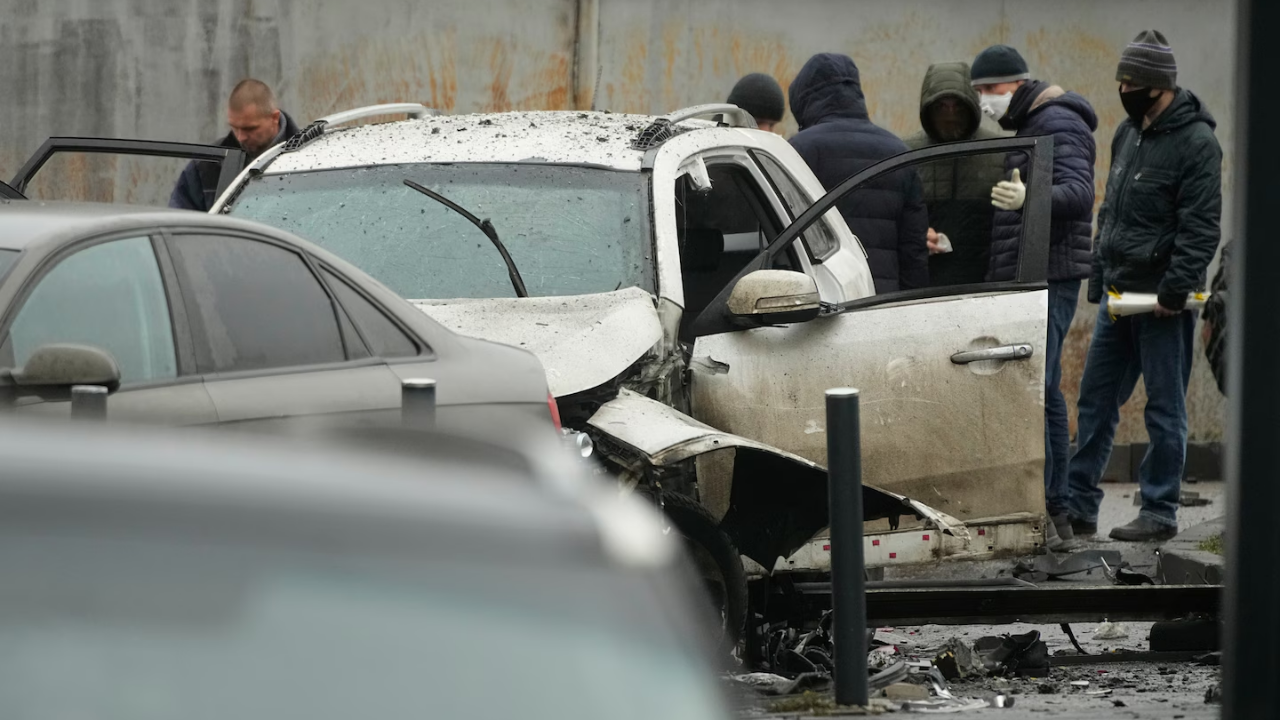
With three generals assassinated inside Russia since late 2024, the frequency of attacks suggests more than isolated incidents.
The roughly six-month interval between killings points to a sustained campaign rather than random acts. Whether the pattern continues may depend on Russia’s ability to tighten internal security and disrupt networks capable of executing such precise operations.
Conflict Shows No Signs of Containment
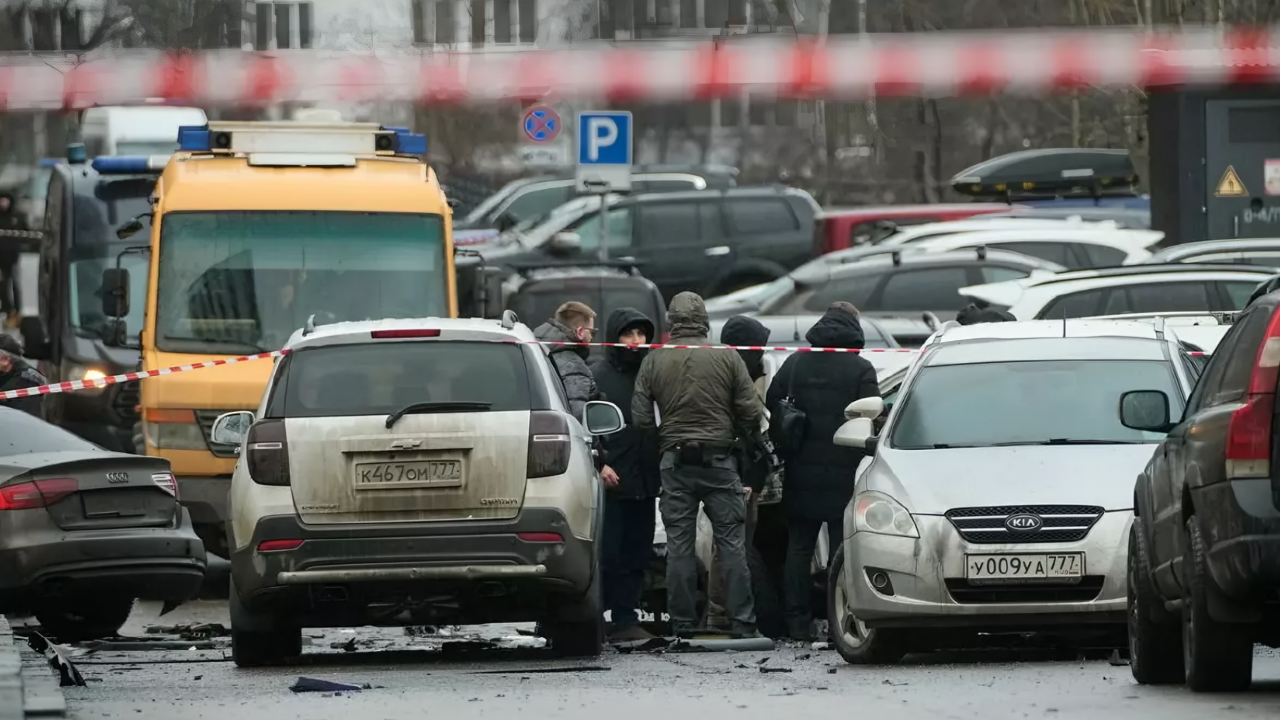
Sarvarov’s death underscores how deeply the war has penetrated Russian territory and institutions. Even as diplomatic channels remain open, the continuation of targeted killings signals that the conflict is far from contained.
Until the cycle of covert attacks and retaliation is broken, Russia’s military leadership—and the capital itself—appears likely to remain on edge.
Sources:
- The New York Times, 2025-12-22: “Russian General Is Killed in Car Bombing in Moscow” – Detailed report on Lt. Gen. Fanil Sarvarov’s assassination via explosive under his vehicle in southern Moscow’s Yasenevaya Street, marking the latest targeted killing of a senior officer amid the Ukraine conflict.
- France 24 English, 2025-12-22: “Moscow car blast kills Russian general, investigators suspect Ukraine involvement” – Coverage of the car bomb that killed Lt. Gen. Fanil Sarvarov, 56, head of the General Staff’s Operational Training Directorate, as the third such incident in over a year.
- Wikipedia, accessed 2025-12-29: “Fanil Sarvarov” – Biographical entry on Lt. Gen. Fanil Fanisovich Sarvarov (1969–2025), detailing his military career in Chechnya, Syria, and Ukraine, and death by car bomb on Yasenevaya Street.
- CNN-News18, 2025-12-23: Coverage of the Moscow car bombing killing Lt. Gen. Fanil Sarvarov, with Russia’s Investigative Committee probing Ukrainian special services involvement and noting prior high-profile attacks.