
The U.S. job market shows stark regional divides. Bureau of Labor Statistics data for August 2025 lists the top 10 states with unemployment rates from 5.5% to 4.6%. These elevated rates highlight an uneven national recovery, shaped by coastal cost pressures, industrial declines, and remote isolation.
Top States Grapple with Elevated Unemployment

California leads at 5.5%, challenging its tech dominance despite housing nearly 40 million residents, one-ninth of the U.S. population. The state faces population declines from high housing costs and out-migration, creating mismatches in its large labor force.
Nevada follows at 5.3%, heavily reliant on casinos and tourism. A large share of residents live in Clark County around Las Vegas, where visitor spending drives jobs but heightens vulnerability to downturns. Sector recovery remains fragile for these communities. Michigan’s 5.2% rate stems from decades of deindustrialization, with over 300,000 manufacturing jobs lost in the Rust Belt. The auto industry supports many positions, but past losses burden local economies, questioning full rebounds in factory towns.
New Jersey and Ohio tie at 5.0%. New Jersey, with 9.5 million residents and a quarter foreign-born, faces commuter strains tied to New York City amid job shifts. Ohio mirrors manufacturing scars, shedding over 300,000 jobs and peaking above 11% unemployment in the 2009 recession, slowing recovery in cities like Cleveland and Youngstown. Oregon also hits 5.0%, the top U.S. lumber producer yet hit by federal harvest limits and rural mill closures. Tech hubs like Intel’s “Silicon Forest” and Nike stabilize urban areas, but forestry swings threaten wood-dependent towns.
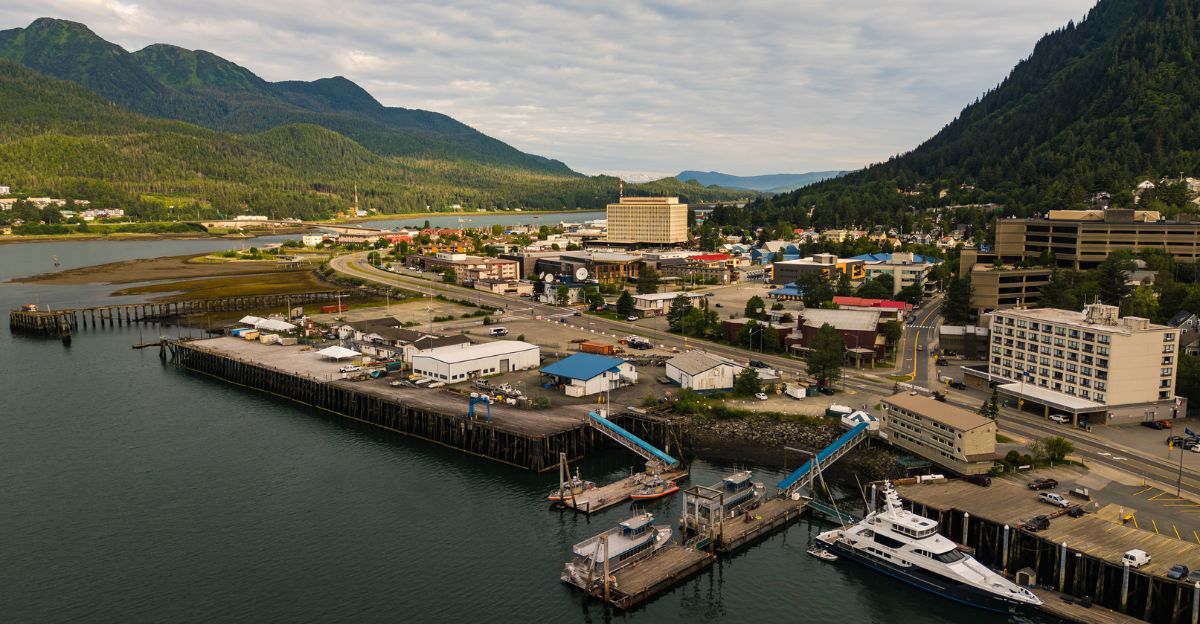
Massachusetts registers 4.8%, an outlier for its Route 128 innovation corridor. Eastern prosperity contrasts western declines, revealing job gaps despite high education and incomes. Alaska and Kentucky tie at 4.7%. Alaska’s 740,000 residents span land larger than Texas, California, and Montana combined, depending on oil, fishing, and federal funds. Isolation amplifies unemployment in remote areas.
Kentucky sees urban growth in Louisville and Lexington offset by eastern rural losses from coal and factories, echoing Appalachian challenges. Rhode Island closes at 4.6%, the smallest state with early deindustrialization in mill towns now shifting to services. Its compact economy shows national trends hitting all scales.
Industrial Shadows and Sector Risks

Rust Belt states like Michigan and Ohio carry deep manufacturing wounds, pushing rates above 5%. Nevada’s tourism focus in Clark County creates ripple effects from slowdowns. Oregon’s lumber leadership offers no shield against market shifts and policy constraints. These patterns expose risks in specialized economies.
Housing and Geographic Pressures

California’s population exodus links to housing affordability crises, complicating job matches for its workforce. Alaska’s remoteness raises barriers for the jobless, atop resource fluctuations. Location clearly shapes labor outcomes.
Regional Contrasts and National Toll
Low performers like South Dakota at 1.9% and North Dakota and Vermont at 2.5% create a 3.6-point national gap. Great Plains strength contrasts coastal and industrial struggles, signaling inequality that hampers growth and spurs calls for targeted aid.
These disparities demand focus on housing, industry shifts, and rural connectivity. Addressing root causes could foster equitable national progress.
Sources:
U.S. Bureau of Labor Statistics, August 2025 Regional and State Employment Report
U.S. Census Bureau, Population and Demographic Data 2023–2025
BLS Historical Labor Force and Manufacturing Employment Data
Federal Reserve Bank Regional Economic Analysis Reports
USDA Forest Service, National Lumber Production and Harvest Data
U.S. Geological Survey, Geographic and Demographic Reference Data