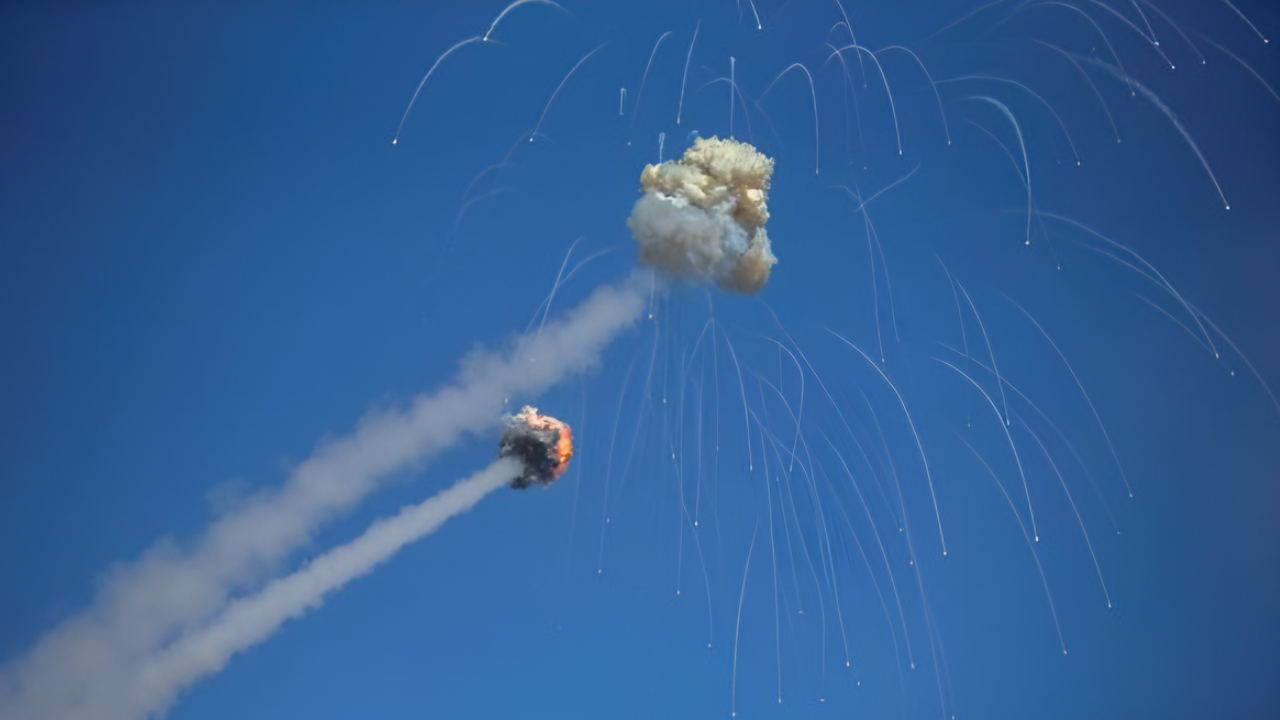
Ukraine’s air defenses faced their most intense test yet during the night of January 20, 2026, when Russian forces unleashed one of the war’s largest coordinated attacks. The assault combined ballistic missiles, cruise missiles, and hundreds of strike drones in a single coordinated wave designed to overwhelm Ukrainian interceptors.
Military analysts describe such massed attacks as the ultimate pressure test for any air defense system, pushing hardware and personnel to their absolute limits. What emerged from that night would reshape the understanding of modern air defense effectiveness in contested airspace. The question: Can any system, no matter how advanced, truly protect a capital city under relentless bombardment?
Winter’s Escalation
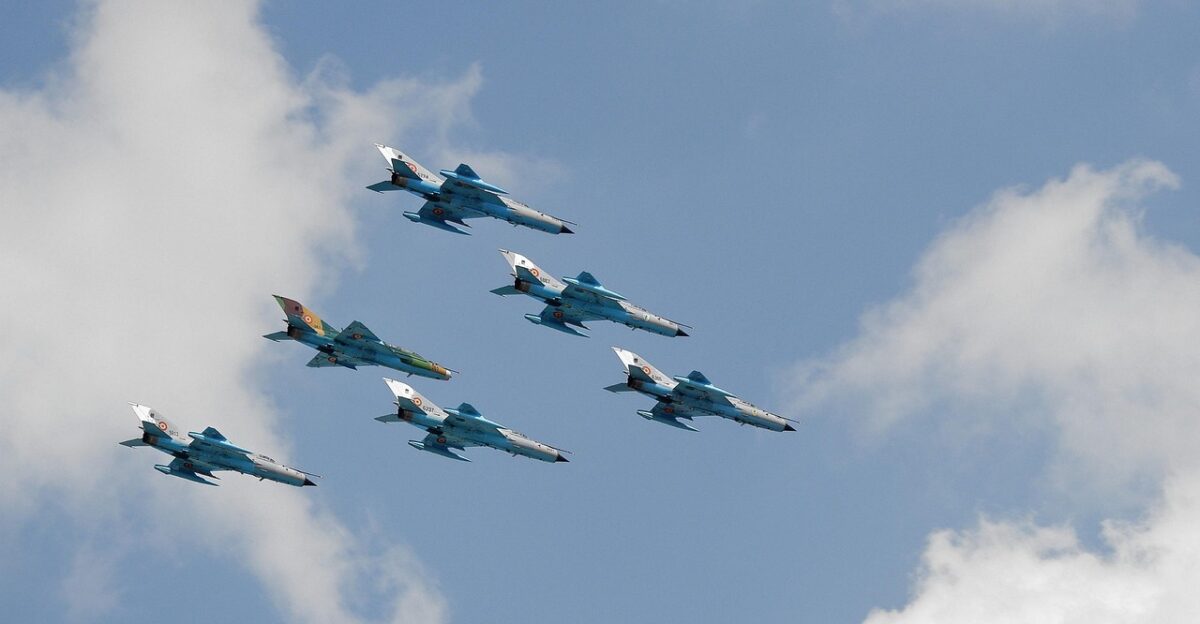
Since autumn 2025, Russian forces have intensified a systematic campaign to degrade Ukrainian infrastructure, targeting power plants, water systems, and transportation networks. Intelligence assessments indicate that every day, an average of 100–150 Shahed-type unmanned aircraft attack Ukrainian targets, with some days experiencing barrages of several hundred.
Ukrainian officials report that even if 1–9 percent of drones or missiles penetrate defenses, the resulting damage to critical infrastructure can cause disruptions requiring immediate emergency repairs. Energy workers across the nation are constantly rebuilding, patching damage, only to face new attacks within hours. This relentless cycle raises a troubling question: at what percentage of penetrations does air defense success become insufficient if any leakage still threatens to collapse infrastructure?
Patriot’s Role in Ukraine

The United States provided Patriot air defense systems to Ukraine in 2022, making them central to the country’s multilayered defense. The Patriot, introduced in the 1980s, engages aircraft, cruise missiles, and ballistic threats. Ukraine received multiple batteries for key sites, though exact numbers remain undisclosed.
Prior use in 2024–2025 demonstrated the Patriot’s effectiveness against cruise missiles and drones, but intercepting ballistic missiles remained more difficult due to their speed and maneuverability. The January 20 attack would test Patriot under these conditions.
Ballistic Missile Threat Profile
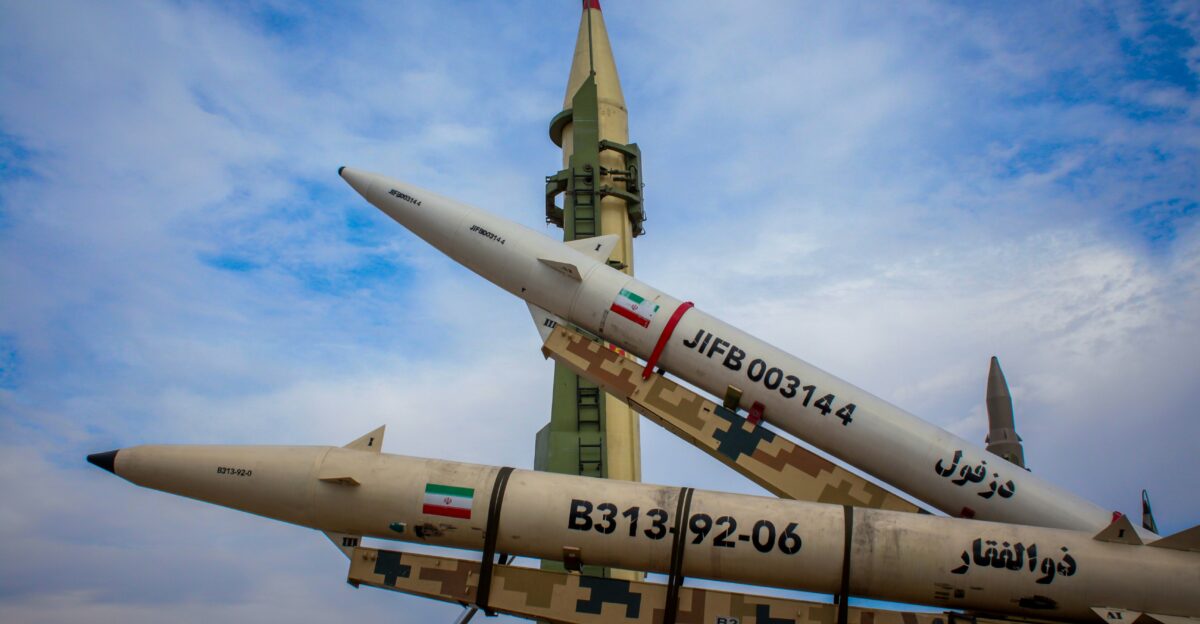
Russian Iskander-M ballistic missiles travel at over Mach 6 with little warning and erratic trajectories. The Iskander-M has a 500 km range and can carry conventional or cluster warheads, making it Russia’s key weapon for hitting urban and military targets.
Ukrainian defenders must spot, track, and intercept ballistic missiles within minutes of launch. Past intercept rates range from 60% to 75%, underscoring ballistic missiles as the hardest aerial threat. On January 20, Ukrainian forces aimed to surpass those interception rates.
The Record Result

On January 20, 2026, Ukrainian air defenses intercepted 14 of 18 incoming Russian ballistic missiles targeting Kyiv, reaching a 78 percent interception rate. Yuriy Ihnat, Ukrainian Air Force Command spokesperson, identified the destroyed missiles as Iskander-M and S-300.
Ihnat described this as “a very, very high result for ballistics.” The attack also included one Zircon hypersonic missile at infrastructure in Vinnytsia; details remain limited. This night became a benchmark for Patriot ballistic defense.
Kyiv Under Fire

The capital city of Kyiv, home to approximately 3 million residents, absorbed the brunt of the January 20 attack, with multiple impacts reported across the metropolitan area. Ukrainian emergency services deployed to manage fires, structural damage, and casualties resulting from the four ballistic missiles that penetrated air defenses.
Power outages cascaded through neighborhoods as the electrical infrastructure sustained hits or sustained collateral damage from debris intercepted in the air. Water supply systems, already stressed by months of similar attacks, faced additional repair demands. Residents hunkered in shelters as sirens wailed, a routine now repeated dozens of times per month, creating a grinding psychological toll alongside the physical destruction.
The Infrastructure Cost

Beyond Kyiv, Ukraine faces a deepening crisis as repeated missile strikes damage power generation, transmission, and distribution. Energy workers must repair sites under threat, often during air raids.
The January 20 attack damaged or destroyed several substations and transmission lines, reducing power capacity by roughly 10–15 percent. High heating demands force blackouts while citizens, hospitals, and military sites compete for power amid freezing indoor temperatures.
The Cruise Missile Parallel
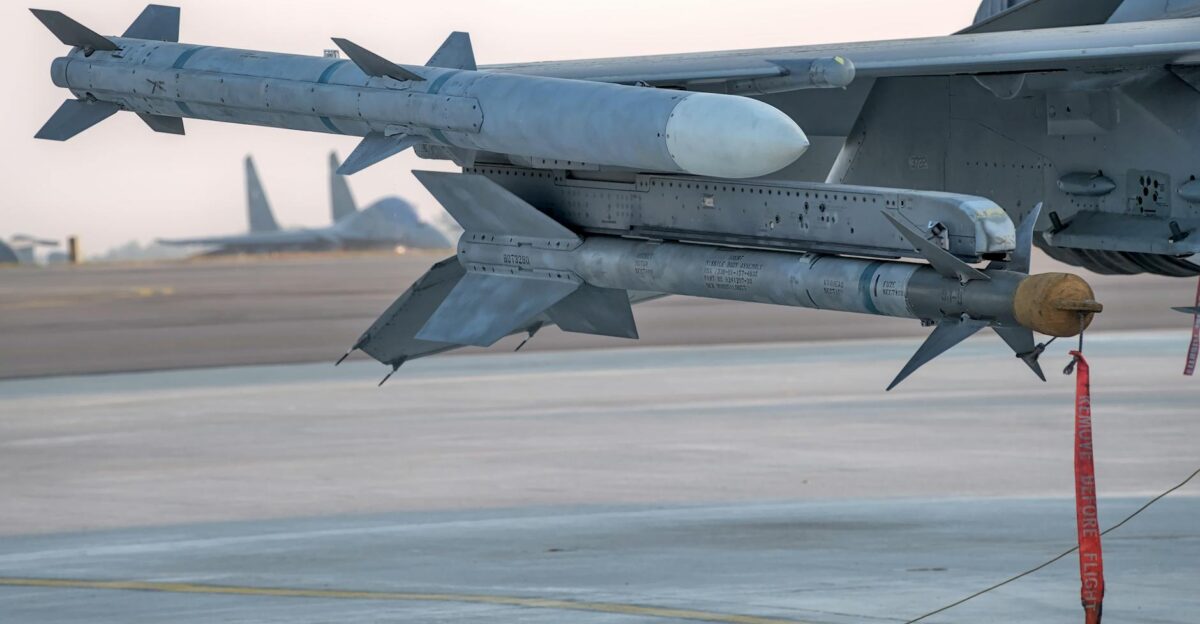
The January 20 attack also launched 15 Kh-101 cruise missiles, with 13 destroyed—an 87 percent interception rate, higher than for ballistic missiles. Cruise missiles are slower and follow predictable paths, making them easier for layered air defenses to intercept.
Yet intercepting cruise missiles depletes the same ammunition stocks used for ballistic missile defense, tying air defense performance directly to missile inventory.
Drone Swarm Defense
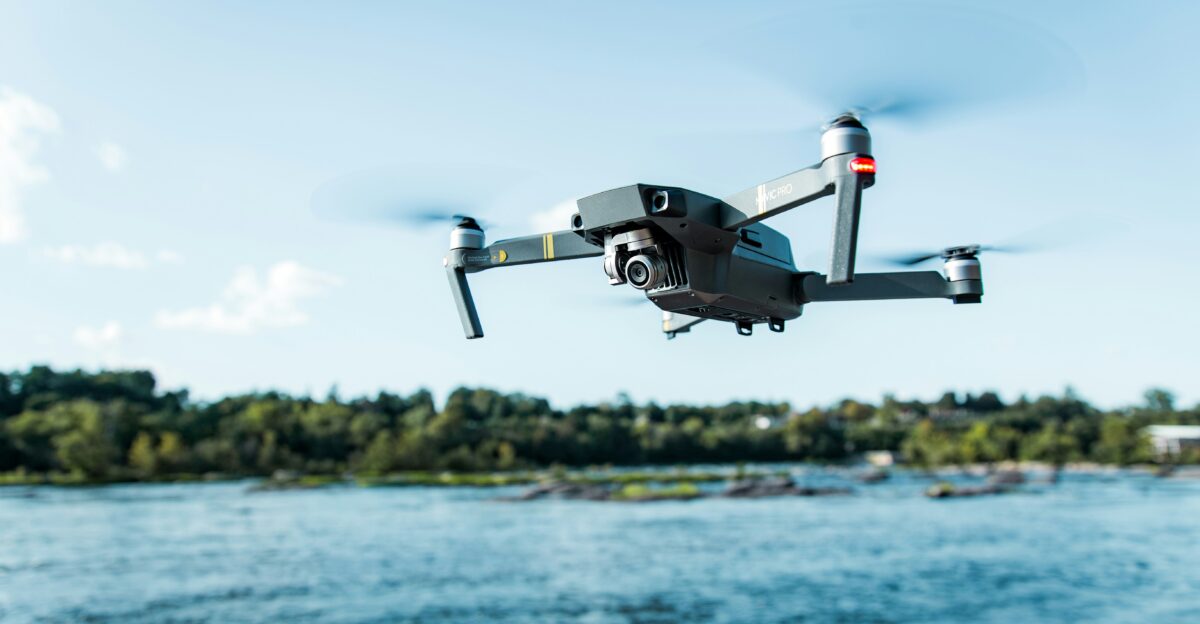
The January 20 attack also deployed 339 Shahed-type strike drones, of which Ukrainian forces destroyed approximately 315, achieving a 93 percent interception rate. Drones, the least costly threat vector, are also the most numerous, forcing Ukrainian air defense systems to dedicate resources to low-value targets that drain ammunition from inventory intended for ballistic and cruise missiles.
The 93 percent rate reflects optimization of layered defenses, with shorter-range air defense systems, electronic warfare, and even manned interceptors engaging drone swarms. Yet the 24 penetrating drones still caused damage across multiple locations. The strategic mathematics of modern air defense, where the quantity of threats can exhaust even high-capability systems, played out in real time.
The Leakage Problem
Ukrainian Air Force spokesperson Ihnat made a striking admission: “Even 10–20 percent of missiles and drones that are not shot down constantly hit somewhere.” Translated into practical terms, the January 20 attack’s seemingly impressive intercept rates still delivered 18 hits across ballistic, cruise, and drone categories, enough to inflict measurable damage on a capital city.
This “leakage” reveals a fundamental constraint of air defense: even a 78 percent success rate against ballistic missiles means accepting the arrival of ballistic warheads in populated areas. Over a winter campaign involving hundreds of attacks, that arithmetic guarantees cumulative destruction regardless of individual success percentages. The headline’s success story masks a darker reality: Ukraine’s air defenses are succeeding at a tactical level while losing a strategic game of attrition.
Ammunition Crisis
The January 20 attack used thousands of Ukrainian interceptor missiles, speeding the depletion of air defense stocks. Yuriy Ihnat stated that Ukraine faces a shortage of missiles for ground and air defense, as well as for aircraft use, highlighting the urgent need for resupply from partners.
Each Patriot interceptor or Stinger-class missile is costly. With 100–150 drones daily and large-scale attacks, reserves fall faster than allies can replenish. Defending daily requires a constant large-scale supply.
Western Supply Pledges

The United States and NATO members of the European Union have committed to increased ammunition shipments and additional Patriot batteries to Ukraine, though delivery timelines remain uncertain and classified. U.S. Defense Department statements confirm ongoing support, including missiles for the Patriot systems already in theater.
Poland, Romania, and other Eastern European NATO members have also pledged air defense assistance, but production capacity across the Western alliance remains constrained by competing global demand and industrial bottlenecks. Officials privately acknowledge that even at maximum sustained shipments, the replacement rate cannot match the rate required to sustain Ukraine’s current interception levels indefinitely. The political pressure to maintain visible support competes with the logistical reality that Ukraine’s air defense appetite will outlast Western willingness or ability to supply.
System Stress and Fatigue
The cumulative effects of eight months of continuous air defense operations have degraded Patriot and other systems beyond their intended operational tempo. Military engineers report that radar wear, fire control system fatigue, and maintenance demands on launchers are increasing, sometimes forcing systems offline for repairs during critical periods.
Personnel fatigue compounds the problem: Ukrainian air defense crews operate under sustained stress, with minimal rest between attacks and psychological strain from constant bombardment. Field reports indicate declining morale among some units, though frontline defenders continue performing their duties. The trajectory is clear: even highly trained forces and capable equipment have finite endurance under this operational pace.
Long-Term Sustainability Questions

Military analysts and defense strategists increasingly debate whether Ukraine’s air defense model, relying on finite ammunition stocks and aging equipment under an unsustainable operational tempo, can persist through 2027 without major resupply commitments or strategic shifts. Some experts argue for a shift toward cheaper, shorter-range systems like the Tor or Buk variants, which consume less expensive ammunition.
Others advocate for accelerated domestic air defense production, though Ukraine’s industrial base remains partially destroyed and lacking capacity. Still others suggest diplomatic off-ramps, a politically unacceptable position for the Ukrainian leadership. The January 20 attack showcased tactical excellence but underscored a strategic vulnerability: Ukraine can win individual air defense engagements indefinitely, but cannot sustain that victory rate against an adversary with infinite industrial capacity and indifference to losses.
The Endurance Test Ahead
The January 20 attack of 2026 may be remembered less as a triumph and more as a turning point, revealing the limits of Western air defense technology in a protracted attrition war. Ukraine’s 78 percent intercept rate against ballistic missiles, genuinely exceptional by historical standards, still permitted four warheads to strike the capital, inflicting measurable damage.
As Russian attacks continue at intensity levels matching or exceeding January 20, Ukraine faces a deepening choice: escalate demands for Western ammunition and system deliveries, adapt tactics to conserve ammunition, or accept higher casualty and infrastructure loss rates. The broader question for NATO and the United States transcends Ukraine: Does Western air defense technology and ammunition production capacity actually possess the industrial depth to sustain a near-peer conflict, or do events like January 20 expose a dangerous gap between tactical effectiveness and strategic endurance?
Sources:
Ukrinform – Patriot intercepts 14 of 18 ballistic missiles – Ihnat
RBC-Ukraine – Night Russian attack: Patriot systems shoot down 14 of 18 ballistic missiles
UA.News – Shortage of air defence missiles complicates the protection of Kyiv from massive attacks
Institute for the Study of War / Critical Threats – Russian Offensive Campaign Assessment, January 20, 2026
U.S. Army Redstone Arsenal – Patriot Missile System History
Army-Technology – Patriot Missile Long-Range Air-Defence System, USA