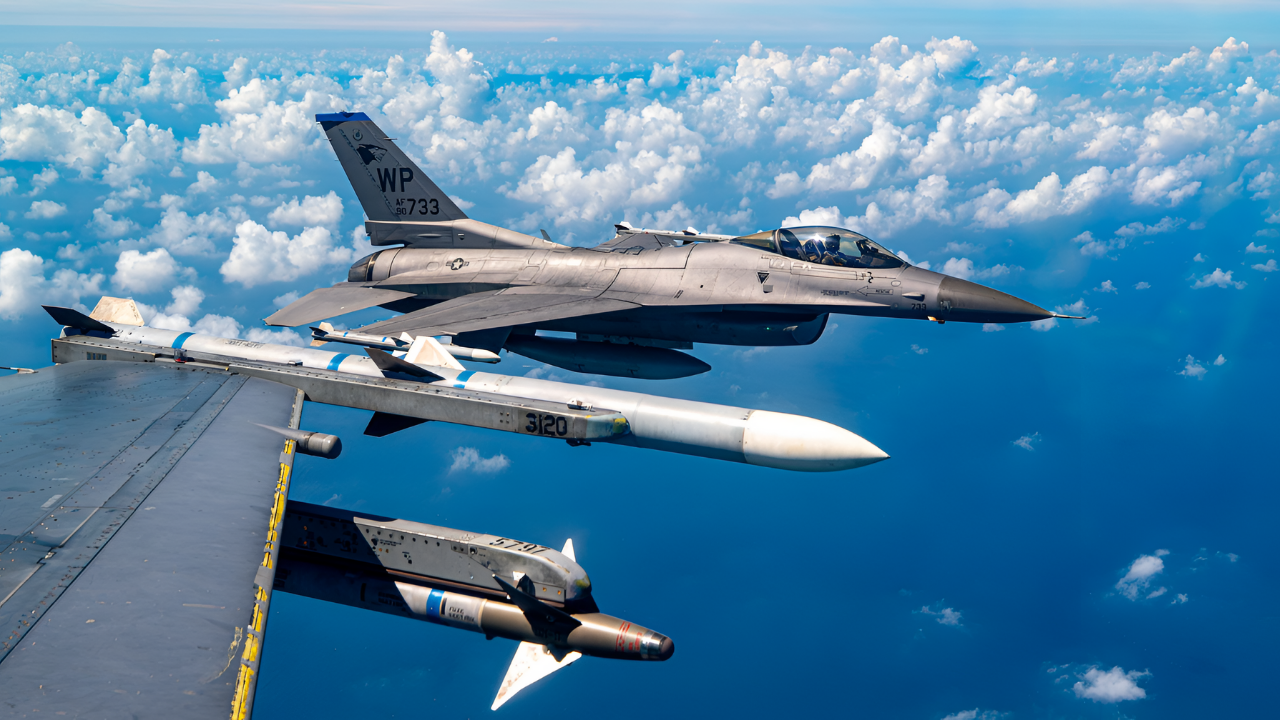
The night of December 22-23, 2025, will be remembered as the moment Ukrainian F-16 pilots silenced their doubters. As wave after wave of Russian missiles screamed across Ukrainian airspace, these American-designed jets became hunters—and they were relentless. By dawn, the numbers told an extraordinary story: 34 of 35 cruise missiles shot down, a 97% kill rate that reverberated through military circles worldwide.
Combined with ground-based defenses, Ukrainian forces neutralized 621 of 673 incoming weapons in one catastrophic night for Moscow. The skepticism about aging “hand-me-down” F-16s evaporated with those statistics.
673 Weapons in One Night
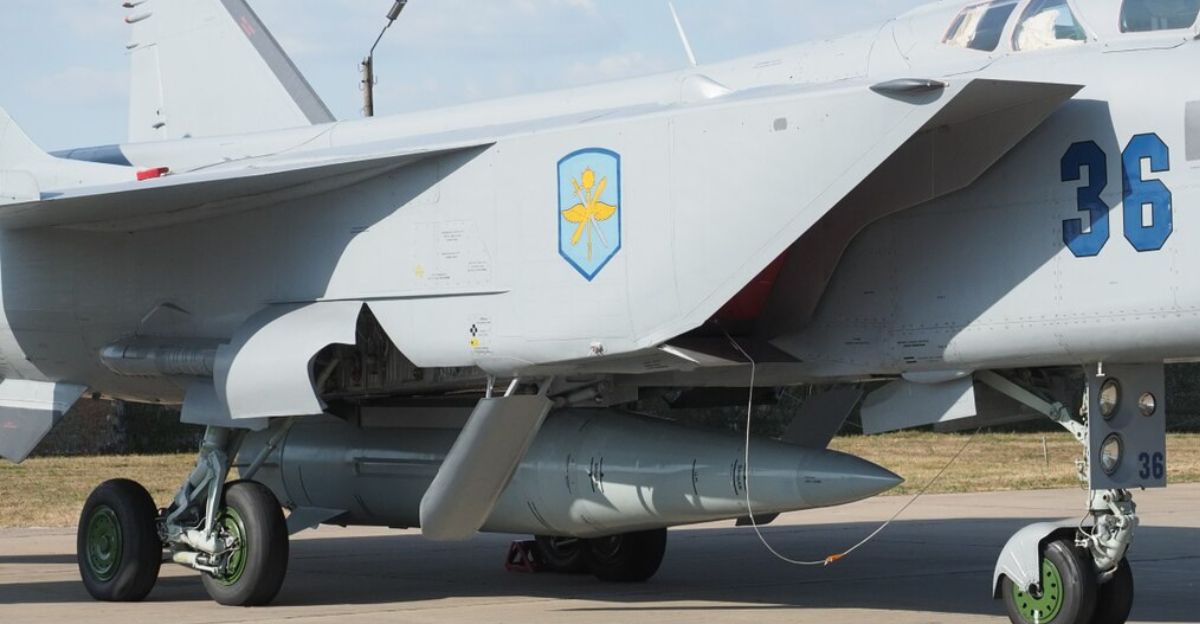
Russia gambled enormous resources on December 22-23, 2025, hurling nearly two dozen waves of missiles and drones at Ukrainian defenses and power plants before winter could end. The arsenal was staggering: 635 Shahed-type strike drones, 35 Kh-101 cruise missiles, and 3 Kinzhal aeroballistic missiles—Russia’s most advanced weapons converging on a single target.
By 11:30 a.m. on December 23, Ukrainian forces had neutralized 621 weapons. The price tag? An estimated $450–$ 500 million in military hardware was obliterated in hours.
The F-16’s Multi-Role Capability
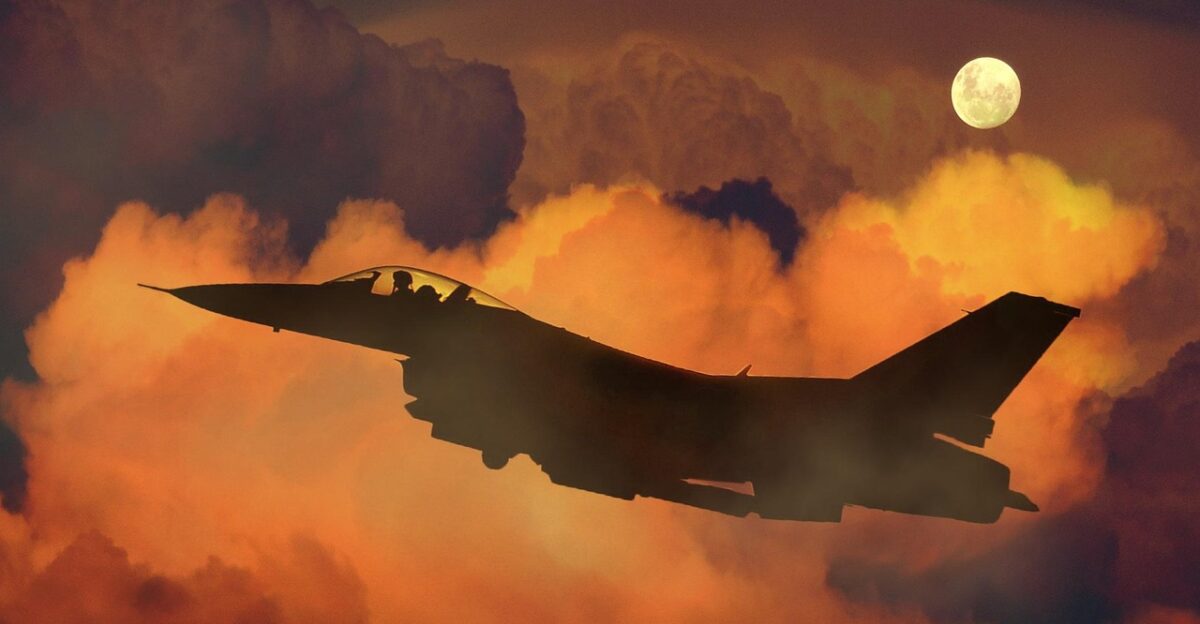
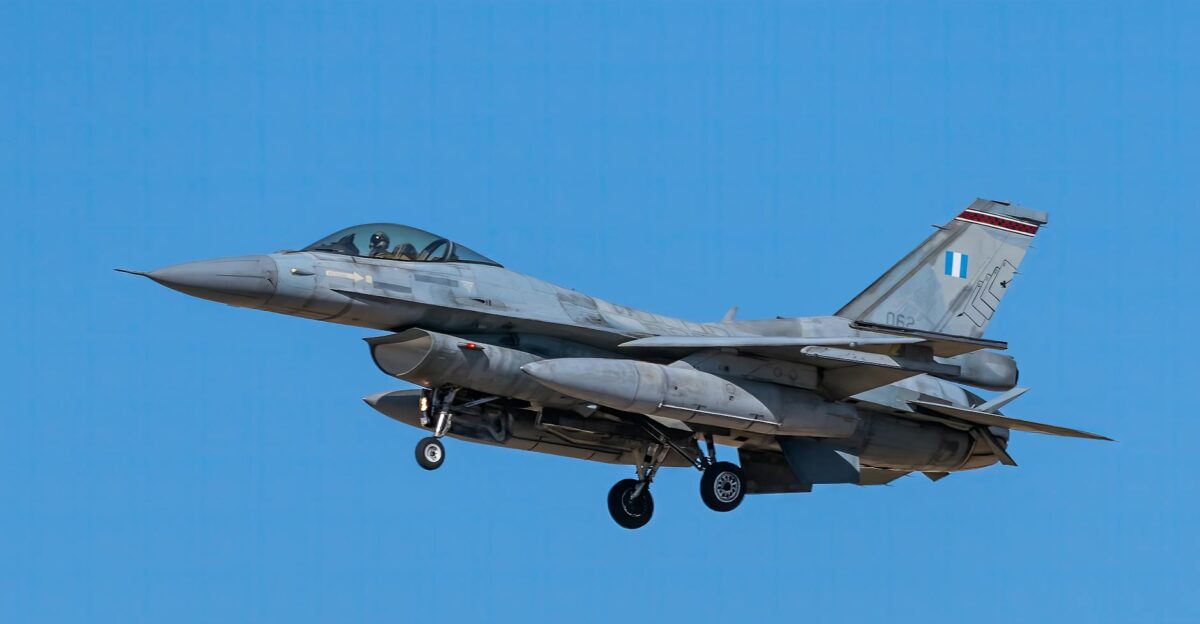
The F-16, born in the 1970s, was designed as a versatile fighter—not specifically to hunt cruise missiles. Yet Ukrainian pilots saw opportunity where others saw limitations. They integrated F-16s into a lethal air defense puzzle, using their speed and agility to intercept slow-moving cruise missiles and drones.
The jets could patrol high-altitude corridors for hours, poised and ready. When threats emerged, they responded with devastating speed.
The Game-Changing Sniper Targeting Pod
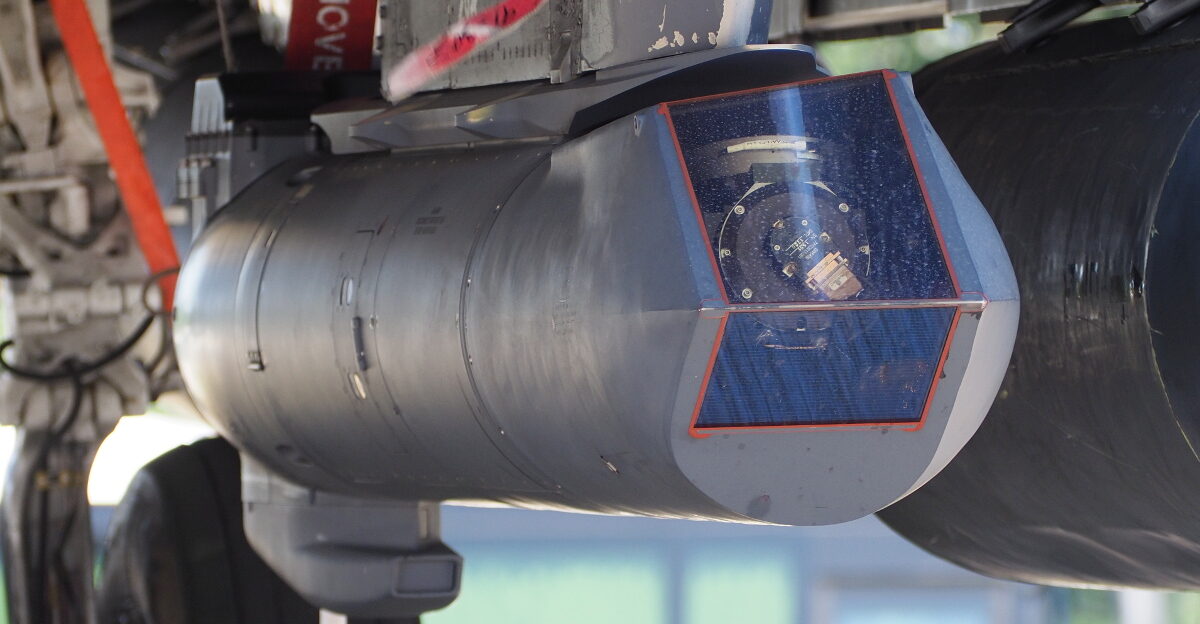
Everything changed in December 2025 when Norwegian and Dutch F-16s arrived equipped with something Ukraine’s pilots had desperately needed: Sniper Advanced Targeting Pods manufactured by Lockheed Martin.
These pods see what radar cannot—infrared signatures, optical details, laser-guided targets from 100 kilometers away, day or night. Suddenly, F-16 pilots could identify, track, and engage threats with precision previously impossible.
Radar Detection Extends Engagement Window
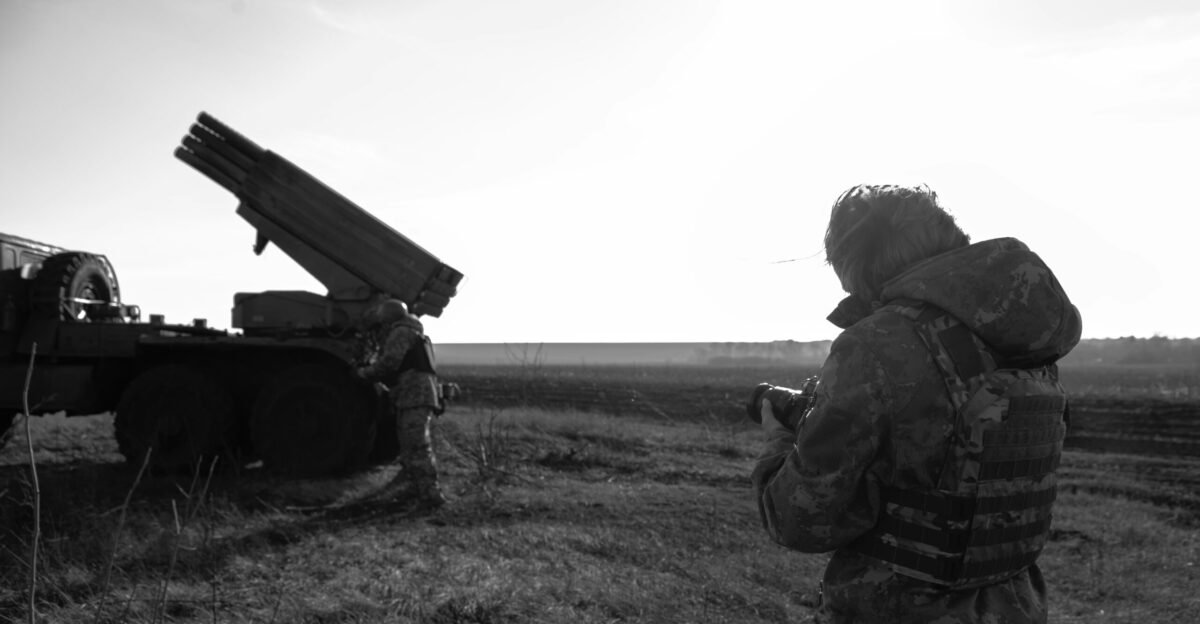
The F-16’s AN/APG-68 radar is unforgiving—it hunts targets flying below 100 meters altitude from distances exceeding 100 kilometers. Cruise missiles that should theoretically vanish into the low-level noise suddenly became visible.
On December 22-23, Ukrainian pilots weren’t working alone. Ground-based air defense radars fed them targeting data. AWACS surveillance aircraft painted pictures in the sky.
The AIM-120 AMRAAM Missile Dominates Engagement
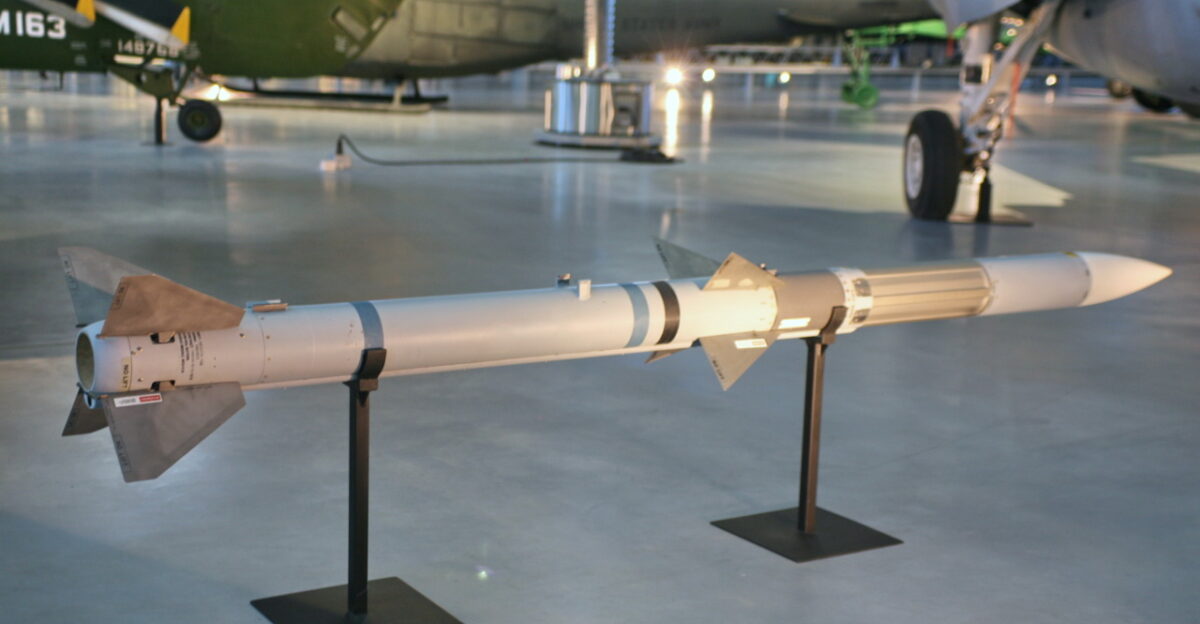
When F-16s close within striking distance, they unleash the AIM-120 AMRAAM—a radar-guided “fire-and-forget” missile that has dominated modern air combat since the 1990s. Modern variants strike targets 50 to 120 kilometers away. The missile launches, its seeker locks automatically, and the pilot is already hunting the next threat.
On December 22-23, Ukrainian pilots fired dozens of these weapons. The result? Subsonic cruise missiles with predictable flight paths stood no chance.
Rapid Pilot Training and Adaptation
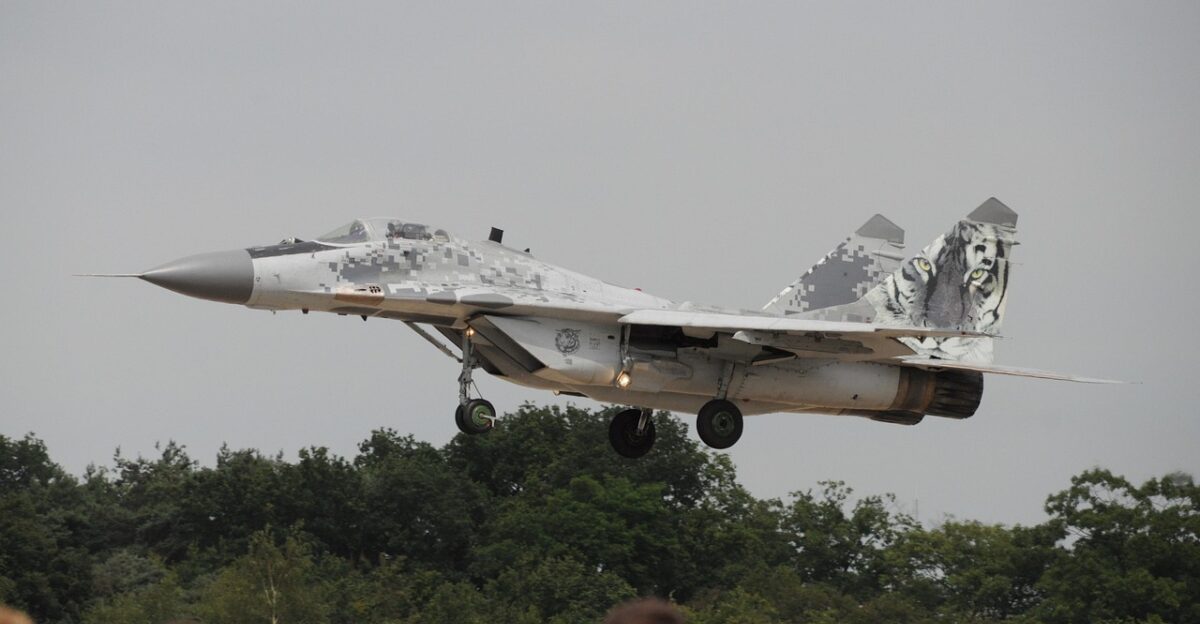
In mid-2024, Ukrainian pilots made a dramatic transition—from Soviet MiG-29 jets to American F-16s. NATO allies from the United States, the Netherlands, Denmark, and Norway became their teachers. The training was rigorous and compressed into months instead of years.
These pilots had no time for leisurely conversion courses. They were preparing for combat in a live war. By December 2025, they were dogfighting and intercepting with a confidence that stunned NATO observers.
Integrated Layered Air Defense Success
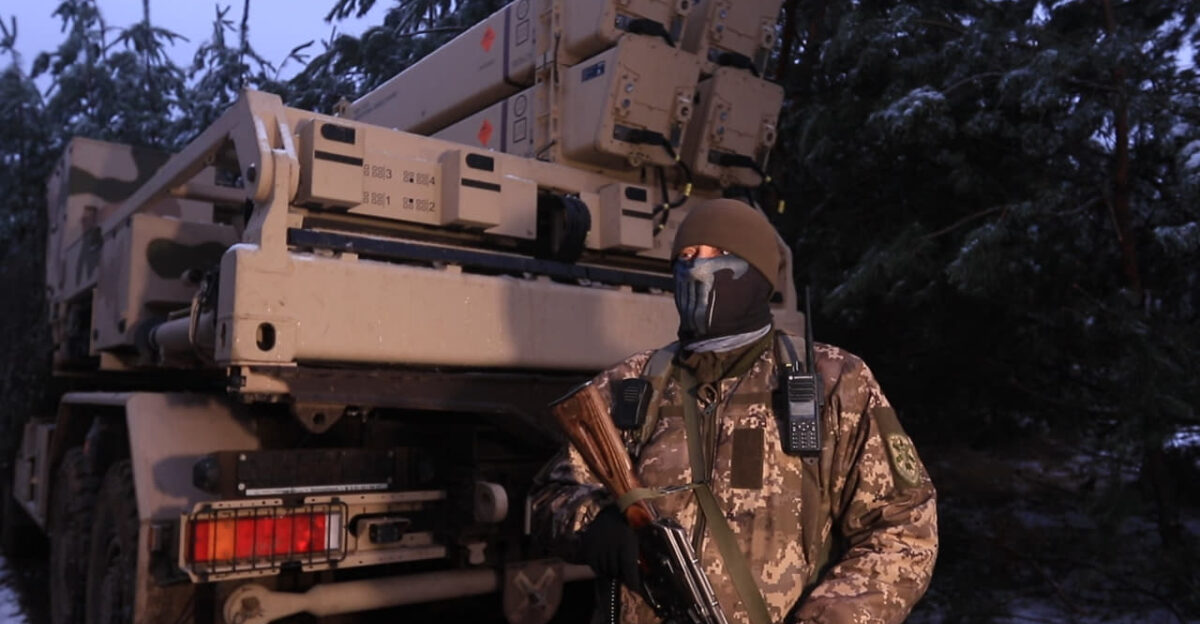
Ukraine’s success on December 22-23 wasn’t solely about F-16s. It was about integration. While Patriot batteries and IRIS-T systems tore through targets from the ground, F-16s ruled the upper skies under coordinated ground control.
When Russian missiles pierced lower defense layers, the jets waited above them. When hypersonic Kinzhal missiles—weapons Moscow touted as nearly unstoppable—screamed toward their targets, Ukrainian defenses said no.
The Kinzhal Challenge and Response
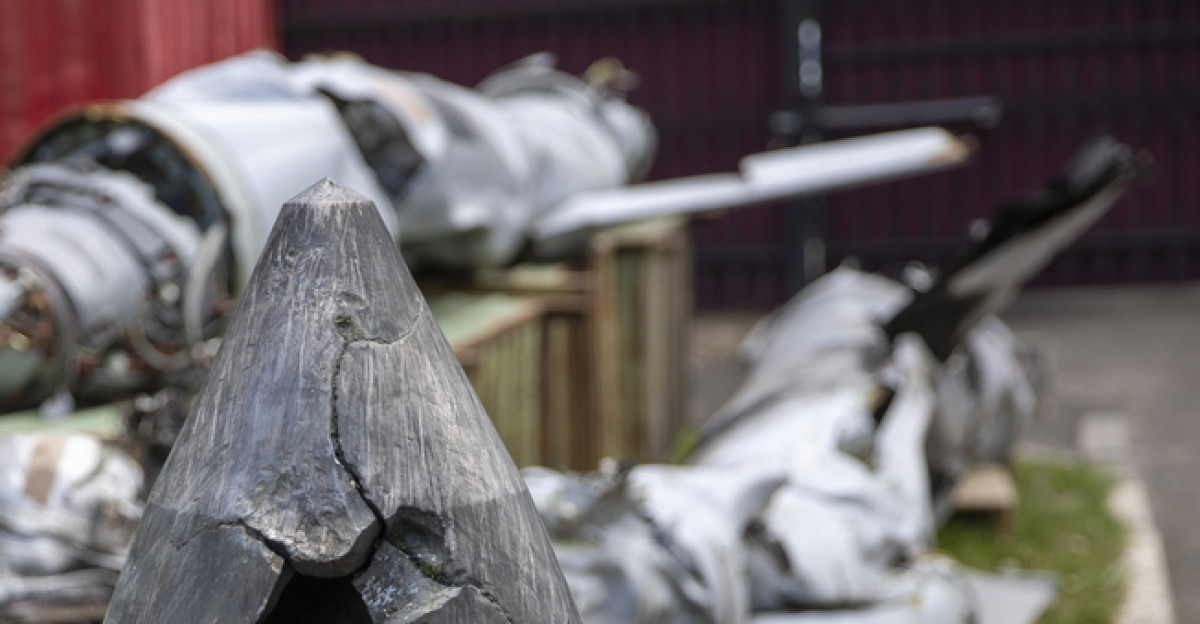
Russia’s Kinzhal aeroballistic missile is terrifying on paper: hypersonic speeds, evasive maneuvers, devastating power, and a price tag that costs millions. Moscow has fired dozens throughout this war, marketing them as unstoppable. Yet on December 22-23, something remarkable happened.
Three Kinzhal missiles streaked toward Ukrainian territory and failed to reach their targets. Not one broke through. It was a stunning vindication of Ukraine’s integrated air defense strategy.
Documented Financial Costs
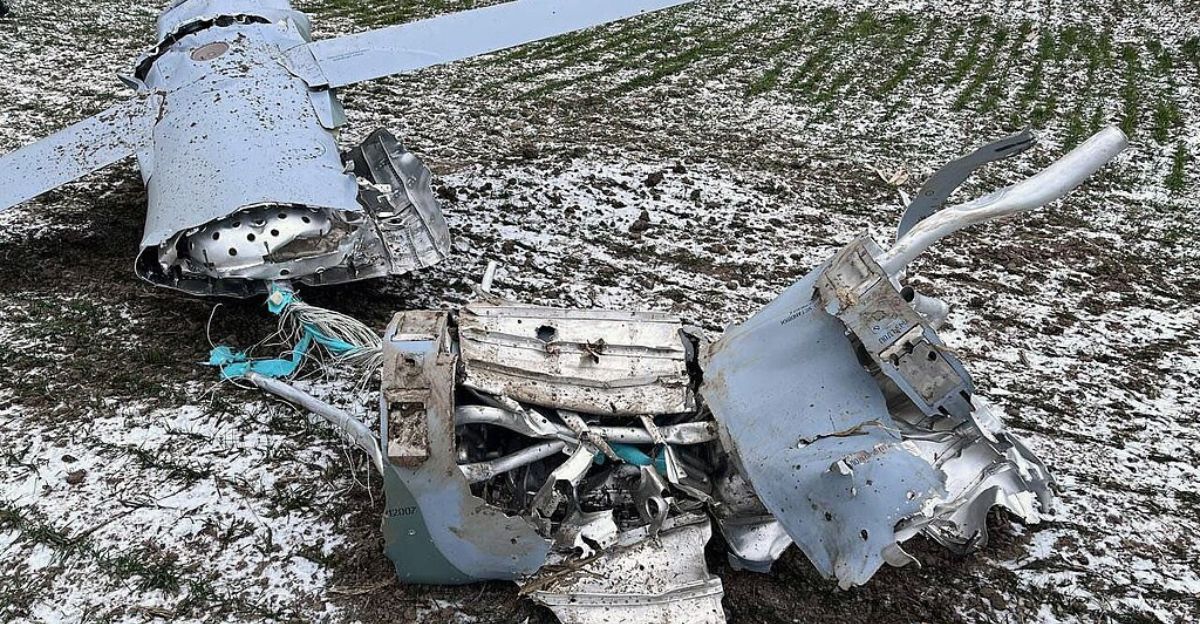
The math was brutal for Russia. Thirty-four destroyed Kh-101 cruise missiles—each worth approximately $13 million—totaled roughly $442 million in losses. Add 635 Shahed drones at roughly $50,000 each, and Moscow hemorrhaged approximately $500 million in military hardware in a single night.
These weren’t isolated attacks. Russia has been pounding Ukraine’s energy infrastructure for years, and each sustained campaign costs hundreds of millions.
Colonel Ihnat’s Public Assessment

“They were mainly shot down by our F-16s. Thank you to our valiant pilots,” Ukrainian Air Force spokesman Colonel Yurii Ihnat said with visible pride after the engagement. His words were broadcast across international news networks and social media.
They represented official military acknowledgment of what the numbers already showed: F-16s had performed brilliantly. But Ihnat’s next statement carried a harder edge.
Critical Ammunition Supply Constraints
Colonel Ihnat’s relief quickly shifted to concern. “Some air defense systems are standing idle with no missiles,” he admitted. Ukraine’s F-16s need constant ammunition resupply to maintain their devastating effectiveness. Western allies send what they can, but supply rates lag behind operational demand.
The pilots are exceptional; the technology is modern; the integration is seamless. But empty weapon racks are the great equalizer. Without accelerated resupply from the West, even the best defenses eventually run dry.
Russia’s Ongoing Energy Infrastructure Campaign

Since fall 2022, Russia has waged psychological warfare through the power grid. Winter attacks on energy infrastructure aim to freeze civilians, break morale, and force surrender through suffering. By December 2025, Russia had destroyed approximately half of Ukraine’s power generation capacity.
The December 22-23 attack was Moscow’s latest attempt to plunge millions into darkness and cold. But this time, Ukraine’s layered defenses held.
F-16 Fleet Status and Operational Tempo
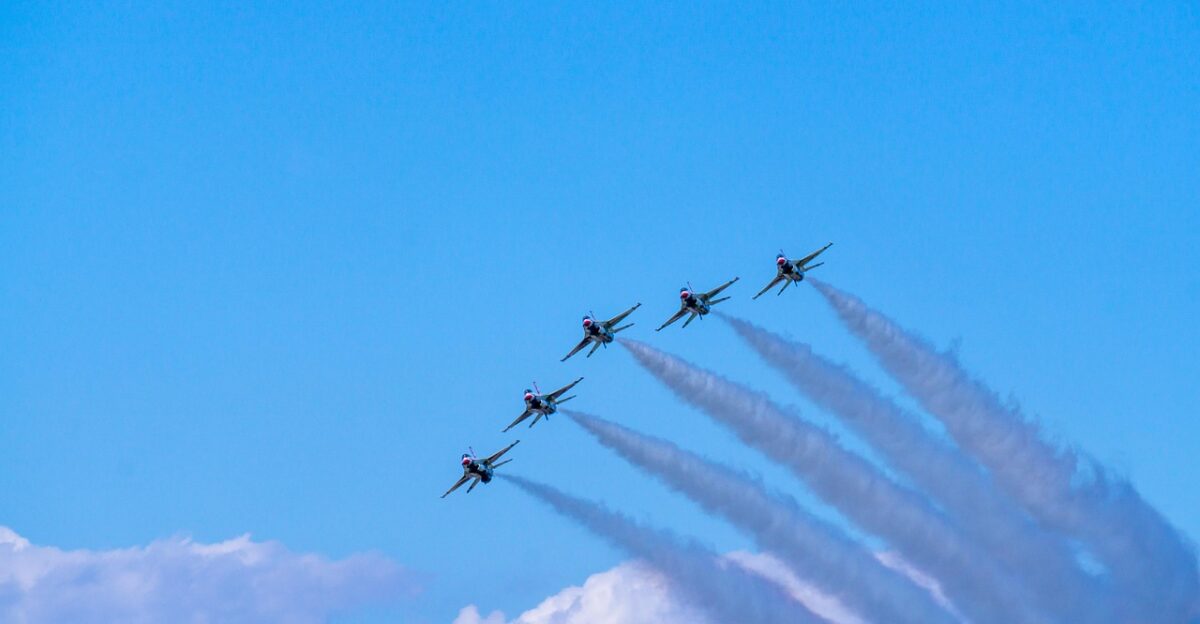
Ukraine operates approximately 50 F-16s from Denmark, the Netherlands, Norway, and Belgium—a modest fleet for a massive air war. These jets fly multiple sorties daily, engaging drones, missiles, and ground targets. By January 2026, Ukrainian F-16s had intercepted over 1,300 aerial threats since their arrival in the summer of 2024.
The pilots are exhausted. The maintenance burden is immense. Losses mount with each sortie. Yet every engagement proves these jets earn their place in Ukraine’s arsenal.
Strategic Outlook for 2026
Spring 2026 approaches, and with it comes an acceleration in air warfare. Russia is already adapting cruise missile designs and deployment tactics. Ukraine needs more F-16s, more advanced targeting systems, and far more air-to-air missiles. NATO has signaled willingness to provide Block 70 F-16 variants with upgraded engines and superior avionics—but delivery timelines remain uncertain.
December’s stunning victory wasn’t an ending. It was a statement of capability and a warning to the West: Ukraine can win air superiority if given the tools. The coming months will test whether Western allies have the will to sustain that commitment.
Sources:
Defense Express – “American F-16s Shred 97% Of Russia’s Largest Drone Swarm Yet In A Single Night”
Ukrainian Air Force Official Statement – Colonel Yurii Ihnat Press Briefing, December 23, 2025
NATO Defense Analysis – F-16 Combat Performance Review, January 2026
U.S. Department of Defense – Military Equipment Cost Assessment Report
Lockheed Martin Defense – Sniper Advanced Targeting Pod Technical Specifications
Jane’s Defence Weekly – Russian Cruise Missile Deployment Analysis, December 2025