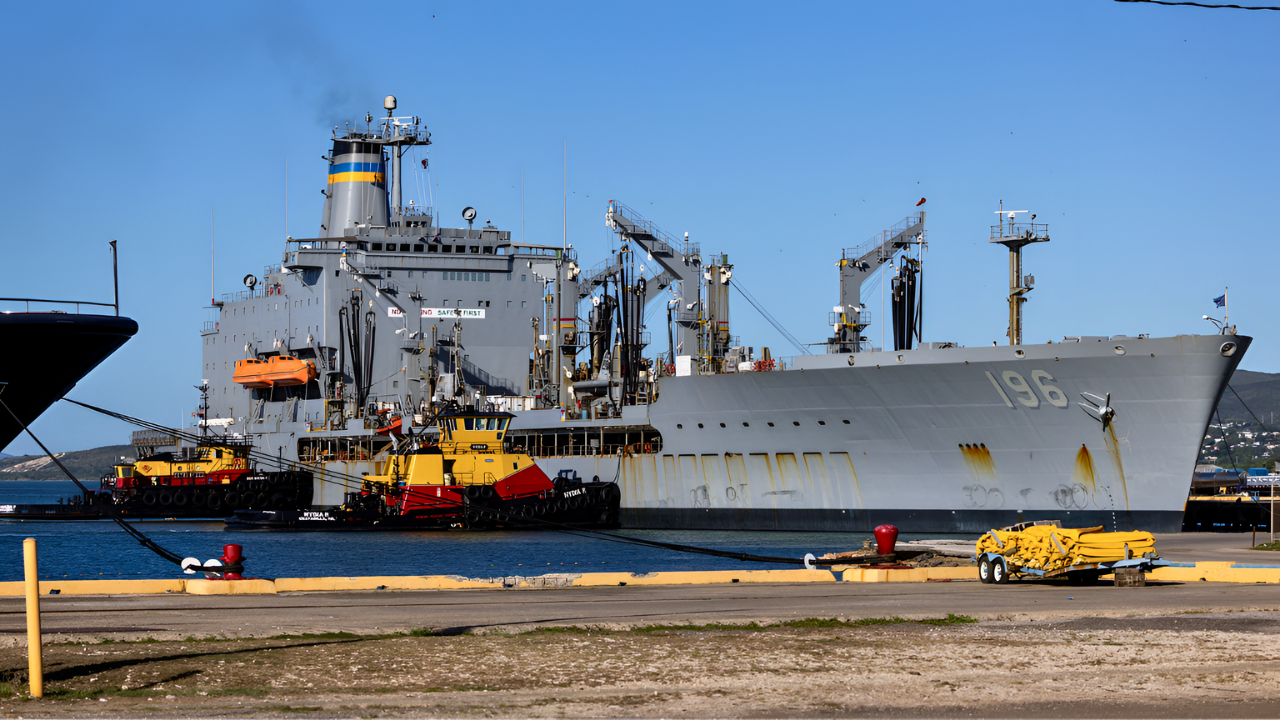
Grey waves rolled beneath a rust-streaked tanker as U.S. forces closed in between Iceland and Scotland. The ship—now called Marinera, formerly Bella-1—flew a Russian flag freshly painted onto its hull. U.S. officials declared it “stateless” and seized it, calling it part of Venezuela’s shadow fleet.
The interception was not routine. It marked the opening move in the most aggressive crackdown yet on a vast, hidden oil-shipping network.
Stakes Rising
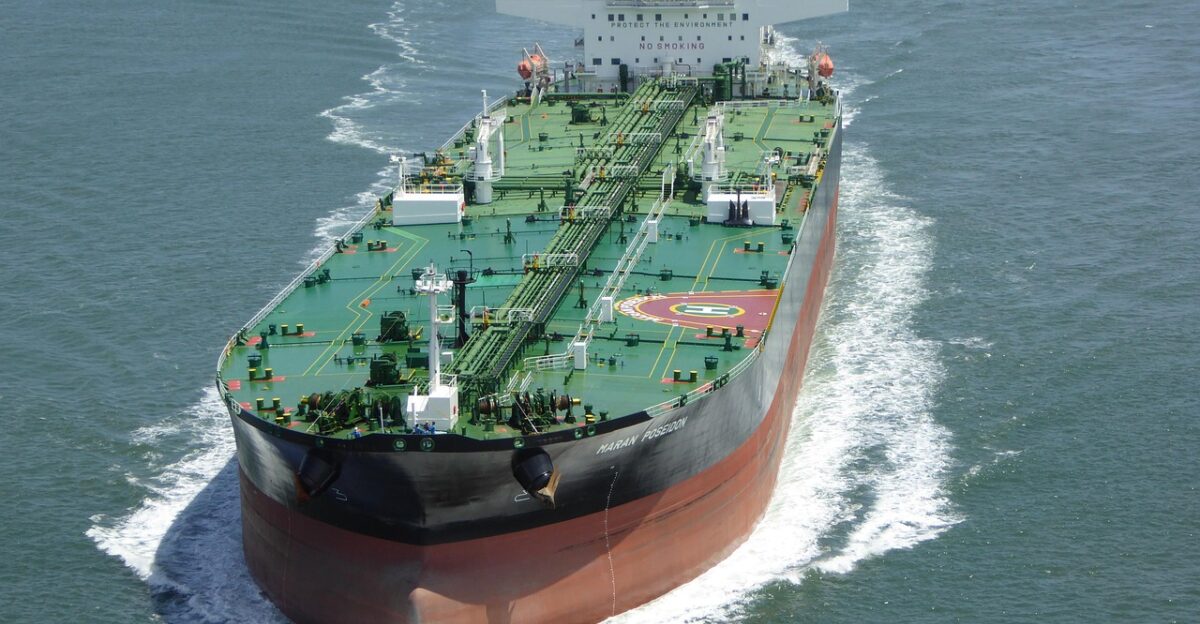
These tankers are more than maritime curiosities. They sustain sanctioned governments by moving oil outside normal oversight. Venezuela alone exported roughly 783,000 barrels per day in 2023, much of it via obscure intermediaries and aging ships.
That revenue underwrites national budgets, subsidized fuel, and imports. When sanctions block formal trade, these vessels become essential. Disrupting them threatens economic stability in countries with few alternatives—and raises the geopolitical cost of enforcement.
Sanctions Backdrop
U.S. pressure on Venezuela escalated sharply in 2017, when Washington imposed sweeping sanctions on PDVSA and senior officials. Exports plunged, foreign currency dried up, and the economy entered historic collapse.
Oil remained the country’s primary revenue source, forcing traders to improvise. To keep crude flowing, intermediaries turned to high-risk tankers willing to disable tracking systems, obscure ownership, and operate outside mainstream insurance and regulatory regimes.
Shadow Fleet Emerges
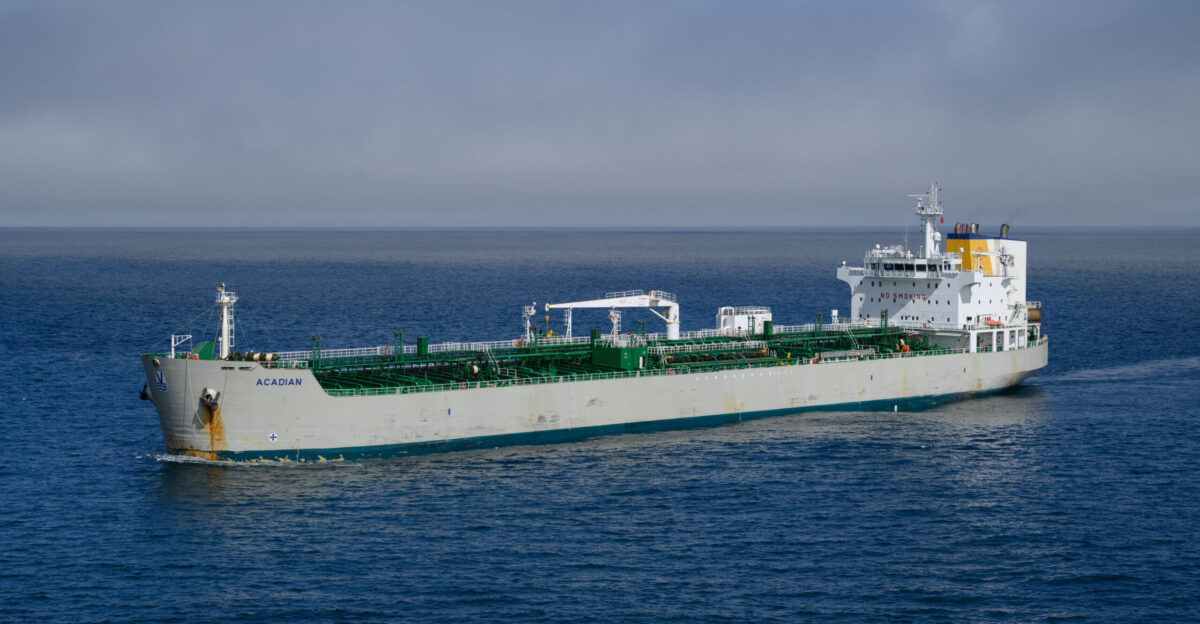
By 2022–2023, these workarounds hardened into a global shadow fleet. Initially dominated by ships moving Iranian and Venezuelan crude, the network expanded rapidly after Russia’s invasion of Ukraine.
Bloomberg estimates Moscow assembled more than 600 tankers to bypass Western restrictions. Combined with Iranian and Venezuelan vessels, analysts now estimate 1,200–1,600 ships worldwide—roughly 16% of the global tanker fleet—operating in this parallel system.
Chokehold Move
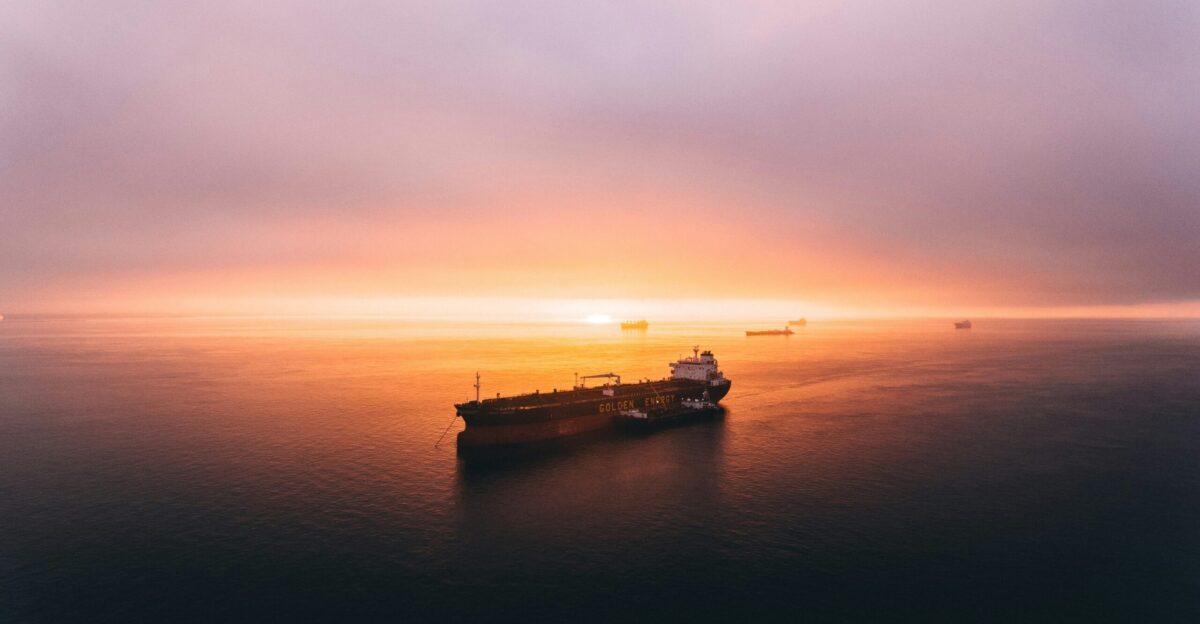
The turning point came in January 2026. U.S. forces seized two Venezuela-linked tankers in separate operations: the Russian-flagged Marinera in the North Atlantic and the Panama-flagged M Sophia off South America.
Both were tied to sanctioned exports. The Marinera, tracked for weeks, was formally labeled part of Venezuela’s shadow fleet. Washington framed the seizures as enforcement of a naval embargo imposed in December 2025.
Vital Economic Lifeline
For Caracas, the stakes are existential. Venezuela’s exports averaged about 783,000 barrels per day in 2023, with an estimated 600,000 barrels per day moving through shadow-fleet tankers toward China and other Asian buyers.
Oil remains the country’s dominant source of foreign currency after years of production decline. Targeting the ships that move this crude directly threatens Venezuela’s core economic artery and its ability to pay for imports.
Lives Behind Barrels
Behind the export figures are real communities. PDVSA workers, port towns in Zulia and Anzoátegui, and millions of citizens rely on oil revenue to finance fuel subsidies and imports.
The Council on Foreign Relations notes that sanctions have already deepened shortages and driven mass migration. Further disruption could tighten domestic fuel supply, weaken social programs, and intensify pressures on an economy already stretched to its limits.
Regulatory Net Tightens
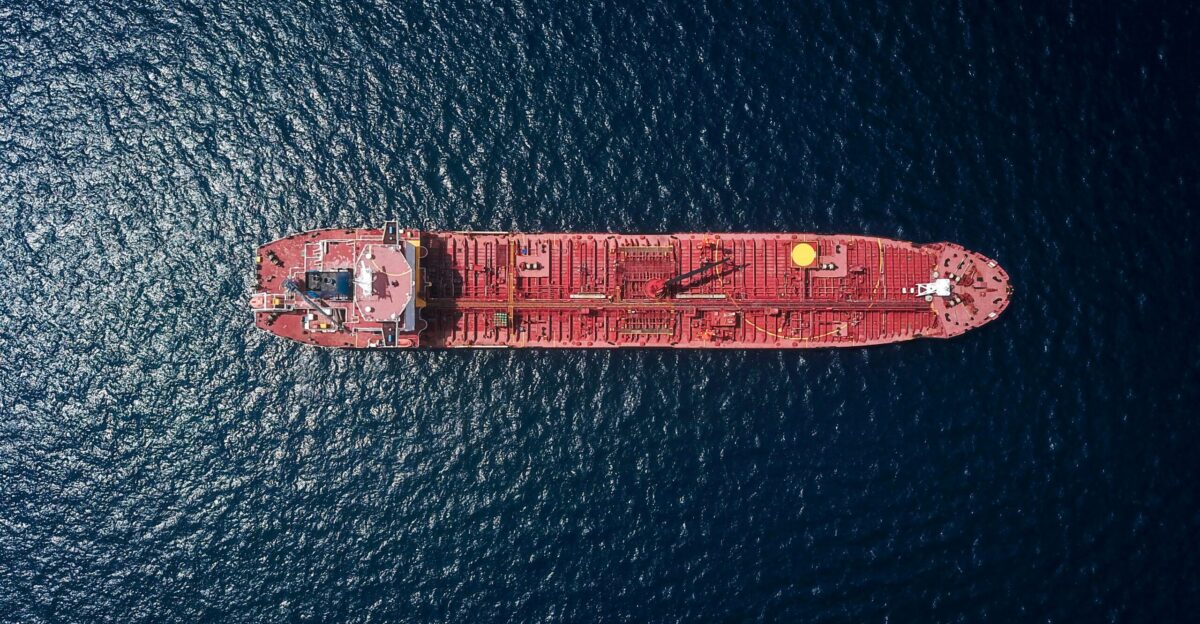
The seizures followed years of warning. In May 2020, the U.S. Treasury issued a global maritime advisory flagging deceptive practices such as AIS disablement, ship-to-ship transfers, and “flag hopping.”
It warned shipowners, insurers, and registries that vessels engaging in such tactics risked sanctions. That notice effectively put the shadow fleet on alert. January’s interdictions show Washington is now acting on those threats.
A Global Shadow System
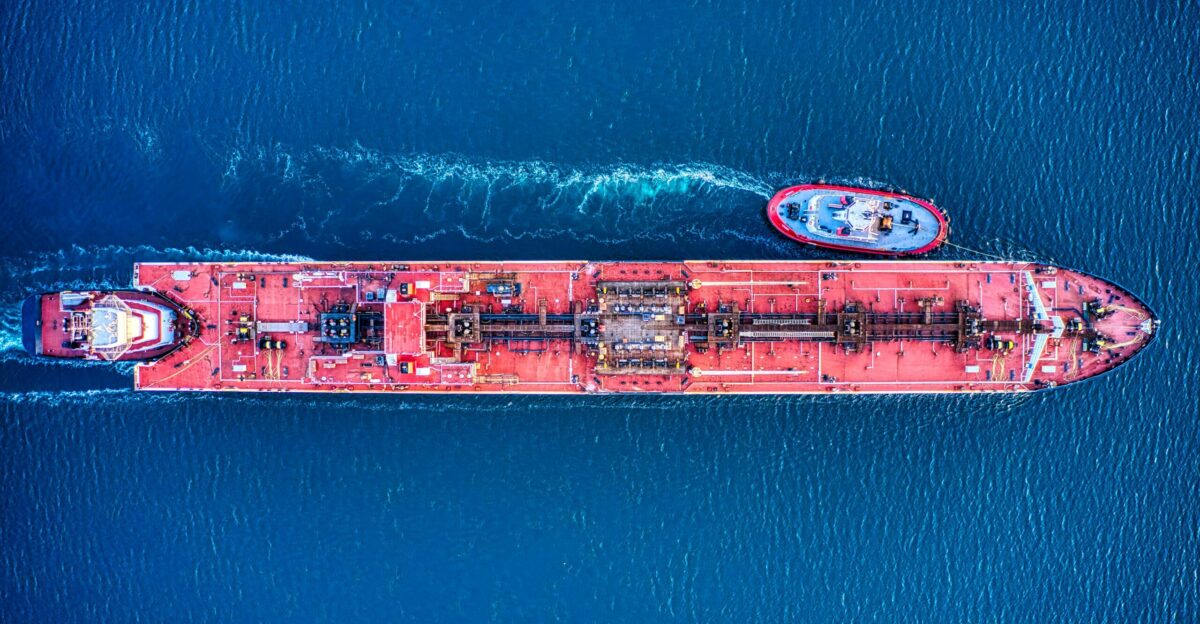
Venezuela is only one node in a much larger network. According to the Financial Times, shadow-fleet tankers now move Russian, Iranian, and Venezuelan crude outside G7 price caps and traditional insurance markets.
Analysts estimate 435 oil tankers—about 16% of the world’s fleet—operate this way. The system distorts freight rates, undermines climate monitoring, and erodes long-standing norms of maritime transparency and governance.
U.S. Control Plan
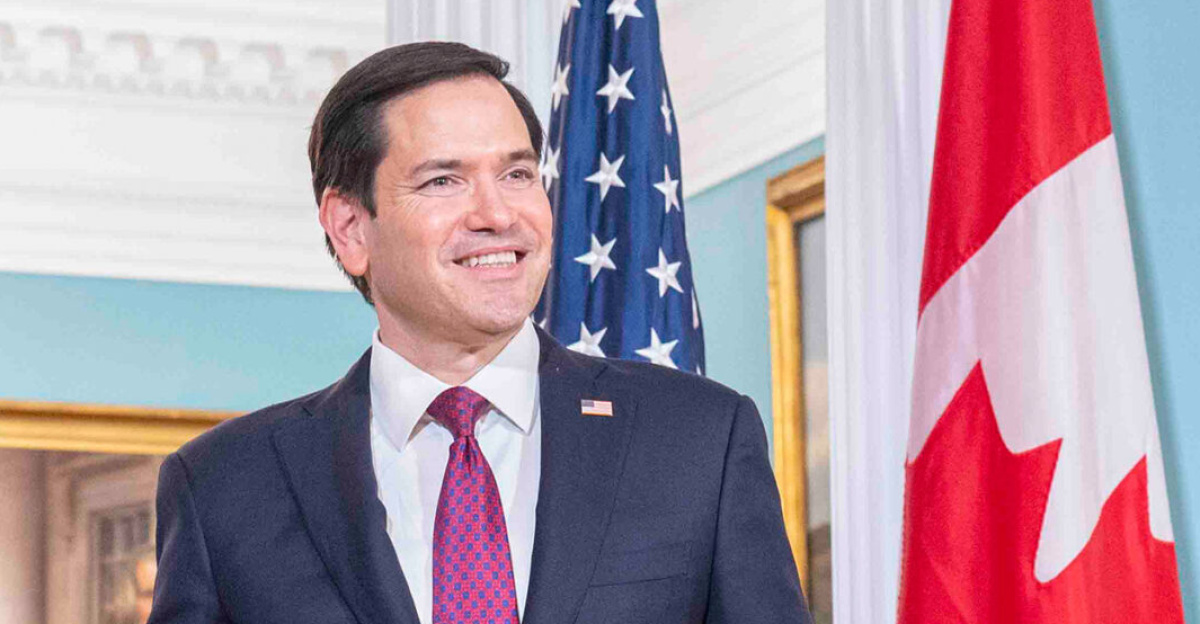
Beyond seizures, Washington is signaling a deeper shift. Secretary of State Marco Rubio said the U.S. is “about to execute a deal to take all the oil,” while Energy Secretary Chris Wright confirmed the U.S. would control Venezuelan oil sales indefinitely.
Revenue, officials say, would be used “for the benefit of the Venezuelan people.” The plan follows the capture of former president Nicolás Maduro in Caracas.
Venezuelan Power Struggle
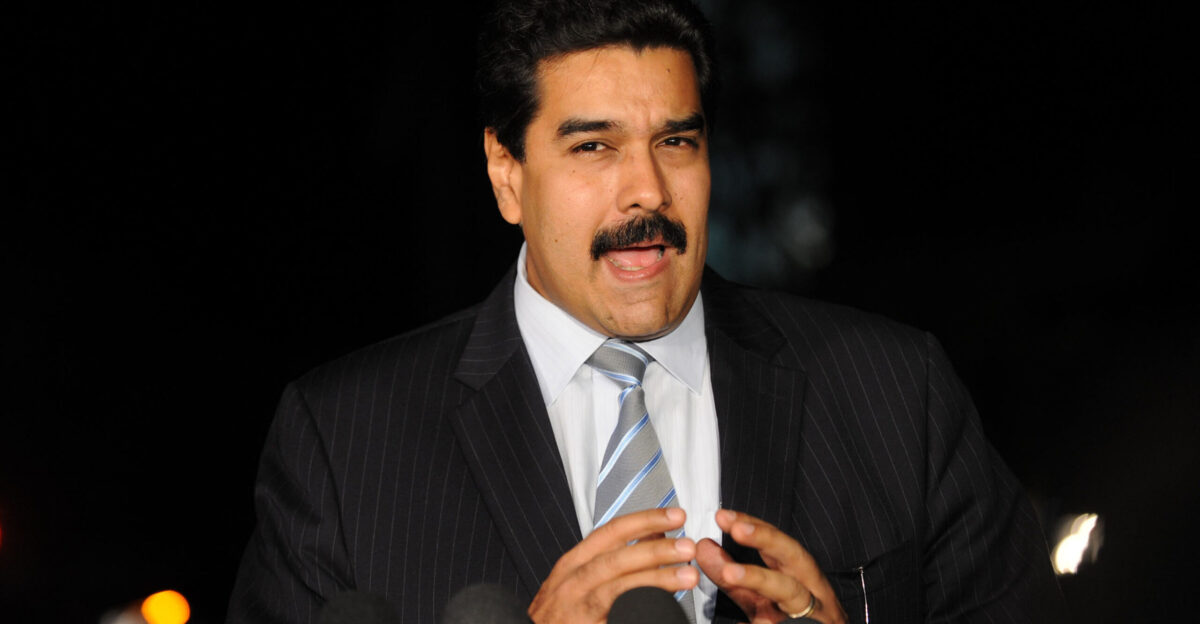
Maduro’s detention on U.S. narco-trafficking charges has reshaped Venezuela’s political landscape. Interim president Delcy Rodríguez now faces intense U.S. pressure to align with Washington’s sanctions strategy, including on shipping.
Analysts describe deep internal tensions between factions favoring accommodation with the U.S. and those aligned with Russia, China, and Cuba—countries that have relied on Venezuelan crude and oppose U.S. control.
Who Owns the Oil?
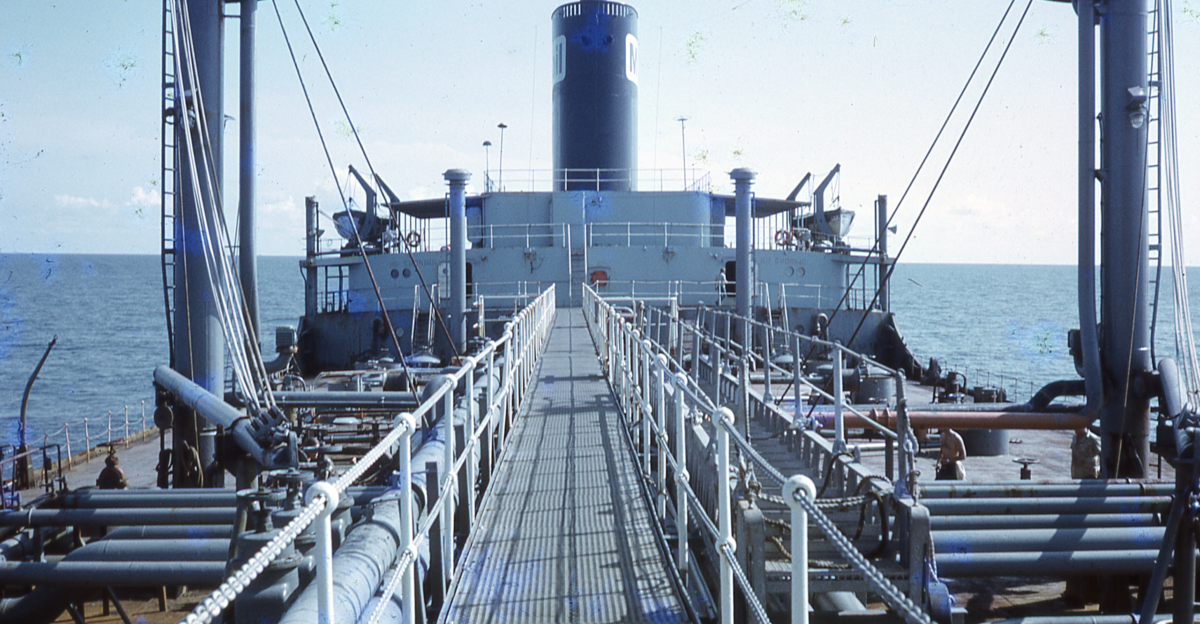
Direct U.S. control over Venezuelan exports raises complex legal questions. Politico reports the administration envisions an indefinite role in commercializing the country’s crude.
That would sideline PDVSA’s traditional authority and could trigger challenges from displaced officials, bondholders, and foreign joint-venture partners in the Orinoco Belt. International law experts warn such control may conflict with sovereignty principles under the UN Convention on the Law of the Sea.
Shadow Fleet Adapts
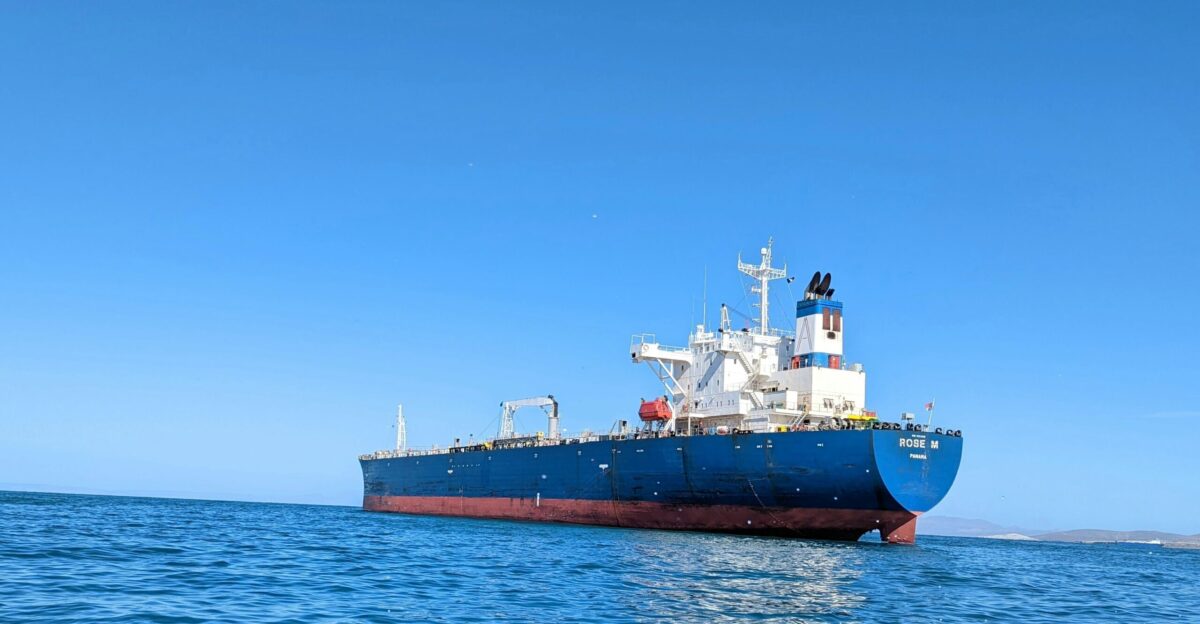
Shadow-fleet operators rarely stand still. The Bella-1 reflagged, renamed itself Marinera, and even painted a Russian tricolor on its hull after previous sanctions linked to Iranian cargo.
Such maneuvers—changing names, flags, routes, and paperwork—have long allowed these ships to keep sailing. In the past month alone, about 17 shadow-fleet tankers switched to the Russian flag. The question is whether adaptation can still outrun enforcement.
Can Chokehold Last?
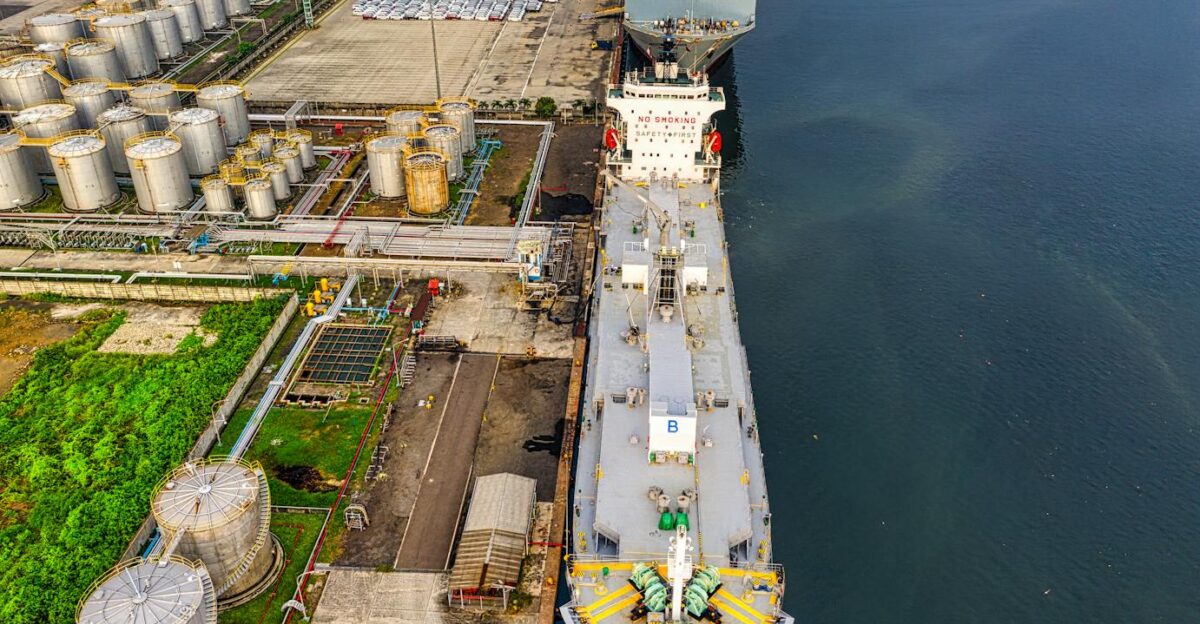
Analysts caution that even aggressive enforcement may not achieve a total cutoff. Past sanctions slashed Venezuelan exports but never stopped them entirely.
Buyers like China continued importing via intermediaries, while operators shifted to less-patrolled routes. Policing hundreds of vessels across vast oceans is resource-intensive. Over time, shadow fleets may reroute through friendlier jurisdictions, blunting Washington’s leverage despite the dramatic early seizures.
Future of Oil Routes
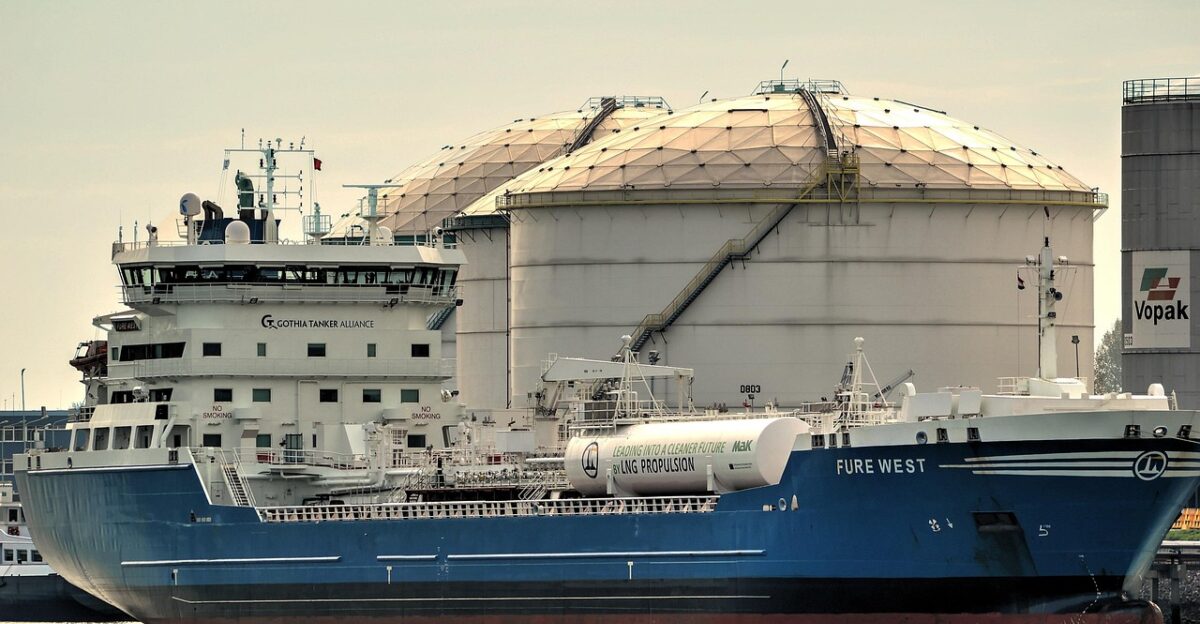
The crackdown could reshape global oil logistics. Increased boardings raise insurance premiums and freight rates for voyages near U.S. patrol zones.
Some ships may take longer, costlier routes to avoid interception. Analysts warn that if even 5–10% of shadow-fleet tankers reroute, dozens of ships could add days of transit and millions in annual costs—subtly shifting price spreads between benchmarks like Brent and Dubai.
Power and Policy
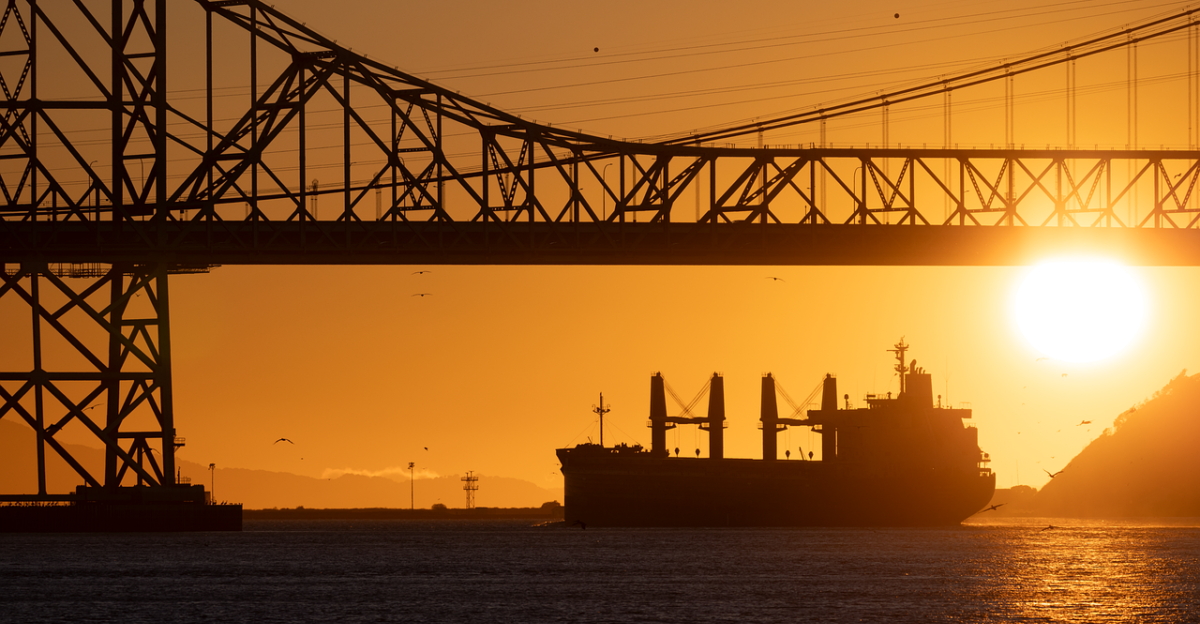
The seizures highlight how U.S. sanctions, law enforcement, and naval power intersect. By insisting only “U.S.-compliant and authorized” operations move Venezuelan crude, Washington is asserting extraterritorial control over energy flows.
Supporters argue this enforces norms against corruption and illicit finance. Critics counter that unilateral coercive measures bypass multilateral institutions and risk normalizing forceful economic enforcement beyond UN Security Council frameworks.
Allies and Adversaries
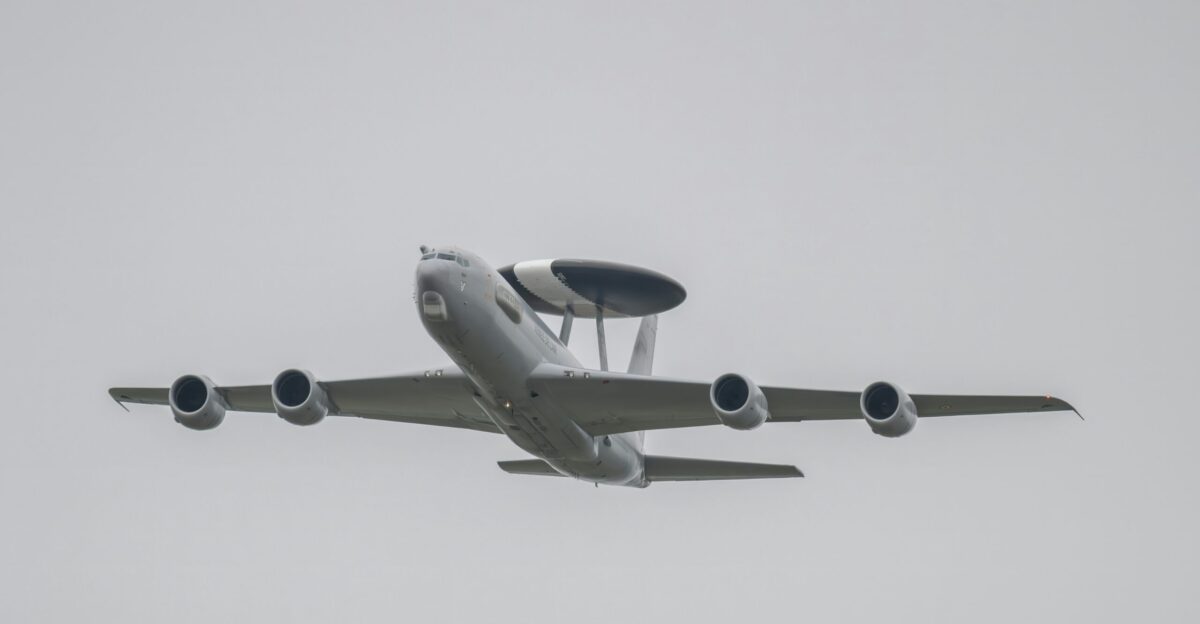
The operations are straining relationships. The U.K. provided RAF surveillance and a support vessel during the Marinera seizure, calling it routine sanctions enforcement.
Russia condemned the action as a “gross violation” of maritime law and demanded the crew’s release. China—absorbing roughly 80% of Venezuela’s crude—criticized the move as “hegemonic” and is closely watching for precedents affecting its energy security.
Legal High Seas Fight
At the heart of the dispute is maritime law. Russia argues the U.S. has no right under UNCLOS to seize duly registered vessels on the high seas.
Washington counters that ships using deceptive practices, carrying sanctioned cargo, or deemed effectively stateless fall within enforcement reach. Legal experts question the basis for both tanker seizures and Maduro’s capture. Court rulings could redefine future high-seas interdictions.
Ethics of Sanctions
Beyond legality lies a moral debate. The BBC and CFR note sanctions contributed to Venezuela’s economic collapse, shortages, and mass emigration.
Proponents argue pressure is necessary to curb corruption and illicit networks. Critics ask whether targeting oil exports disproportionately harms ordinary citizens while shadowy traders and political elites adapt and profit. The human cost of enforcement remains contested—and unresolved.
Signal to the World
The seizure of shadow-fleet tankers sends a blunt warning. Reflagging, renaming, and sailing dark are no longer reliable shields.
For Venezuela, the risk is economic strangulation. For Russia and Iran, it tightens pressure on covert energy trade. For China and global shippers, it introduces new uncertainty. How states, courts, and navies respond will shape the future rules of sanctions—and freedom of navigation itself.
Sources:
BBC News — “US seizes two ‘shadow fleet’ tankers linked to Venezuelan oil” — January 7, 2026
Al Jazeera — “Delcy Rodriguez sworn in as Venezuela’s president after Maduro abduction” — January 5, 2026
BBC News — “US will control Venezuela oil sales ‘indefinitely’, official says” — January 7, 2026
Lloyd’s List — “Venezuela exports slump as Maduro capture set to alter tanker patterns” — January 4, 2026
UK Government — “UK provides support to U.S. seizure of Bella 1 accused of shadow fleet activities” — January 6, 2026
US Department of Treasury (OFAC) — “Guidance to Address Illicit Shipping and Sanctions Evasion Practices” — May 14, 2020