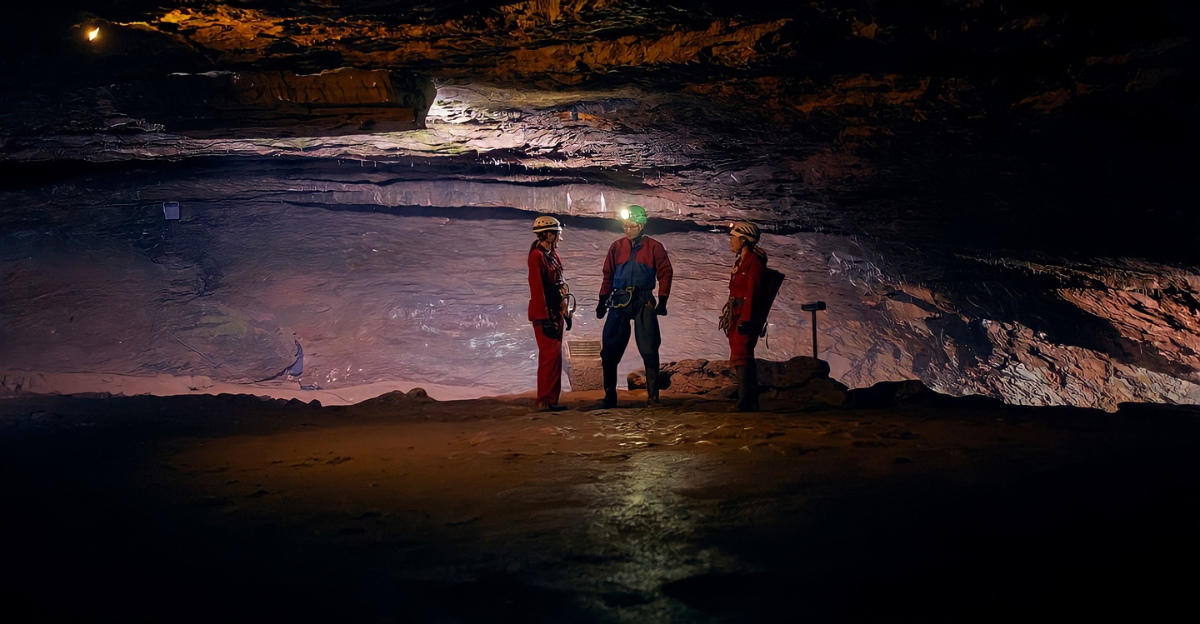
Recently, the internet has been captivated by Mount Shasta and theories of hidden portals to underground realms. Many YouTube channels that fuel audiences’ imaginations rack up millions of views.
Human curiosity has also fueled tourism in the region, with the Mount Shasta Chamber of Commerce reporting that its Visitors’ Pavilion receives almost 26,000 visitors annually, who often request information on the mountain.
Digital Revival

Victorian-era beliefs have remerged as social media has ignited interesting, though controversial theories about the hollow Earth.
While not scientifically valid, TikTok and YouTube videos exploring these topics attract devoted audiences looking for explanations that differ from established science. Curious audiences have highlighted a renaissance in ancient legends.
Les Fils de Dieu
The Agartha legend emerged more than 150 years ago after French colonial official Louis Jacolliot published “Les Fils de Dieu.
Jacolliot claimed Indian Brahmins revealed secrets about an underground city, though his account reflected contemporary theories rather than authentic mythology.”
Theosophical Expansion
Helena Blavatsky and Alexandre Saint-Yves d’Alveydre popularized Agartha through Theosophical writings in the late 1800s.
According to Ancient Origins, they described it as a hidden enlightened kingdom guiding humanity from below. These spiritual movements transformed Jacolliot’s literary creation into a persistent occult belief system.
Nazi Expeditions
Fast forward to the 1900s, and Nazi occultists conducted expeditions interested in Agartha and even searched for hidden entrances.
According to Ancient Origins, Heinrich Himmler’s Ahnenerbe organization sent teams to Tibet in 1938-1939, partly motivated by occult theories about Aryan origins and hidden spiritual centers. These expeditions failed.
Mountain Magnetism
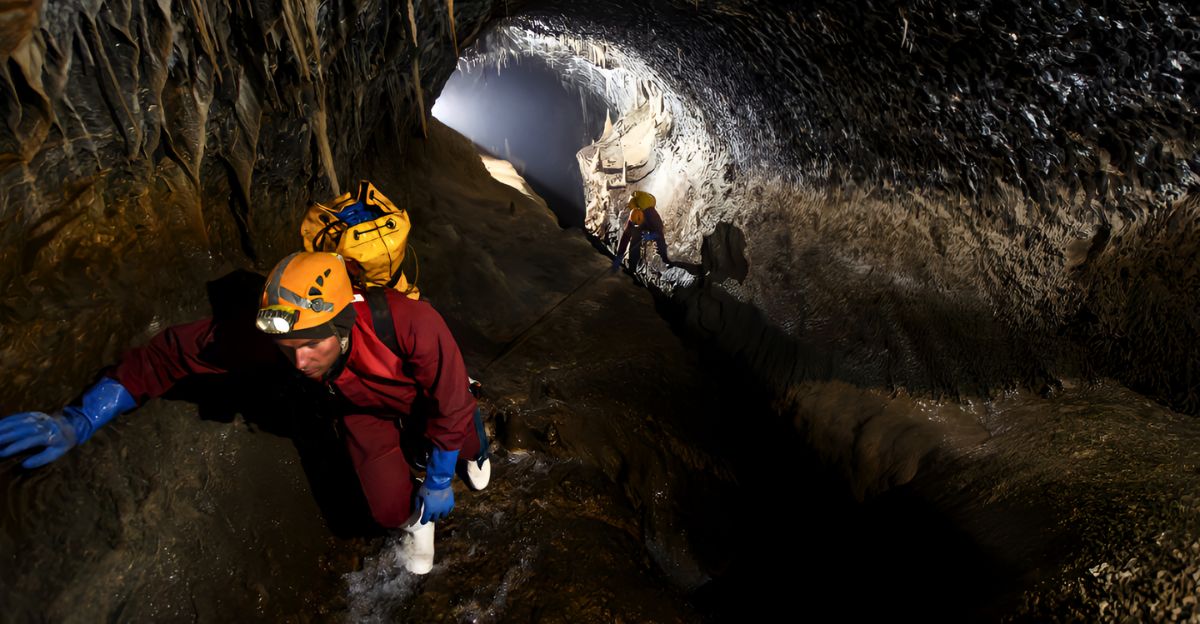
Those who believe in Agartha’s hidden secrets have made modern pilgrimage sites on Mount Shasta, seeking spiritual transformation.
According to NPR, the mountain attracts thousands of visitors annually, many drawn by claims of mystical experiences. Locals report UFO sightings and encounters with mysterious seven-foot-tall beings in white robes.
Believer Testimonies
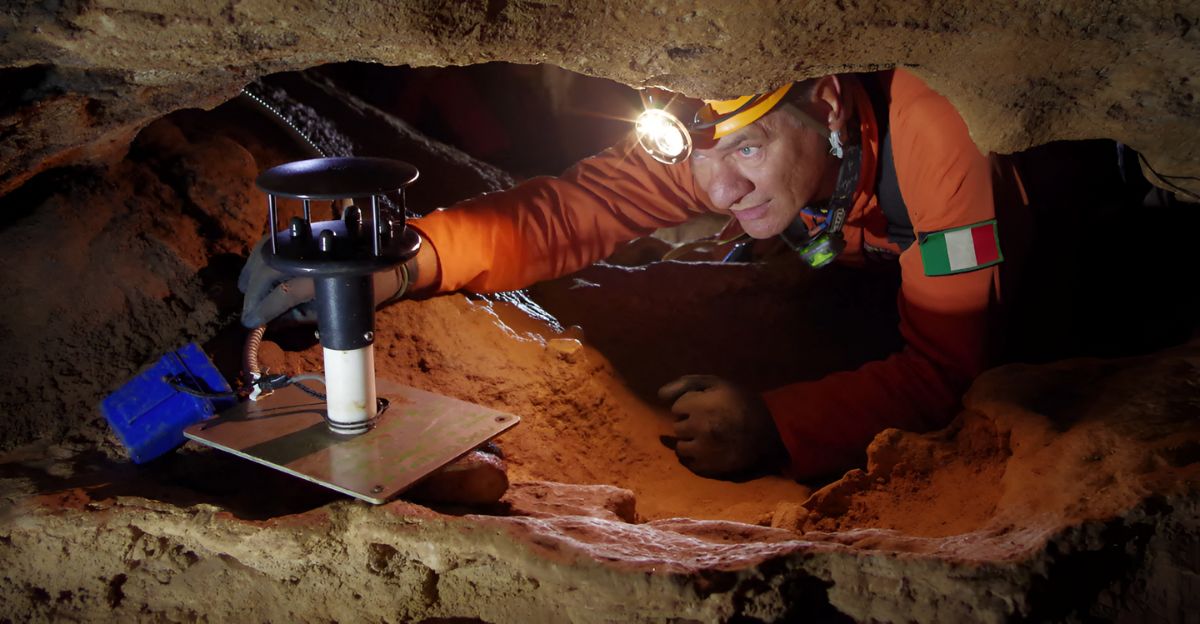
“I was called; the mountain called me. When I’m walking through the forest, I feel like I’m walking in a cathedral,” Lewis Elbinger, a retired Foreign Service officer, told NPR after moving to Mount Shasta permanently.
Ashalyn, founder of Shasta Vortex Adventures, explained: “They come here for spiritual growth, healing, understanding more about themselves.”
Scientific Reality
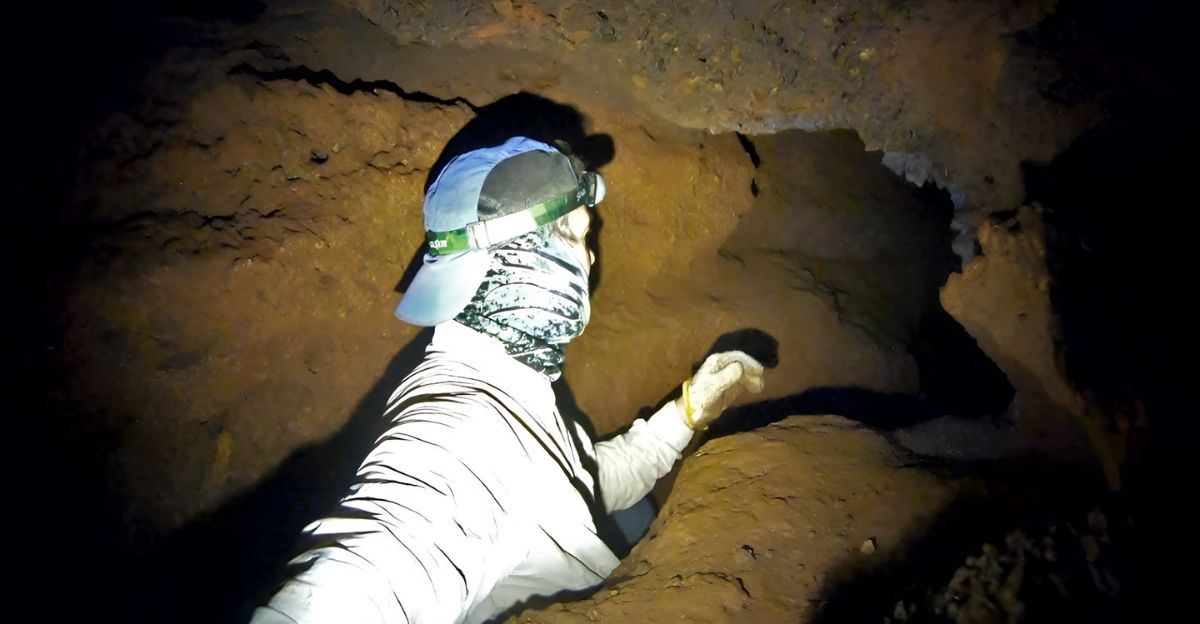
While a minority may believe in Agartha and secret entrances into a lost world, modern science contradicts these theories at every turn. Modern seismology proves Earth consists of solid layers—crust, mantle, and core—not hollow spaces.
According to PolitiFact’s 2022 fact-check, scientists know Earth is not hollow because its interior is denser than its surface. Earth has an average density of 5.5 grams per cubic centimeter, while surface rocks average 2.7 grams.
Cultural Persistence
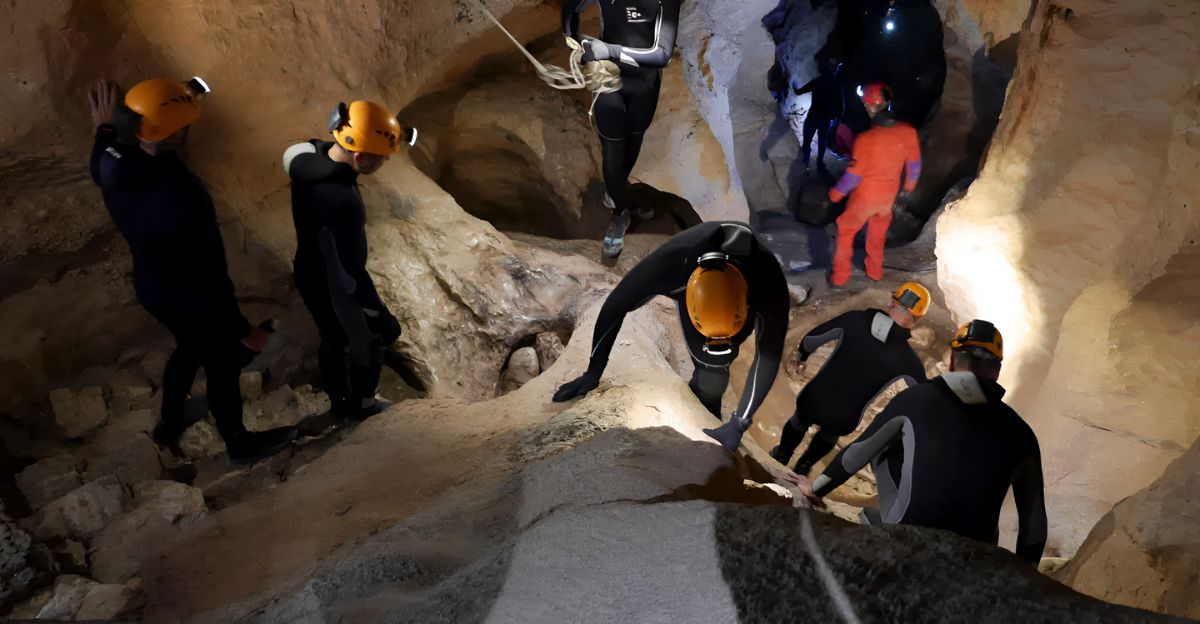
While scientific facts may denounce the existence of a hidden realm underneath the Earth, Agartha’s cultural significance has continued into the modern age through spirituality and conspiracy theories.
According to Mensa’s analysis, virtually every culture worldwide has entertained ideas of subterranean worlds. The Greeks called it Hades, Hindus called it Patala, and Buddhists referenced the ancient city of Shambhala.
Historical Origins
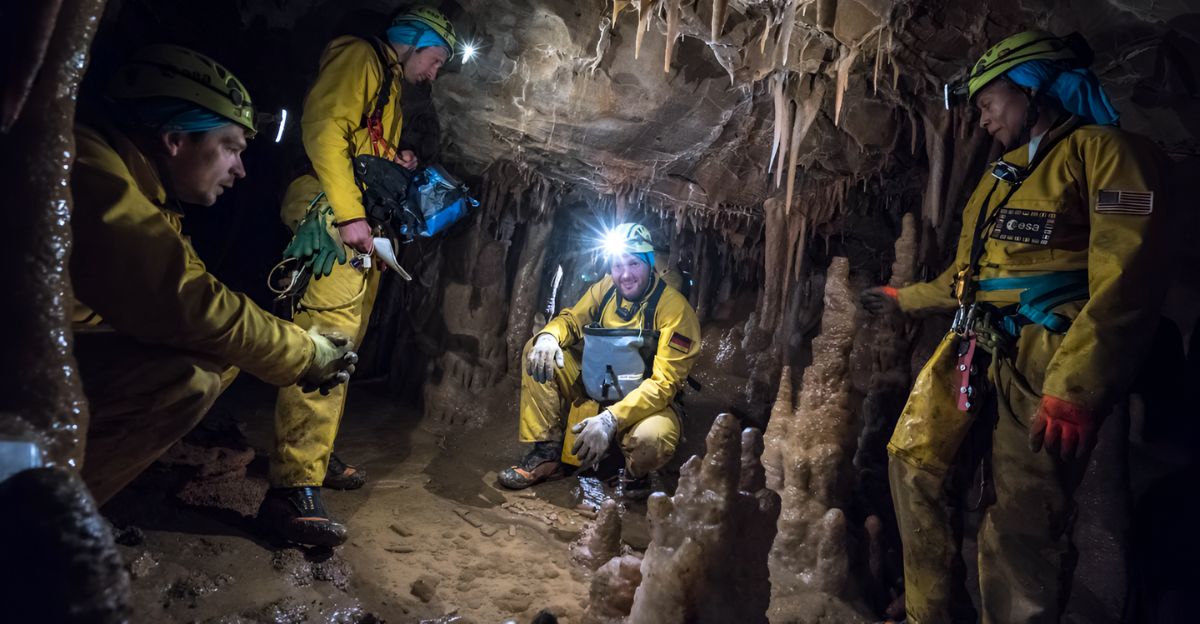
The hollow earth concept dates back centuries to serious scientific inquiry. According to the University of Alaska Geophysical Institute, English astronomer Edmond Halley suggested in 1692 that Earth consisted of concentric shells with luminous atmospheres.
Through this underground model, his theory attempted to explain phenomena like the Aurora Borealis.
Early Promoters
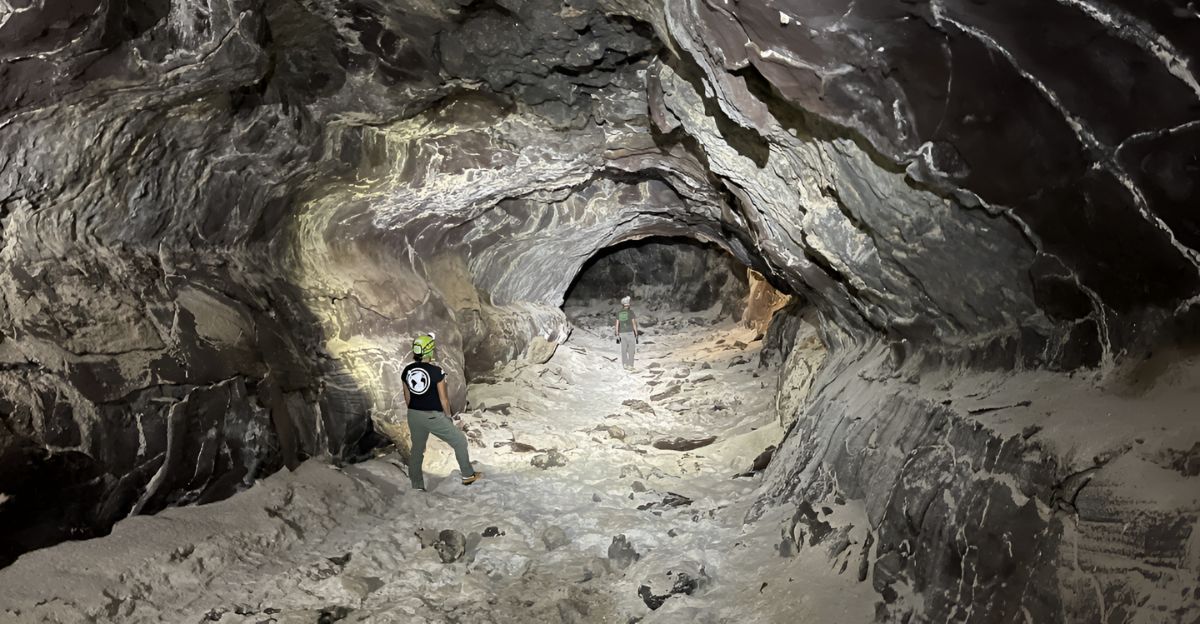
John Cleves Symmes promoted the hollow earth theory in the early 1800s. According to some historical accounts, Symmes reportedly declared his readiness to explore the hollow earth “if the world will support and aid me in the undertaking.”
Unlike Halley’s scientific approach, Symmes simply announced his theory without detailed evidence supporting his claims.
Scientific Debunking
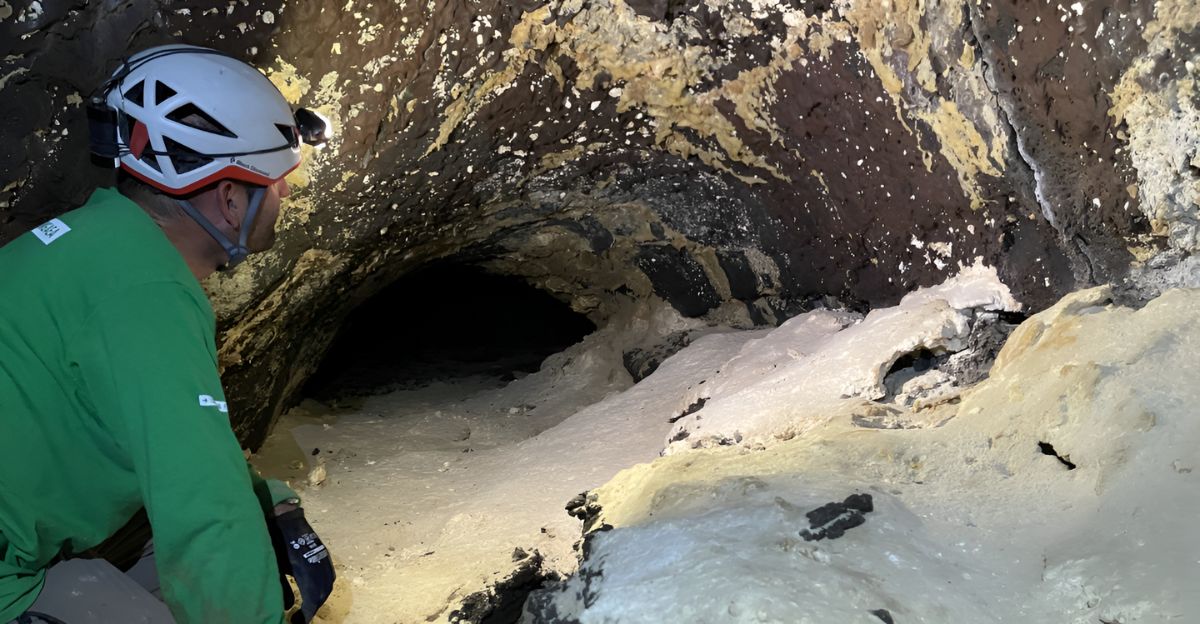
Careful experiments definitively disproved the hollow earth theory in the 18th century.
According to Mensa, Pierre Bouguer tentatively disproved it in 1740, and Nevil Maskelyne and Charles Hutton definitively refuted it around 1774 with the Schiehallion experiment measuring Earth’s density and gravitational effects.
Modern Seismology
Seismic waves from earthquakes provide detailed maps of the Earth’s interior structure. According to scientific reports, researchers can detect features deep within Earth’s interior using earthquake wave analysis.
Modern techniques allow scientists to precisely map the planet’s internal structure.
Physical Impossibility
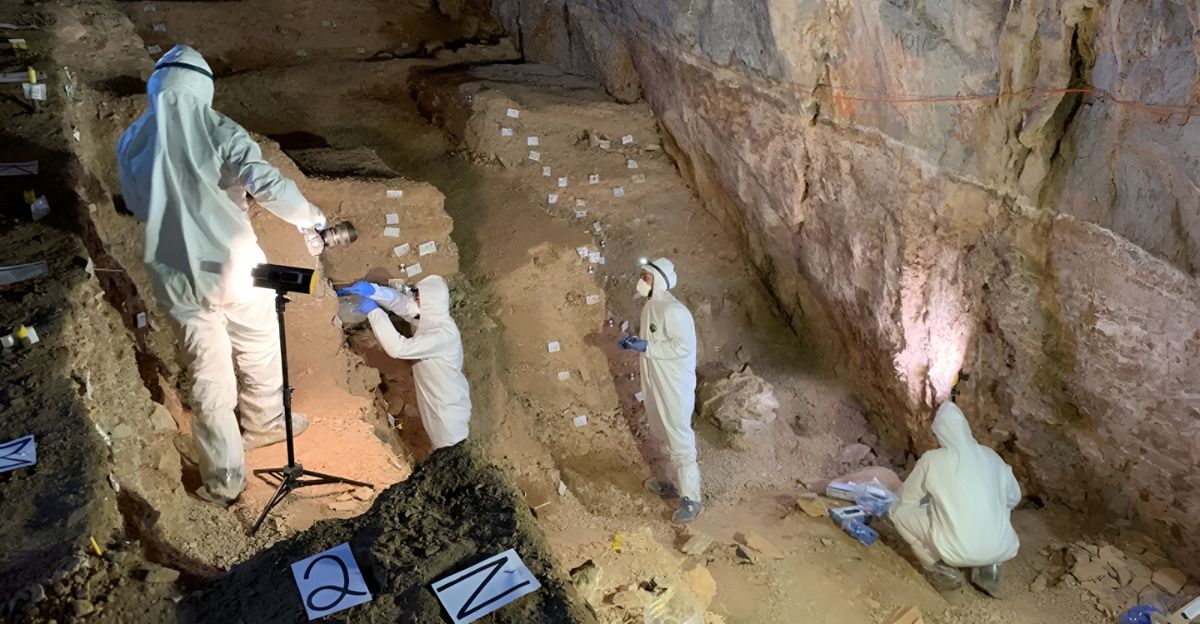
Gravity wouldn’t allow a massive object like Earth to exist without a hollow cavity.
According to basic physics principles, all celestial bodies tend to take a spherical shape after reaching a certain mass limit due to gravitational forces. A hollow Earth would collapse under its weight.
Persistent Believers
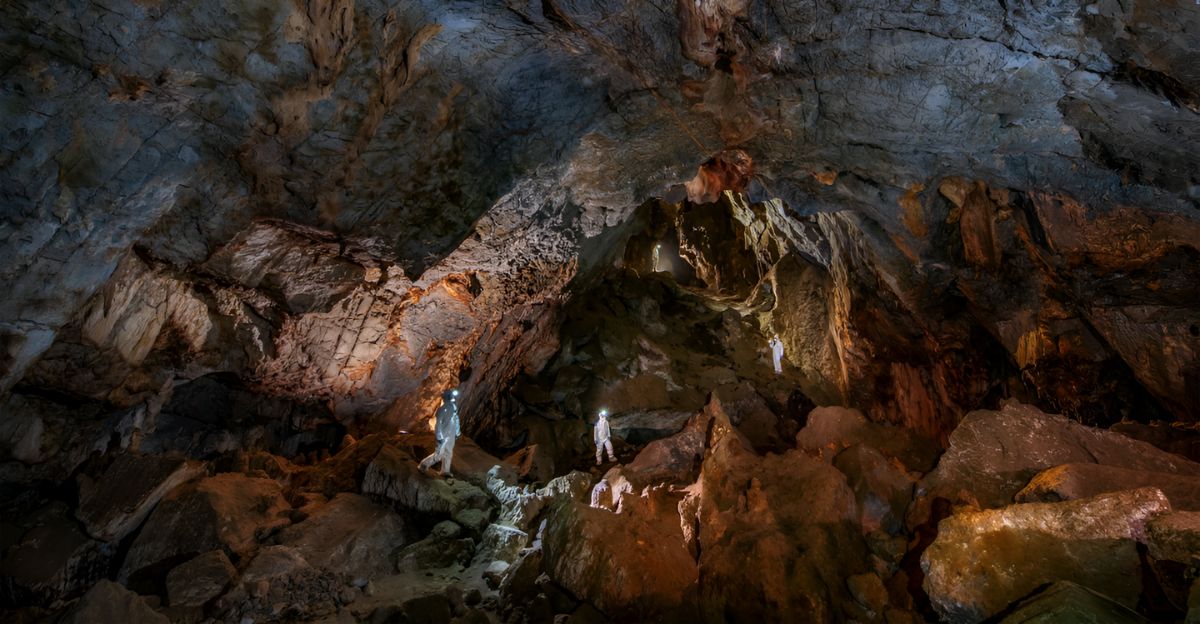
Despite overwhelming scientific evidence, hollow earth beliefs persist in modern conspiracy circles. According to various online communities, believers continue to claim entrances exist at the poles and other remote locations.
The theory has evolved from scientific hypothesis to conspiracy theory over centuries of development.
Content Challenges
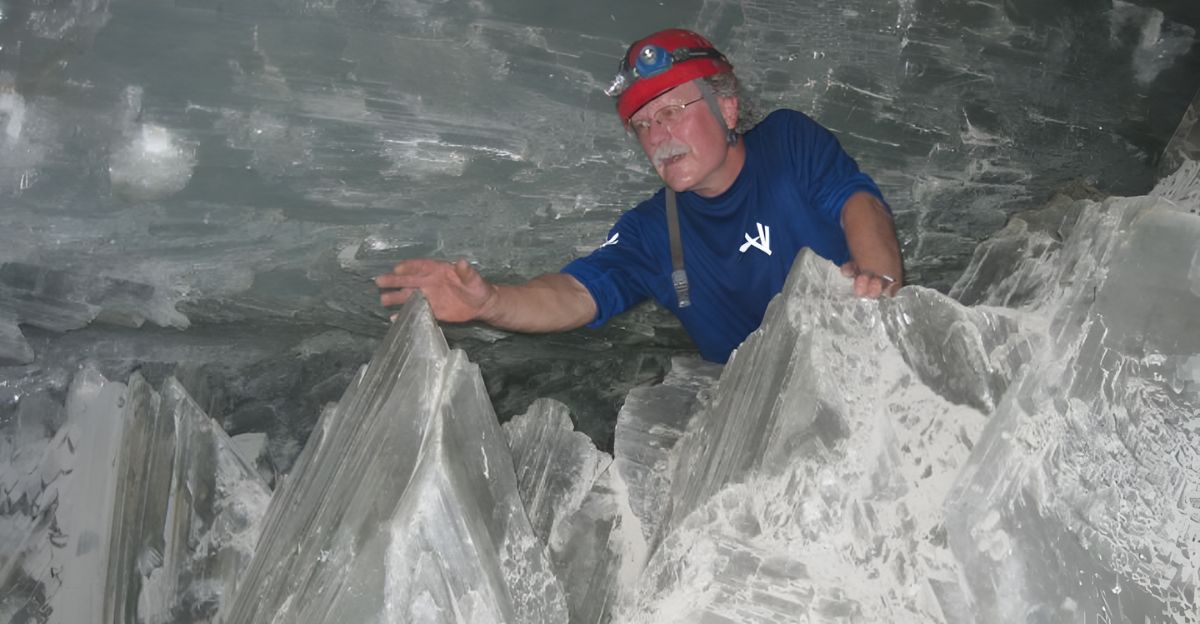
Social media companies face challenges balancing free expression with scientific misinformation regarding hollow earth content. Platforms reportedly struggle to distinguish between protected conspiracy theories and potentially harmful pseudoscientific claims.
The balance between free speech and factual accuracy remains contentious in digital spaces.
Global Spiritual Tourism
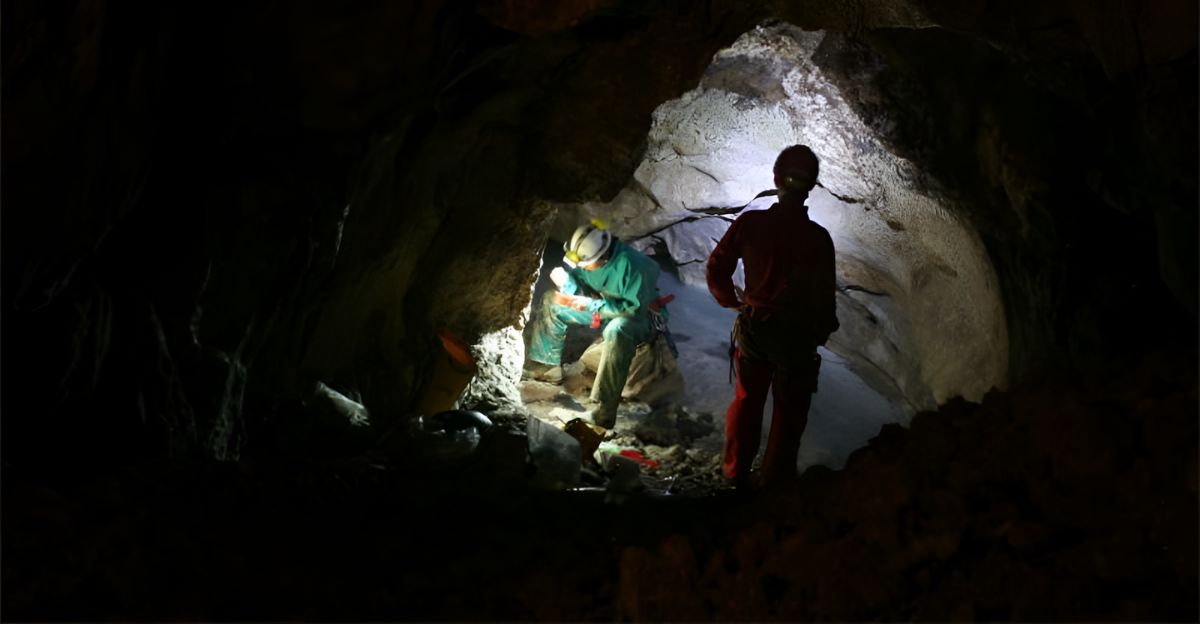
Similar underground kingdom myths exist worldwide, suggesting a universal human fascination with hidden realms. Ancient cultures, from Greek to Hindu to Buddhist traditions, have maintained legends of subterranean worlds.
According to some industry reports, spiritual tourism continues to grow as people seek meaning through alternative beliefs.
Regulatory Balance
While belief in Agartha remains constitutionally protected religious expression, related conspiracy claims could potentially cross into problematic territory.
Tourism regulations govern access to places like Mount Shasta, balancing spiritual seekers’ desires with environmental protection. Officials must navigate between respecting beliefs and maintaining safety.
Generational Evolution
Younger believers often discover hollow earth theories through social media and entertainment, while older adherents trace their interest to counterculture movements.
Digital natives may approach these myths differently from previous generations, potentially treating them more as interactive narratives. This shift could determine how such beliefs evolve.
Enduring Mystery
The persistence of hollow earth myths reveals humanity’s deep psychological need for mystery and hidden meaning in an increasingly mapped world.
Whether seeking literal underground kingdoms or metaphorical spiritual depths, believers find community in shared alternative narratives. Perhaps the real “inner earth” lies within human imagination’s endless capacity for wonder.