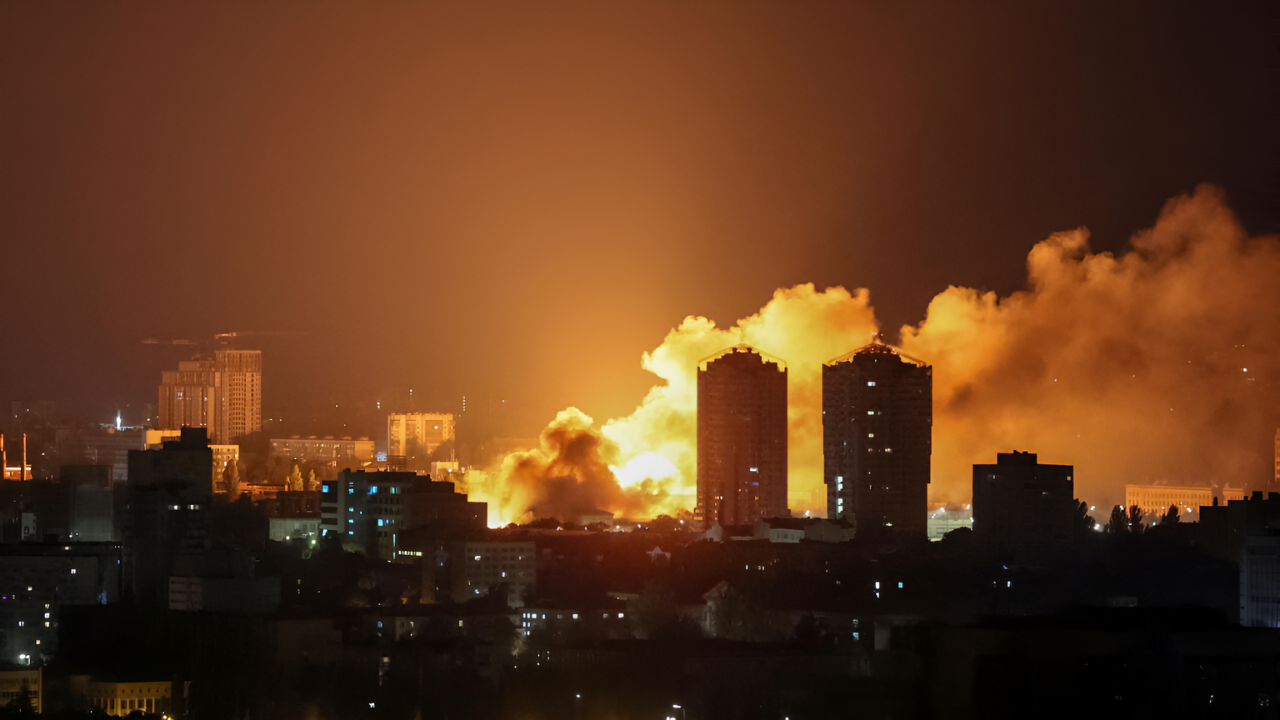
On the night of November 19, 2025, western Ukraine endured its deadliest assault since Russia’s full-scale invasion. Forty-eight missiles and 476 drones rained down, killing 34 civilians and injuring 142. Entire apartment blocks and postal depots were destroyed, leaving residents and businesses reeling.
Rescue teams battled freezing temperatures and fires, while NATO neighbors scrambled jets. The scale and impact of this attack signaled a dangerous escalation, showing Ukraine’s western regions are no longer safe. Here’s what happened during those critical hours and why the consequences will be felt for weeks
What’s Going On?
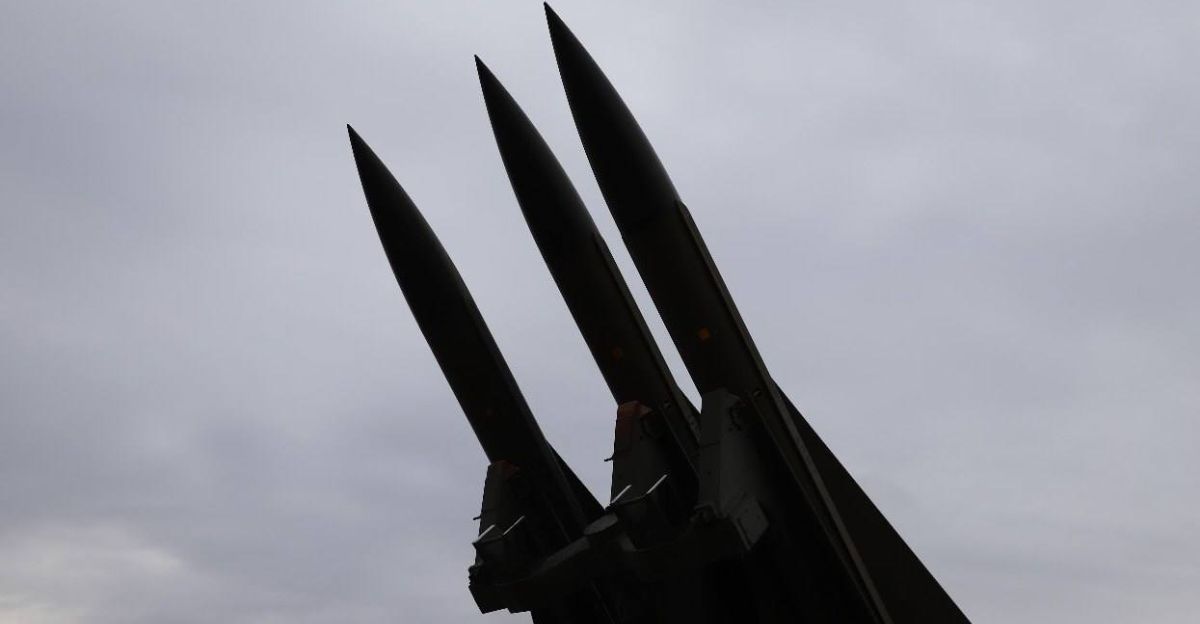
The attack targeted multiple western Ukrainian cities, including Ternopil, Lviv, and Khmelnytskyi, far from front lines. Russian forces launched 476 drones and 48 missiles, overwhelming defenses in select areas. Ukrainian air defenses intercepted most threats, but dozens of drones and missiles still struck key locations.
Casualties and structural damage were severe. Two high-rise towers in Ternopil were gutted by fire, killing 19 people, while postal and utility infrastructure suffered heavy losses. However, understanding who bore the brunt of the assault highlights the human toll behind the numbers.
Who Was Directly Affected?
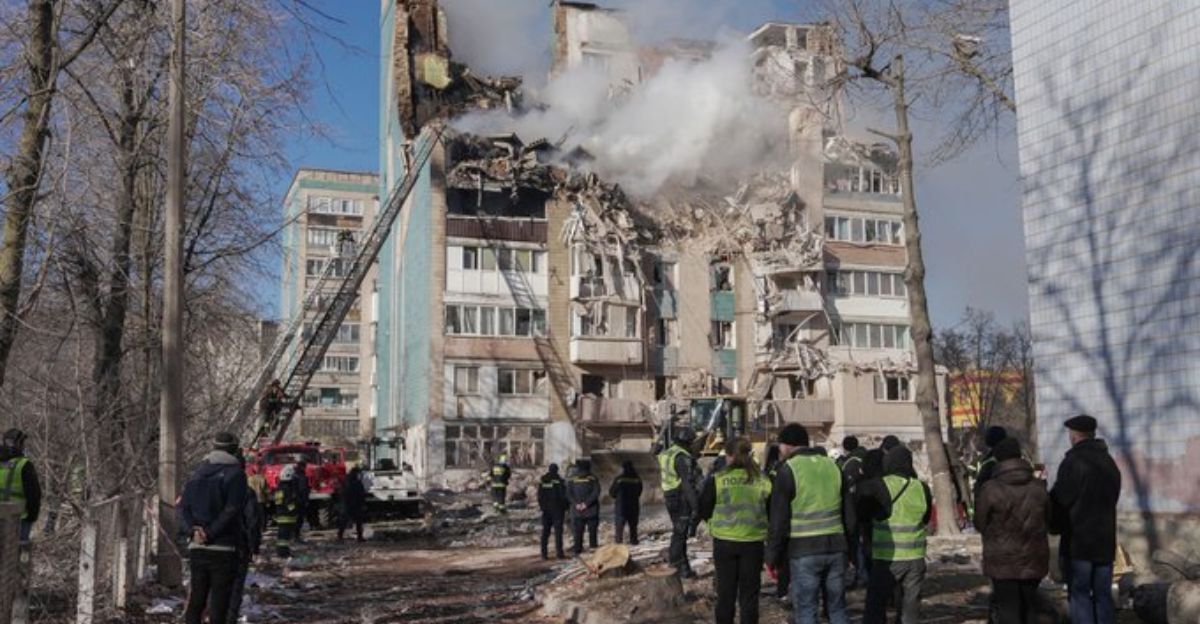
Thirty-four civilians were killed, including six children, and 142 were wounded across multiple cities. In Ternopil alone, 26 died instantly and eight later succumbed to injuries. Among the injured, 21 were children, showing how deeply families were caught in the assault’s path.
Emergency responders worked through the night in freezing conditions. Interior Minister Ihor Klymenko said, “I walked between the burnt walls—it was a terrible feeling. In each apartment, a whole life that Russia destroyed in an instant.” Their efforts reveal both the scale of the devastation and the courage of those who responded.
How Did Utility Workers Respond?
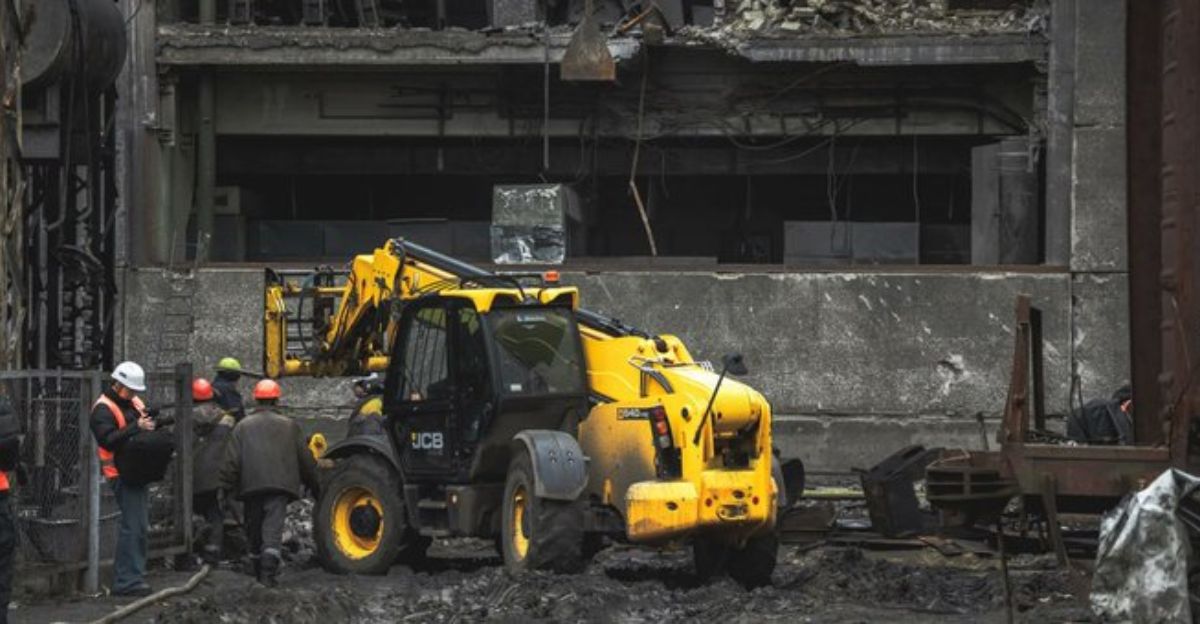
DTEK utility crews faced their fifth thermal plant attack since October, with technicians risking shrapnel wounds and concussions to restore operations. One employee remained in serious condition, reflecting the personal risks behind keeping lights on amid winter’s cold.
“This is the fifth large-scale assault against our plants since October. Our technicians are working tirelessly in danger to keep the lights on as winter closes in,” DTEK stated. Their response ensured energy services could slowly resume, though widespread outages persisted.
What About Businesses and Supply Chains?
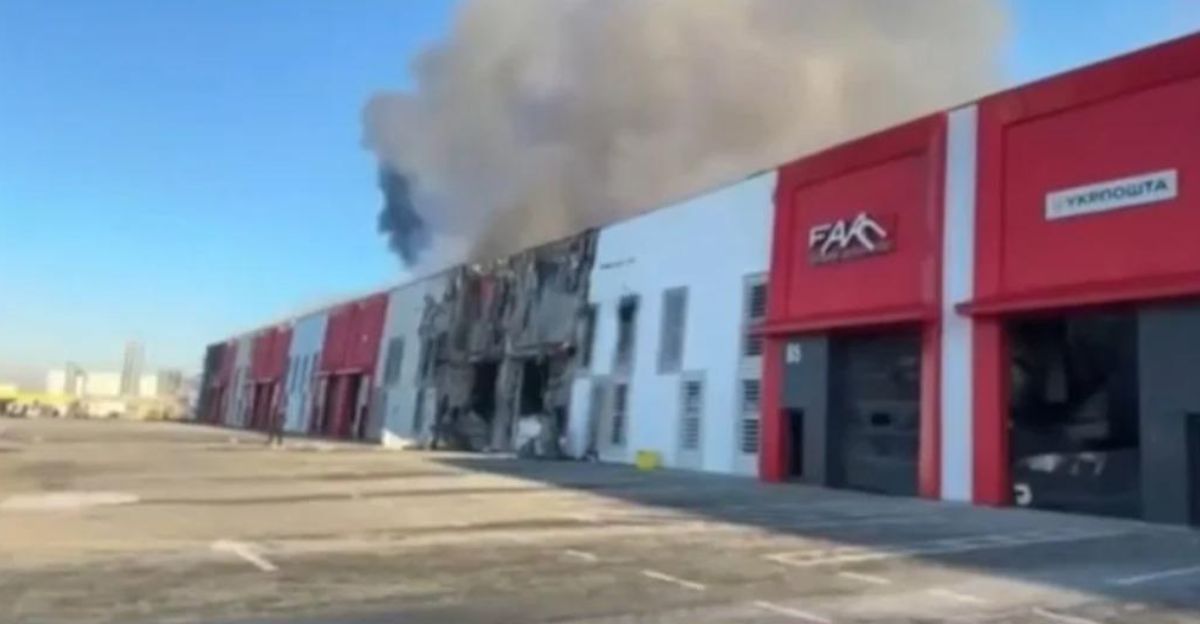
Roughly 900 parcels were destroyed at a Lviv Ukrposhta depot, with losses estimated between $2–5 million. Small retailers and e-commerce chains serving local and international customers were heavily impacted, revealing how civilian infrastructure disruption also harms commerce.
The attack’s timing—late at night—maximized damage to goods and prevented immediate rescue of critical assets. These losses hint at the broader economic ripple effects that followed, affecting both livelihoods and regional supply stability.
How Were Consumers Impacted?
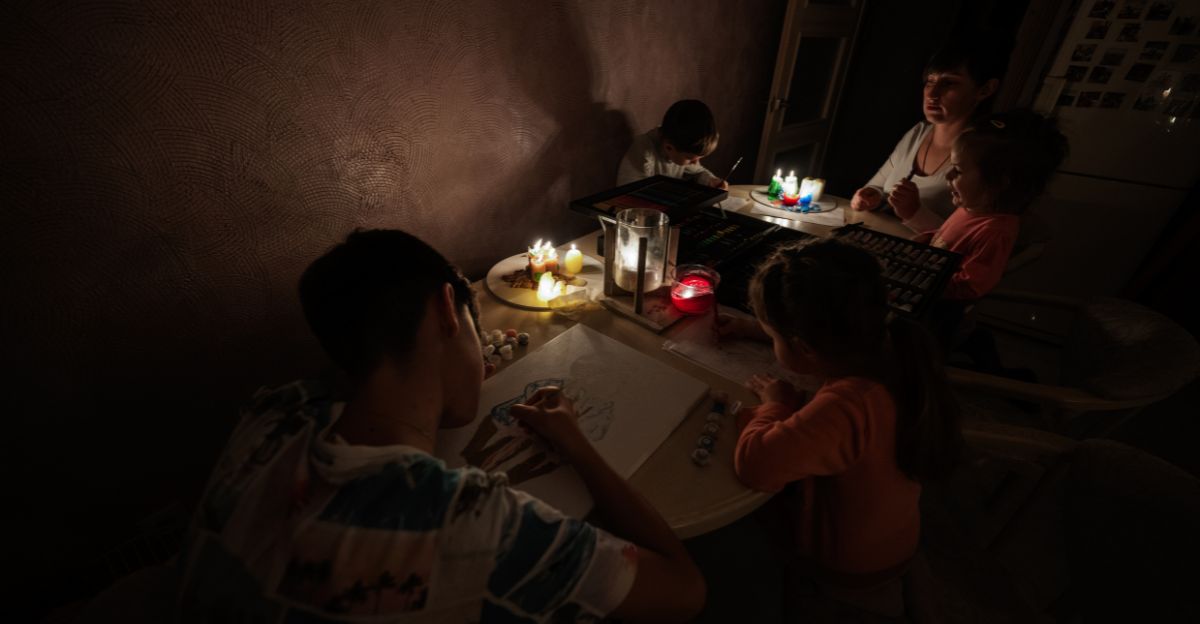
Rolling blackouts affected 5–10 million people in 27 settlements across Khmelnytskyi and surrounding areas. Homes, hospitals, and businesses faced hours-long power outages, plunging residents into subzero temperatures without heat.
The outages compounded the physical damage with psychological stress. Ukrainians in affected regions endured cold, darkness, and uncertainty. Yet the civilian response—staying resilient under harsh conditions—foreshadows how the country will cope with ongoing attacks.
How Did NATO React?
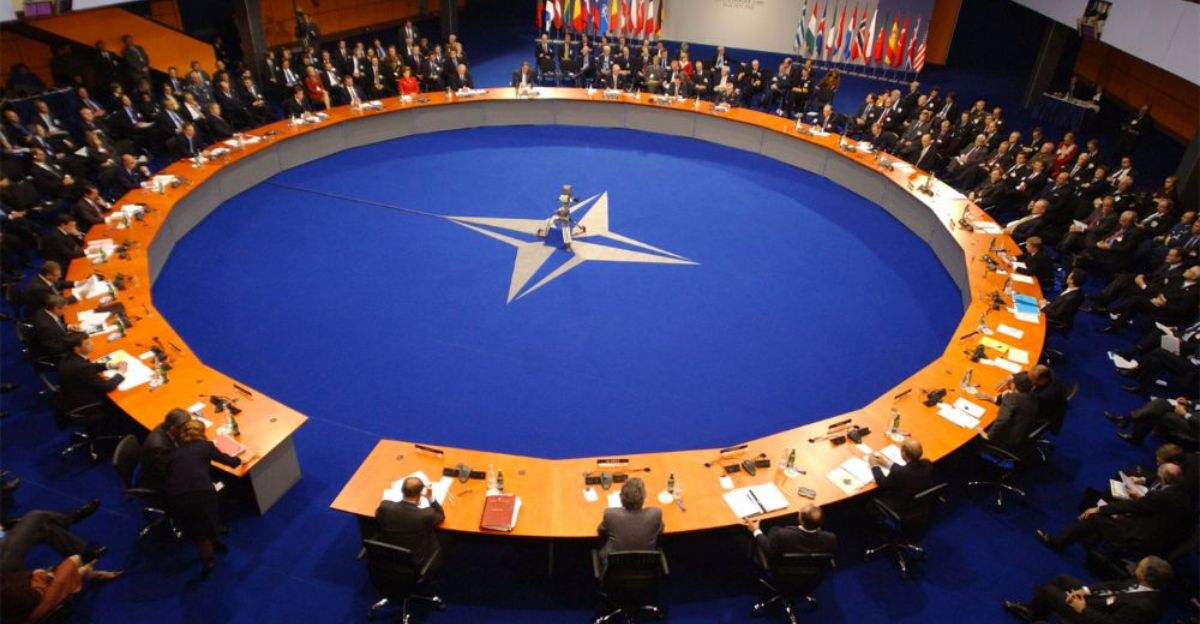
Polish fighter jets were scrambled as drones breached their airspace, and Romania dispatched four military aircraft in response. Romania authorized an interception but did not fire, maintaining readiness to defend NATO territory.
“Polish fighter jets have been airborne to ensure the safety of our territory and support our Ukrainian allies,” a Polish military spokesperson said. These actions show how local attacks can ripple into international security concerns, keeping neighbors on edge.
What Weapons Were Used?
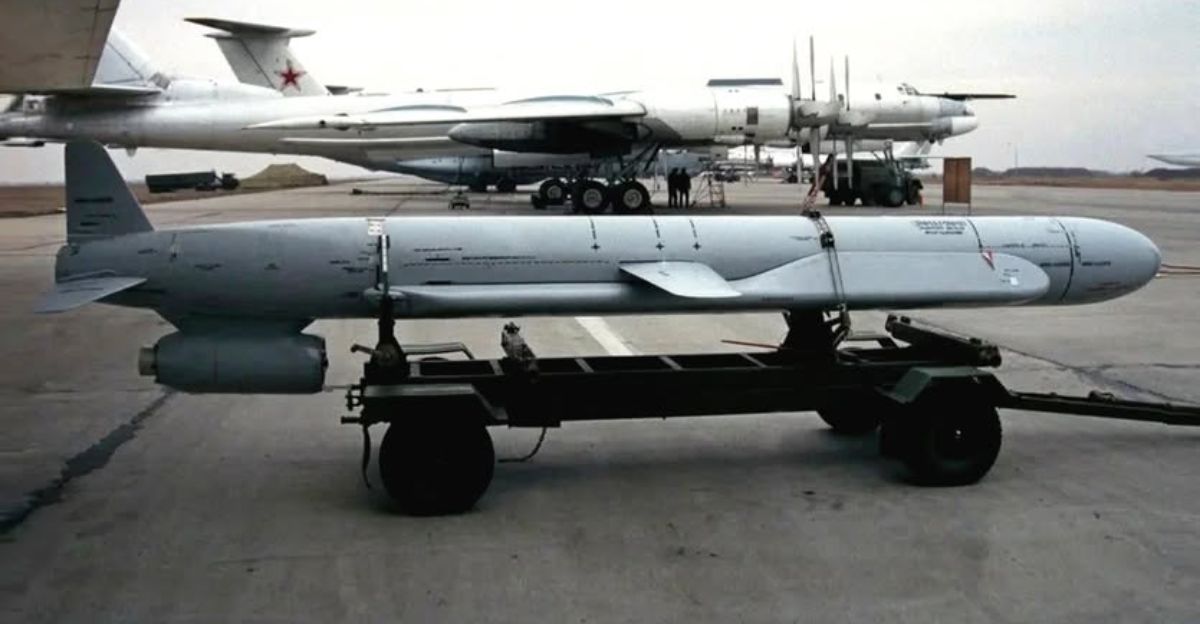
Russian forces employed a mix of 47 Kh-101 cruise missiles, one ballistic missile, and 476 explosive-laden drones, including Iranian-designed Geran-2 swarms. Launch points were strategic airbases in Vologda and Astrakhan, aimed at maximizing pressure on Ukraine’s western regions.
Despite sophisticated threats, Ukrainian air defenses intercepted most attacks: 442 drones and 41 cruise missiles. However, breaches in Ternopil and Lviv revealed vulnerabilities, underlining the challenge of defending multiple regions against large-scale drone barrages.
When Did The Attack Occur?
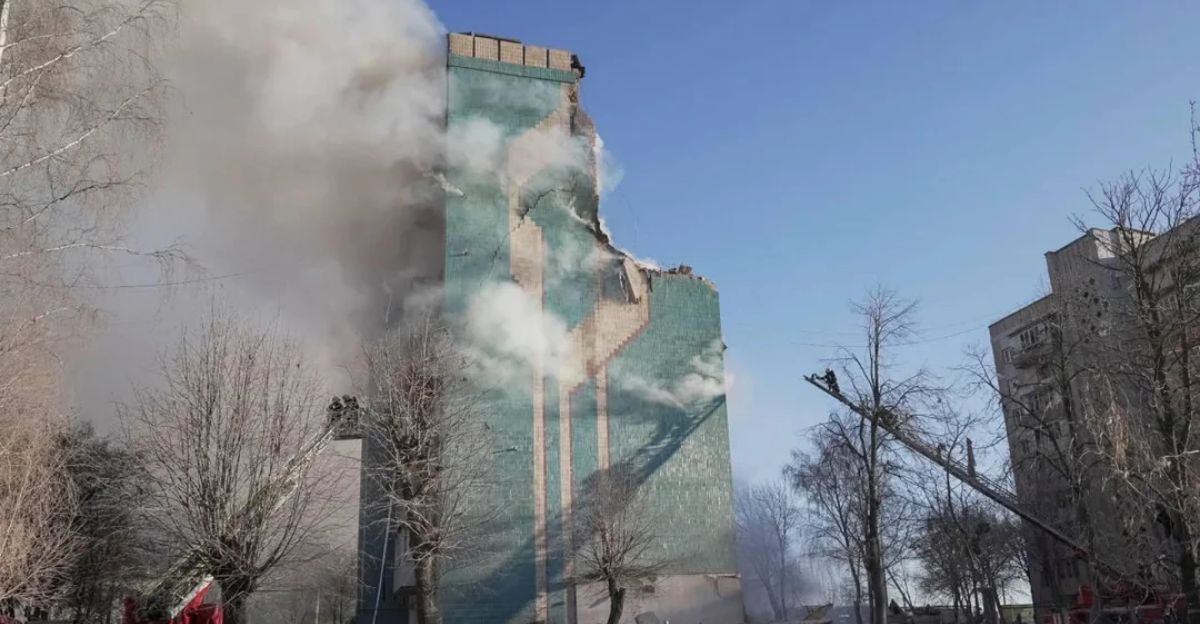
The barrage struck overnight on November 19, between 11 PM and 6 AM. Firefighting, search, and cleanup extended for days, with missing persons located by November 23 in Ternopil. The assault’s timing ensured maximum disruption to civilians and infrastructure.
This attack ranks as the deadliest single strike on western Ukraine since the February 2022 invasion, demonstrating Russia’s intent to escalate pressure deep inside Ukrainian territory.
Where Was The Damage Focused?
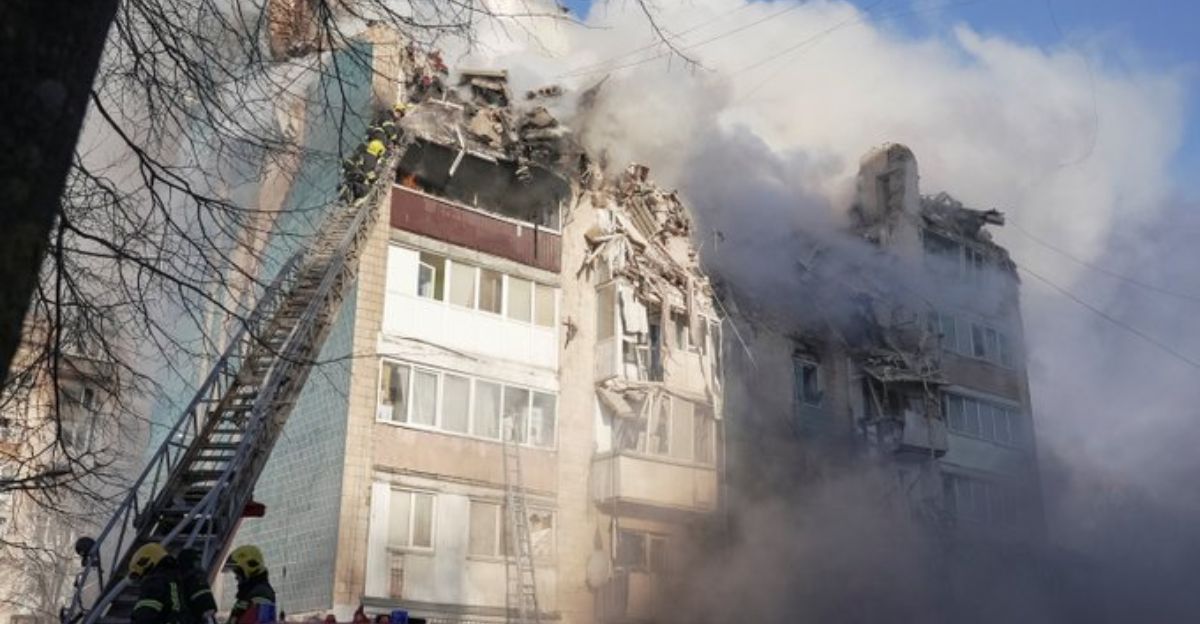
Ternopil suffered the heaviest damage, with high-rise residential towers devastated and 19 killed in fires. Collateral destruction extended to Lviv, Kharkiv, Dnipropetrovsk, and western oblasts, striking densely populated areas far from the frontline.
Proximity to NATO borders triggered military alerts in Poland and Romania. The distance from Russian positions—over 500 km—shows the expanding reach of Russian aerial capabilities and signals a new stage of escalation.
Why Did Russia Target Western Ukraine?
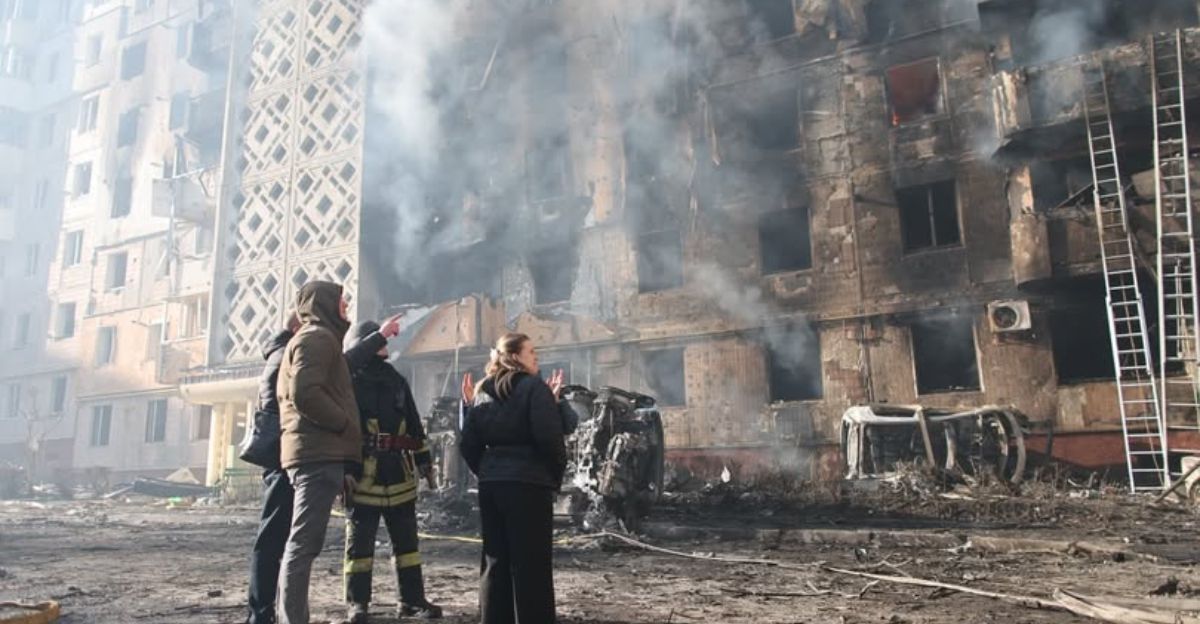
Russia’s aim combined punitive escalation and psychological pressure. By striking civilian areas and infrastructure during winter, it hoped to undermine morale and exploit energy vulnerabilities, while saturating Ukrainian defenses with a multi-city, multi-weapon attack.
The postal depot, power plants, and residential blocks were all deliberately targeted. By attacking “safe” areas, Russia aimed to show no part of Ukraine was out of reach, amplifying civilian fear as temperatures fell below freezing.
How Did Ukraine Respond?
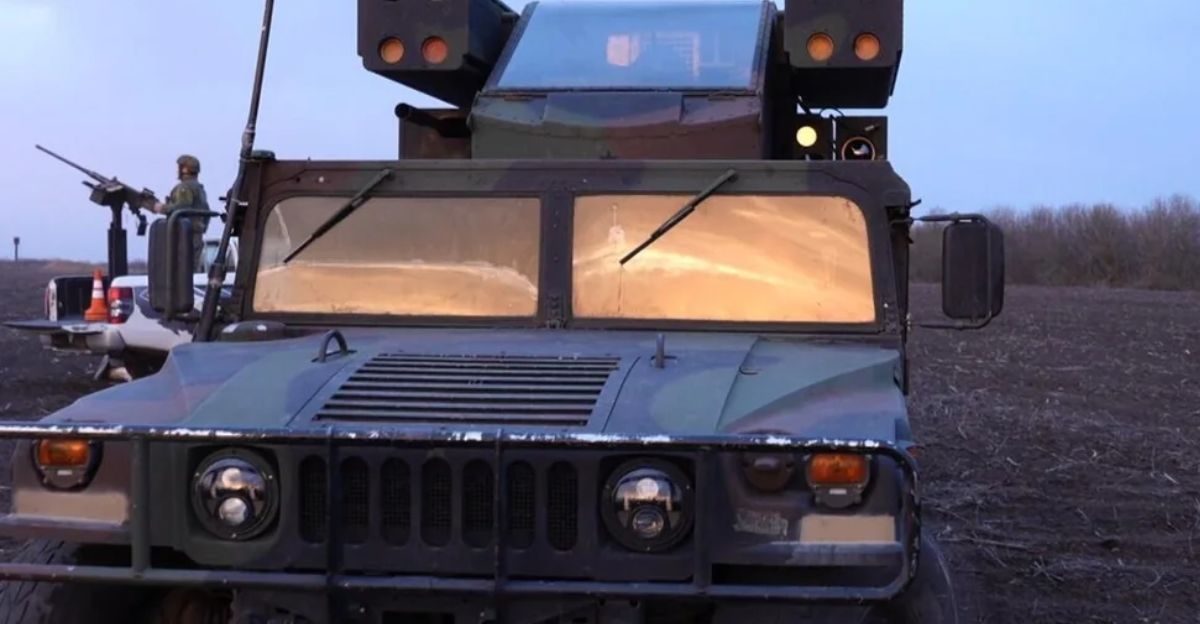
Air defense units, combining Soviet-era and Western-supplied systems, intercepted most drones and missiles but could not prevent mass casualties. Rescue efforts were hampered by destroyed stairwells, fires, toxic fumes, and subzero conditions.
Emergency services coordinated over several days, prioritizing trapped civilians and restoring utilities. Their work prevented further loss of life and demonstrated the limits and strengths of Ukraine’s defensive readiness.
What Were The Human Losses?
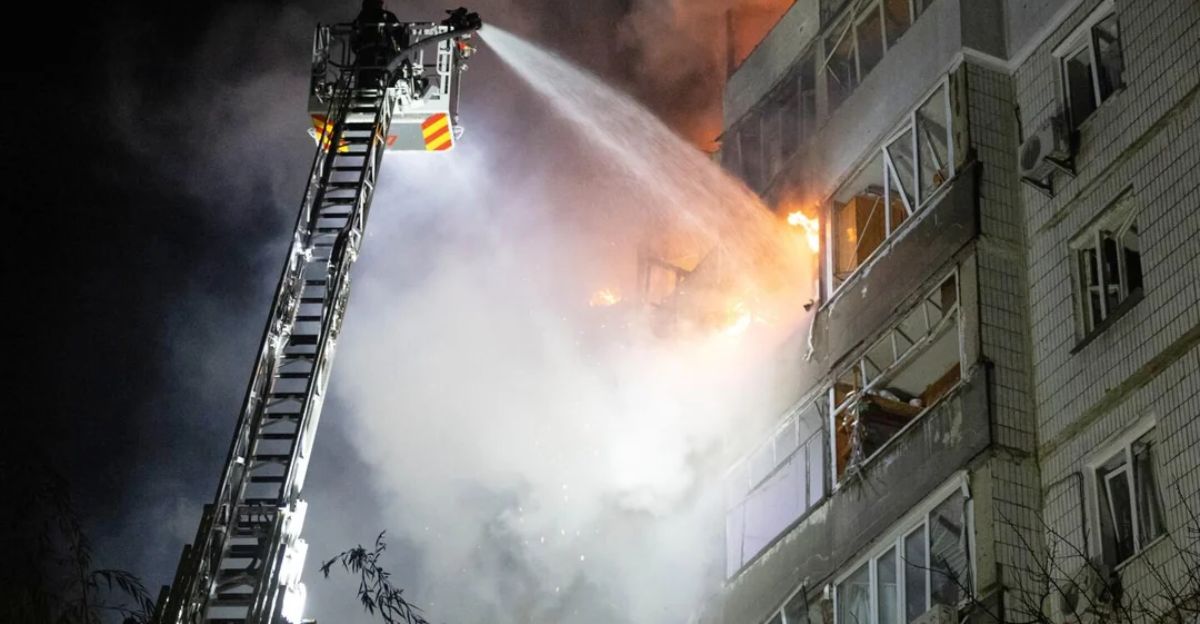
Thirty-four civilians were killed, including children, while 142 were injured. Twenty-six people were initially trapped under rubble in Ternopil. High-rise residential towers were gutted, forcing families to flee and leaving hundreds displaced.
The human toll extended beyond numbers. Interior Minister Klymenko’s words capture the trauma: “In each apartment—a whole life that Russia destroyed in an instant.” Communities now face rebuilding and psychological recovery.
What Were The Economic Effects?
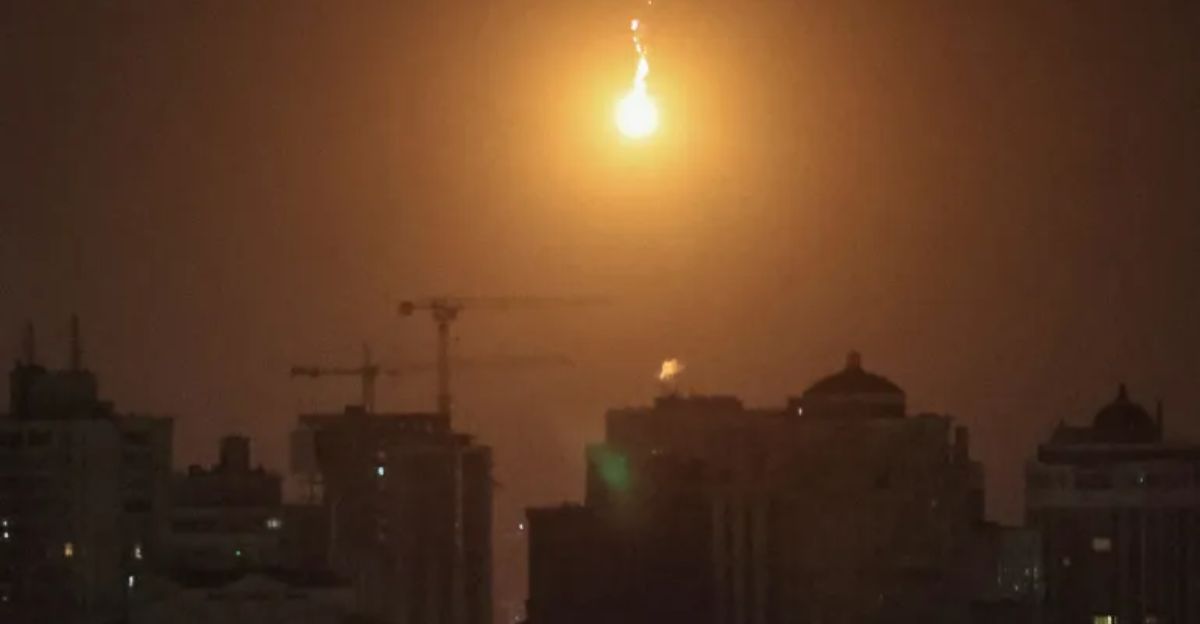
Residential damage is projected at $50–150 million for two Ternopil towers. The Lviv depot fire caused $2–5 million in business losses. Rolling blackouts threatened industrial operations, hospitals, and food distribution across multiple western oblasts.
Small retailers and local supply chains were disrupted. Economic recovery is expected to take months, highlighting how a single night’s assault can ripple through infrastructure, commerce, and daily life long after the initial strike.
The Broader Significance
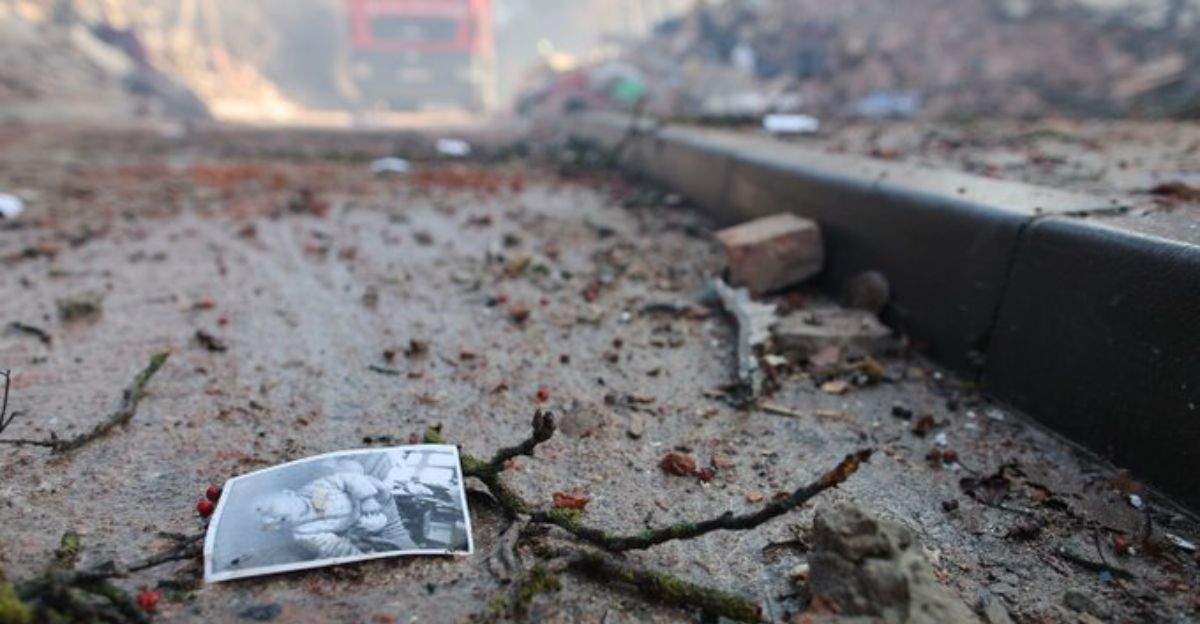
This attack marked a watershed moment in the 2025 war. It exposed Ukraine’s vulnerability deep inside its territory, tested air defenses, and demonstrated how civilian infrastructure can be weaponized for strategic impact.
Beyond lives lost, supply chains crippled, and power outages endured, the event showed Russia’s evolving tactics and the heightened risk of escalation near NATO borders. How Ukraine and its allies respond may shape winter security across the region.
Sources:
Reuters, 23 Nov 2025 (Ternopil death toll update)
Al Jazeera, 20 Nov 2025 (Ternopil strike details, casualties, toxic air)
Al Jazeera, 19 Nov 2025 (overnight attacks, children wounded, regional damage)
ISW Russian Offensive Campaign Assessment, 19 Nov 2025 (drone/missile counts, NATO response, Klymenko quote)
ABC News, 11 Nov 2025 (Ukraine interception rate trends)