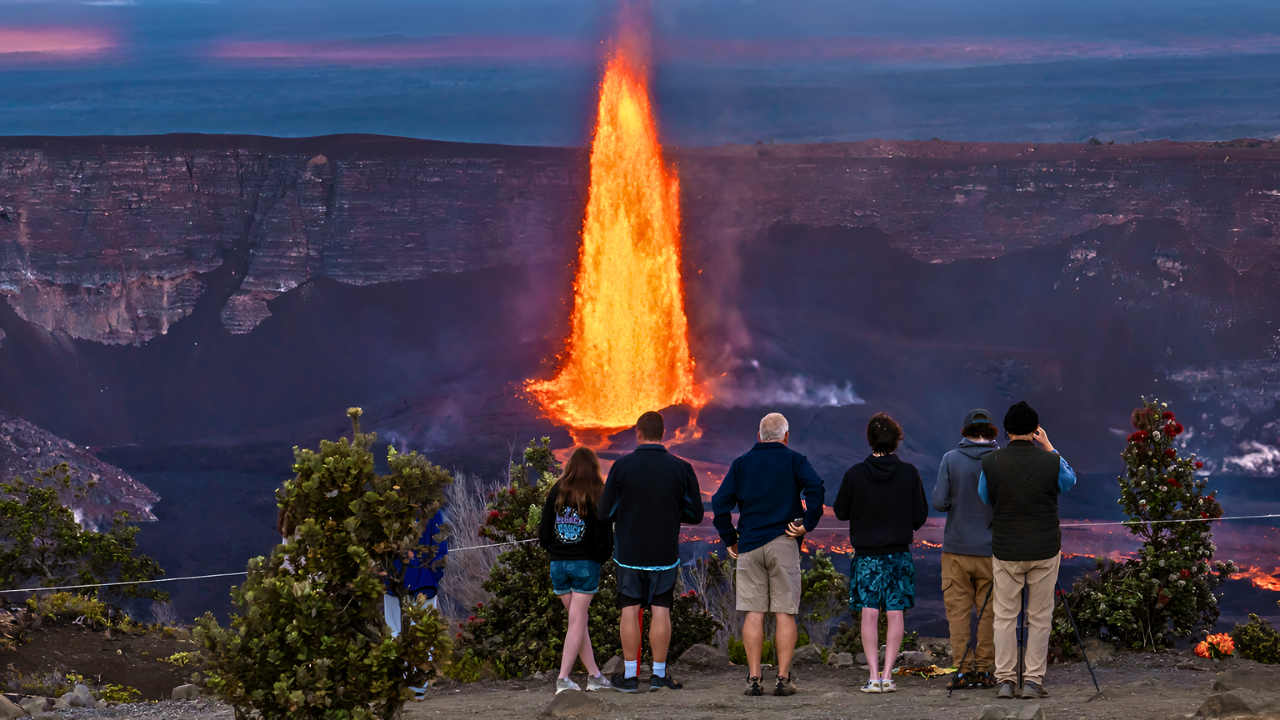
Thousands of Hawai‘i residents and visitors are anxiously preparing for a new eruption at Kilauea volcano. According to the U.S. Geological Survey (USGS), the next eruption could produce lava fountains soaring as high as 1,500 feet into the sky, about as tall as the Empire State Building. Officials have raised the alert level to Code Orange, meaning everyone should be ready to evacuate if needed.
The eruption is expected any day now, and the threat is very real. Past eruptions at Kilauea have shown just how quickly things can change, so safety plans are more important than ever. Authorities are working overtime to keep everyone informed and safe, but it’s clear that nature is in control.
The Risk Is Rising
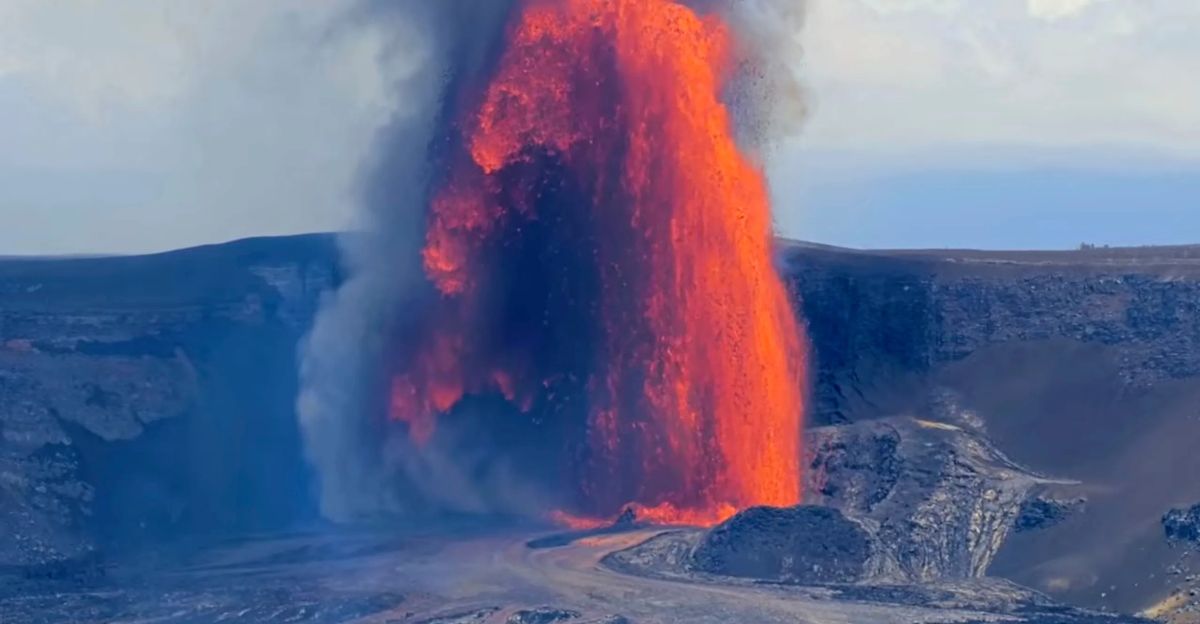
USGS scientists now say there’s a very high chance Kilauea’s next eruption, episode 37, will happen between November 25 and 28. Alarming signs have been building as the ground at the summit is swelling, and lava overflows have been happening more and more frequently. These are both signals that magma is pushing upward, increasing the risk for an explosive show.
Officials are warning that the situation is highly unpredictable. Small changes in pressure underground could turn a quiet day into a sudden eruption. For many people in the area, this means always being ready to move and keeping an eye on alerts. Experts urge everyone near Kilauea to review their evacuation plans and stay in close contact with emergency updates.
Kilauea’s Volcanic Past
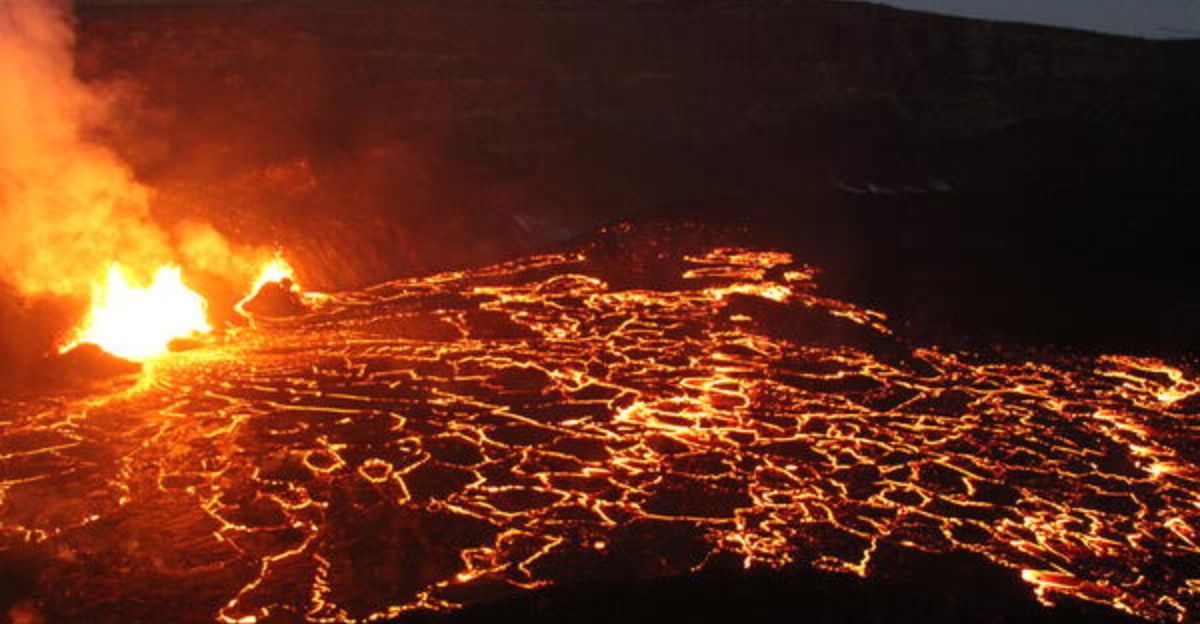
Kilauea’s current string of eruptions began in December 2024, kicking off nearly weekly events of explosive lava and bubbling overflows from the crater. No two events are exactly the same, sometimes the activity is low, but lately the fountains have been much bigger and messier. Over the past few months, the volcano has become even more active, with larger and higher lava jets making headlines.
For people living nearby, that means barely any time to relax between eruptions. Each event brings its own set of worries, from road closures to air quality alerts, and the uncertainty is hard on the whole community.
Pressure Builds Beneath
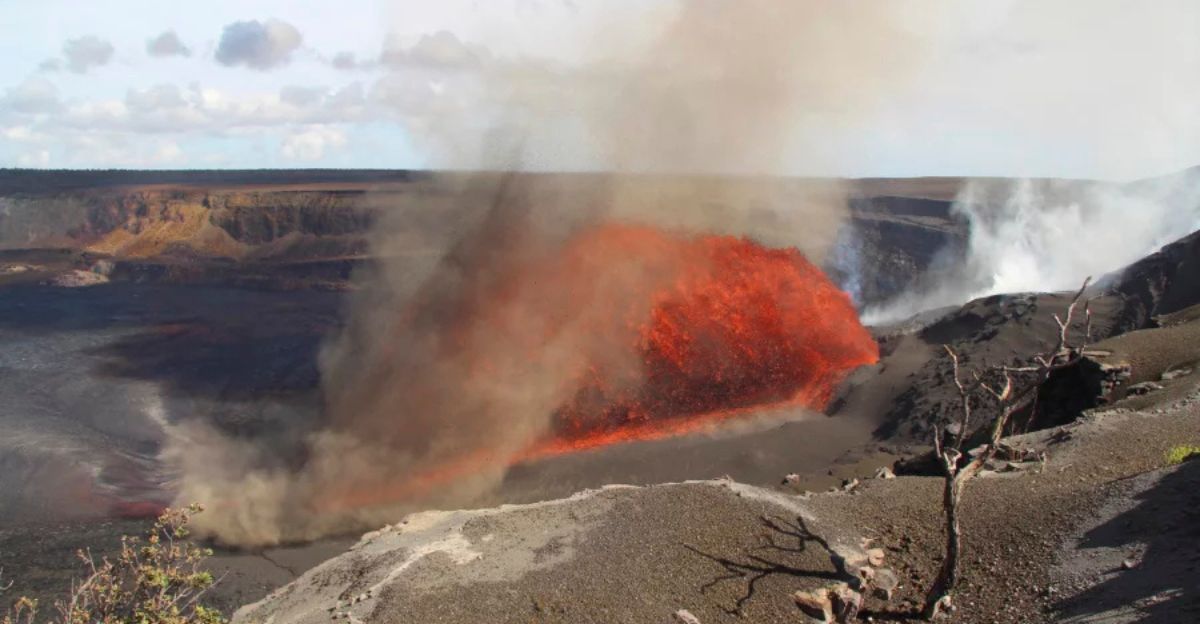
Special instruments called tiltmeters have measured the ground at Kilauea’s summit slowly rising, a classic sign that more magma is building up deep below. Since last Friday, over 70 lava overflows have taken place, most near the south vent. This wave of activity, coupled with increased shaking from under the earth (seismic tremors), signals that the underground magma chamber is recharging and pressurizing.
Scientists say this buildup is like shaking a bottle of soda: eventually, the pressure will find a way out. Local emergency teams are on alert, reminding everyone to have evacuation kits ready just in case.
Lava’s Dramatic Return
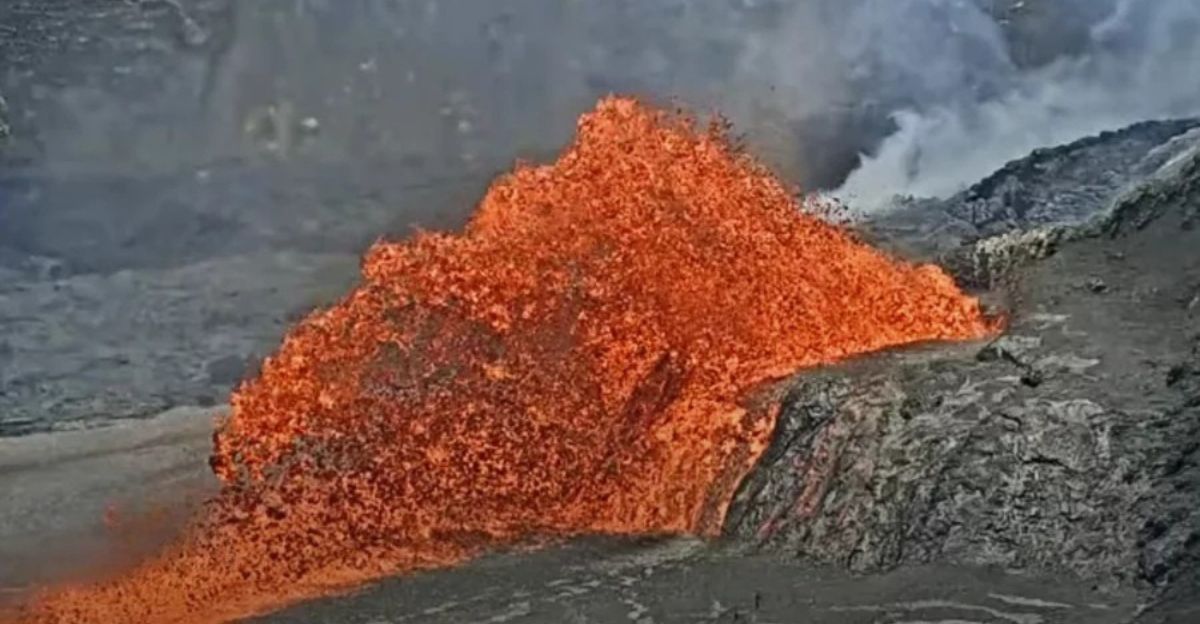
Kilauea’s recent lava fountains have shot up to 1,500 feet, ranking among the highest ever seen during this eruption cycle, according to the USGS. Their models suggest the upcoming eruption could match or even beat these dramatic displays. The eruption window is open until November 28. Authorities stress that this isn’t just a distant worry, it’s a real and immediate risk.
Past eruptions have shown how quickly conditions can change from quiet to hazardous, and why the current alarm is warranted. Researchers emphasize that while these natural events are incredible to witness, safety comes first. Spectators and tourists are urged NOT to approach the site, as sudden changes could create dangerous, life-threatening situations.
Ash and Debris Spread
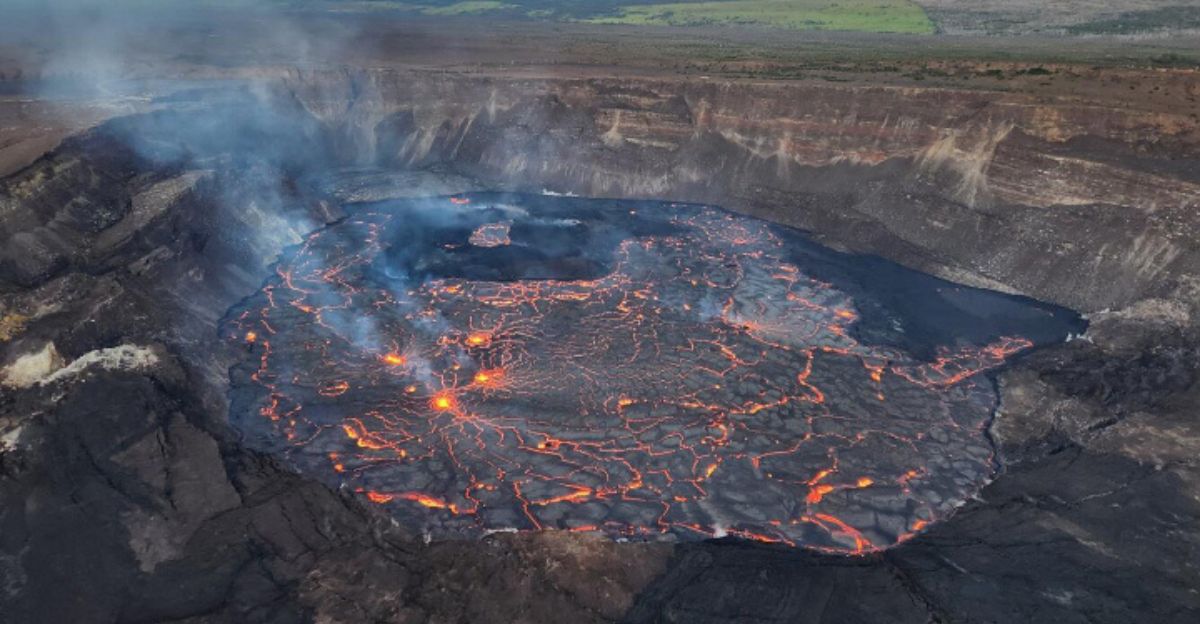
Dangerous volcanic debris is now showing up far from Kilauea’s crater. Fine glass fibers, called Pele’s hair, can drift more than 10 miles from the eruption site. Some pieces have even rained down on Highway 11, making roads slippery and forcing authorities to close certain routes.
These sharp volcanic fragments can cause skin irritation, eye problems, or breathing issues if inhaled. In addition, volcanic gases, especially sulfur dioxide, are spreading across the region, reducing air quality for people and animals alike. Emergency teams are issuing regular alerts so drivers and residents can avoid affected areas.
Living With Uncertainty
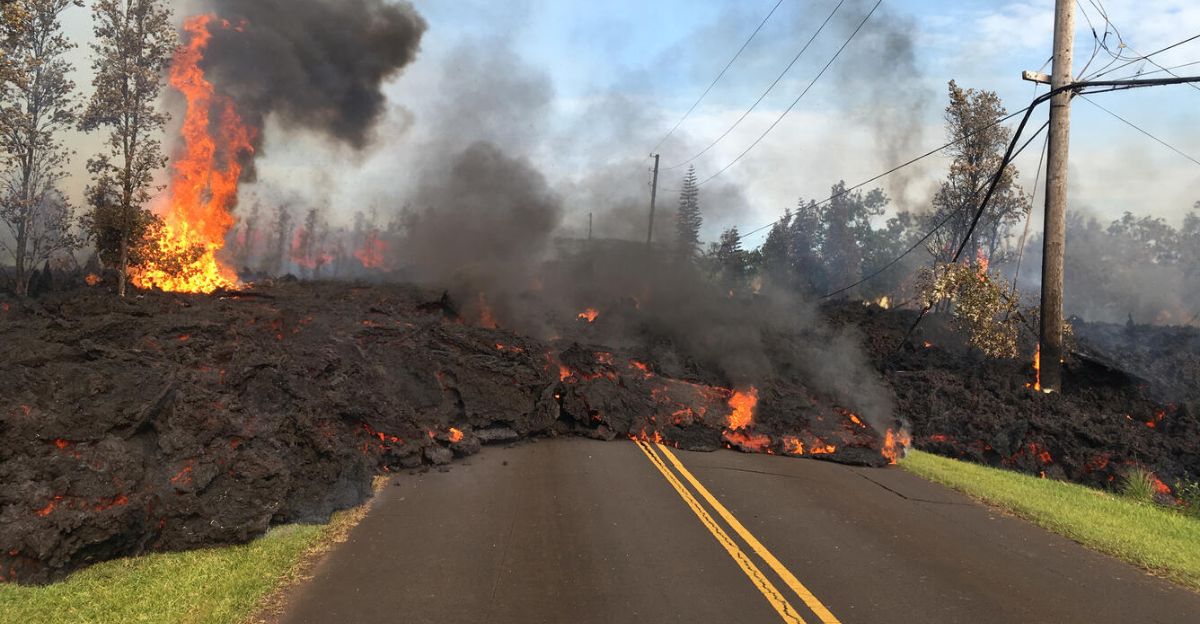
For many living near Kilauea, the threat of evacuation is part of everyday life. Thousands of locals and tourists are preparing bags in case an evacuation order comes suddenly. The possibility of leaving home at a moment’s notice has schools and businesses constantly shifting plans, all while emergency shelters stay on standby.
With official warnings growing more urgent, everyone knows that staying flexible and helping neighbors is the key to weathering whatever happens next.
Volcano Park Is Off-Limits
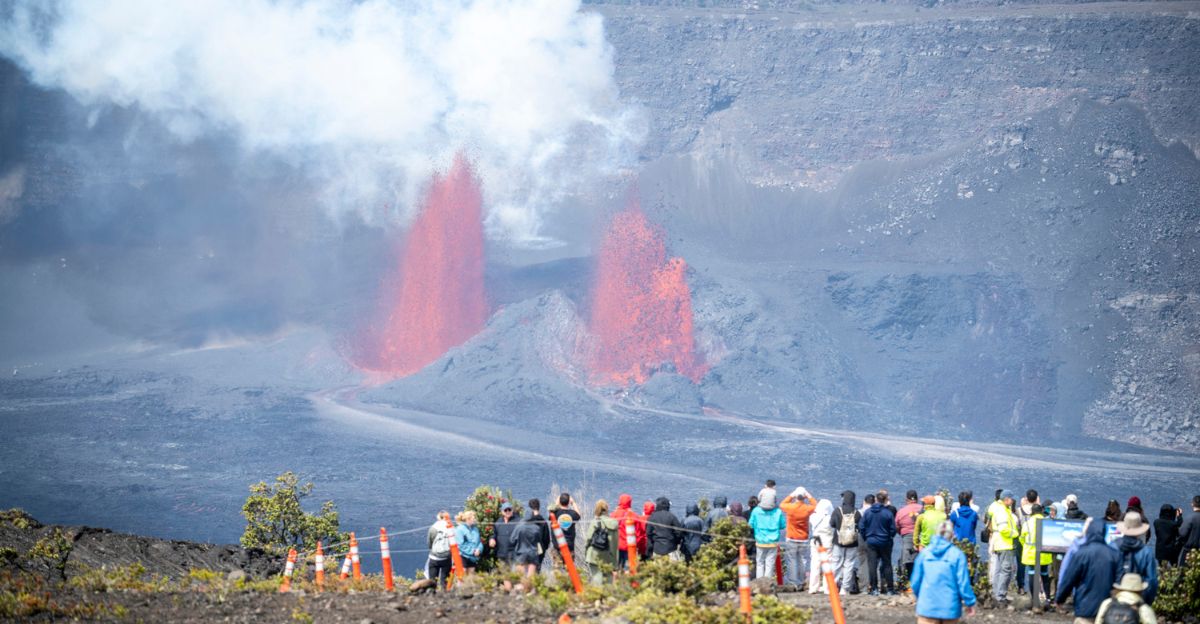
Hawai‘i Volcanoes National Park has been closed to the public since 2007, and the current eruption is reinforcing why that restriction remains in place. Even today, barricades block entry to unstable areas, where ground cracks and falling rocks pose a real hazard. Park officials say that recent volcanic activity, including crater wall collapses and new lava flows, have made these areas especially risky.
The closure hurts tourism and local businesses, but most agree that protecting lives is more important. Teams continue to monitor the park and enforce all safety rules, stressing that no beautiful view is worth the danger right now.
Breathing Easy? Not Now
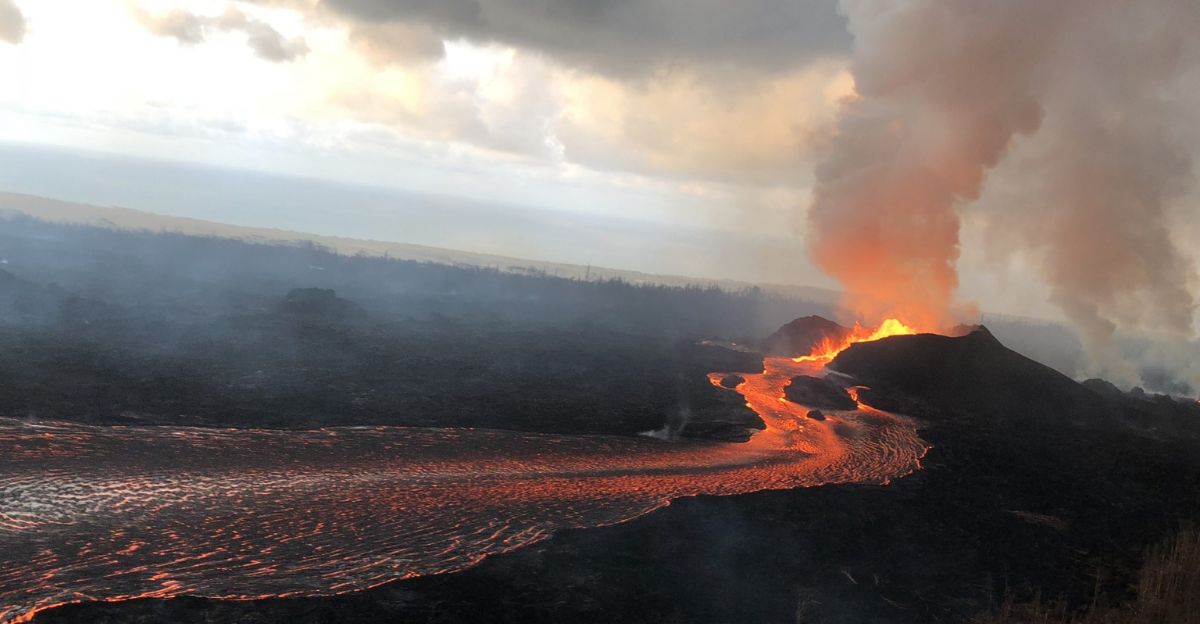
Air pollution from Kilauea’s eruptions has become a pressing concern. Volcanic gases, mainly sulfur dioxide, are filling the air and causing thick vog (volcanic fog) that drifts with the wind. This haze affects not only visibility, but also health, especially for kids and anyone with breathing problems.
Local doctors warn that vog can irritate eyes and lungs, making it unsafe to be outside for long periods. The county has set up clean air shelters for vulnerable residents as a precaution. With the eruption window open, air quality is expected to remain poor, so everyone is being advised to follow health updates and air quality warnings closely until the eruption ends.
More Than Just Lava
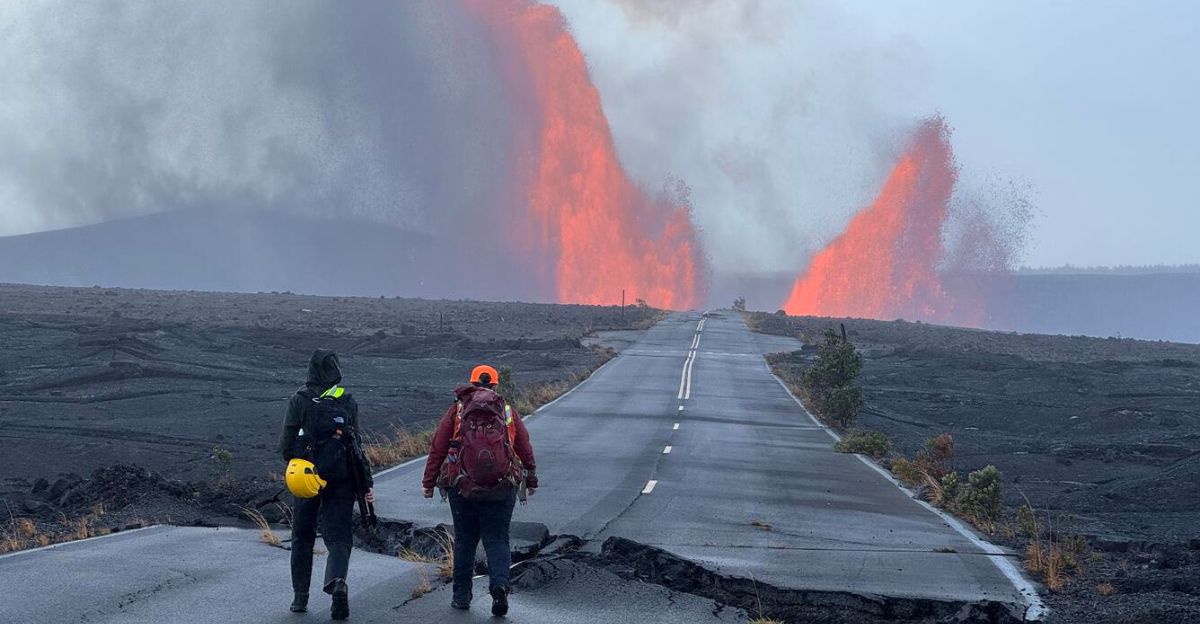
Kilauea’s impact goes far beyond lava flows. Falling volcanic debris is scorching trees and damaging power lines, while eruptions are threatening to cut off entire communities by blocking or destroying roads.
Utility crews have already reported melted cables and charred infrastructure in high-risk zones. Residents could face days or weeks without electricity or reliable water if major lines are destroyed. In past eruptions, even emergency responders have struggled to reach affected areas.
Frustration and Fatigue
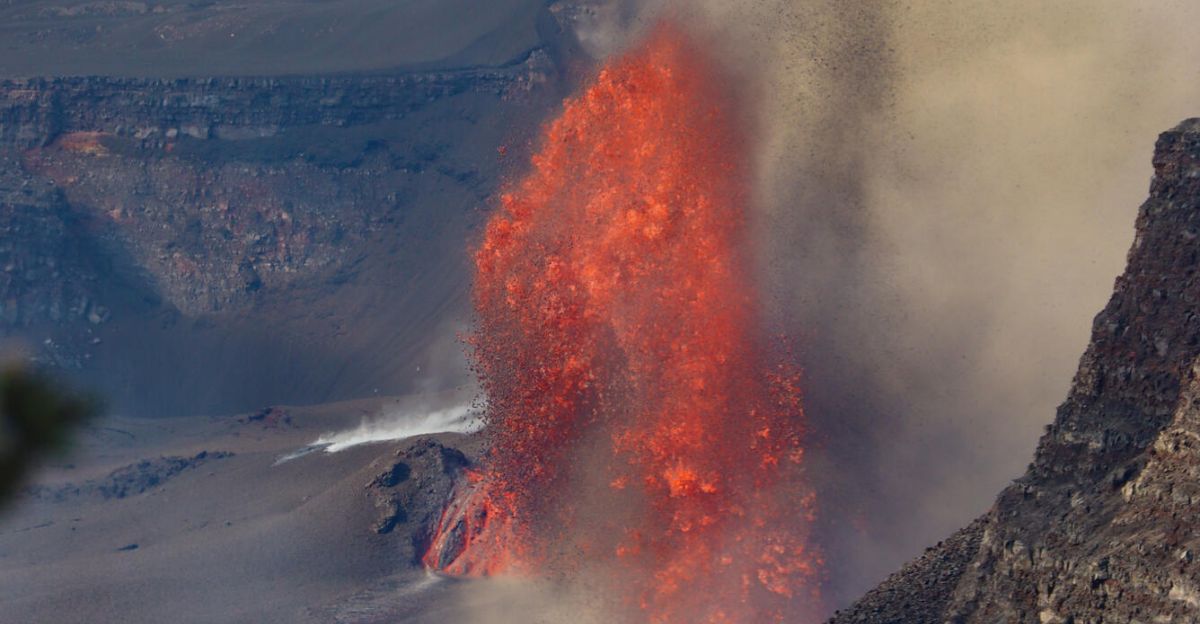
Living with near-constant volcanic danger is taking an emotional toll. Many locals feel exhausted by repeated evacuation drills, school closures, and the constant “what if?” Officials are facing tough questions from residents who worry about gaps in communication and support, especially for those with special needs, the elderly, or people without transportation.
For now, officials urge understanding and patience, but residents say the emotional strain is mounting. Still, many agree that keeping up awareness is critical, even if it’s hard on nerves.
Leaders Step Up
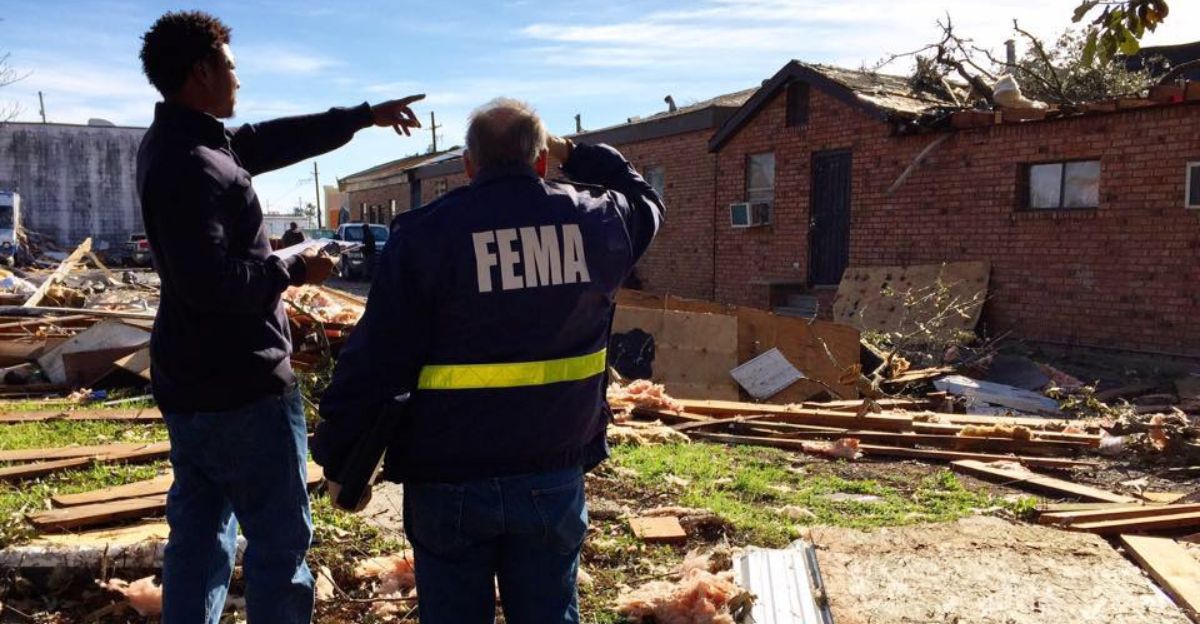
In response to the growing crisis, leaders from the state, county, and even federal agencies like USGS and FEMA are working together more closely than ever. Emergency plans are being updated hour by hour, with teams on alert for rapid deployment.
Evacuation routes have been checked, and more resources have been positioned near areas that might be cut off by new lava flows. Coordination meetings now involve not only government officials, but also local volunteers and scientists who help turn data into action.
Preparing for Recovery

Even as the next eruption looms, local organizations and volunteers are preparing to help people recover. Community shelters are being stocked with essentials. Volunteers are busy making sure supplies get to those who need them, and local businesses have chipped in donations.
Recovery planning is already underway, with teams assessing which roads, power lines, and homes might need the most help to repair or replace. Mental health professionals are also available, since stress and worry can persist even after the ground cools.
Nothing is Certain
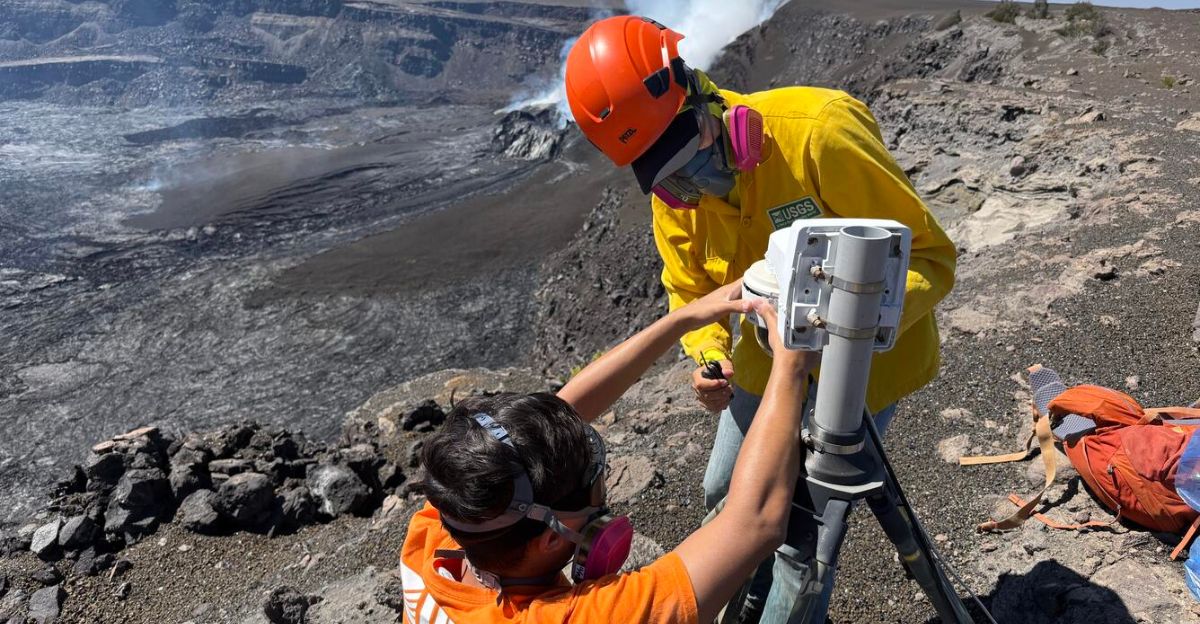
While scientists can predict some patterns, volcanic eruptions remain incredibly tricky to forecast with precision. Advanced computer models and real-time monitoring help, but sudden shifts, like unexpected deflation or seismic changes underground, can throw off even the best predictions.
“Volcanoes don’t always play by the rules,” explained Dr. Janet Babb, a USGS volcanologist. She urges everyone to stay informed and not rely too heavily on forecasts. Instead, she says, “Prepare for the unexpected. Listen for official updates, and don’t take chances.”
What Comes Next?
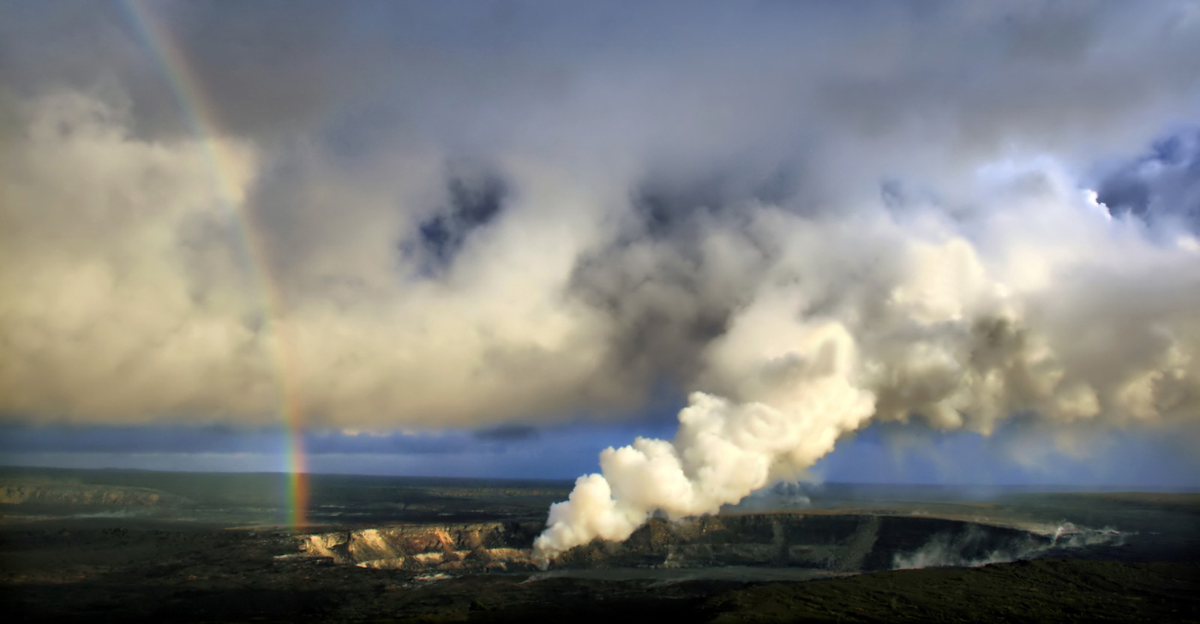
With Kilauea’s eruption window still open, Hawai‘i faces another period of waiting and wondering. Some locals hope the volcano will quiet down soon, while others brace for the possibility of another dramatic episode.
The coming days are crucial, as everyone waits to see if the next eruption will break new records, or if the volcano will go silent for a while. No one knows for sure what will happen, but the strength, flexibility, and preparedness of Hawai‘i’s communities are being put to the test.