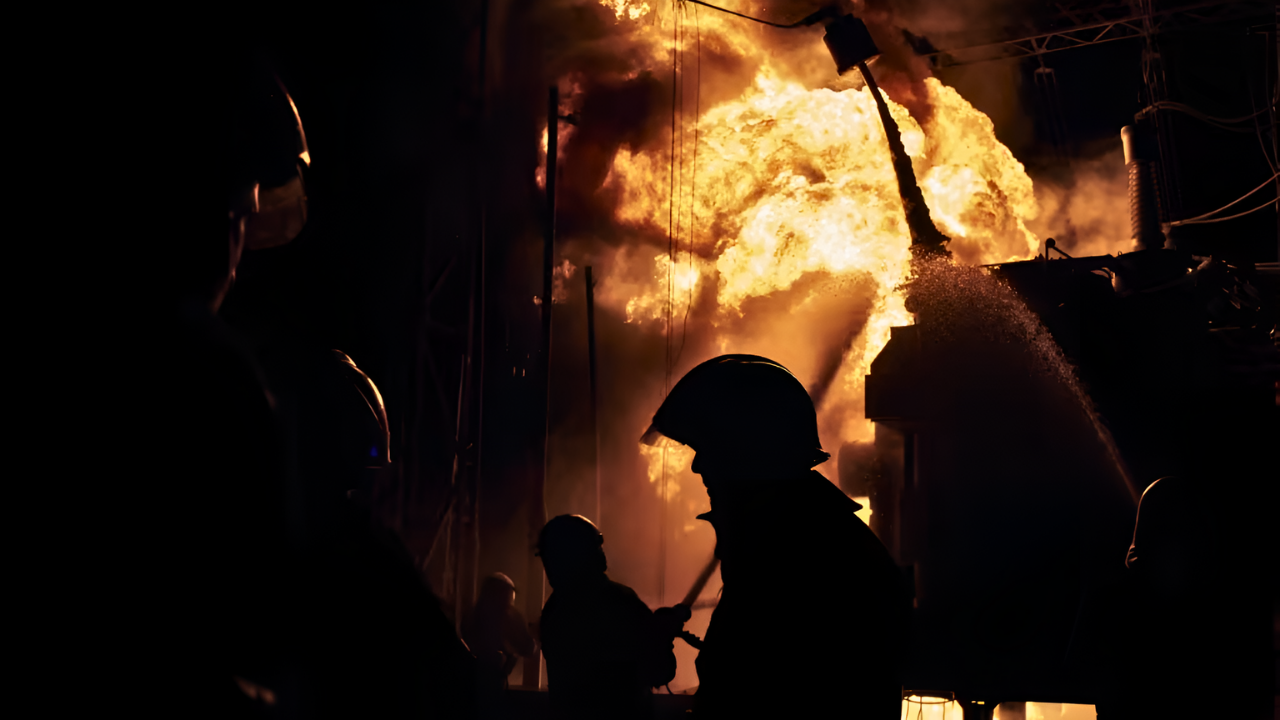
On November 18, 2025, Ukraine carried out drone strikes on two major power plants, Zuivska and Starobesheve, in the Russian-occupied Donetsk region. These plants supplied electricity to civilians as well as Russian military units in the area. The attacks caused serious damage and marked a major step in Ukraine’s efforts to weaken Russian control by targeting infrastructure vital to the occupation.
The strikes quickly caught the world’s attention because they took place at the start of winter. Many feared the damage would worsen living conditions for civilians already struggling under the conflict. The event became a symbol of how both sides have increasingly targeted energy facilities, viewing control over electricity as key to military and political advantage.
Retaliation in an Energy War
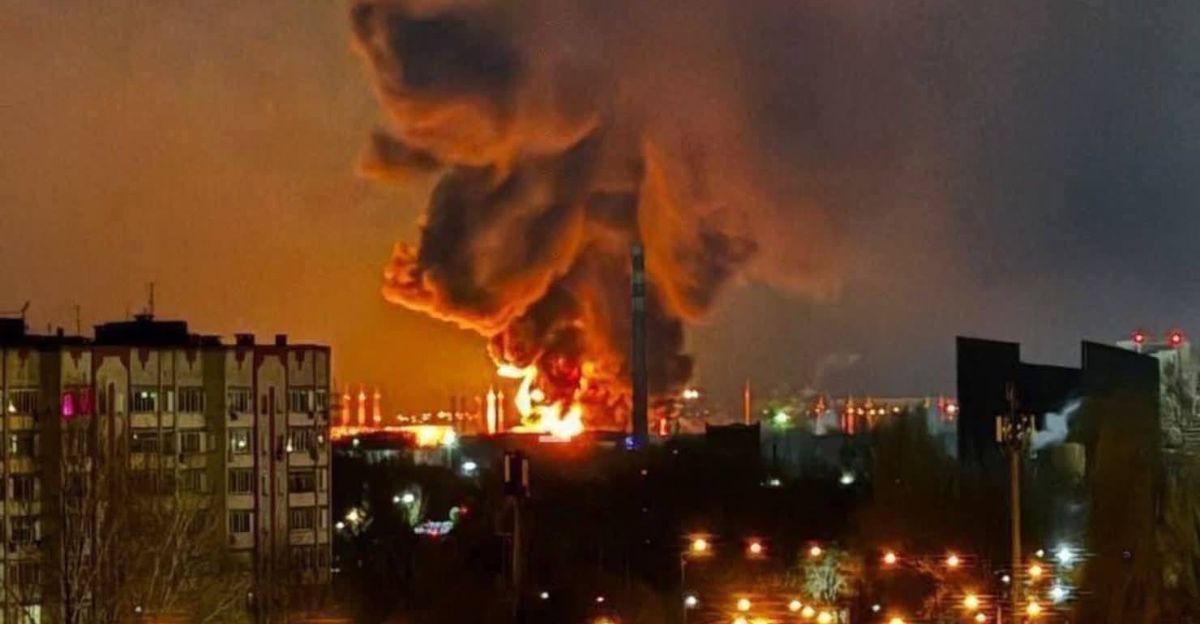
For months before the Donetsk strikes, Russian forces had been bombarding Ukrainian power grids and energy systems. The goal was to damage Ukraine’s electricity network, making it harder for the country to maintain civilian life and military operations. Ukraine’s counterattack on the Donetsk plants was seen as a response to those repeated assaults.
Ukrainian officials later said the mission was carefully planned to focus on military-related infrastructure in occupied territory. According to them, the strikes aimed to cut electricity used by Russian forces, supply lines, and command posts. They insisted it was not meant to cause widespread civilian suffering, though the outcome inevitably affected both soldiers and residents.
This approach fits into Ukraine’s larger wartime strategy: to weaken the systems that help Russia administer and defend occupied regions. By striking energy hubs feeding those control networks, Ukraine signaled its willingness to take the conflict into new areas, including direct attacks on the energy supply that sustains the occupation’s logistics.
Widespread Blackouts and Civilian Impact

The consequences of the drone attacks were immediate. Much of Donetsk plunged into darkness soon after the strikes. Hundreds of thousands of residents lost access to electricity just as temperatures began to drop. Heating units stopped working in many buildings, water supplies were interrupted when pumps lost power, and internet and mobile networks failed, leaving communities cut off.
Hospitals and clinics were among the hardest hit. Many had to switch to emergency generators, stretching limited fuel supplies to keep life-saving equipment running. In cities and towns, the lack of streetlights caused traffic accidents and made it harder for emergency services to respond to calls. Local authorities on both sides raced to organize repairs and distribute relief, but the scale of the blackout made progress slow and uneven.
In rural areas, the situation grew even worse. Families without access to backup power relied on fires and wood stoves, while elderly residents and people dependent on medical equipment faced heightened risks. Aid organizations warned that if electricity was not restored soon, humanitarian conditions could deteriorate rapidly as winter deepened.
Economic and Political Fallout
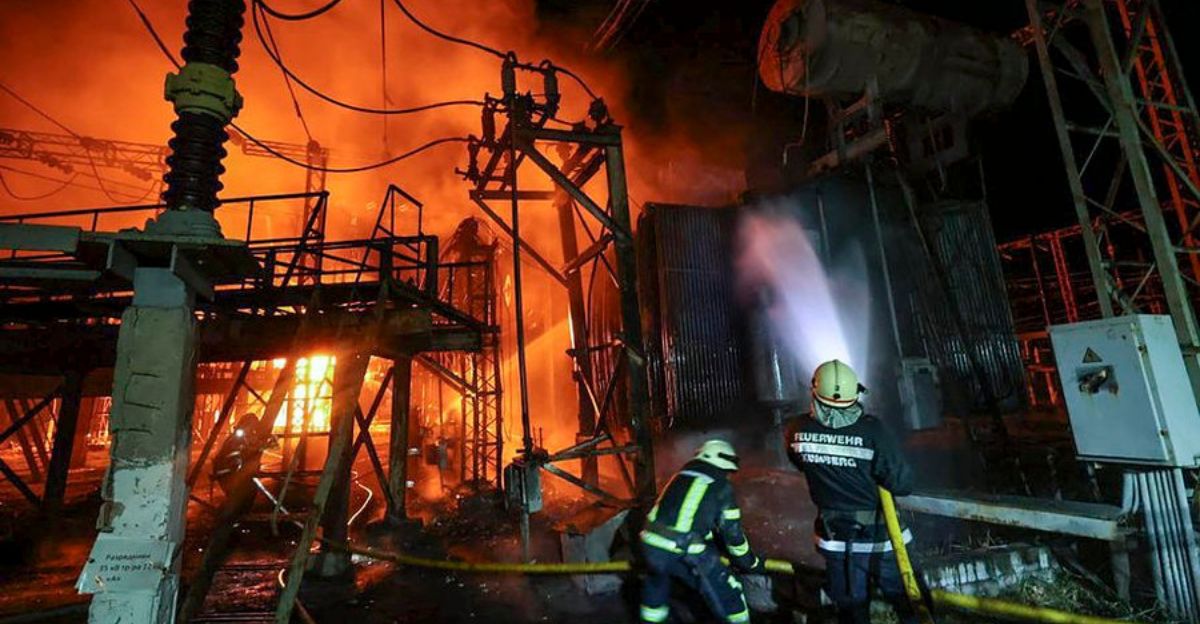
The blackout also brought major economic disruption. Factories stopped production, shops lost perishable goods, and supply chains across the region broke down. Without steady electricity, warehouses could not preserve food or medicine, and transport hubs struggled to manage deliveries. Fuel shortages added to the chaos as demand for generators skyrocketed, driving up prices and highlighting the gap between richer residents who could afford alternatives and poorer ones who could not.
Beyond Donetsk, the crisis affected neighboring regions as power grids tried to compensate for the sudden loss of capacity. Energy markets across Eastern Europe reacted nervously, with prices and demand fluctuating. Some nearby countries prepared emergency measures to handle possible humanitarian or energy spillovers.
Politically, the attacks produced immediate reactions. Russian officials condemned Ukraine, accusing it of targeting civilians and worsening an already fragile humanitarian situation. Ukrainian leaders defended their actions as a justified military operation against forces occupying their territory. Diplomats from several countries urged both sides to avoid escalation and pay greater attention to protecting civilians caught in the middle.
A Turning Point in the Energy Struggle
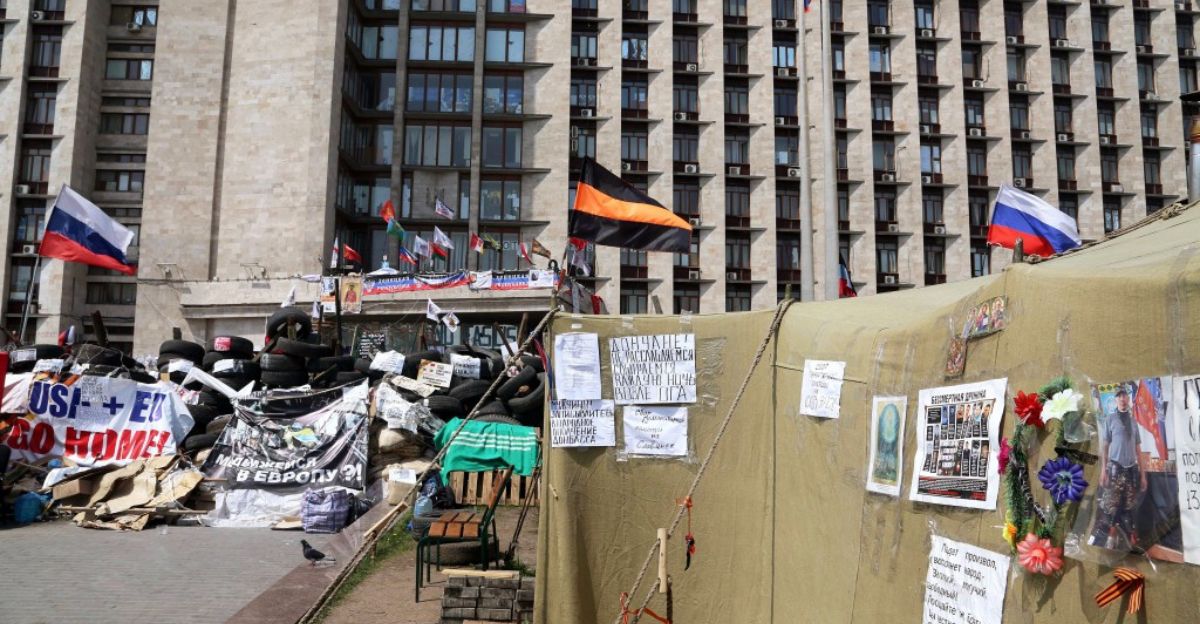
The November strikes represented more than a single military action, they signaled a new direction in the broader conflict over energy. Control of electricity and fuel networks has become a defining feature of the war between Russia and Ukraine. By attacking infrastructure used for both civilian and military purposes, Ukraine showed a readiness to challenge Russia’s grip on occupied areas even at great cost.
The blackout that followed revealed how fragile basic services are in wartime and how closely tied civilian well-being is to military strategy. As both sides analyze the outcome and plan their next moves, the balance between military necessity and humanitarian cost remains uncertain. For millions of people living in or near contested regions, the prospect of more energy-targeted warfare looms large, underscoring how the fight for control now extends far beyond the battlefield and into the daily lives of ordinary citizens.