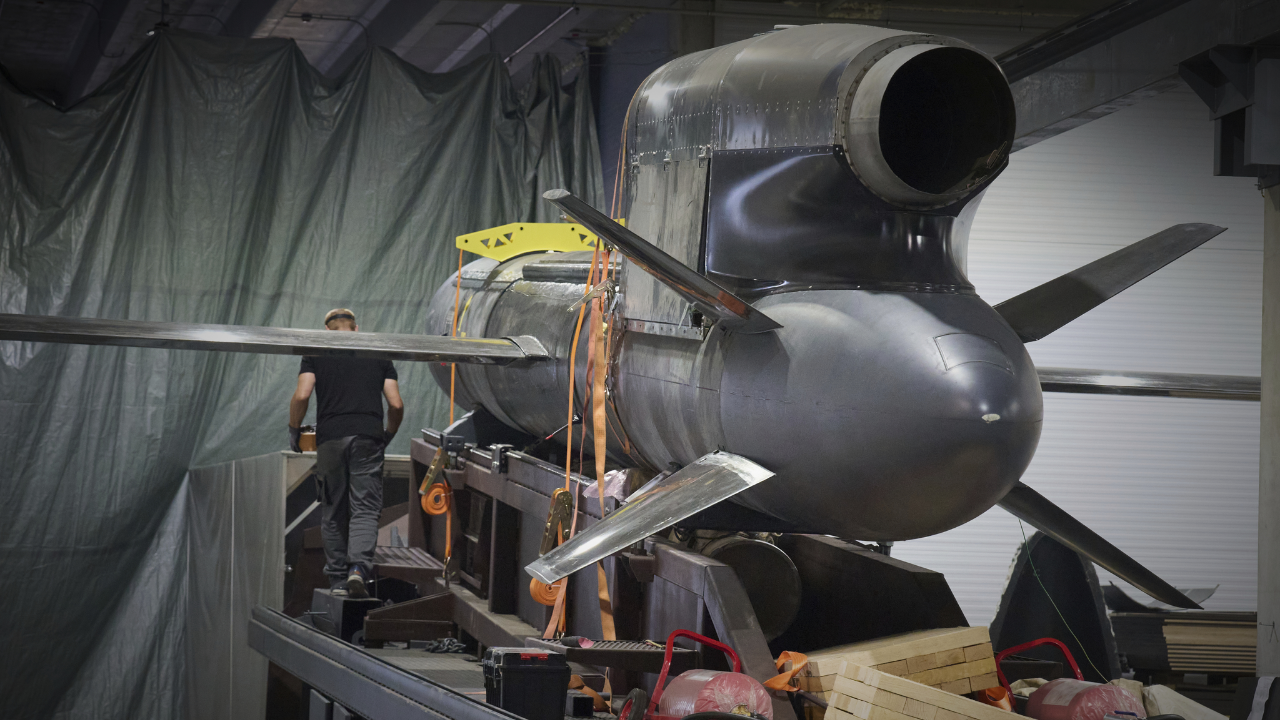
The night sky above occupied Crimea erupted in fire and chaos on November 13, 2025, as Ukraine launched its most ambitious coordinated missile strike of the war. Explosions lit up Russian military sites across Crimea, Zaporizhzhia Oblast, and even deep inside Russia’s Oryol region. At the heart of this operation was the battlefield debut of the Flamingo cruise missile—a domestically built weapon that signaled a dramatic shift in Ukraine’s ability to strike far behind enemy lines.
Precision Strikes Disrupt Russian Command and Logistics
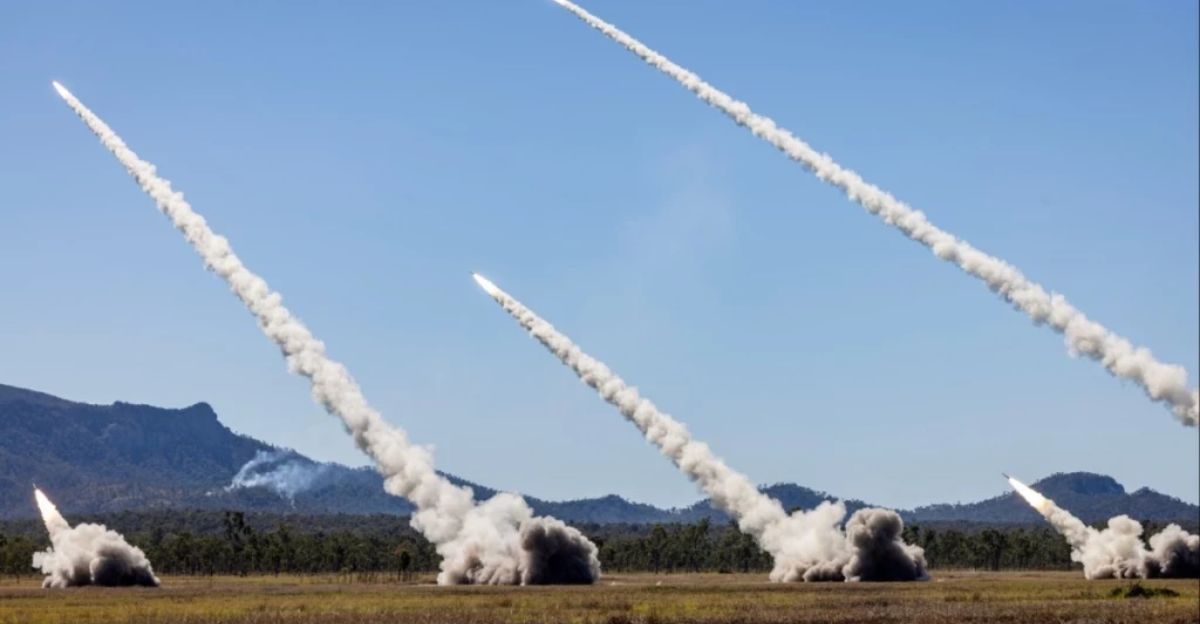
Ukrainian forces targeted key Russian command posts in Zaporizhzhia Oblast, including the headquarters of the 5th Combined Arms Army and the 127th Motor Rifle Division. According to Ukraine’s General Staff, these precision strikes disrupted Russian command and control, undermining their ability to coordinate defenses and mount counterattacks in the southern theater.
In Crimea, the attacks were equally strategic. The Morskoy Neftyanoy Terminal, a major oil storage facility, was set ablaze, while Kirovske airfield suffered heavy damage to helicopter parking and drone storage areas. These sites are vital to Russia’s logistical operations in the region, and their destruction forces Moscow to scramble for alternative supply routes and resupply options. The strikes also destroyed a radar installation near Yevpatoriya, degrading Russian air-defense coverage and leaving assets more vulnerable to future attacks.
Unveiling the Flamingo: Ukraine’s Homegrown Long-Range Missile
The Flamingo missile, first revealed by President Volodymyr Zelensky in August 2025, represents a major leap in Ukraine’s domestic defense capabilities. Each missile carries a 1,150-kilogram warhead—nearly 2,500 pounds of explosives—adapted from Soviet-era aerial bombs and guided by modern satellite navigation. With a range of up to 3,000 kilometers and the ability to fly at low altitudes to evade radar, the Flamingo can reach deep into Russian territory, including major cities.
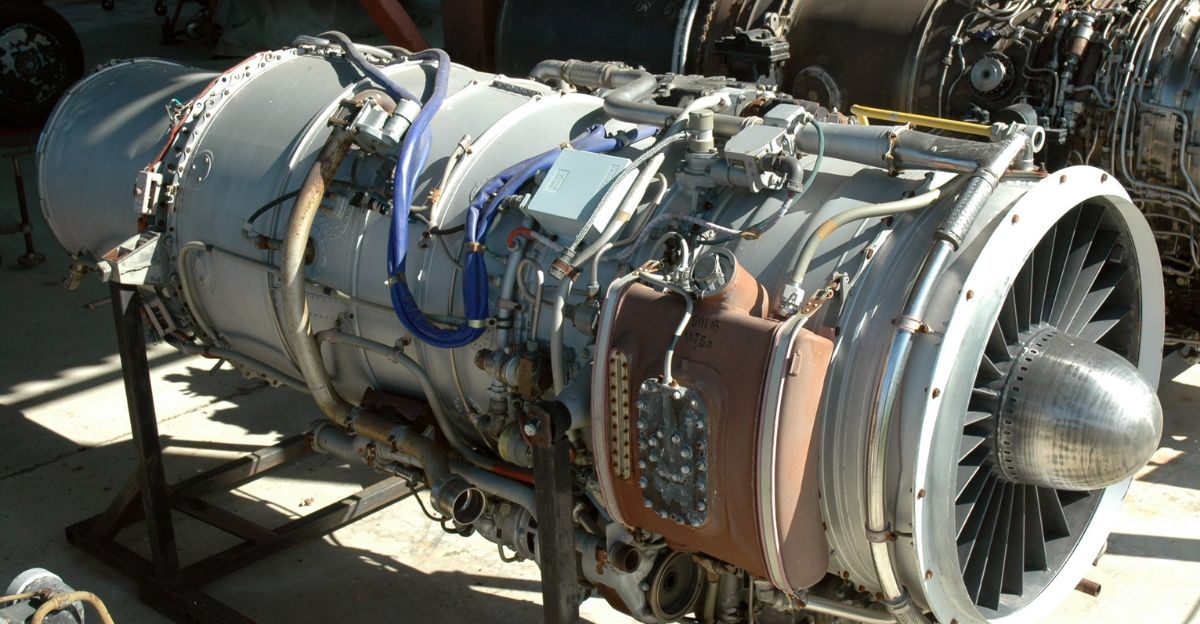
This new weapon is the product of years of Ukrainian engineering under wartime conditions. Manufactured by the private defense contractor Fire Point, the Flamingo is powered by a repurposed Ivchenko AI-25TL turbofan engine and equipped with advanced navigation systems. Its development gives Ukraine the ability to strike independently, without relying on Western-supplied systems or the policy restrictions that often accompany them.
Multi-Front Barrage and Evolving Tactics

The November 13 operation marked the Flamingo’s first deployment across three separate zones: Crimea, Zaporizhzhia Oblast, and targets inside Russia itself. Ukrainian forces combined Flamingo missiles with Bars missiles and Liutyi loitering drones in what military officials described as “complex, multi-vector attacks.” This approach was designed to overwhelm Russian air defenses by forcing them to respond to simultaneous threats across a broad front.
Explosions in Russia’s Oryol region, far from the front lines, underscored Ukraine’s new reach. Local media and social channels shared footage of blasts and falling debris in residential areas, highlighting the psychological impact of strikes inside Russia’s heartland. For ordinary Russians, the war was no longer a distant conflict—it had arrived at their doorstep.
Production, Cost, and Corruption Concerns
Fire Point, the company behind the Flamingo, produces two to three missiles daily at a cost of roughly $500,000 per unit—significantly less than many Western alternatives. President Zelensky has announced plans to ramp up production to 210 units per month by year’s end, reflecting growing confidence in the missile’s battlefield value and the need for a sustainable supply of long-range strike capability.
However, Fire Point is under investigation by Ukraine’s National Anti-Corruption Bureau for allegedly inflating component prices and misleading the government about delivery numbers. The probe is also examining whether a former business associate of President Zelensky is an undisclosed beneficiary of the company. Fire Point denies any wrongdoing and has commissioned an international audit, but the investigation highlights the ongoing challenges of maintaining transparency and oversight in wartime arms procurement.
Balancing Security and Accountability
Strict wartime security protocols around arms production complicate efforts to scrutinize financial flows and verify pricing. Ukrainian officials acknowledge that secrecy is necessary to protect sensitive military information, but it also limits independent investigation and raises the risk of cost inflation or abuse. Fire Point maintains that it operates transparently within the constraints of martial law, while critics argue that greater oversight is needed to prevent financial misconduct.
As Ukraine’s defense industry matures and its military operations grow more sophisticated, the stakes are rising for both sides. The Flamingo’s debut and the scale of the November 13 strikes mark a turning point in the conflict, demonstrating Ukraine’s ability to reshape the battlefield on its own terms. The coming months will test whether Kyiv can sustain this momentum—both on the front lines and in the halls of government—while maintaining the delicate balance between operational security and public accountability.