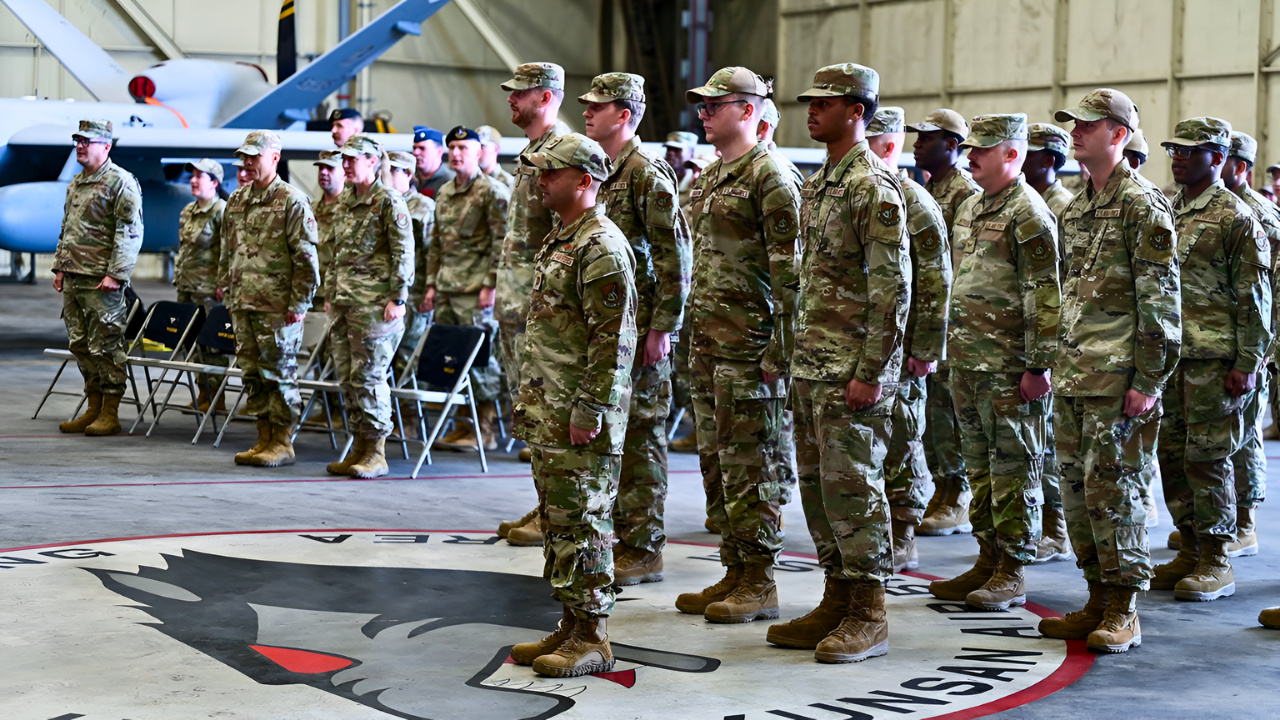
The sound of roaring jet engines fills the skies over South Korea as U.S. and South Korean generals take part in a historic first-ever joint commanders’ flight. The jets soar over the peninsula, signaling an unprecedented military escalation.
On the ground, an MQ-9 Reaper drone squadron arrives, marking a new era of surveillance and deterrence just miles from North Korea’s border. This military move comes at a time of heightened regional tension.
Tensions Escalate
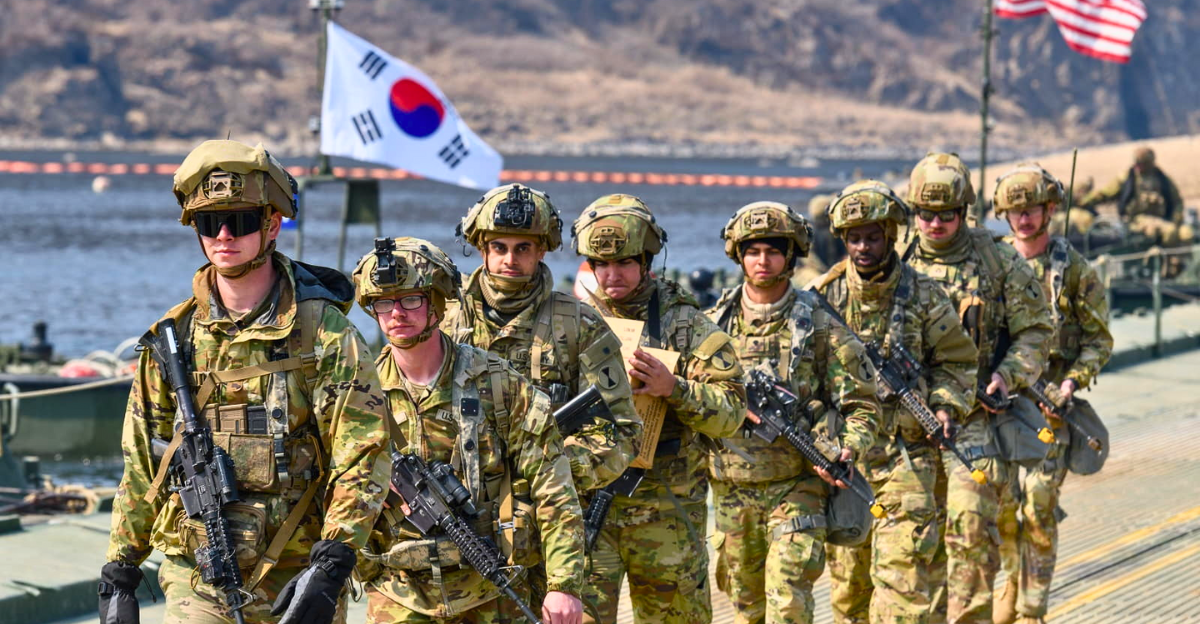
With 28,500 U.S. troops already stationed in South Korea, the MQ-9 Reapers’ arrival elevates the stakes even further. This move highlights the U.S.’s commitment to security and deterrence in the face of North Korea’s growing missile threats.
The enhanced military presence near the border signals a clear message: any provocation will meet a formidable response, intensifying the pressure on the Korean Peninsula.
Strengthened Alliance

The U.S.-South Korea military partnership, rooted in the 1953 Mutual Defense Treaty, continues to evolve. In recent decades, both nations have reinforced their alliance through joint military exercises, technological upgrades, and a shared commitment to countering North Korean threats.
The permanent deployment of MQ-9 Reapers strengthens this alliance further, solidifying the defense posture in the region as both countries adapt to changing threats.
Growing Threats
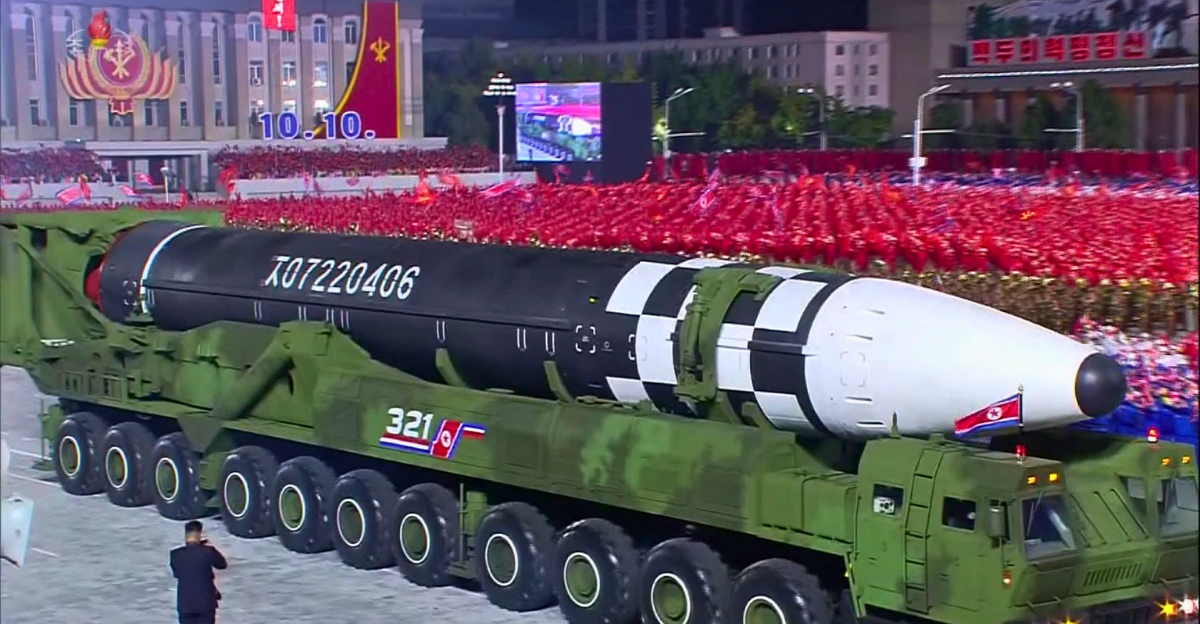
North Korea’s missile testing and provocative rhetoric have pushed both the U.S. and South Korea to enhance their defense strategies. The deployment of these advanced drones is not just a reactive measure; it is part of a broader strategy to maintain military readiness and deter potential aggression.
As tensions rise in the region, the urgency of maintaining a robust defense capability grows, reinforcing the need for a strong deterrence posture.
New Drone Squadron
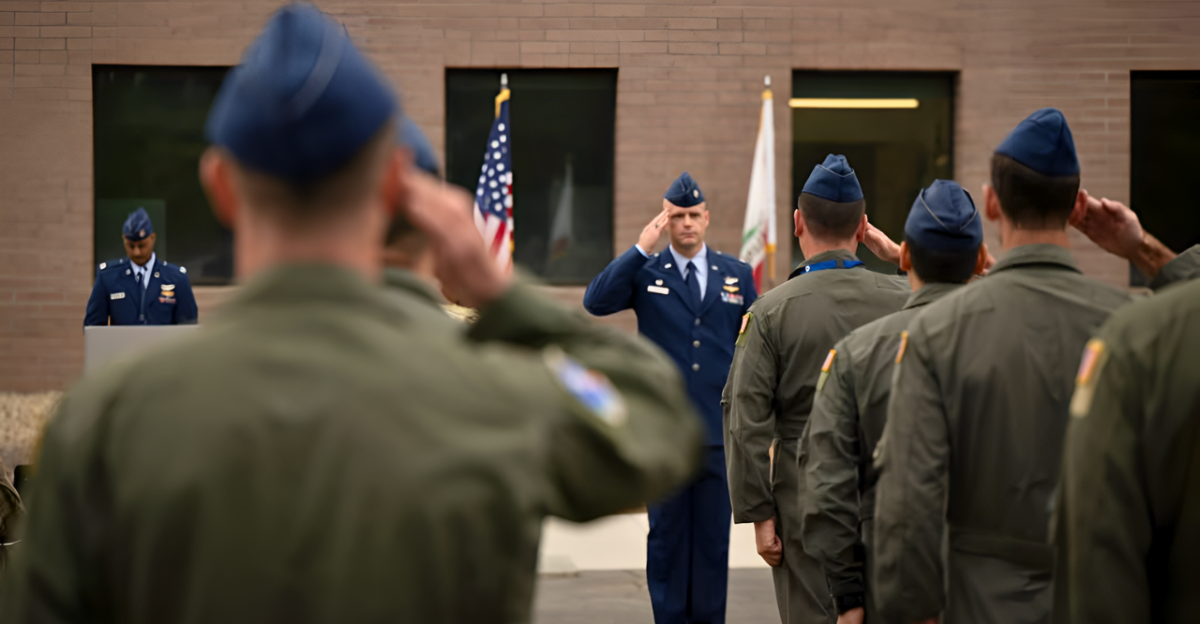
The U.S. Air Force has officially reactivated the 431st Expeditionary Reconnaissance Squadron at Kunsan Air Base in South Korea. This move marks the first-ever permanent stationing of MQ-9 Reaper drones on the Korean Peninsula.
Under the leadership of Lt. Col. Douglas J. Slater, this squadron is now tasked with conducting vital surveillance and reconnaissance missions, significantly enhancing operational capabilities in the region.
Enhanced Surveillance
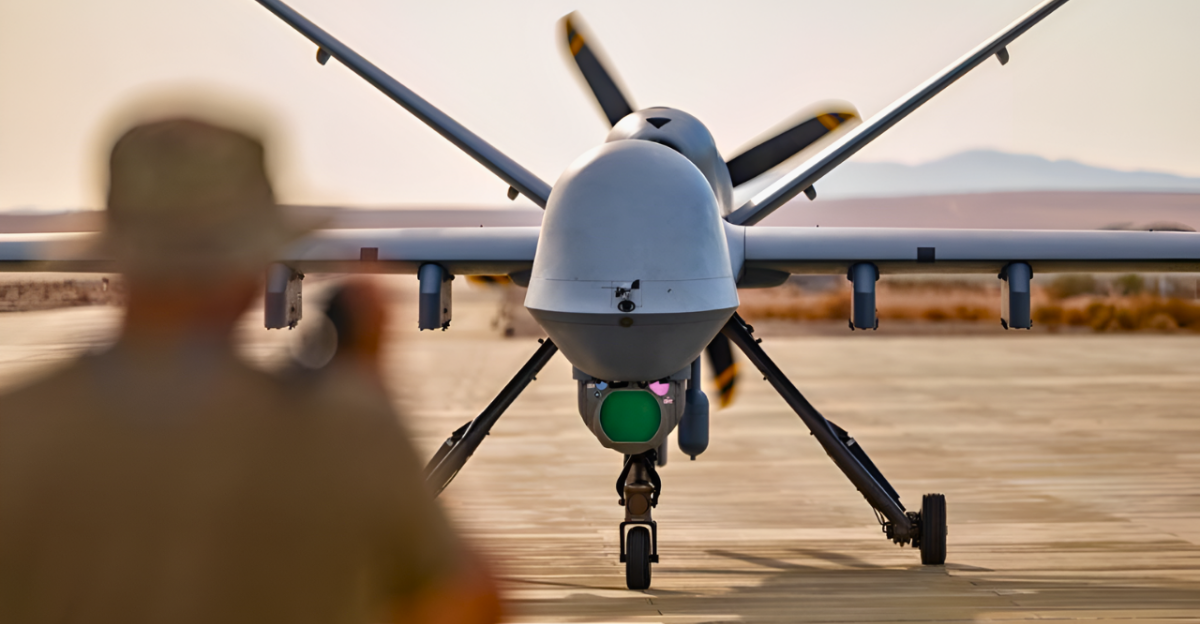
The MQ-9 Reapers’ advanced sensors and long-endurance capabilities provide continuous coverage of the Korean Peninsula and beyond. Their arrival significantly enhances the U.S.-South Korea alliance’s ability to monitor North Korean movements and respond swiftly to emerging threats.
This increased surveillance capability ensures a strong, persistent defense posture in a volatile region, where quick response times are critical.
Commander’s Perspective

Lt. Col. Douglas J. Slater, the commander of the 431st Squadron, emphasized the importance of this deployment: “The MQ-9 brings a powerful capability to the region. We’re here to support the mission, deepen cooperation, and demonstrate our shared commitment to regional security.”
This statement underscores the squadron’s crucial role in the broader U.S.-South Korea military strategy and highlights the growing importance of unmanned systems in modern warfare.
A Counterbalance to China
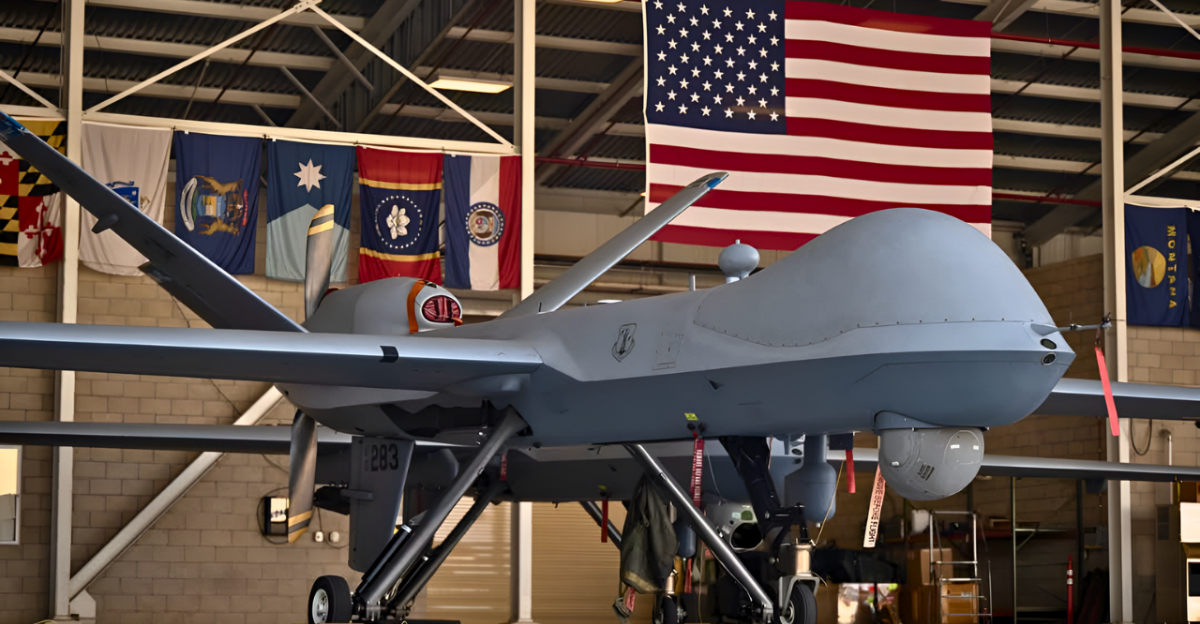
As China continues to expand its military presence in the Yellow Sea and South China Sea, the U.S. is adjusting its strategy to maintain a balance of power in the region. The deployment of MQ-9 Reapers serves as a countermeasure to China’s increasing influence, particularly in the contested waters near South Korea.
This strategic move highlights the shifting dynamics in the Indo-Pacific region, where the U.S. is focusing more on unmanned technology to maintain its competitive edge.
Strategic Shift
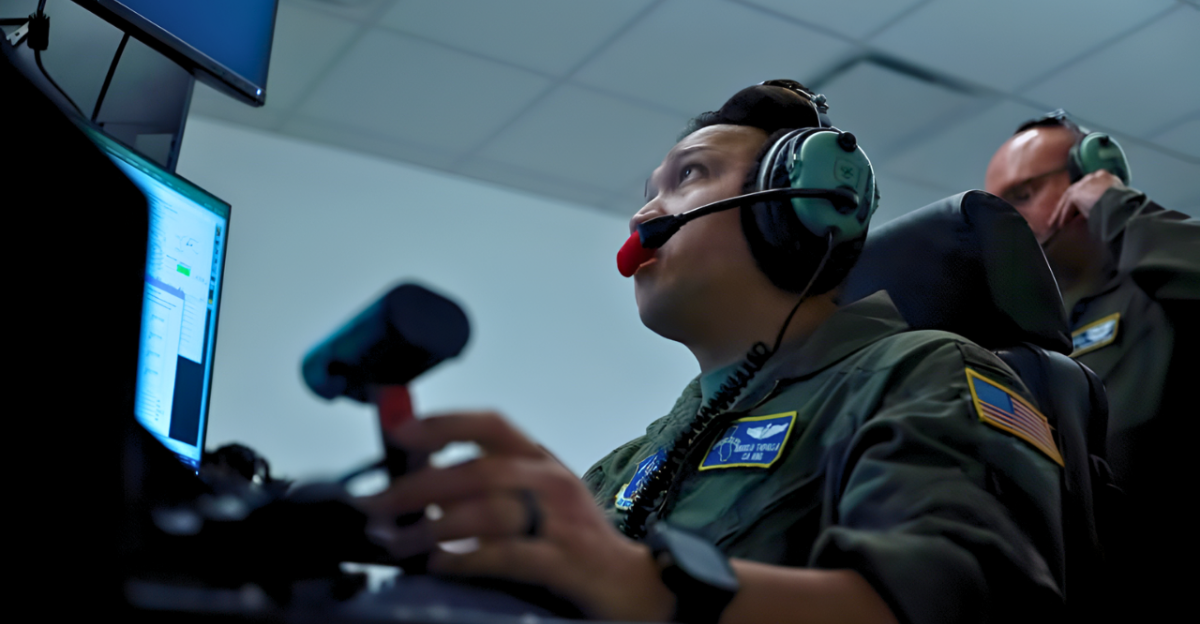
The permanent stationing of MQ-9 drones is part of a broader trend in the U.S. military’s shift toward unmanned systems. These drones are now central to the U.S.’s strategy for persistent intelligence gathering, allowing for more flexible and cost-effective surveillance.
This move signals a growing reliance on unmanned technology in military operations across the Indo-Pacific, changing the nature of modern warfare.
Show of Strength
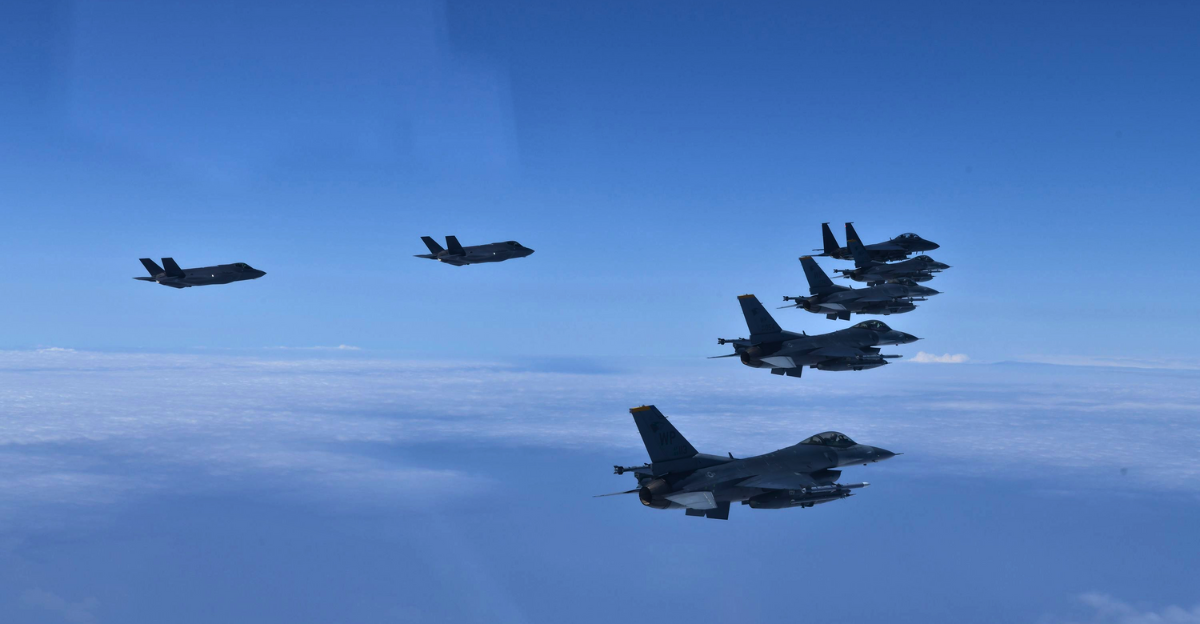
On November 3, 2025, U.S. and South Korean generals conducted a historic joint flight over the peninsula, demonstrating the strength of their partnership. This first-ever flight, involving advanced fighter jets, symbolized the deepening military ties between the two nations.
The flight served as both a tactical maneuver and a powerful statement of unity and readiness, showcasing their ability to collaborate on complex security matters.
The Risk of Escalation
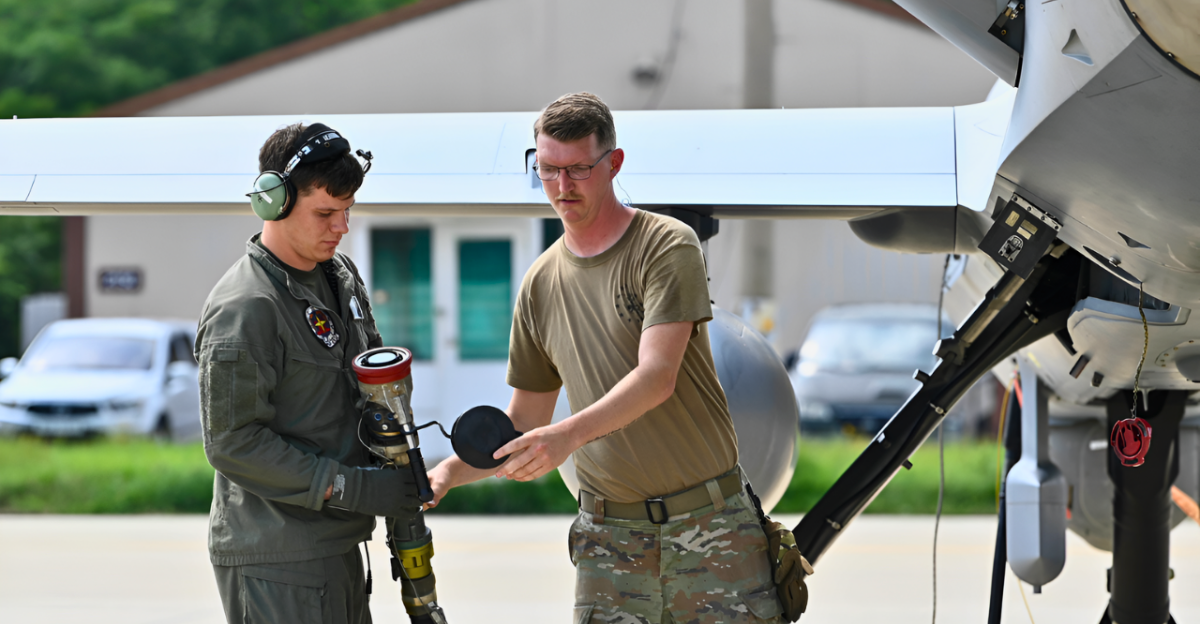
Despite the strategic advantages, the increased U.S. military presence near North Korea has raised concerns about the potential for escalating tensions. While the move is aimed at deterrence, some U.S. officials worry that North Korea could view the deployment as a provocative action.
This could increase the risk of miscalculation, with the delicate balance of deterrence and diplomacy growing more difficult to manage as military assets continue to increase near the border.
Leadership and Coordination
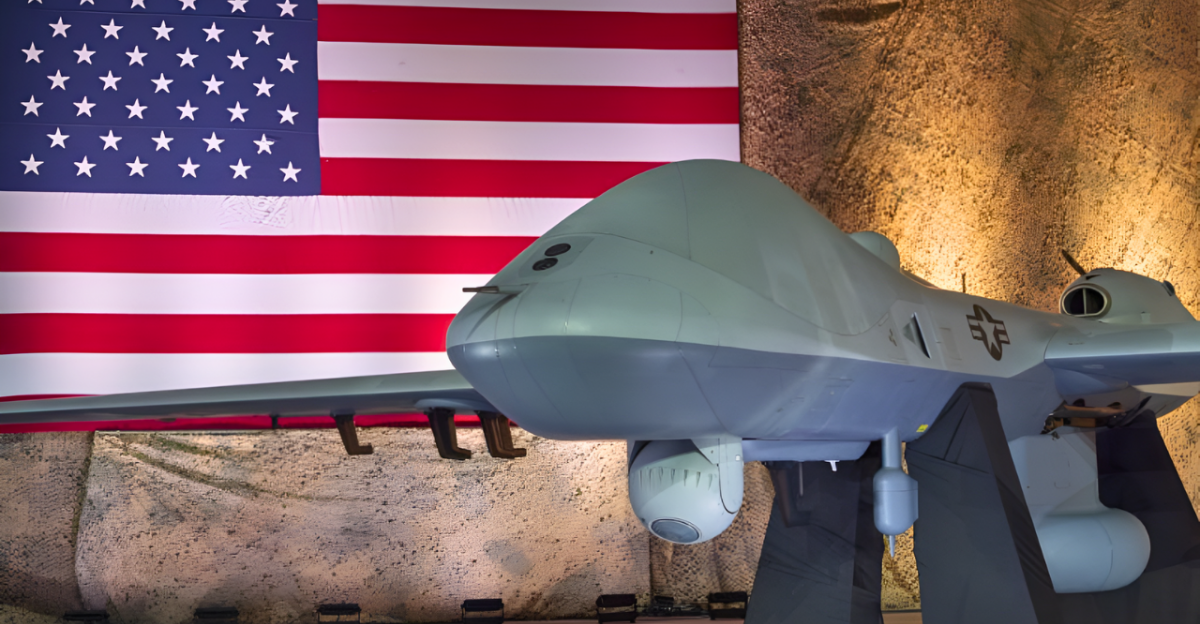
The joint flight was led by Gen. Dan Caine of the U.S. Air Force and Gen. Jin Yong-sung of the South Korean military. Their leadership in the flight demonstration underscores the close coordination between the two nations.
The flight showcased not only military strength but also a unified approach to regional security challenges, reinforcing the commitment of both nations to mutual defense and the shared goal of regional stability.
Adapting to Threats

As threats in the region evolve, so too does the U.S. military’s approach to defense in South Korea. The reactivation of the 431st Squadron, along with the integration of advanced drones, reflects a broader shift toward more agile and responsive military strategies.
These adjustments ensure that the U.S. and South Korea remain prepared to address any new challenges that arise, adapting quickly to shifting regional dynamics.
An Expert’s View
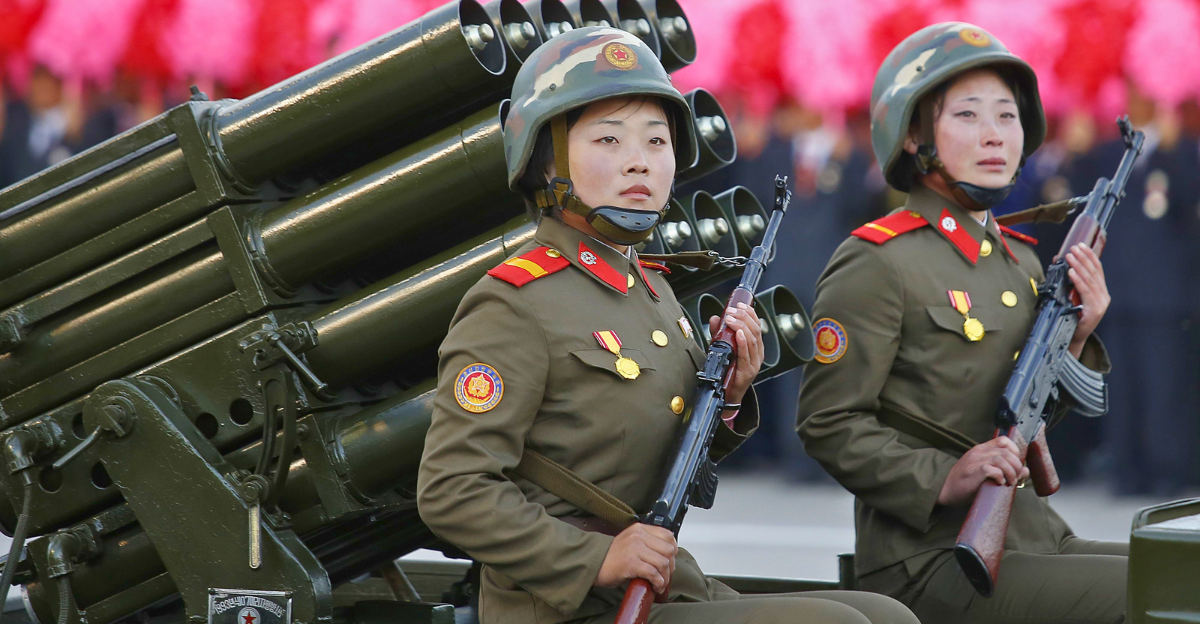
Military analysts believe the MQ-9 Reapers could alter the surveillance landscape in the region. Their advanced capabilities allow for real-time intelligence gathering, enabling quicker responses to any potential threats.
However, some experts warn that North Korea may perceive this as a direct challenge, increasing the possibility of a response that could destabilize the situation further.
What’s Next for North Korea?
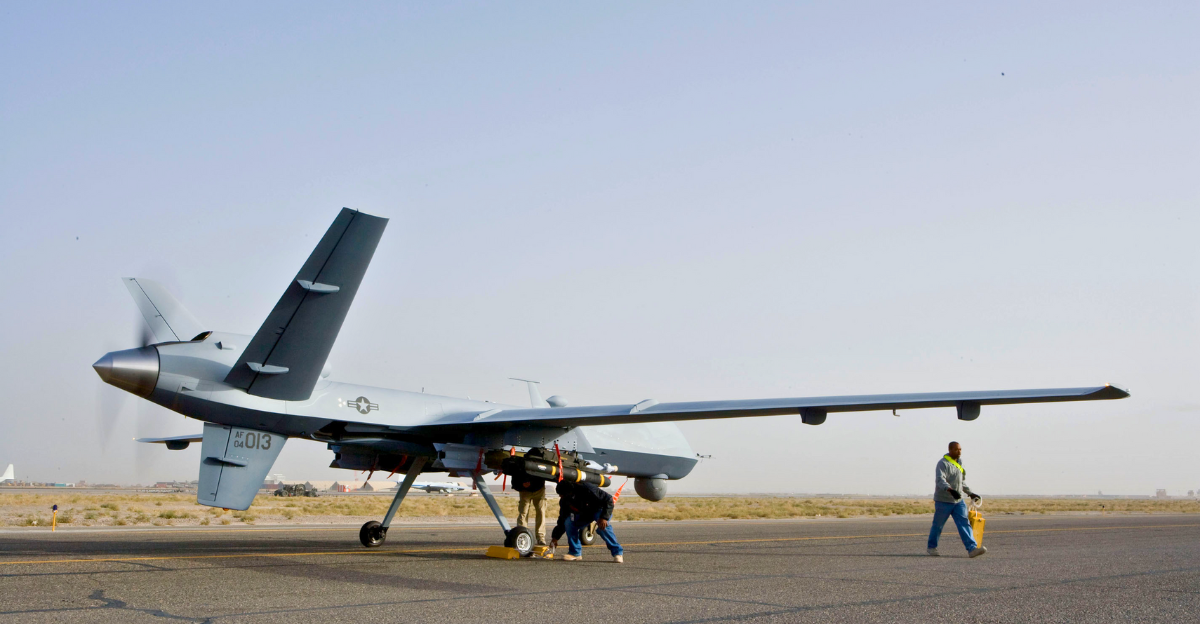
With the permanent stationing of MQ-9 Reapers, questions loom about North Korea’s next move. Will this escalation lead to further diplomatic efforts, or will it cement the peninsula’s already tense military standoff?
The presence of U.S. troops and unmanned drones just miles from North Korea will undoubtedly shape the region’s security landscape for years to come, influencing future diplomatic and military decisions.
Political Repercussions
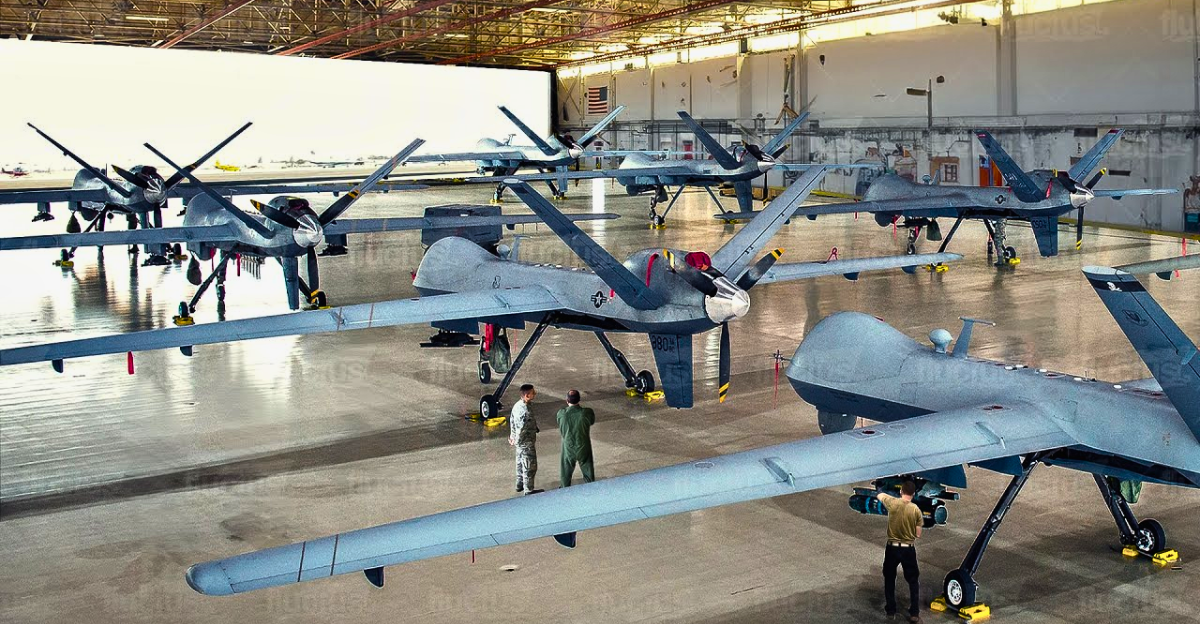
The deployment of these advanced drones has sparked debates in both Washington and Seoul about the best approach to regional security. While it strengthens the U.S.-South Korea alliance, it also complicates relations with China and North Korea.
Policymakers are now grappling with the political implications of such a significant military presence in the region, as the balance of power in Northeast Asia shifts.
International Reactions
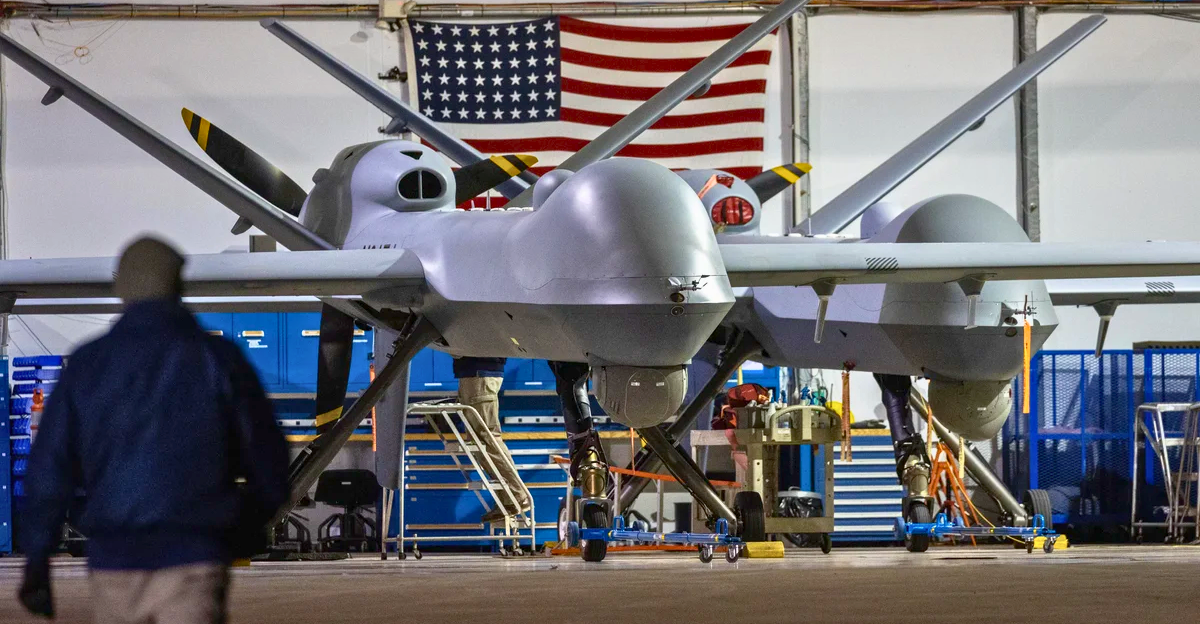
Countries like Japan and Australia are closely monitoring the situation, as the U.S. military buildup in South Korea could have wider implications for Indo-Pacific security. The MQ-9 Reapers’ presence may serve as a catalyst for greater multilateral cooperation, but it could also lead to further geopolitical competition in the region.
This growing U.S. military presence could reshape alliances and rivalries for years to come, influencing the broader security landscape in Asia.
Legal and Environmental Considerations
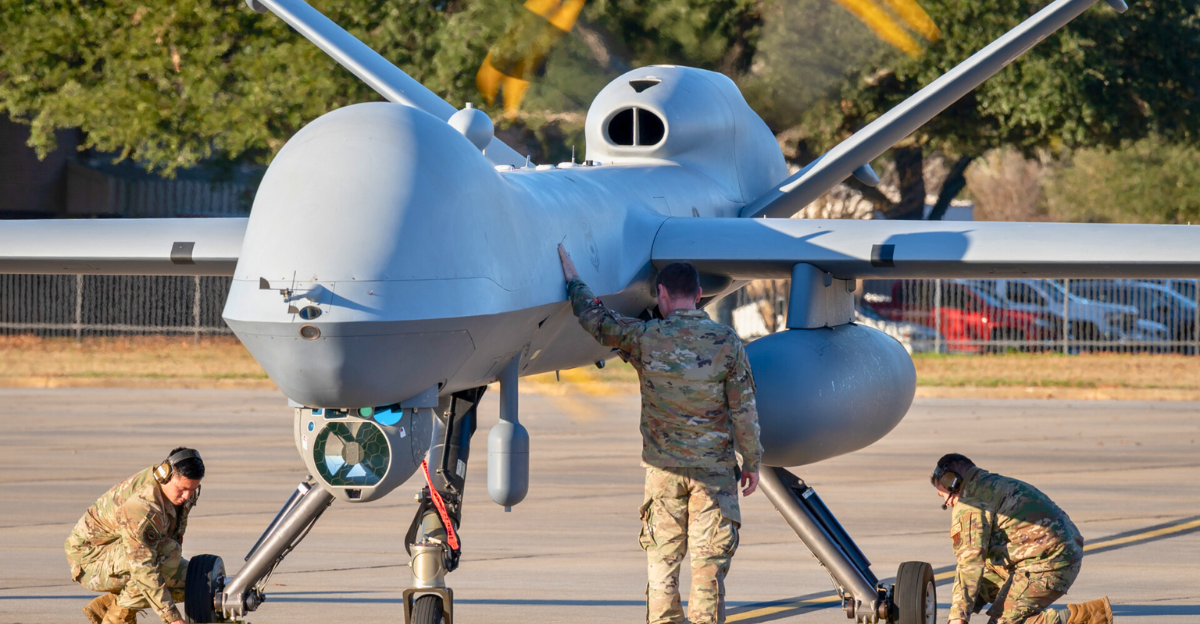
The stationing of drones at Kunsan Air Base raises questions about the environmental and legal implications of their operations. Both U.S. and South Korean authorities have committed to adhering to local regulations and minimizing disruptions to local communities.
However, the long-term environmental impact of increased drone activity remains a concern, with local populations closely monitoring any ecological changes resulting from the deployment.
Shifting Military Norms
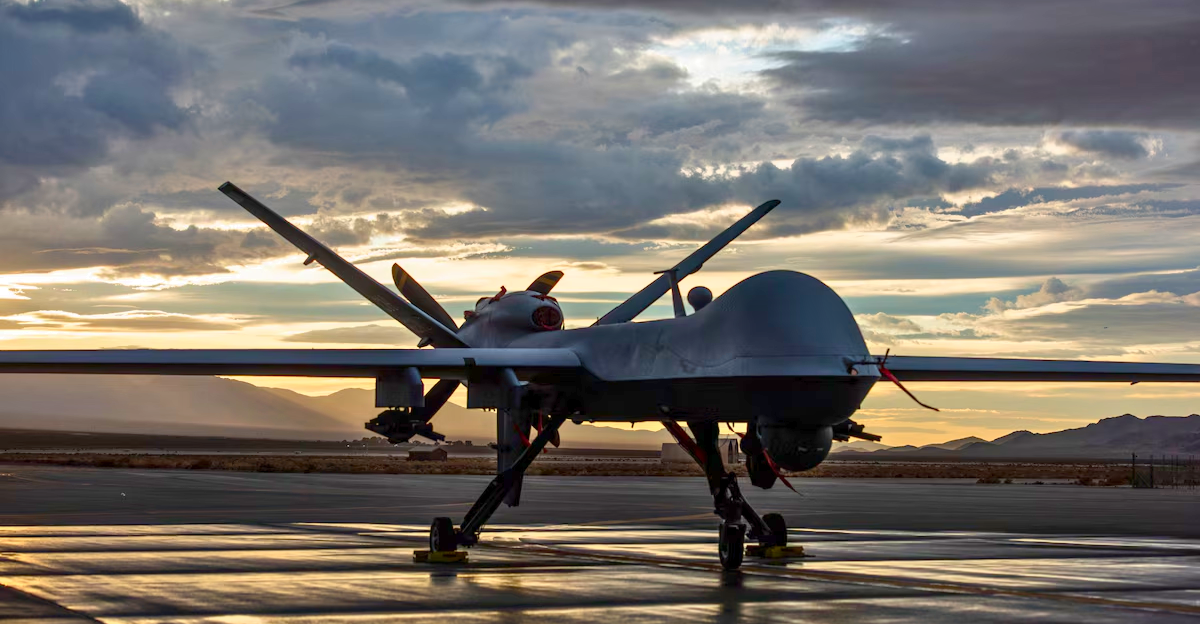
The use of unmanned systems like the MQ-9 Reaper is transforming military strategies and norms. As drone technology advances, debates over the ethics of autonomous warfare and the role of human oversight in military operations are likely to intensify.
These technological shifts are reshaping how modern militaries approach security and defense, leading to discussions about the future of human involvement in high-stakes military decisions.
Regional Security’s New Normal

The permanent deployment of MQ-9 drones in South Korea and the continued presence of 28,500 U.S. troops highlight the evolving nature of regional security in Northeast Asia. With these new military assets, the U.S. and South Korea are reinforcing their commitment to deterrence, signaling a new era of defense in the face of persistent threats from North Korea and beyond.
This shift underscores the growing importance of unmanned technology in shaping the future of military defense strategies in the Indo-Pacific.