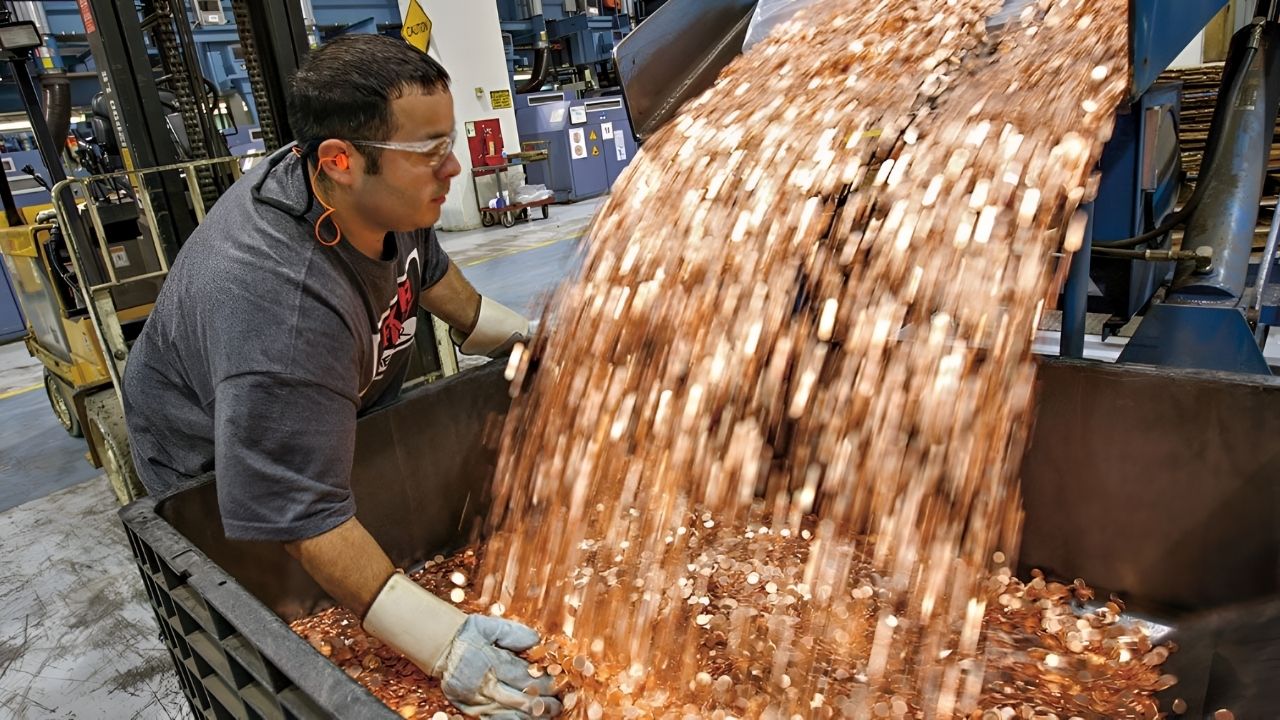
On November 12, 2025, the U.S. Mint struck its final circulating penny in Philadelphia, closing a 232-year chapter that began with the Coinage Act of 1792. The decision ends production of America’s longest-running coin after fiscal losses became impossible to ignore. With roughly 300 billion pennies still circulating, the nation now begins adapting to life without new one-cent coins—an economic, cultural and emotional shift long in the making.
Why the Penny Finally Died
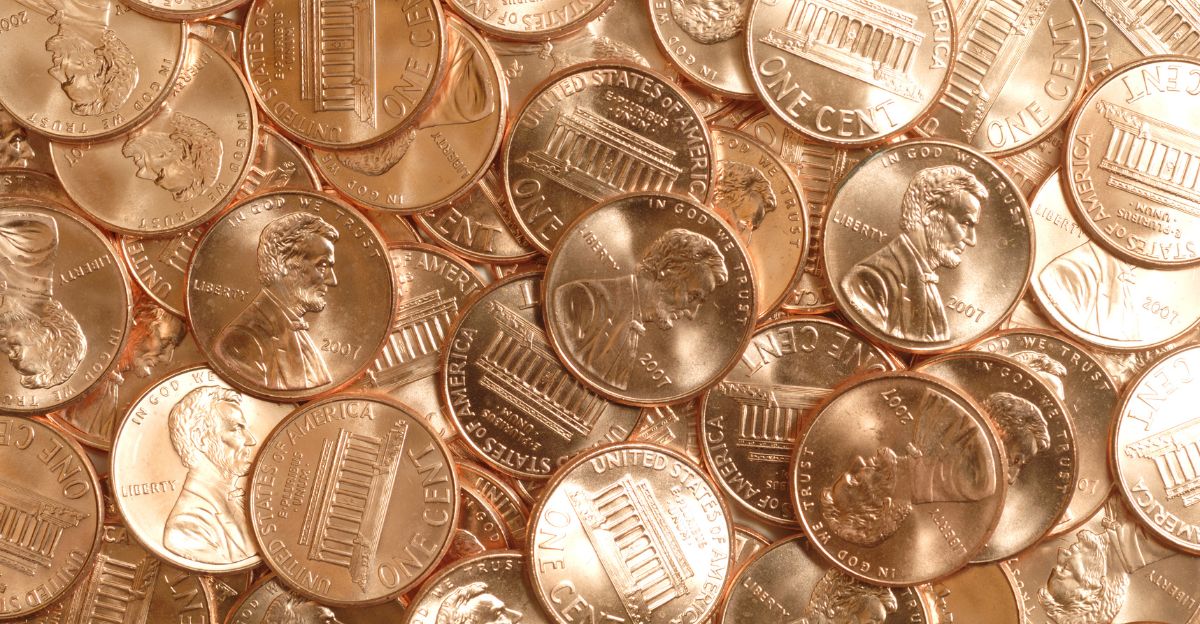
The penny’s downfall was driven by math that no longer made sense. In fiscal year 2024, producing 3.2 billion pennies cost taxpayers $85.3 million in net losses. Each coin required 3.69 cents to manufacture—nearly 2.7 times its face value. With metal costs up 160% over the past decade, officials determined that halting production would save the government nearly $56 million annually. After years of debate, the penny’s fate became unavoidable.
What Consumers Will Notice First

Although pennies remain legal tender, Americans will soon feel their absence. As existing coins wear out, cash transactions will increasingly round to the nearest nickel, creating subtle but widespread changes at the register. Shoppers may notice fewer pennies in their wallets, jars, and change trays. With nearly 1,000 pennies per American already sitting idle, many households essentially hold miniature “penny banks” that will slowly become relics of daily commerce.
Stores Prepare for New Rounding Rules

Retailers are racing to update point-of-sale systems for a world without new pennies. Cash purchases will round up or down to the nearest five cents, while electronic payments remain exact. Grocery stores, big-box chains, and fast-food restaurants are prioritizing clear signage and customer messaging to reduce confusion. Many businesses expect only minor price-point adjustments, but all recognize that the shift resets a century-old pricing psychology built around 9-ending prices.
A Shakeup in Coin Demand
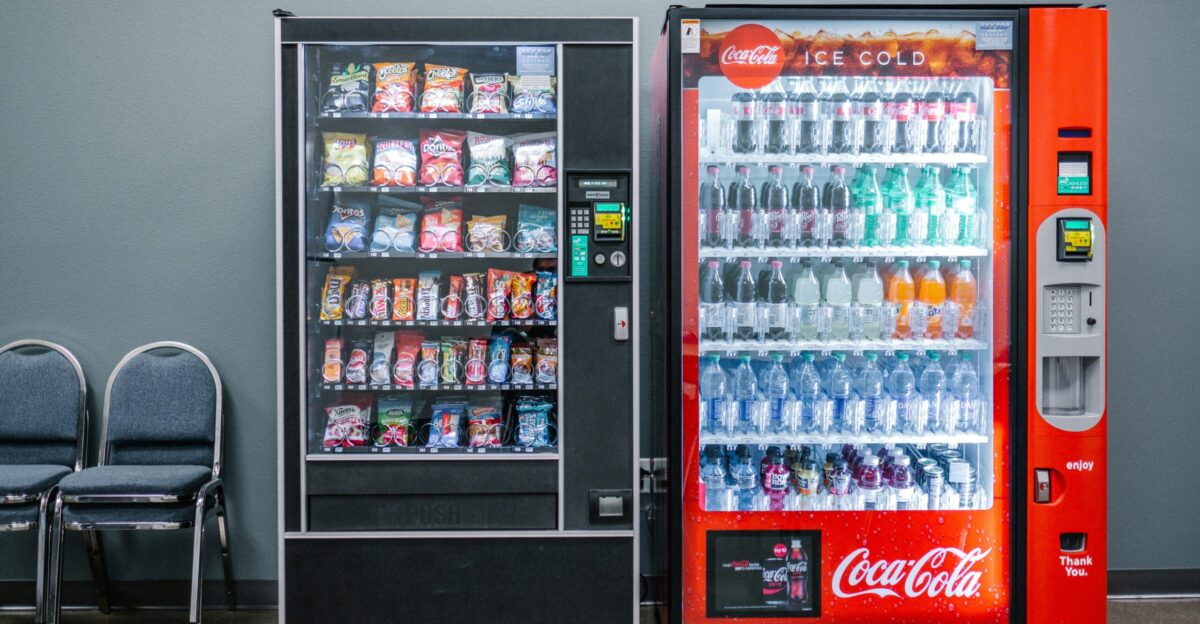
As pennies fade, other denominations must pick up the slack. Banks, vending machine companies, laundromats, and coin-operated service providers anticipate greater reliance on nickels and dimes. The U.S. Mint is preparing to adjust its production schedule to match shifting demand. While the penny disappears, numismatic-only versions will continue for collectors, allowing the Mint to preserve tradition while redirecting its manufacturing capacity toward more practical circulating coins.
The World Watches the U.S. Pivot

The U.S. now joins countries like Canada and Australia that scrapped their smallest coins years earlier. Economists and monetary authorities abroad are watching closely as the world’s largest economy implements rounding nationwide. Some governments are studying whether America’s experience will accelerate their own moves toward cash-streamlining reforms. The U.S. decision may influence global conversations about whether low-denomination coins still serve any real purpose in modern digital economies.
A Ceremonial Farewell in Philadelphia
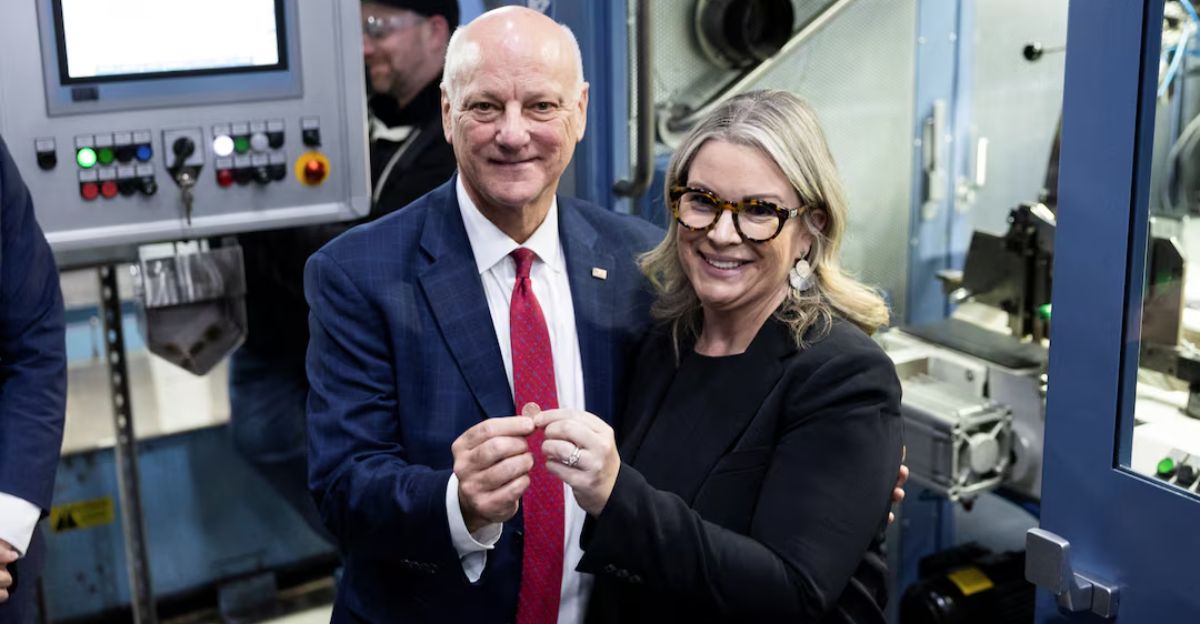
At the Philadelphia Mint, U.S. Treasurer Brandon Beach struck the final circulating penny, marking the end of a 232-year lineage. Workers commemorated the coin’s long history, from early copper designs to today’s zinc blend. Acting Mint Director Kristie McNally emphasized that although general production has ended, the penny’s “legacy lives on.” Collectors immediately turned their attention to limited-edition 2025 numismatic pennies, expected to become valuable keepsakes.
A Political Turning Point

The administration’s February 2025 directive to end penny production signaled a willingness to modernize U.S. currency based on hard data rather than sentiment. Lawmakers are now debating whether the nickel—currently costing about 10 cents to mint—should be next. The penny’s discontinuation represents a broader reevaluation of America’s physical money, shaped by inflation, digital payment growth, and changing consumer behavior. What started as a cost-cutting measure is evolving into policy reform.
Will Rounding Trigger Inflation?

Some worry that rounding to the nearest nickel could raise prices, especially for cash-reliant shoppers. But research from other countries suggests minimal or no inflationary effects. Economists predict rounding events will balance out over time, with some transactions rounding down and others rounding up. Since most U.S. transactions are now digital—and therefore exact—experts expect virtually no measurable national inflation from the penny’s disappearance, though local experiences may vary.
Retailers Rush to Train Staff

To avoid consumer frustration, major retailers are launching staff training focused on rounding rules, customer communication and point-of-sale updates. Cashiers must understand not only how rounding works but how to explain it quickly and clearly. Businesses hope transparent policies will prevent misunderstandings at checkout. Many stores are also preparing FAQ sheets and in-app notifications to help customers understand that digital payments maintain 1-cent pricing even without physical pennies.
Restaurants and Hotels Adjust Billing

The hospitality sector is updating menus, ordering systems, and payment workflows to reflect the penny’s departure. Some restaurants will quietly round totals, while others prominently display rounding policies to maintain trust. Hotels, bars and cafés anticipate minimal disruption, especially as most customers pay by card or phone. Yet for quick-service restaurants with heavy cash volume, the shift requires retraining staff and recalibrating systems that long relied on 99-cent price endings.
Ripple Effects Across Coin-Dependent Industries

Businesses that rely on coin handling—armored transport, coin-counting services, parking meter operators and manufacturers of cash hardware—must reassess operations. Some expect reduced penny-related volume, while others anticipate growth in servicing nickels and dimes. Equipment providers are already marketing “penny-free” upgrades for cash terminals. Meanwhile, digital payment companies see new opportunities as the penny’s retirement accelerates the steady march toward a low-cash or even cashless economy.
A Global Audience Takes Note

Travelers and foreign consumers who visit the U.S. will now need to adapt to rounding rules and reduced coin variety. International observers are curious whether America’s enormous stockpile of 300 billion pennies—equivalent to roughly 750,000 metric tons of metal—will influence public attitudes. Many countries have considered removing their smallest denominations but hesitated, and the U.S. decision may serve as the tipping point for future global currency simplification.
The Cashless Shift Gains Speed

The retirement of the penny reinforces momentum toward digital payments. Younger consumers already prefer cards or mobile wallets, and businesses increasingly promote cashless checkouts. With fewer reasons to carry coins, more Americans may move away from physical currency altogether. Some experts believe the penny’s death could spark discussions about broader modernization—such as phasing out additional coins, enhancing digital wallets, or reshaping the overall U.S. payment ecosystem.
Culture, Tradition and Sustainability Collide

Americans are split between nostalgia and practicality. Some mourn the loss of Lincoln’s coin, a familiar symbol of childhood piggy banks, lucky pennies and generational traditions. Others applaud the environmental benefits of eliminating a coin that required vast amounts of mining, metal and transportation. The debate highlights how currency represents more than value—it reflects national identity, history and evolving attitudes toward sustainability and efficiency.
Winners, Losers and Surprises
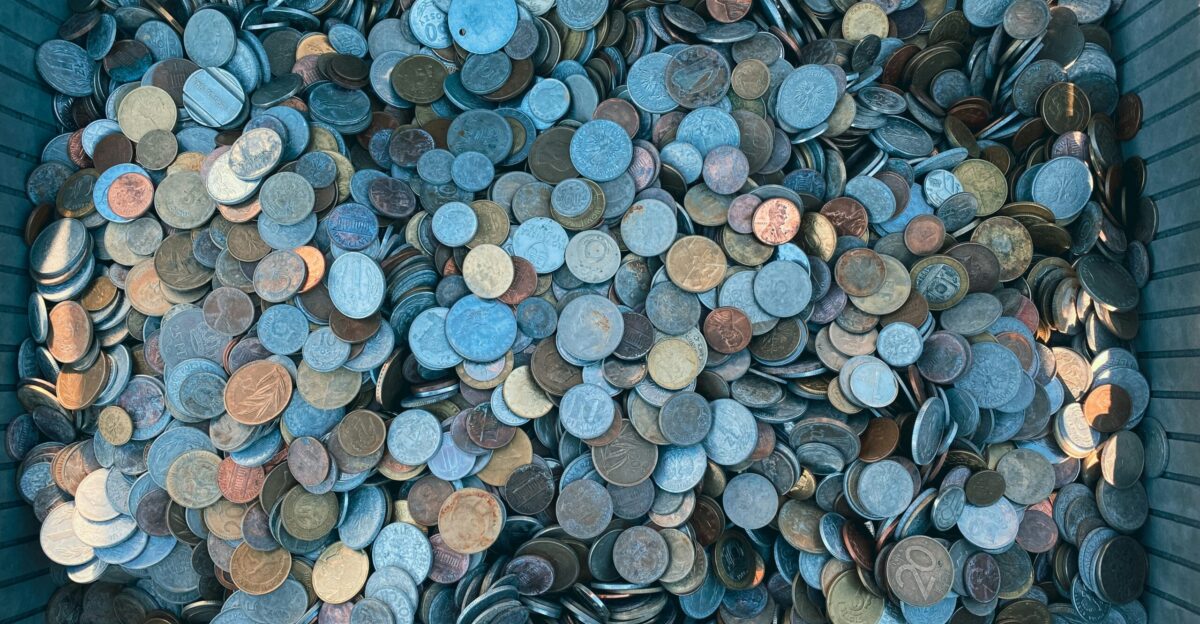
Numismatists and coin dealers are among the biggest beneficiaries, as collectors rush to secure final-year pennies and special Mint sets. Charities that once relied on penny drives may need new fundraising approaches. Meanwhile, consumers with jars of old pennies may discover unexpected value—both sentimental and collectible. The transition creates new market dynamics, rewarding some stakeholders while challenging others across industries that rarely make headlines.
Investors Eye the Next Coin on the Chopping Block
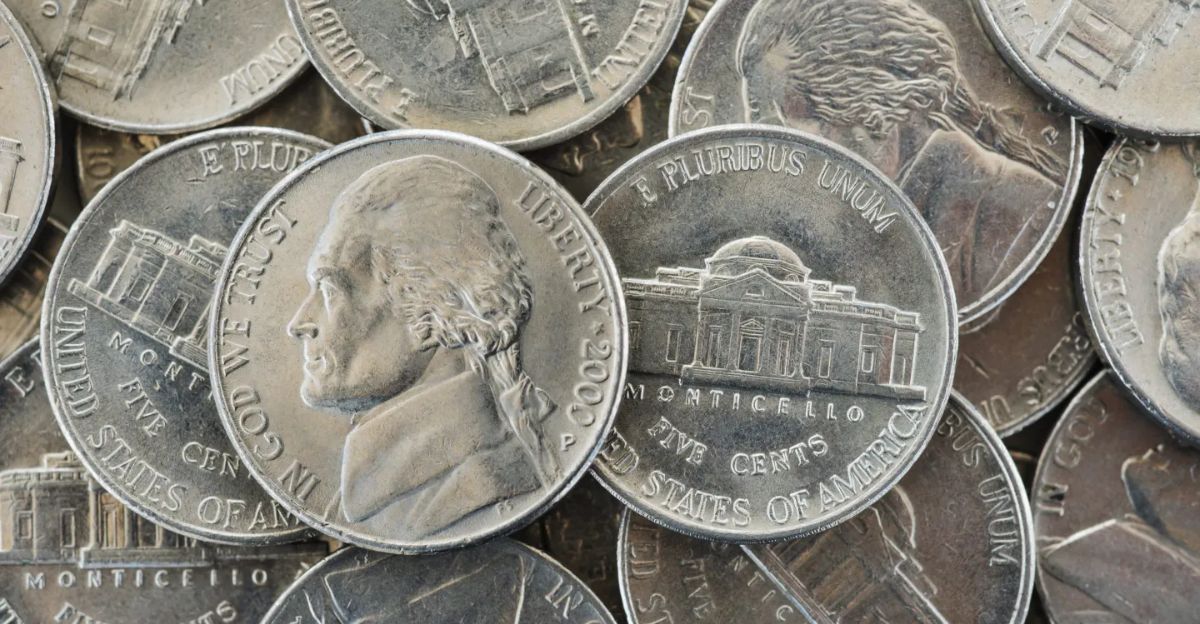
Financial analysts are now speculating about the future of the nickel, which also costs more to produce than it’s worth. Some predict the U.S. may overhaul multiple denominations in coming years as inflation erodes purchasing power. Investors are studying whether potential changes could affect metals markets, currency manufacturing contracts, and the long-term shift toward digital money. The penny’s demise could mark just the first step in a larger evolution.
Practical Guidance for Everyday Consumers
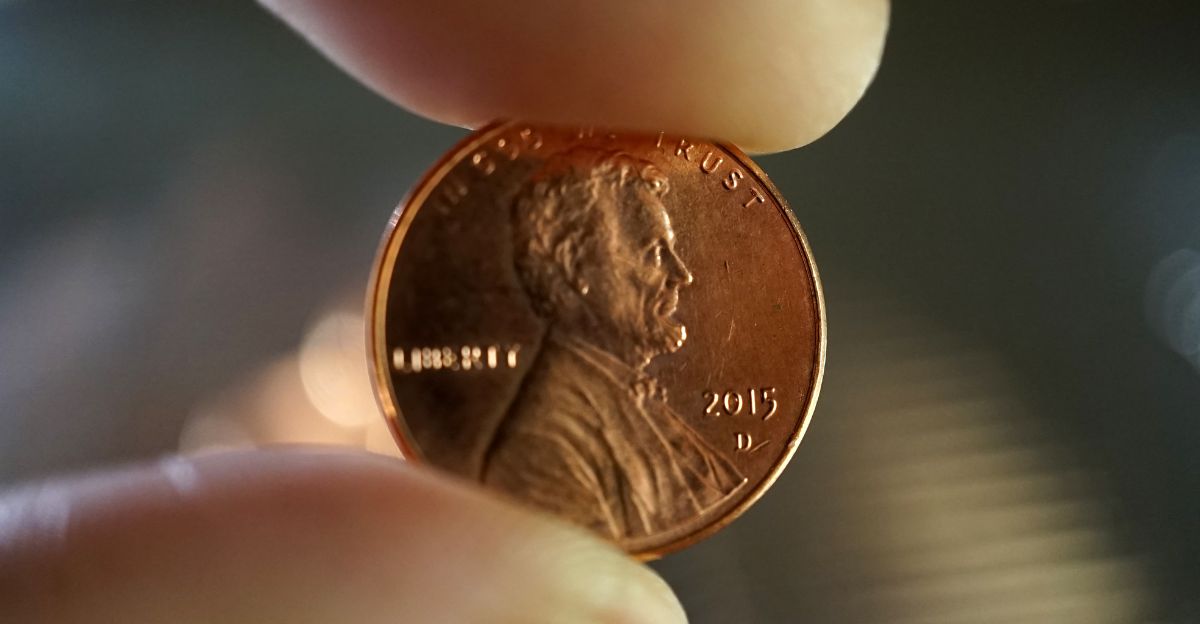
Americans are encouraged to roll, spend or deposit their pennies, since banks will continue accepting them indefinitely. While the coins remain legal tender, their presence in circulation will gradually diminish. Shoppers should familiarize themselves with rounding rules and consider using digital payments for exact totals. The transition is expected to be smooth, but individuals who rely heavily on cash may need time to adjust their budgeting and payment habits.
What Comes Next for U.S. Currency
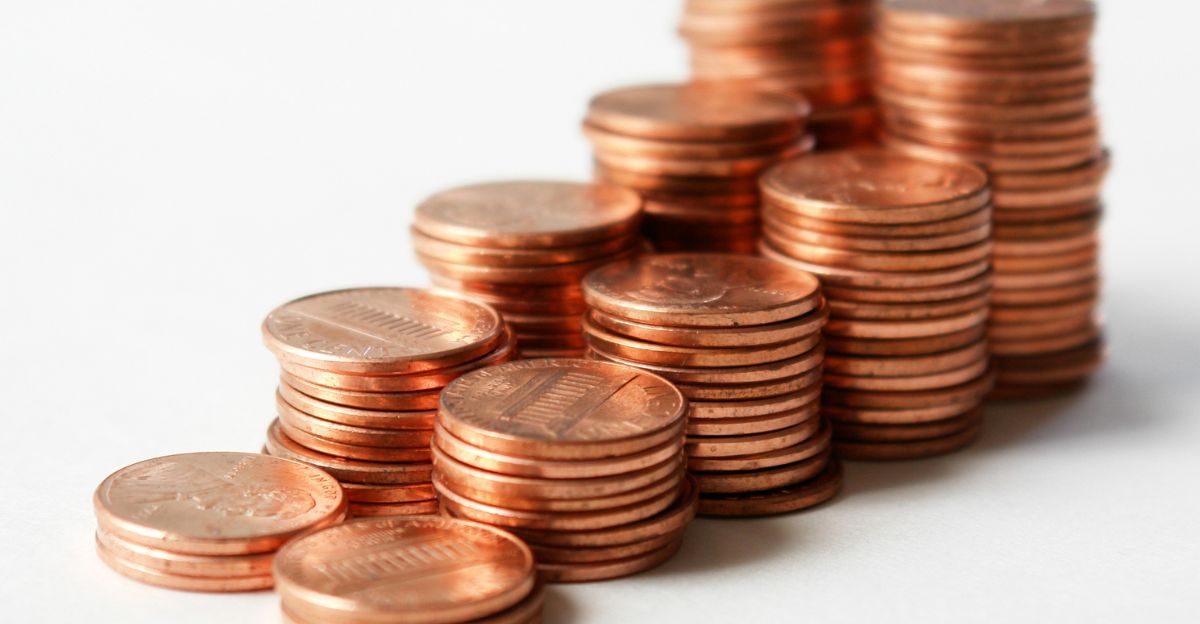
Officials emphasize that while the penny’s symbolic role remains, its practical use will steadily decline. The Mint will monitor coin demand, evaluate whether other denominations need reform, and continue producing collector-grade pennies in limited quantities. The broader question is how America will navigate the future of physical currency in an increasingly digital world. The coming decade may bring the most significant rethinking of U.S. coinage since the 19th century.
A Tiny Coin With Outsized Impact
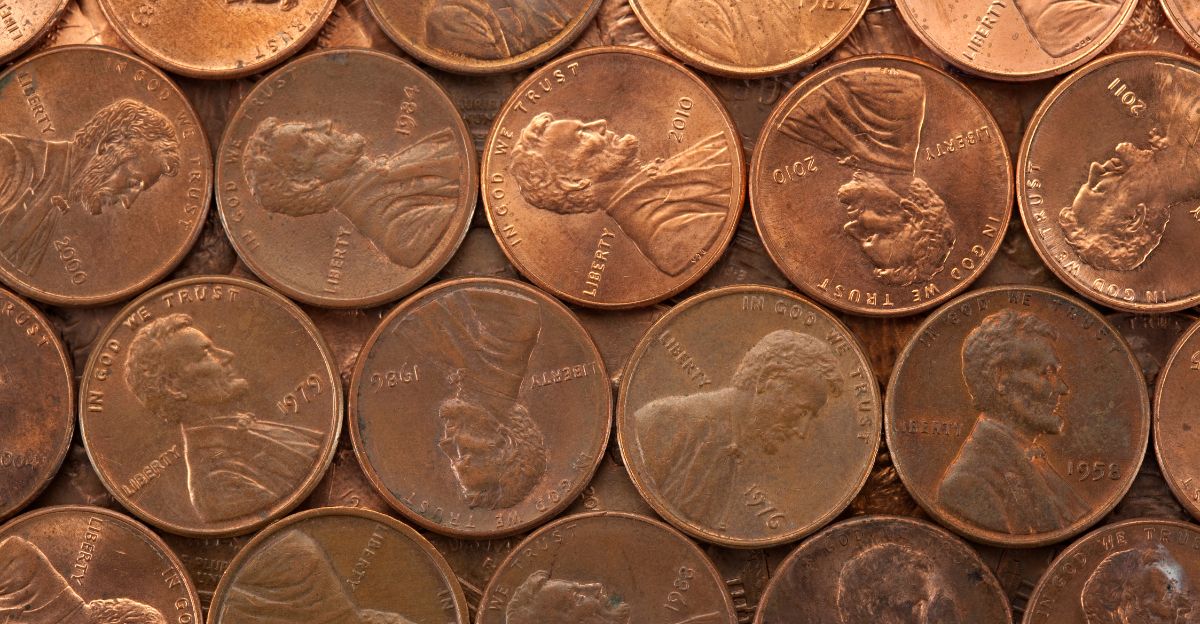
The end of penny production isn’t just a budget line—it’s a cultural turning point that reshapes how Americans think about value, money and everyday transactions. From consumer habits to federal policymaking, the ripple effects will unfold for years. A coin that cost more to make than it was worth finally met its limit, leaving behind 232 years of history and a new chapter in America’s evolving relationship with money.