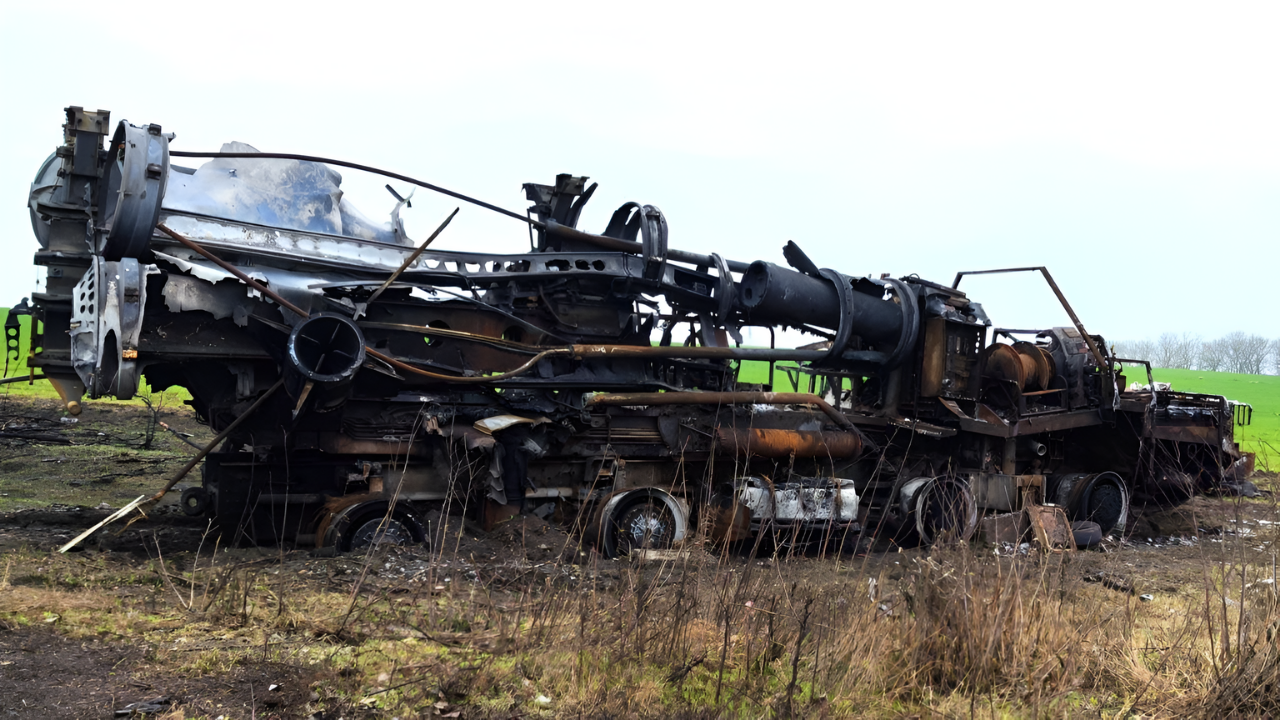
On October 6, 2024, an S-400 “Triumf” air defense system valued at up to $1.2 billion was destroyed close to Simferopol, Crimea, by Ukraine’s Special Operations Forces (SOF), dealing a devastating blow to Russia’s war machine. The attack disproportionately damaged one of Russia’s most sophisticated and strategically important weapons using reasonably priced FP-2 drones.
This event highlights the susceptibility of costly, complex systems to intelligence-led, drone-enabled strikes and redefines the balance of power between advanced military hardware and asymmetric warfare tactics, going beyond a simple tactical victory. Along with the launch platform, the attack also destroyed power units, a sizable ammunition depot, and the 92N6E radar. This fundamentally calls into question Russia’s air defense invincibility and represents an unmatched cost-exchange ratio in contemporary warfare.
The Importance of Destroying an S-400
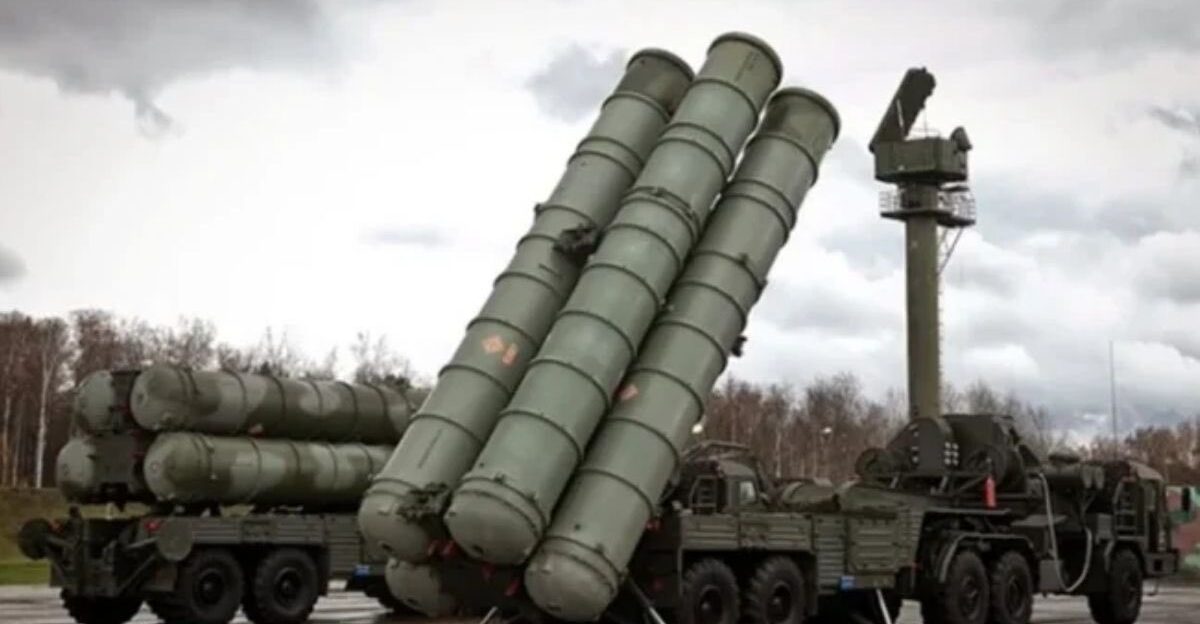
Russia’s top air defense system, the S-400 “Triumf,” can intercept ballistic missiles, cruise missiles, and stealth aircraft up to 400 kilometers away. It has been in place since 2007 and is the mainstay of Russia’s multi-layered air defense in vital areas, such as Crimea, which is regarded as a “fortress.”
This system’s destruction eliminates a crucial barrier defending Russian strategic assets and is the first confirmed loss of an S-400 in Ukraine’s nearly four-year conflict with Russian forces. In addition to weakening Russian anti-air capabilities, this defeat dispels the myth that these systems are impervious.
The Tactical Execution: How Low-Cost Drones Caused a High-Value Attack
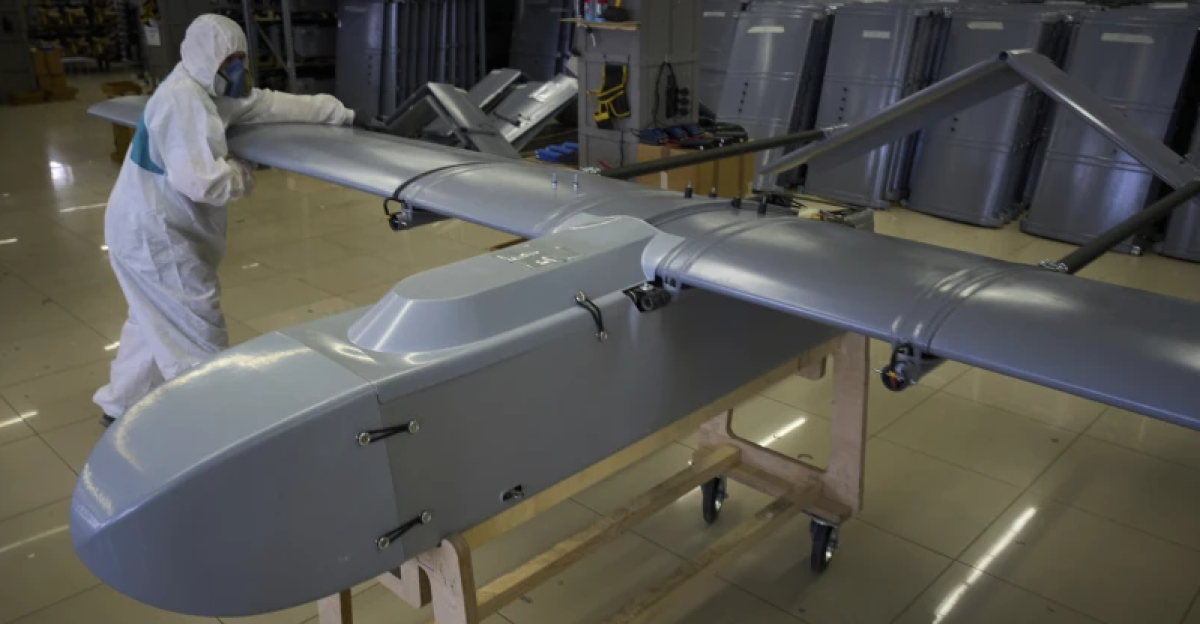
Using FP-2 drones, which have a market value of less than $100,000, to breach defenses and attack a highly advanced military target was a startling innovation. Covert Ukrainian intelligence assets stationed in Crimea made this strike possible by precisely locating the system. Drone swarms overpowered Russia’s strong air defenses and destroyed supporting infrastructure while engulfing the S-400 launcher in flames.
This is a prime example of the strategic move away from brute-force technologies and toward unmanned aerial systems (UAS) as force multipliers, utilizing networked operations and superior intelligence. Drones’ developing role as “force equalizers” in contested environments is confirmed by the strike.
The Invisible Campaign: Intelligence and Covert Opposition
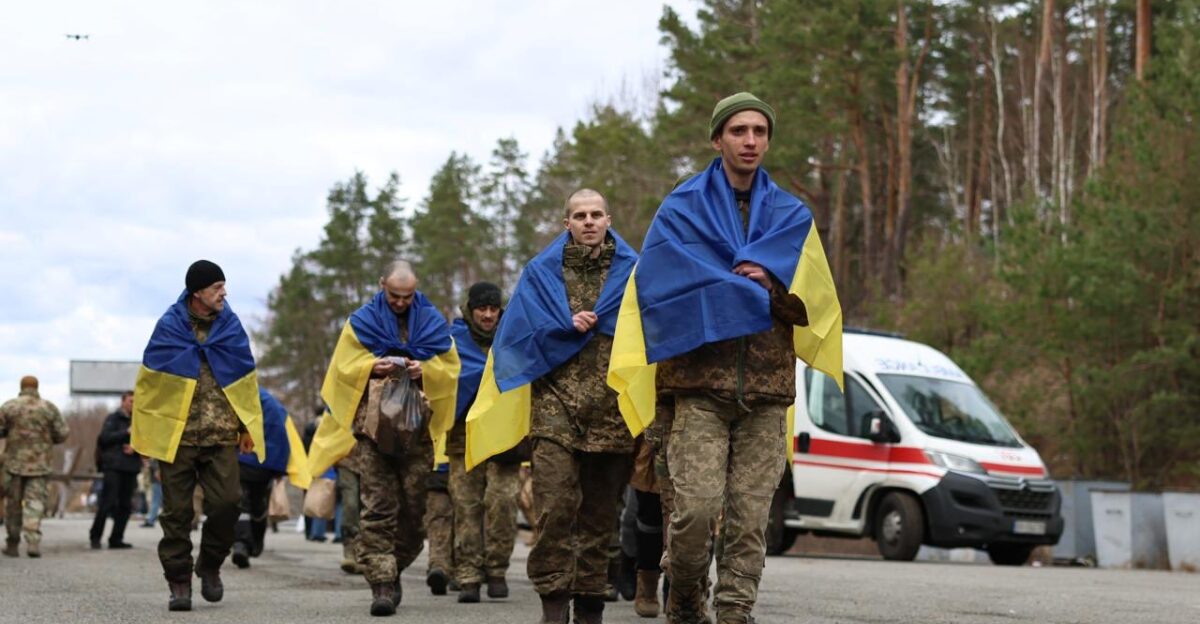
This operation relied heavily on networks of resistance operating within Crimea. It took advanced human intelligence and signal interception to break into an area that was strictly regulated by Russian security forces. The sensitivity and effectiveness of these networks are demonstrated by the month-long intelligence blackout prior to public disclosure.
This clandestine endeavor demonstrates the ongoing flexibility and tenacity of Ukrainian intelligence in hostile territory, putting Russia up against not just a conventional conflict but also an imperceptible, unpredictable battlefield molded by sabotage, psychological warfare, and espionage. These covert operations highlight the fact that contemporary warfare involves deep intelligence penetrations in addition to front-line combat.
Dispelling the Myth of Russian Invulnerability
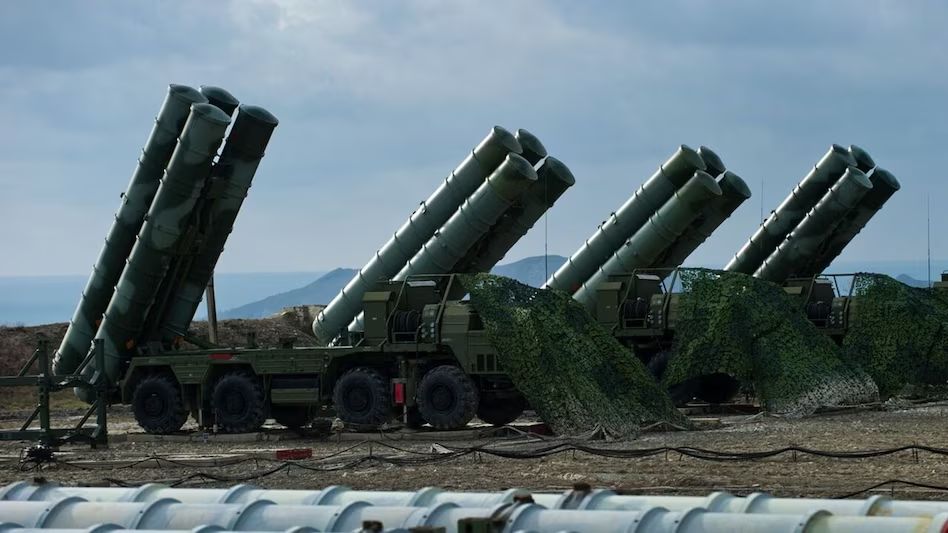
The psychological impact of low-cost drones destroying a multibillion-dollar air defense system is just as severe as the physical harm. Russia’s narrative of superior technology and impenetrable defenses is destroyed, casting doubt on military leadership and morale within Russian ranks.
The S-400’s aura of invincibility is undermined by this incident, inspiring Ukrainian forces and their allies to boldly adopt asymmetric tactics. In the meantime, Russian strategists and soldiers have to deal with a growing sense of vulnerability and exposed vital assets, which has an impact on deterrence credibility and operational decision-making.
Economic Asymmetry: A $12,000 Return on Investment
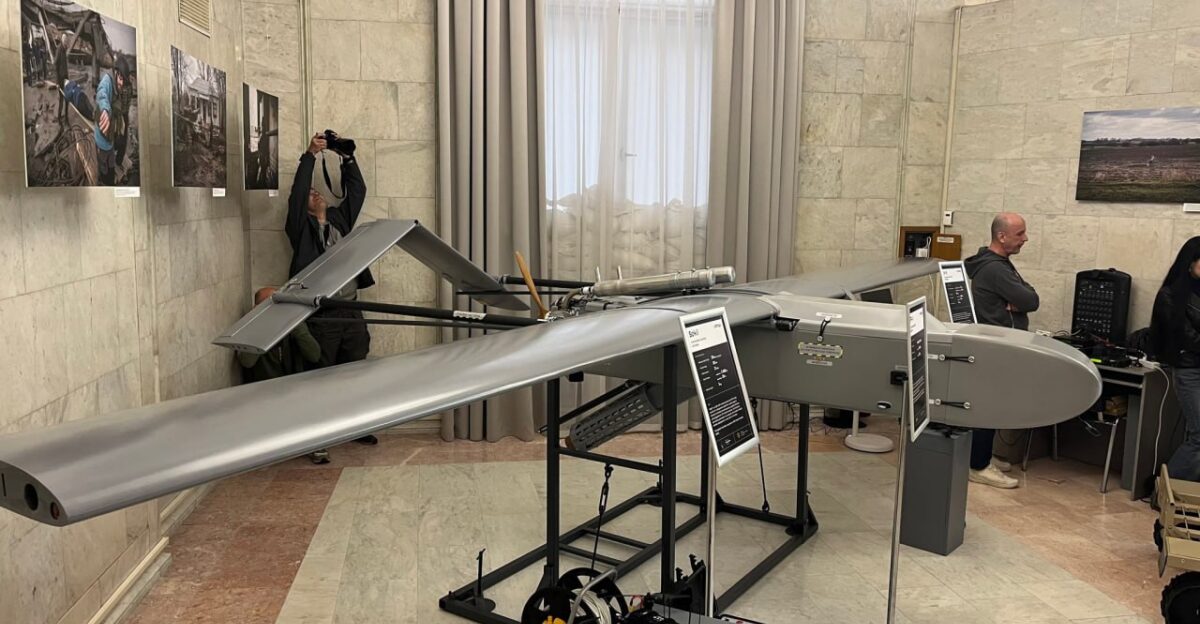
With drones costing less than $100,000 destroying an estimated $1.2 billion system and ancillary assets worth up to $500 million, the ratio of loss clearly favors Ukraine. This is an astounding efficiency in contemporary combat economics, with a cost asymmetry of about 12,000:1.
Traditional military budgeting assumptions and procurement strategies that prioritize costly, complex systems are called into question by such disproportionate returns. It also demonstrates how actors with limited resources can cause strategic harm without matching the expenditures of their adversaries, changing military economics and necessitating reevaluations of defense spending and force composition.
Technological Flaws: The Achilles Heel of the S-400 Revealed
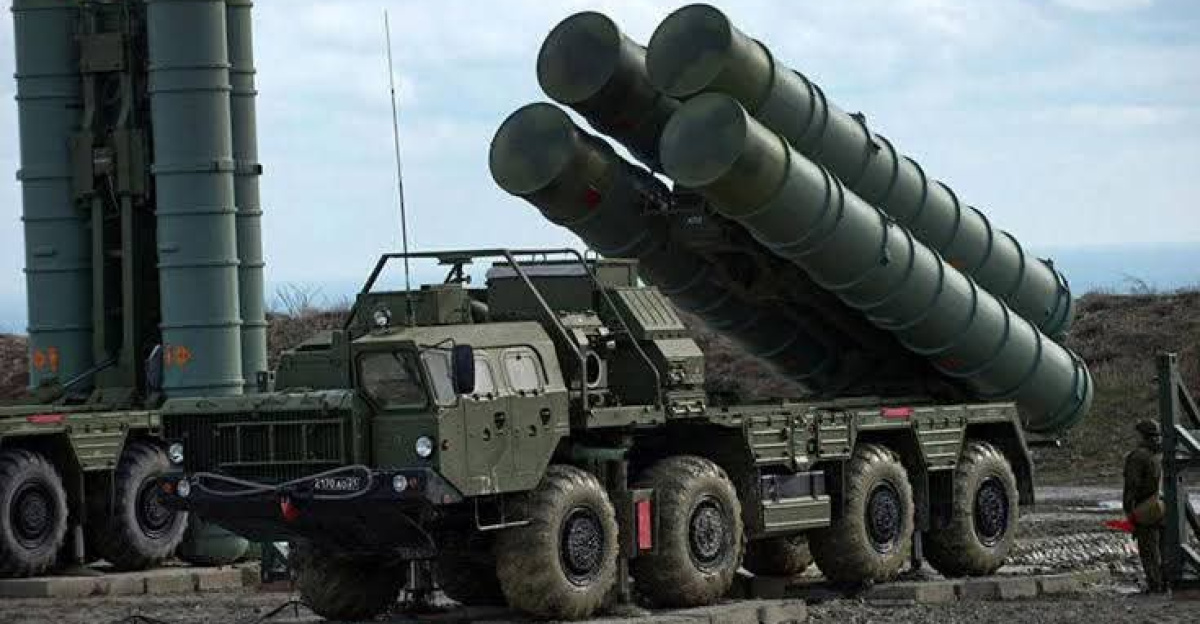
Despite its advanced capabilities, the S-400 system demonstrated systemic vulnerabilities to precise intelligence targeting and swarm drone tactics. When attacked simultaneously, its reliance on centralized radar and power infrastructure became a liability.
Aside from the obvious hardware damage, the launcher is rendered functionally useless by the destruction of the 92N6E radar, which are the system’s “eyes.” Autonomous power supplies and ammunition depots were also destroyed, demonstrating how non-combat support components can be crucial points of failure. This episode highlights a crucial paradox in military technology: while complexity and integration boost capability, they also reveal crucial single points of failure that asymmetric tactics can exploit.
Impact of the War More Widely: Changing Control of Crimean Airspace
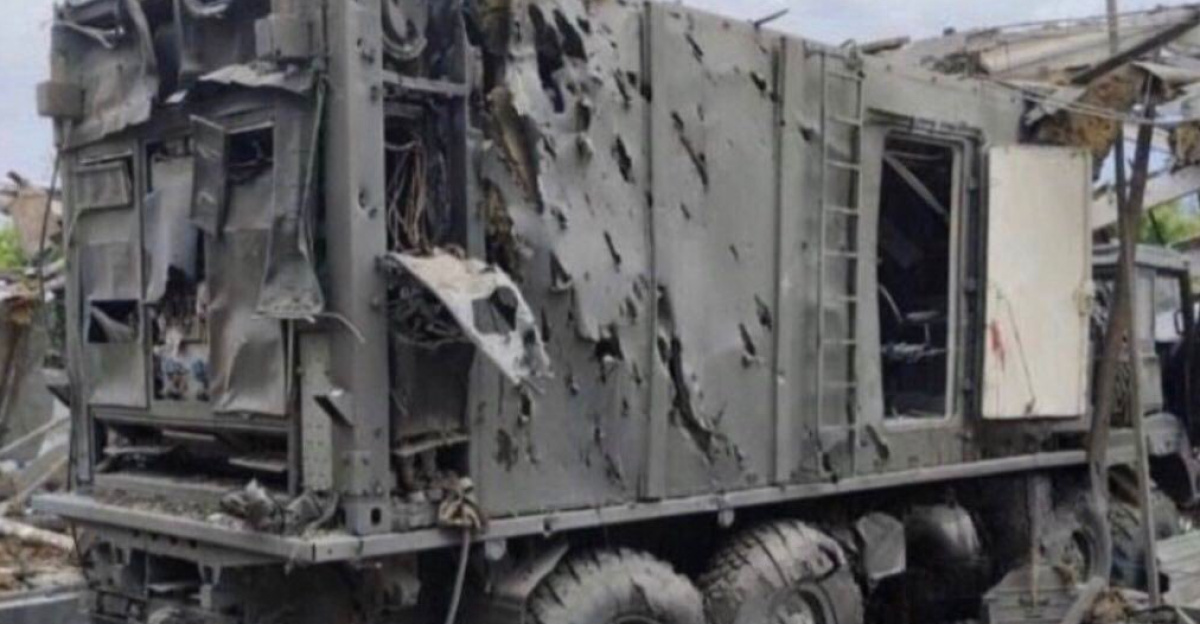
Russia was able to control and defend against Ukrainian air operations thanks to the S-400 system’s deep coverage over Crimean airspace. When one S-400 system is destroyed, detection and interception capabilities are reduced by an estimated 50–100 km, creating vulnerabilities in an area that Russia views as strategically crucial.
Increased Ukrainian drone surveillance, supply operations, and targeted strikes farther into Crimea may be made possible by this. As a result, the strike upsets the balance of local air dominance and forces Russia to devote additional resources to make up for it, straining its already taxed military logistics and defensive posture.
From Firmware Wars to David and Goliath
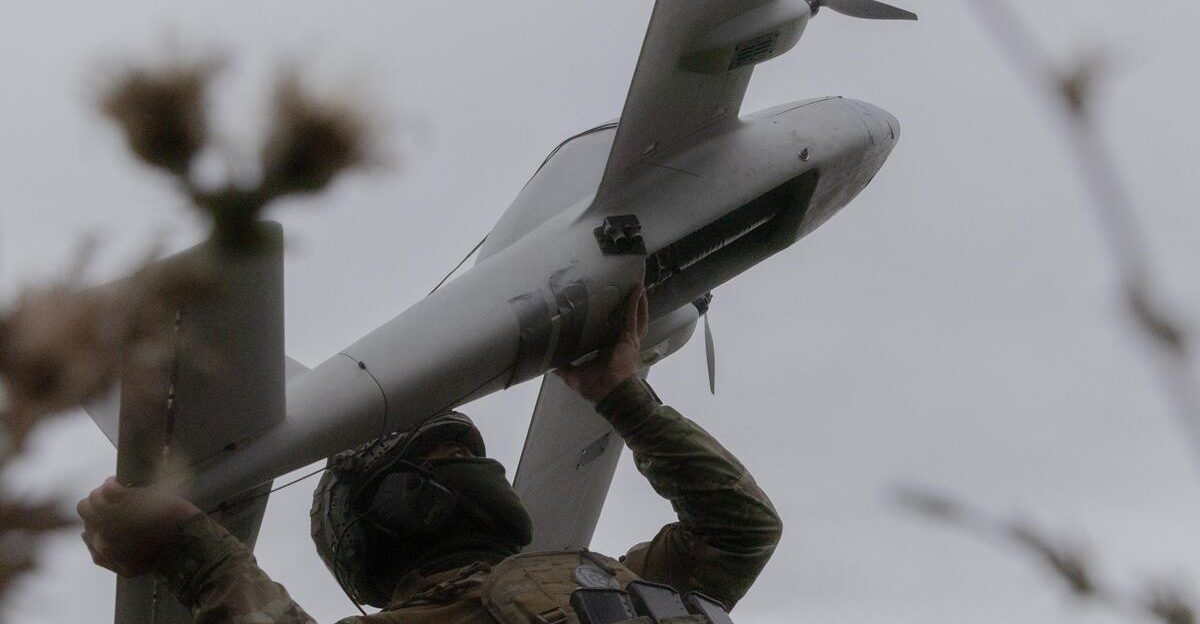
This attack represents a contemporary echo of past asymmetric conflicts, in which smaller forces employ creative tactics to defeat larger, more powerful opponents. The Ukrainian drone attack uses creativity, accuracy, and surprise rather than overpowering force, much like David’s biblical sling. Additionally, it signifies an evolution of the firmware era: the dominance of bulk hardware is replaced by software-enabled drones and network-centric intelligence.
Drone warfare’s accuracy and impact make historical lessons from Vietnam’s guerilla tactics and Korean War air defense skirmishes relevant today, proving that technology democratization can level previously unassailable military advantages.
The One-Month Intelligence Blackout’s Significance

The strike’s effects are more strategically valuable because of the sophisticated operational security highlighted by the one-month delay in public disclosure. Due to this delay, Ukraine was able to covertly absorb Russian countermeasures, possibly organize follow-up operations, and safeguard ongoing intelligence sources.
Additionally, it confused Russian forces, making it more difficult to assess and respond to damage right away. The extended blackout is a sign of a sophisticated intelligence strategy working at the nexus of propaganda, information control, and warfare. This approach highlights information dominance as a crucial aspect of contemporary warfare and redefines battlefield transparency standards.
Collateral Damage to the 18th Army Supply of Russia
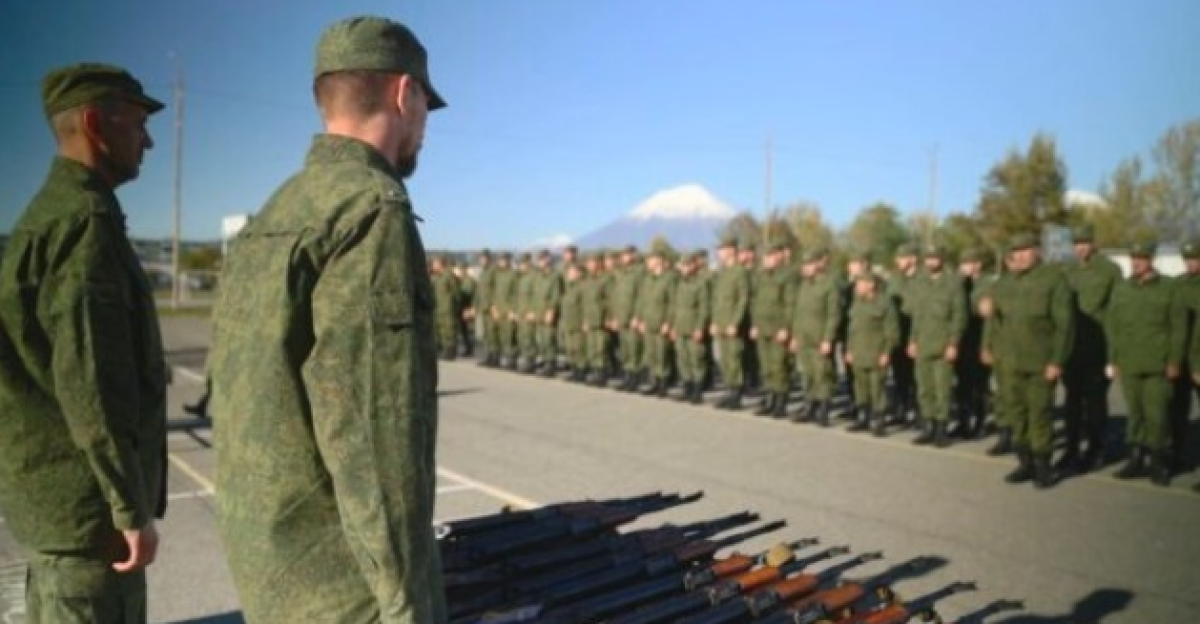
In addition, the attack damaged autonomous power systems and a sizable ammunition depot that supported Russia’s 18th Army, reducing their operational capacity in the face of escalating Ukrainian attacks on energy infrastructure elsewhere.
This compound effect puts pressure on Russia’s military sustainability and economic resilience, especially when combined with ongoing drone strikes on Russian oil refining facilities that result in daily revenue losses of up to $4 million. As a result, the attack complements Ukraine’s larger energy war strategy, hastening the depletion of Russian resources and demonstrating how strategic attacks on vital infrastructure can intensify conflict outcomes outside of the immediate battlefield.
Novel Approaches to Combat Effectiveness
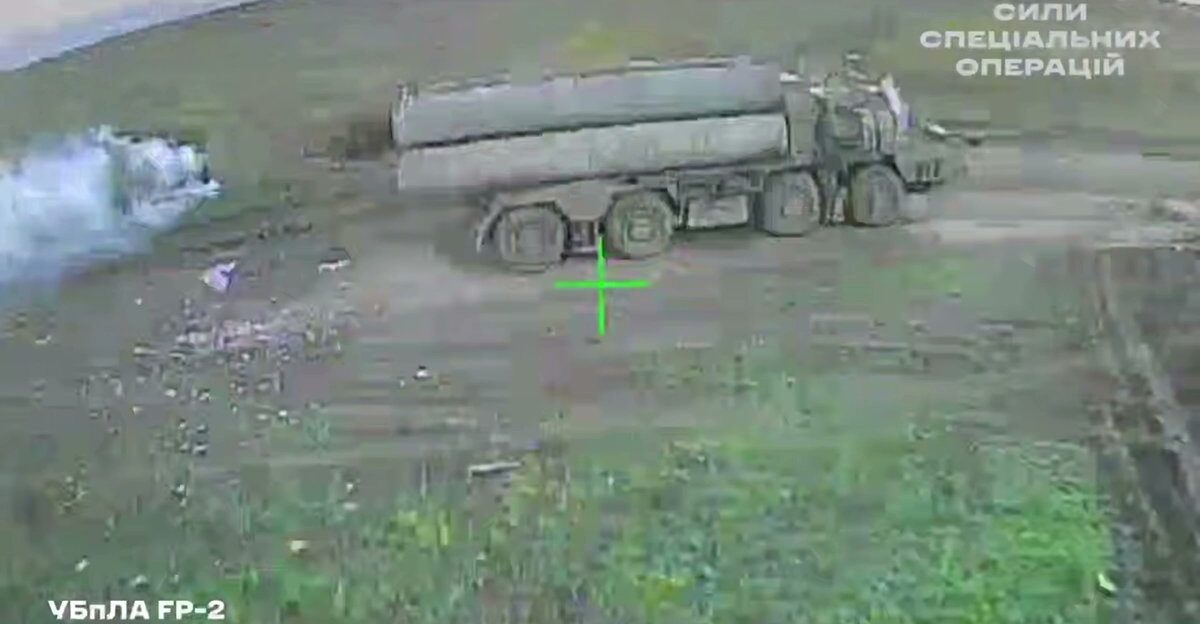
The FP-2 drone attack’s operational and financial success challenges conventional defense paradigms that depended on expensive manned aircraft and missile interceptors. In order to carry out precision strikes at a reasonable cost, it supports a growing trend toward drone swarms, semi-autonomous systems, and intelligence fusion.
Countries that have made significant investments in expensive air defense must now adjust to combat low-cost, networked drones that are backed by real-time intelligence. This case study will be essential to comprehending how drone-enabled asymmetry changes defense priorities globally for upcoming conflicts.
Unverified but Reasonable Extrapolations: Additional Losses Covered by Confidentiality
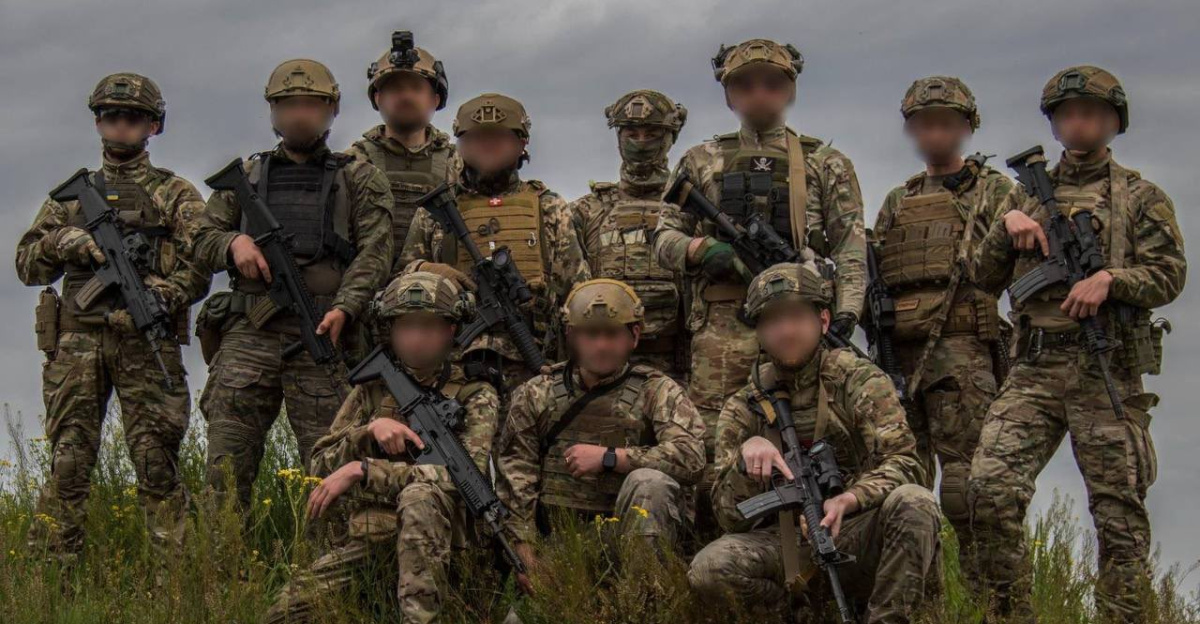
This strike may not be an isolated incident, according to Ukrainian SOF statements and the month-long information blackout. Russia’s estimated 50–60 battalions of S-400s may have been gradually depleted by several unreported strikes.
If this is the case, these defeats signify a strategic effort to gradually weaken Russia’s advanced air defenses rather than a single tactical triumph. Because of the secrecy surrounding these operations, there is conjecture that Ukraine’s war economy is becoming more and more dependent on these kinds of precise drone strikes, which would drastically alter how war attrition happens in high-tech conflicts.
Is High-Tech Military Hardware Going Out of Style?
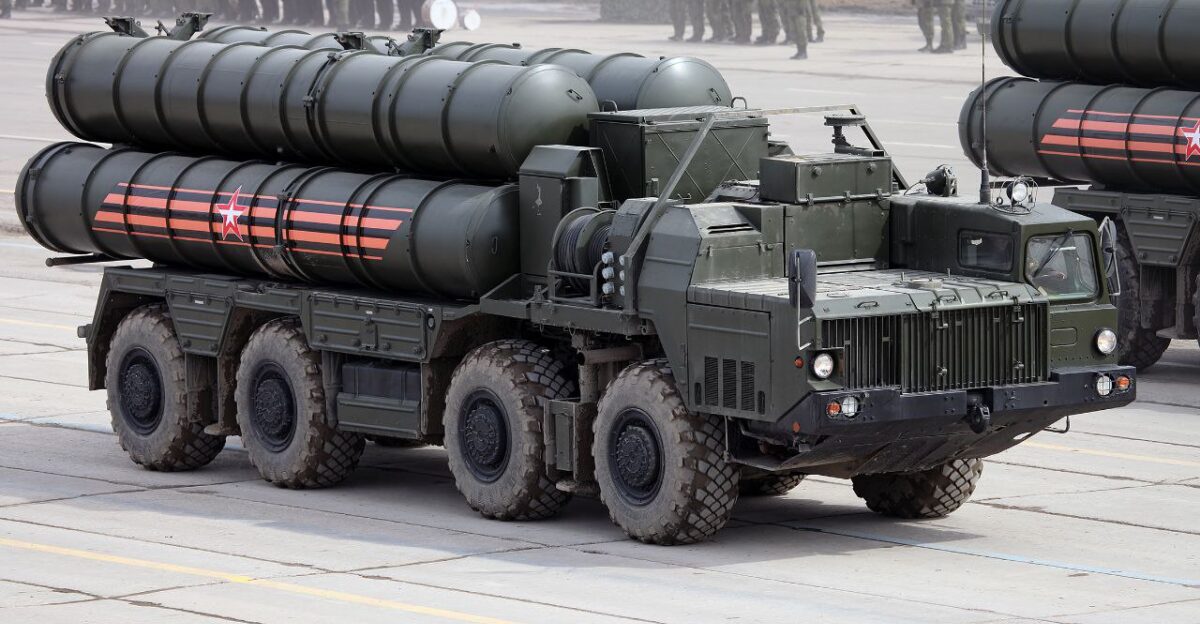
This incident casts doubt on the widely held belief that expensive, highly developed weapons predominate on contemporary battlefields. The subversion of a $1.2 billion system by a $100,000 drone strike highlights a paradigm shift: battlefield relevance is no longer guaranteed by sheer complexity and cost. This might lead to a strategic realignment in which military powers give preference to inexpensive, networked, unmanned systems over costly, concentrated platforms.
Russia’s reliance on the S-400 may come to represent antiquated doctrine susceptible to nimble asymmetric tactics, a significant shift in military philosophy that calls for a global reevaluation of doctrine and procurement.
Modern Warfare Norms Are Rewritten by Asymmetric Victory

The Ukrainian SOF’s October 2024 destruction of Russia’s S-400 system exemplifies a tectonic shift in military conflict where drone warfare, asymmetric tactics, and intelligence convergence deliver high-leverage blows to seemingly invulnerable assets.
This incident exemplifies the David-versus-Goliath aspect of contemporary warfare, where cost and complexity are defeated by creativity and accuracy. It changes defense economics and operational doctrines by revealing structural flaws in high-tech armies. It is more than just a battlefield incident; it heralds a new era in which asymmetric threats dictate terms, undermining conventional military superiority and demonstrating the continued effectiveness of astute strategy in the changing nature of warfare.