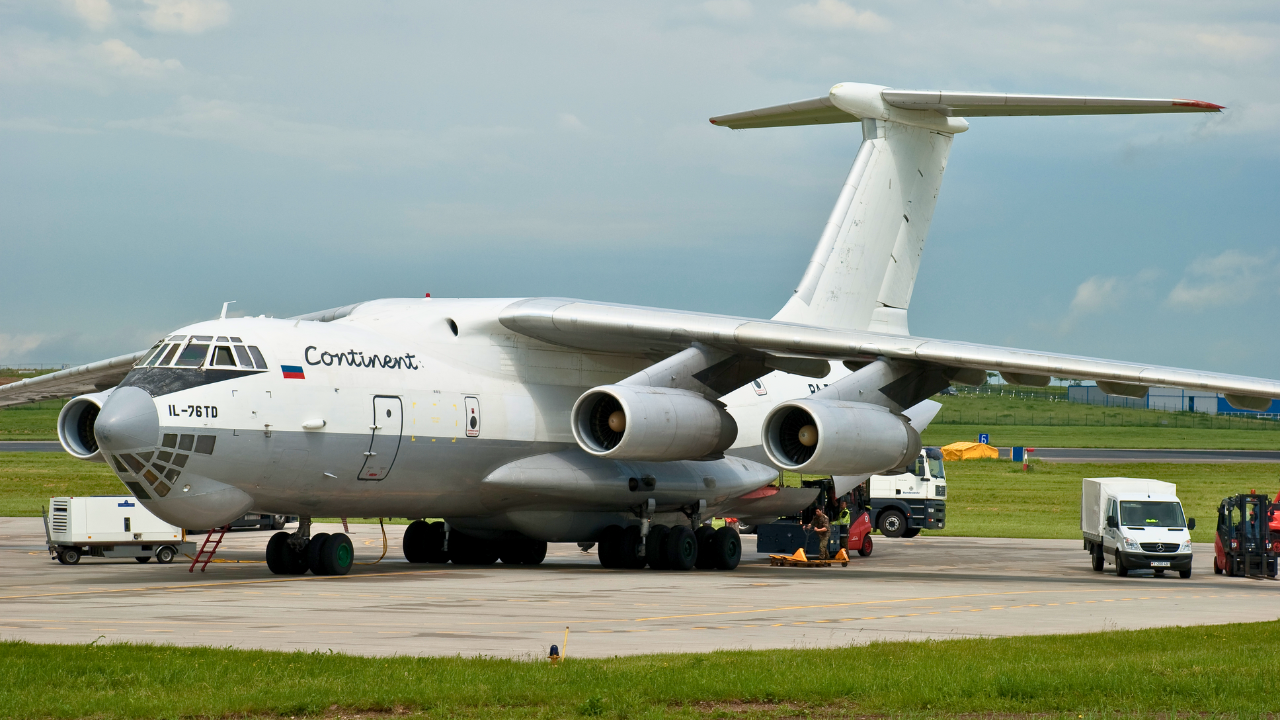
In the predawn hours of October 26, 2025, a Russian Ilyushin Il-76 cargo jet landed quietly in Caracas, Venezuela, after a circuitous journey from Moscow. Its arrival, shrouded in secrecy and timed amid escalating U.S.–Venezuela tensions, immediately drew global scrutiny. For nearly two days, the aircraft remained on the tarmac, fueling speculation about its cargo and purpose. The event marked a new chapter in the region’s geopolitical contest, with observers worldwide asking: What was Russia delivering, and why now?
Geopolitical Flashpoint

The timing of the flight was no coincidence. Relations between Washington and Caracas had reached a new low, with the U.S. Navy’s USS Gerald R. Ford carrier strike group recently deployed to the Caribbean—a clear signal of American resolve. Meanwhile, Russia had deepened its defense ties with Venezuela, making the arrival of a military-linked transport plane a provocative gesture. The operator, Aviacon Zitotrans, is sanctioned by the U.S., Canada, and Ukraine for its role in Russian military logistics. The flight’s presence in Caracas was interpreted as a direct challenge to U.S. influence in the Western Hemisphere, and a demonstration of Moscow’s ability to project power far from its borders.
The Journey and Its Operator
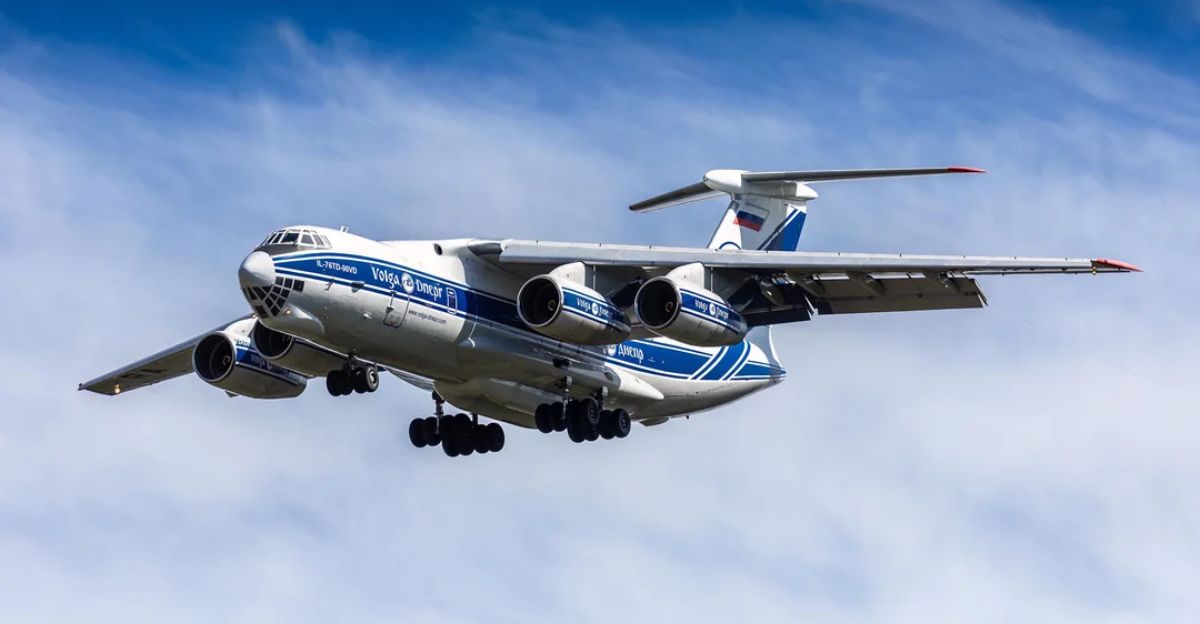
The Il-76’s route underscored the operation’s strategic intent. Departing Moscow on October 24, the jet made stops in Armenia, Algeria, Morocco, Senegal, and Mauritania before crossing the Atlantic. Each refueling point was in or near a country with established ties to Russia, suggesting a deliberate effort to avoid Western detection. The aircraft’s capacity—up to 50 tons of cargo or 200 personnel—meant it could have carried anything from spare parts to advanced weaponry or troops. Aviacon Zitotrans, with a fleet of six Il-76TDs, has a history of transporting military equipment, including rockets and helicopter parts, to conflict zones worldwide. Its involvement added another layer of intrigue, especially given its connections to Russian contractors and mercenary groups now reorganized as the Russian Africa Corps.
Regional and International Reactions
The landing reignited debate over the effectiveness of Western sanctions and the shifting balance of power in Latin America. U.S. and European officials began reviewing flight paths and trade links, concerned about the ease with which Russia navigated around restrictions. Venezuelan President Nicolás Maduro dismissed American criticism, framing the flight as an assertion of national sovereignty. State media celebrated the arrival as evidence of Venezuela’s enduring alliances, while U.S. officials voiced unease about the operation’s intent. Regional leaders, wary of escalation, called for restraint, recognizing the potential for a single incident to destabilize the hemisphere.
Economic and Security Context
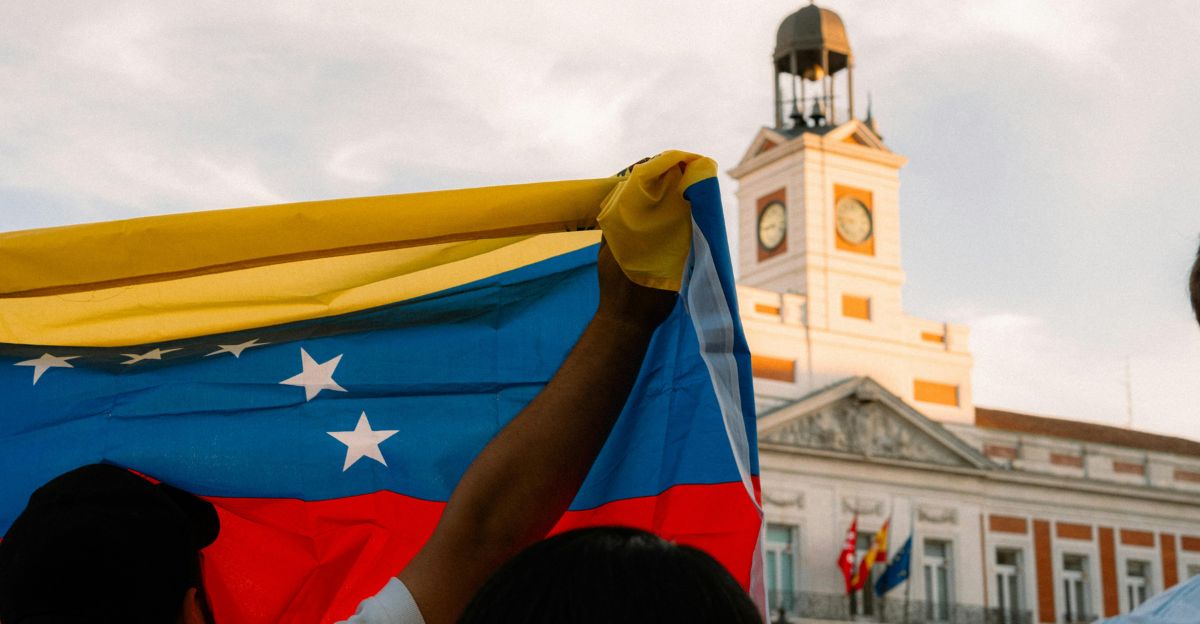
Beneath the geopolitical maneuvering, Venezuela’s economic crisis persisted. Inflation had eroded savings, industries had collapsed, and the bolívar lost 60 percent of its value in just three months. For the Maduro government, Russian support—whether material or symbolic—offered a narrative of resilience. Yet for ordinary Venezuelans, foreign cargo flights did little to address daily hardships. The arrival of the Il-76 also revived concerns about Russia’s military footprint in Latin America. Joint exercises and weapons deals between Moscow and Caracas date back to the early 2000s, but the renewed activity suggested a more assertive posture. Analysts warned that each flight could alter strategic calculations, with the optics of Russian aircraft unloading in Caracas resonating far beyond Venezuela’s borders.
Sovereignty, Influence, and the Road Ahead
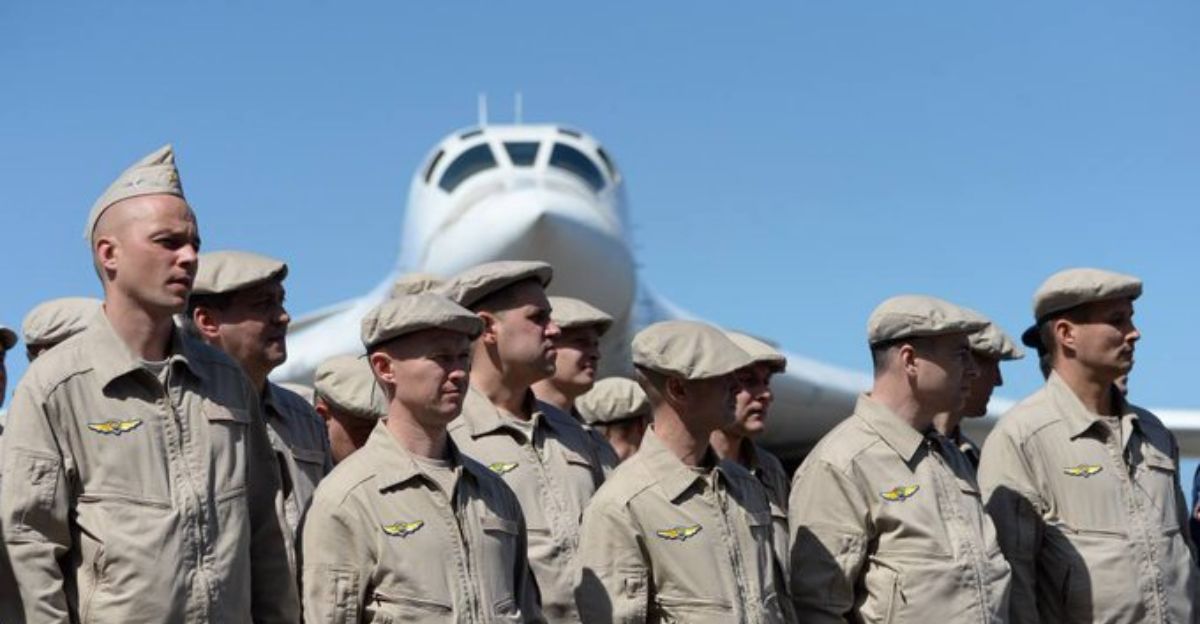
The event became a litmus test for regional views on sovereignty and foreign influence. Venezuelan officials insisted that cooperation with Russia protected national independence from “imperialist aggression.” Critics argued that reliance on a sanctioned Russian firm undermined true sovereignty, fostering dependency on a distant power with its own strategic interests. Internationally, the flight was seen as a probe of Western resolve—a test of how far Russia could go without direct confrontation. In Latin America, opinion remained divided: some nations sympathized with Venezuela’s right to self-defense, while others feared entanglement in a new era of great-power rivalry.
Looking forward, the Il-76’s landing in Caracas is unlikely to be an isolated incident. With tensions rising and global attention focused on the Caribbean, further Russian flights may follow. Governments are recalibrating policies, tightening sanctions, and reinforcing surveillance. Each move will determine whether this moment remains symbolic or signals a lasting shift in hemispheric dynamics. The uncertainty surrounding the cargo—ranging from spare parts to advanced weaponry—only adds to the intrigue. In an era of heightened global tension, the arrival of a single cargo jet can carry consequences far heavier than its physical load, quietly reshaping the balance of power in the region.