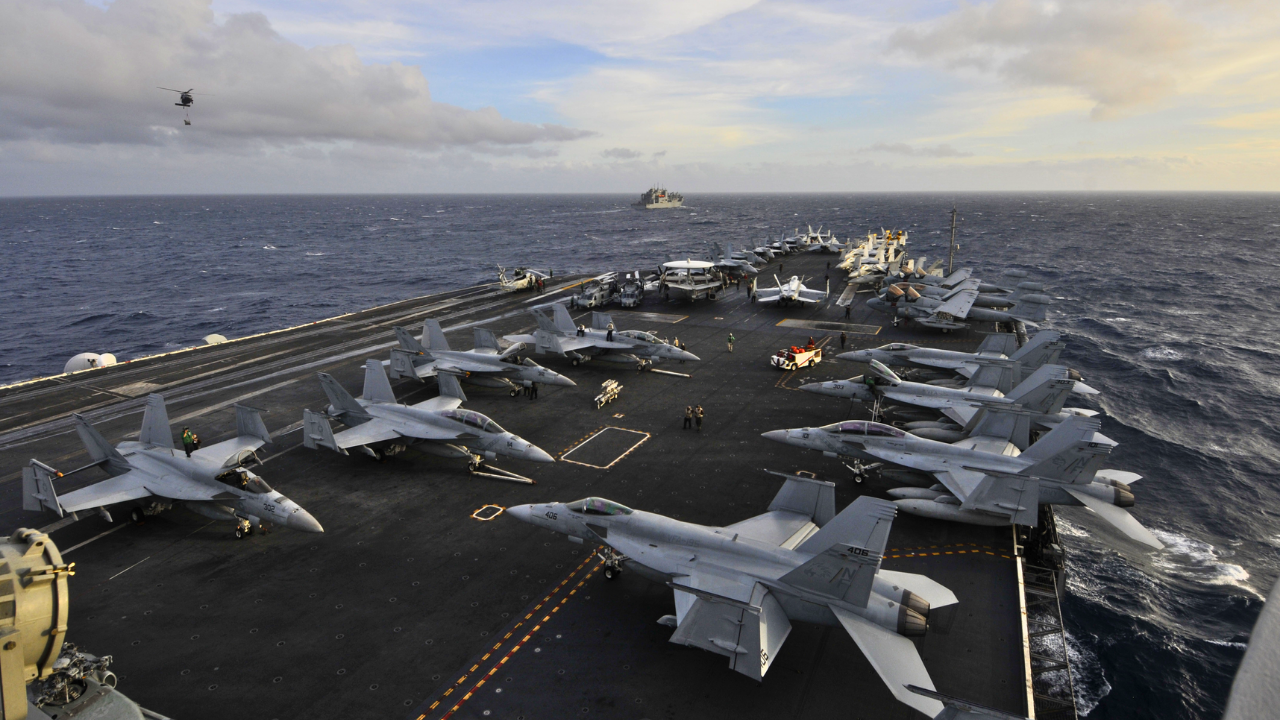
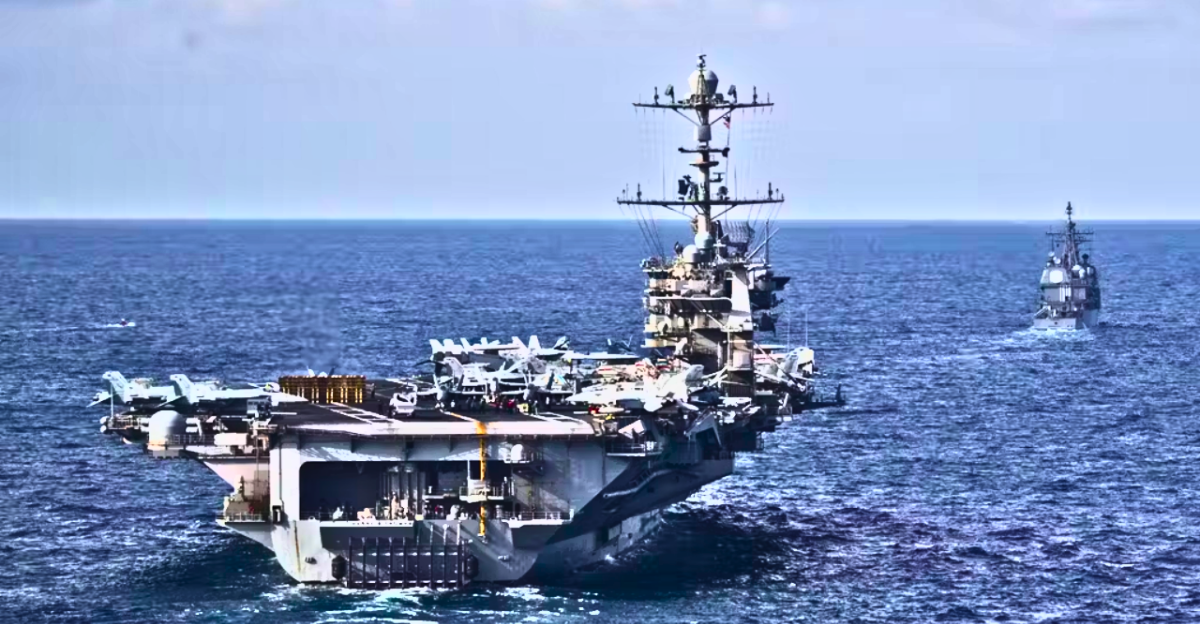
The largest and most sophisticated aircraft carrier in the world, the USS Gerald R. Ford, led a carrier strike group comprising more than 75 aircraft and 4,500 personnel when it was sent to the Caribbean in November 2025. This deployment is a component of a broader U.S. effort to combat transnational criminal organizations, with a primary focus on drug trafficking networks associated with Venezuela and the surrounding area.
The presence of the carrier group marks the biggest demonstration of American naval power in the Caribbean since the end of the Cold War. Its capabilities, which include Tomahawk missile-equipped warships and cutting-edge F-35 aircraft, demonstrate both counternarcotics operations and a preparedness for quick military escalation if needed. This deployment changes the dynamics of regional security by combining strategic deterrence with contemporary naval power.
Cold War Repercussions and Historical Context
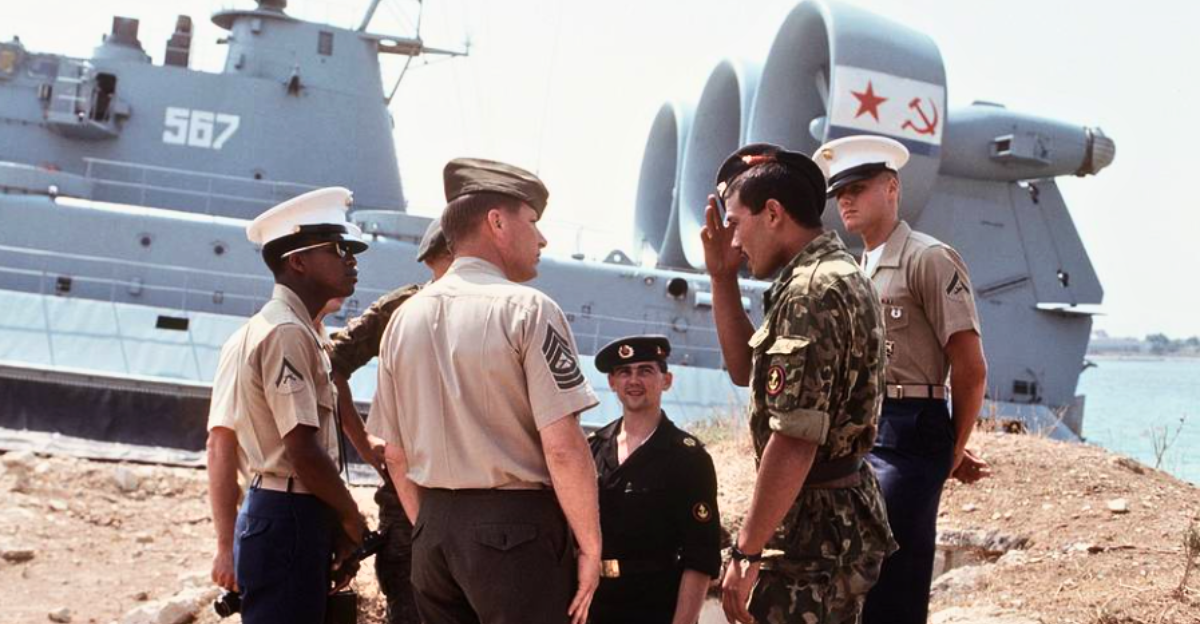
U.S. naval might projected influence to oppose Soviet interests in the Caribbean, a crucial Cold War theater. This historical pattern is still present in the current deployment, but it is now framed in terms of transnational crime and counternarcotics rather than ideological conflict.
Although there isn’t a ground invasion force, the presence of a fully stacked strike group close to Venezuela is reminiscent of amphibious drills and displays of force from the Cold War era, similar to the invasion of Panama. The strategic messaging of deterrence and power projection that permeates contemporary military operations is highlighted by this historical background.
Technical Domination of the USS Gerald R. Ford
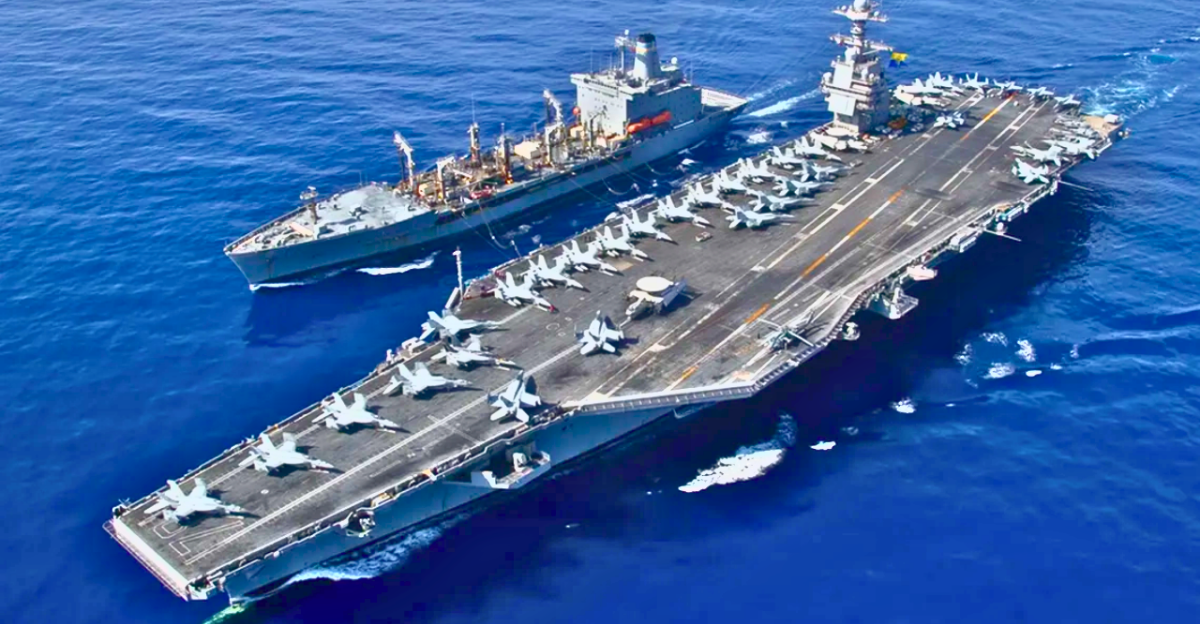
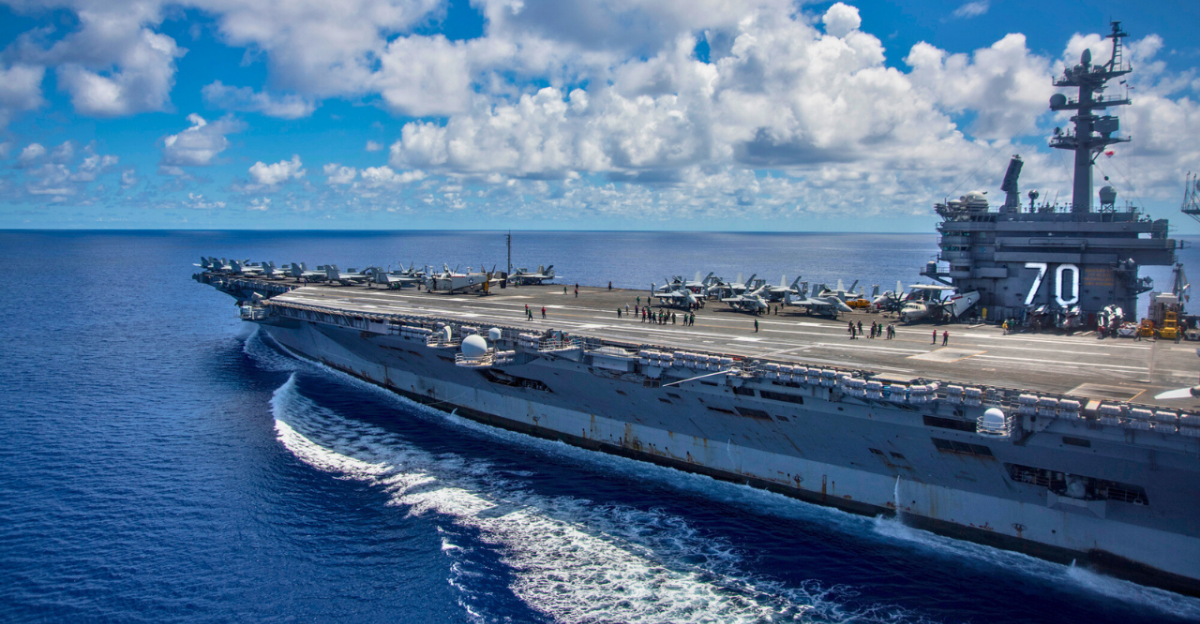
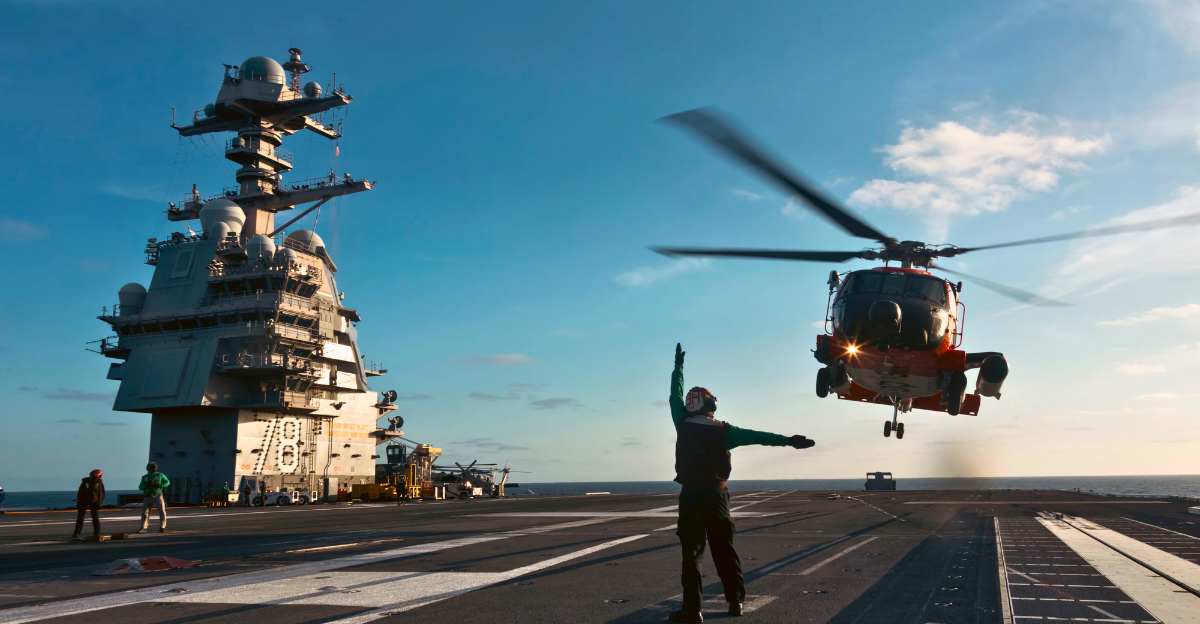
With its advanced radar, stealth-optimized F-35 fighter jets, and electromagnetic aircraft launch systems, the USS Gerald R. Ford (CVN-78) is a quantum leap in aircraft carrier technology. With more than 75 attack, surveillance, and support aircraft, it has the highest strike capacity in the world.
Because of its prolonged endurance thanks to nuclear propulsion, it can remain present in crucial regions like the Caribbean. The deployment of this supercarrier significantly increases U.S. operational flexibility and strike potential, enabling flexible counternarcotics missions and bolstering deterrence.
Strategic Objectives Outside of Counternarcotics
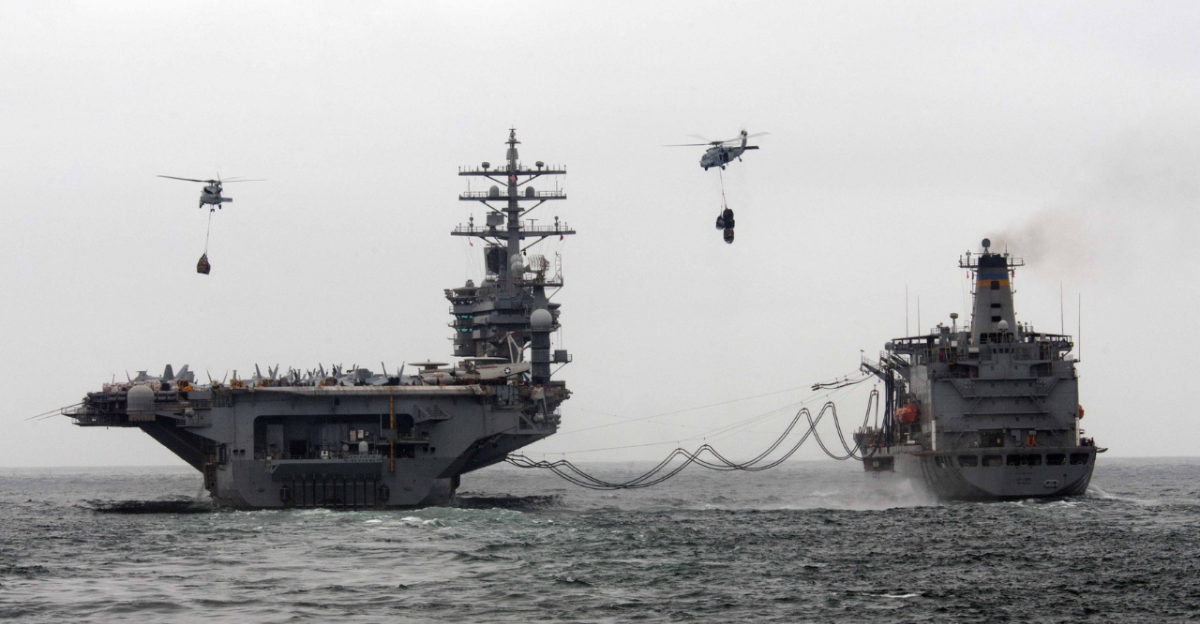
The deployment conveys a wider message even though it is publicly presented as a counternarcotics mission. By focusing on ships connected to drugs, it puts pressure on the Maduro government in Venezuela while remaining prepared for quick escalation, including air strikes.
This dual approach shapes geopolitical calculations throughout Latin America by combining credible military threat with law enforcement pressure. A multifaceted platform for influence is created by the presence of Tomahawk missile cruisers, which expand strike options beyond aerial dominance.
Networks of Drug Traffickers and Maritime Dangers
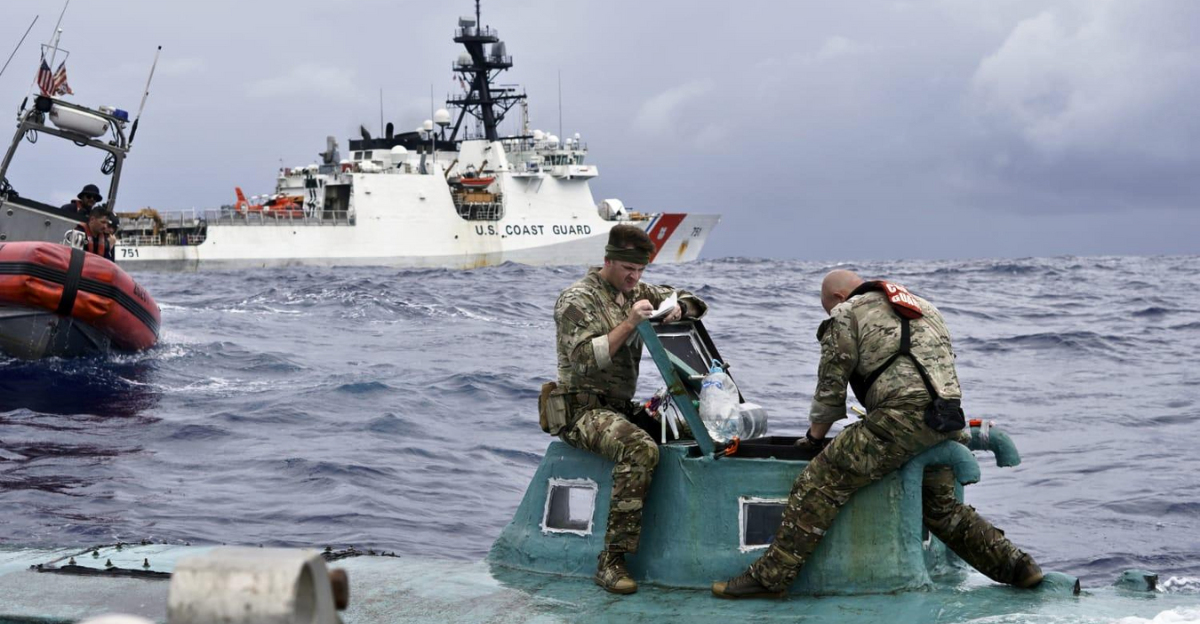
Illegal drug flows into the United States have long been facilitated by the Caribbean. Trafficking routes have been severely disrupted by the recent campaign, which has destroyed at least 20 suspected narcotics vessels in just six weeks.
The surveillance, interdiction, and quick strike capabilities of the carrier strike group improve awareness of the maritime domain and enable direct action against these networks. This aggressive stance emphasizes the tactical evolution in counternarcotics efforts by combining intelligence-led operations with naval firepower.
International Issues and Regional Security
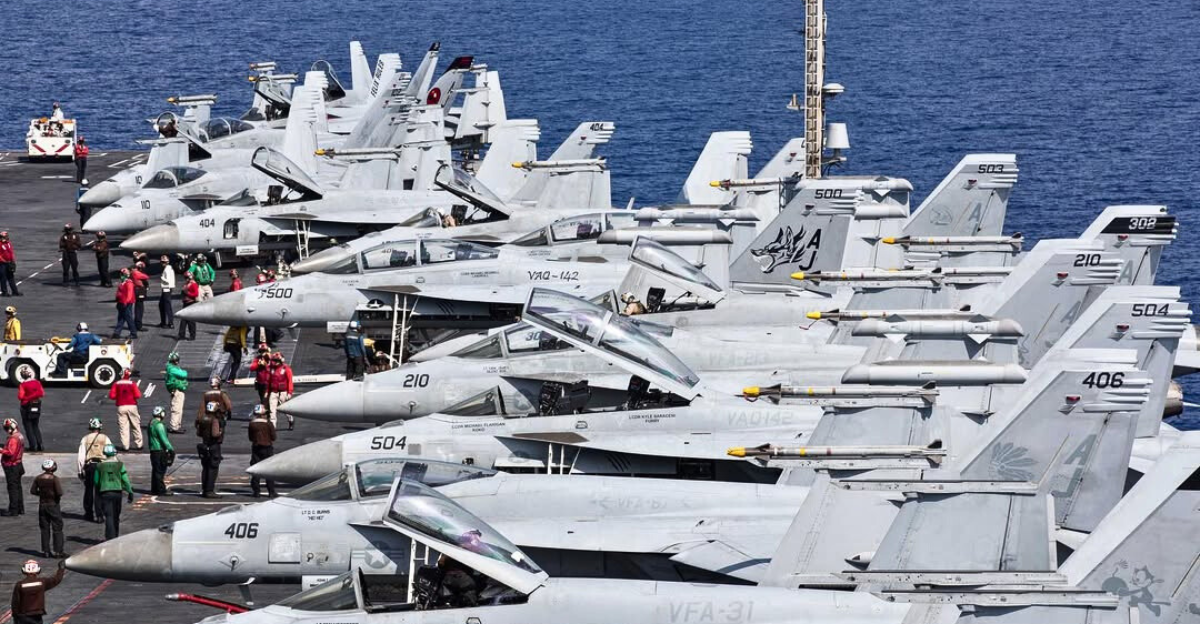
International observers and regional governments are alarmed by the unprecedented naval buildup, citing the possibility of destabilization.
This is perceived by Venezuela and other Latin American nations as a provocative display of force that might lead to unforeseen escalations. The deployment’s timing amid the unstable political climate in Latin America highlights the delicate balance between deterrence and escalation and raises concerns about conflict spillover and disruption of delicate diplomatic balances.
Strategic and Psychological Consequences
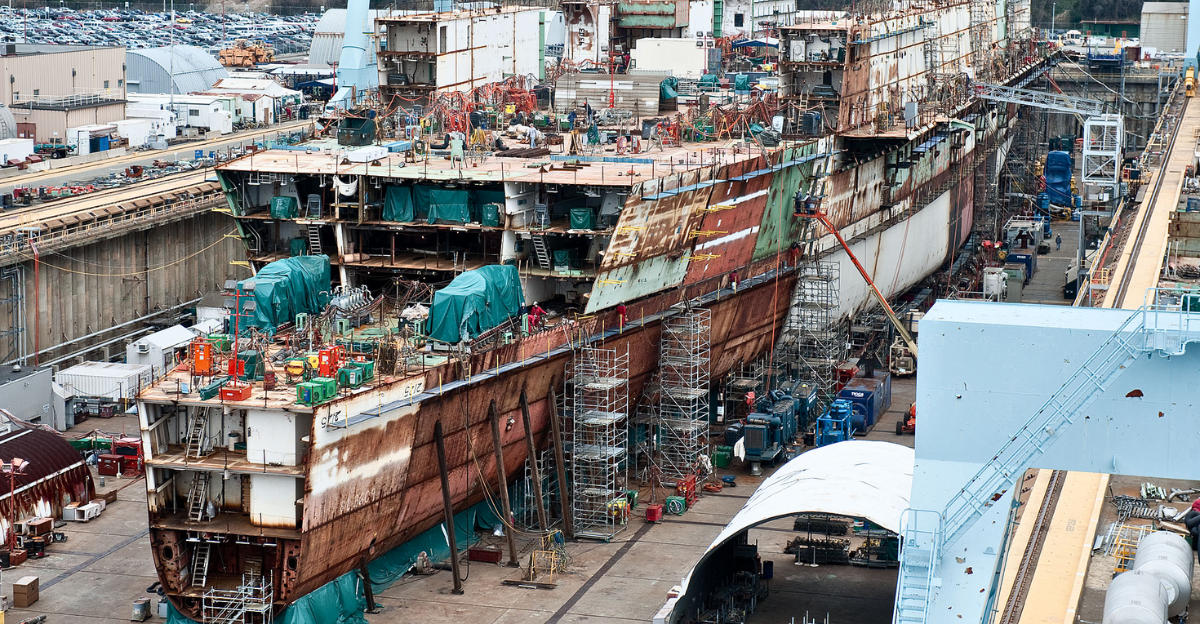
From a strategic and psychological standpoint, the deployment puts pressure on the United States by raising doubts about its intentions. A deterrent shock effect is created by the “fully stacked” strike wing close to hostile territory, using military might to sway regime behavior without starting a direct conflict.
This strategy is a reflection of decades of U.S. military strategy that uses overwhelming presence and credible threat as instruments of strategic diplomacy and coercion, lowering the likelihood of direct confrontation while influencing results.
Innovations in Technology and Strategy
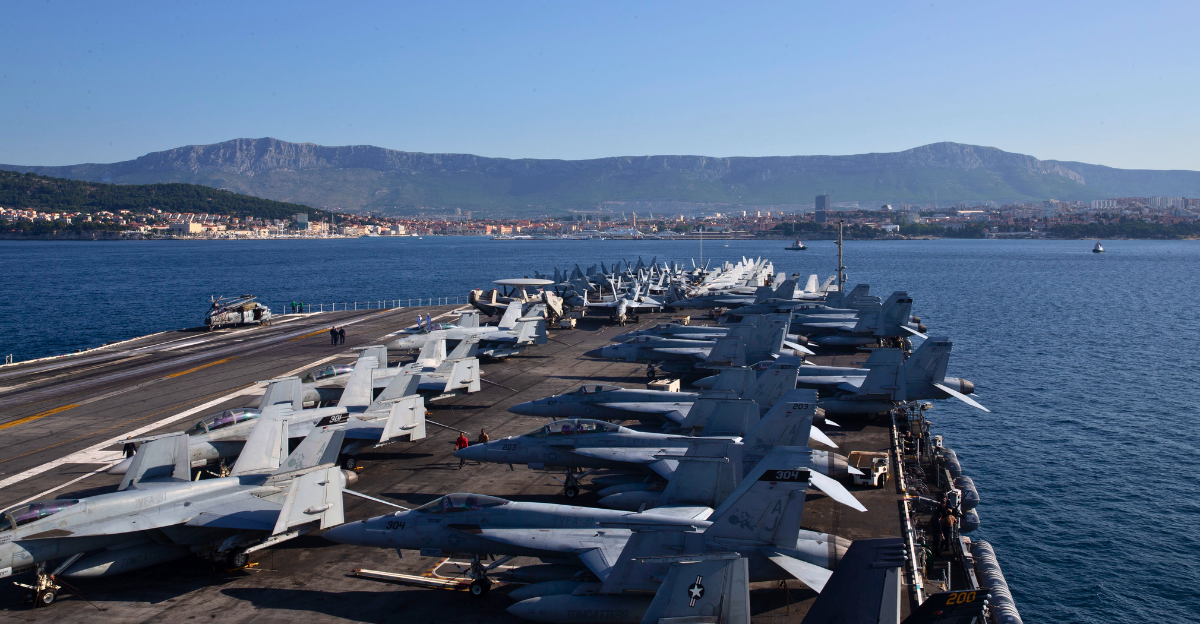
To improve operational effectiveness, the carrier strike group uses cutting-edge technologies like networked sensors, real-time intelligence sharing, and precision weaponry. It improves surveillance and strike capabilities in challenging maritime environments by integrating unmanned aerial systems with manned fighters.
This deployment serves as a model for naval power projection in the twenty-first century because of these innovations, which support a rapid response framework essential for counternarcotics and possible combat scenarios.
Possible Third- and Second-Order Impacts
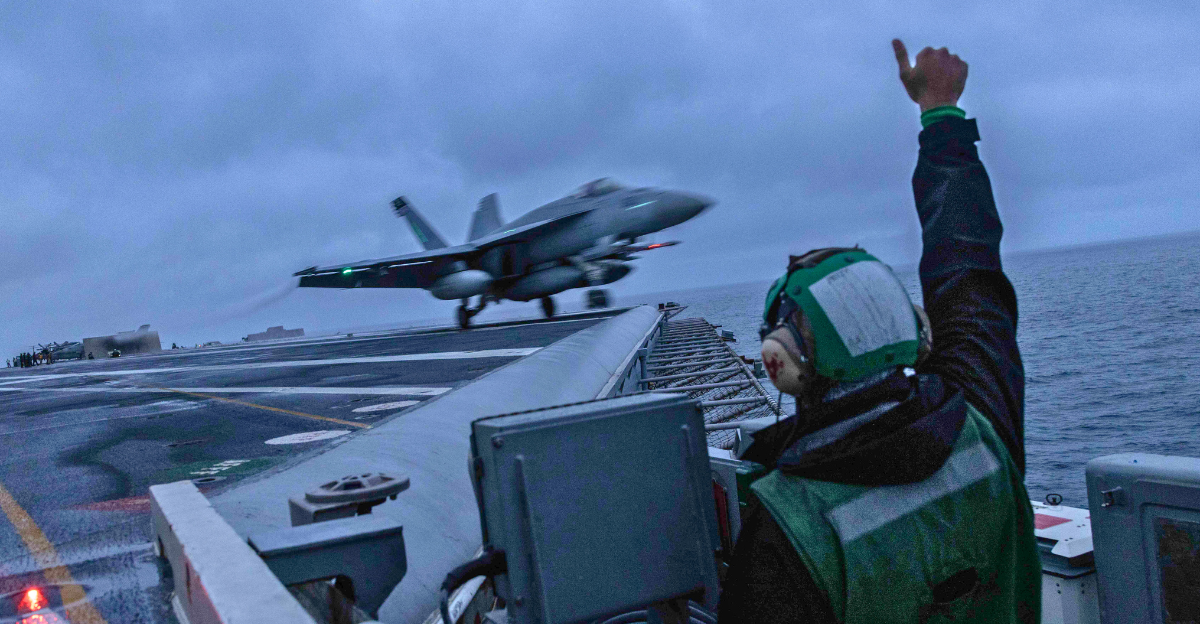
The operation may have an indirect impact on regional crime dynamics and global drug markets by financially and operationally undermining transnational criminal organizations through the disruption of important drug routes. Risks of escalation include possible proxy conflicts, recalibrating alliances, and retaliatory actions by traffickers or Venezuelan forces.
Furthermore, the military pressure may hasten Venezuela’s political unrest, which could affect humanitarian conditions and migration patterns. These domino effects demonstrate how military operations and local geopolitical ecosystems are intertwined.
Confirmed Information and Current Advancements
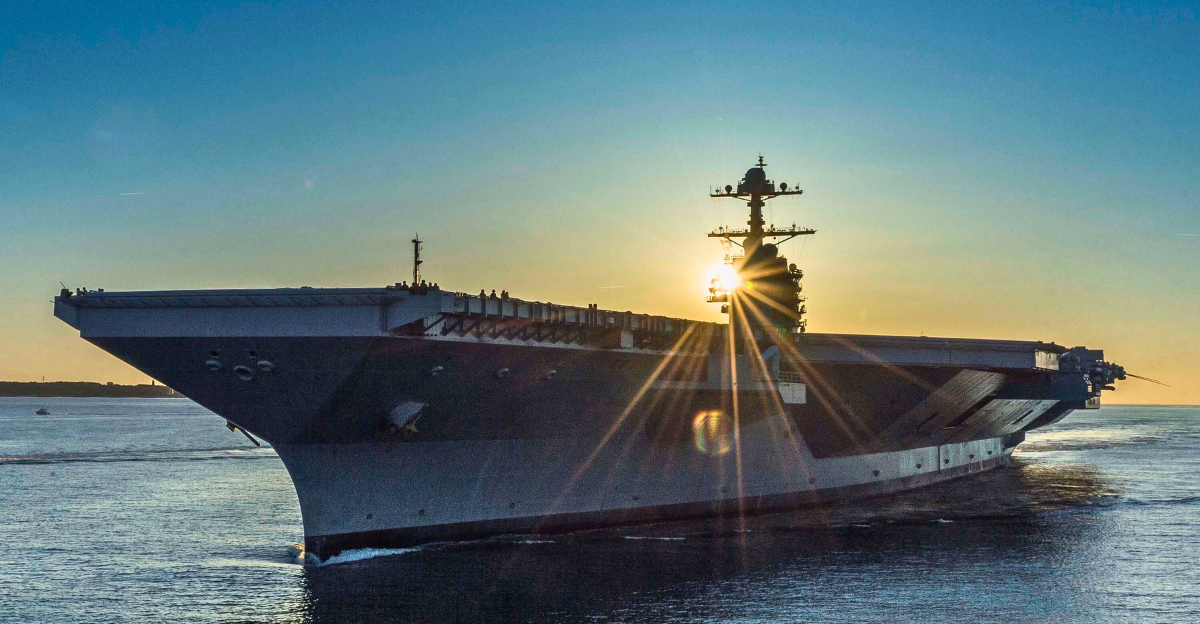
The USS Gerald R. Ford joined the Caribbean strike group in early November 2025 after passing through the Strait of Gibraltar.
Together with specialized units for surveillance and special operations, the mission is supported by ten additional U.S. naval ships, including destroyers and amphibious vessels. The deployment is openly linked by the Pentagon to President Trump’s campaign to dismantle international criminal networks. Images, ship-tracking information, and military communications attest to ongoing operations aimed at drug trafficking, demonstrating the deployment’s exceptional scope and capabilities.
The Human Aspect and Crew Preparedness
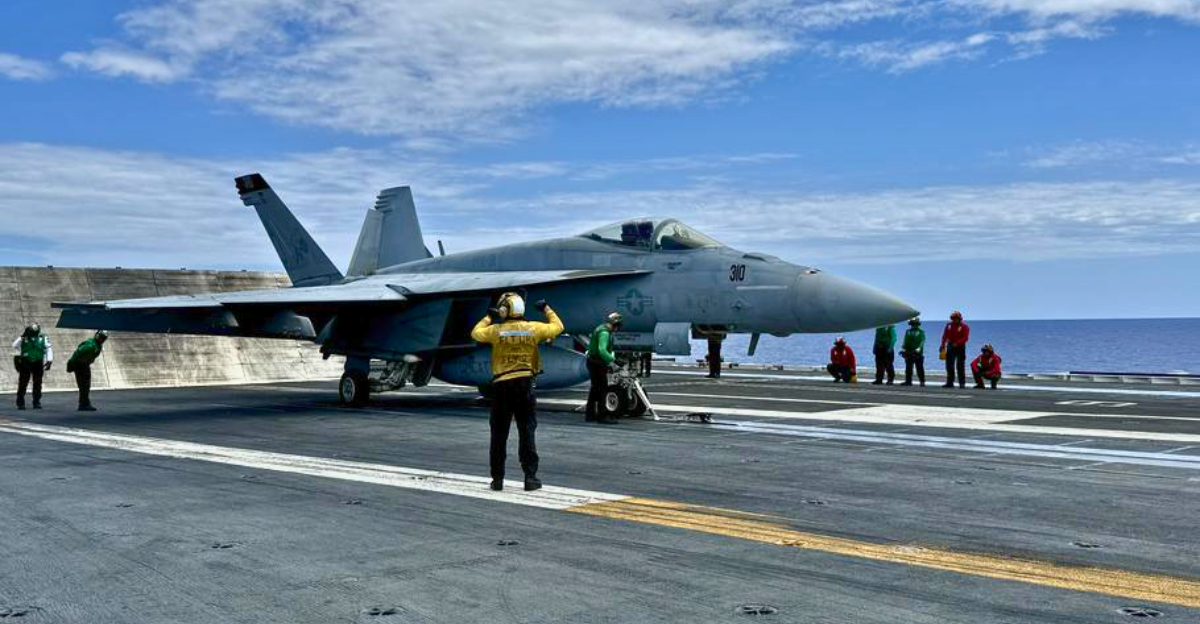
The strike group vessels employ over 6,000 American workers who must deal with difficult operational and psychological demands. Rapid response, interoperability, and endurance for extended deployments are key components of the crew’s training.
This human element is essential for mission success in high-stakes situations, highlighting how personnel preparedness works in tandem with cutting-edge technology to sustain effective maritime dominance and operational resilience in the difficult maritime domain of the Caribbean.
International Collaboration and Interagency
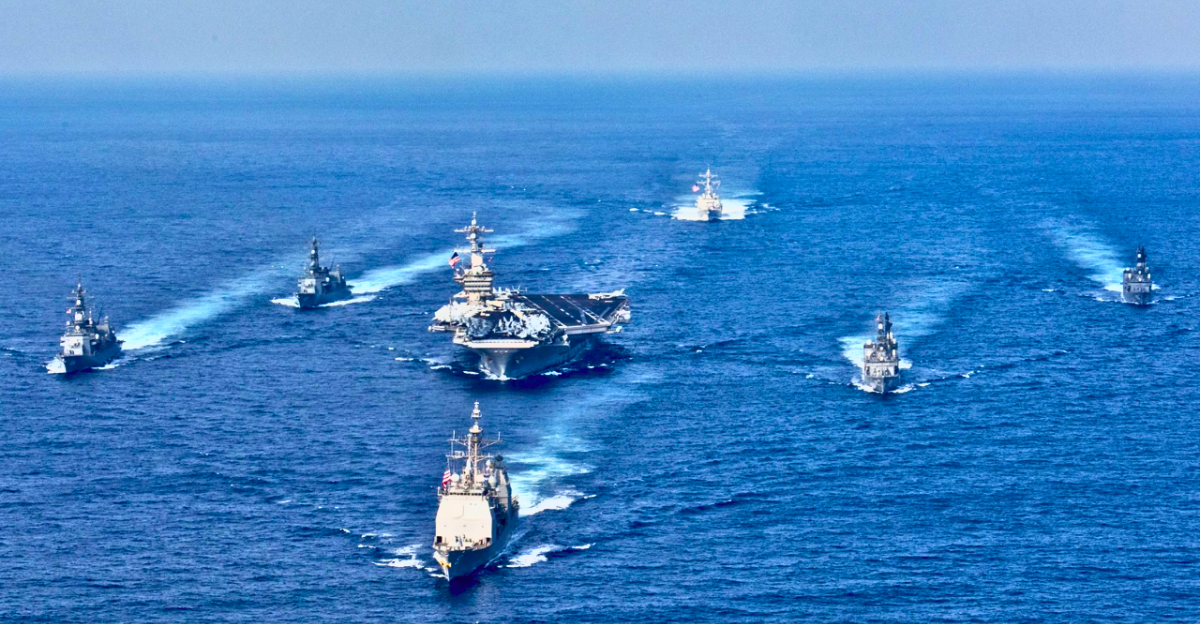
This operation is a prime example of cooperation with Caribbean and Latin American partners as well as coordination between military, intelligence, and law enforcement agencies. This kind of synergy increases pressure on transnational criminal organizations, expands operational reach, and improves information sharing.
The geopolitical complexity of multilateral security efforts in this theater is highlighted by the need to carefully balance differing political interests and regional sensitivities in order to maintain cooperation without escalating tensions.
Different Views and Criticisms
Critics contend that without addressing underlying issues like social inequality and corruption, militarizing counternarcotics runs the risk of escalating violence and civil unrest.
The deployment raises the possibility of conflict spillover because some analysts see it as a covert attempt at regime change. In order to ensure long-term regional security and prevent unforeseen consequences, these perspectives emphasize the necessity of complementary diplomatic and economic strategies in addition to military efforts.
Prospects for the Future and Strategic Consequences
The USS Gerald R. Ford strike group’s presence establishes a standard for long-term, high-tech naval deployments in the Western Hemisphere. In the face of shifting global power dynamics, it demonstrates the United States’ commitment to thwarting transnational threats and preserving regional influence.
The operation also suggests a willingness to escalate if necessary, which could influence future U.S. military doctrine and diplomatic stance toward Latin America and usher in a new era of maritime power politics in the area.
Conclusion
In order to counter established drug trafficking networks and demonstrate military preparedness in the vicinity of Venezuela, the USS Gerald R. Ford and its carrier strike group were strategically deployed to the Caribbean. This operation builds layered defense and offense capabilities by combining new tactical innovations, historical deterrence doctrines, and state-of-the-art technology.
Beyond counternarcotics, the action exerts geopolitical pressure that could have regional repercussions, such as increased tensions and destabilization risks. Understanding this deployment necessitates an appreciation of its dual function as a powerful tool of strategic deterrence and law enforcement, where force projection serves broader objectives of regional influence and security architecture in addition to immediate drug interdiction. It has ramifications for regional stability, international relations, and military strategy.