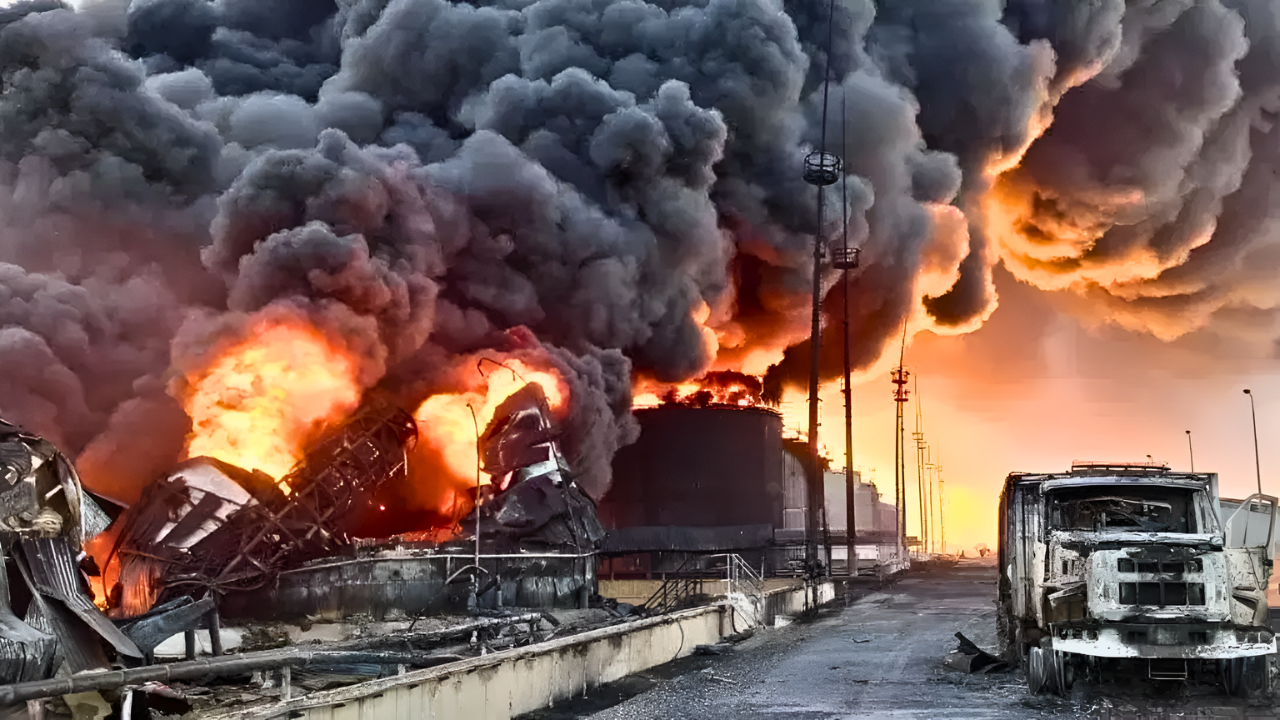
In late October 2025, Ukraine executed one of the war’s most strategically significant operations, launching a coordinated 139-drone assault that penetrated nearly 1,000 kilometers into Russian territory. The overnight barrage struck oil refineries and military installations across ten regions, including the critical Ryazan Oil Refinery and an ammunition depot near Valuyki in Belgorod.
This marked Ukraine’s largest single-night drone attack to date, signaling a fundamental shift in how the conflict is being waged.
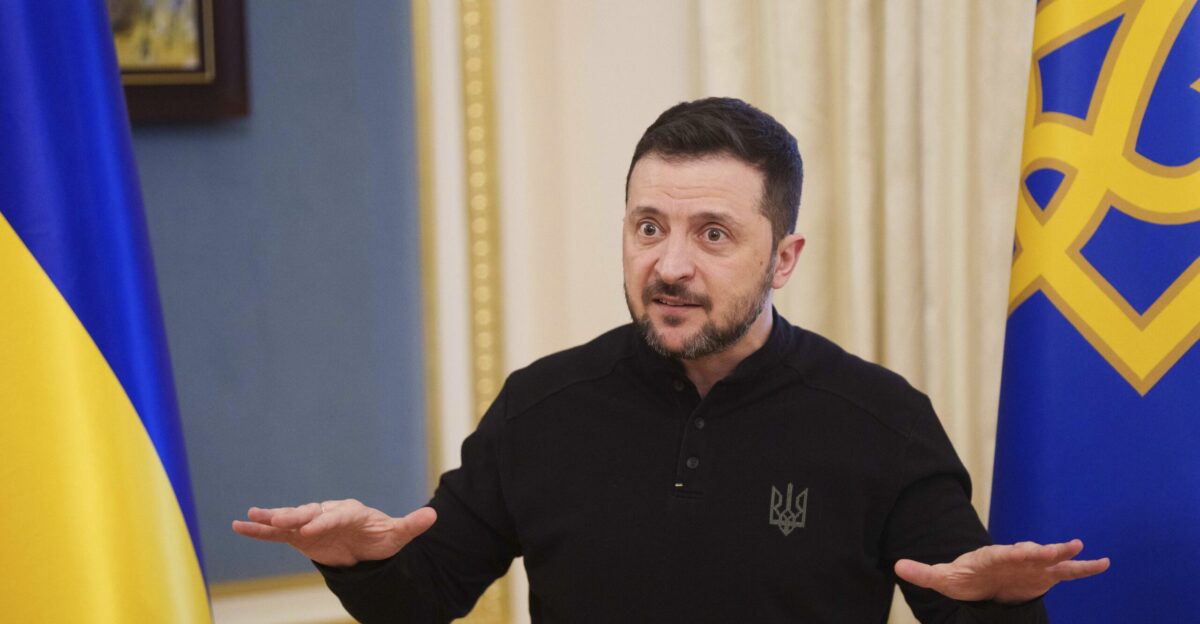
The strikes were no accident of war—they were calculated economic warfare. Ukrainian officials openly stated their objective: to starve Russia’s war machine of fuel by targeting the refineries that finance military operations. President Volodymyr Zelenskyy confirmed to media outlets that “their money for the war comes from refining,” and the campaign has succeeded in reducing Russia’s refining output by up to 27 percent through relentless attacks on energy infrastructure.
The Ryazan Refinery: A Strategic Prize
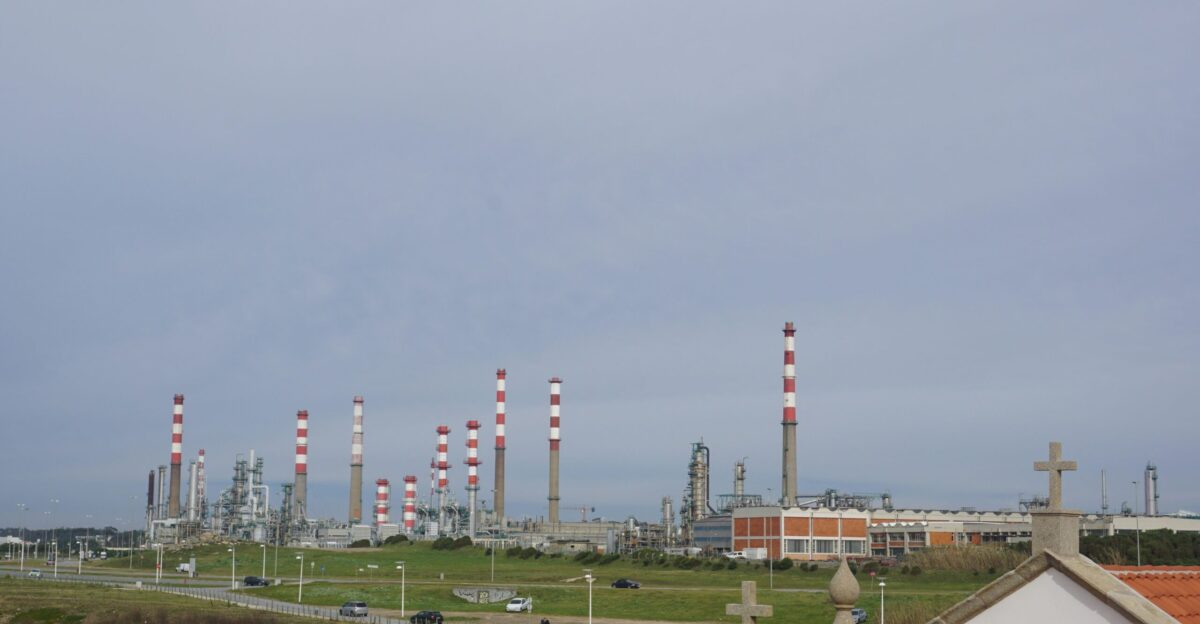
The Ryazan Oil Refinery emerged as the crown jewel of Ukraine’s targeting strategy. Processing approximately 17 million tons of crude oil annually—roughly 5 percent of Russia’s total refining capacity—the facility represents far more than a single industrial site. Following the October 23 attack, its CDU-4 processing unit was shut down completely, disrupting the production of gasoline, diesel, fuel oil, and jet fuel across Russia’s domestic network.
Ukraine’s operational tempo did not slow after that initial strike. Between October 28 and 29, three additional major energy facilities came under attack: the Mariysk and Novospassky refineries and the Budyonnovsk Gas Processing Plant. Ukrainian Special Operations Forces summarized the campaign with stark simplicity: “One night—three major targets.”
Cascading Economic Damage
The cumulative impact has been severe. By late September, nearly 38 percent of Russia’s refining units were offline, with at least 16 of the country’s 38 major refineries damaged between August and October. Analysts estimate that up to 25 percent of total refining capacity could remain offline for six to twelve months, as damaged distillation units are nearly impossible to replace quickly.
For ordinary Russians, the consequences have become impossible to ignore. Gasoline prices surged 2.58 percent in September—the sharpest monthly rise since 2018—while annual fuel inflation climbed to 12.7 percent, a 14-year high. Surveys found that 74 percent of drivers reported seeing higher prices, and nearly one in five encountered empty pumps, with regions such as Crimea and the Volga being hardest hit.
A Nation Forced to Import Energy
In a striking reversal of fortune for an energy-rich superpower, Russia has begun importing fuel to offset domestic shortfalls. Emergency shipments from Belarus and China have been brought in to compensate for production losses, while refineries in Moscow and Nizhny Novgorod have ramped up output. Yet even these measures cannot fully bridge the gap, exposing the depth of the crisis.
Russia’s export revenues have collapsed alongside domestic production. Seaborne fuel exports dropped 17 percent in September compared to August, while oil product shipments fell by 13 percent. Independent data showed that fossil fuel revenues plummeted to 546 million euros per day—the lowest since the invasion began—a dramatic indicator of how thoroughly the strikes have impacted Moscow’s finances.
The Economics of Asymmetric Warfare
What makes Ukraine’s campaign particularly significant is its cost-benefit calculus. Up to 95 percent of Ukraine’s long-range strikes now rely on domestically produced drones, not Western weapons. These homegrown aircraft can fly nearly 1,000 kilometers and cost as little as $500 each, enabling Ukraine to strike deep within Russia without external approval and granting Kyiv newfound operational independence.
The mathematics of modern warfare has been inverted. Drones costing under $1,000 are crippling refineries and aircraft worth billions of dollars. This asymmetry, where inexpensive, innovative technology defeats traditional firepower, represents a fundamental transformation in military strategy and economics.
Looking Forward
As Russia scrambles to implement nationwide price caps and purchase limits ranging from 20 to 30 liters per customer, the long-term implications grow clearer. The damage to Russia’s energy sector will likely persist for years, creating chronic fuel shortages, rationing, and degraded product quality. The shockwaves extend beyond Russia’s borders, with European countries accelerating renewable energy efforts and Turkey’s imports of Russian oil products plunging 27 percent in September.
Ukraine’s October offensive demonstrates that in modern conflict, agility, innovation, and affordability now outweigh sheer size and spending. The campaign has degraded more than 20 percent of Russia’s refining capacity, forced fuel imports, and destabilized its economy—all through the strategic deployment of low-cost technology and precision targeting.