
The Sun Belt’s pandemic housing boom has reversed dramatically, with home prices now falling in nine of America’s 20 largest metros tracked by the S&P Case-Shiller Index. Cities like Tampa, Miami, Phoenix, and Dallas are leading a downturn that’s eroding real wealth for homeowners nationwide.
This marks a dramatic shift from the rapid gains seen just a few years ago.
Oversupply Floods the Market
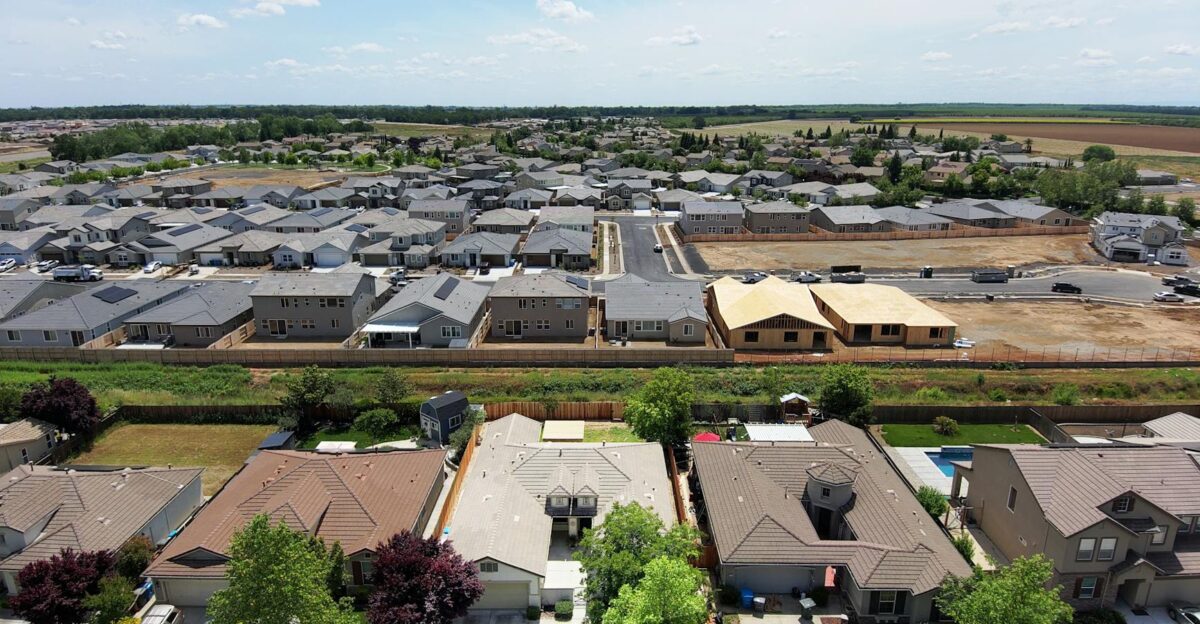
A surge in construction during the pandemic has created a massive glut of inventory across the Sun Belt. New home listings have overwhelmed buyer demand, forcing sellers to slash prices and accept longer waits.
In Florida alone, inventory has surged over 100% since the pandemic peak, while slower population growth and mortgage rates hovering around 6.19% have further dampened enthusiasm.
Homeowners Face Real Wealth Erosion Nationwide

Homeowners across America are seeing their real wealth decline as home values fail to keep up with inflation. For the fourth consecutive month, nominal price gains of 1.5% have lagged behind the 2.9% inflation rate, eroding the purchasing power of home equity. This affects homeowners in all regions, not just the Sun Belt.
Builders Hit the Brakes on New Projects

Homebuilders and real estate companies are responding by delaying projects and offering unprecedented incentives to attract buyers. In Florida and Texas, developers are canceling planned communities as inventory piles up and sales stall.
Brokerages are shifting resources to the Midwest and Northeast, where demand remains robust and inventory remains tight.
First Major Turning Point

As homeownership loses appeal, rental demand has surged in some metros—but oversupply is driving rents down too. Adjacent industries like home improvement retailers, mortgage lenders, and property insurers are seeing reduced activity and recalibrating their strategies for cooling markets.
Home Depot and Lowe’s have reported shifting sales patterns as renovations slow across the Sun Belt.
Foreign Investment Retreats from Miami and Beyond

Foreign buyers, once eager participants in Miami’s luxury market, are pulling back as price declines and unfavorable currency fluctuations reduce the appeal of U.S. real estate. Canadian buyers, the largest group of international purchasers, have significantly reduced their activity.
Investment is now flowing to more stable markets in the Northeast.
Homeowners and Agents Adjust to New Reality

Local homeowners in Tampa and Miami are adjusting expectations as listings linger and price cuts become common. Tampa home values have dropped 3.3% year-over-year, with St. Petersburg down 7.6% over 12 months.
Real estate agents report that nearly 29% of Tampa sellers have reduced asking prices, while buyers gain leverage for the first time in years.
Policymakers Weigh Emergency Relief Measures

State and local officials in Florida and Texas are considering property tax relief and first-time buyer incentives to stabilize faltering markets. Florida Governor Ron DeSantis has proposed $1,000 property tax rebates for homeowners, averaging relief across over 5.1 million homesteaded properties.
National policymakers are monitoring the situation closely, wary of broader economic fallout if the downturn spreads.
Inflation Devours Home Price Gains Nationwide

Nationally, home prices rose just 1.5% year-over-year in August—well below the 2.9% inflation rate. “For the fourth straight month, home values have lost ground to inflation, meaning homeowners are seeing their real wealth decline even as nominal prices inch higher,” said Nicholas Godec, head of fixed income tradables and commodities at S&P Dow Jones Indices.
Even where nominal prices edge upward, homeowners are losing ground in real terms—a stark reversal from the pandemic boom years.
Retailers Pivot to Midwest and Northeast

Home improvement chains and furniture retailers are adjusting inventory strategies in Sun Belt cities, anticipating slower sales and reduced home turnover. Many are expanding offerings in the Midwest and Northeast, where housing activity and renovation spending remain robust.
The shift marks a major geographic realignment in consumer spending patterns.
Short-Term Rental Operators Face Overcrowded Markets

Short-term rental operators in Florida and Texas are grappling with fierce competition as more homes flood platforms like Airbnb. Supply has surged 42% in markets like Galveston, Texas, while demand hasn’t kept pace, causing occupancy rates to plummet.
Some owners are converting unsold properties into rentals, while others are exiting the market entirely, impacting local tourism economies.
Construction, Insurance, and Services Feel the Pain

The slowdown is cascading through construction, with layoffs and project delays reported across major Sun Belt metros. Home insurers are adjusting risk models as property values decline, while service providers—from landscapers to moving companies—are seeing reduced demand.
The economic impact extends far beyond real estate transactions.
Global Investors Watch Regional Divide Widen

International observers are noting the U.S. housing market’s stark regional divergence, with Sun Belt corrections contrasting sharply with price gains in the Northeast and Midwest. “New York again reported the highest annual gain among the 20 cities with a 6.1% increase in August, followed by Chicago (5.9%) and Cleveland (4.7%),” according to S&P Dow Jones Indices.
This shift is influencing global investment strategies and perceptions of U.S. economic health.
Americans Stay Put as Mobility Freezes

Only 28 out of every 1,000 U.S. homes changed hands in the first nine months of 2025—the lowest turnover rate in at least 30 years. The “lock-in effect” of low-rate mortgages means many homeowners are reluctant to sell and take on higher borrowing costs.
This reduced mobility is reshaping community dynamics, affecting everything from school enrollments to local businesses, and limiting labor market flexibility.
Climate and Growth Debates Intensify

The Sun Belt’s reversal has reignited fierce debates over sustainable growth, climate risk, and urban planning. Critics argue that overbuilding, lax zoning, and inadequate infrastructure fueled the boom-bust cycle. “In places like Florida and Texas, they’re kind of tired of hurricanes,” says Chen Zhao, head of economic research at Redfin.
Skyrocketing insurance costs tied to extreme weather are making Sun Belt homeownership increasingly risky.
Midwest and Northeast Surge

While Sun Belt homeowners face losses, sellers in the Midwest and Northeast are benefiting from tight inventory and rising prices. “The five hottest housing markets in 2025 are located in the North or along the Rust Belt, including New Haven, CT, Rockford, IL and York-Hanover, PA,” according to Bankrate’s Housing Heat Index.
Cities like Buffalo and Chicago are now among the nation’s hottest markets, reversing pandemic-era migration trends.
Financial Markets Recalibrate Around Regional Volatility

Investors are recalibrating portfolios as real estate investment trusts (REITs) and homebuilder stocks reflect sharp regional volatility. Mortgage-backed securities tied to Sun Belt properties face closer scrutiny, while funds increasingly favor stable northern markets.
Camden Property Trust and other REITs with Sun Belt exposure are adjusting strategies amid cooling demand.
Buyer’s Market Emerges in Tampa, Miami, and Dallas
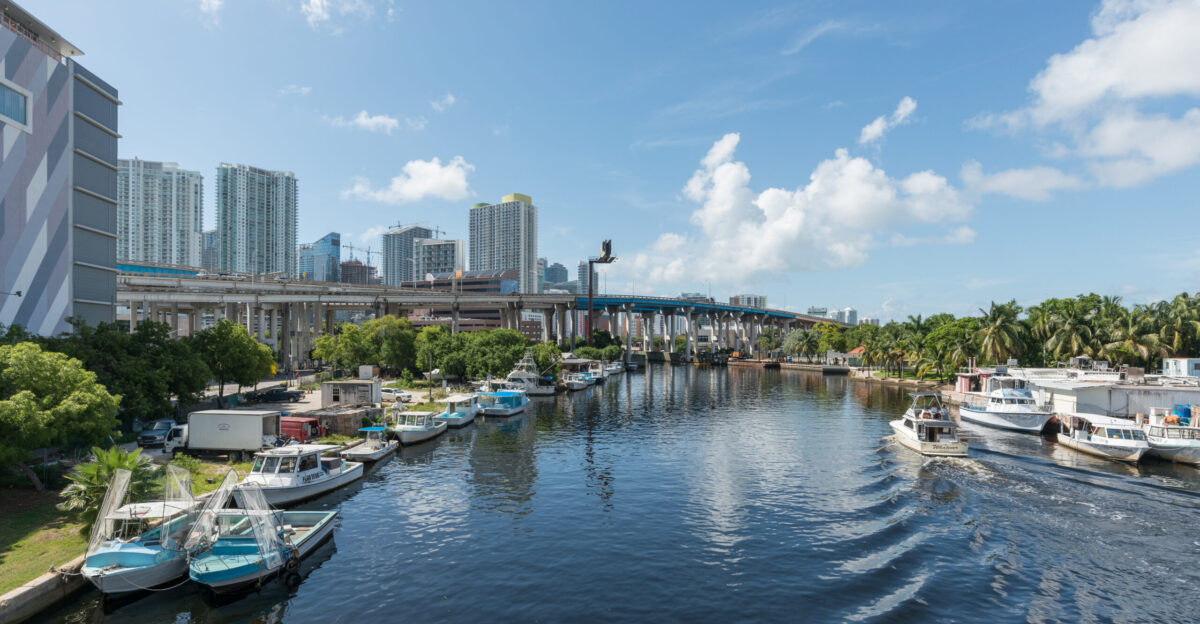
Prospective buyers in Tampa, Miami, and Dallas now wield more bargaining power, with surging inventory and widespread price cuts. List prices in Miami have dropped 4.8% year-over-year, while Tampa prices have fallen 6% according to recent data.
“What we’re seeing nationally is a market that’s gradually rebalancing, with buyers gaining leverage and sellers facing a tradeoff,” said Jake Krimmel, senior economist at Realtor.com. Experts advise patience and negotiation for buyers, while sellers must set realistic expectations.
Mortgage Rates Dip but Uncertainty Remains

With mortgage rates dropping to 6.19%—their lowest level in over a year—some analysts predict stabilization if rates continue falling. “As home prices cool and mortgage rates come down, home shoppers are finding some improvement in affordability,” said Lisa Sturtevant, chief economist at BrightMLS.
However, ongoing economic uncertainty and shifting migration patterns mean the Sun Belt’s future remains unpredictable, with potential for further corrections or renewed growth.
A New Housing Era

The Sun Belt’s housing reversal is fundamentally reshaping the national market, redistributing wealth and altering decades-old migration flows. As dust settles, the U.S. faces a new era of regional divergence—where affordable Sun Belt metros struggle while historically expensive Northeast and Midwest cities thrive.
This transformation offers crucial lessons for policymakers, investors, and homeowners navigating an increasingly fragmented American housing landscape.