
In late October, Ukraine’s long-range drones struck deep inside Russian territory, hitting at least three major industrial sites and forcing the closure of 13 airports overnight. These attacks mark a sharp escalation in Kyiv’s campaign to cripple Russia’s energy infrastructure, with some strikes landing more than 1,400 kilometers from the border.
The Bashneft refinery in Ufa, hit in early October, shows how far Ukraine’s reach has grown. President Volodymyr Zelensky says the campaign has reduced Russia’s refining capacity by up to 20%. Let’s look into this deeper.
Refineries Offline: The Scale of Disruption
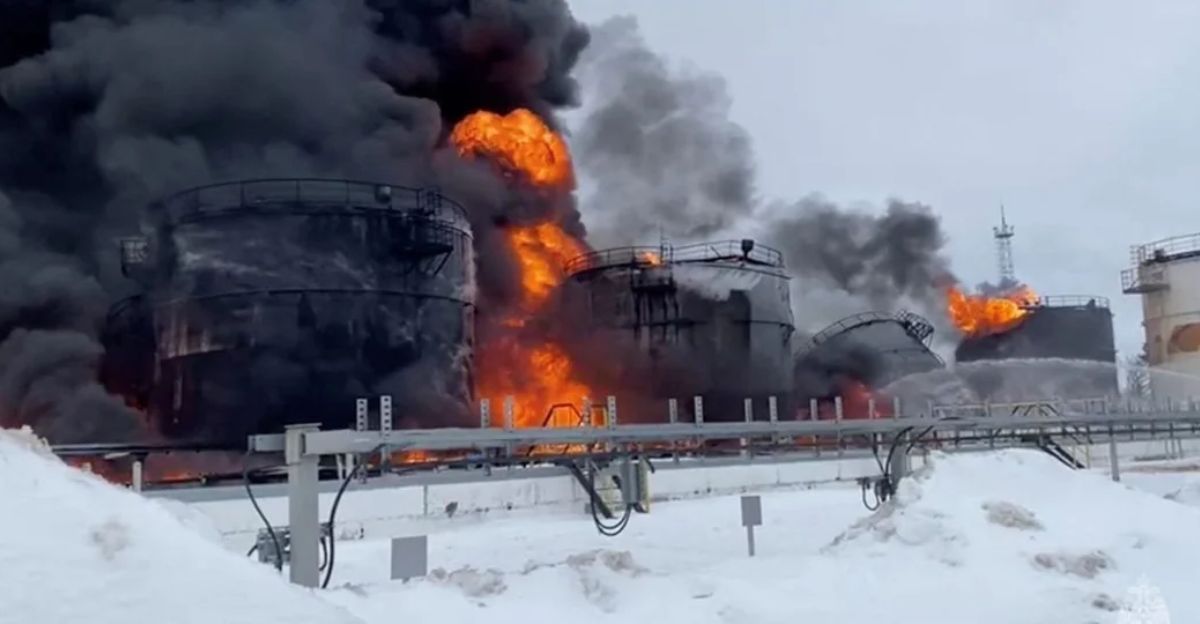
Ukraine’s drone operations have severely disrupted Russia’s refining network. President Volodymyr Zelensky confirmed that Western intelligence assessments indicate a 20% reduction in refining capacity. Security Service chief Vasyl Malyuk added that over 160 drone strikes in 2025 hit 21 of Russia’s 38 major refineries, cutting capacity by 37%. Reuters’ analysis found that these attacks had disabled approximately 17% of the total refining capacity—equivalent to 1.2 million barrels per day—by mid-August.
Oil and gas revenues account for roughly 30% of Russia’s federal budget, underscoring the sector’s significant role in financing the war. The shockwaves are being felt nationwide. Domestic gasoline prices have increased by around 10%, while some regions are experiencing intermittent fuel shortages as damaged refineries struggle to resume production.
Sanctions and Buyer Retrenchment
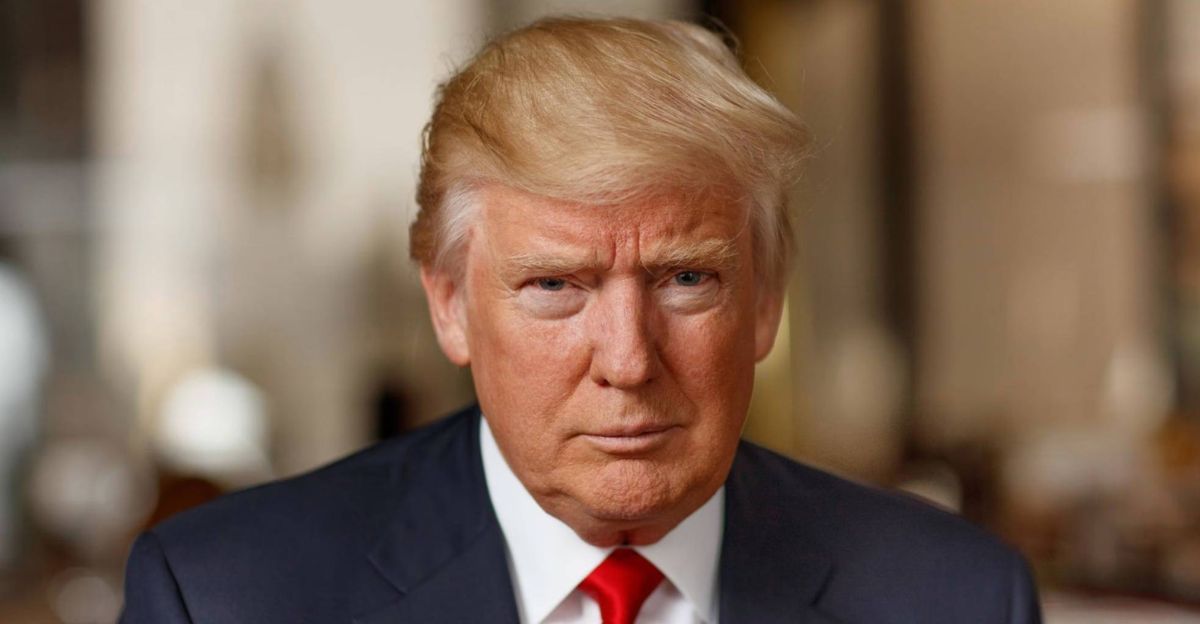
Economic pressure on Moscow has intensified sharply in 2025. In August, the U.S. imposed a 25% additional tariff on Indian imports, effective August 27, in response to India’s continued purchases of Russian oil. Then on October 22, the U.S. Treasury sanctioned Russia’s two largest oil firms—Rosneft and Lukoil—with compliance deadlines set for November 21.
China and India, Russia’s main oil buyers, have responded cautiously. Four Chinese state firms—PetroChina, Sinopec, CNOOC, and Zhenhua Oil—suspended seaborne purchases of Russian crude in late October after the new sanctions.
India’s largest refiner, Indian Oil Corp., canceled seven to eight shipments from Rosneft and Lukoil subsidiaries, though it continues sourcing non-sanctioned Russian barrels. Analysts say these measures will likely curtail Russia’s export volumes, though markets are still adjusting to the new restrictions.
Putin’s Defiance and the Escalating Standoff
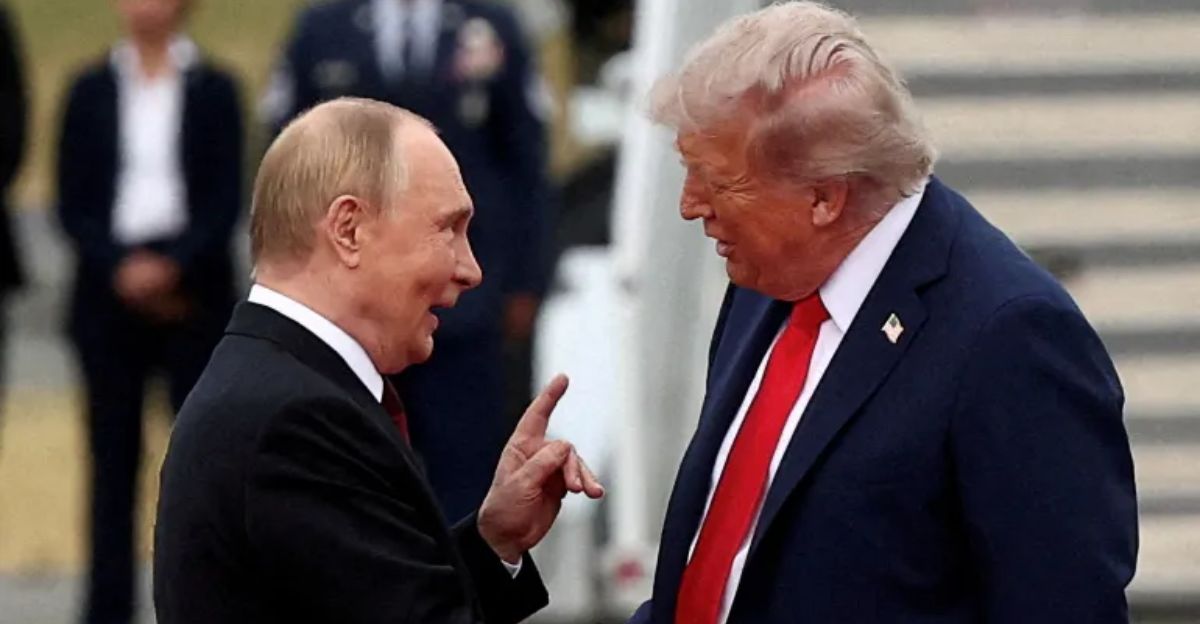
President Vladimir Putin has rejected the sanctions outright. On October 23, he declared that “no self-respecting country and no self-respecting people ever decides anything under pressure,” signaling Moscow’s resolve to resist. The Kremlin is rushing to repair damaged facilities and offering heavy discounts to maintain exports, but repeated strikes and shrinking demand are eroding its options.
Ukraine’s drone campaign has evolved rapidly. The Oxford Institute for Energy Studies observed in April that “Russian Oil Refining” was firmly “in the Crosshairs.” By autumn, Ukraine’s attacks reached deep into Russia, including facilities over 1,400 kilometers from the border. This phase marks one of the most sustained and far-reaching strategic offensives of the war.
Regional and Global Ripple Effects
The damage extends far beyond Russia’s borders. The Black Sea port of Novorossiysk has reached maximum export capacity, forcing traders to reroute crude that can no longer be refined domestically. Disruptions in refined product flows have complicated global shipping operations. A Ukrainian navy spokesman said strikes on Russia’s Tuapse oil terminal would likely raise insurance premiums and discourage companies from using Russian ports.
Diesel markets have surged in response. Refining margins jumped nearly 20% in late October to around $29 per barrel—the highest level since February —as traders scramble for new supply routes. Continued drone strikes on Baltic and Black Sea ports, Transneft pipelines, and major refineries—such as the Saratov facility hit for the fourth time on November 2–3—underscore the campaign’s persistence.
A New Model of Economic Warfare
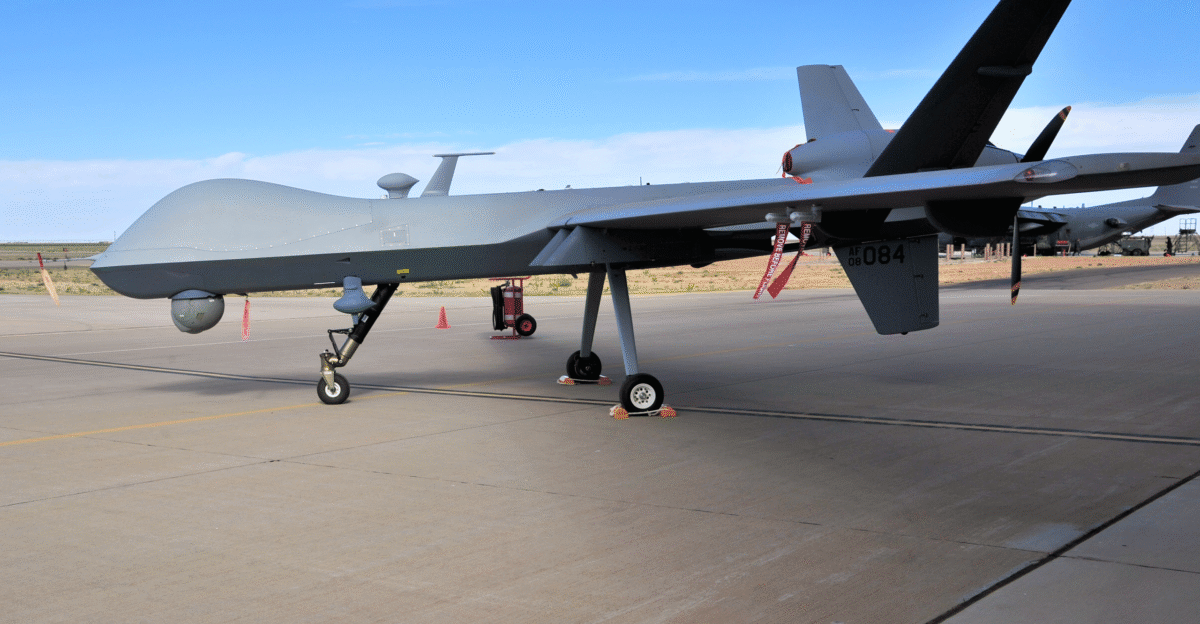
Ukraine’s strategy blends precision military tactics with economic pressure. The domestically produced FP-1 drone, costing about $55,000 and manufactured at a rate of 100 units per day, allows Kyiv to strike cost-effectively. Russia’s oil and gas revenues fell 25% year-over-year in September to 582.5 billion rubles ($7.1 billion). For the first nine months of 2025, total revenues declined by 1.7 trillion rubles ($20.7 billion), a 21% drop from 2024.
This dual-front campaign—drone warfare paired with coordinated Western sanctions—is unprecedented against a top-three global oil producer. It has already forced Russia to cut projected military spending for 2026 by 0.6 trillion rubles (around $7.3 billion), revealing the campaign’s tangible economic toll.
Looking Ahead: An Uncertain Winter
As winter 2025–2026 approaches, Russia is facing mounting economic and logistical strains. The combined effects of drone strikes, sanctions, and reduced exports have pushed the country’s budget deficit to 4.19 trillion rubles ($51.4 billion) by the end of August —already surpassing its annual target. Analysts caution that while short-term volatility is expected, long-term consequences depend on whether Asian refiners permanently turn away from Russian crude.
The full impact on global stability and energy prices remains unclear. Observers worldwide are watching as Ukraine’s campaign reshapes both the conflict and the international oil market, signaling a new era where economic and military strategies are increasingly intertwined.