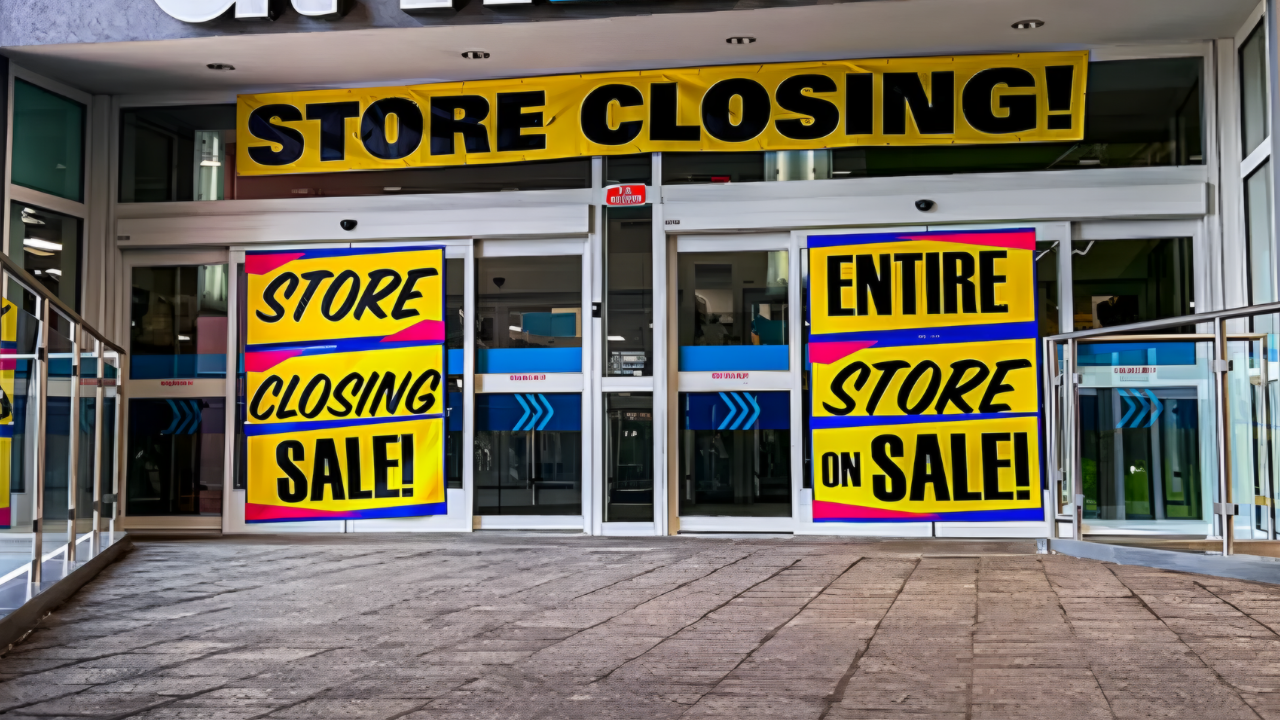
On a warm October morning in Texas, regulars at an At Home store arrived to find locked doors and a handwritten “Store Closing Forever” sign. The scene—dusty aisles and half-empty shelves—marked not just the end of a local retailer, but the collapse and rapid rebirth of a national home décor giant. For thousands of employees and millions of shoppers, it was a turning point: the end of an era, and the start of a dramatic corporate reset that wiped out nearly $2 billion in debt.
A Retail Giant’s Sudden Fall
At Home was no small player. With 260 stores across 40 states, it had become a staple for affordable home décor. Yet in June 2025, the company filed for Chapter 11 bankruptcy, stunning both shoppers and investors. Court documents pointed to a perfect storm: heavy borrowing, rising tariffs on imported goods, and a sharp shift in consumer habits. CEO Brad Weston, who took the helm in June 2024, explained, “We are operating against the backdrop of an increasingly dynamic and rapidly evolving trade environment as we navigate the impact of tariffs.” For a retailer built on scale and low prices, these changes proved devastating.
The seeds of At Home’s troubles were sown during the pandemic. As Americans spent more on home improvements during lockdowns, demand soared. But when life returned to normal, sales slumped. Inventory piled up, shipping costs rose, and interest rates climbed. Retailers that expanded too quickly during the boom—like At Home—found themselves overextended as the market cooled.
Bankruptcy at Record Speed
Unlike many retail bankruptcies that drag on for years, At Home’s restructuring was swift. The company emerged from Chapter 11 in October 2025, just four months after filing, having erased nearly all of its $2 billion in funded debt. This rapid turnaround was not just about efficiency—it was about survival. In a sector where many competitors, such as Bed Bath & Beyond and Tuesday Morning, have liquidated entirely in recent years, At Home’s ability to keep operating was notable.
But the cost was steep. The original shareholders were wiped out in a debt-for-equity swap, handing control to a group of lenders including Redwood Capital Management, Farallon Capital Management, and Anchorage Capital Advisors. “We are pleased to have reached this important milestone in our efforts to position At Home for future success,” Weston said after the court approved the plan. For employees and investors, it was a clean slate built from the ashes of the old company.
Local Impact and Human Cost

The bankruptcy led to the closure of 31 stores between July and October, shrinking At Home’s footprint by about 12 percent. The company employed roughly 7,170 workers at the time of filing, but did not disclose how many jobs were lost. For communities, the closures meant more than empty storefronts—they meant lost jobs, lost weekend rituals, and lost business for local landlords.
“I worked here for eight years. It’s hard to see it end like this,” said Maria Lopez, a former store manager in Dallas. Her sentiment echoed across affected towns, where At Home had become a fixture. Weston publicly thanked employees for their dedication, noting that staff “remained unwavering in their focus on continuing to serve and inspire our customers.” But for many, gratitude could not replace a lost paycheck.
Tariffs, Trade, and a Global Squeeze
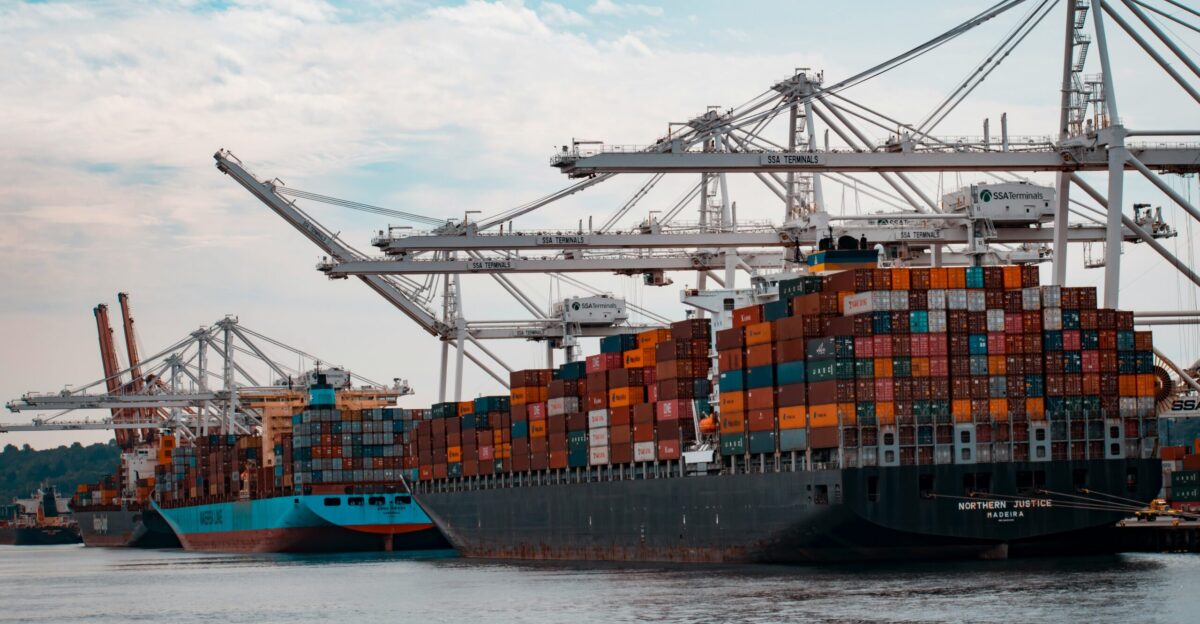
At Home’s troubles were not unique. Nearly 90 percent of its merchandise was imported, making it especially vulnerable to rising tariffs and global shipping costs. As margins shrank, the company scrambled to diversify its supplier base. “Tariffs have fundamentally altered the way we operate,” Weston acknowledged in bankruptcy filings.
The company’s struggles have reignited debate in Washington about the impact of tariffs on domestic retailers. In April 2025, Senators Maria Cantwell and Chuck Grassley introduced bipartisan legislation to restore congressional oversight on trade duties, warning that retailers face mounting challenges from tariff pressure. While no new law has passed, At Home’s story has become a case study in the unintended consequences of trade policy.
A New Playbook and the Road Ahead
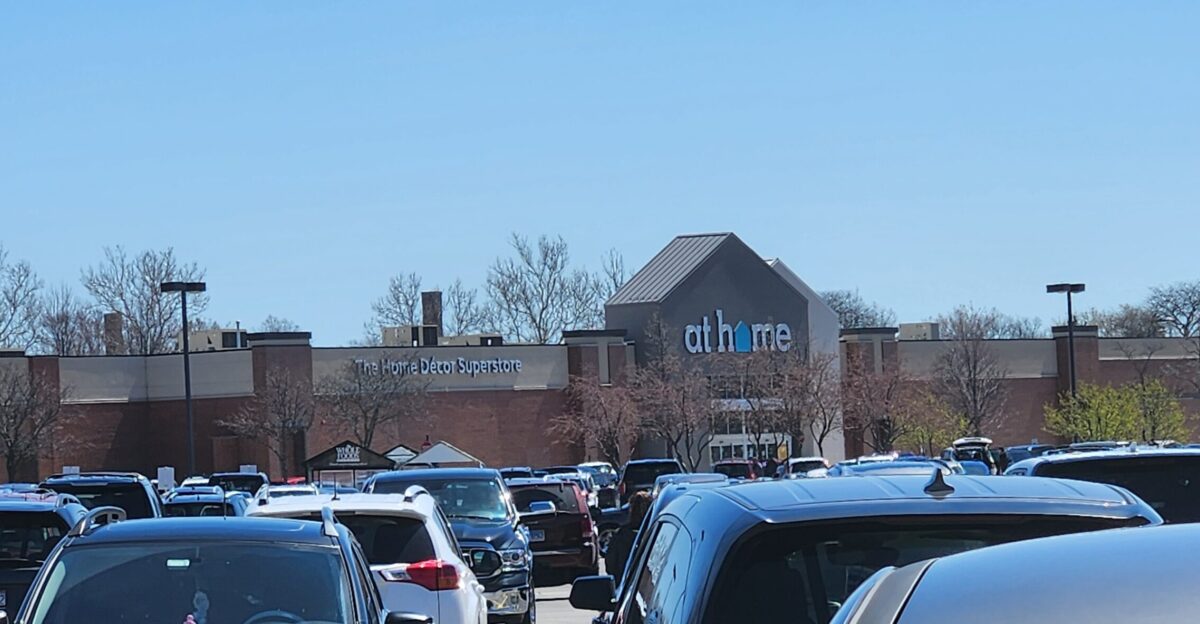
Emerging from bankruptcy, At Home’s new leadership is focused on discipline and operational precision. The company plans to streamline logistics, concentrate on top-performing markets, and avoid the overexpansion that contributed to its downfall. Industry analyst Jordan Marks observed, “This is less a rescue than a complete reset. At Home is now a lean, lender-owned experiment in efficiency.”
Globally, At Home’s experience mirrors trends seen in other markets. In the UK, home goods retailer Wilko collapsed in 2023 after similar struggles with debt and shifting consumer habits. Meanwhile, competitors like HomeGoods and Wayfair have moved quickly to capture market share as At Home retrenched.
The stakes are high as the company enters its first post-bankruptcy holiday season—a critical period for home décor retailers. Lenders and analysts will be watching closely. “A strong December could validate the restructuring; a weak one might spark renewed doubt,” said retail expert Lisa Grant.
For shoppers, the challenge is emotional as much as practical. Some have moved online or turned to local boutiques, but many remain loyal to At Home’s warehouse-scale selection and affordable prices. The company’s future now depends on its ability to rebuild trust, adapt to new consumer expectations, and prove that a fast, disciplined reset can offer a second chance in a turbulent retail landscape.