
President Trump’s sudden dismissal of the entire Commission of Fine Arts on October 28, 2025, has upended more than a century of architectural oversight in Washington, D.C. The move paves the way for a controversial $300 million White House ballroom, igniting fierce debate over transparency, preservation, and executive power.
Oversight Disrupted
For 115 years, the Commission of Fine Arts (CFA) has shaped the look and feel of the nation’s capital, reviewing everything from federal buildings to commemorative coins. Its abrupt removal bypasses the traditional checks that federal projects in D.C. must undergo, including scrutiny by the National Capital Planning Commission. Preservationists warn that rushing ahead with demolition and construction without these reviews threatens historic safeguards. “The commission plays an important role in shaping the way the public experiences our nation’s capital and the historic buildings it contains,” said Bruce Redman Becker, one of the ousted commissioners.
Demolition and Donor Influence
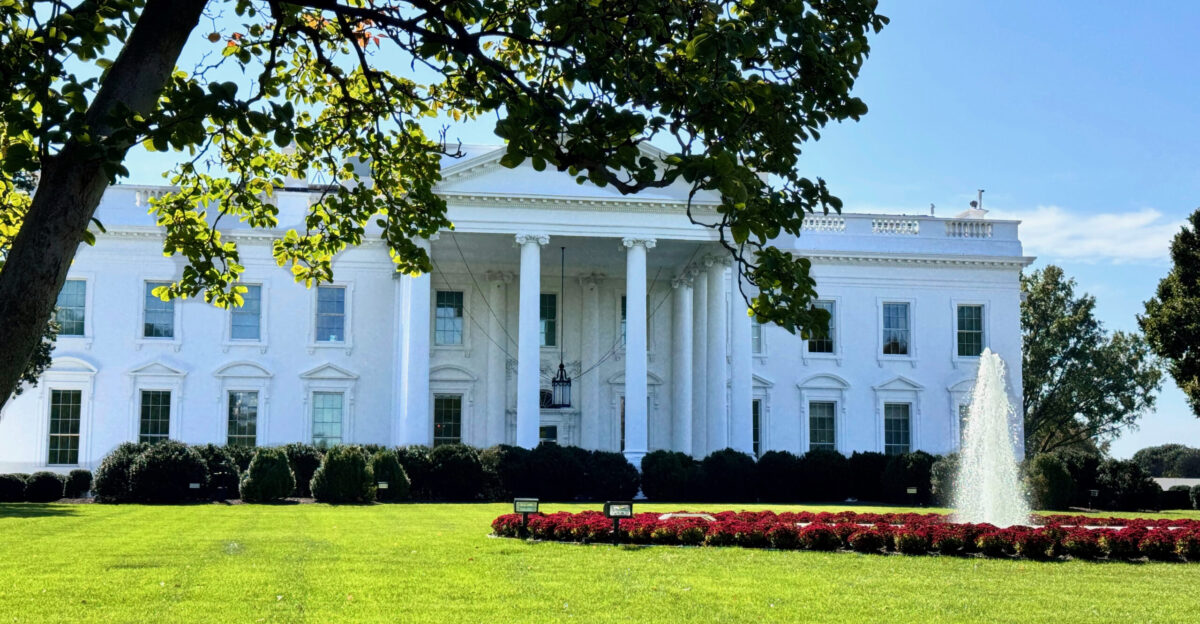
Demolition of the East Wing had already begun when the firings occurred, with crews tearing down the structure that housed the First Lady’s office and the public entrance. Satellite images confirmed the wing was largely gone by late October. The planned ballroom will span 90,000 square feet, with costs now exceeding initial estimates and reaching $300 million. The White House claims the project is fully funded by private contributions, with major pledges from corporations like Apple and Microsoft. President Trump emphasized, “It comes at zero cost to the American taxpayer.” However, critics argue that relying on private donors raises concerns about transparency and potential conflicts of interest. Preservation groups and lawmakers have demanded public disclosure of donor identities and called for a halt to construction until proper reviews are conducted.
Political and Legal Backlash
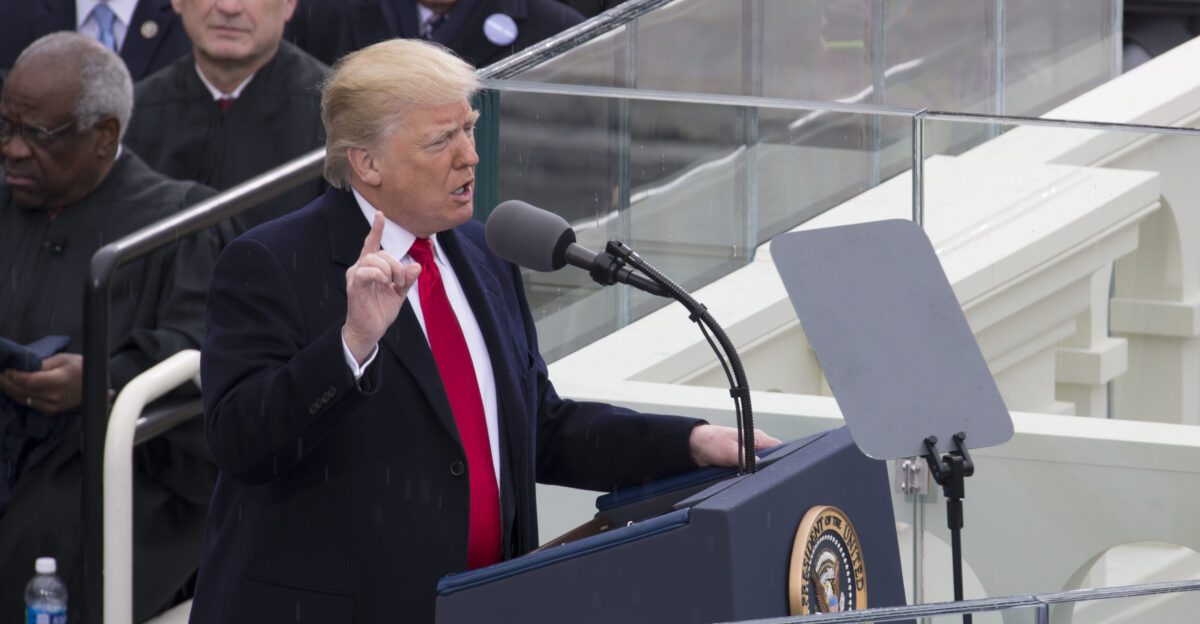
The scale and secrecy of the project have sparked outrage in Congress. Democratic Representatives Jared Huffman, Robert Garcia, and Yassamin Ansari wrote in a letter to the president that the project represents “one of the most substantial alterations to the White House in modern history,” noting that “the decisions were made in complete secrecy and undertaken without public disclosure or proper consultation.” Preservation advocates, including the National Trust for Historic Preservation, have formally urged a pause, insisting that demolition should not proceed without legally required public review. Former NCPC chair L. Preston Bryant argued, “The demolition element is inherent in the overall project… Demo is not separated from construction,” insisting that approval should have come first.
Legal challenges are already underway. A Virginia couple has filed a federal lawsuit, claiming the project violates preservation laws by proceeding without necessary approvals. The White House maintains that the president has “full legal authority” to move forward, leaving the courts to decide whether the project breaks the law.
A Divided Public
Public opinion is sharply divided along partisan lines. An October 30 poll found that 56% of Americans oppose the East Wing demolition, while 28% support it. Approximately 88% of Democrats are against the project, while 62% of Republicans support it. The controversy has become a partisan flashpoint, with Democrats condemning it as executive overreach and Republicans praising Trump’s decisiveness.
Expert Voices

Experts remain skeptical about the necessity and speed of the changes. Priya Jain of the Society of Architectural Historians stated, “We have seen no evidence that tearing down the East Wing was the best possible solution,” urging the release of studies and more deliberate planning. Presidential historian Tevi Troy noted, “Presidents don’t usually rush into doing these types of construction projects,” referencing Truman’s more measured approach to White House renovations.
Looking Ahead
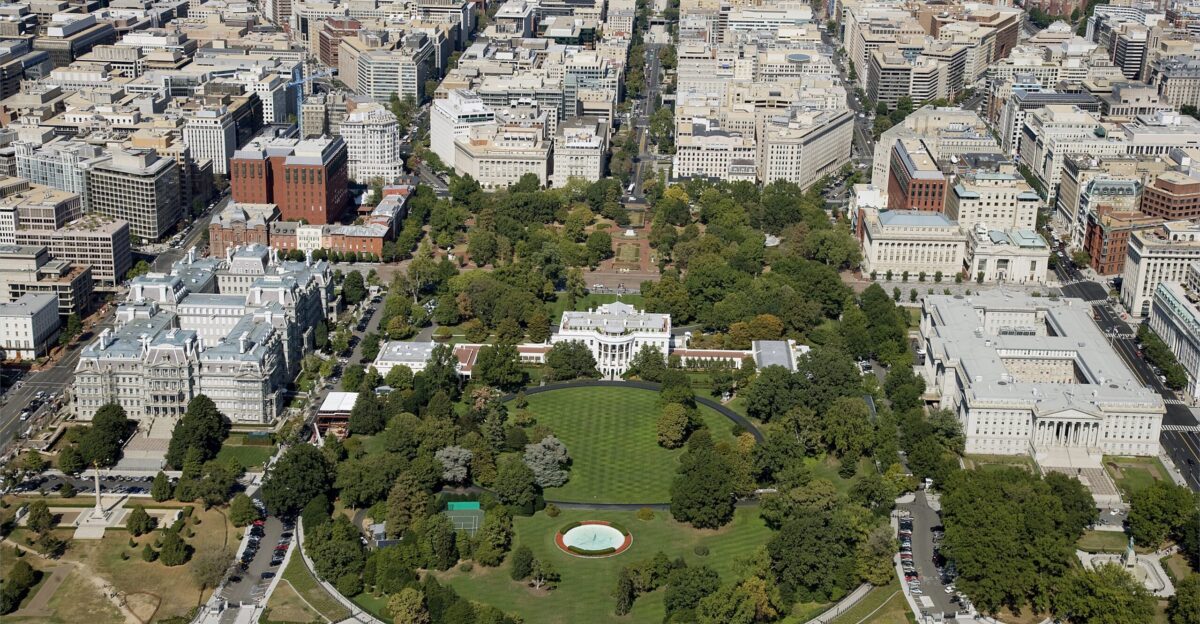
The White House plans to refill the CFA with appointees aligned with Trump’s “America First” policies, potentially reshaping design standards across the capital. The administration says it will submit ballroom plans to the National Capital Planning Commission, but with the CFA sidelined, it remains unclear who will enforce traditional design standards. The outcome of legal challenges and the selection of new commissioners will determine whether historic checks are restored or permanently weakened.
As the dust settles, the nation faces a pivotal choice: whether to prioritize modernization and executive authority or uphold the traditions and transparency that have long defined its most iconic residence. The stakes extend beyond architecture, touching on questions of governance, heritage, and the future of American symbols.