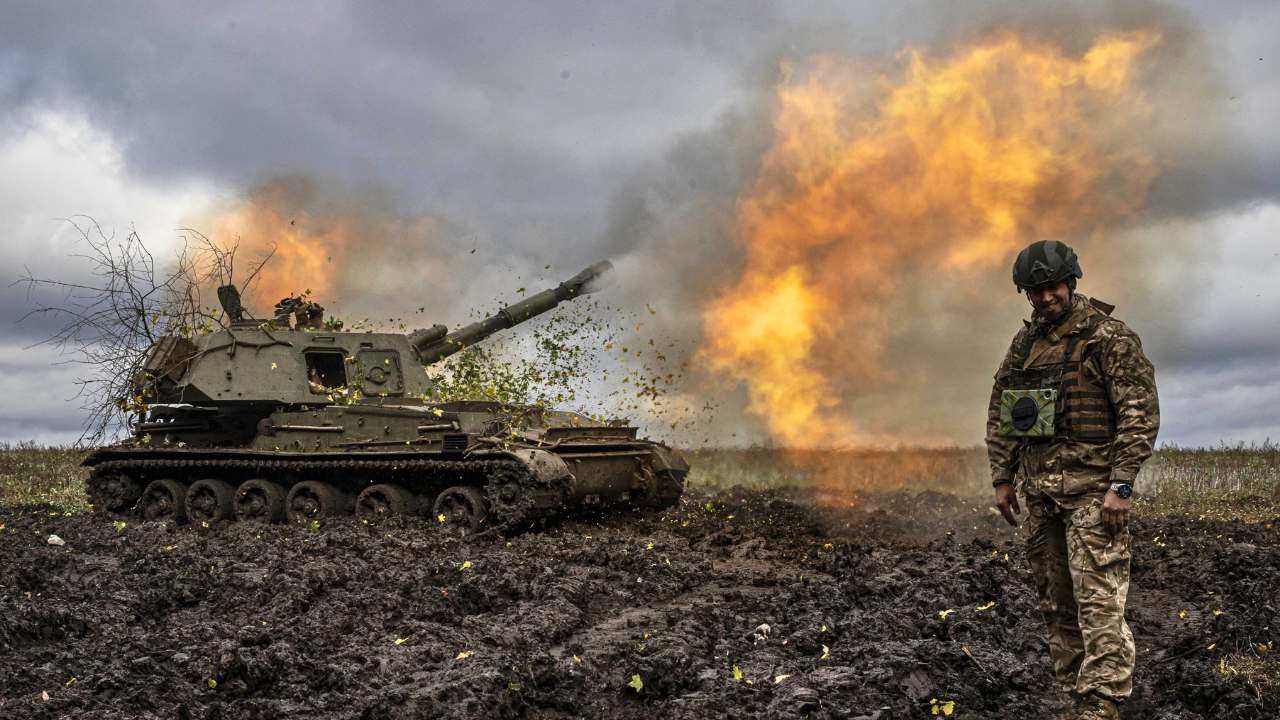
Since Russia’s full-scale invasion in 2022, Ukraine has rapidly transformed its civilian industries into a formidable domestic weapons sector, producing millions of drones and missiles that now strike deep into Russian territory. This unprecedented shift—powered by both necessity and ingenuity—has not only changed the course of the war but also redefined the nature of modern conflict.
Forging a Homegrown Arsenal
Ukraine’s war effort is marked by the creative repurposing of its workforce and industries. Skilled artisans such as jewelers and manicurists, once focused on delicate civilian crafts, now assemble precision electronics for drones and missiles. This grassroots mobilization has enabled Ukraine to maintain a steady output of advanced weaponry, even as traditional supply chains remain vulnerable to disruption.
Production is highly decentralized, with small workshops scattered across the country. This not only enhances operational security but also ensures resilience against targeted strikes. The result is a “DIY war economy” that sustains Ukraine’s asymmetric campaign and reduces reliance on foreign components.
Technological Edge and Strategic Reach
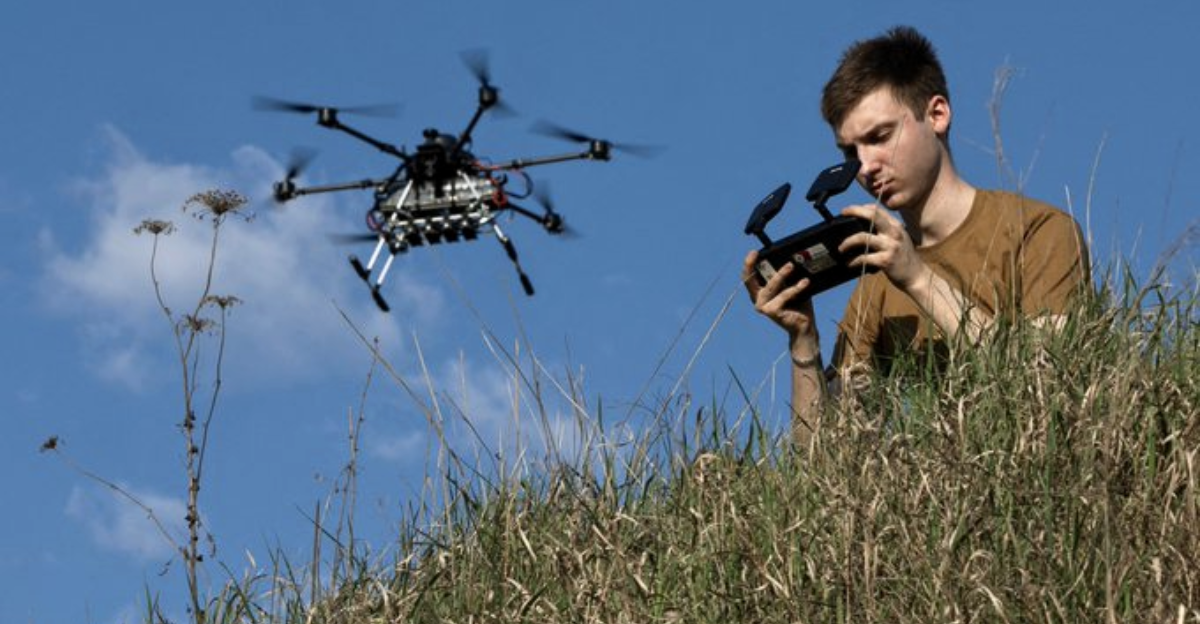
Among Ukraine’s most notable innovations are the Fire Point drone, capable of flying 1,400 kilometers for up to seven hours, and the Flamingo cruise missile, which boasts a 3,000-kilometer range. These systems allow Ukrainian forces to strike critical Russian infrastructure—including oil refineries, terminals, and pipeline nodes—far beyond the front lines. According to military analyst Dr. Kateryna Stepanenko, “Ukraine’s ability to hit targets deep inside Russia forces Moscow to stretch its air defenses thin, creating persistent vulnerabilities.”
Nightly, Ukraine launches dozens of strikes, averaging 30 to 50 attacks per night and totaling over 1,000 monthly. Since August, these attacks have damaged or disrupted 16 of Russia’s 38 refineries—about 42% of national capacity—along with major oil terminals and pipeline hubs. The campaign has compromised more than 20% of Russia’s refining capacity, leading to fuel shortages, export restrictions, and even the closure of gas stations in major cities.
Economic Warfare and Global Ripples
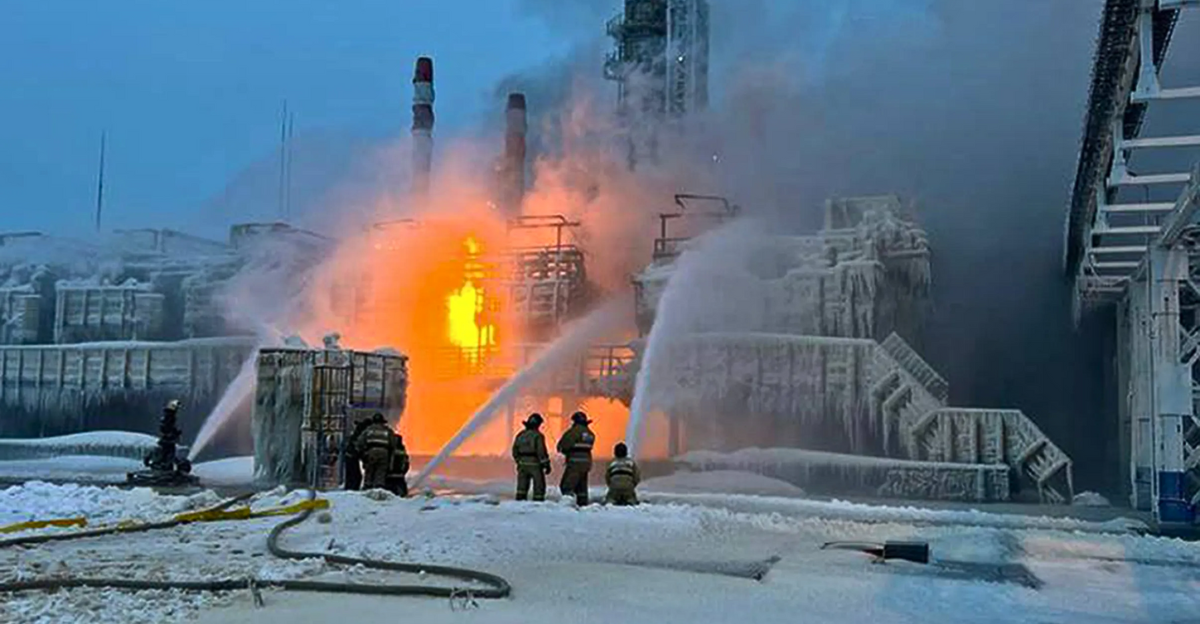
The impact on Russia’s oil exports has been severe. With over a million barrels per day offline, Russia’s export levels have dropped to their lowest since the war began. The Kremlin has responded by imposing bans on refined fuel exports, a move that has affected both the Russian elite and ordinary citizens. Gas stations across major Russian cities, including in the St. Petersburg region, have experienced shortages and long lines reminiscent of the Soviet-era fuel crises.
Ukraine’s strategy exemplifies a new form of economic attrition warfare, targeting infrastructure and revenue streams rather than seeking mass casualties. By choking off fuel supplies and revenue, Ukraine aims to undermine Russia’s ability to sustain both its military and civilian economies. This approach is echoed in other conflicts, such as the use of drone strikes on oil facilities in the Middle East, but Ukraine’s campaign stands out for its scale and technological sophistication.
International Support and Escalating Stakes
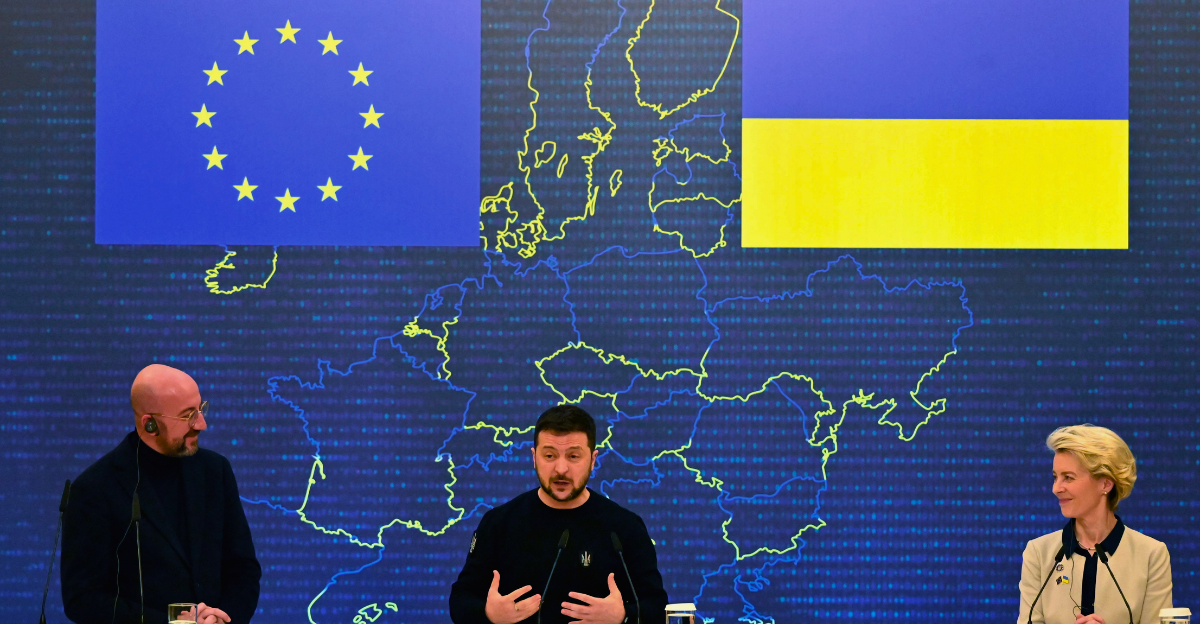
European support has been crucial to Ukraine’s drone program. Germany, Sweden, and the EU’s “Drone Alliance” have collectively contributed approximately €8 billion, reflecting a strategic interest in weakening Russia’s military by targeting its energy infrastructure. The Baltic states have also moved to restrict Russia’s use of uninsured “shadow fleet” tankers, further tightening the economic noose.
This multinational backing not only provides funding but also intelligence and technical expertise, setting a precedent for future conflicts where economic infrastructure becomes a primary target. “The EU’s coordinated response demonstrates how alliances can shape the battlefield far from the front lines,” said Dr. Stepanenko.
Maritime Innovation and the Human Factor
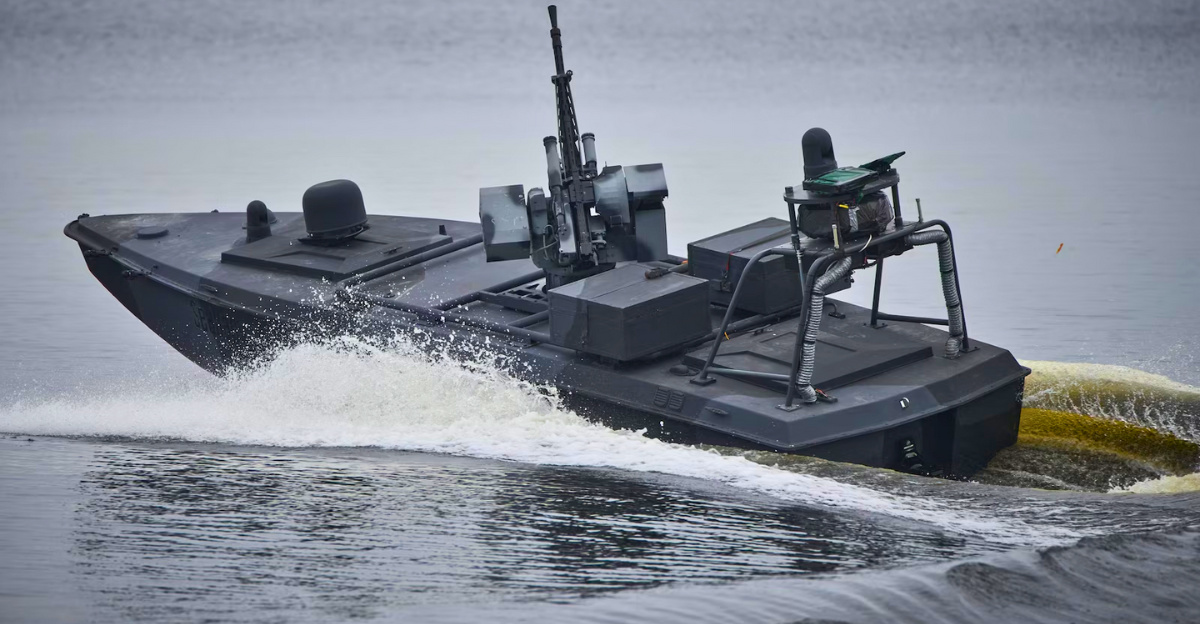
Ukraine’s use of sea drones has shifted the balance in the Black Sea, forcing Russian warships away from the coast and disrupting both military and commercial shipping. These low-cost, high-impact systems mirror the success of land-based drones and highlight Ukraine’s capacity for strategic denial.
Yet, the focus on infrastructure over direct human targets raises ethical and strategic questions. While this approach reduces battlefield casualties, it indirectly affects civilians through shortages and economic hardship. Ukrainian drone production workers have expressed awareness of both the military necessity and the broader human consequences of their work.
Looking Ahead: The Future of Economic Warfare
Ukraine’s relentless campaign has starved Russia’s war machine of fuel and funds, but the window of opportunity may be closing as Russia invests in new air defenses and countermeasures. Sustaining the pressure will require ongoing innovation in drone technology and electronic warfare.
Globally, the disruption of Russian oil exports has contributed to volatility in energy markets, with potential inflationary effects reaching far beyond Europe. The conflict’s evolution signals a new era in which wars are fought as much in factories and pipelines as on battlefields—where the ability to disrupt an enemy’s economy may prove as decisive as any territorial gain.