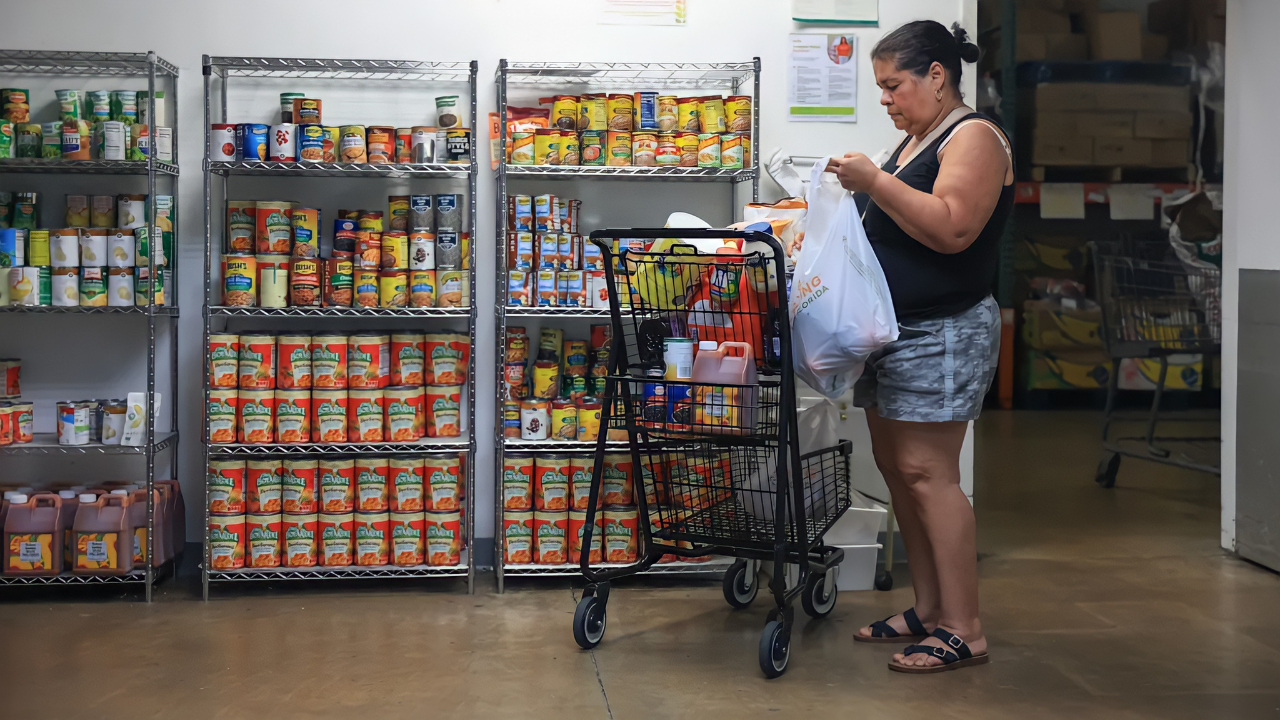
On November 1, 2025, Alabama’s food assistance system ground to a halt. The U.S. Department of Agriculture (USDA) froze all Supplemental Nutrition Assistance Program (SNAP) payments in the state, abruptly cutting off $140 million in monthly aid. Overnight, more than 750,000 Alabamians—about 15% of the state’s population—lost access to benefits that help put food on the table. The sudden cutoff, triggered by a federal government shutdown, sent shockwaves through families, businesses, and communities across Alabama.
Federal Shutdown Triggers Statewide SNAP Freeze
The crisis began with the federal government shutdown on October 1. By late October, Alabama’s Department of Human Resources (DHR) received word from the USDA’s Food and Nutrition Service: without emergency funding, November SNAP benefits would be suspended. The announcement left local officials scrambling for answers. Alabama DHR continued processing applications and determining eligibility, but no benefits would be issued until the suspension is lifted.
The impact was immediate. Households that rely on SNAP—primarily low-income families, seniors, and children—were left without a safety net. Food pantries across the state braced for a surge in demand, warning that many families might be forced to skip meals or go hungry until benefits resume.
Economic Effects Hit Grocers and Rural Communities
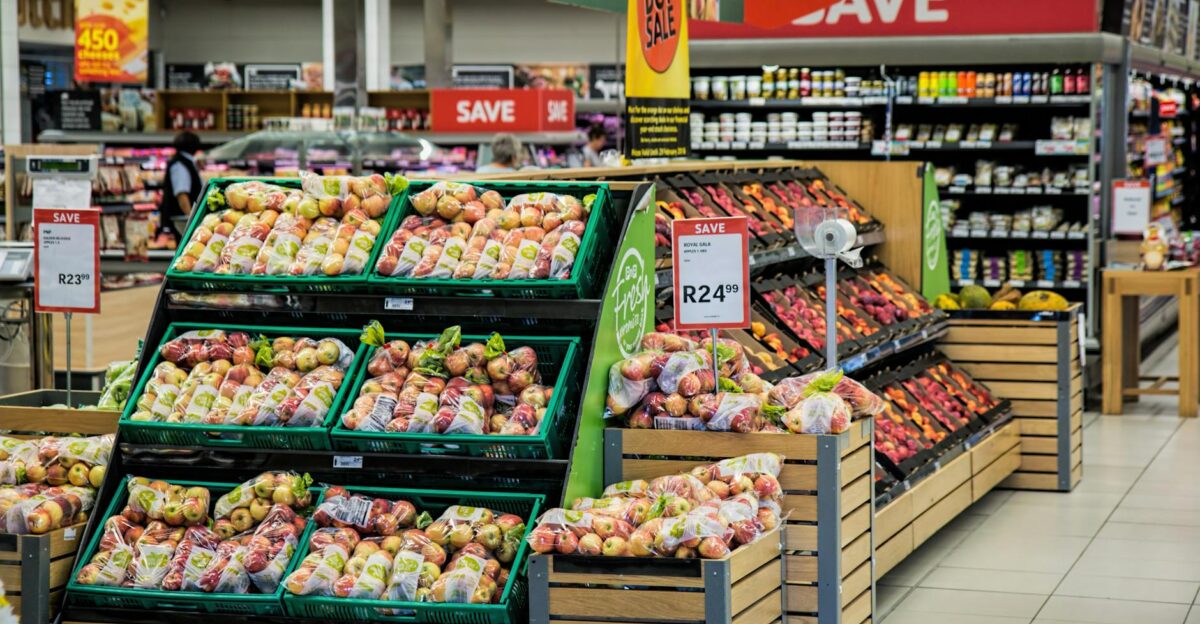
The SNAP freeze did not just affect families; it sent shockwaves through Alabama’s food economy. According to the Alabama Grocers Association, every SNAP dollar spent generates about $1.50 in local economic activity and supports 7,800 grocery jobs and $350 million in wages statewide. The halt could mean the loss of $1.7 billion in federal funds and a $2.55 billion blow to the state’s economy.
Rural grocery stores, often the only food source in their communities, are especially vulnerable. Grocery stores in rural counties depend for up to forty percent of their revenue from SNAP dollars, with eighteen rural Alabama counties reportedly at risk of losing grocery stores if SNAP benefits are cut. The threat of layoffs and closures looms large, particularly in counties where more than 40% of residents depend on SNAP.
Retailers and Restaurants Scramble to Adapt

With SNAP funds gone, grocery stores, fast-food outlets, and convenience retailers are scrambling to adapt. Many are rolling out cash-only specials or discounts to retain customers. Some chains are expanding online ordering and delivery to attract non-EBT shoppers, while others are partnering with food pantries and churches to keep shelves moving.
Restaurants in SNAP-dependent neighborhoods are introducing budget menus and meal deals to attract cash-strapped families. Still, industry insiders warn that reduced foot traffic could force cutbacks in hours or staffing if the suspension drags on.
Food Banks and Charities Struggle to Fill the Gap
Charities and food banks have stepped in to help, but their resources are stretched thin. Laura Lester, the CEO of Feeding Alabama, described the suspension as an “unprecedented disaster,” comparable to the aftermath of a hurricane spread across the entire country. “We always try to explain to folks that for every nine meals that SNAP provides, [food banks] provide one,” Lester said. “SNAP is the most effective and efficient way to feed folks. Anytime there’s even a slight change in SNAP, we see a huge increase in demand at our food banks.”
The strain is not unique to Alabama. Nationwide, nearly 42 million Americans are expected to lose SNAP benefits in November due to the shutdown. The cascading effect threatens food producers, shippers, and retailers across the country, highlighting the fragility of the nation’s food safety net.
Political Pressure and the Path Forward

State officials have made it clear that Alabama lacks the funds to fill the gap. Governor Kay Ivey’s office stated, “The state does not have extra money to do Congress’s job,” urging federal lawmakers to resolve the impasse. Both Democratic and Republican lawmakers have called for action, with some urging the use of reserve funds to keep families fed.
The crisis has reignited debate over the role and cost of food aid programs. “Programs like SNAP and WIC are lifelines for working families, seniors, children, and people with disabilities,” said Ellie Taylor, CEO of the Alabama Grocers Association. She stressed that these programs not only prevent hunger but also underpin local economies.
Uncertainty and Urgency

As Alabama waits for a resolution in Washington, the stakes remain high. Health experts warn that gaps in food access can worsen chronic conditions and increase health risks, especially for vulnerable populations. Discount chains and dollar stores may see more business, but rural grocers face existential threats.
For now, DHR urges families to check EBT balances, continue recertification, and seek help from local food banks. “SNAP benefits are 100% federally funded; therefore USDA (FNS) controls the issuance of these benefits on EBT cards,” said Alabama DHR Commissioner Nancy Buckner. “We know SNAP benefits are vitally important to the more than 750,000 Alabamians who depend on the more than $140 million in support each month. Alabama DHR, along with many others, hopes Congress will come to a quick resolution on the federal government shutdown.”
The only real fix, state leaders insist, is ending the federal shutdown and restoring SNAP funding. The crisis has exposed vulnerabilities in the food supply chain and social safety net, leaving businesses and families hoping for swift action—and a return to stability.