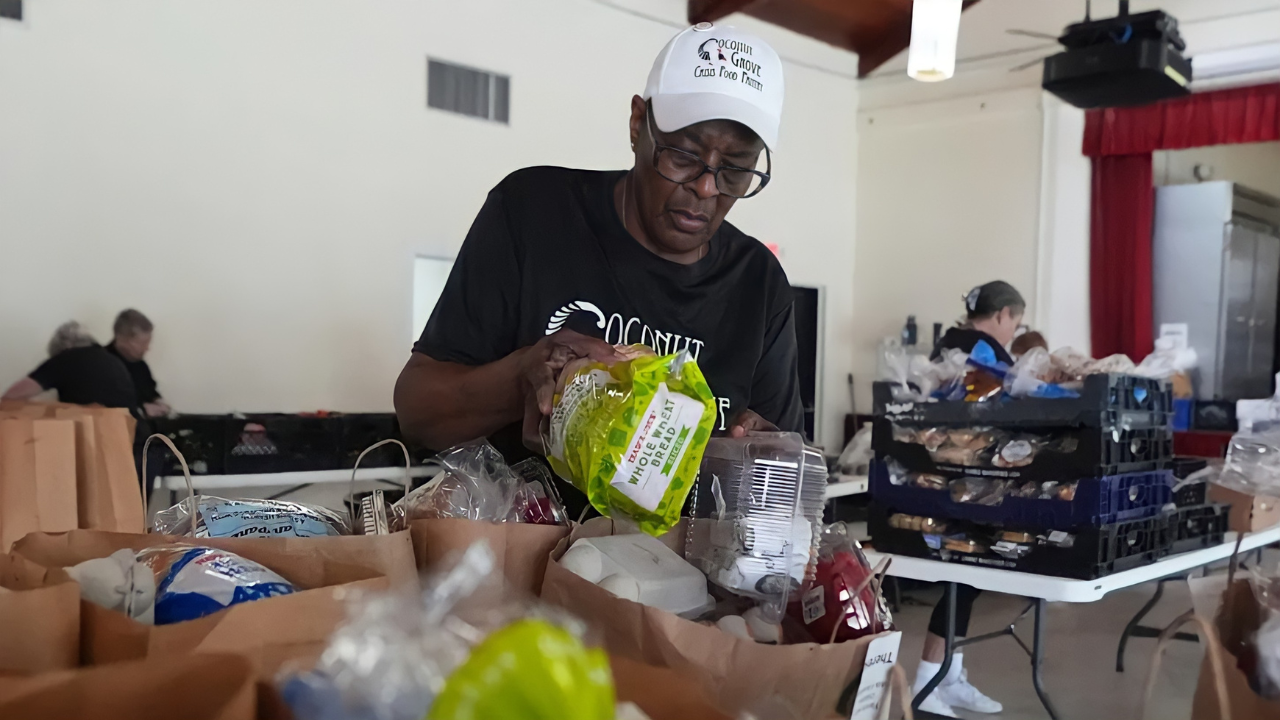
On November 1, 2025, the USDA halted all SNAP payments in Alabama, freezing roughly $140 million in food assistance. Over 750,000 residents—about 15% of the state’s population—lost benefits overnight.
This sudden cutoff was triggered by the federal shutdown, leaving families and local economies on edge as the aid evaporated.
Federal Shutdown Forces SNAP Cutoff
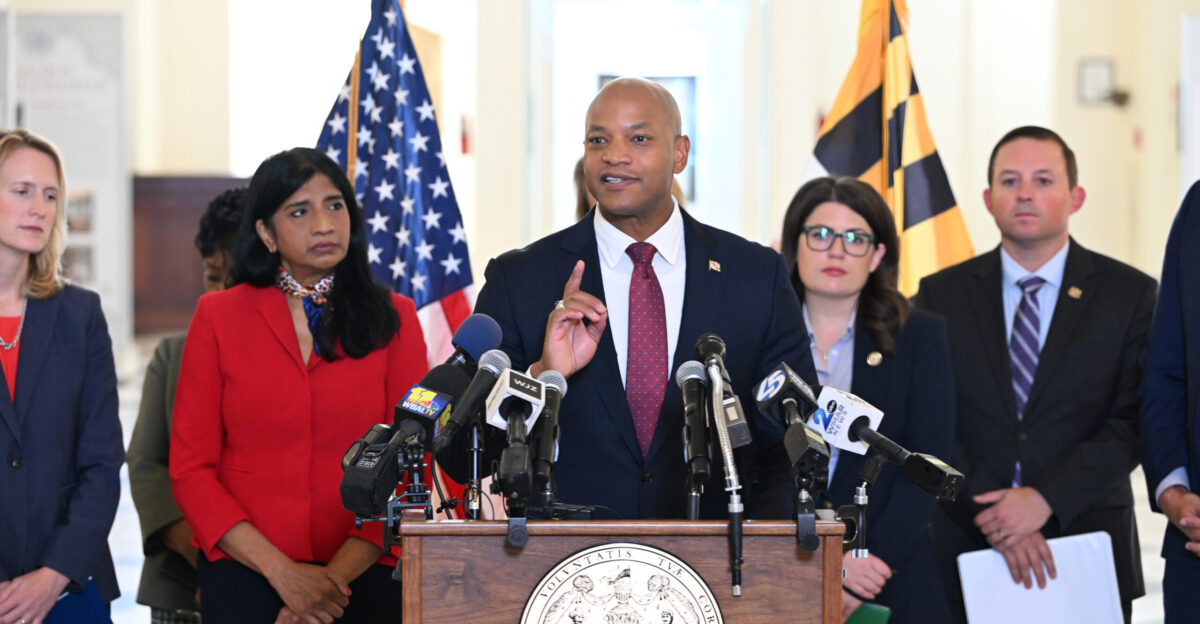
The direct cause was the government shutdown (Oct. 1, 2025). On Oct. 24, Alabama’s DHR announced it received guidance from USDA-FNS to suspend all November SNAP allotments.
With no emergency funding in place, Alabama had to halt SNAP distributions effective Nov. 1, catching state agencies and communities by surprise.
Hundreds of Thousands Face Hunger

More than 750,000 Alabamians rely on SNAP each month to put groceries on the table. Roughly 15% of the population (primarily low-income families, seniors, and children) suddenly faced food insecurity.
Food pantries statewide began preparing for unprecedented demand, warning that many families might “skip meals” or go hungry until benefits resume.
Grocery Industry Warns of Collapse
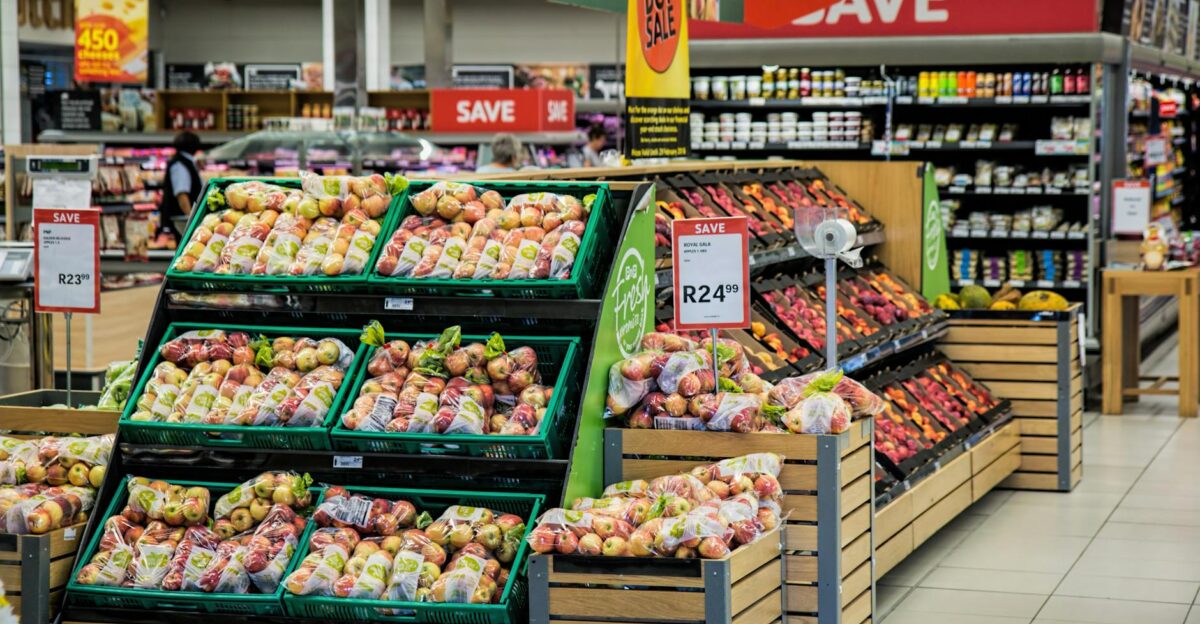
Industry leaders sounded the alarm. The Alabama Grocers Association notes SNAP spending generates about $1.50 in local economic activity per dollar and supports 7,800 grocery jobs and $350 million in wages statewide.
They estimate a full SNAP halt could forfeit ~$1.7 billion in federal funds, resulting in a $2.55 billion local economic loss. Rural markets, often sole food sources for communities, face a real risk of closures under these cuts.
Fast-Food and Convenience Retailers Reeling

With SNAP funds gone, restaurants and corner stores that accept EBT cards brace for steep sales drops. Many such outlets are rolling out cash-only specials or discounts to retain customers as EBT purchases vanish.
This shift could change consumer habits, with chains in low-income neighborhoods expecting substantial revenue declines in November.
Food Banks Struggle to Fill the Void

Charities stepped in, but warned of limits. Feeding Alabama and local pantries reported immediate surges in demand. DHR’s SNAP director, Brandon Hardin, noted “food banks cannot cover the $142 million monthly cost” of assistance.
He urged families to continue SNAP paperwork and seek church or nonprofit support, but acknowledged these agencies alone can’t replace the lost SNAP aid.
Nationwide Impact
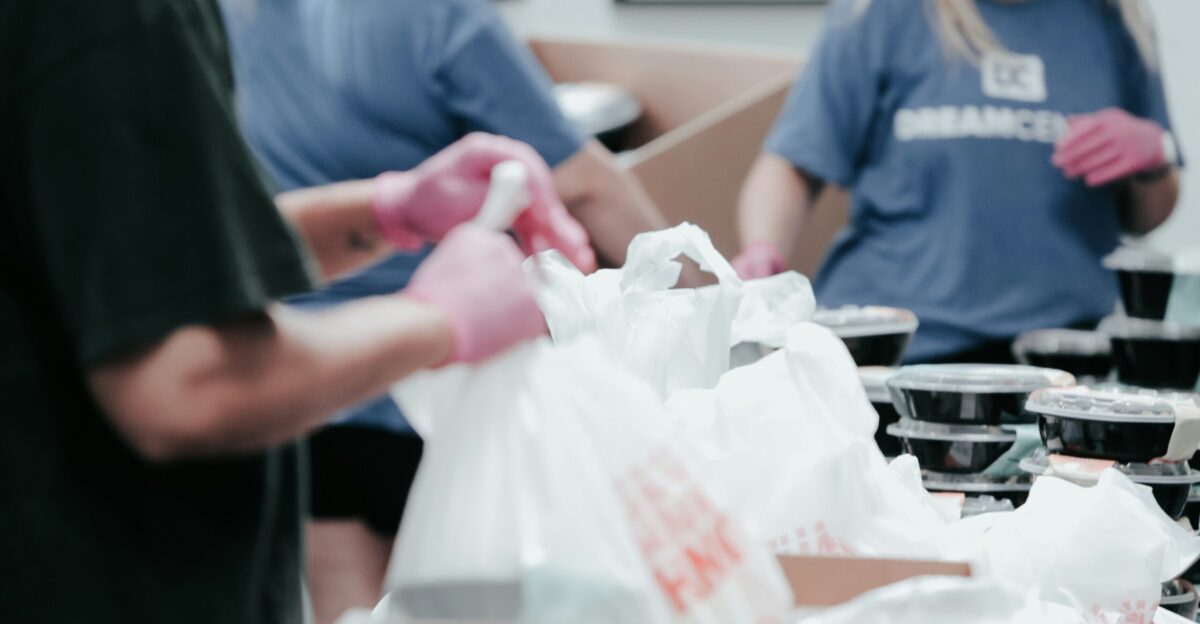
Alabama’s crisis mirrors a broader national emergency. Nearly 42 million Americans will lose SNAP benefits in November due to the shutdown.
That staggering number underscores how this local freeze is part of a cascading effect across federal food assistance, threatening demand for food producers and shippers nationwide as well as here at home.
Local Shopkeeper Feels the Squeeze

Jimmy Wright runs an independent grocery in Opelika, where roughly 35% of sales come from SNAP customers. “It could have a huge impact on our business,” he says.
Wright’s store is not alone: statewide, SNAP purchases sustain thousands of food retail jobs and millions in income. A prolonged pause could force layoffs or even closures of local markets.
State Officials Press Congress for Relief

Governor Ivey’s team confirmed Alabama lacks spare funds to backfill SNAP. Her office noted “the state does not have extra money to do Congress’s job”, urging federal leaders to resolve the impasse.
Meanwhile, lawmakers from both parties have called for action. Senate Democrats warned halting SNAP for 750,000 households is “devastating”, and some urged tapping reserve funds to keep families fed.
Rural Economies Tighten

The SNAP halt tightens the squeeze on rural communities. In some counties, over 40% of residents rely on food stamps. Each SNAP dollar normally circulates ~$1.50 in local commerce; without that injection, grocery sales will slump, and layoffs could follow.
This threatens to exacerbate existing inflation and employment woes in areas already vulnerable to food access gaps.
Grocers Pivot to Survive

Retailers are scrambling with new strategies. Many are expanding online ordering and delivery to tap non-EBT shoppers, while others promote in-store discounts on staple goods. Some Alabama chains are partnering with food pantries or churches to keep shelves moving.
These adaptive moves aim to offset lost SNAP revenue and maintain customer flow amid the credit freeze.
Restaurants and Bars Adapt Menus

Area eateries are bracing for fewer diners with less disposable income. A few chains have introduced cheaper meal deals or loyalty offers to attract cash-strapped families. Locally owned restaurants in SNAP-dependent neighborhoods plan limited-time budget menus.
However, industry insiders warn that the reduced foot traffic could still mean cutbacks to hours or staffing if the SNAP suspension drags on.
Farms and Food Suppliers Feel Strain

Wholesalers, distributors, and farmers are next in line for impact. Alabama food suppliers expect order volumes to dip as retailers tighten inventory. Across the supply chain, companies may see revenue slips: trucks once loaded with snack packs or produce are now partially empty.
While no one yet reports layoffs, industry associations caution that sustained sales drops could slow hiring or expansion in the state’s agribusiness and logistics sectors.
National Alarm Over Food Aid Shutdown

The Alabama SNAP freeze is sounding alarms beyond state lines. National news outlets highlight that shutdown-fed lapses threaten federal food programs elsewhere. As Reuters points out, a broad interruption imperils millions’ access to nutrition.
Analysts say this episode reveals the fragility of social safety nets even in wealthy countries—and policymakers globally are watching to see how quickly disruptions can ripple into broader food insecurity.
Nutrition and Health Risks Rise

Health experts warn the crisis could degrade diets. Families without SNAP may skip fruits and vegetables for cheaper processed foods or go hungry. A Northwestern University economist cautions that even brief gaps in food access can worsen chronic conditions.
“People can die” from short-term hunger, notes Lindsay Allen, especially those with diabetes, hypertension or kidney disease who rely on steady nutrition to stay healthy.
SNAP Debate Resumes Amid Crisis

The freeze has reignited debate over food aid. Advocates insist SNAP (and WIC) are “lifelines” for vulnerable Americans. As Alabama Grocers CEO Ellie Taylor says, “Programs like SNAP and WIC are lifelines for working families, seniors, children, and people with disabilities”.
She stresses that these programs prevent hunger and underpin local economies. Critics still question program costs, but most agree that restoring SNAP is now urgent to prevent deepening hunger.
Winners, Losers Emerge

Economic shifts are already evident. Discount chains and dollar stores predict higher footfall as families seek value.
In contrast, rural grocers in places like Wilcox and Perry Counties face existential threats: Jim Wright notes rural SNAP-dependent stores will be “the first to go” and then “we will have an ungodly issue with food access”.
Investors Eye Grocery Sector Cautiously

Financial markets are taking note. Analysts warn that prolonged SNAP cuts could depress grocery stock prices, especially for regional chains with large low-income customer bases.
Some investors are reportedly shifting their outlook on Alabama food retail, anticipating lower Q4 earnings. This cautious sentiment could dampen broader consumer-sector investment if SNAP interruptions linger.
Advice for Families

Alabama DHR urges residents to carefully plan. Households should check EBT balances now and use any remaining November benefits, since funds stay valid for nine months.
Crucially, recipients must continue all normal recertification and reporting steps so that benefits can resume immediately once funding returns. DHR also directs people to Feeding Alabama and local food banks for supplemental support.
Road to Recovery Hinges on Shutdown End
State leaders insist the only real fix is ending the shutdown. The Grocers Association’s Taylor emphasizes that fully funding SNAP is “not just a moral responsibility—it’s an economic necessity”.
Alabama’s SNAP crisis has exposed vulnerabilities in the food supply chain and social safety net. Policymakers say lessons must be learned to build more resilient aid systems, as businesses and families alike await a swift resolution and a return to normalcy.