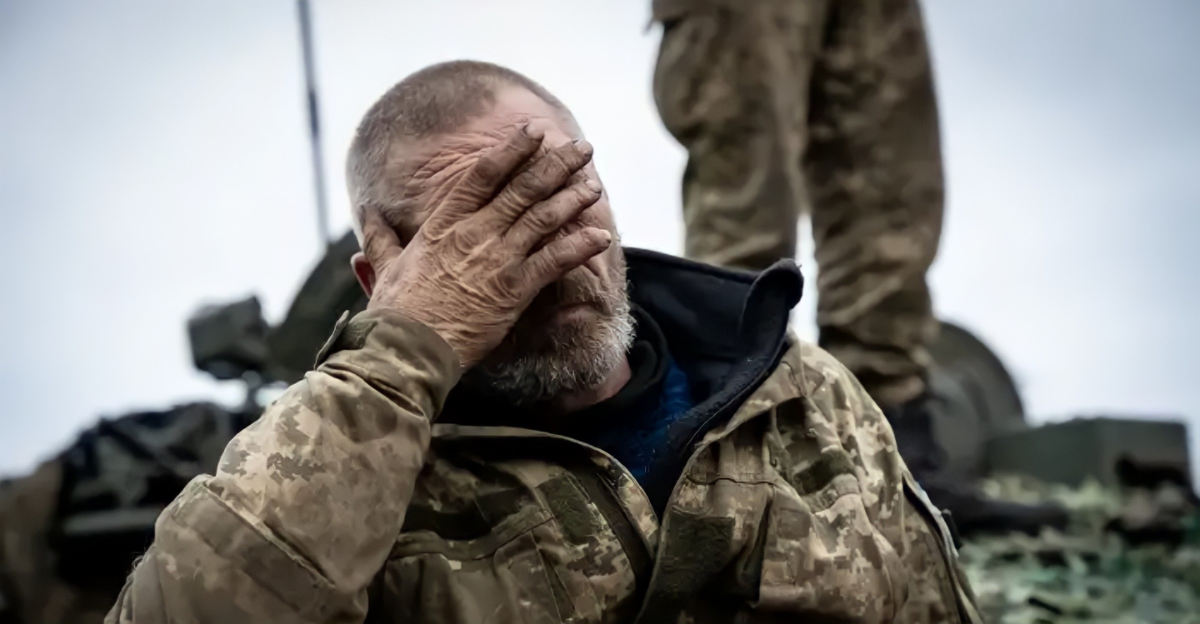
Recently, something unusual has been unfolding inside Russian armed forces. News from numerous intelligence sources points to an unprecedented shift inx troop numbers, with large numbers of personnel vanishing from their posts.
Even though desertion is not unheard of in military records, the current figures have puzzled analysts. Governments, military professionals, and even soldiers’ relatives are looking for answers.
Is this the start of a deeper crisis within Russia’s ranks, or just a momentary disruption? When pieced together, the details paint a picture not witnessed since some of the most tumultuous chapters of the 20th century.
Early Signs of Strain
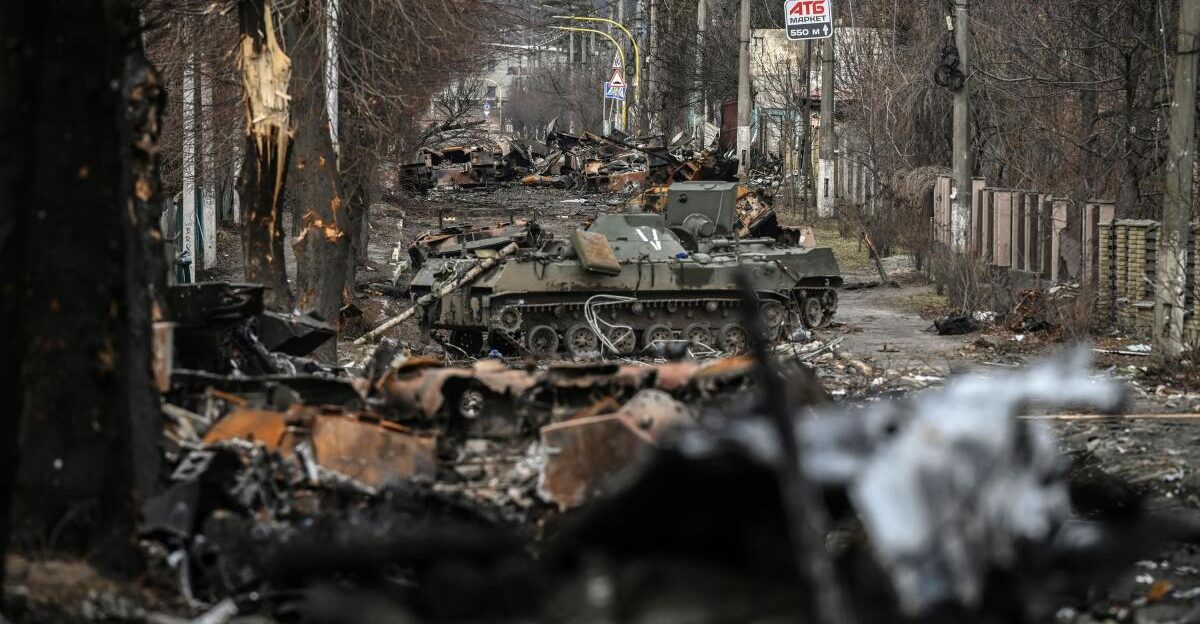
Some time before reports surfaced, indications of rising dissatisfaction were clear. Communications from the front lines demonstrated low overall morale and frustration.
Supply deficiencies, unclear mission goals, and extended deployments contributed to the unease. Onlookers commented that these early signals rarely make news until they escalate into more visible actions like mass withdrawals.
The Context of a Long War
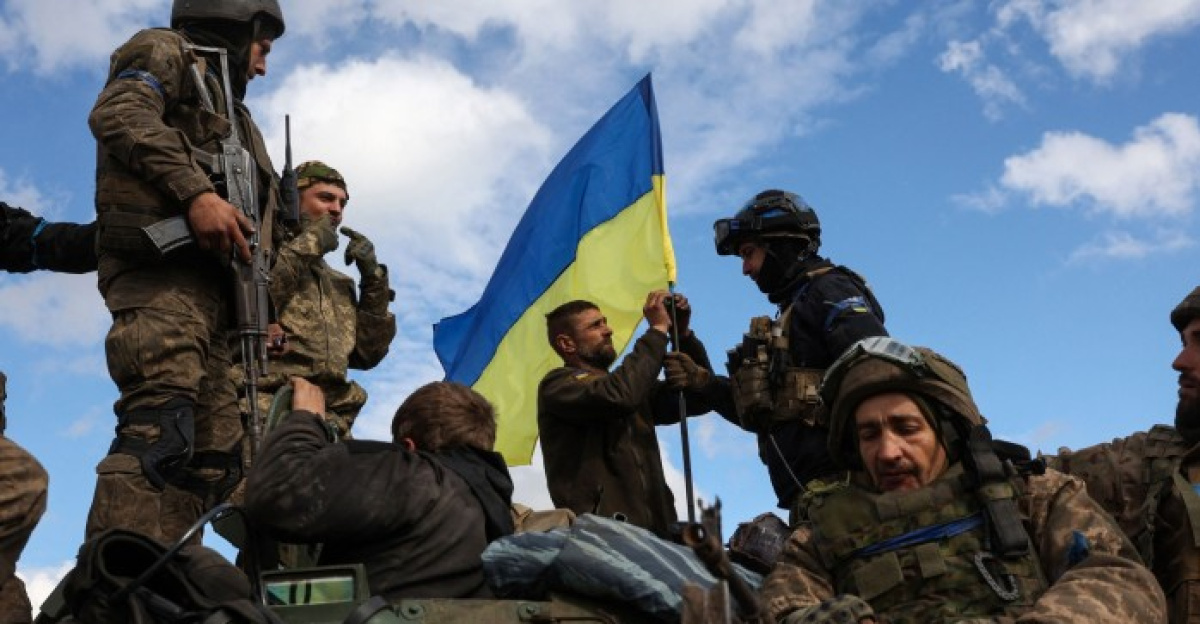
The war in Ukraine, initiated in 2022, was first framed by the Kremlin as a quick, decisive campaign. But it has dragged on for years, depleting resources and patience on both ends.
Russian troops have been turned through high-intensity war zones with almost no rest, making fertile ground for frustration and fatigue.
A Breaking Point Emerges
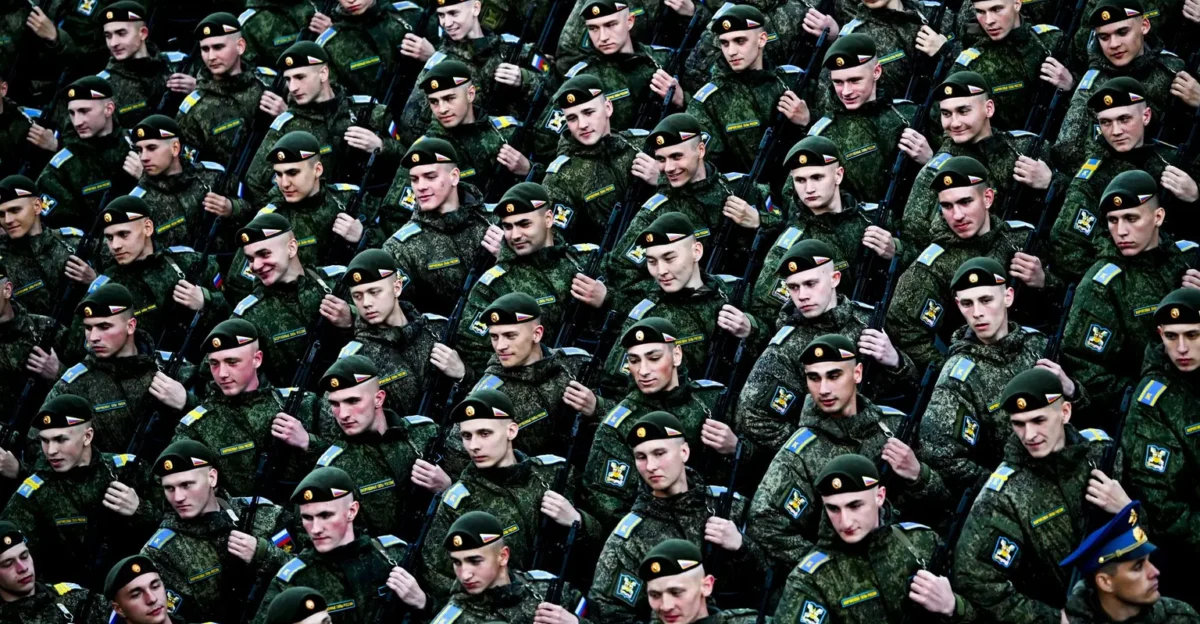
By mid-2024, news of small-scale desertions became more regular. At first, these were particular cases or small groups slipping away.
But over time, the numbers began rising, hinting that the problem was no longer isolated: it was systemic.
The Largest Desertion Wave Since WWII
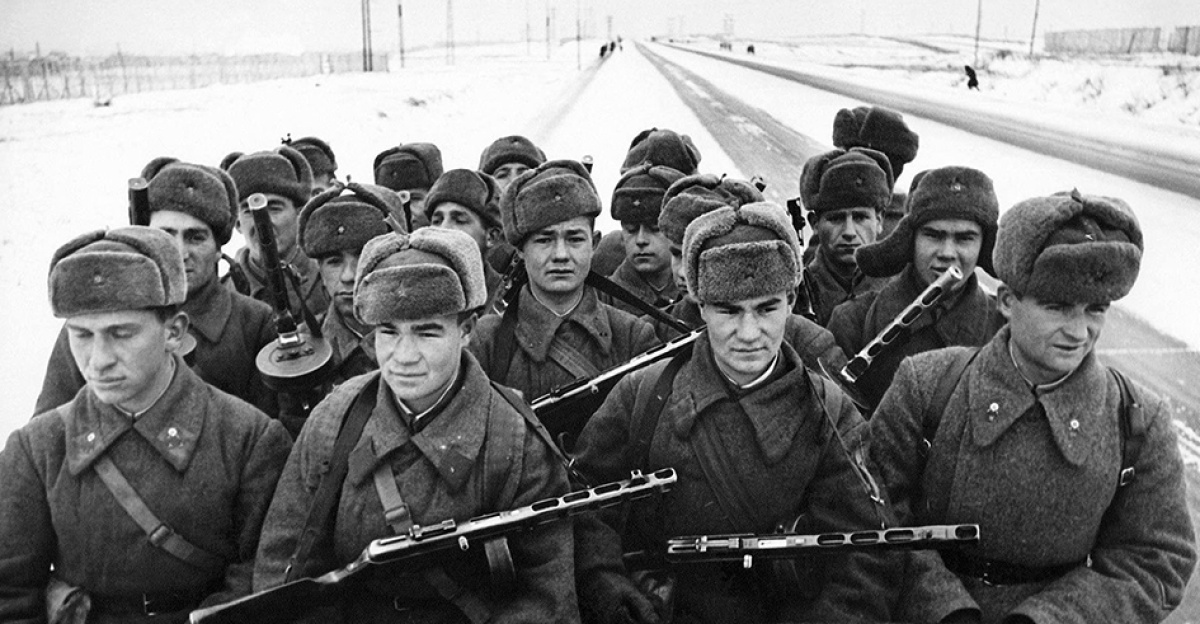
Recent intelligence suggests that approximately 20% of Russian forces, tens of thousands of soldiers, have disappeared from active duty in a short period.
The comparison to World War II is not casual; such a scale of desertion in a modern military is practically unheard of.
Units Abandoning Positions
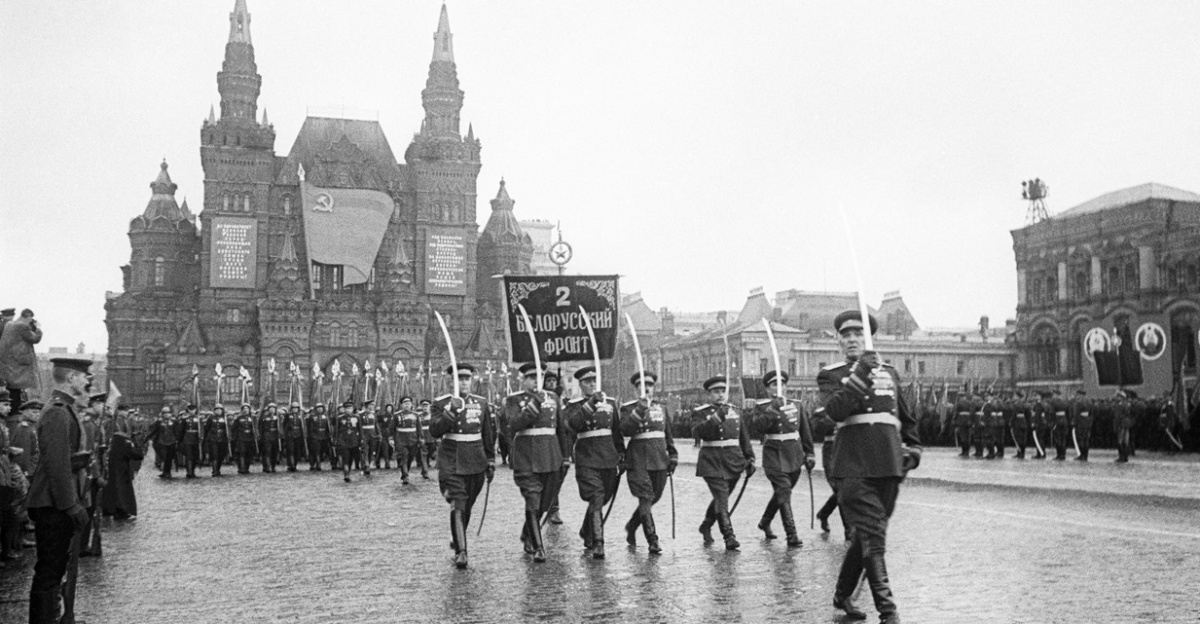
Some of the most shocking reports describe entire regiments withdrawing. In a particular case, more than 1,000 soldiers from the 20th Guards Motor Rifle Division exited their posts in Volgograd, forming gaps along specific operational lines.
Conflicting Numbers
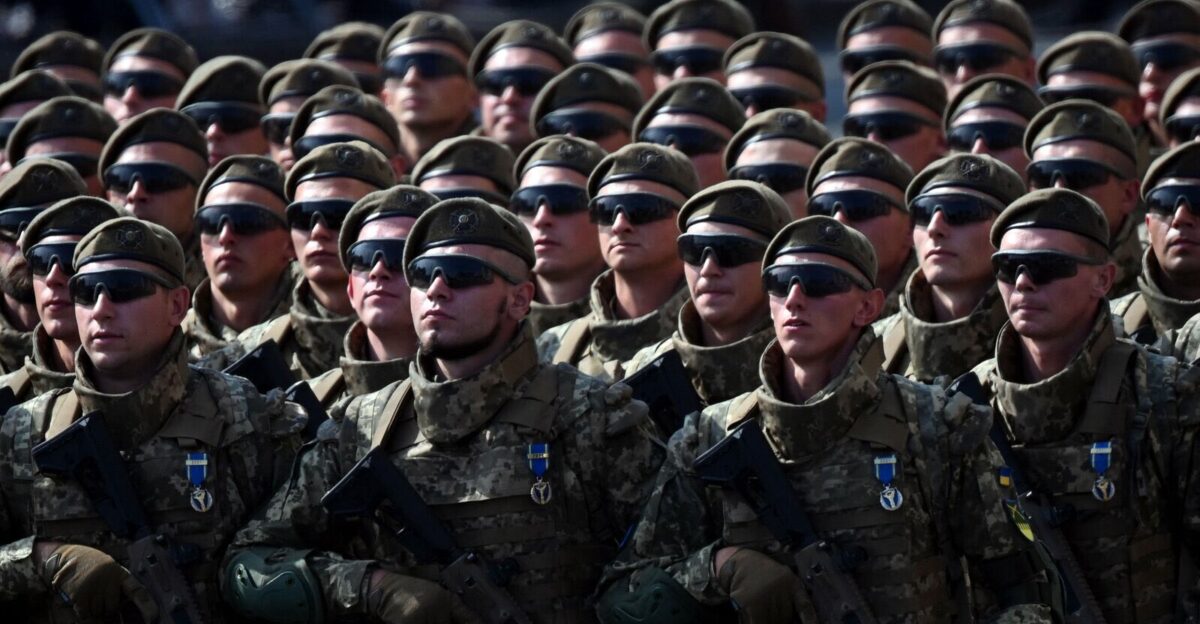
Precise figures are hard to confirm. Ukrainian sources point that as many as 18,000 soldiers deserted by July 2024 alone.
Russian official statements stay silent on specifics, and independent estimates vary widely due to the issue’s secrecy.
The Kremlin’s Official Stance
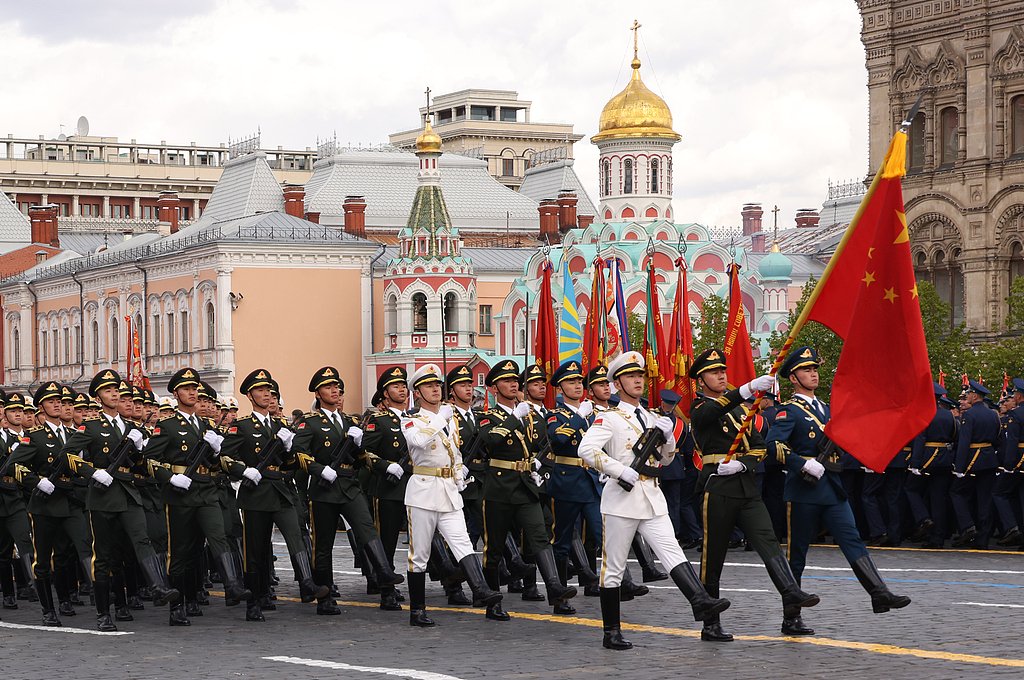
Moscow has not openly acknowledged a desertion problem. Public statements claim that operations are moving as planned, with troop morale “stable.” Analysts suggest this is meant to project strength and avoid signaling weakness domestically and internationally.
The Role of War Fatigue
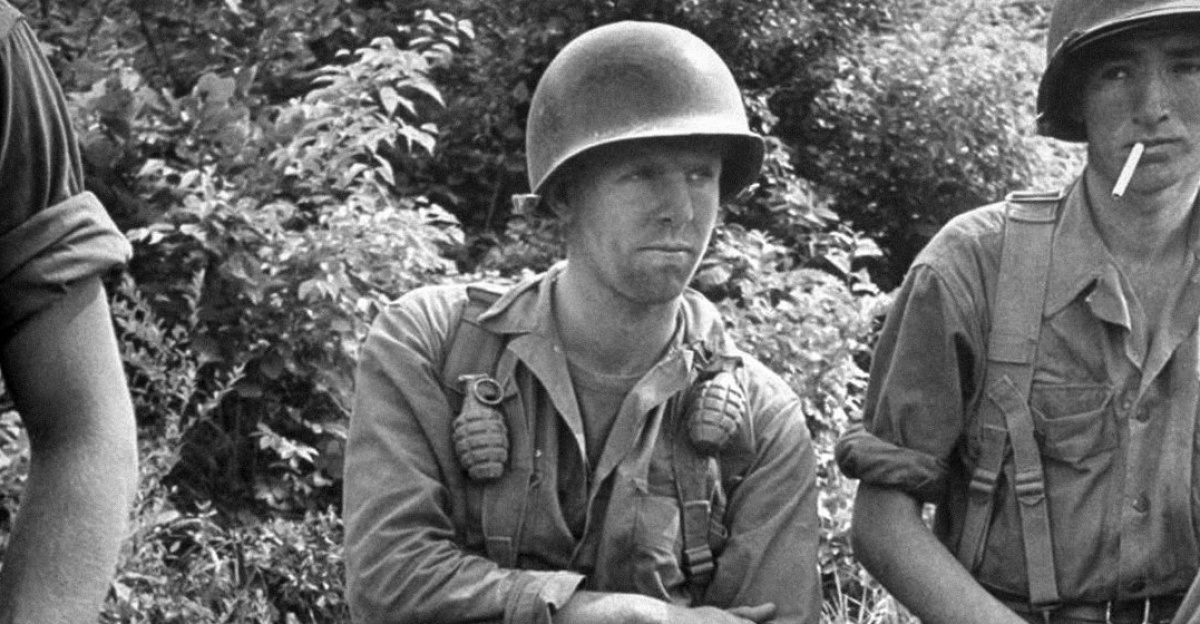
Many experts note War fatigue as the immediate driver. Years of fighting, heavy casualties, and no clear finish line in sight have built up. Soldiers have declared physical and mental exhaustion and diminishing trust in leaders.
Casualty Figures
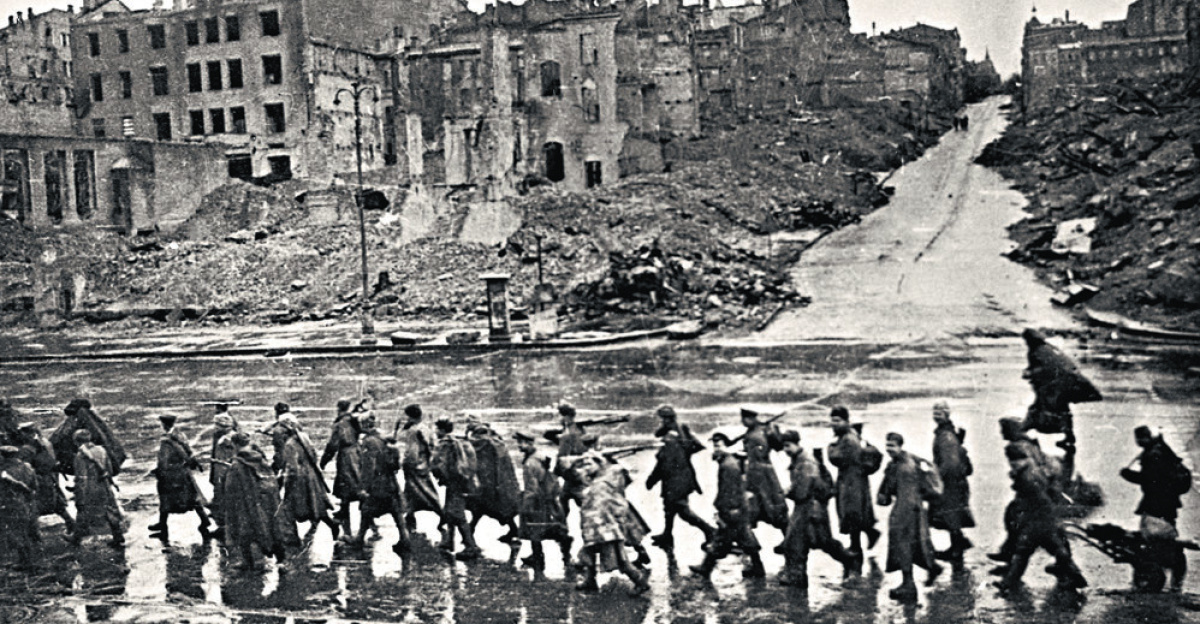
Ukrainian officers count combined Russian military deaths and injuries at over 780,000 since the beginning of the conflict.
While these figures cannot be verified accurately, they point to the human cost of the war and the pressure on the troops that remain.
Suppressed Information
Journalists note that Russian commanders frequently avoid reporting desertions to authorities as they fear repercussions.
This makes accurate tracking almost unattainable and causes problems to persist without formal acknowledgment.
Life After Desertion
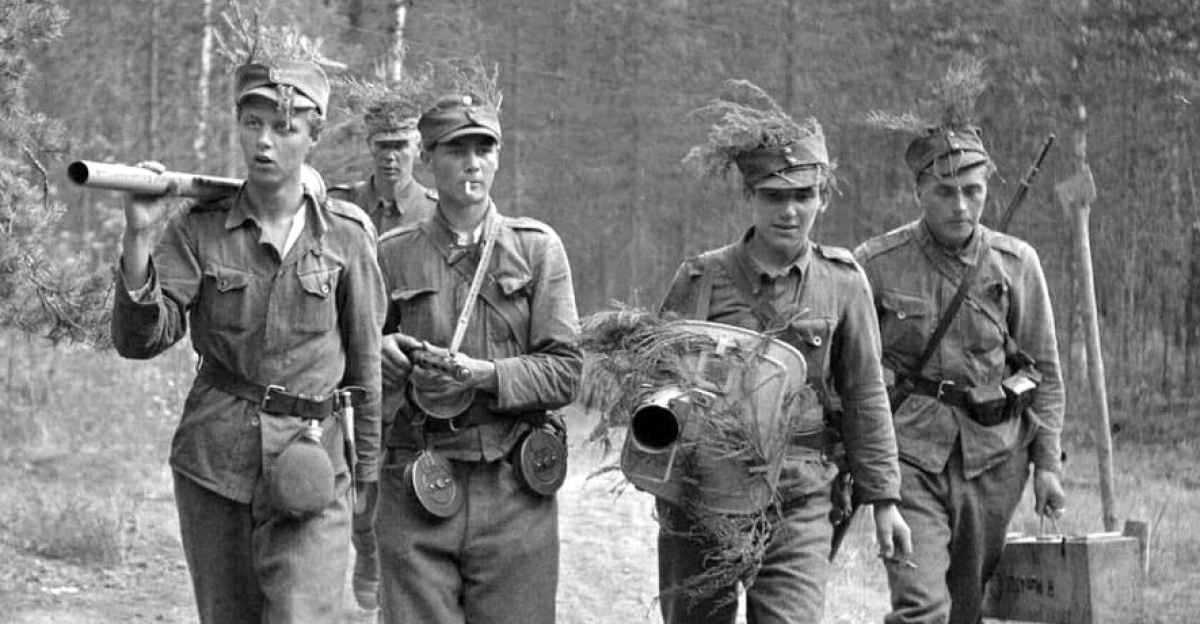
For soldiers who abandon their posts, survival is about staying unnoticed. Some manage to traverse borders into nearby, neighbouring countries, while others try to vanish within the country of Russia. The press is rarely notified, as many fear retaliation or legal consequences.
Legal Penalties for Desertion
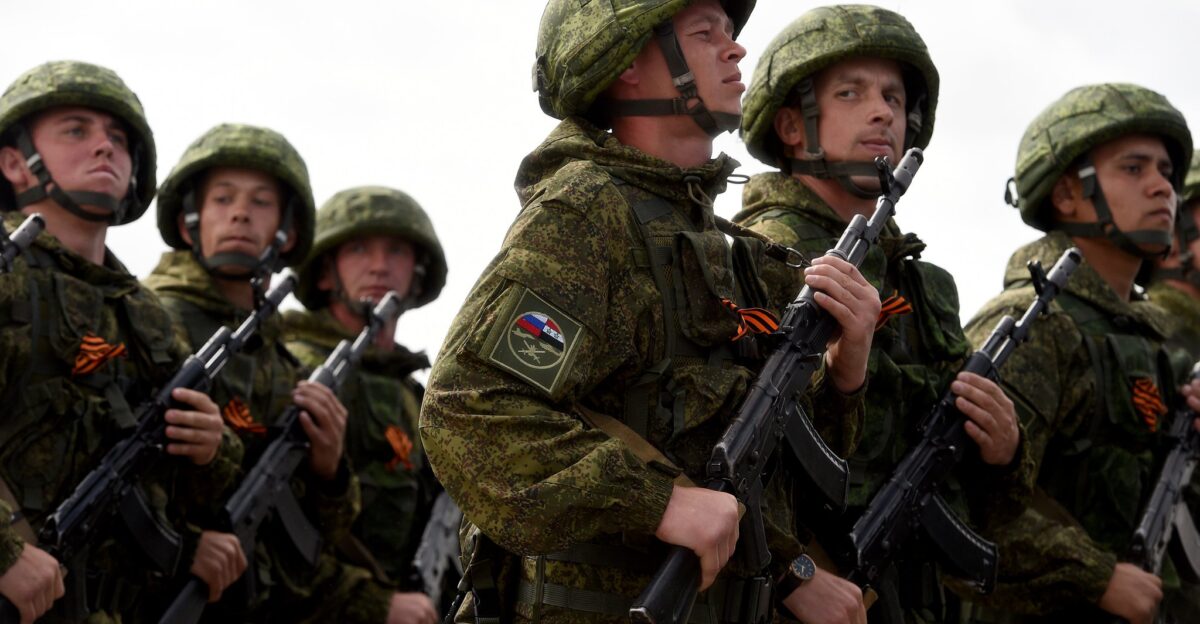
Under Russian law, desertion during wartime can carry sentences of up to 15 years in prison. This legal risk pushes many deserters into hiding, further complicating attempts to document their numbers and stories.
Comparisons with Historical Precedents
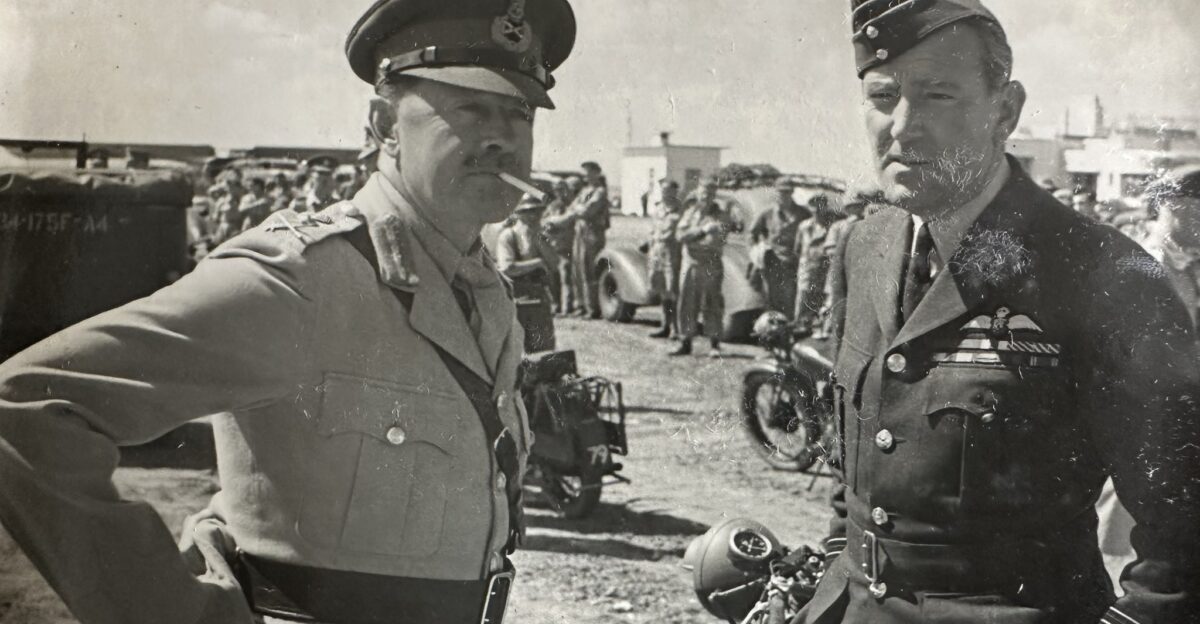
Military historians state that large-scale desertions have historically occurred during prolonged wars with unclear outcomes. In World War II, Soviet and German armies saw desertions spike during intense, drawn-out campaigns.
Impact on Military Operations
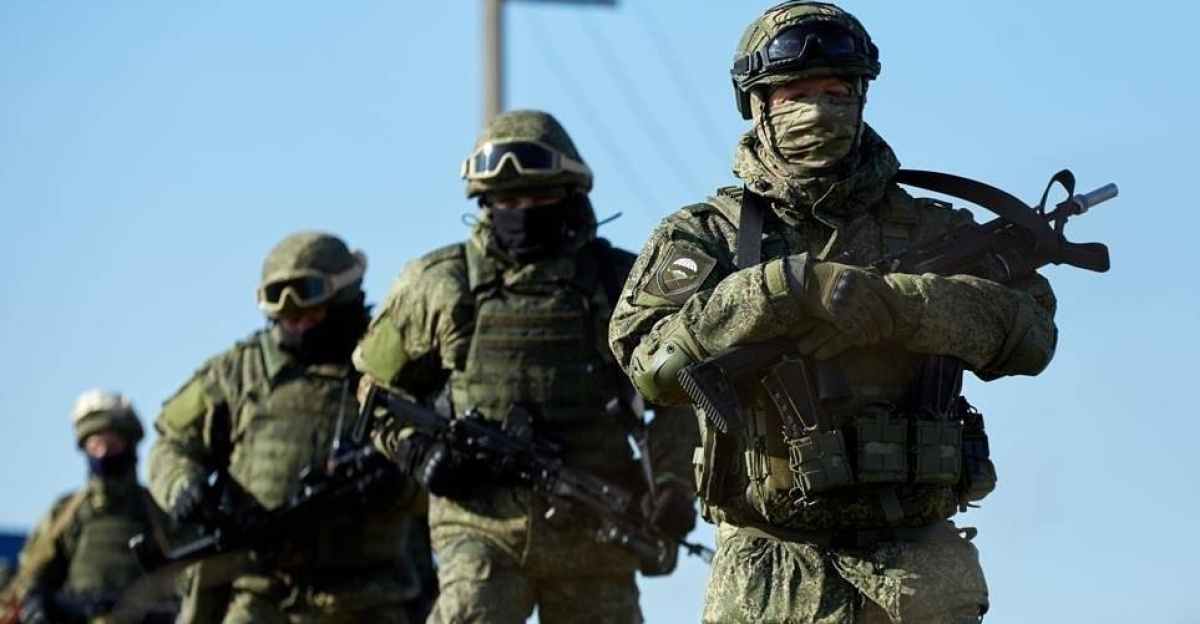
A sudden reduction of forces on the scale reported could dilute front-line positions and push commanders to consolidate troops. This can create exposures and limit the capacity to launch or maintain offensives.
Public Opinion Shifts
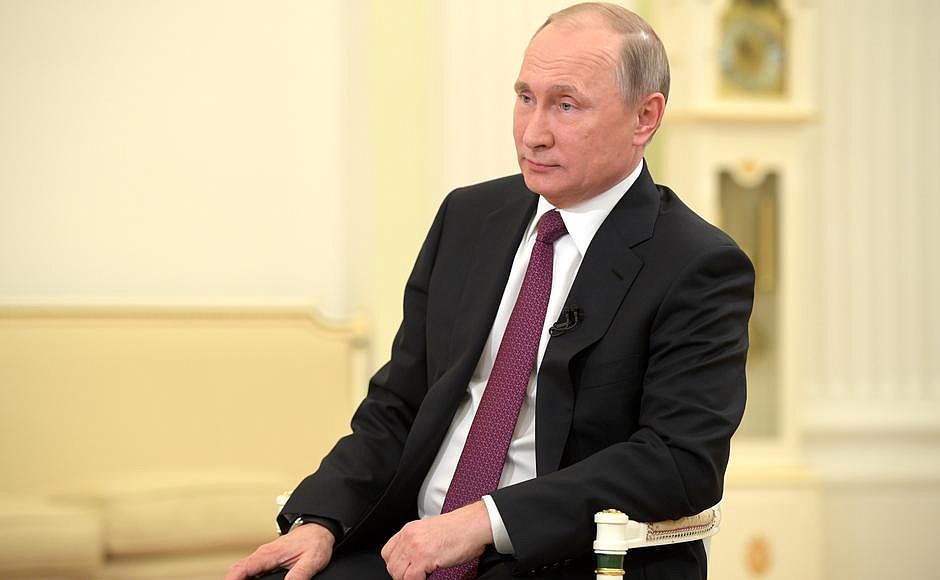
While Putin has held strong approval ratings for years, surveys, where available, suggest some erosion of public support for the war. Extended conflict, economic strain, and high casualty counts have increased skepticism.
Ukraine’s Perspective
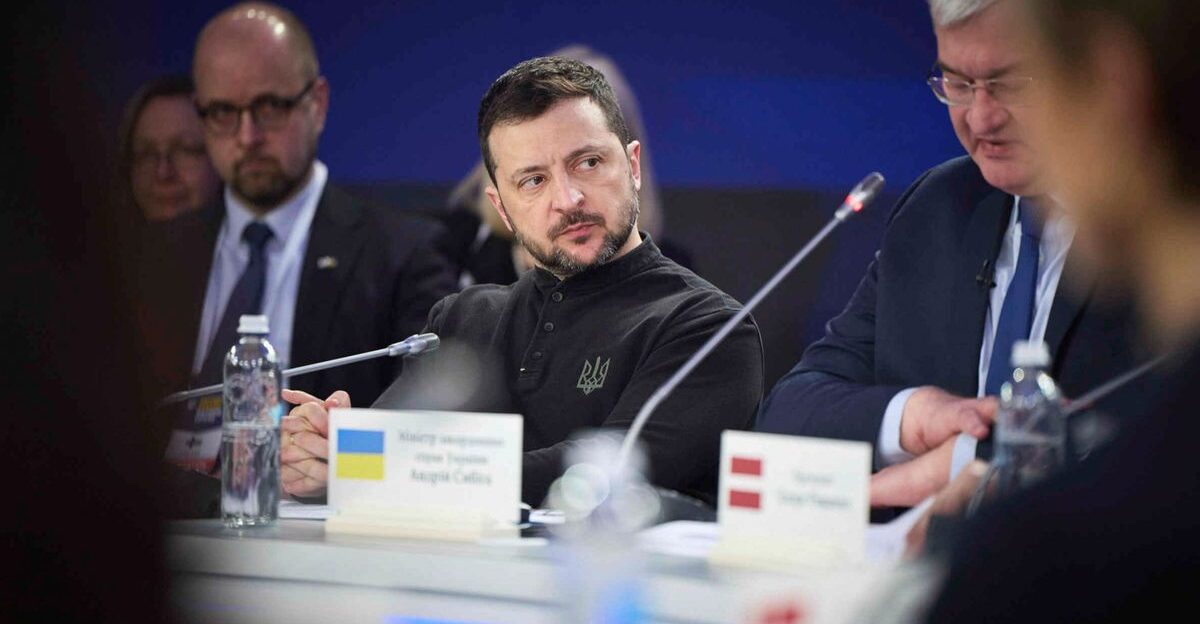
From Kyiv’s point of view, reports of Russian desertions signal a potential weakening of their opponent’s willpower.
However, Ukrainian officials remain cautious, noting that Russia still has substantial workforce reserves and can mobilize more troops.
International Reactions
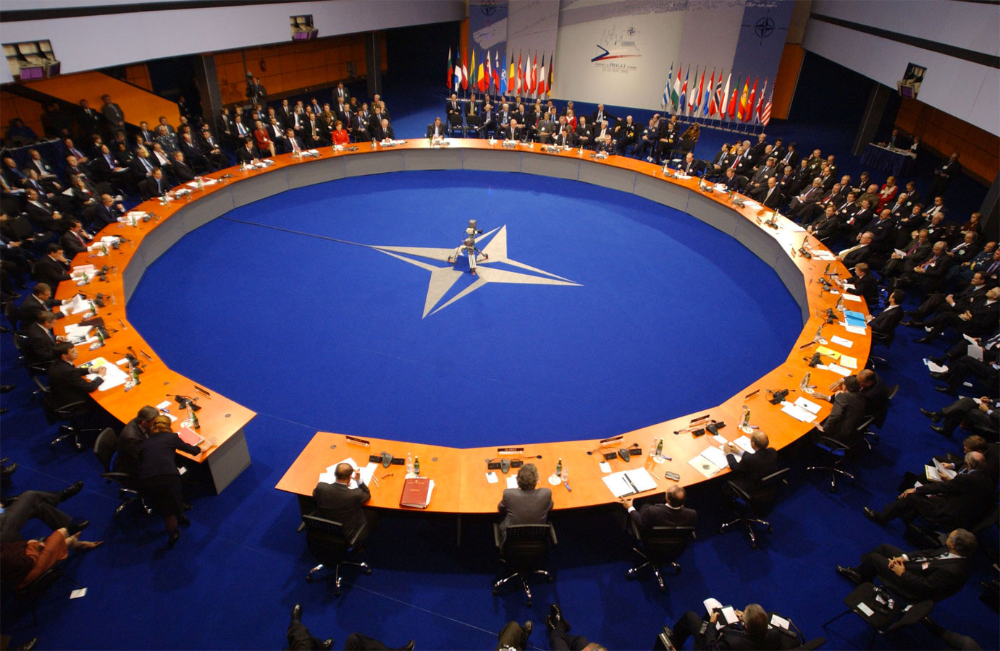
Governments and military experts are observing closely. If confirmed, such a significant desertion rate could shift strategic estimates in the conflict and influence international support dynamics for both sides.
Possible Next Steps
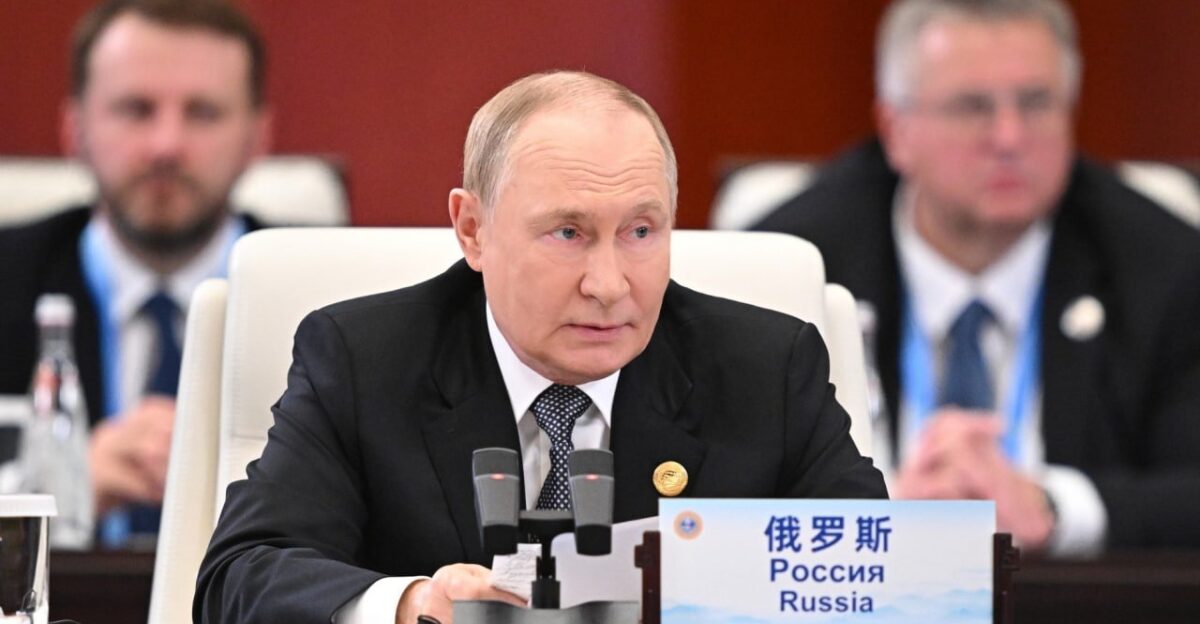
The Kremlin may react by advancing recruitment efforts, offering incentives for enlistment, or imposing stricter discipline measures. Given the scale of discontent reported, how practical these will be remains uncertain.
An Unfolding Story
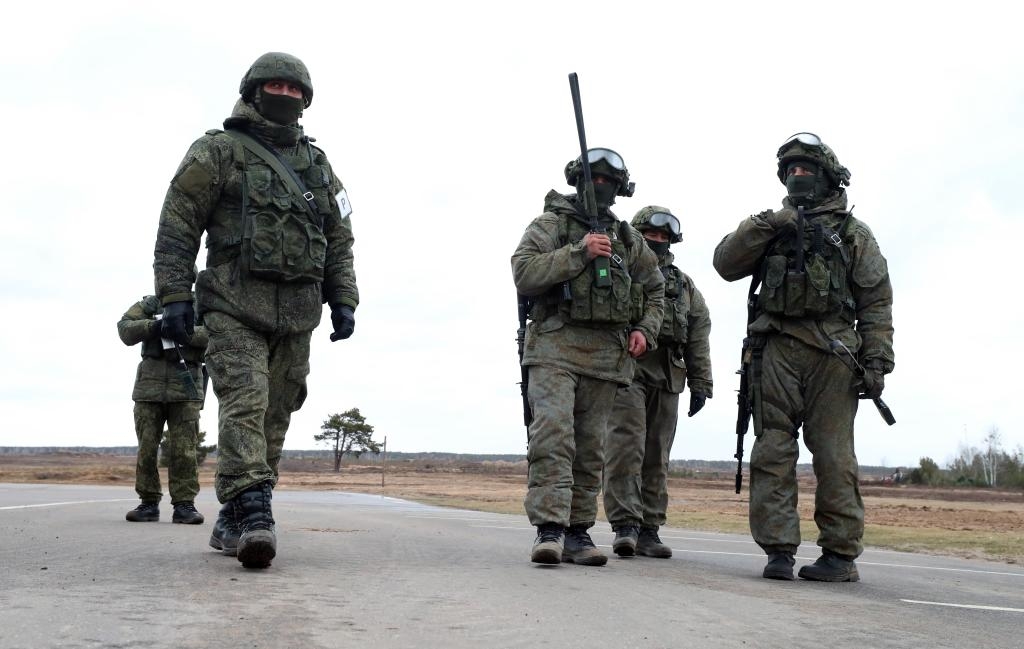
It is unclear whether this is a broader collapse in troop morale or a temporary spike. For the time being, the sudden disappearance of 20% of Russian troops is still one of the most consequential developments in the war so far.