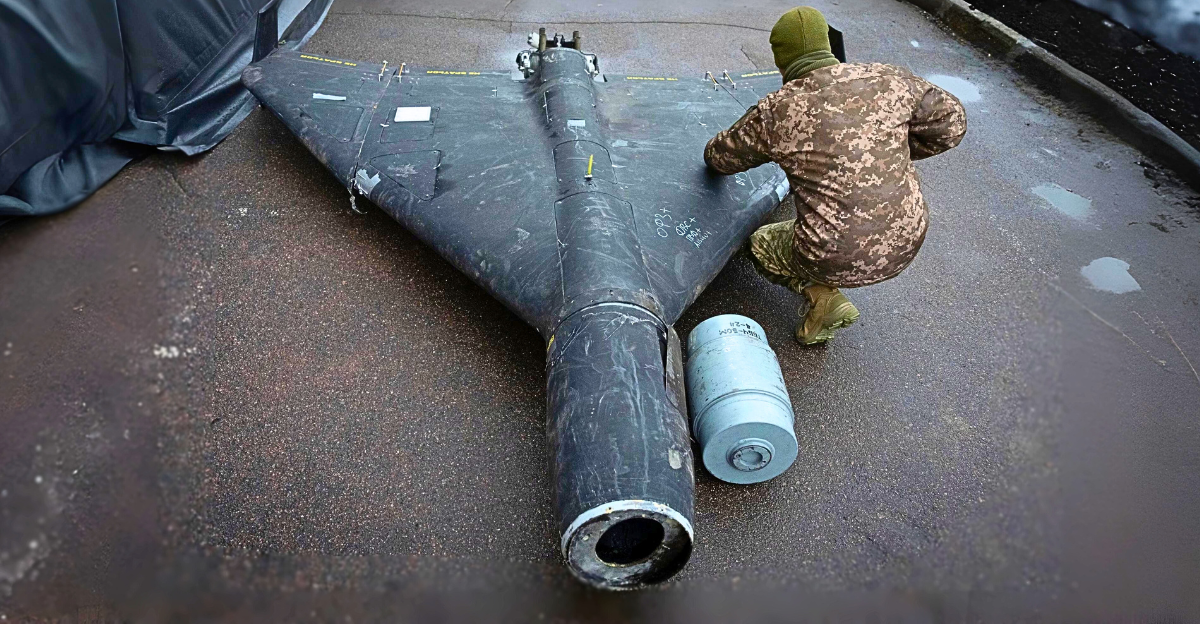
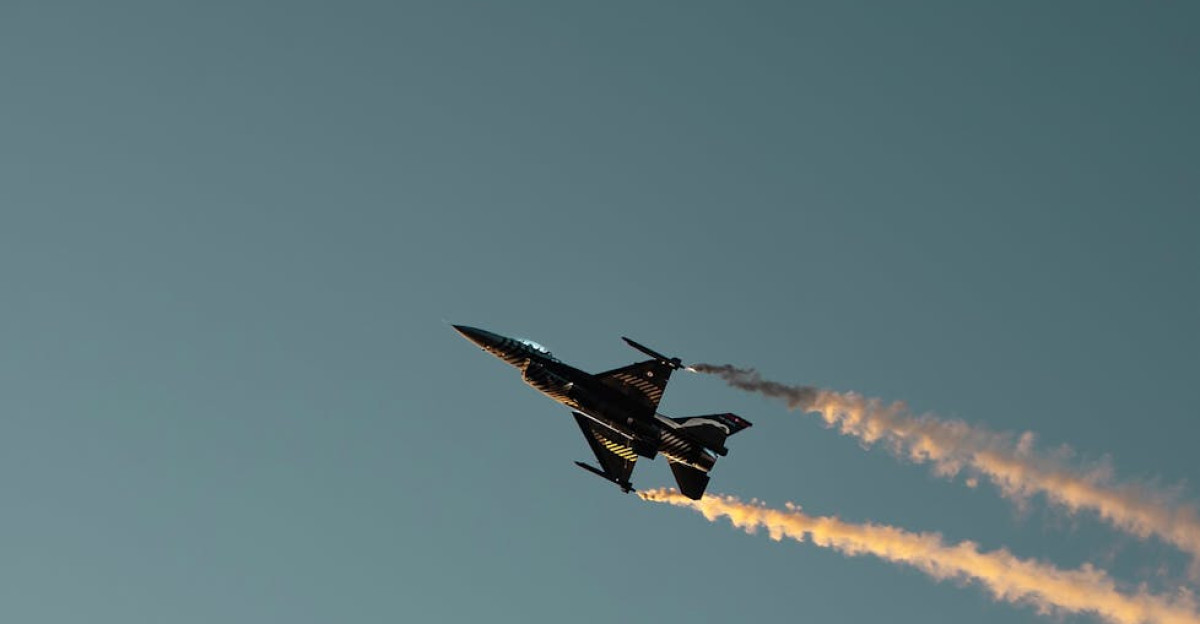
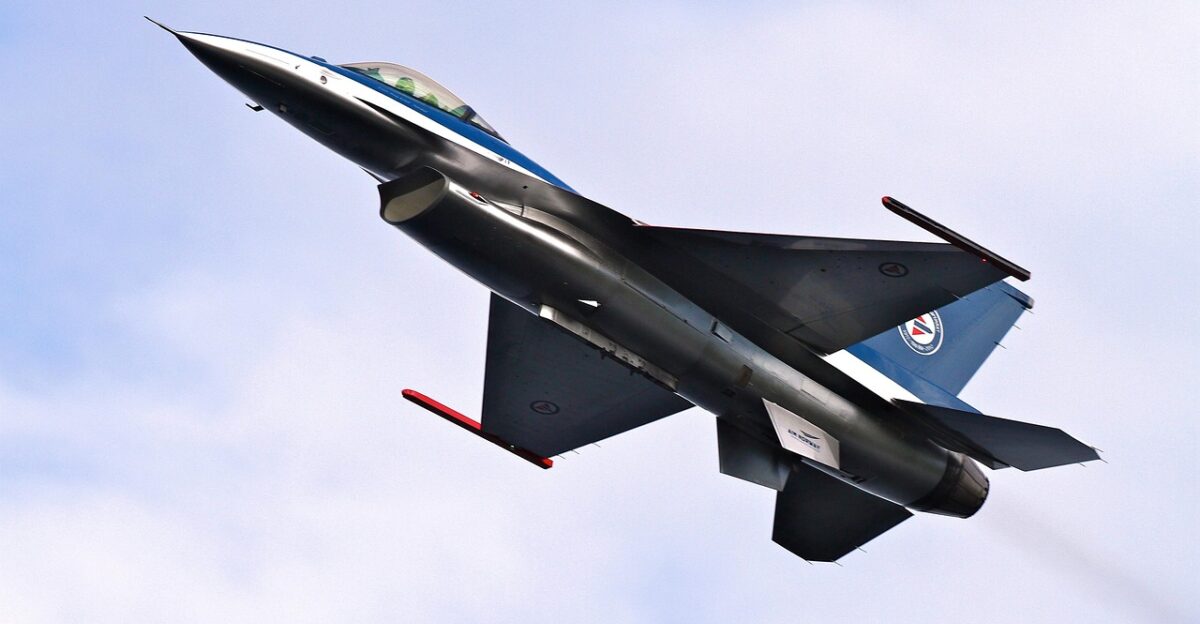
Reuters reports that Polish air defenses scrambled on Sept. 10 after nearly 20 unmanned aerial vehicles entered sovereign airspace. Pilots in F-16s and allied aircraft were quickly vectored to intercept what officials describe as Russian-operated drones, igniting concern over NATO’s direct engagement. Citizens in eastern provinces were urged to stay alert as the breach marked a serious escalation in the conflict.
Drone Incursions Skyrocket

In just seven hours, Poland recorded 19 incursions from drones believed to be launched from Belarus and Russia, CNN notes. Local authorities imposed temporary flight restrictions and warned residents of possible debris. Analysts say this uptick reflects a sharpening of hybrid tactics aimed at testing NATO’s readiness and resolve amid the broader assault on Ukraine.
NATO’s First Live Fire Since WWII
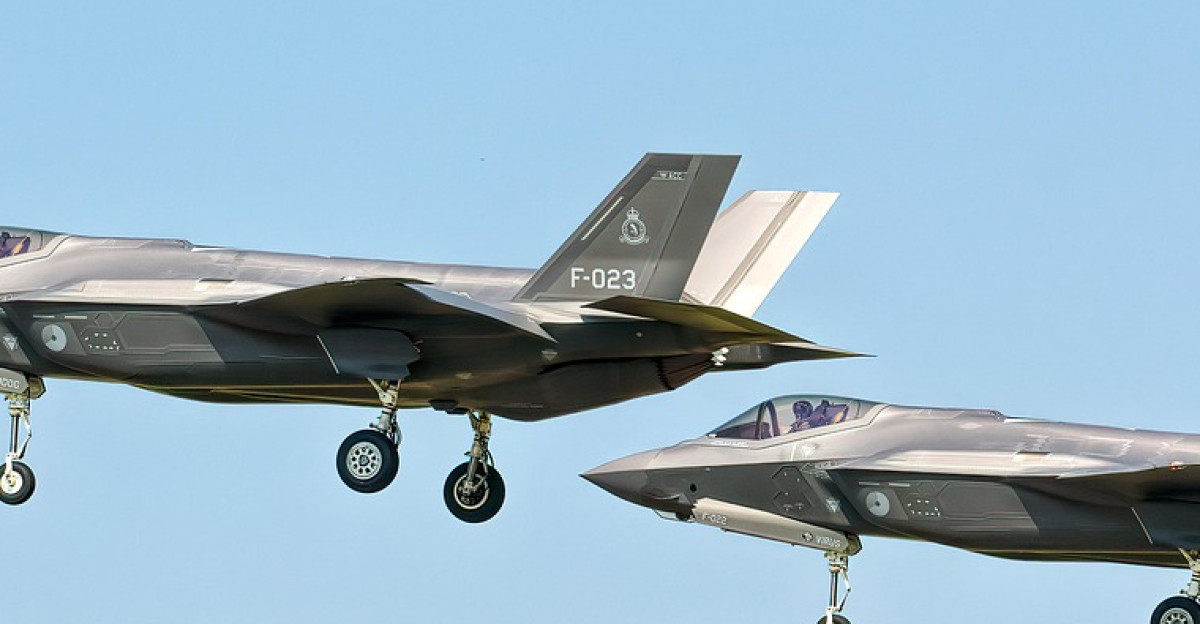
Poland fired on these unmanned craft, according to Reuters, marking NATO’s first engagement with Russian assets in combat. Article 4 consultations followed swiftly, highlighting alliance unity. NATO has only invoked Article 4 consultations seven times since 1949, making this move especially significant as ambassadors gathered in Brussels to weigh the next steps.
Eastern Europe on Edge

Moscow’s ramped-up drone campaign has prompted EU capitals to reassess their air defenses, The Independent states. Warsaw officials decried the action as a “large-scale provocation” to exploit perceived gaps. Discussions now center on whether to upgrade Patriot batteries and extend AWACS missions to deter further breaches along the alliance’s eastern flank.
History Made in the Skies
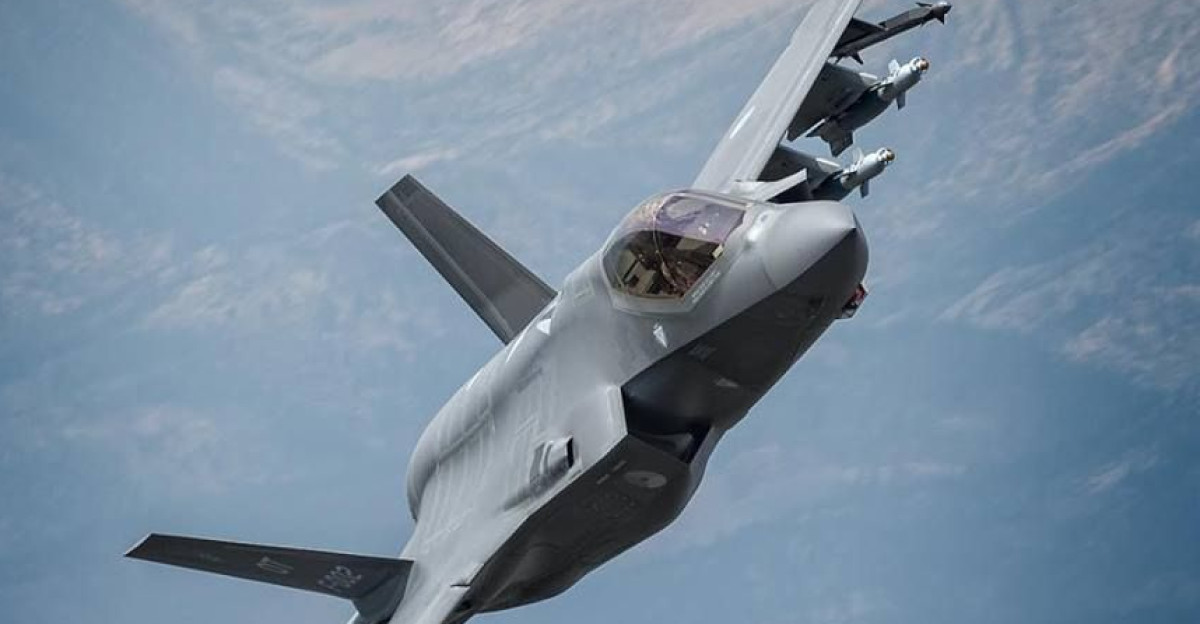
Reuters confirms that on Sept. 10, Polish F-16s and Dutch F-35s successfully downed the hostile UAVs. Prime Minister Donald Tusk described the incident as the “closest we have been to open conflict since World War II.” This unprecedented shoot-down not only protected Polish territory but also tested NATO’s collective defense mechanisms.
Civilians Caught in the Crossfire

Reuters also reported that fields near Lublin and Podlaskie provinces were littered with drone wreckage, causing farmers to delay harvests. Border checkpoints tightened, slowing aid convoys to Ukraine. Local officials say the disruptions highlight civilian vulnerability when military actions spill over from neighboring battle zones.
A Frightening Wake-Up Call

Retiree Tomasz Wesołowski recounts a drone crashing through his bedroom roof in Wyryki-Wola, describing the explosion as “earth-shattering,” Reuters writes. He escaped unhurt but lost his home’s roof. Volunteers have since rallied to provide temporary shelter, showing communities rallying together amid uncertainty.
Allies Rally to Intercept
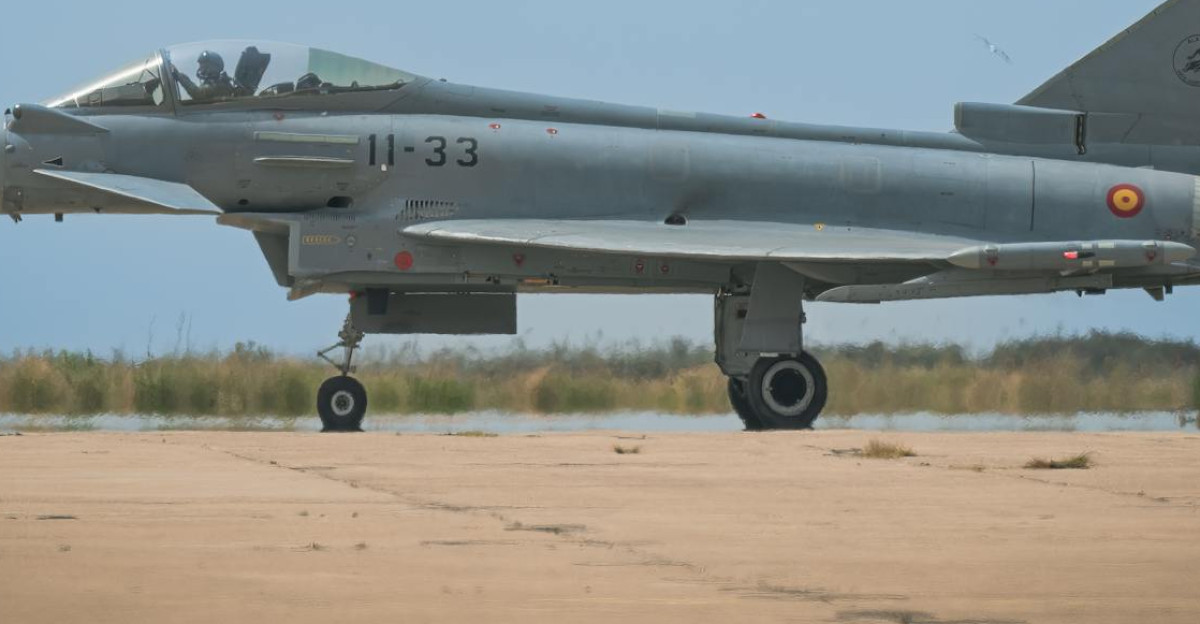
Italian surveillance planes and German Patriot units stood ready as Polish jets engaged the threat, Reuters notes. NATO Secretary-General Mark Rutte called the response “very successful” and chaired Article 4 discussions in Brussels, where diplomats voiced solidarity and condemned Russia’s recklessness.
Drones Redefine Warfare
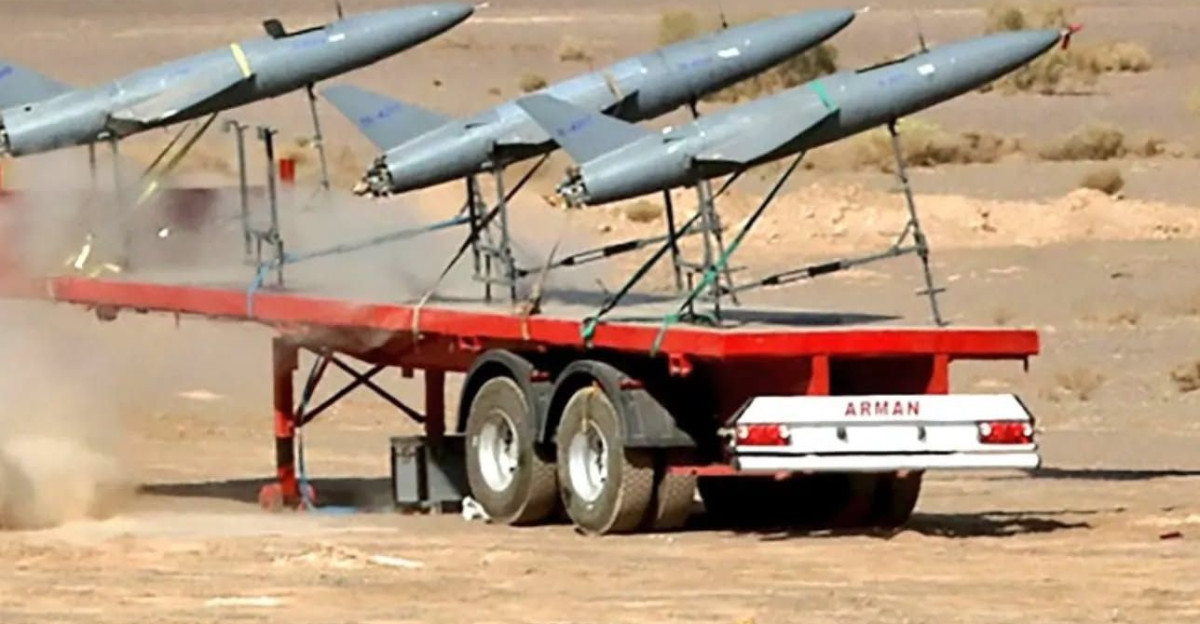
Since early 2022, Russia’s use of Iranian-made Shahed drones in Ukraine has increased fivefold, CNN reports. These affordable UAVs carry small warheads and loitering capabilities that strain conventional defenses. Analysts suggest they represent a new phase of grey-zone tactics aimed at overwhelming border airspace.
Electronic Jamming Edge

Intelligence assessments reveal some drones were equipped to jam radars, CNN reports, complicating interceptions. This emerging tactic blends traditional attacks with electronic warfare, intending to blind defenses before swarms breach airspace. NATO planners now face the dual challenge of kinetic and signal-based threats.
Command Tensions Surface

Insiders tell Reuters that Polish officers criticized delays in data sharing within NATO’s Combined Air Operations Centre. They argue that slow information flow risked response gaps, prompting calls for dedicated communication channels and joint control centers to streamline decision-making under pressure.
New Voice in Brussels
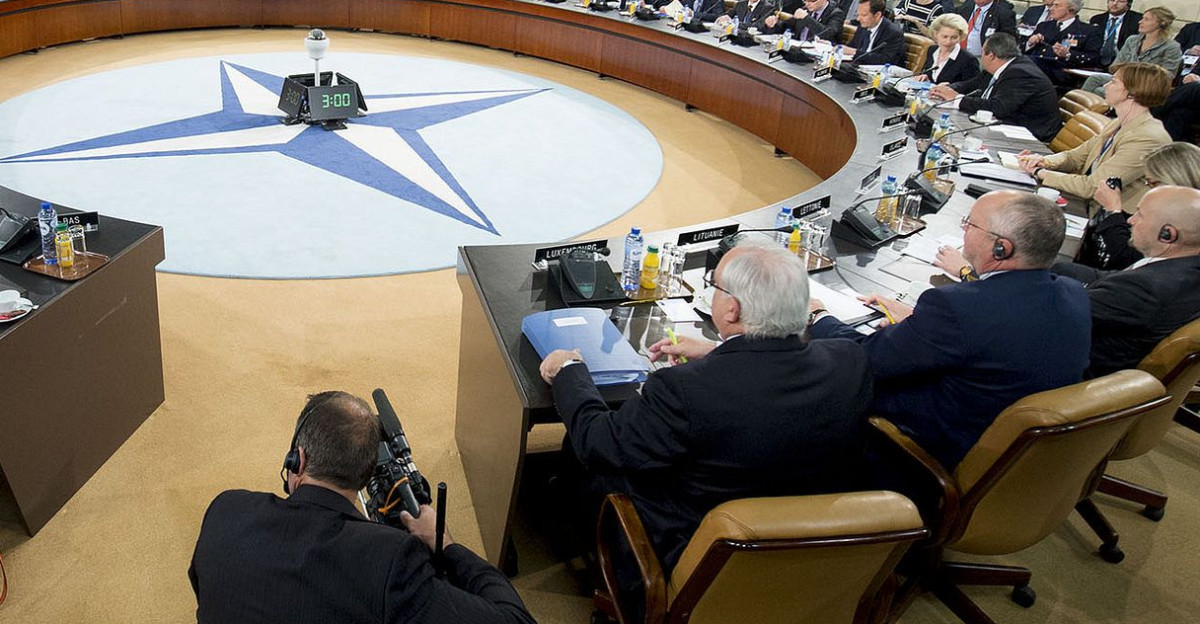
NATO’s policy review on eastern deterrence now falls to Ambassador Adam Hałaciński, The Hill reports. His appointment signals Warsaw’s intent to assert influence over alliance air defense priorities, shaping how member states share resources and coordinate cross-border operations.
Bolstering Defenses Fast
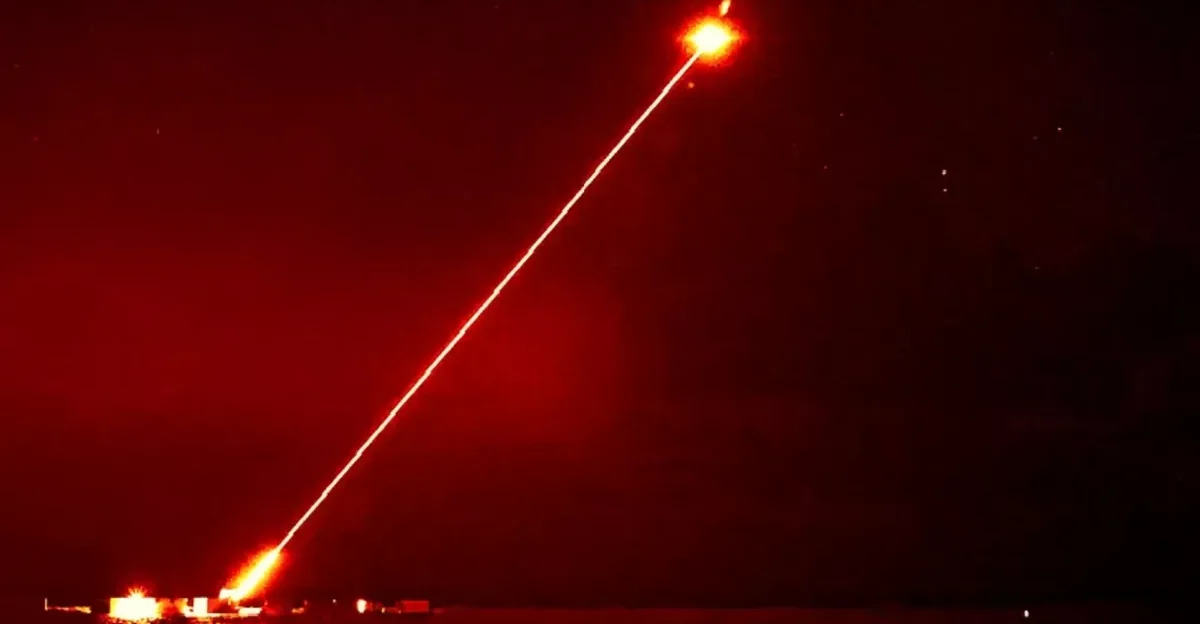
Al Jazeera states Poland has fast-tracked purchases of advanced anti-drone systems and is seeking EU co-funding for laser-based interceptors. A joint exercise with Baltic allies is slated for November to test drone-swarm countermeasures and rapid reinforcement protocols along the frontier.
Experts Urge Caution
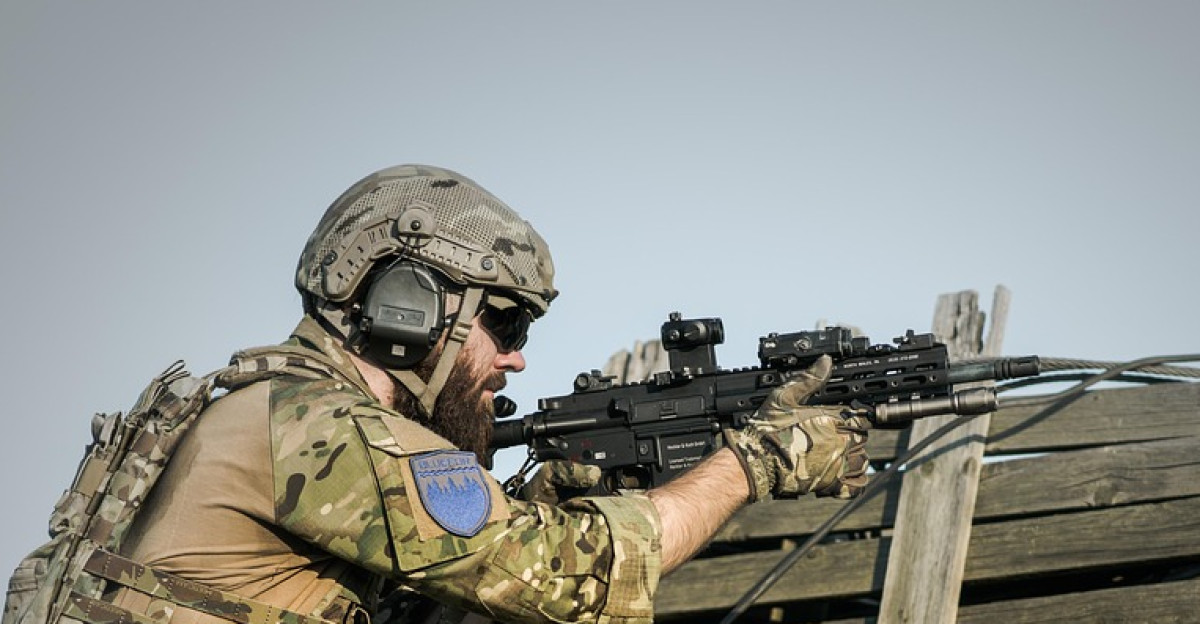
According to ABC News reports, defense analysts warn that kinetic interceptors alone might be overwhelmed if swarms exceed 500 UAVs nightly. They recommend layered defenses combining electronic jamming, cyber measures, and directed energy weapons to avoid sheer munition exhaustion.
What Comes Next?
As winter looms, policymakers must decide if permanent allied air patrols are needed or if deterrence can rely on consultation alone, analysts suggest. The outcome could reshape NATO’s posture on its eastern border and set precedents for responding to future provocations.
Shifting EU Defense Policy

Reuters writes that France and Poland have proposed fast-tracking joint procurement under PESCO, advocating shared funding and unified rules of engagement for air defenses. The Article 4 invocation reinvigorates the debate over Europe’s strategic autonomy in the face of Russian aggression.
Ukraine Watches and Waits
The Atlantic notes that officials in Kyiv see Poland’s action as proof of NATO commitment, yet they worry about entanglement. Moscow uses U.S. equivocation to challenge alliance cohesion, and Beijing is closely observing how NATO balances deterrence without triggering escalation.
Airspace Law in Focus

International jurists point out that a drone cross-border incursion counts as a violation but not an armed attack, Reuters states. NATO must weigh whether its kinetic response reinforces sovereignty or risks normalizing shoot-downs beyond territorial defense.
Public Opinion Shifts

BBC polling shows 72 percent of Poles support deeper NATO integration after the incident, a striking rise in a post-Cold War generation’s appetite for robust deterrence. Citizens now view drones not as isolated threats but as front-line symbols in hybrid warfare.
A Defining Moment
This episode underscores NATO’s dilemma: deter without provoking full-scale war. How the alliance adapts its air defense doctrine may shape European security for years, setting the terms of engagement with an increasingly bold adversary.