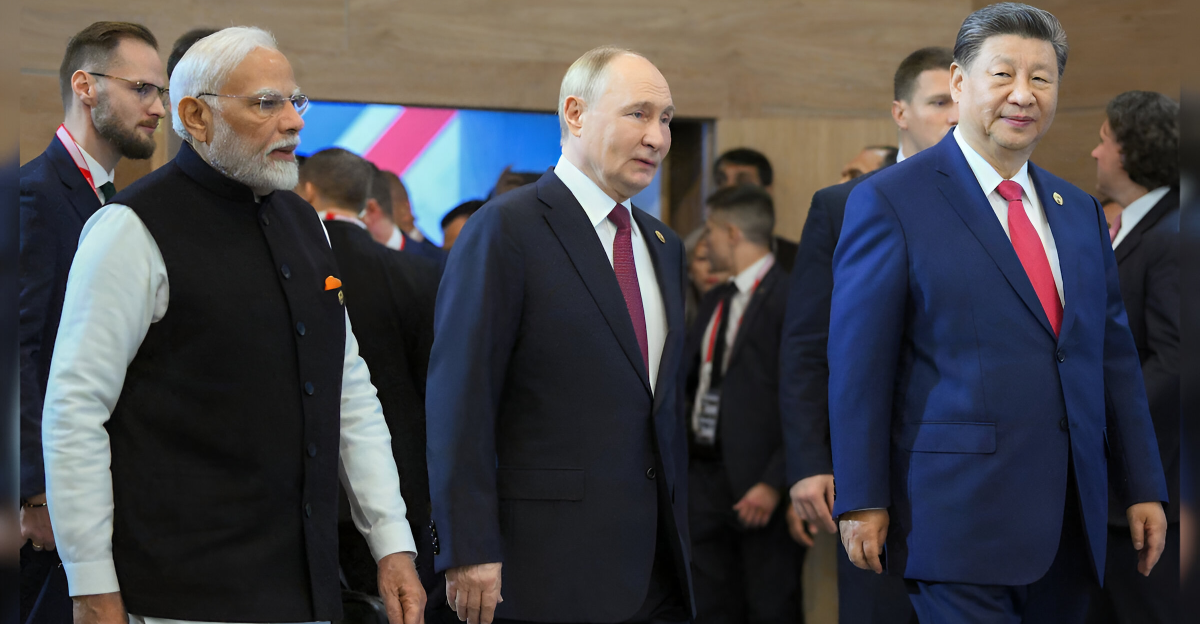
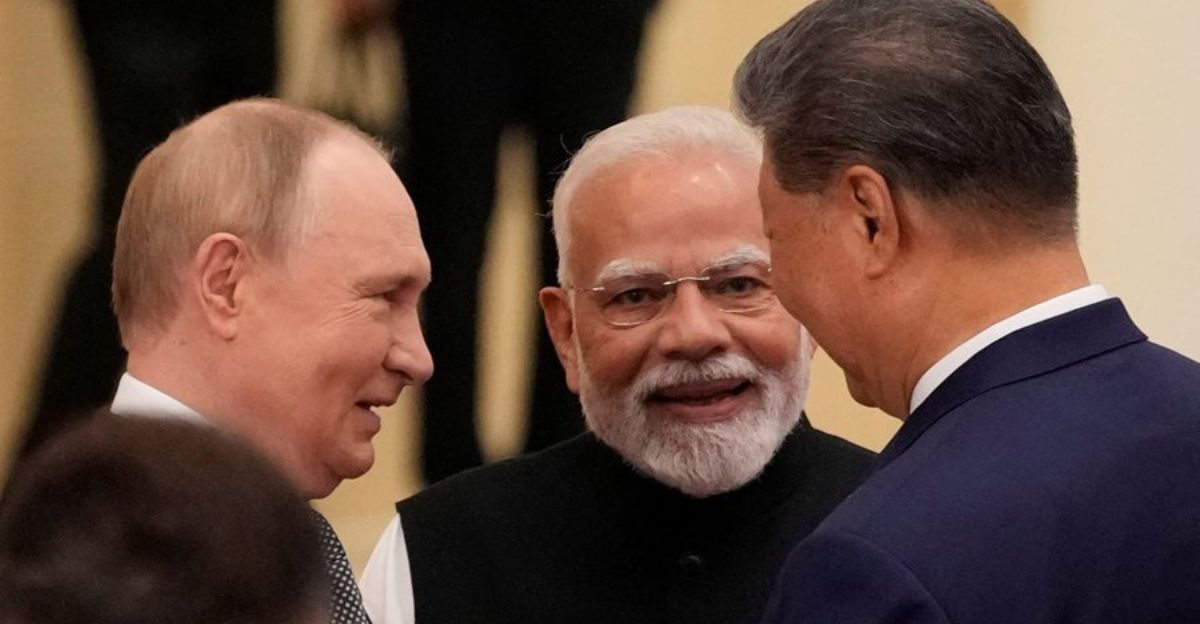
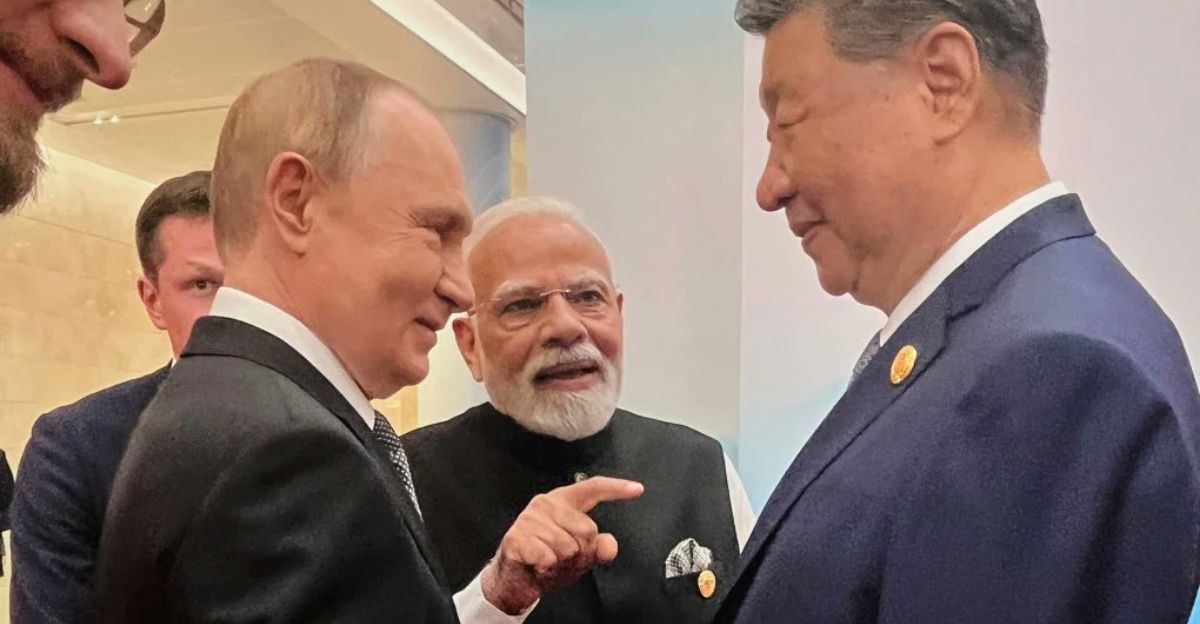
Beijing’s Tiananmen Square witnessed an unprecedented display of authoritarian solidarity when Xi Jinping stood flanked by Vladimir Putin and Kim Jong-un during China’s recent military parade. This was no ordinary event; it marked a bold assertion that a new global order is taking shape, one that directly challenges Western supremacy.
While democratic leaders engage in rhetoric, Xi’s methodical pursuit of his vision marches on
The Axis of Upheaval Emerges
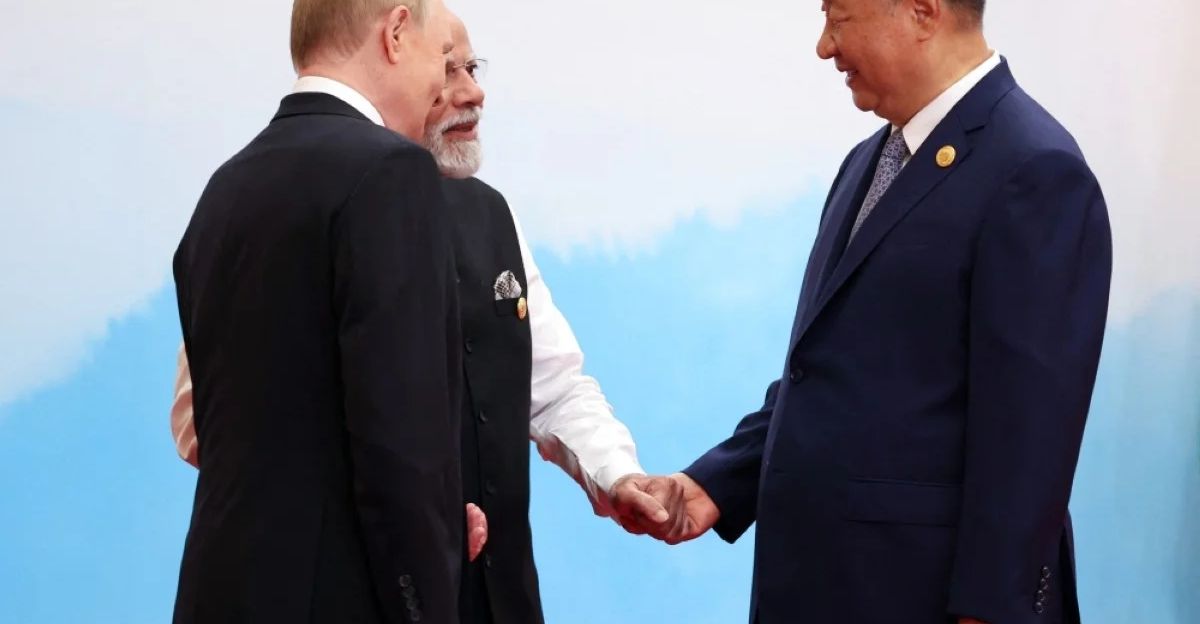
This diplomatic gathering showcased leaders from heavily sanctioned nations, including Iran’s president and Myanmar’s military chief. Analysts have dubbed this alliance the “Axis of Upheaval,” signifying a coalition of nuclear powers uniting against Western hegemony.
The underlying message was clear: autocratic regimes are coordinating their efforts to undermine the established international order while democracies appear hesitant and uncertain.
A Powerhouse Lineup of Leaders
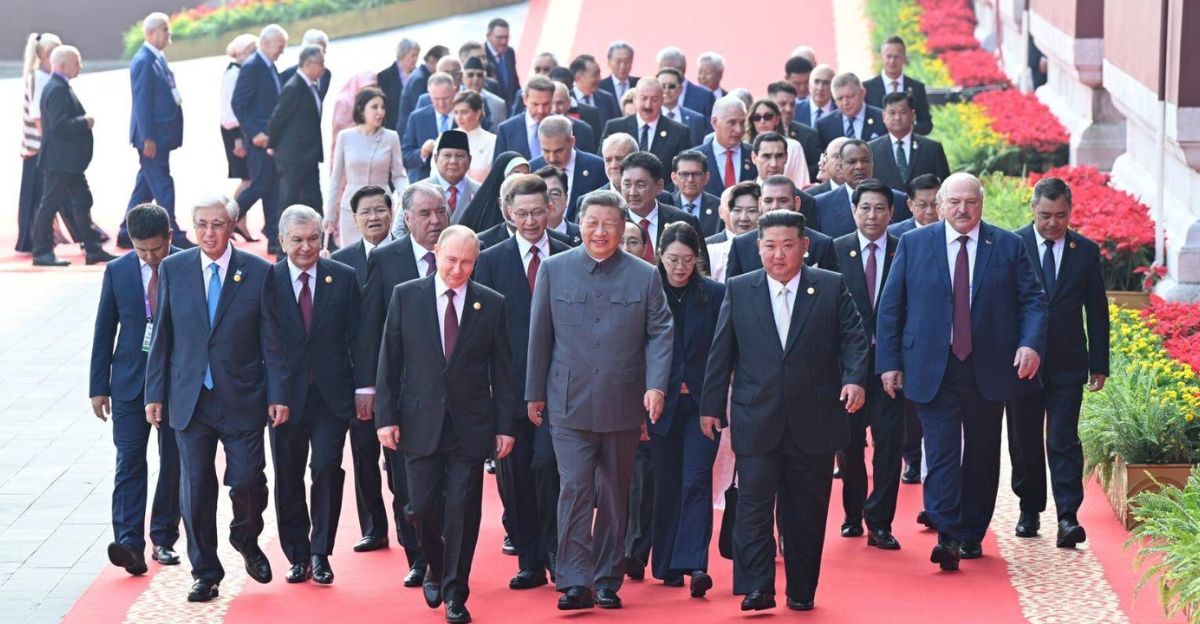
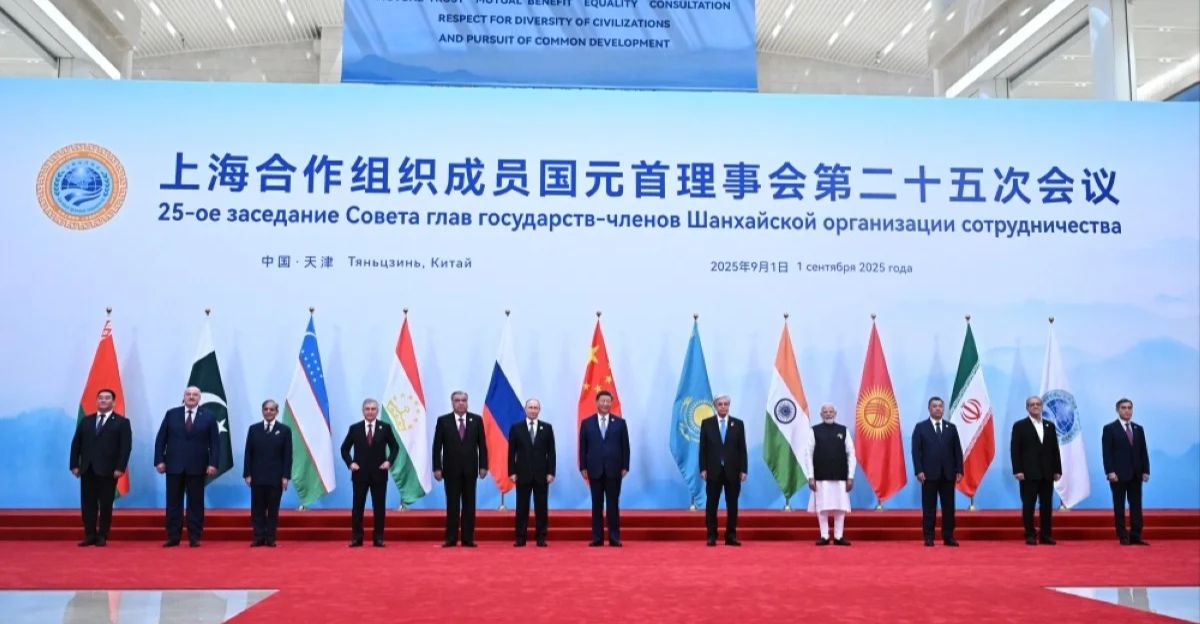
Notable leaders at the summit included Xi Jinping (China), Vladimir Putin (Russia), Narendra Modi (India), Masoud Pezeshkian (Iran), Shehbaz Sharif (Pakistan), Alexander Lukashenko (Belarus), Recep Tayyip Erdoğan (Turkey), and Kim Jong Un (North Korea), plus several Central Asian presidents.
Reshaping Global Governance
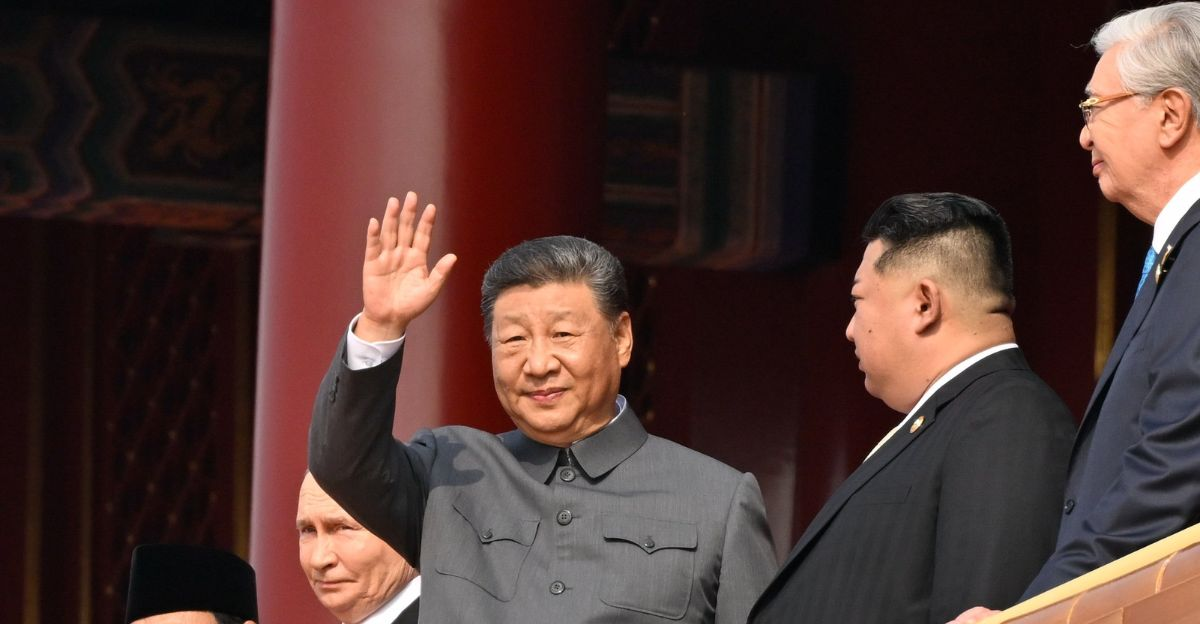
Such alliances indicate a potential reordering of power dynamics, threatening decades of Western influence over global governance. Xi’s Global Governance Initiative explicitly aims to reshape international systems, evoking memories of the post-World War II reconstruction.
With geopolitical rivalries escalating and traditional alliances fraying, China is poised to assert its vision on the world stage.
Xi’s Comprehensive Strategy
Xi’s approach combines ideological warfare, economic inducement, and military assertiveness. Since 2021, he has introduced frameworks such as the Global Development Initiative, Global Security Initiative, and Global Civilization Initiative, each aimed at consolidating China’s influence globally.
By portraying itself as a champion for developing nations, China offers a systematic alternative to liberal democracy that challenges Western narratives.
Economic Expansion Through BRI
The Belt and Road Initiative is at the heart of China’s strategy, encompassing 147 countries that represent two-thirds of the world’s population and nearly 40 percent of global GDP. Through its financing, China builds infrastructure without imposing the stringent conditions typical of Western aid.
This strategy generates dependencies that align with China’s broader geopolitical aims, ultimately undermining traditional Western economic influence.
South China Sea Militarization
Militarization in the South China Sea represents another critical facet of Xi’s approach. Between 2013 and 2015, China transformed numerous reefs into military outposts, equipping them with airstrips, naval ports, and advanced radar systems.
These strategic installations provide China with enhanced military reach, thereby solidifying its power projection in a critical region of global trade.
Supporting Russia’s War Effort
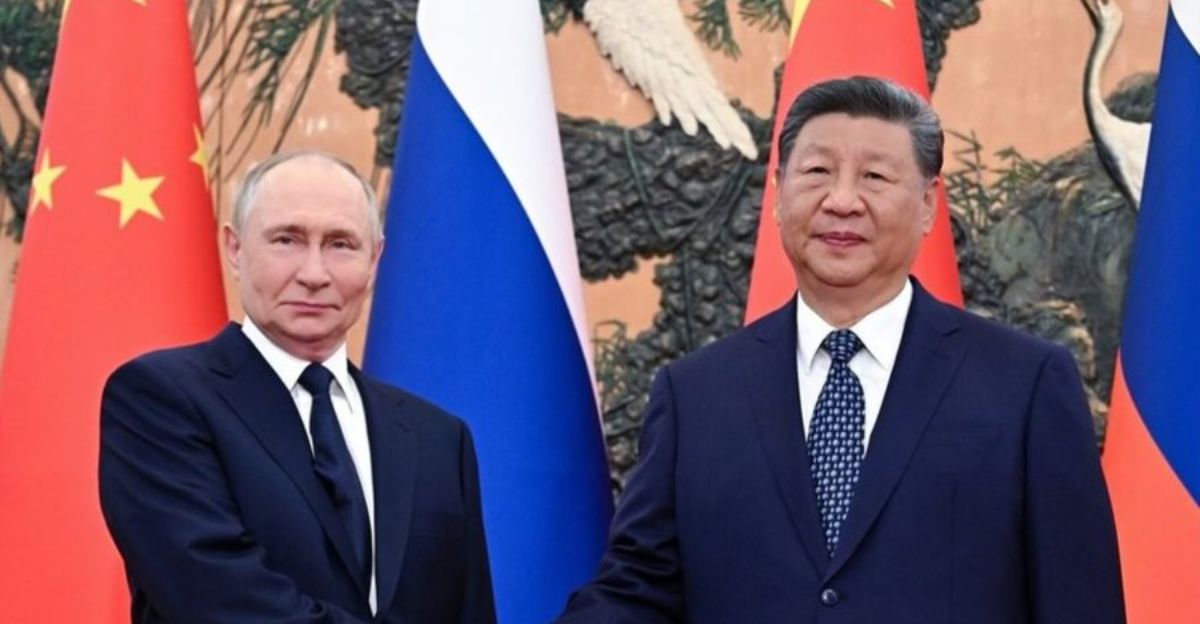
China’s growing partnership with Russia underscores its commitment to reshaping the geopolitical landscape. Known as a “no limits partnership,” this relationship has facilitated Russian economic stability during its conflict in Ukraine through energy purchases and technology transfers.
Such support has significantly strengthened Russian military capabilities, allowing it to recover and adapt amid ongoing conflict.
Promoting Authoritarian Alternatives
Under Xi, China’s leadership actively markets authoritarian governance as a credible alternative to Western democracy. This shift represents a departure from earlier reassurances about a peaceful rise, as China champions its model as both effective and legitimate.
By framing democratic discourse as external interference, Beijing validates its own authoritarian practices while discrediting Western influence.
Challenging Western Institutions
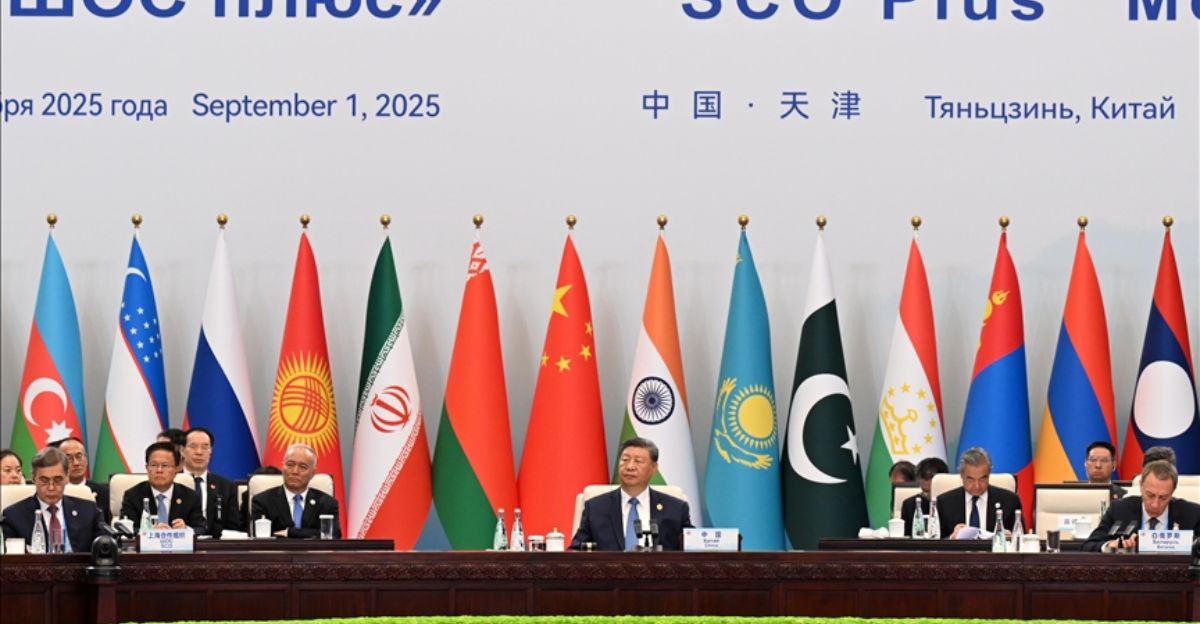
Xi’s initiatives correspondingly challenge the structure and dominance of Western-led institutions. By leveraging the Shanghai Cooperation Organization, China establishes itself as a key architect of new multilateral frameworks.
The dismissal of Western sanctions as illegitimate showcases its resistance to perceived Western dominance, further complicating diplomatic relations.
Fragmented Western Responses
Despite the escalating threat posed by authoritarianism, Western responses remain fragmented and often reactive.
For instance, the UK’s policy has evolved from a period of engagement epitomized by David Cameron’s “Golden Era” to a more confrontational stance acknowledging China as an “epoch-defining challenge.”
However, the pace of implementation falls short as leaders grapple with reconciling economic interests against security imperatives.
China’s Military Modernization
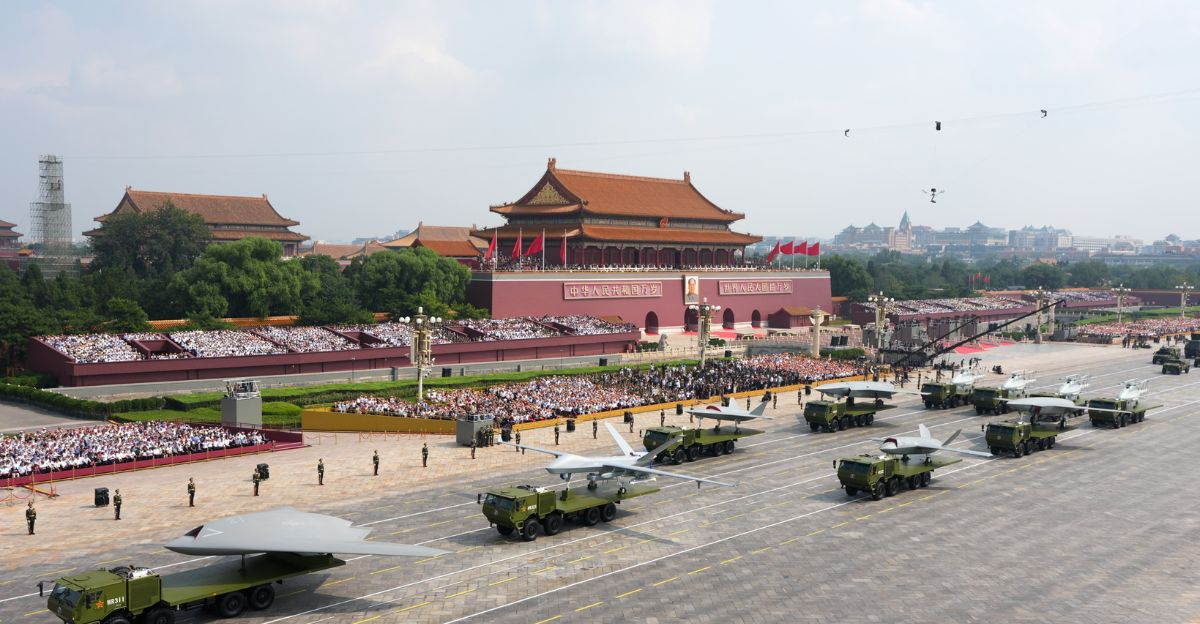
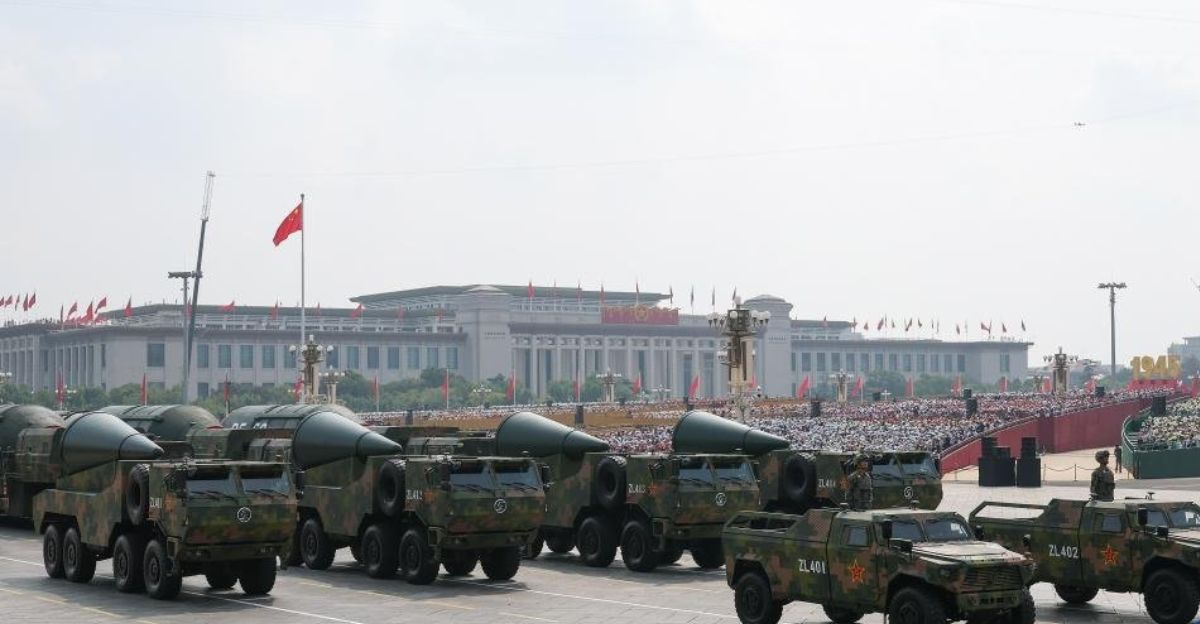
Intelligence reports indicate that China has been rapidly modernizing its military capabilities, compiling advanced technologies that pose unprecedented threats to global security.
Enhanced air, naval, and missile capabilities alongside developments in counter-space technology underscore the need for a vigilant response from all democratic nations.
Western Policy Confusion
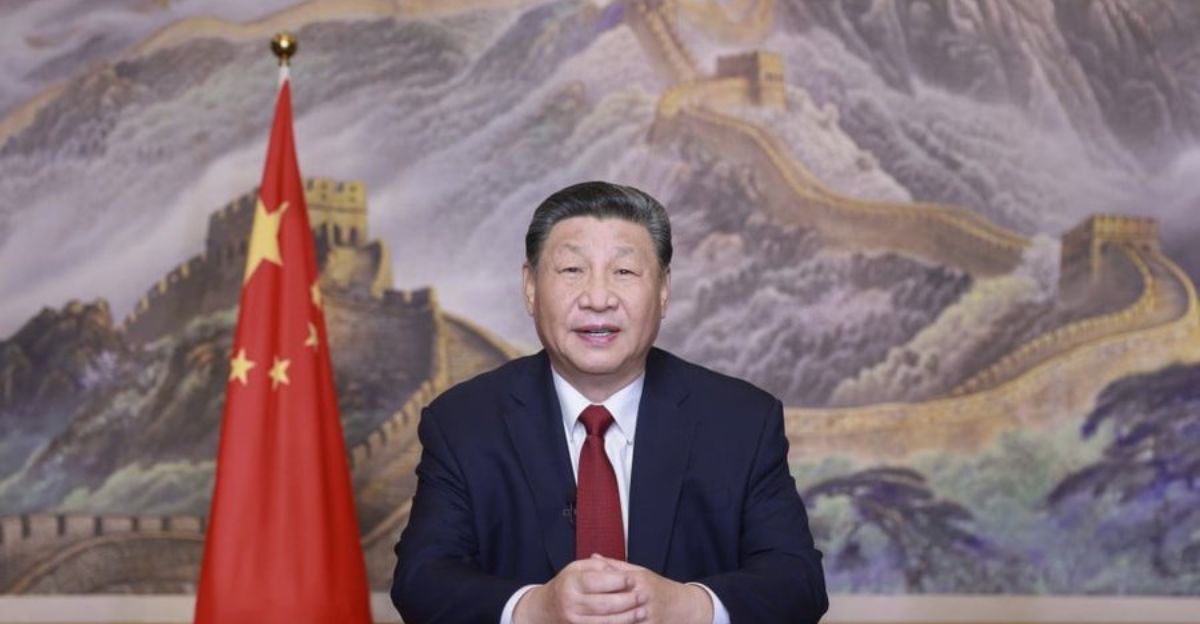
The case of the UK symbolizes broader Western policy confusion regarding China, as leaders endorse recognition of China as a systemic threat while maintaining avenues for economic engagement.
This dilemma complicates coordinated responses in face of China’s growing influence, with divisions stemming from Brexit further stifling unified policy approaches.
Consequences of Western Passivity
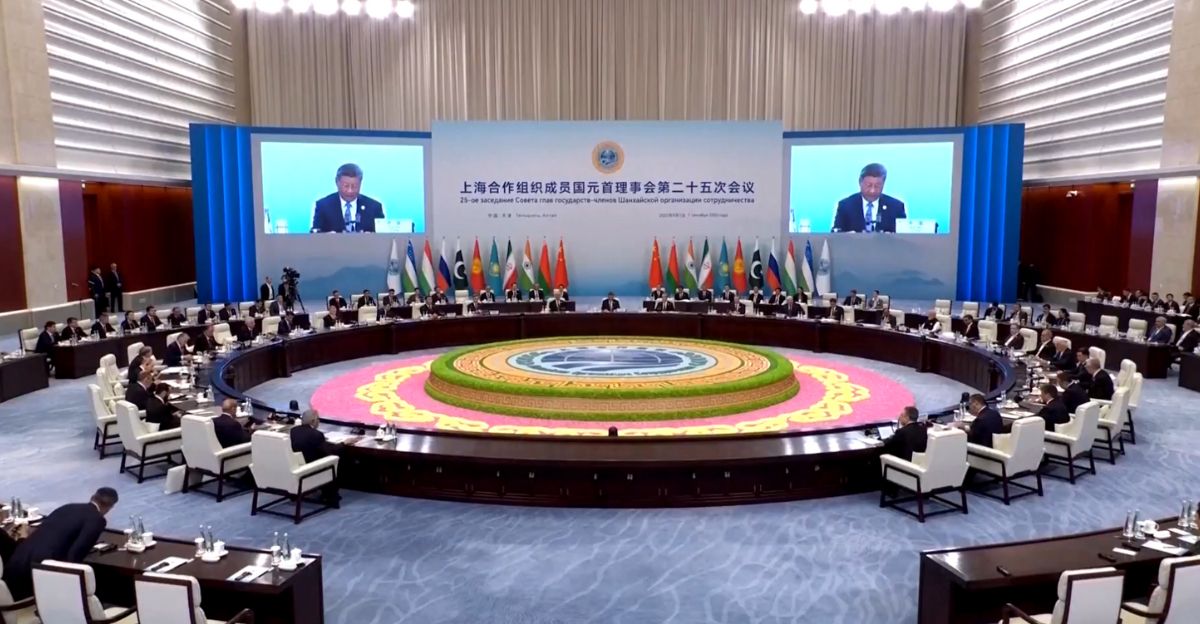
Ongoing passivity from Western nations not only enables the erosion of democratic institutions but also plays into China’s strategic advantage.
As authoritarian pressures mount, countries are forced to choose between potential economic benefits and the preservation of democratic values, often opting for the former in their decision-making processes.
Normalizing Authoritarian Governance
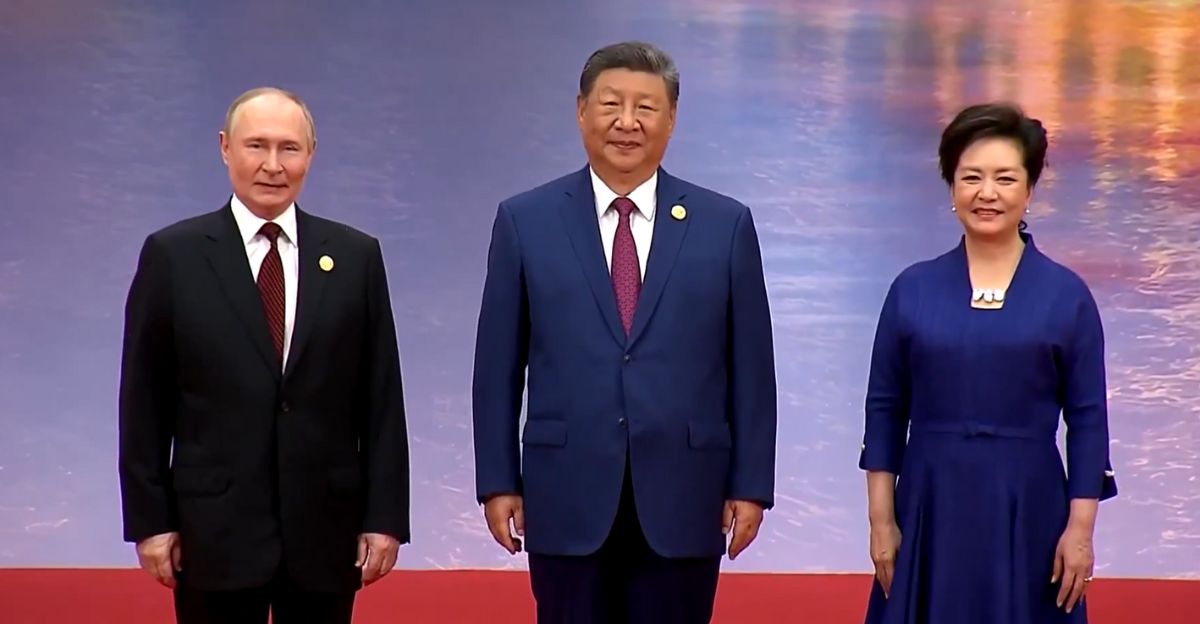
In this evolving landscape, a China-centric global order risks normalizing authoritarian governance, effectively underscoring a shift away from established human rights norms. The successful propagation of Xi’s governance model could yield worldwide implications, empowering autocratic movements at the expense of democratic aspirations.
Implementing Counter-Strategies
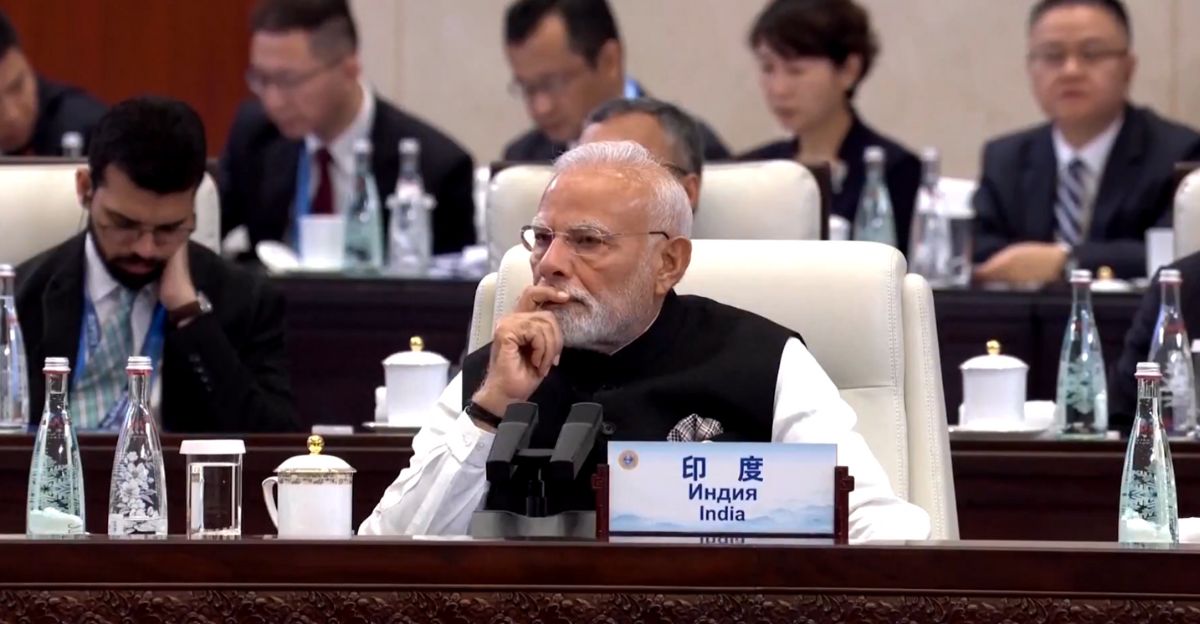
To address this rising tide, Western leaders must adopt a proactive stance against the authoritarian wave. Comprehensive counter-strategies must be implemented, including economic sanctions, military deterrence, and cohesive ideological competition among democratic nations to fortify resistance against authoritarian advances.
Democratic Unity Essential
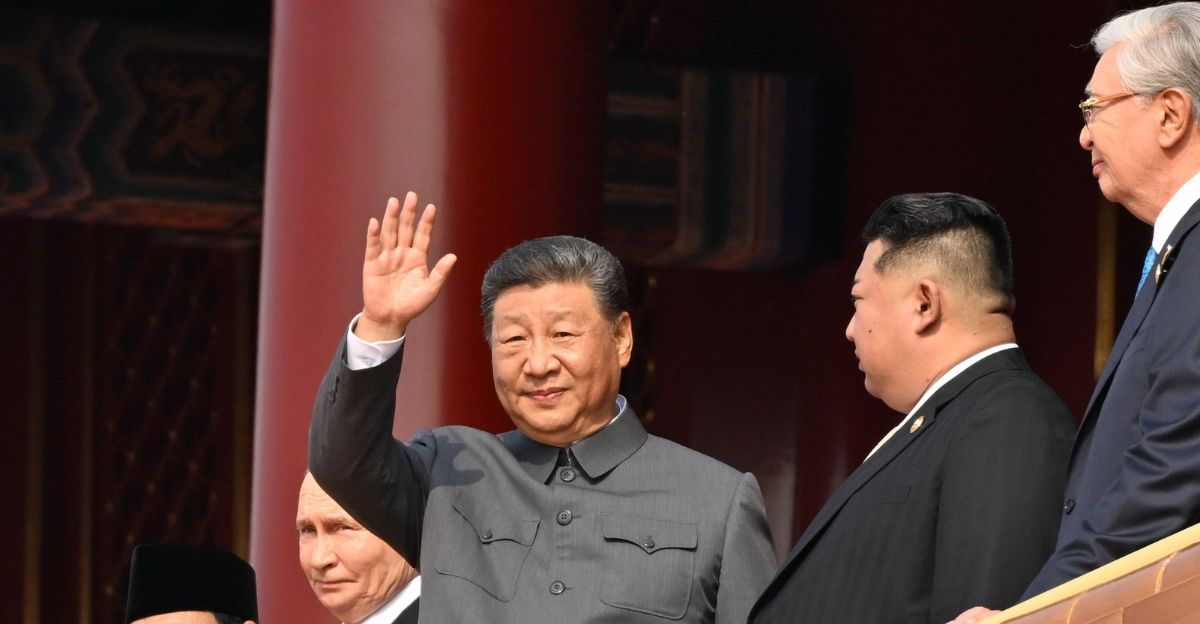
The current geopolitical landscape highlights the necessity for unity among democratic nations as they face increasing authoritarian coordination.
The recent displays during the Beijing parade exemplify how isolated autocracies can quickly consolidate power when facing shared adversities, a clear call for cohesive international action against rising threats.
Preparing for Bipolar Competition
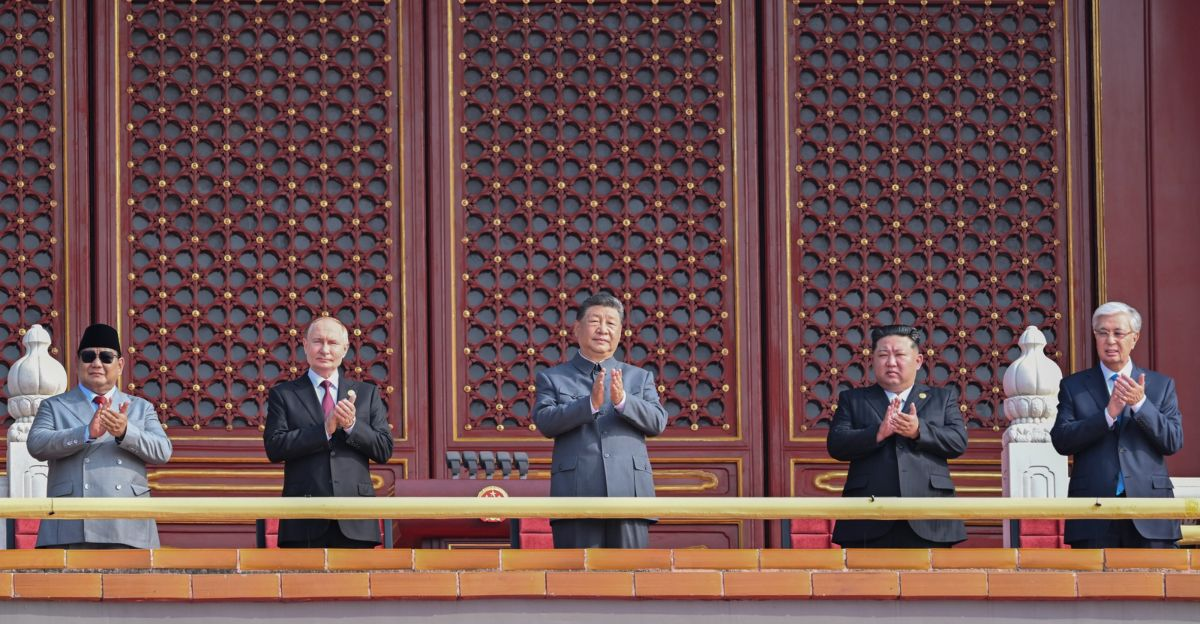
As the world edges toward a bipolar competition, democratic nations must navigate an evolving landscape marked by contrasting governance ideologies and military strategies.
Enhanced military capabilities from China highlight the imperative for continued defense investment and strategic innovation among Western allies.
Time and Trends
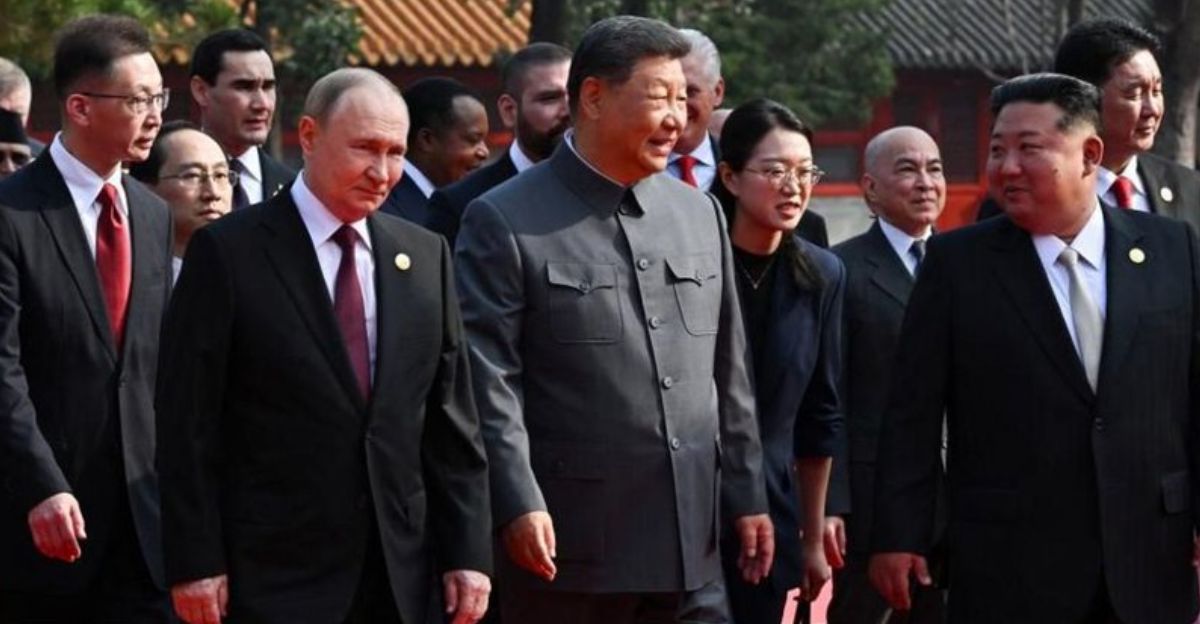
Shifting demographic and economic trends may favor authoritarian consolidation, complicating the societal dynamics within Western democracies that face declining confidence in their own institutions.
As this momentum builds in authoritarian regimes, the urgency for effective counter-strategies becomes increasingly pronounced.
A Historical Inflection Point
Xi Jinping’s vision for a new global order presents a formidable challenge to established international relations, demanding urgent and coordinated responses from Western democracies.
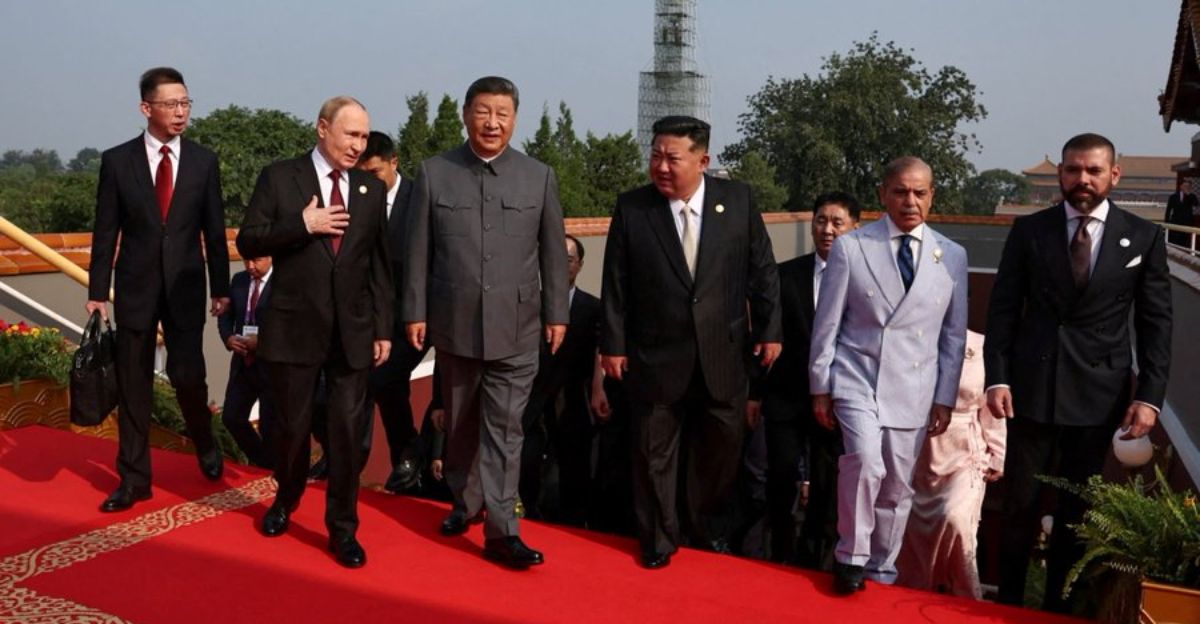
They now stand at a pivotal crossroads: to forge effective resistance against encroaching authoritarianism or risk their gradual obsolescence in a world increasingly governed by autocratic powers. The legacy of this moment will depend on the decisions made today.