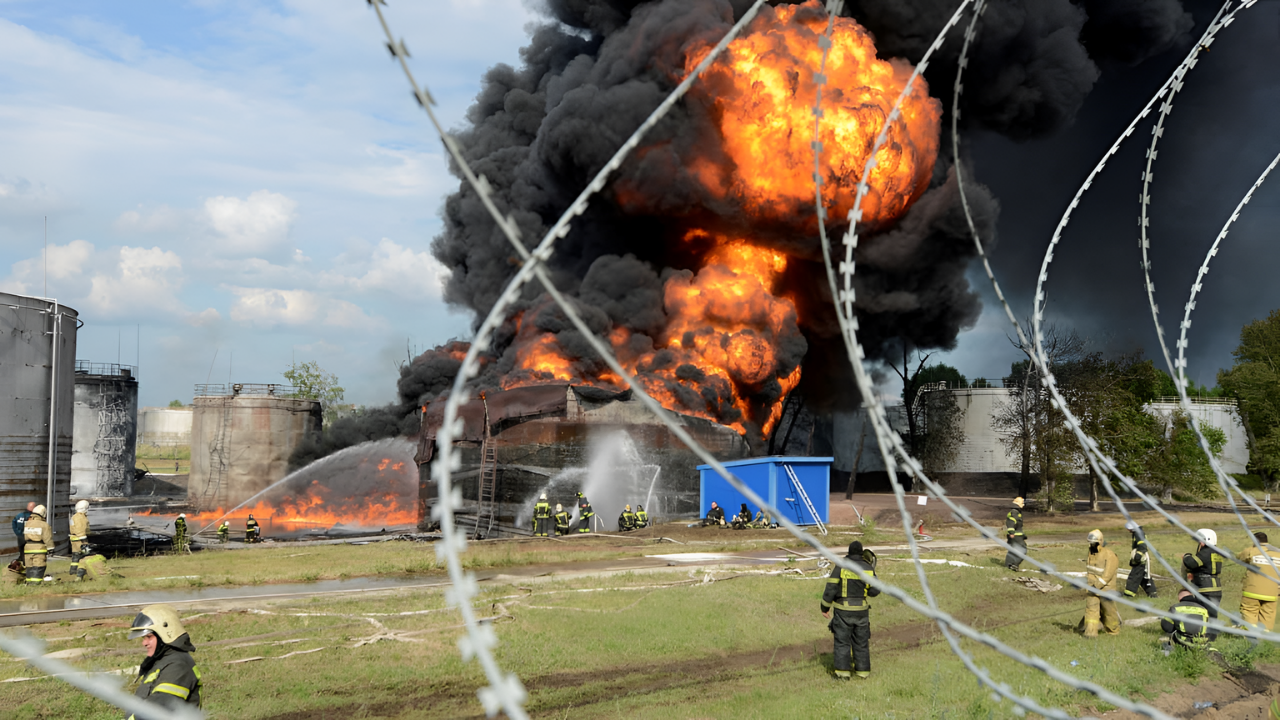
For months, Ukraine has demonstrated an alarming ability to strike targets deep within Russian territory, far from the front lines. Recent attacks have focused on infrastructure that Moscow considers untouchable: refineries, power plants, and fuel depots scattered across the heartland.
Military analysts note that Russian air defenses, stretched thin across a vast territory, struggle to intercept low-flying drones operating at night. Each successful hit raises a critical question: Can Russia defend its own energy backbone, or is its vast geography becoming a liability?
Winter’s Economic Toll
Russia’s energy sector, already battered by months of targeted strikes, faces a cascading crisis as winter deepens demand. Refineries that supply fuel to military logistics, heat oil for civilians, and generate export revenue for the state are now operating under constant threat.
Reports indicate that the cumulative damage from drone strikes has degraded refining capacity by a measurable percentage, forcing Moscow to ration fuel allocations and import supplies at premium prices. The economic cost of each successful attack, measured in lost production, repair expenses, and strategic vulnerability, compounds with every new raid.
The Syzran Pattern Emerges
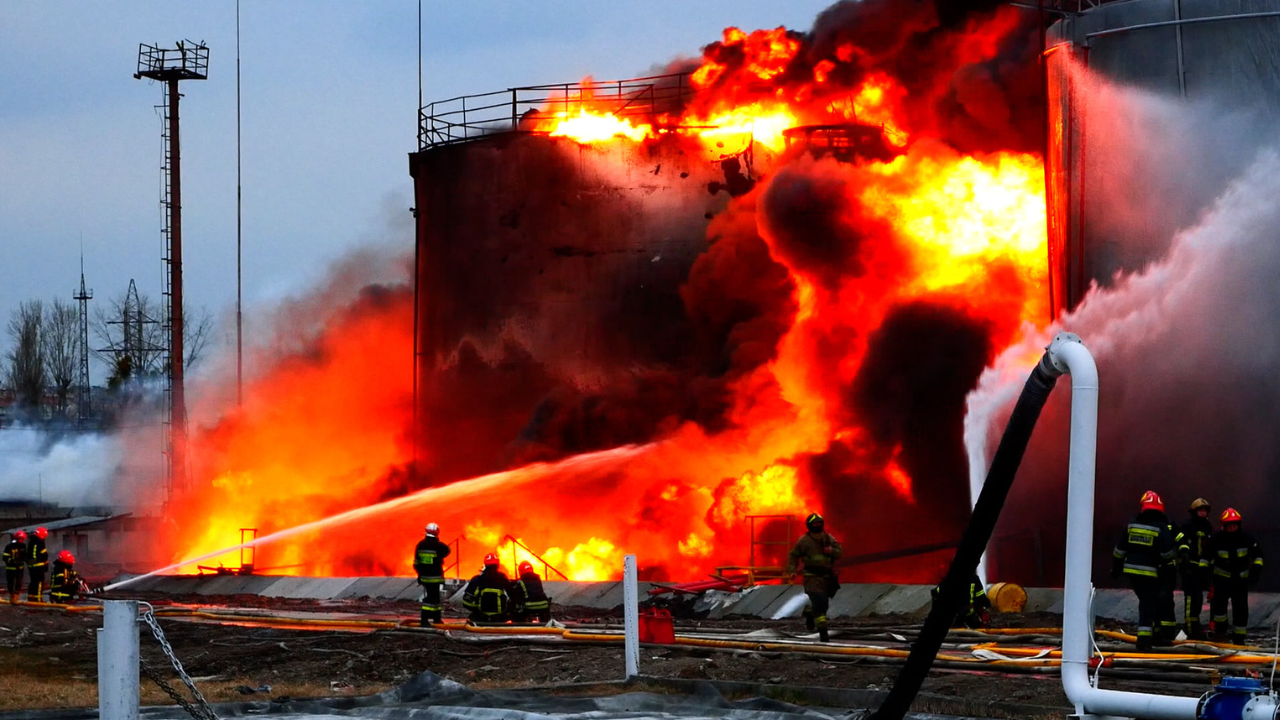
The Syzran oil refinery, located in Russia’s Samara region, approximately 600 miles from Ukrainian territory, has become a focal point of Ukrainian targeting. Owned and operated by Rosneft, one of Russia’s largest state-controlled oil companies, the facility processes roughly 8.5 million tons of crude annually, a significant portion of Russia’s domestic supply.
The refinery’s strategic importance lies not in crude production but in its role converting raw oil into refined products: gasoline, diesel, and aviation fuel essential for military and civilian use. Between August 2024 and late December 2024, Ukrainian forces struck the facility at least four times, establishing a clear operational pattern.
The Acceleration Narrative
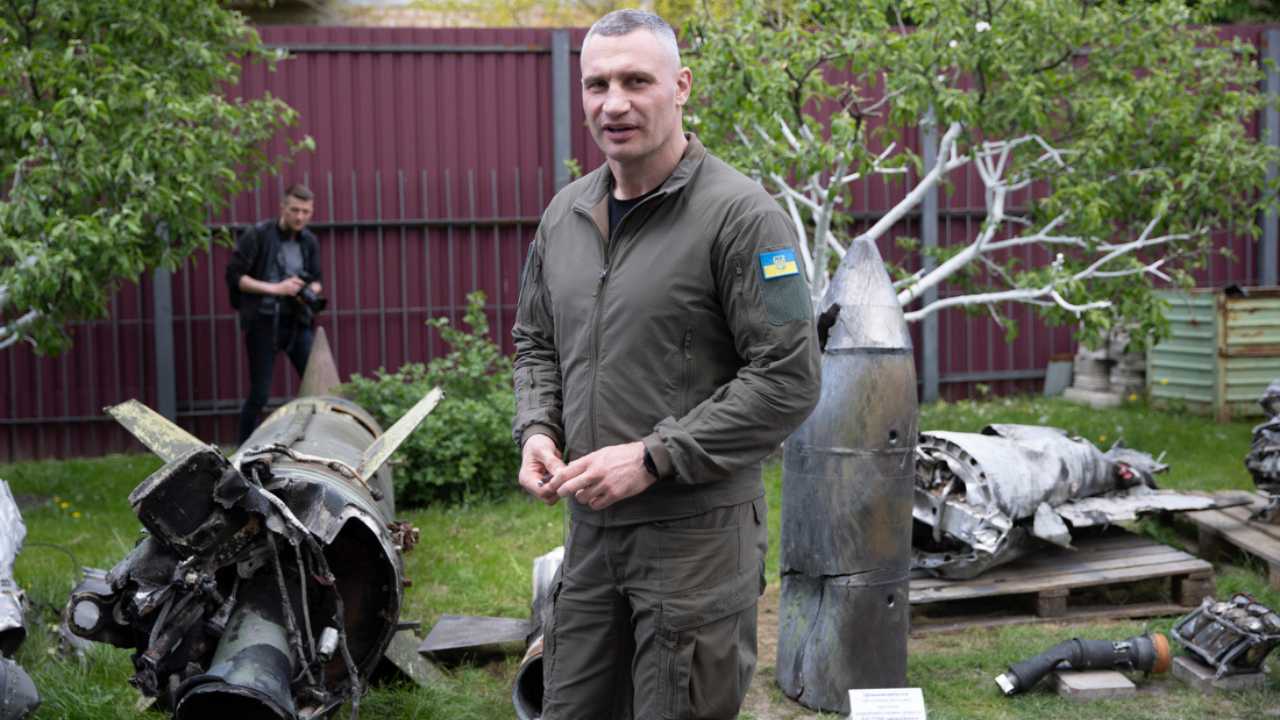
Prior strikes on Syzran occurred on August 21, November 22, and December 5, 2024, spaced that suggests deliberate operational planning rather than random targeting. Each attack demonstrated Ukraine’s ability to penetrate Russian airspace with precision-guided drones, evade or overwhelm defensive systems, and execute strikes with localized accuracy.
The December 5 operation was particularly significant: it struck both Syzran and the Temryuk seaport in the Krasnodar region on the same night, destroying approximately 70% of the port’s fuel storage tanks and triggering a major fire. This dual-region assault underscored Ukraine’s capacity to coordinate multiple simultaneous operations across vast distances, straining Russian response capabilities.
The December 28 Strike
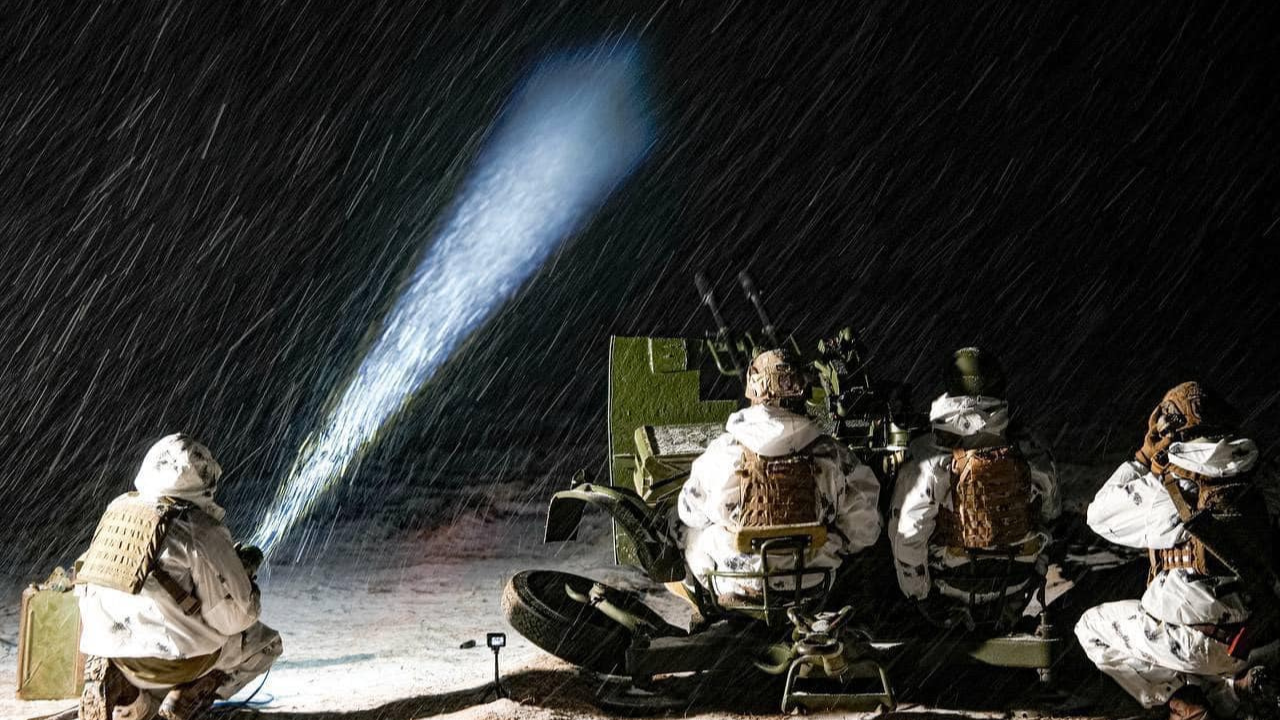
On the night of December 27–28, 2024, Ukrainian drones struck Syzran once again. Multiple independent reports confirmed that unidentified aerial vehicles approached the city under cover of darkness, triggering air raid sirens and detonating in or near the refinery complex and electrical substations. Eyewitness videos circulated on social media showed bright flashes consistent with drone strikes, and residents reported hearing multiple explosions in quick succession, a pattern aligning with the “pound” terminology in the headline.
Russian authorities did not immediately confirm the target, but Ukrainian General Staff communications and civilian reports pointed definitively to the oil hub as the site of impact. This fourth confirmed attack in four months marked a new escalation in Ukraine’s energy warfare campaign.
Syzran in Darkness

Within hours of the strike, residents of Syzran reported widespread power cuts and heating failures, critical impacts during the Russian winter, when temperatures plummet below freezing. Local social media accounts documented blackouts affecting multiple districts, with some areas plunged into darkness for extended periods.
Damage to electrical substations, corroborated by video evidence of secondary explosions near power infrastructure, triggered a cascading failure: with reduced grid capacity, the city’s ability to distribute heat to residential and commercial buildings deteriorated sharply. Heating systems dependent on electrical pumps and distribution networks failed, leaving thousands without warmth during harsh winter conditions, a humanitarian pressure point that amplified the strike’s civilian impact.
The 100,000 Question
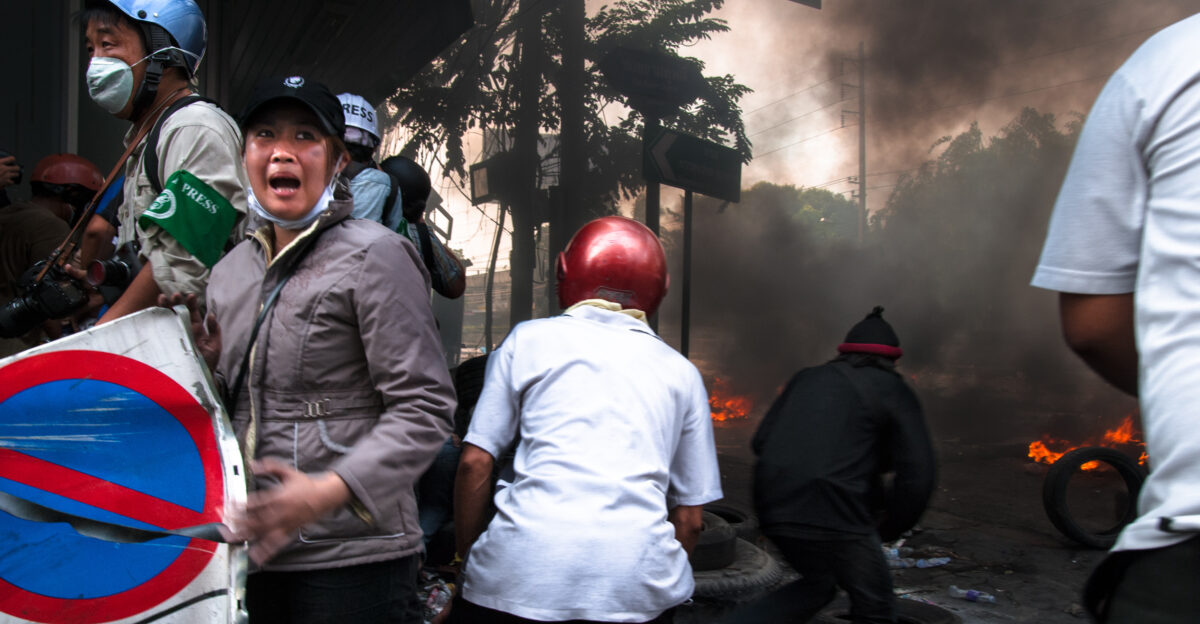
The headline claims “blackouts hit 100,000” residents, a figure that warrants scrutiny. Syzran’s population is approximately 120,000–130,000, making a six-figure impact plausible if the blackout were comprehensive. However, independent sources document only “parts of the city” losing power, not total grid collapse.
Extrapolating from documented outages in central districts and power consumption patterns, a reasonable estimate falls between 60,000 and 100,000 affected residents, the upper bound aligning with the headline’s claim. Russian authorities have not released official figures, leaving room for both conservative and expansive interpretations. The absence of precision underscores the fog of conflict, where exact casualty and damage counts remain inaccessible in real time.
The Kurumoch Airport Closure
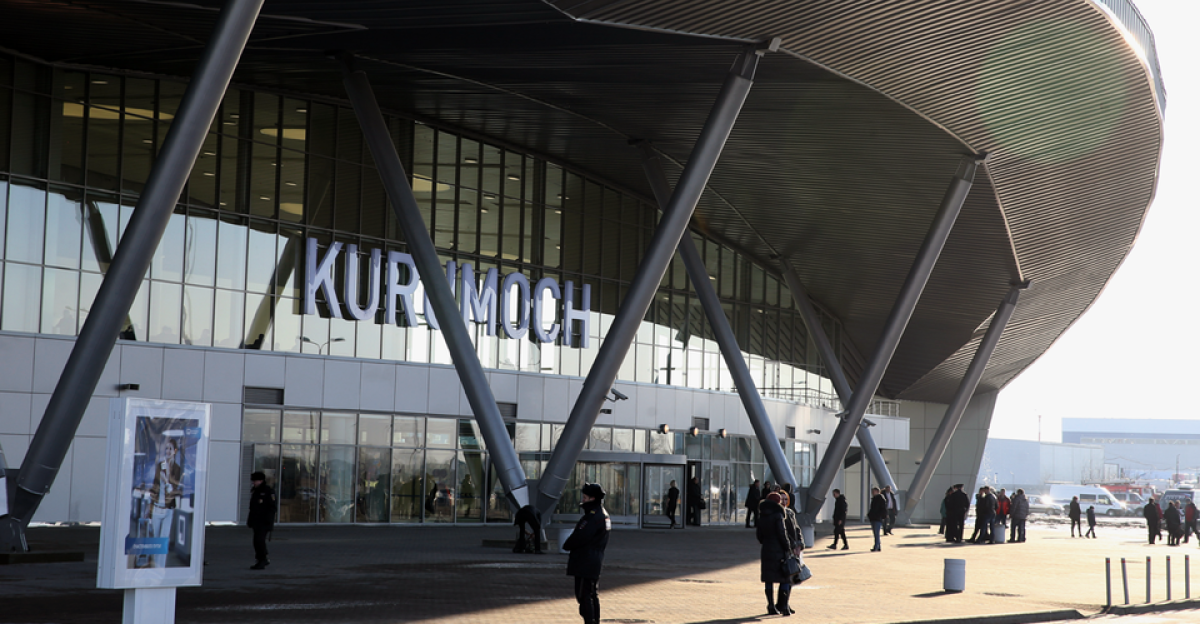
Compounding the immediate fallout, the Kurumoch International Airport in the Samara region, the nearest central hub to Syzran, activated its “Kover” (Carpet) emergency safety protocol. This operational response halts all takeoffs and landings when unidentified aerial threats are detected, protecting civilian aircraft from potential collisions or strikes.
On the night of December 28, the airport effectively shut down flight operations, stranding passengers and disrupting logistics networks dependent on air transport. While brief protocols typically last 2–4 hours per incident, the closure illustrated how drone strikes ripple beyond their immediate target, affecting transportation, commerce, and civilian mobility across a region. This secondary disruption extended the attack’s economic and logistical footprint far beyond the refinery’s perimeter.
Energy Heartland Redefined

Russia’s energy sector spans a vast geography: refineries in Siberia and the Volga region, pipelines stretching thousands of kilometers, and export terminals on the Black Sea and Arctic. The Syzran refinery sits at a critical junction in this network, close enough to European markets to serve export pipelines, yet positioned inland to supply Russian military and civilian demand.
Ukrainian targeting of Syzran, Temryuk, and other facilities suggests a strategic calculation: by degrading distributed refining nodes across multiple regions, Ukraine maximizes economic pressure without requiring a single catastrophic strike. Analysts describe this approach as “death by a thousand cuts,” each raid eroding Russia’s energy autonomy and forcing costly repairs and workarounds. The accumulated effect is a slow-motion constraint on Russia’s economy and war machine.
The Systemic Vulnerability
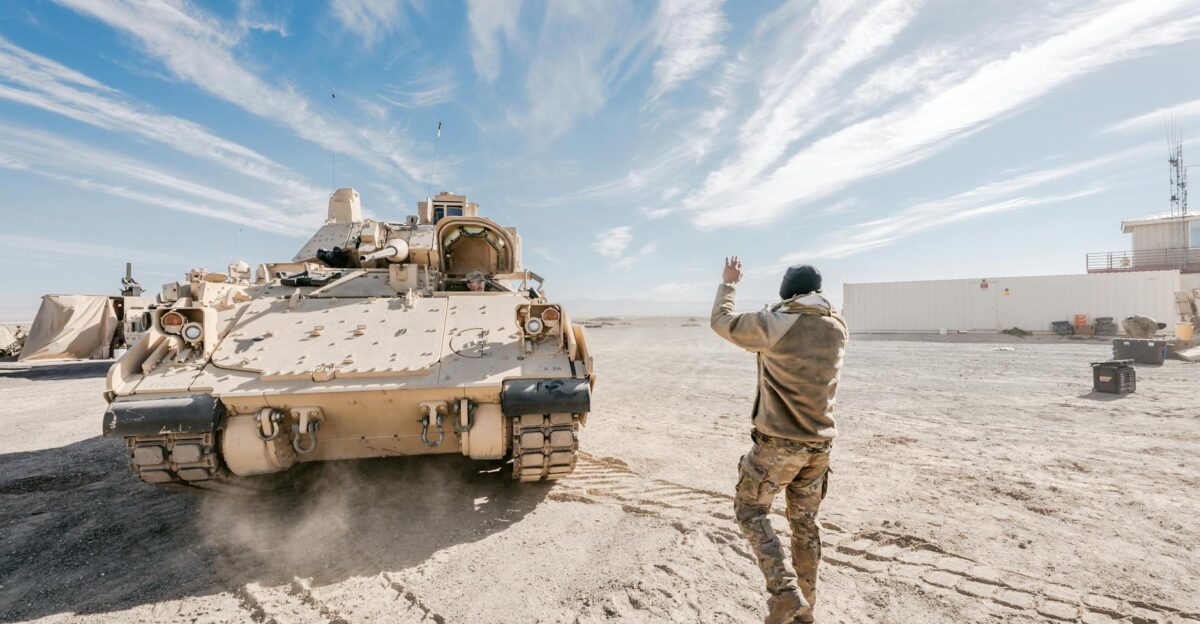
What the individual strikes reveal is a fundamental asymmetry in modern warfare: Russia cannot defend an energy infrastructure spanning an empire-sized territory with conventional air defenses alone. Drones operate cheaply (some costing under $10,000), fly low and slow to evade radar, and require minimal pilot exposure. Russia’s layered air defense systems, S-400s, Pantsirs, and Tors are designed to intercept aircraft and cruise missiles, not slow-moving drones.
Each successful Ukrainian drone strike thus exposes a gap in Russian defensive doctrine. Moreover, repairs to refineries take weeks or months, while drone replacements take days or weeks to manufacture. This asymmetry suggests that Ukraine’s energy campaign will persist and intensify, forcing Russia into an increasingly expensive and exhausting defensive posture with no clear technological solution in sight.
Refinery Frustration: Rosneft’s Dilemma

Rosneft, the state-controlled operator of Syzran, faces an agonizing operational reality: each attack requires expensive repairs, yet every repair is temporary. Engineering teams can patch a damaged substation or reactor in weeks, but the next drone strike may follow within days or weeks. Multiple sources confirm that the August 2024 strike forced a temporary halt to refinery operations, a rare outage that rippled through supply chains and triggered emergency rationing.
By December, Rosneft officials reportedly acknowledged that continuous strike patterns necessitated a fundamental shift in maintenance and operational planning. The company faces pressure from Moscow to maintain output while simultaneously dealing with recurring damage that no conventional defense can entirely prevent. This tension between operational necessity and recurring vulnerability creates a morale and logistical crisis.
Russia’s Strategic Response: Shifting Priorities

Facing the scale and persistence of Ukraine’s drone campaign, Russian authorities have initiated a multi-pronged response: accelerating repairs, dispersing refinery operations, and increasing investment in air defense systems. Moscow has redirected military procurement toward short-range air defense and electronic warfare to counter drones, diverting resources from frontline combat equipment.
Additionally, Russia has begun rerouting some refinery output through alternative pipeline networks and increasing reliance on imported fuel products, even at higher cost. These defensive moves signal that Russian leadership accepts both the reality and durability of Ukraine’s targeting capability. The strategic pivot from confidence in defending critical infrastructure to accepting incremental damage and implementing workarounds represents a psychological and operational shift in how Moscow manages existential economic vulnerabilities.
Winter as a Force Multiplier
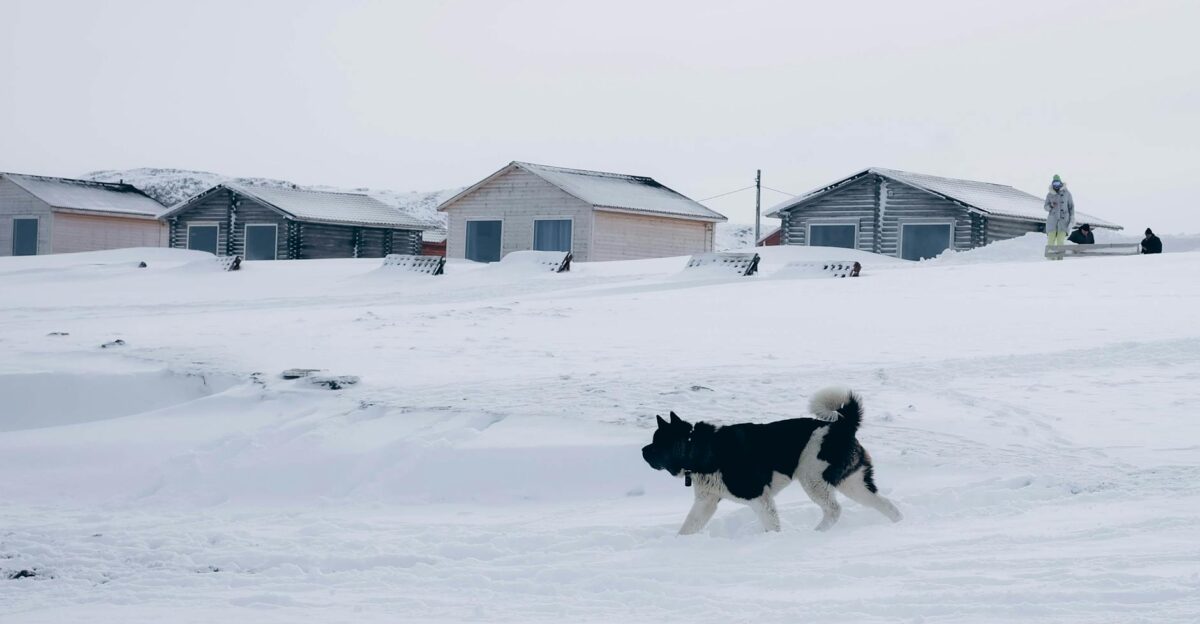
The timing of Ukraine’s escalated campaign concentrated during Russia’s winter months amplifies civilian suffering and political pressure. In December and January, heating demand peaks, electricity grids operate near maximum capacity, and any outage directly threatens public health. Hospitals, schools, and residential buildings without backup generators face critical vulnerability.
Ukrainian commanders have calibrated their strike schedule to coincide with winter peaks, maximizing humanitarian pressure and economic dislocation. Russian media have begun reporting residents’ complaints about heating failures and power instability, suggesting that the political cost of repeated strikes is mounting. While difficult to quantify, the psychological and morale impact on Russian civilians, especially in regions repeatedly targeted, may prove as strategically significant as the physical damage to refineries.
The Repair Treadmill: Skeptical Outlook
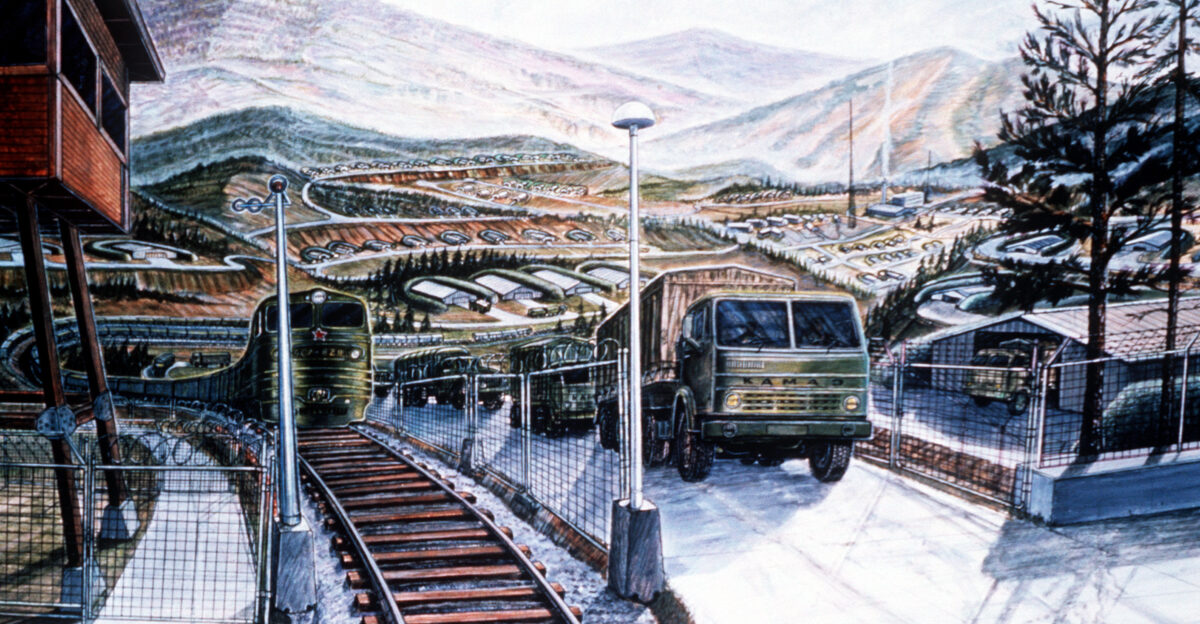
Energy sector experts increasingly question whether Russia can sustain both defense and repair of its refining network under sustained Ukrainian pressure. One analyst noted in January 2026 that “each refinery strike represents a multi-million-dollar loss, and the rate of new attacks exceeds the rate of full repair completion.” Rosneft has invested in hardened facilities and redundant systems, but Ukraine’s demonstrated precision targeting suggests that even upgraded infrastructure remains vulnerable.
Some experts hypothesize that Ukraine’s ultimate goal is not the destruction of refineries, which are expensive and time-consuming to rebuild, but rather the creation of sustained disruption: constant low-level damage, perpetual repair costs, and operational uncertainty that drains Russia’s economic resources and military logistics over time. If this assessment is correct, the cycle may persist for years without clear resolution.
The Long Game Ahead

As winter deepens and Ukraine’s drone technology matures, a critical question emerges: Can Russia indefinitely sustain both military operations and civilian energy security under persistent strikes? The December 28 attack on Syzran exemplifies a pattern that may define the coming months: incremental degradation of Russia’s energy infrastructure, mounting civilian pressure, and strategic vulnerability that conventional defenses cannot fully address.
Ukrainian military leadership has signaled no intention to pause the campaign, and Western allies have begun supplying longer-range precision drones and targeting intelligence. If the current trajectory continues, Russia may face a choice between accepting cumulative energy-sector collapse or diverting massive military and economic resources to harden critical infrastructure. This trade-off favors Ukraine’s asymmetric strategy. The outcome will shape not only the conflict’s duration but also Russia’s post-war reconstruction burden.
Sources:
Kyiv Independent – Ukrainian drones struck Russia’s Syzran Oil Refinery; Ukrainian drones destroy 70 percent of fuel tanks at Russia’s Temryuk seaport
Reuters – Russia’s Syzran oil refinery halted operations after Ukraine’s December 5 drone attack
The Moscow Times – Russia’s Syzran oil refinery targeted in overnight Ukrainian drone strike
United24 Media – Ukrainian drones hit Temryuk seaport, destroying 70 percent of Russian fuel tanks
Pravda (Ukrainian) – Some Russian airports introduce operational safety measures during drone threat operations
New Voice of Ukraine – Drone threats ground Russian flights; wider context on Russian airport closures
Ukrinform – General Staff confirms strikes on Temryuk seaport and energy infrastructure in Samara region