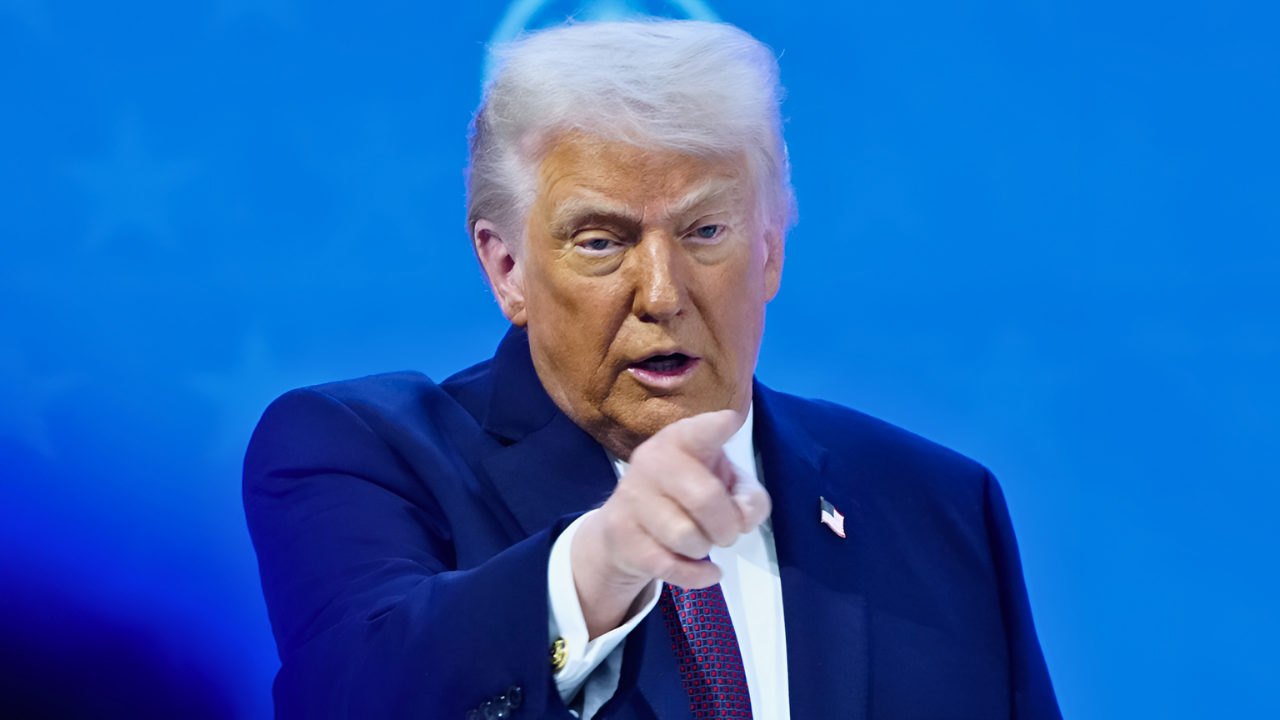
In a historic rupture for global health, the United States completed its withdrawal from the World Health Organization on January 22, 2026, becoming the first founding member to abandon the 78-year-old institution it helped build.
The American flag descended from the WHO headquarters in Geneva that morning, witnessed by Reuters journalists, signaling the end of a partnership forged in 1948. HHS Secretary Robert F. Kennedy Jr. and Secretary of State Marco Rubio announced the move, declaring in a joint statement that the U.S. would reclaim its flag. Over the prior year, since President Trump’s executive order on January 20, 2025—his first day back in office—the administration had methodically withdrawn all personnel, ceased funding, and severed longstanding ties with health ministries worldwide.
Flag Removal in Geneva
The ceremony marked more than symbolism. The flag had flown for decades over contributions from American epidemiologists, researchers, and officials who influenced the organization’s direction. Its removal coincided precisely with the withdrawal’s effective date under WHO bylaws, which mandate a one-year notice period. This exit contrasts sharply with Trump’s failed 2020 attempt, reversed by President Biden in 2021, highlighting persistent partisan rifts over U.S. involvement in international bodies.
Funding Cutoff and Debts
The U.S. had supplied about 20 percent of WHO’s operational budget, making it the largest donor. That stream ended abruptly on January 22. Complicating matters, the U.S. faces $260 to $278 million in unpaid dues from 2024 and 2025. WHO rules require settling such debts before departure, but the State Department stated unequivocally: “The United States will not be making any payments to the WHO before our withdrawal.”
Personnel Recall
Hundreds of American staff—diplomats, disease surveillance experts, and public health specialists—received immediate recall orders from positions in Geneva and global offices. These professionals had staffed WHO committees and technical groups, directly shaping responses to infectious threats. Their departure stripped the organization of key U.S. expertise embedded across its operations.
Pandemic Failures
Cited Kennedy and Rubio pinpointed COVID-19 as the decisive factor. In their statement, they accused WHO of delaying the global emergency declaration in the pandemic’s early stages, costing vital weeks as the virus spread from Wuhan. They charged the organization with praising China’s response despite evidence of information suppression and case underreporting. Further criticisms included downplaying airborne transmission, ignoring asymptomatic spread, and resisting the lab-leak hypothesis until external pressure. WHO’s origins investigation, which dismissed the lab-leak theory, relied on incomplete data from China, including absent genetic sequences from the Wuhan Institute of Virology. The U.S. views this as prioritizing diplomacy over scientific truth.
New Path Forward
The administration shifted to bilateral partnerships, bypassing multilateral frameworks. An HHS fact sheet emphasized U.S. leadership in public health through targeted ties with allies, focusing on rapid outbreak detection, biosecurity, and innovation. U.S. involvement with WHO now limits to exit facilitation and protecting American interests.
This unprecedented departure reverberates through global health networks. The Global Influenza Surveillance and Response System, essential for flu tracking and vaccine development, loses U.S. real-time data from its advanced infrastructure. Experts like Infectious Diseases Society of America President Ronald G. Nahass deem it “scientifically reckless,” stressing global cooperation as a “biological necessity.” Vaccine scientist Peter Hotez warned of heightened biosecurity risks from natural viruses and potential bioweapons. WHO Director-General Tedros Adhanom Ghebreyesus called it a “lose-lose,” prompting budget cuts amid the funding void. As nations observe, the exit tests WHO’s resilience, slows disease tracking, and fragments early warning systems. With pandemics inevitable, the stakes hinge on whether fractured coordination can still mount timely defenses to avert widespread harm.
Sources:
U.S. Withdrawal from the World Health Organization — U.S. Department of Health and Human Services
Joint Statement by Secretary of State Rubio and Secretary of Health and Human Services Kennedy on the Termination of U.S. Membership in the World Health Organization (WHO) — U.S. Department of Health and Human Services
WHO statement on notification of withdrawal of the United States — World Health Organization
United States Completes WHO Withdrawal — U.S. Department of Health and Human Services