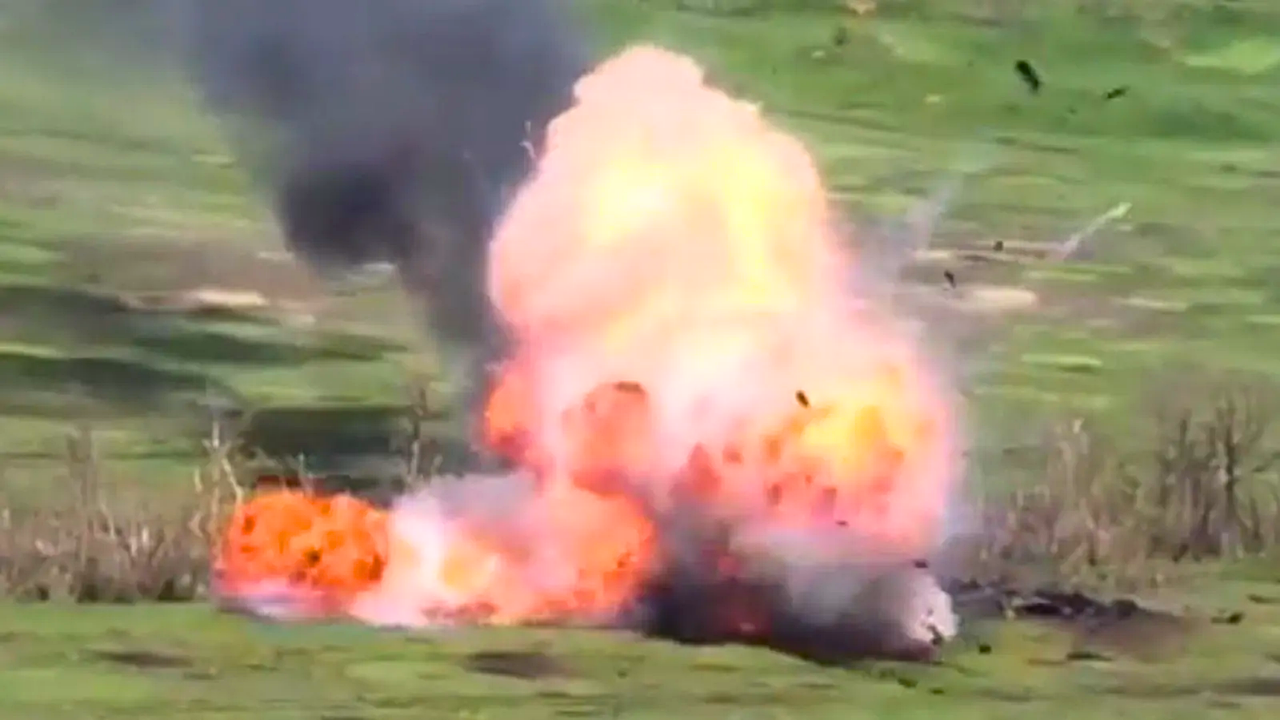
In July 2022, Ukrainian drones and artillery struck Russian self‑propelled guns along the Donetsk front for over 48 hours. Russian crews used camouflage and tree lines for protection.
Ukrainian aerial scouts spotted four Msta‑S howitzers and sent exact positions to gunners. The strikes showed Ukraine was waging a bigger campaign that Russia didn’t see coming.
Stakes in Steel
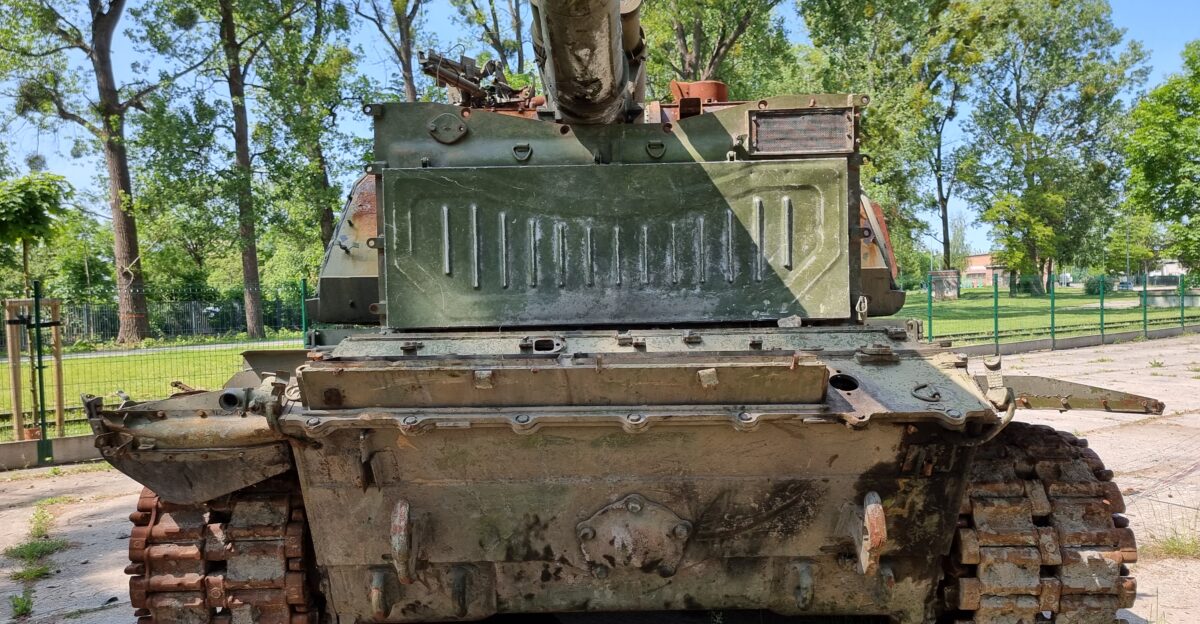
Photo by Zala on Wikimedia
The destroyed howitzers were key Russian artillery assets. Each Msta‑S brings heavy firepower and mobility for infantry support and defense.
Losing several hours meant Russia was losing equipment faster than expected. As Ukraine’s aim got better, Russia struggled to send fresh guns to the front.
Msta‑S Origins
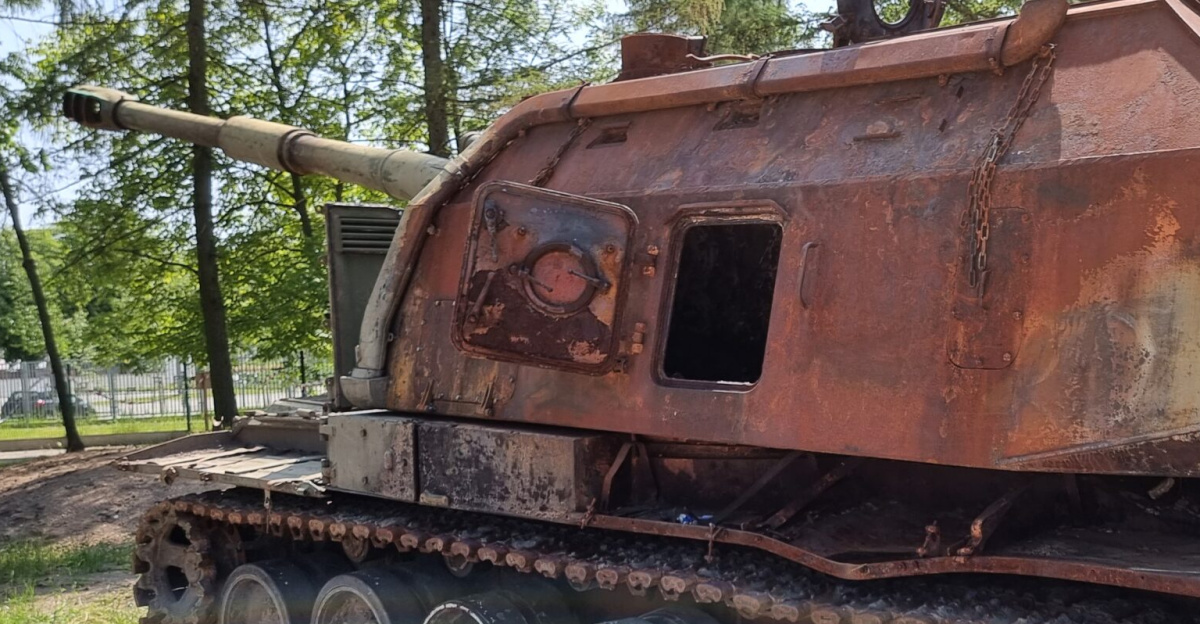
The 2S19 Msta‑S started in Soviet service in the late 1980s. It’s a 152 mm self‑propelled howitzer built on a tank frame.
It fires shells up to 44,000 feet away and has been upgraded many times. Russia uses it heavily in battle, so each loss hurts more.
Slow Production Grind
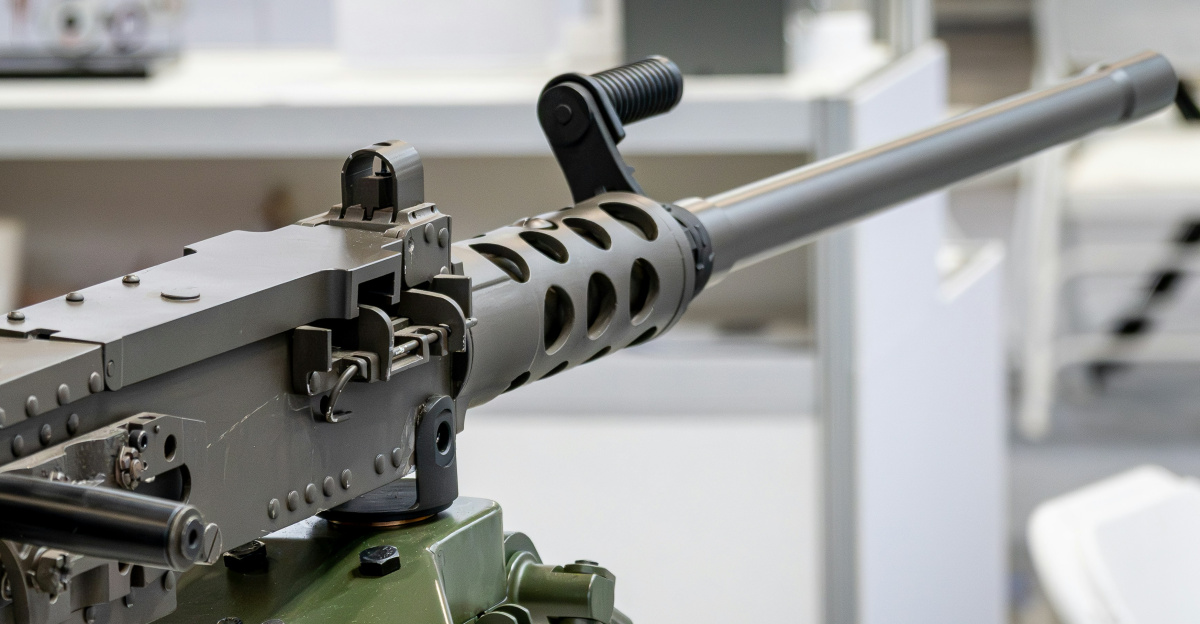
Russia never made Msta‑S guns like Cold War tanks. Experts say Russia built about 1,000–1,100 units over the course of decades. That means modest yearly output.
Sanctions and aging factories now make new guns and repairs even slower. Each destroyed gun represents years of money Moscow can’t quickly replace.
The 250-Gun Blow
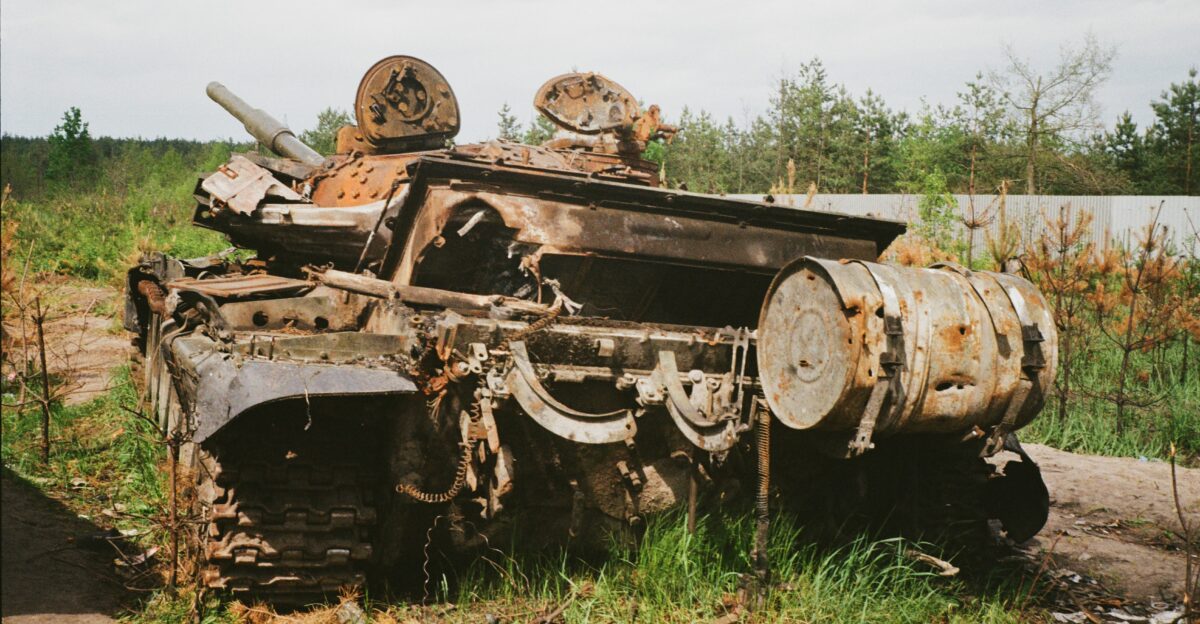
Open sources tracked that Russia lost hundreds of Msta‑S howitzers in Ukraine. One detailed study using Oryx’s confirmed loss list said about 250 guns were destroyed since February 2022.
At roughly $1.4–1.5 million per gun, that equals about $367.5 million in destroyed equipment. This matches several years of Russia’s normal Msta‑S output.
Donetsk Under Drones

The Donetsk front became a test ground for Ukraine’s cheap drones and counter‑battery tactics. Drones hovered over Russian gun spots, mapping tire tracks, blast marks, and nets.
Once patterns emerged, Ukrainian artillery struck with confidence. Safe tree lines became death zones that could ignite without warning.
Crews in the Crosshairs
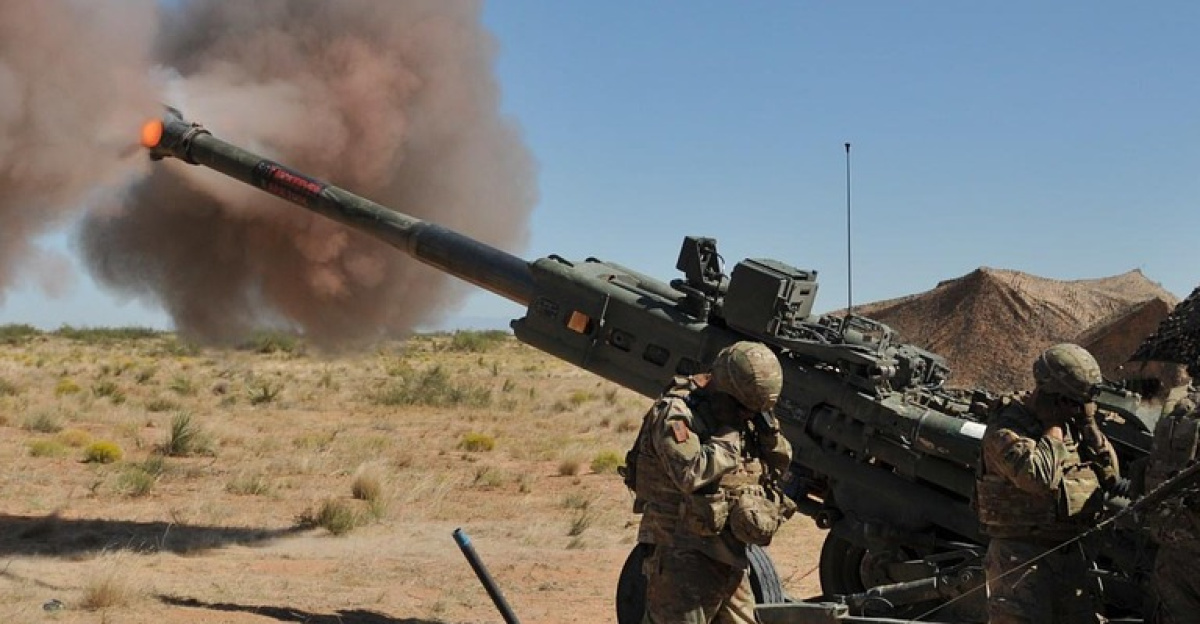
Every destroyed Msta‑S forced its crew to choose between shooting and survival. Ukrainian media reported cases where Russian howitzers under nets were hit by guided weapons.
One report noted a hidden Msta‑S that “did not save it from being found by artillery scouts.” Drones changed how soldiers thought about hiding overnight.
OSINT’s New Ledger
Oryx’s database of confirmed losses became a key measure of the war’s cost. The site logs guns as lost only when photos or video prove it. Real losses are higher.
One study using Oryx data found 293 confirmed Msta‑S losses across all types by mid‑2025. That beats many European armies’ full supplies.
Artillery War at Scale
The fight over Msta‑S guns is part of a larger artillery war. Russia used mass firepower. Ukraine used precision, Western guns, and drones.
High Msta‑S losses force Russia to spread remaining guns across a huge front. Experts warn this loss rate could hurt Russia’s ability to sustain long attacks.
Camouflage Becomes a Liability
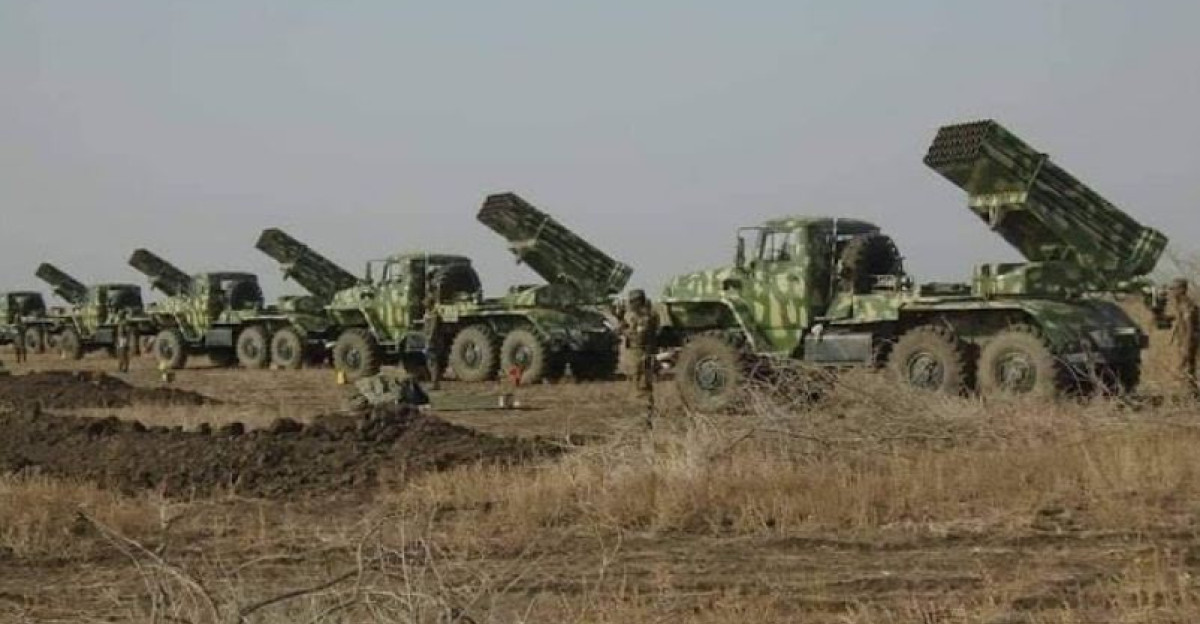
Hidden Msta‑S guns were once safe. Now they’re at risk. Nets, tire marks, and disturbed soil are clearly visible in drone photos. Instead of hiding guns, camouflage marks them for attack.
Refusing to change hiding tactics turns every “safe” gun into a target waiting to be hit.
Strain Inside Russian Units
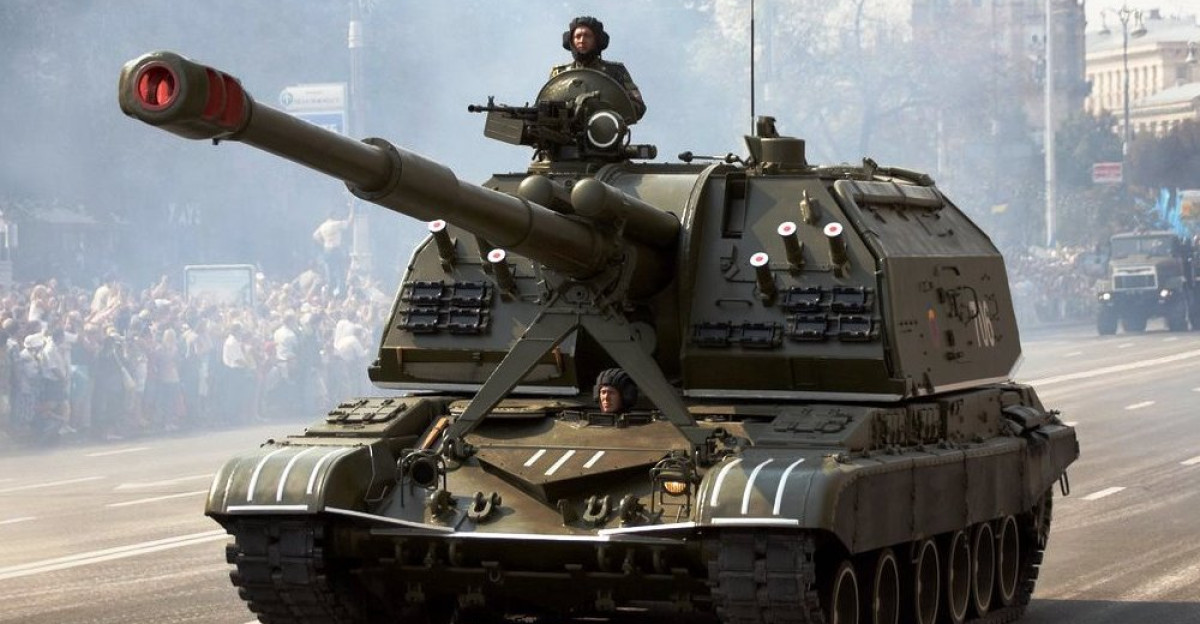
As losses grew, reports showed fewer Msta‑S guns near the fighting. Some OSINT experts on conflict forums noted that Ukraine paid bounties to crews that found and destroyed these valuable systems.
Russian units now feared that every radio signal and move could draw a strike. Morale and faith in equipment suffered.
Leadership’s Industrial Dilemma

Russian leaders face a tough choice: replace lost howitzers, fix old systems, or build other weapons. Sanctions limit advanced parts. Missile and tank programs compete for resources.
Experts say old Soviet guns can’t fully replace the losses of modern Msta-Ss. Moscow now juggles shrinking supplies against big battlefield goals.
Ukraine’s Precision Learning Curve
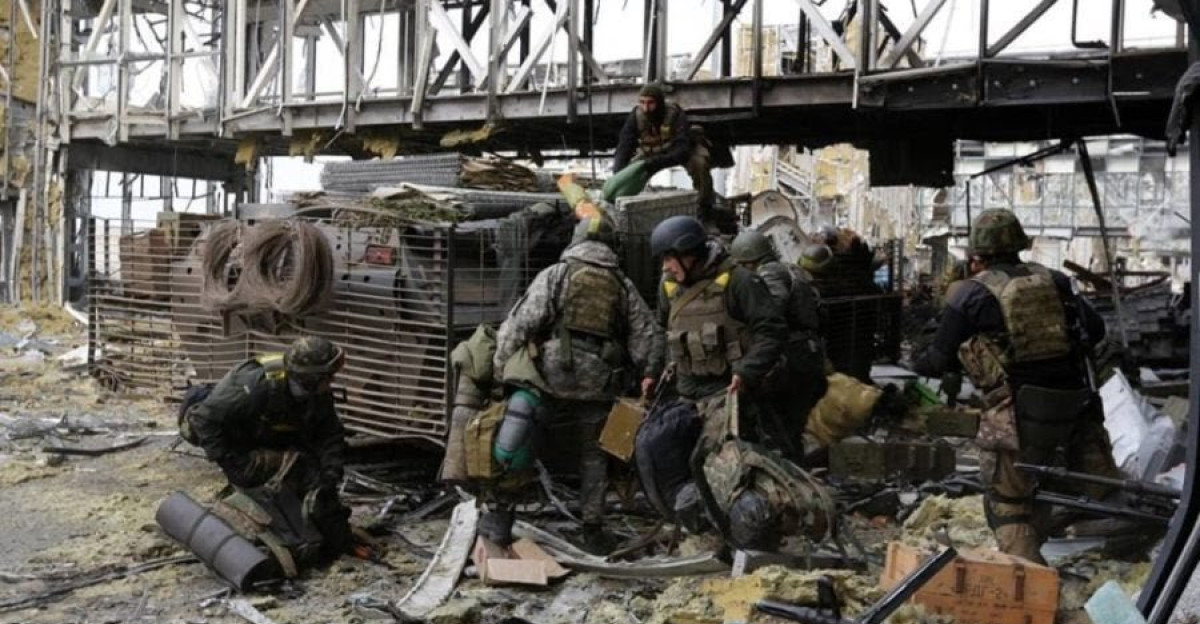
Ukraine uses each successful strike to refine tactics and methods. Lessons from Donetsk inform new drone designs and improved fire guidance software.
Western radar and shells amplify these gains when well coordinated. Over time, Ukraine learns faster, making each new Russian gun loss more likely.
Expert Doubts on Recovery
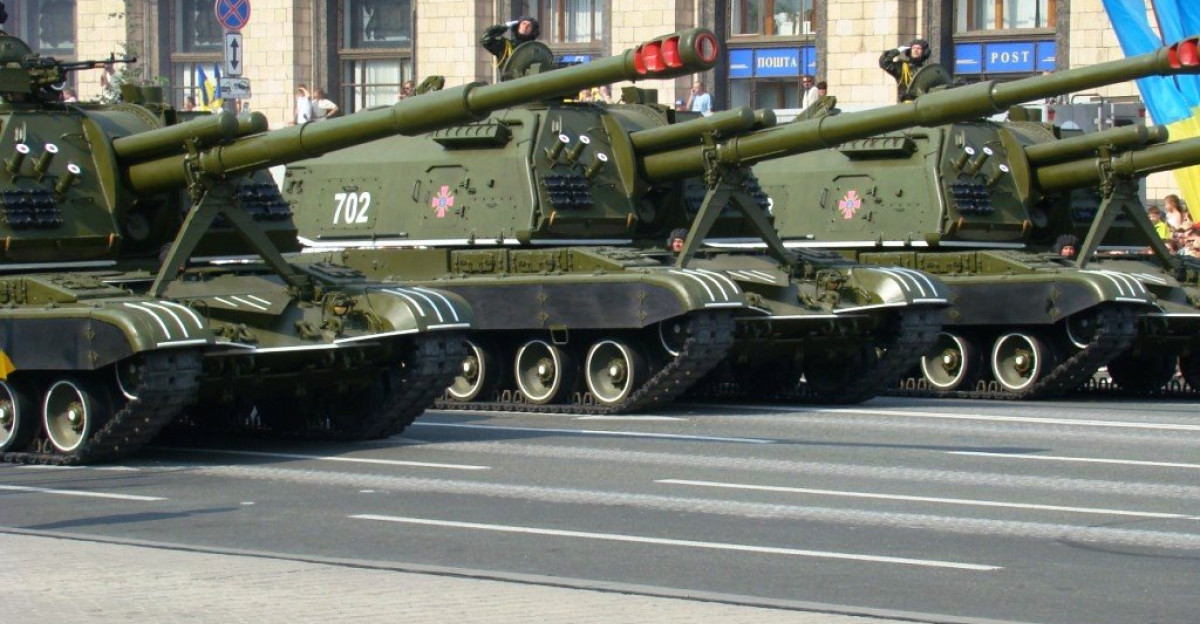
Military experts question whether Russia can rebuild its pre‑war gun strength soon. Replacing hundreds of Msta‑S systems needs steady funding, safe supply lines, and workers that Russia may not have.
One expert warned that continued losses cast doubt on the durability of these systems. If right, today’s losses could reshape Russia’s army for years.
Years of Output, Gone
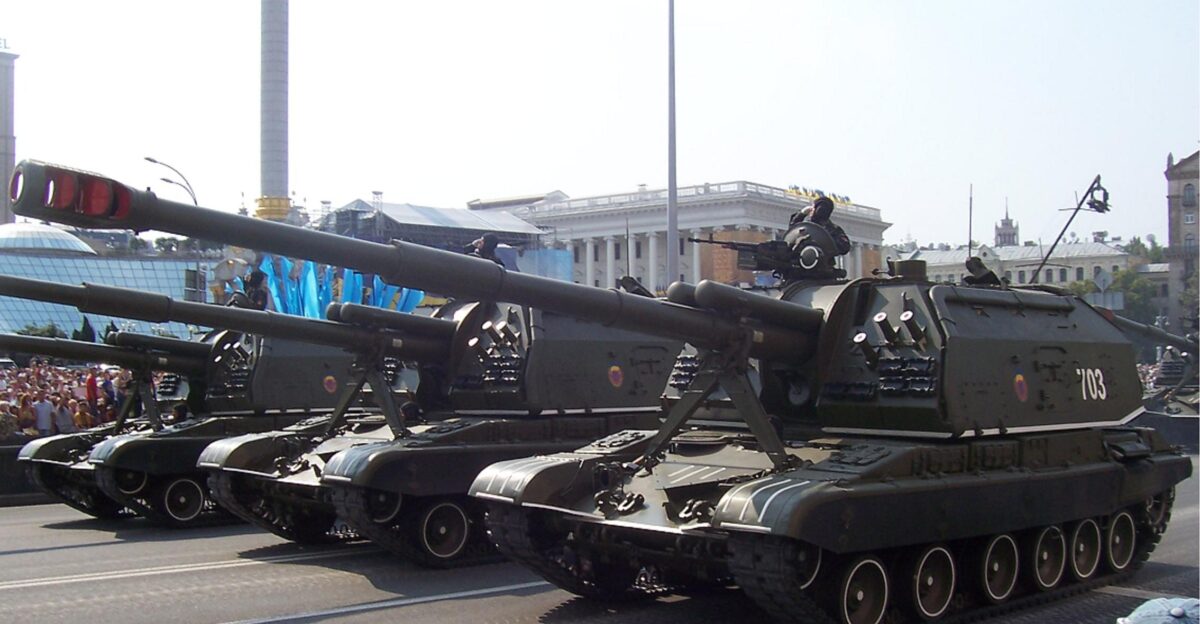
The loss of roughly 250 Msta‑S howitzers is more than separate wins. It likely equals several years of Russia’s real output and repairs for this gun type.
Ukraine has removed a big part of Moscow’s old artillery edge. The real question is whether Russia can change faster than Ukraine learns to hunt.
Sources:
- National Security Journal, “Msta-S: Russia’s ‘Frankenstein’ Howitzer Still Thunders in Ukraine,” 3 Jun 2025
- Oryx, “Attack On Europe: Documenting Russian Equipment Losses During The Russian Invasion Of Ukraine,” 23 Jan 2026
- Defence‑Blog, “Russia Faces Heavy Losses of Msta-S Howitzers,” 4 Jun 2024
- The Daily Digest, “Two Days of Devastation: When Ukraine Humbled Russia,” 2023
- Militarnyi via Defence‑Blog, “Ukrainian Mechanics Refitted Self-Propelled Howitzer,” 7 Aug 2025
- MSI² Sitrep, “Two for One… in Three Days: Ukraine Shocks Russia with Drone Innovation,” 4 Jun 2025