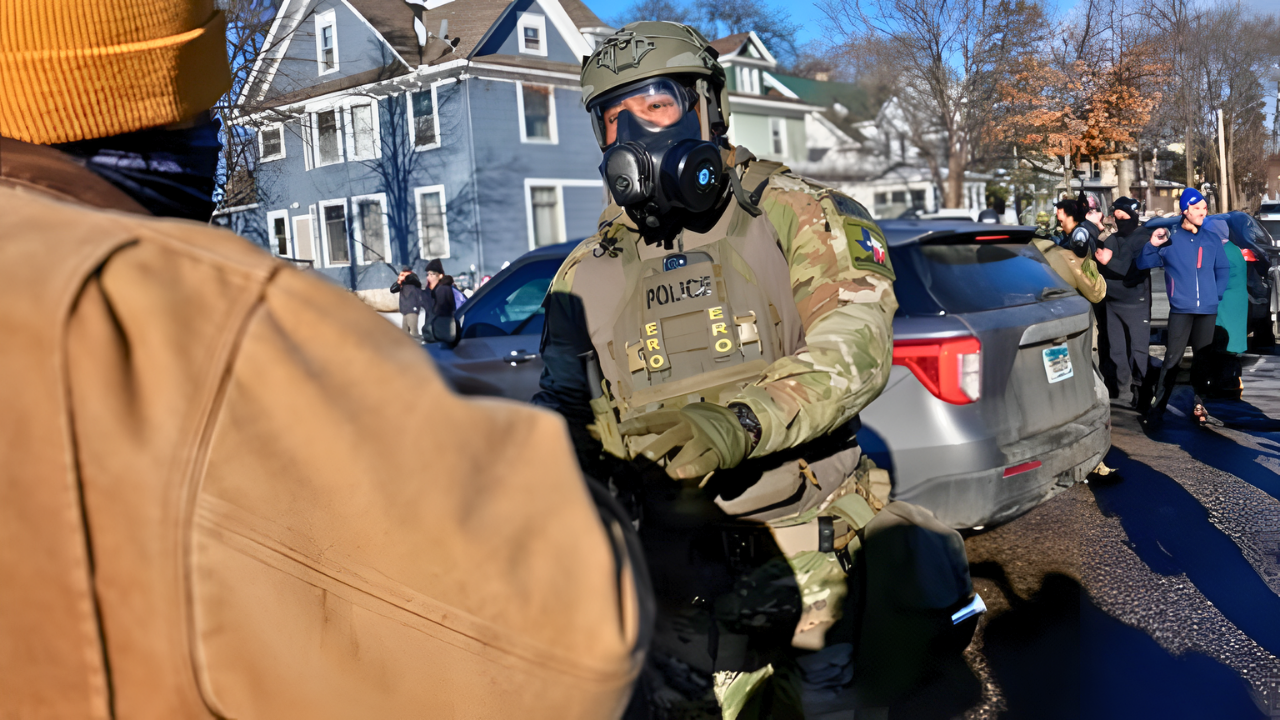
Dawn raids shattered the quiet of Maine homes on January 21, as federal agents arrested about 50 individuals with criminal records, kicking off a sweeping immigration enforcement effort amid rising tensions between state leaders and Washington.
Operation Catch of the Day
The Department of Homeland Security dubbed the initiative “Operation Catch of the Day,” a nod to Maine’s fishing heritage. Federal officials targeted individuals convicted of serious offenses, such as aggravated assault, false imprisonment, child endangerment, and operating under the influence. With roughly 1,400 potential targets identified across the state, the operation signals a prolonged campaign prioritizing public safety threats.
Trump Administration’s Push
This action fits into President Donald Trump’s nationwide immigration enforcement strategy, a key campaign promise. Similar to recent operations in Minnesota that sparked protests, the Maine effort zeroes in on people with criminal histories in areas where local cooperation with Immigration and Customs Enforcement (ICE) has been limited. Democratic-led states like Maine now face heightened federal pressure.
Federal-Local Divide
Portland and Lewiston, Maine’s largest cities, have policies and leadership that have resisted full ICE collaboration, though not formally labeled sanctuary cities. Governor Janet Mills, a Democrat, voiced frustration over the lack of advance notice on the operation’s details, demanding transparency from federal authorities. Portland Mayor Mark Dion opposed the expanded ICE presence, arguing it lacked justification from unchecked crime levels. DHS countered by accusing state leaders of shielding dangerous offenders.
Day One Results and Highlighted Cases
ICE reported 50 arrests on the first day, with the operation focusing on violent crimes and public safety risks. DHS publicized four cases to underscore the stakes: Dominic Ali, convicted of false imprisonment and aggravated assault; Ambessa Berhe, guilty of aggravated assault and drug possession; Elmara Correia, arrested in a child endangerment incident; and Dany Lopez-Cortez, convicted of operating under the influence. These examples aim to justify the crackdown, though critics question their representativeness among all targets.
Community Impact and Tensions
Immigrant communities, including sizable Somali-American and African populations in Portland and Lewiston, reported widespread anxiety. Advocates urged residents to avoid travel and stay indoors. Local officials noted a lack of coordination, complicating community communications. Federal messaging portrays the effort as essential for safety, targeting “the worst of the worst,” while opponents see it as disruptive overreach that damages trust. Arrested individuals now face immigration proceedings, detention, and possible deportation, with outcomes varying by case details like family ties or legal challenges.
As Operation Catch of the Day continues, its scale could strain federal resources and test relations between Washington and resistant locales. The results may reshape debates on local-federal cooperation, public safety priorities, and immigration policy, influencing community stability and national enforcement trends ahead.
Sources:
“ICE confirms Maine immigration surge, tells Fox News nearly 50 arrests have been made so far.” Maine Public, 20 Jan 2026.
“Nearly 50 people arrested in federal immigration enforcement surge in Maine.” The Hill, 21 Jan 2026.
“‘Operation Catch of the Day’: ICE launches major enforcement effort in Maine.” WBUR, 20 Jan 2026.
“Governor Mills Statement on Federal Law Enforcement Operations in Maine.” Office of Governor Janet Mills. 21 Jan 2026